September 19, 20043 min readby Montenegro.com Admin
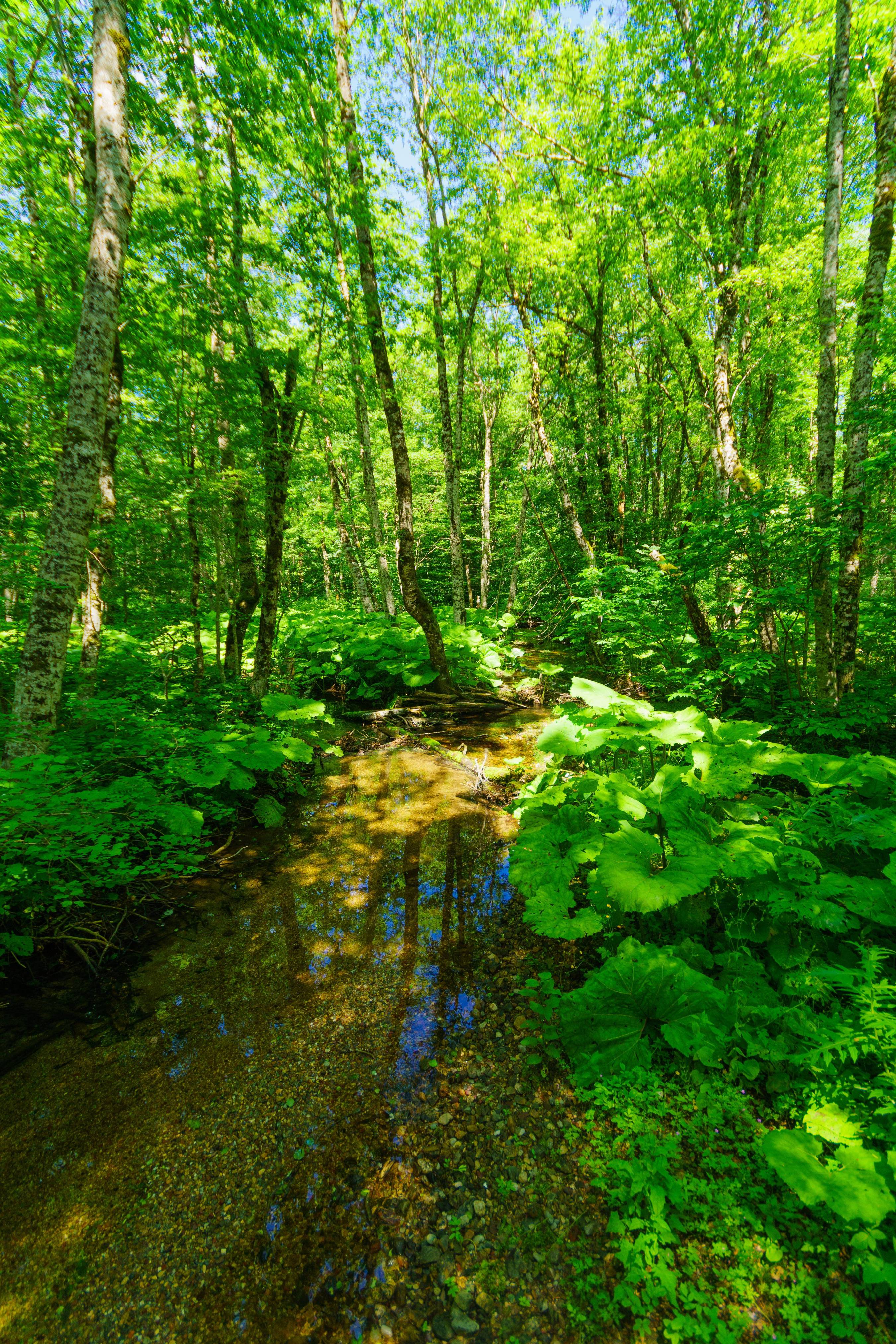
Between the rivers Lima and Tara, in the central part of Bjelasica, there is the Biogradska gora National Park, and within it one of the last three European rainforests.
This basin has been protected since 1878
Between the rivers Lima and Tara, in the central part of Bjelasica, there is the Biogradska gora National Park, and within it one of the last three European rainforests.
This basin has been protected since 1878, when it became the so-called King's Ban - a gift to the then King Nikola. The awareness of the necessity of preserving Biogradska gora for the future dates back to that period. Indeed, it remained almost untouched - a bright example of the idea of Montenegro as an ecological state.
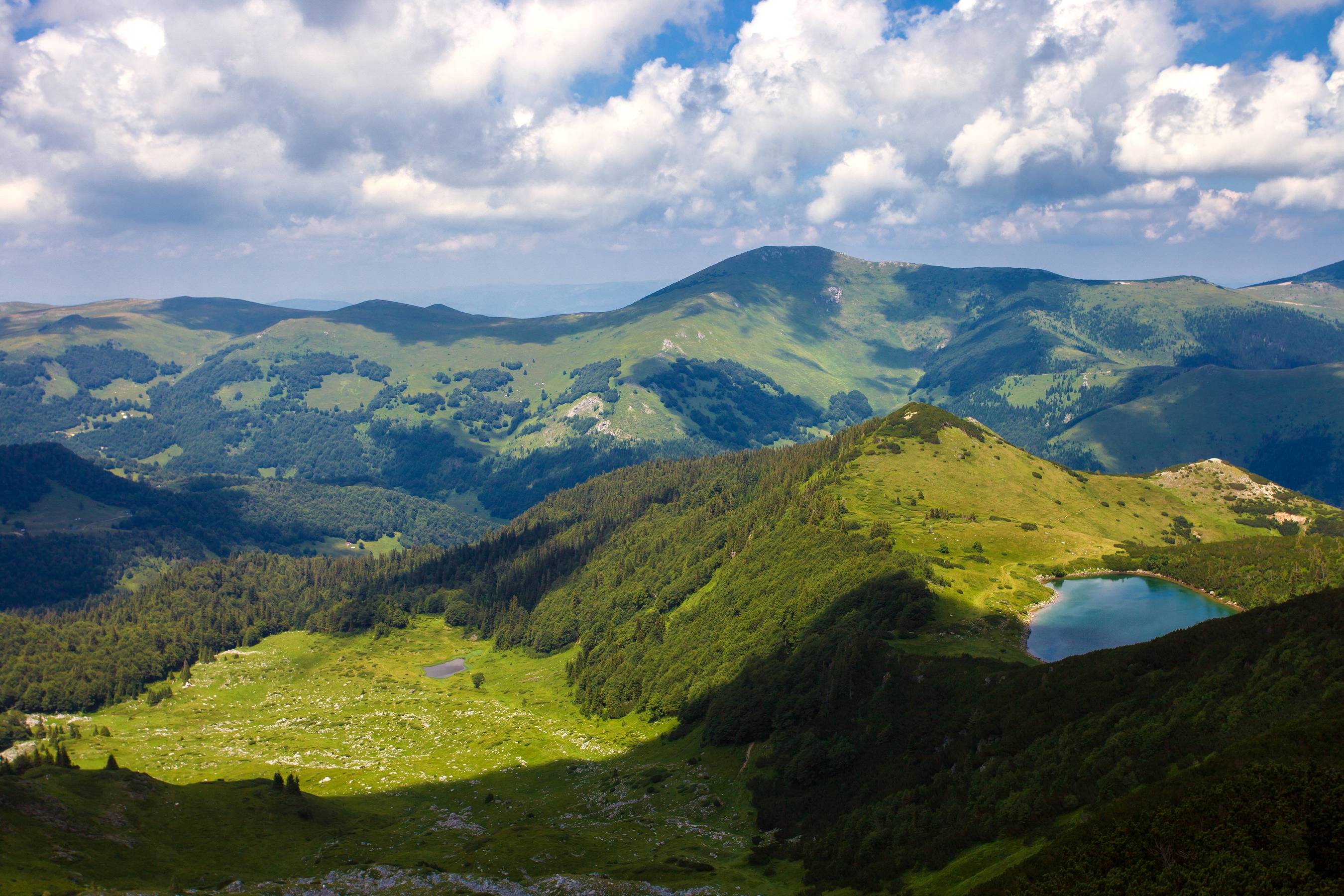
Glacial landforms - high mountain peaks and glaciers create a wonderful contrast with lakes and meadows. Although these peaks are over 2000 m high (the highest peak is Crna Glava - 2139 m above sea level) and some types of trees in the rainforest are 40-50 meters high, the area looks very tame.
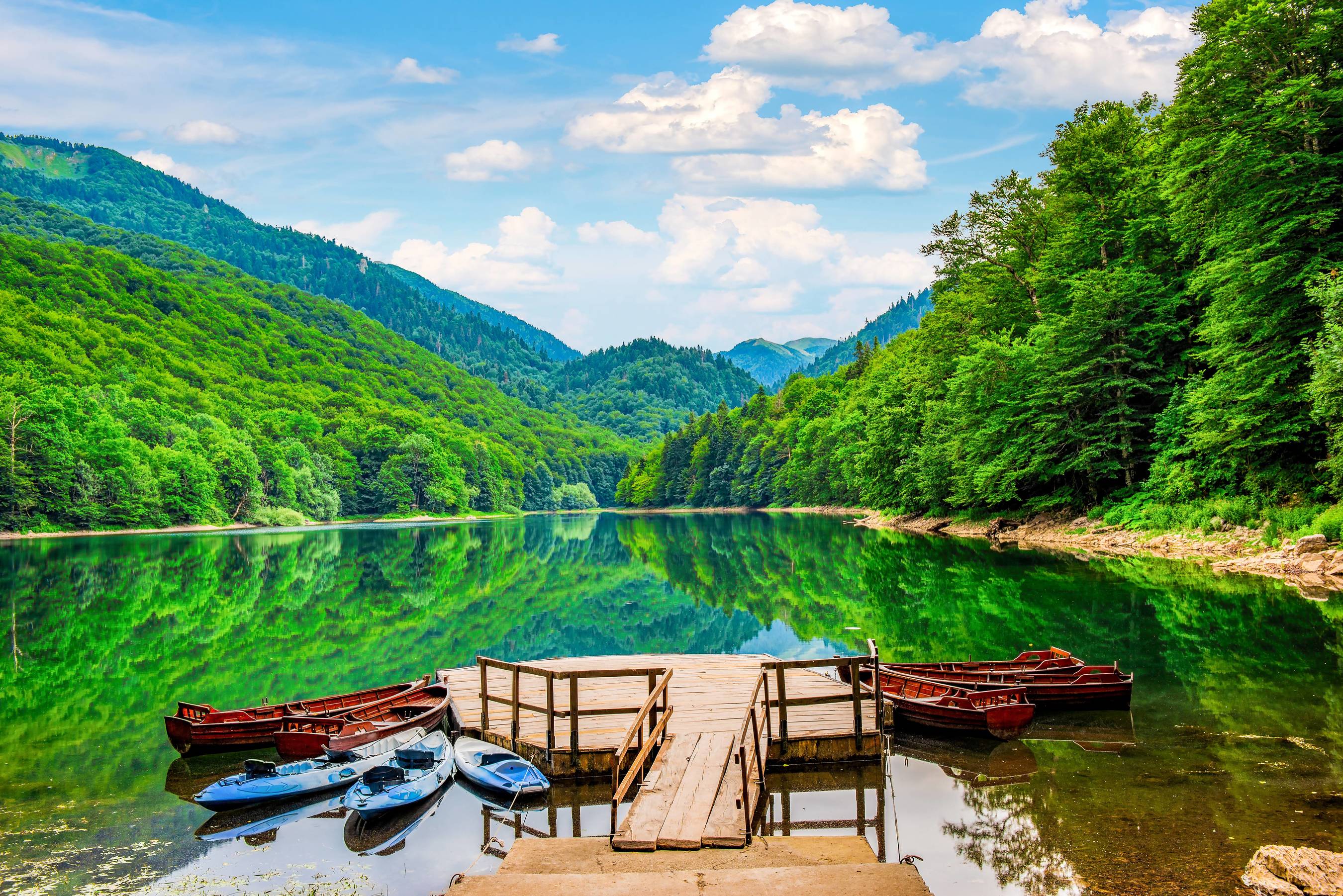
In the very heart of the rainforest, at an altitude of 1094 m above sea level, is Lake Biograd. Its unique blue-green color is given by the dense forest reflected in it, with its 86 species of dendroflora, many of which are protected (20% of the endemic species of the Balkan Peninsula live in the Biogradska Gora National Park).
Nature lovers can enjoy walks in spruce, fir, beech, elm, oak or linden forests, and ornithologists and bird lovers can enjoy watching the flight of eagles or hawks. Among the larger wild animals, the most common are deer, chamois, bears and wolves. As many as 80 species of butterflies can be seen here - 40% of the total number of species in Montenegro.
Biogradska gora is not only a natural masterpiece, but also a real ethnological treasure. On the edges of the rainforest, in katuns and villages, you can see huts, mills, savardacs - autochthonous, folk architecture, as well as archeological sites. Toponyms (Sjerogoste, Kraljevo Oko, Ganovaca, etc.) testify to the long history of this region, but also to its immutability over time.
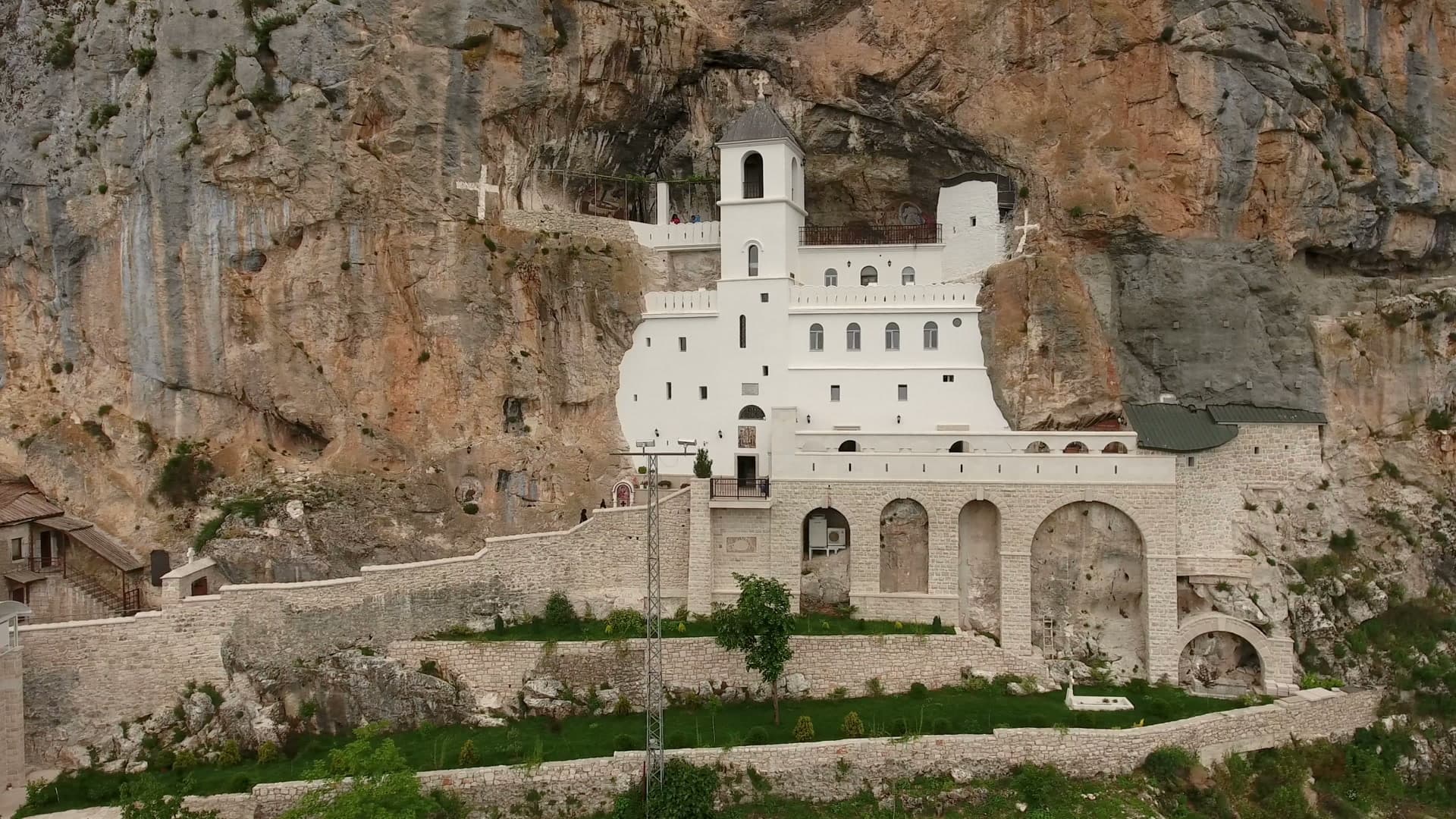
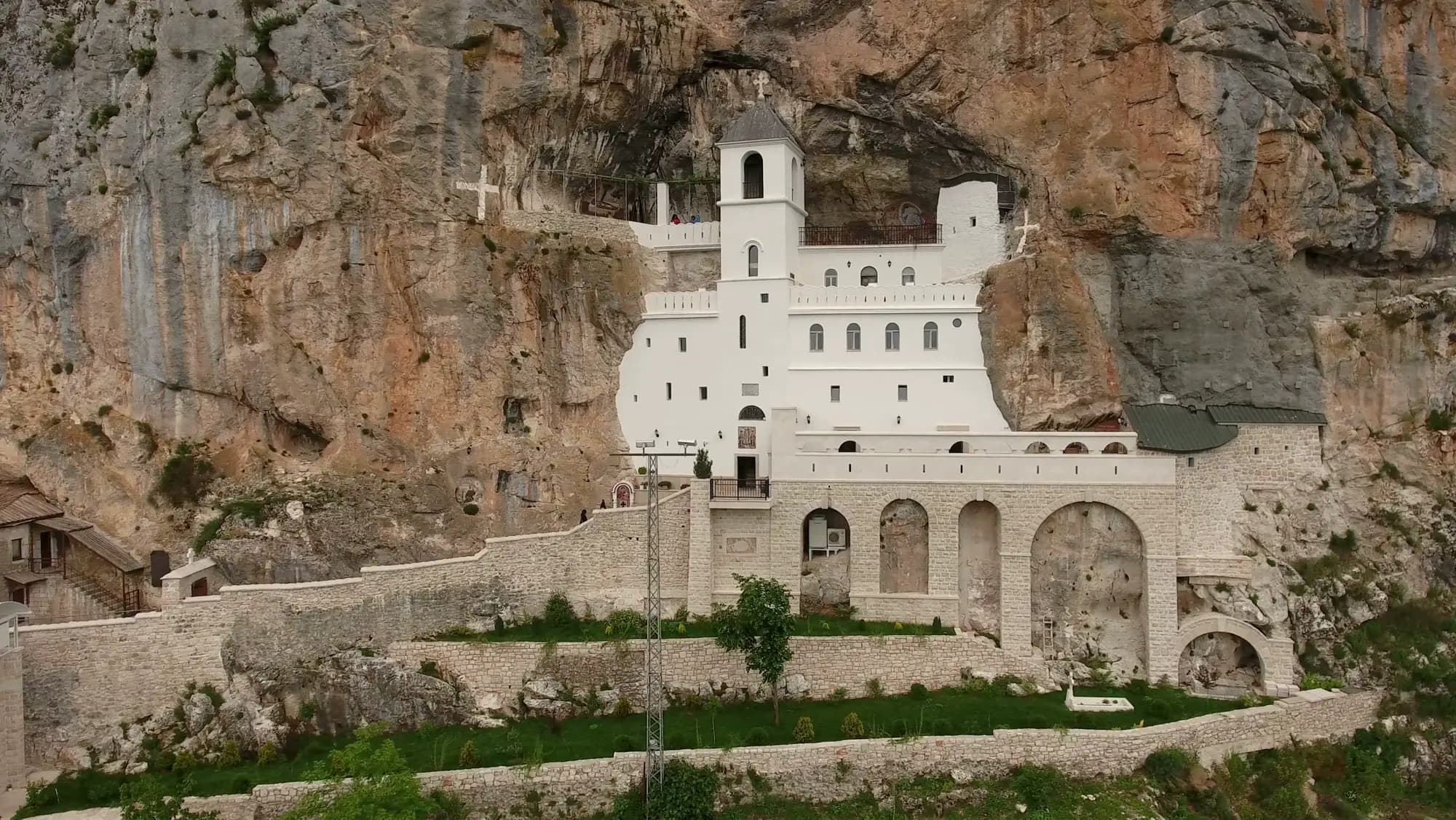
Indeed, on Biogradska gora historical time does not seem to exist, but that is why there is cyclical time, which can be followed by the indescribable games and changes in the colors of the forest, or by the revival and re-dying of the katun during the year. On the edge of this National Park is the Moraca Monastery (13th century) with very beautiful and significant frescoes from the 13th, 16th and 18th centuries and the most important (for us) icons from the 17th century.
The tour of Biogradska Gora can start right there. In addition, excursions through forest ecosystems to Lake Biograd (Kolašin - Kraljevo Kolo - Lake Biograd) are organized for larger groups of tourists with, if desired, rowing in wooden boats.
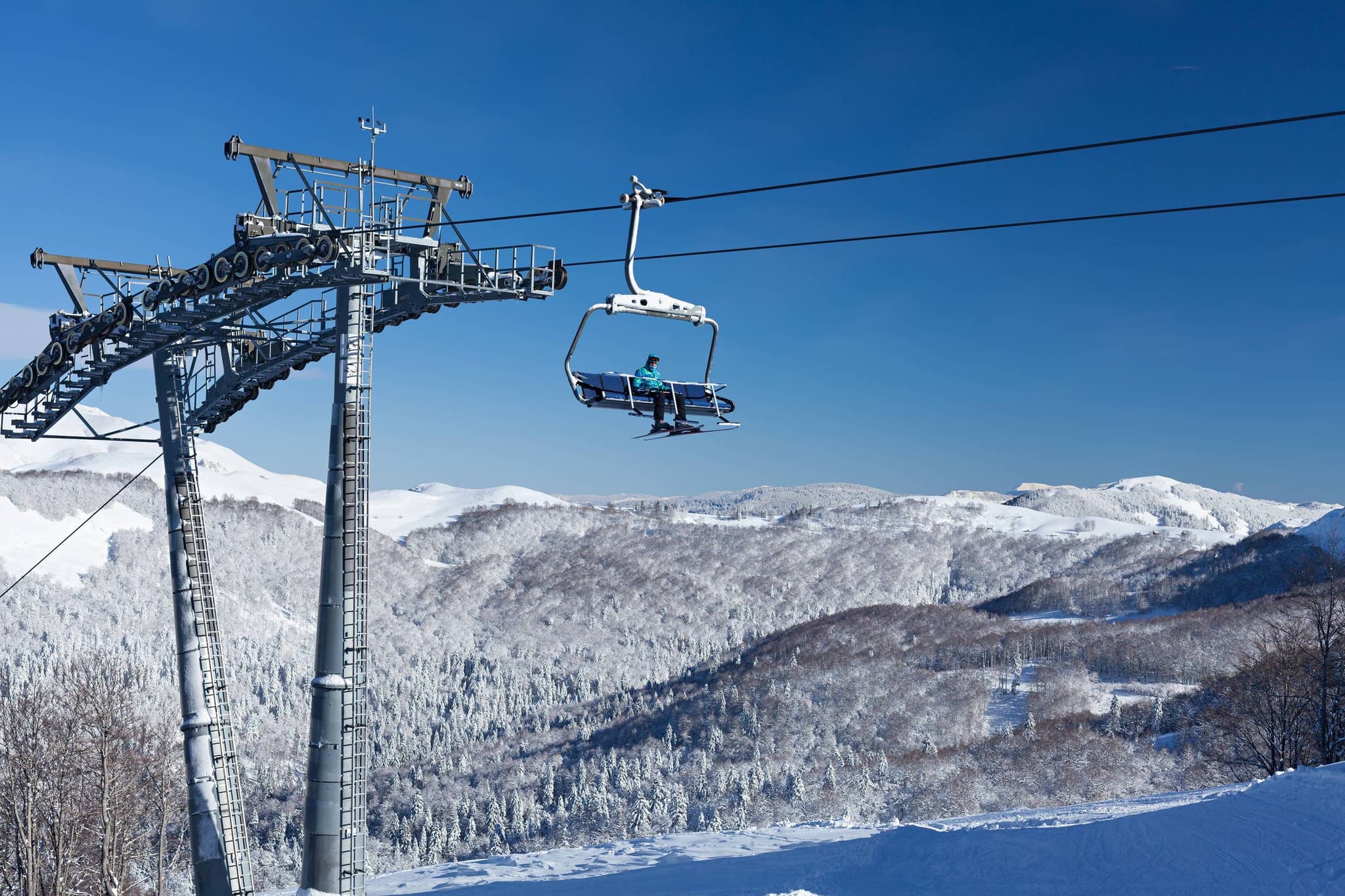
It is also possible to take a ski lift to one of the peaks of Bjelasica, from where you can enjoy a magnificent view of the entire National Park (it is the route Kolašin-Mušovica rijeka - Jezerine Ski Center).
The highest elevations and lakes (Crna Glava, Zekova glava Troglava, Pešica lake, Siško lake, Ursulovacka jezera) can be reached by marked trails. It is possible to camp in certain places.


.jpg)