Few tourist settlements in Montenegro can boast a romantic name! This is certainly the case with Rosa, a town on the northwest coast of the Luštica peninsula. Punto Rose, Uvala roža or jednos
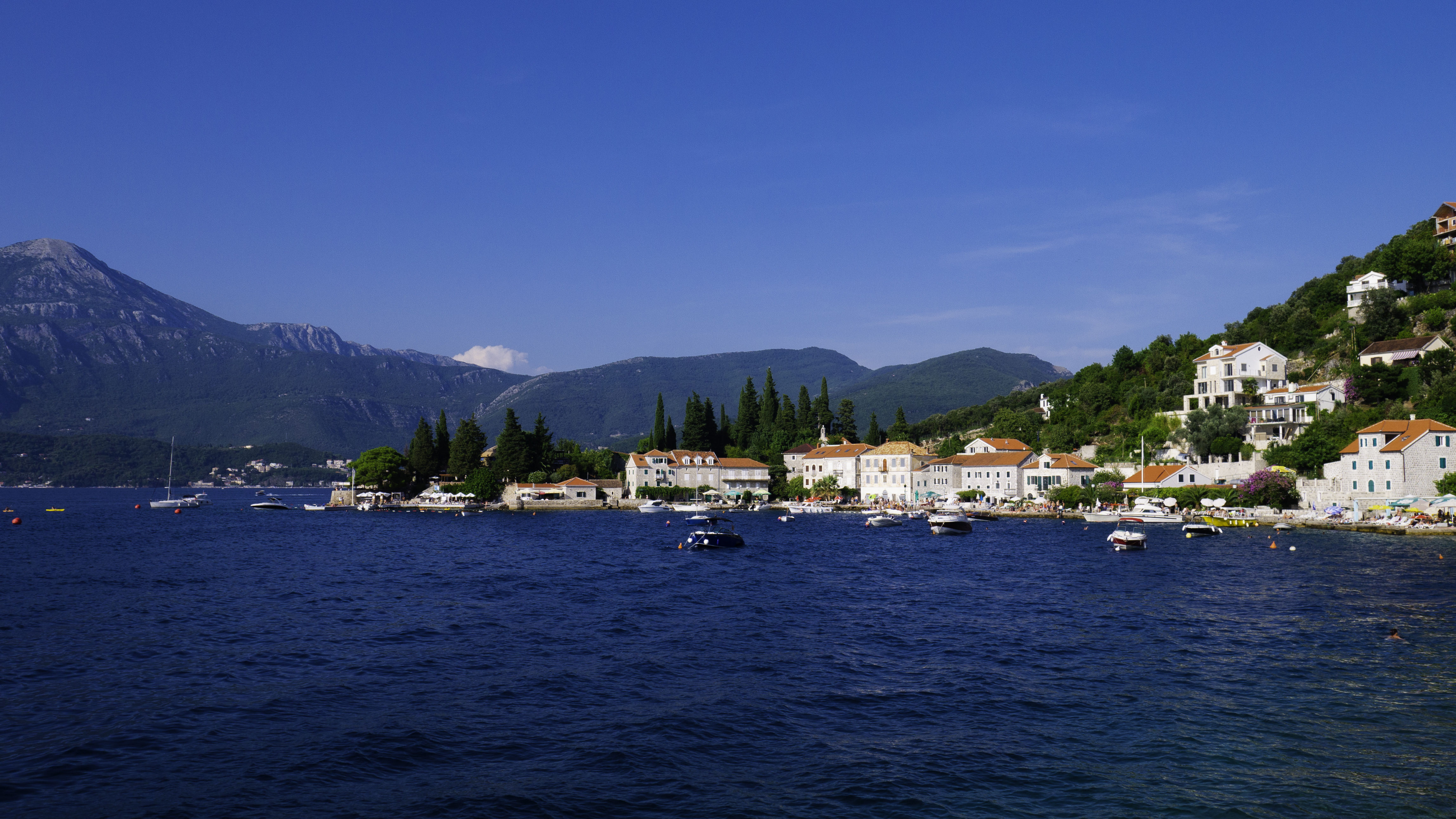
Few tourist settlements in Montenegro can boast a romantic name! This is certainly the case with Rosa, a town on the northwest coast of the Luštica peninsula. Punto Rose, Uvala ruza or simply Rose, capture attention with their appearance, because they resemble some kind of Mediterranean architectural medallion.
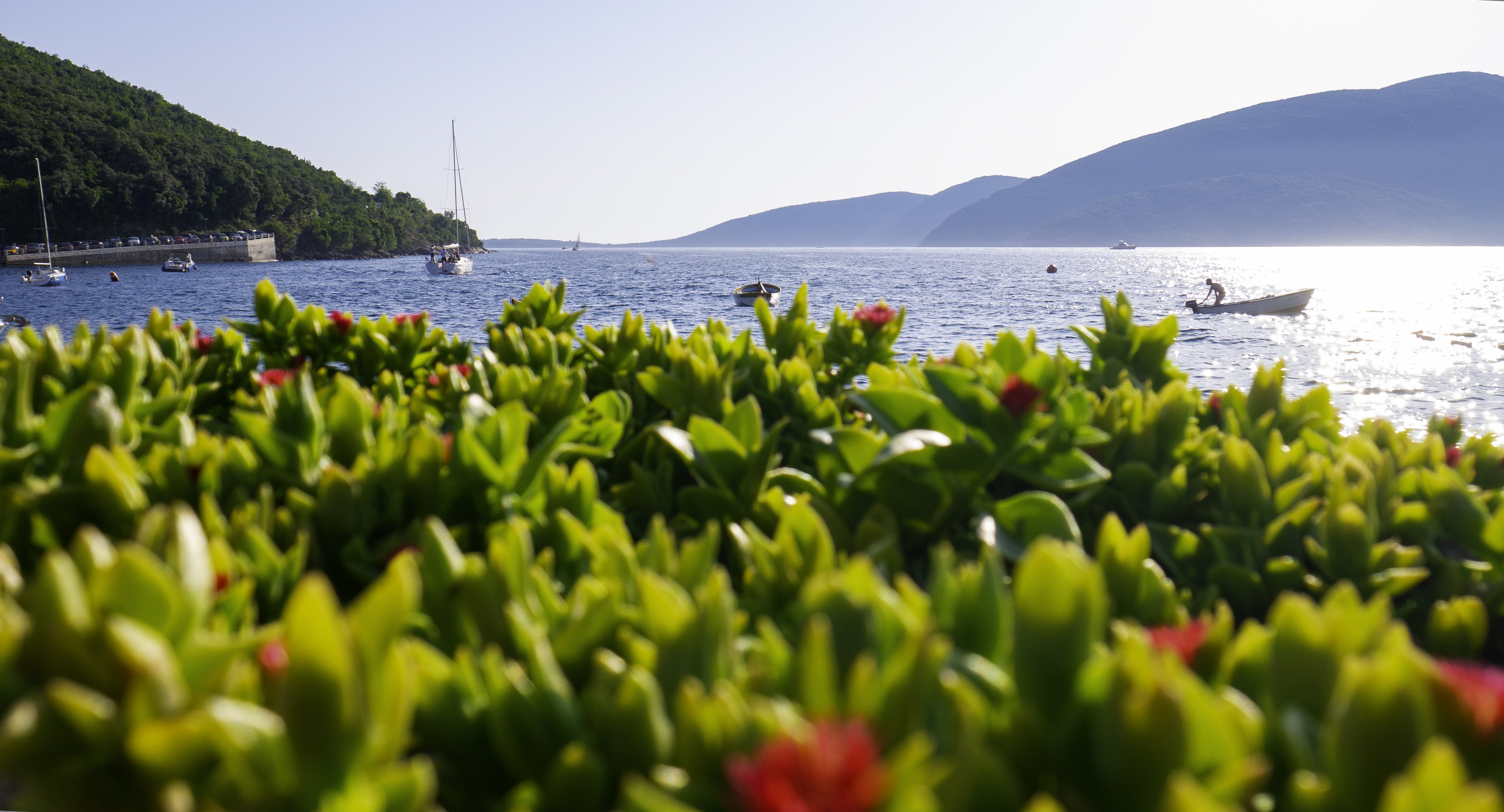
Rose has everything in a small way: a tiny urban core located in a natural harbor, they are isolated, without noise, without pollution, located in an environment of Mediterranean vegetation, and they have a history. Roses have a story!
There used to be an old Greek settlement in this place. Ruše was destroyed by the Saracens in the second half of the 9th century. In the 17th and 18th centuries, the bay of Rose and Punto Rose become customs. It is the heyday of Gulf sailing ships. At one time in Rosa, all ships had to undergo quarantine. Ships came from all sides, carrying various food items, and in this way the spread of vicious diseases was prevented.
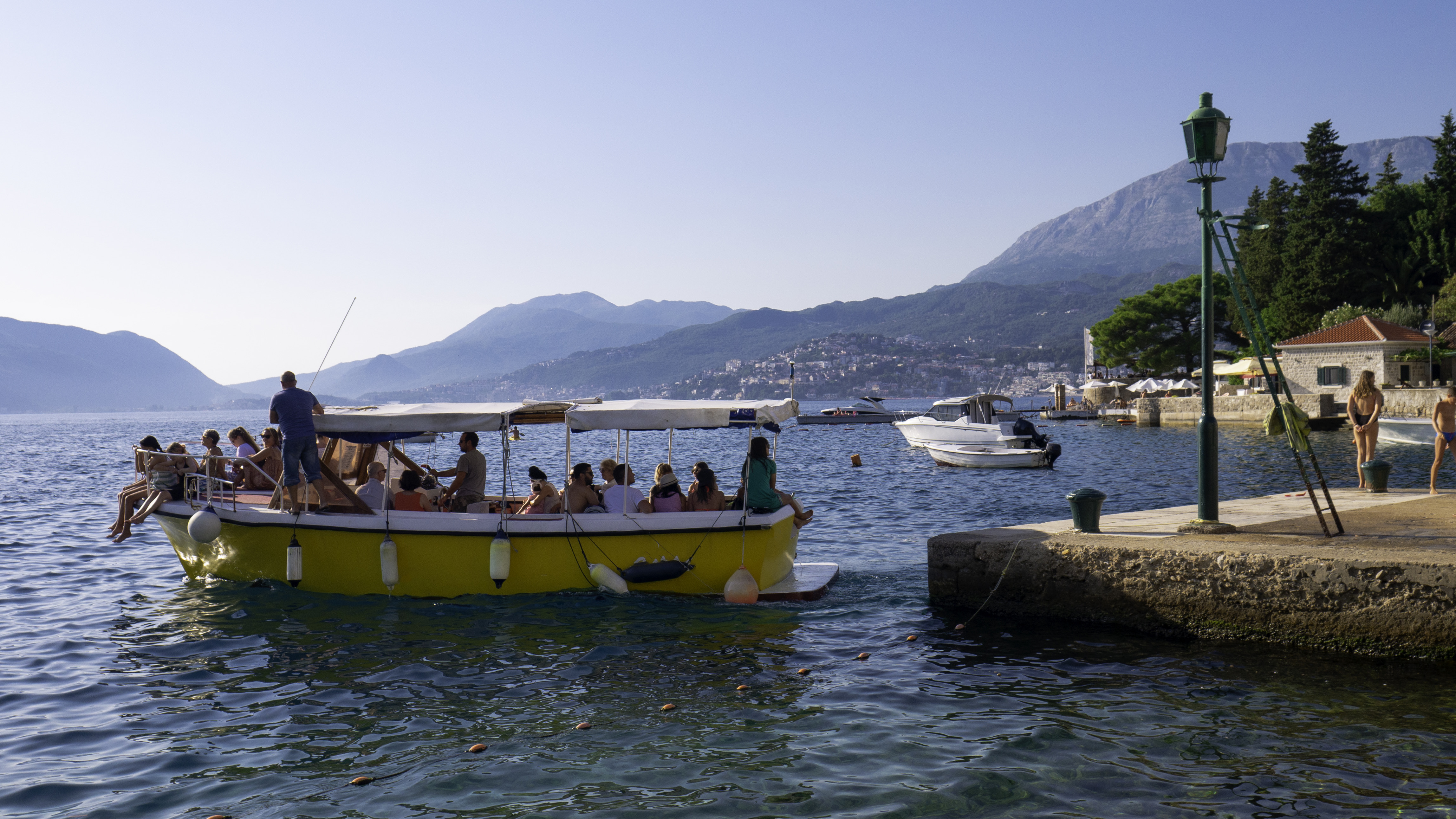
Rose is 1.7 nautical miles from Herceg-Novi. All passengers who flock by boat from Herceg-Novi to the popular Žanjic picnic spot in Lušće, look to the left, at the perfect aesthetics of Ros, and do the same on the way back, looking to the right. Montenegro has many similar mini-bays, and each has its own specificity.
Ross can be reached by boat or by car, via the Luštica peninsula.
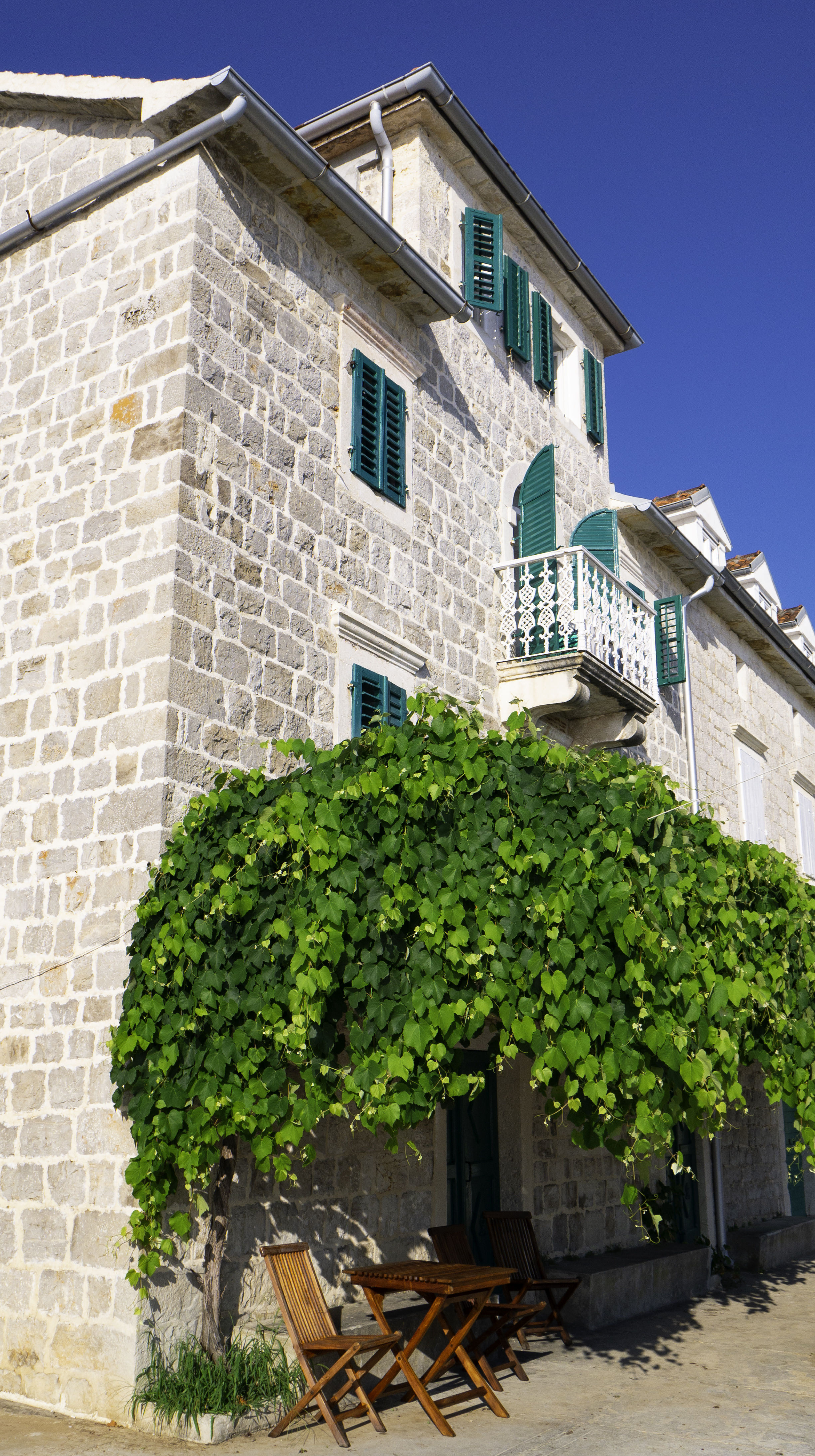
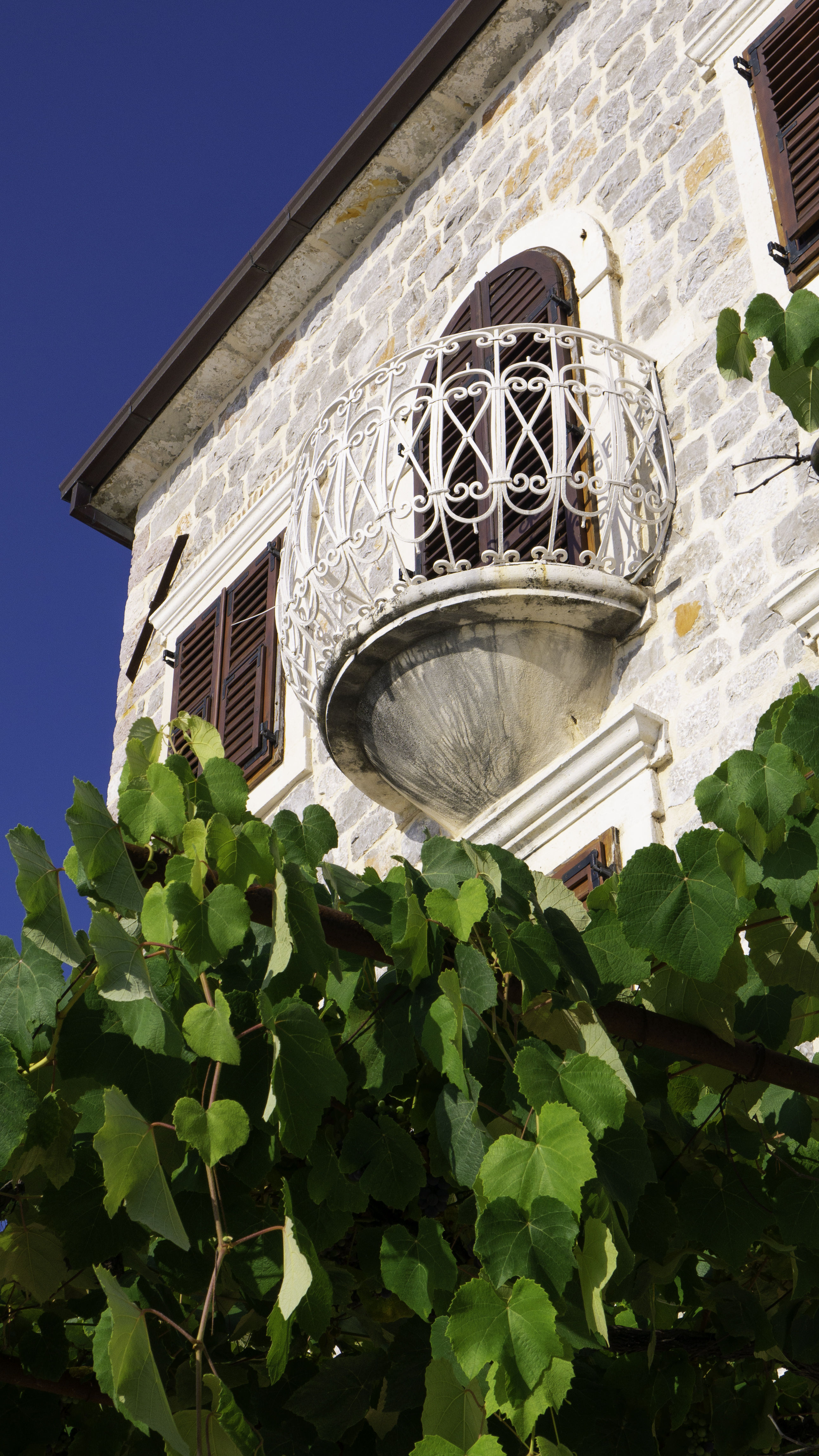
The settlement consists of about twenty two-story stone houses - palaces. They are characterized by belvederes - observation decks, on the facades of the roof, which is also a feature of the coastal architecture of Montenegro.
In Rosa, there is the Orthodox Church of St. Trojice, with the cemetery of many captains from Luštica. Church of St. Our Lady was built in 1783 by the Venetian general Antonio Albert.
Rose and its surroundings represent a rich archaeological site. There are such localities along the entire coast of the Luštica peninsula. It is not surprising because every summer there is a diving camp in Rosa. Anyone who wants to learn to dive can do so here. The Spanish ship, which sank in 1504 while transporting ceramics for the ruling Bosnian dynasty, can no longer be explored, but the techniques of undersea exploration can therefore be mastered. Fish, crabs and shellfish - they can still be seen today, just like in the past. If you are lucky, you might find the rare Adriatic seashell Cypraea lurida, or at least its shell.
Over time, Luštica produced a large number of sea captains, one of the most famous of whom was Captain Petar Zambelić, admiral of the French Navy during the Napoleonic era. Captain Zambelić, from the nearby village of Zambelića, is better known for his adventurous spirit, and for having studied all the coastal meanders of the South American Land of Fire, Terre del Fuego, better than any European. He obliged many navigators by showing them the way, not only through the Strait of Magellan. His house with a memorial is located on Luštica.
At one point in the early 9th century, according to some, in the year 809, a galley of Venetian merchants had to take shelter in Porto Rose before a storm. When the people of Kotor found out through the poklisar that the ship from Constantinople to Venice was carrying the relics of St. Tripun, the beheaded martyr from the 3rd century AD. Well, they bought the relics and transported them to the city of Kotor with a solemn ceremony. Cult of St. Trupuna soon became dominant in Kotor, so the cathedral from 1166 was dedicated in his honor. Today, the relics of St. Tripun, who died for his faith in the persecutions of Emperor Decius.
More than history, the modern guest will be interested in what is today. The quality of the sea water is proverbial, like the first day. The transparency indicates that one spends the summer in an untouched environment. During the lull or the bonace, all the Mediterranean vegetation is reflected in the sea: centuries-old pines, cypresses, palms, carobs, wild pomegranates, pittospores... North, not far from the Riva, there is a small, picturesque beach, Male Rose, tucked under centuries-old olive trees.
The advantage of Ross as the final destination for an idyllic vacation is manifold. It gravitates towards the city of Herceg-Novi, but it is, as we said, 1.7 nautical miles away from it. You can take the early boat line to the City to get the newspapers that arrive there earlier, drink coffee and listen to the sighs of those who see Roses from the coastal terrace, but are not vacationing there, but have given their trust to the crowds, for whatever reason. From the terraces of Herzegnov, Roses look like a fairytale in the distance. They are like an oasis that many tourist boats pass by, also with sighs, to the popular excursion site Žanjic, but only a few stop in Rose. Those small boats that stop by will bring back to the room or apartment the guest who decided to jump to the land, and return in time to the asylum of peace. In Rose. In the Bay of Roses.