
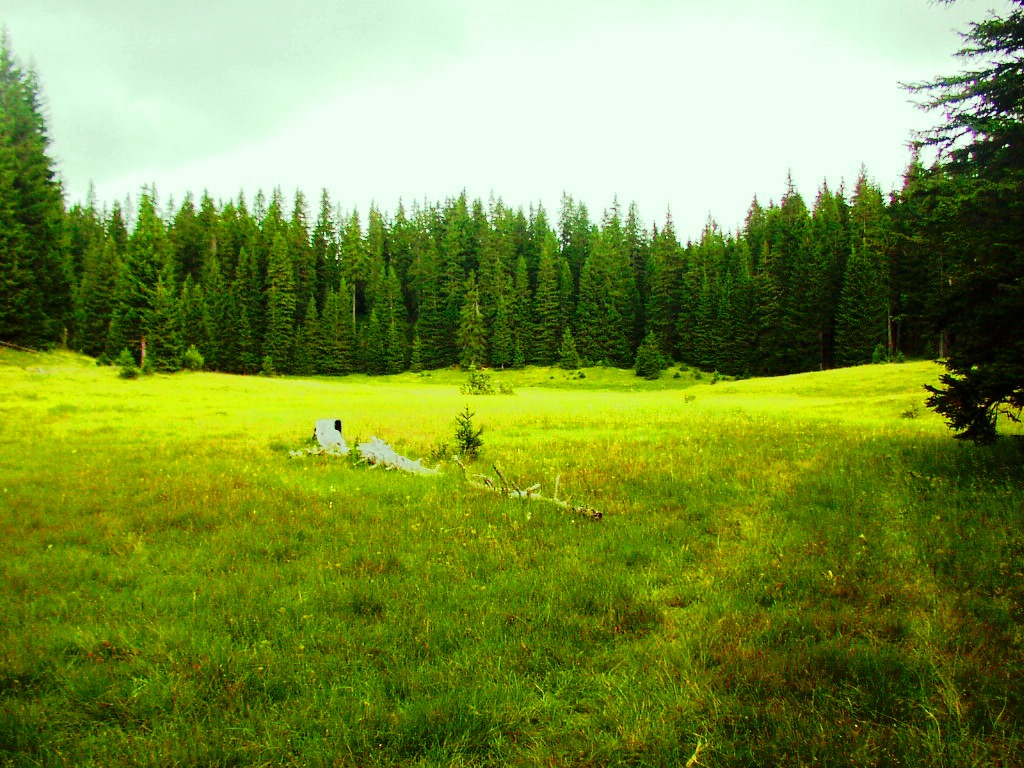
 Durmitor National Park covers 39,000 hectares (ha), and 20,000 hectares of its surface are under the protection of UNESCO, which have been inscribed in the World Heritage since 1980. Durmitor also includes the highest town in the Balkans, Žabljak, located at an altitude of 1,456 meters above sea level and surrounded by as many as twenty-three peaks higher than 2,300 meters. German geographer Kurt Hassert said:
"Among the mountain giants of the South Slavic countries, Durmitor is the most powerful and majestic."
Durmitor National Park covers 39,000 hectares (ha), and 20,000 hectares of its surface are under the protection of UNESCO, which have been inscribed in the World Heritage since 1980. Durmitor also includes the highest town in the Balkans, Žabljak, located at an altitude of 1,456 meters above sea level and surrounded by as many as twenty-three peaks higher than 2,300 meters. German geographer Kurt Hassert said:
"Among the mountain giants of the South Slavic countries, Durmitor is the most powerful and majestic."
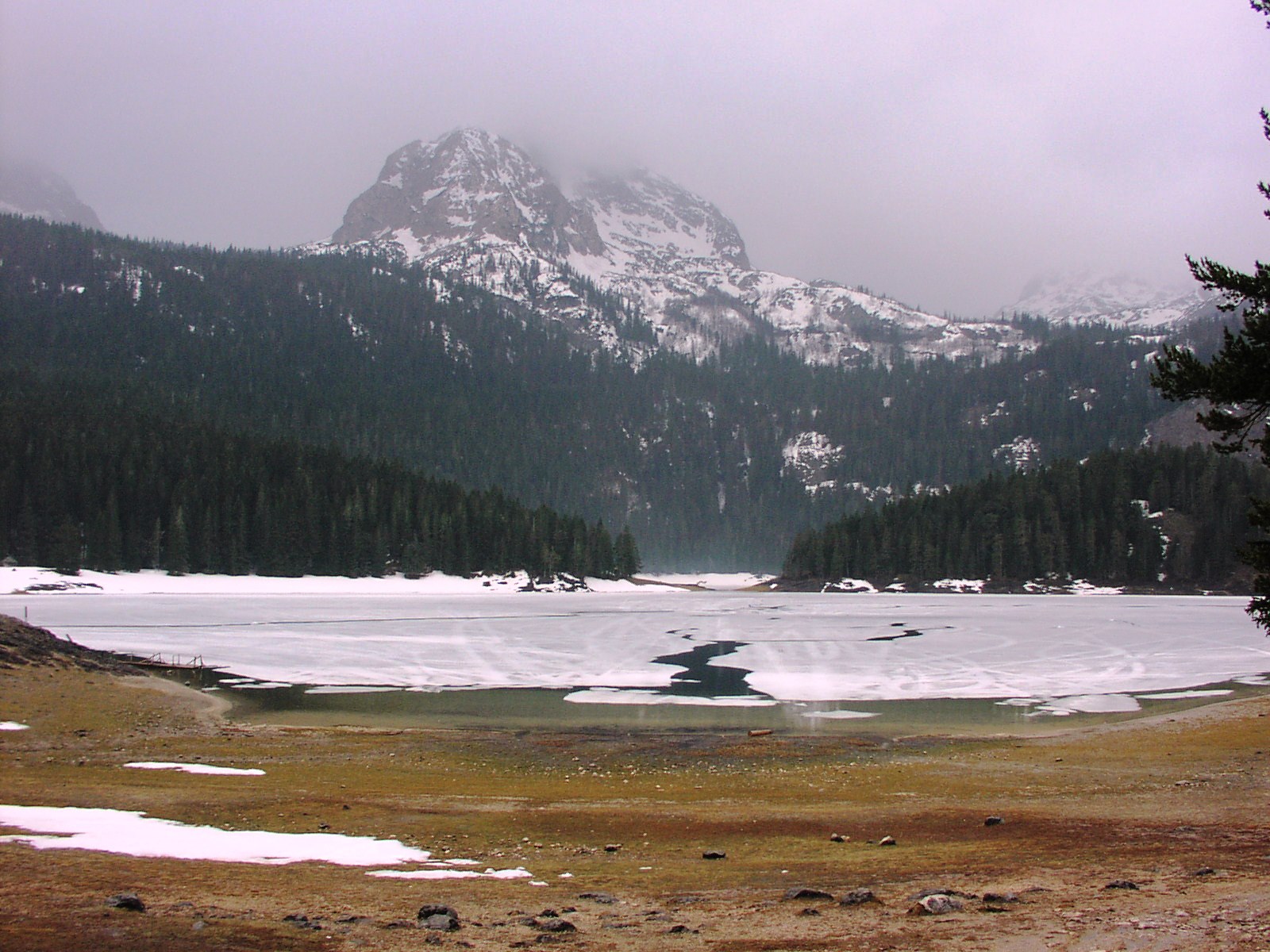 The combination of mountains and lakes are among the most beautiful natural scenes for photography, according to photography lovers. NP Durmitor is an inexhaustible source of inspiration from which the most beautiful works are created, and its name "Durmitor" remains a motive for interesting stories to this day. According to the stories that are remembered, the word Durmitor is of Roman origin from the Latin word "dormitorium" and from this word in the Italian language the word "dormitorio" or "dormire" which means to sleep. During the expeditions to these areas, the Roman legionnaires asked "if the mountain is sleeping". Another interpretation of the name Durmitor originates from the Celtic era, and which according to many is more credible. Thus the name is derived from the Celtic name "water from the mountain" "dru-mi-tor".
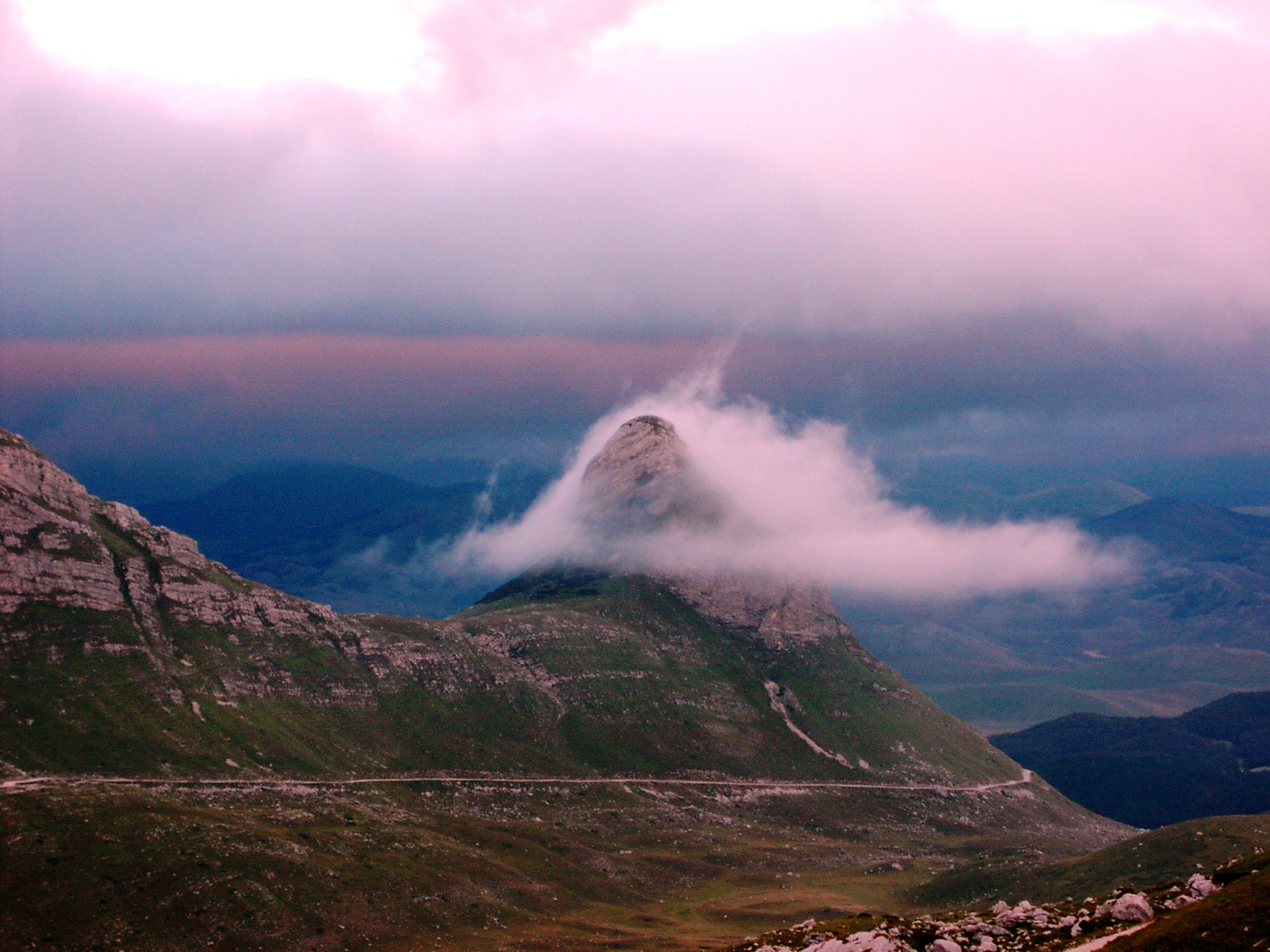
 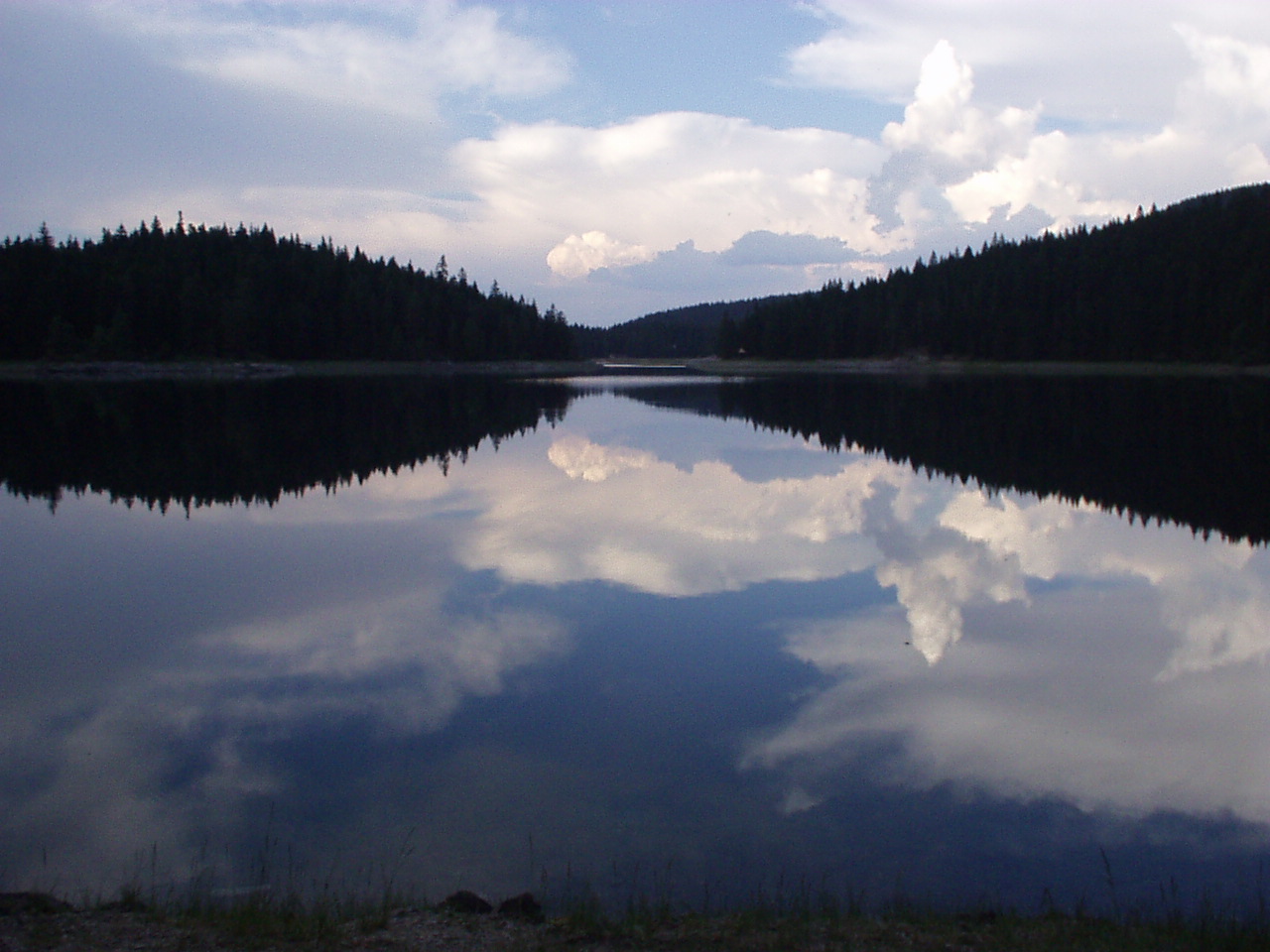 Specific peaks, as dominant figures, stand out and dictate the rhythm. The most impressive are: BOBOTOV KUK - 2,523m, BEZIMENI VRH - 2,487m, MININ BOGAZ - 2,387m, MEĐED - 2,287m, SAVIN KUK - 2,313m, ĂLJEME - 2,455m, PLANINICA - 2,330m, CRVENA GREDA - 2,175m, PRUTA - 2,393m. The Austrian geographer Oskar Bauman was the first man to climb the highest peak of Durmitor - Bobot's hip, at a height of 2523 meters, and his impressions in the records "The First Ascent to Ciro's Cave" are still quoted today: 'To the east of us spread a desolate, karst valley filled with debris and snow, while on the other side we were greeted by a green landscape, they resembled two "dark blue eyes".
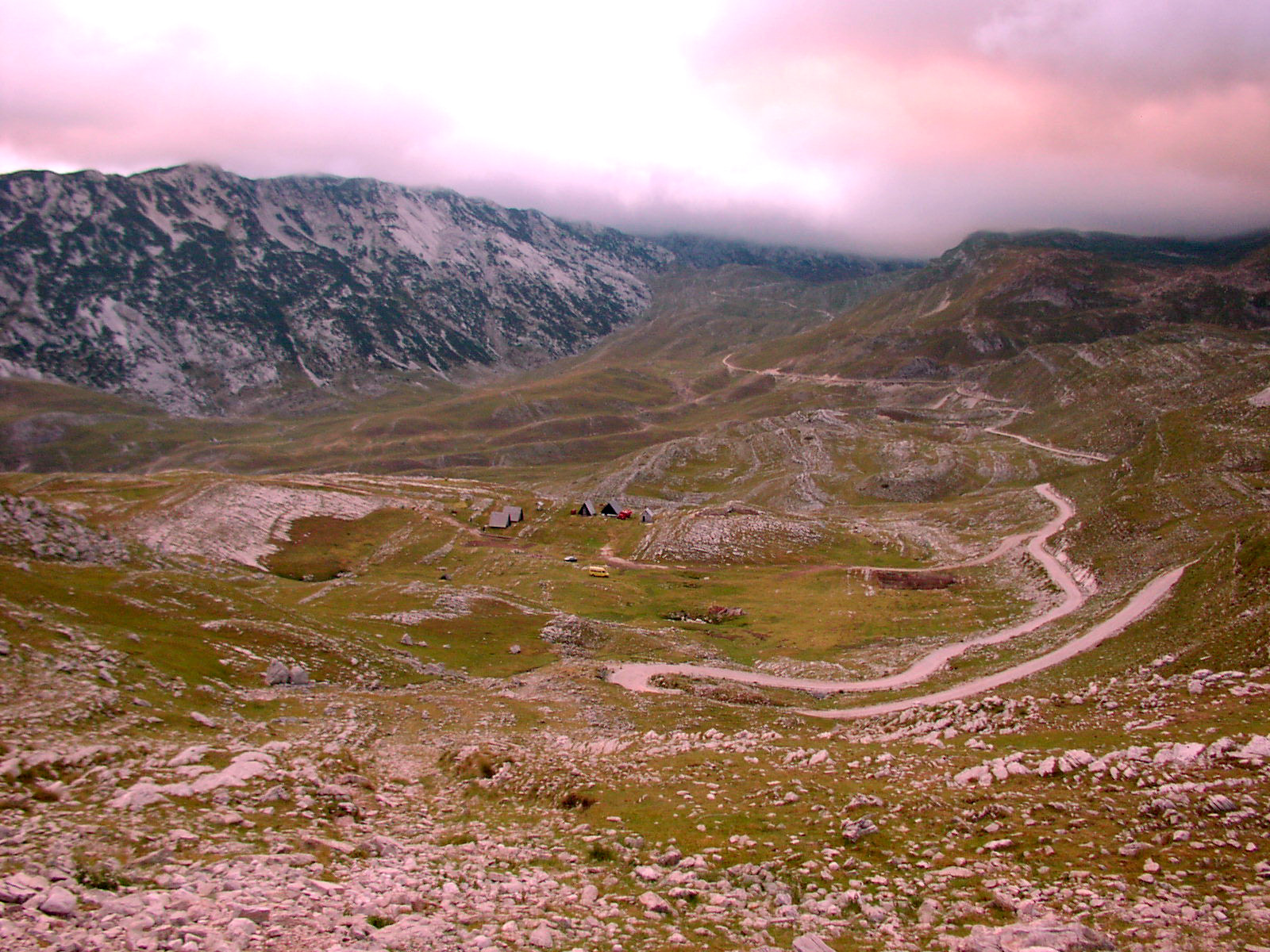 In the area of Durmitor, in incredibly deep and picturesque valleys, between mountain slopes surrounded by thick vegetation, there are seventeen glacial lakes or, as the locals call them, "Mountain Fathers". Let's mention just a few of them: Modro, Zminje, Vražje, Riblje, and certainly the most famous is the Black Lake, which is covered with ice during the winter, and in July and August the water temperature is over twenty degrees Celsius. The ideal conditions make this mountain massif extremely attractive for a so-called active holiday throughout the year, hiking, cycling, sport fishing, mountaineering, snowshoeing, but on Durmitor we can also learn about cultural and historical values and visit sites with prehistoric remains dating back to the Illyrian and Roman periods. Various cultural influences left their mark on construction. We can recognize them by their characteristics, from the Illyrians they are tumeles or burial mounds, while from the time of the Romans there are specific stone bridges, cypresses, caravan routes that we can encounter in this area. Necropolises with stylized stećci, the ruins of Turkish bridges and watchtowers along the old Montenegrin-Turkish border, the ruins of the ancient Pirlitor fortress above Lever and three monasteries in the Tara valley, in Dobrilovina, Doblija and Đurđevića Tara, created from the 15th to the 17th centuries, exude the characteristics of the medieval period.
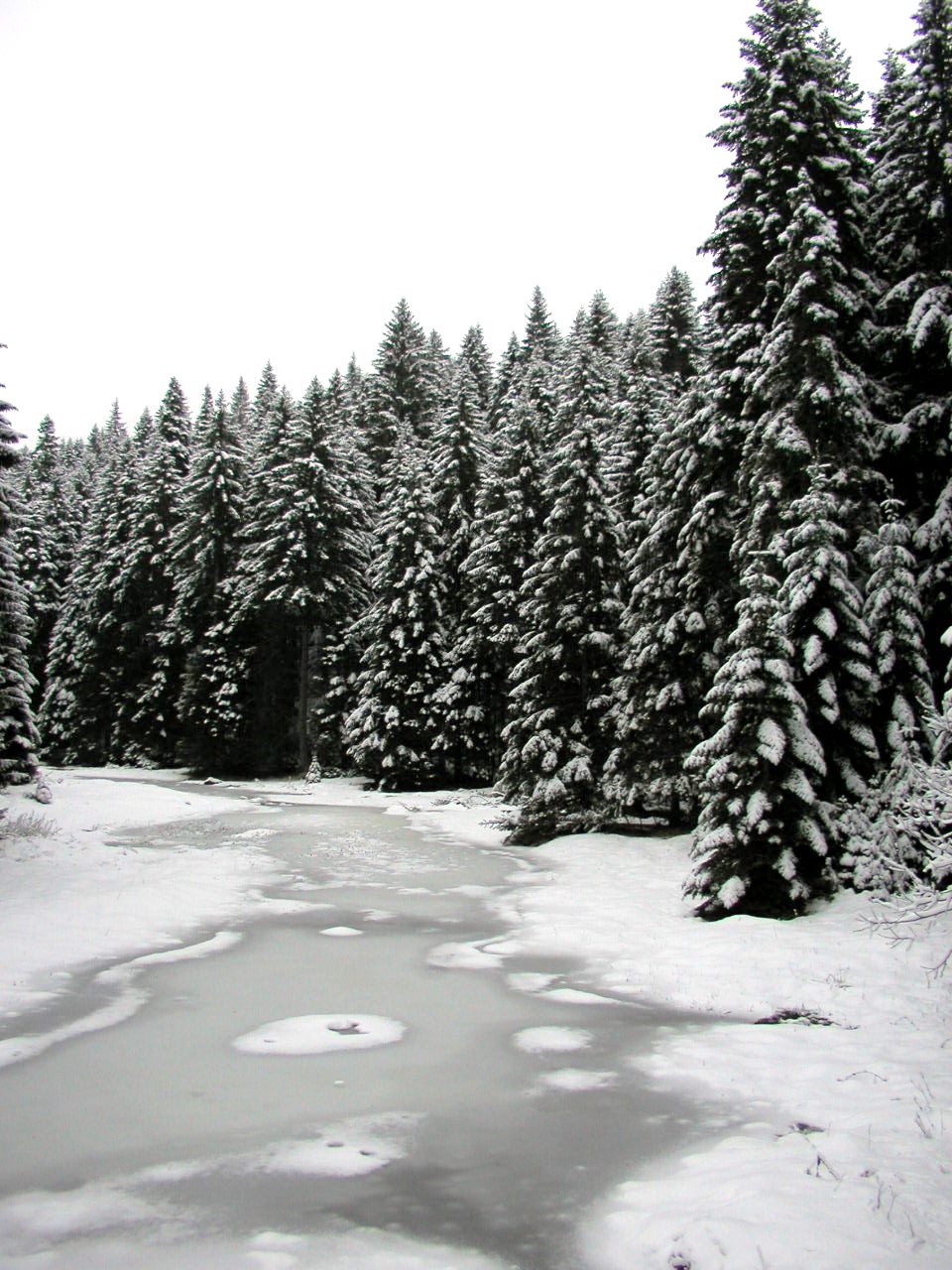
  Seven areas of the Durmitor National Park are under a special protection regime and are specific: the spruce and fir rainforest in the Mlinsko potok basin, the black pine complex on Crni podi in the Tara canyon, the Black Lake with the forest in the immediate vicinity, the valley of the Škrčki lakes and the narrower area of the Sušice canyon, the Barno lake with its immediate surroundings, the Zabojsko lake with its surroundings, and the narrower canyon valley of the Tara river. Do you want to discover and enjoy the beauty of the world heritage? Durmitor National Park is a destination you should definitely not miss in your life, see how magical Black Lake looks in winter.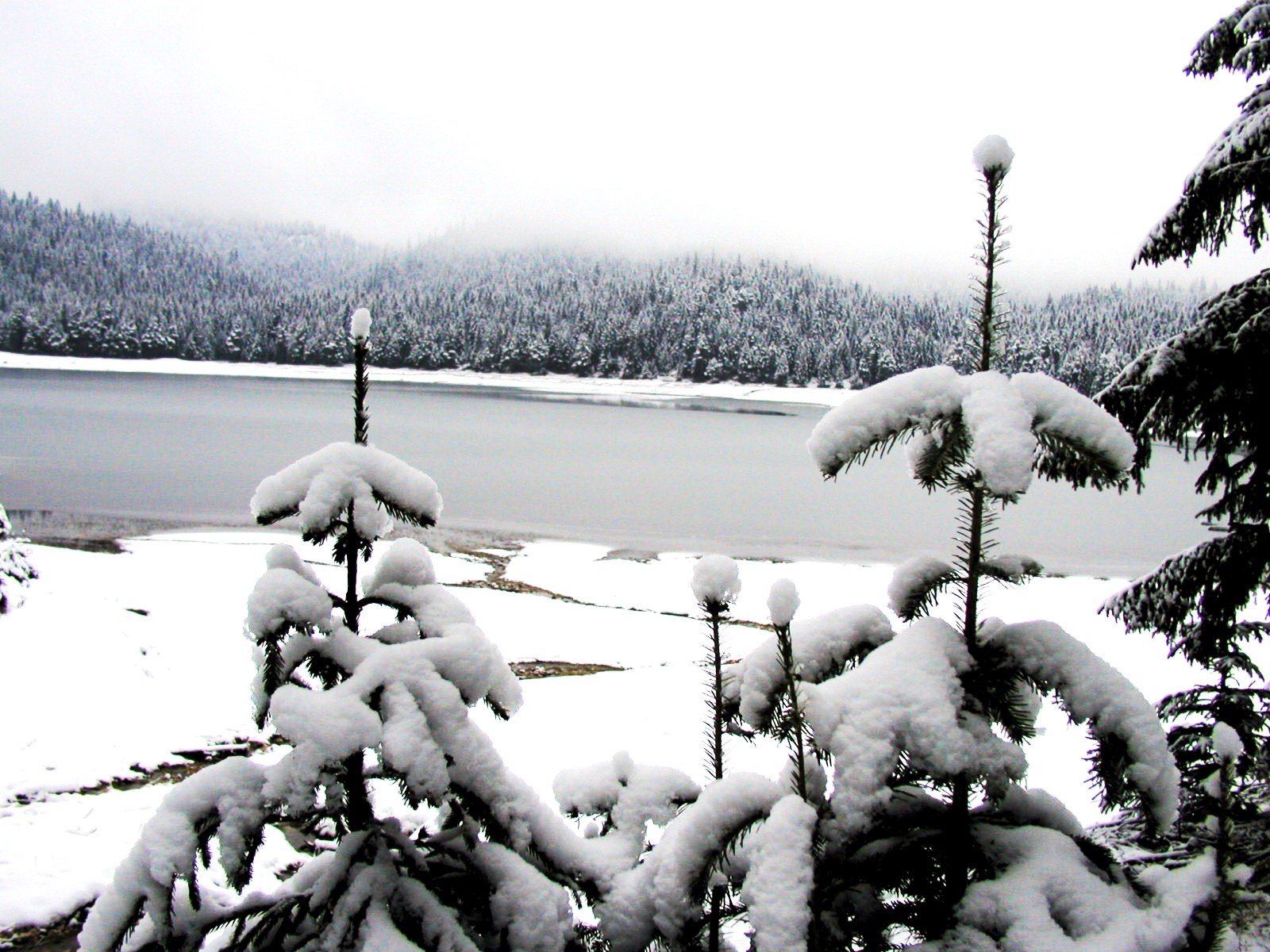


.jpg&w=2048&q=75)