Text: Nebojša Mandic
Durmitor - "To the east of us spread a desolate, karst valley filled with cracks and snow debris, while on the other side we were greeted by the green landscape of Jezera."
I can
Text: Nebojša Mandic
Durmitor - "To the east of us spread a desolate, karst valley filled with cracks and snow debris, while on the other side we were greeted by the green landscape of Jezera."
Here I left Ður, who was suffering from vertigo, and with one cobanan set out to attack the main peak. Vodic took off his boots and walked barefoot. After an hour and a half of climbing, we went around the top and stepped onto the ridge between Soa and Kablinova.
From a dizzying height we looked at the basin we were in yesterday and from where it shone next to Škrcki and Malo jezero, they looked like two dark blue eyes'', this is a quote from the record "The first step to Ciro's Cave", the author of which is Oskar Bauman, an Austrian geographer, the first person to climb Bobot's hip, 2523 meters high, and as such the highest on Durmitor, another gem of Montenegrin nature.
In the area of Durmitor, in incredibly deep and picturesque valleys, between mountain slopes surrounded by thick vegetation, there are seventeen glacial lakes or, as the local population calls them, "mountain eyes". Let's mention only some of them: Modro, Zminje, Vražje, Riblje, and certainly the most famous is the Black Lake, which is covered with ice during the winter, and in July and August the water temperature is over twenty degrees Celsius.
Durmitor National Park covers 39,000 hectares (ha), and 20,000 hectares of its surface are under the protection of UNESCO, which have been inscribed in the World Heritage since 1980. Durmitor also includes the highest town in the Balkans, Žabljak, located at an altitude of 1,456 meters above sea level and surrounded by as many as twenty-three peaks higher than 2,300 meters.
Durmitor National Park is geologically extremely interesting, and it is certainly best known for the canyon of the Tara River, which is the deepest in Europe, and after the Grand Canyon of the Rio Grande, it is the deepest in the world. In addition, the canyons of the two smaller rivers Sušica and Komarnica are extremely interesting, and the rich and colorful flora consists of over 1,500 species of plants, while in the animal world bears and 130 species of birds stand out, among which eagles are the most impressive.
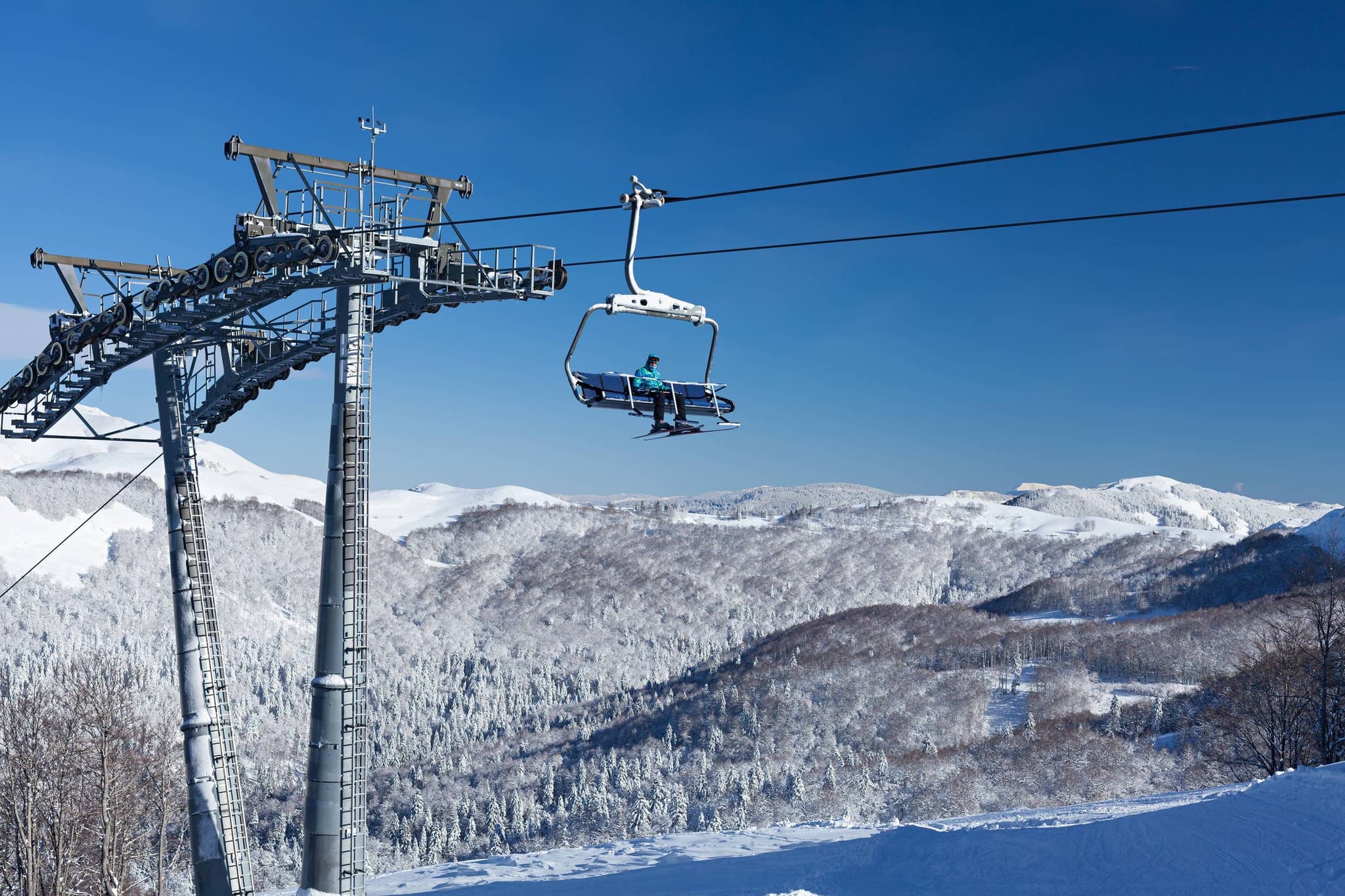
All this makes this mountain massif extremely attractive for so-called active vacations - hunting, fishing and hiking, as well as increasingly popular rafting and rafting on the Tara River. For fans of winter tourism, i.e. Alpine and Nordic skiing, Durmitor also has its trump cards, extremely beautiful and attractive ski fields, which makes Žabljak one of the main tourist destinations in winter.
And in the higher parts of Durmitor, such as the part called Debeli namet in the area of Velika Kalica, there is snow all year round, so you can ski even in the middle of summer. During the summer, ice lovers can enjoy another work of art of nature, in the "museum" of stalactites and stalagmites in the speleological paradise, a fascinating natural phenomenon called the Ice Cave, located below the peak of Obla Glava at 2100 meters above sea level, which can be reached relatively simply by a marked mountain path.
Lake Biograd
Lake Biograd
Black Lake - Žabljak (1416 m)
Durmitor forest, a place where light plays with sight
Everything on Durmitor is full of life and colors, starting with this butterfly...
... flowers the color of the sky after the storm, and...
... budded blueberry plants
Zminje lake - one of the mountain views of Durmitor (1520 m)
Zminje jezero - sun and shadows make amazing combinations
Durmitor - katun of the Bar hut (1800 m)
Although it is the middle of August, the snow does not surrender
Ice cave - located at the very top of Obla Glava, with ice that never melts completely, but is renewed every year
Obla Glava - 2303 m
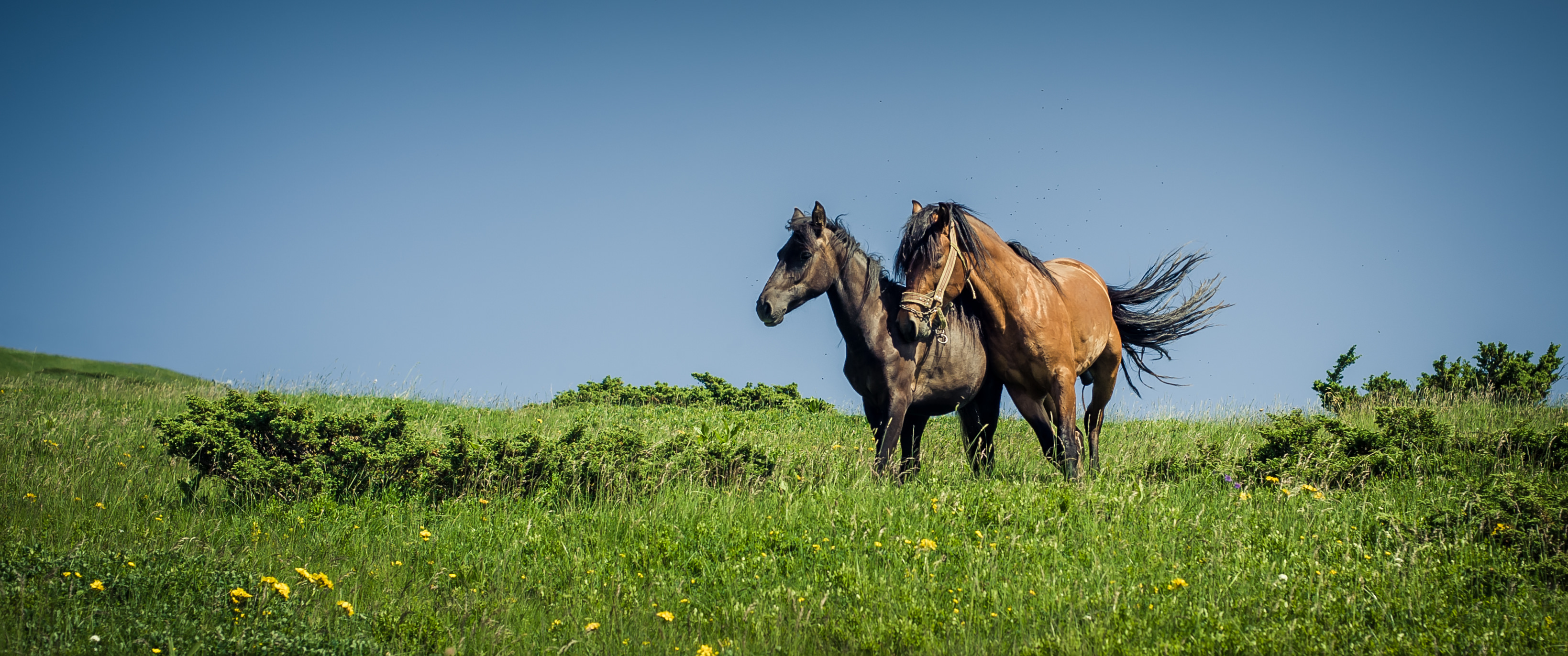
And this is Durmitor, clean air and pastures (Meždo, 1360m)