Berane
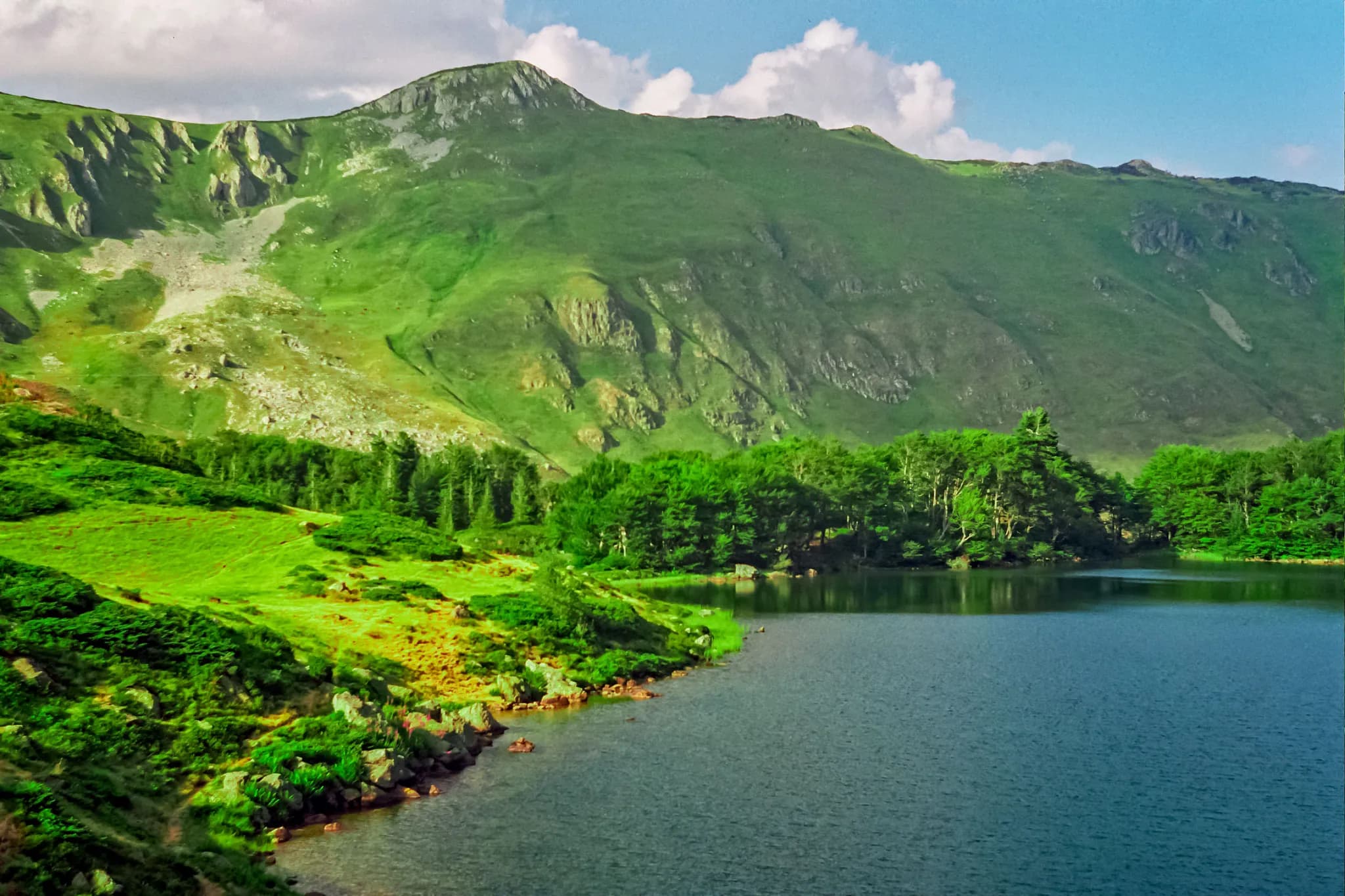
Berane lies in northeastern Montenegro, spread across a broad, fertile stretch of the Lim river valley at around 700 metres, with the Bjelasica range rising to the west and the hills of Bihor closing the valley to the east. It is one of the larger towns of the interior and works as a service centre for a wide rural hinterland, which gives it a genuinely lived-in feel: a busy market, schools, cafes full of people arguing about football, and none of the seasonal theatre of the coast. Its outstanding monument is the monastery of Đurđevi Stupovi, founded in the early 13th century by a nephew of Stefan Nemanja and set on a rise just outside town. Damaged repeatedly over the centuries and rebuilt, it remains one of the most important medieval church sites in the country and still draws pilgrims as well as visitors interested in Serbian and Montenegrin medieval architecture. Berane also carried the name Ivangrad for several decades in the second half of the 20th century, and older maps and books still use it. The surroundings are the real draw. Bjelasica offers long ridge walks over open pasture rather than technical scrambling, with the ski slopes at Lokve on the town's doorstep and Biogradska Gora National Park a short drive south. The Lim and its tributaries are fished for trout and grayling, and the highland katuns above the treeline supply the cheese, kajmak and lamb that define northern Montenegrin cooking, alongside kačamak and cicvara served in portions built for people who work outdoors. Berane suits travellers who want a comfortable, inexpensive and unpretentious base for exploring the mountains, and who are curious about the half of Montenegro that has nothing to do with the Adriatic. Summer and early autumn are best for hiking and river days; January and February bring reliable snow to Lokve and the surrounding slopes.
No posts found.
View all posts