Gusinje
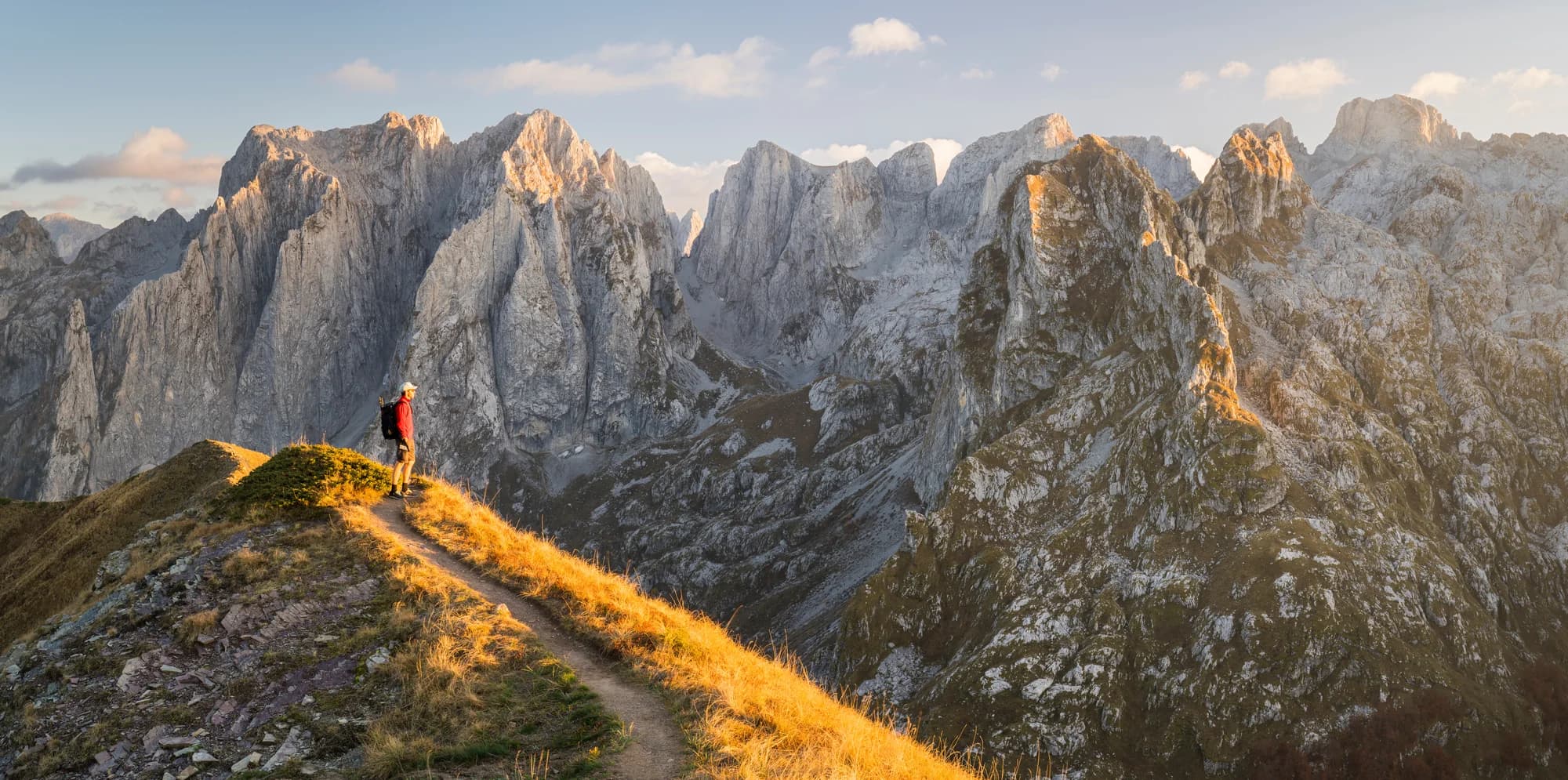
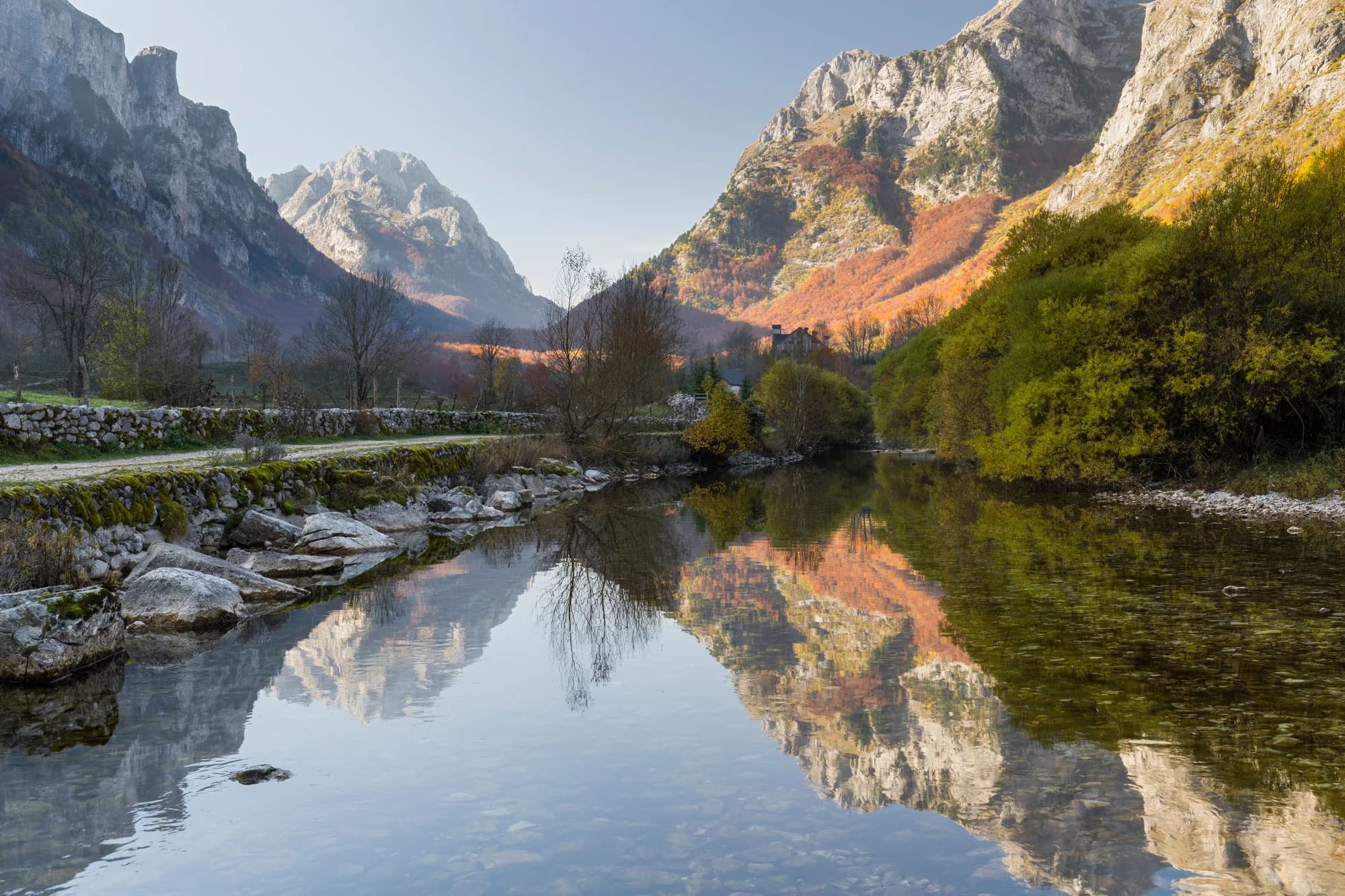
Gusinje is a small mountain town in the far east of Montenegro, a few kilometres from the Albanian border and hard against the wall of the Prokletije - the Accursed Mountains, the highest and least tamed range in the Dinaric chain. It sits on a flat valley floor at around 900 metres with peaks rising steeply on three sides, and it serves as the gateway to Prokletije National Park and some of Montenegro's most dramatic alpine scenery. The town itself blends Ottoman heritage with mountain culture. Gusinje was a frontier settlement of the empire for centuries, and its mosques, older houses and the layout of the centre still reflect that; the Vezir's Mosque dates from the seventeenth century. The population is mixed Bosniak and Albanian, the food follows suit with pies, dairy, lamb and endless coffee, and the rhythm of the place is markedly different from the coast. Gusinje became a municipality in its own right in 2013, having long been administered from neighbouring Plav, whose lake lies ten minutes down the valley. What brings people here is what lies above. The Ali-Pasha Springs, also known as Oko Skakavice, surface at the foot of the mountains just outside town: cold water welling straight out of the rock into a stunning turquoise pool under old trees, a short walk from the centre and a standard summer gathering spot. The Grebaje valley to the south is a flat green trough closed by the vertical faces of Karanfil and Volušnica, one of the most dramatic short approaches to any mountain in the Balkans. Ropojana leads the other way toward Vusanje, the Grlja waterfall and the border, and trails from here feed into the long-distance Peaks of the Balkans route. Come between June and September, since snow lingers late at altitude and the high routes need summer conditions. Accommodation is mostly family-run guesthouses, with mountain huts and katuns operating in the valleys through the season. Gusinje suits hikers, climbers and travellers who want the country's wildest corner and are happy to trade comfort for scale.