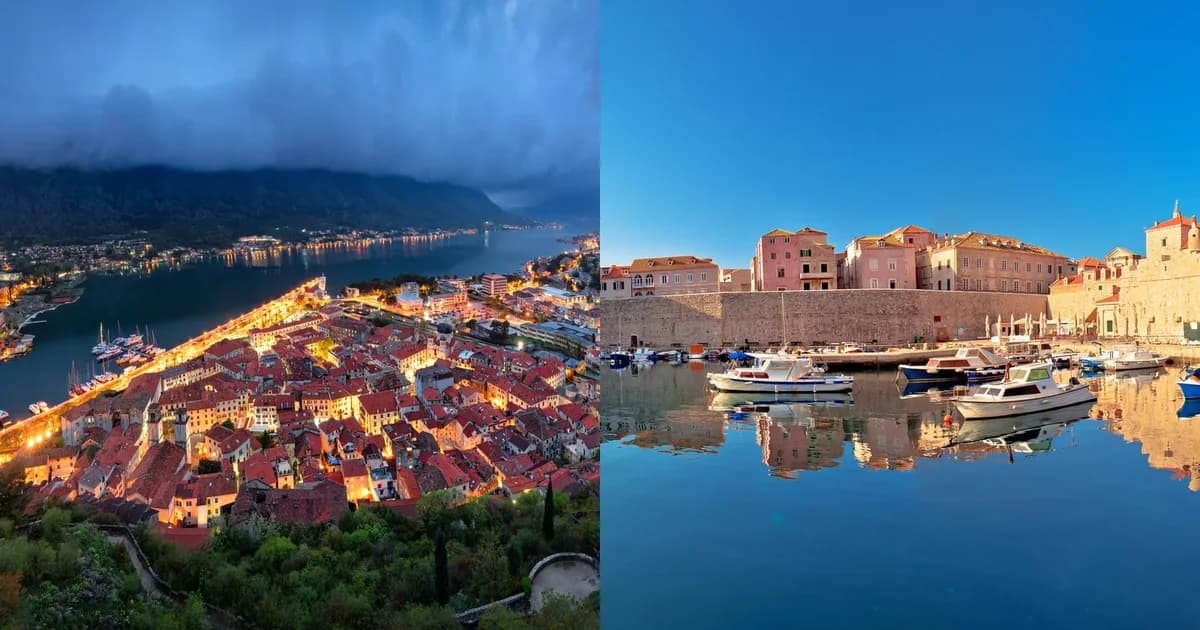
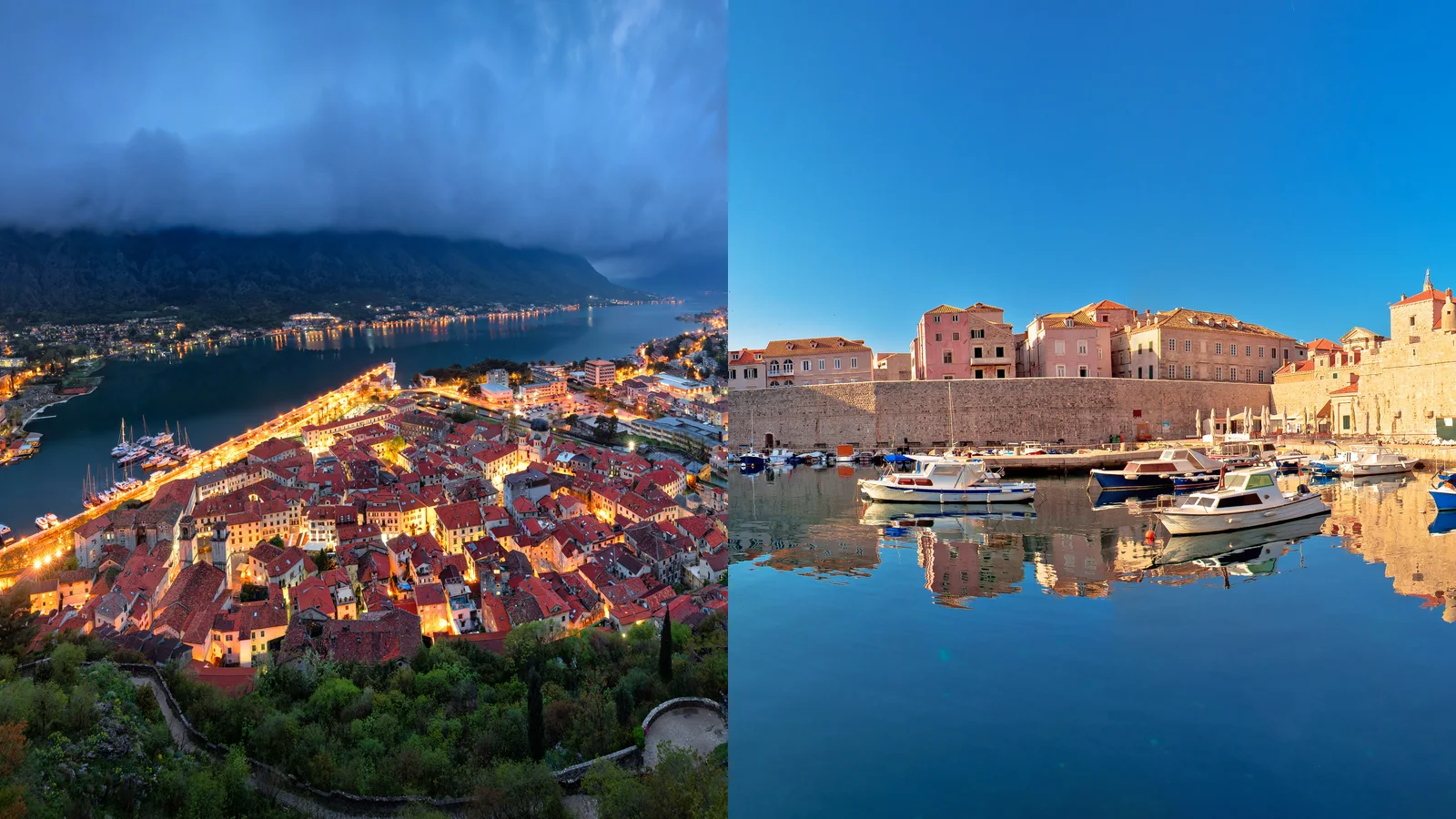
Two walled medieval cities, two dramatic Adriatic settings, under two hours apart by road — but Kotor and Dubrovnik deliver very different holidays. Dubrovnik is the bigger name: polished, cinematic, expensive and busy. Kotor is its quieter, cheaper, more mountainous cousin, tucked at the head of a fjord-like bay. The short verdict: come to Dubrovnik for one bucket-list day of Game-of-Thrones grandeur, but base your trip in Kotor for better value, fewer crowds and scenery that's arguably even more spectacular. Here's the honest, category-by-category comparison.
At a Glance
| Kotor 🇲🇪 | Dubrovnik 🇭🇷 | |
|---|---|---|
| Best for | Value, scenery, slower pace | Bucket-list grandeur, polish |
| Vibe | Intimate, mountainous, local | Grand, cinematic, cosmopolitan |
| Cost level | €€ (notably cheaper) | €€€€ (Croatia's priciest) |
| Old town | Compact, atmospheric, UNESCO | Larger, pristine, UNESCO |
| Setting | Fjord-like bay + sheer mountains | Sea cliffs + island views |
| Beaches | Small, pebbly, bay-calm | Better, but busy & pricey |
| Nightlife | Low-key bars | Lively but expensive |
| Crowds | Cruise days busy, otherwise calmer | Intense in peak season |
| City walls hike | 1,350 steps, ~€15 | Wall walk, ~€40 |
| Getting there | Tivat airport ~15 min | Dubrovnik airport ~25 min |
Kotor in Brief
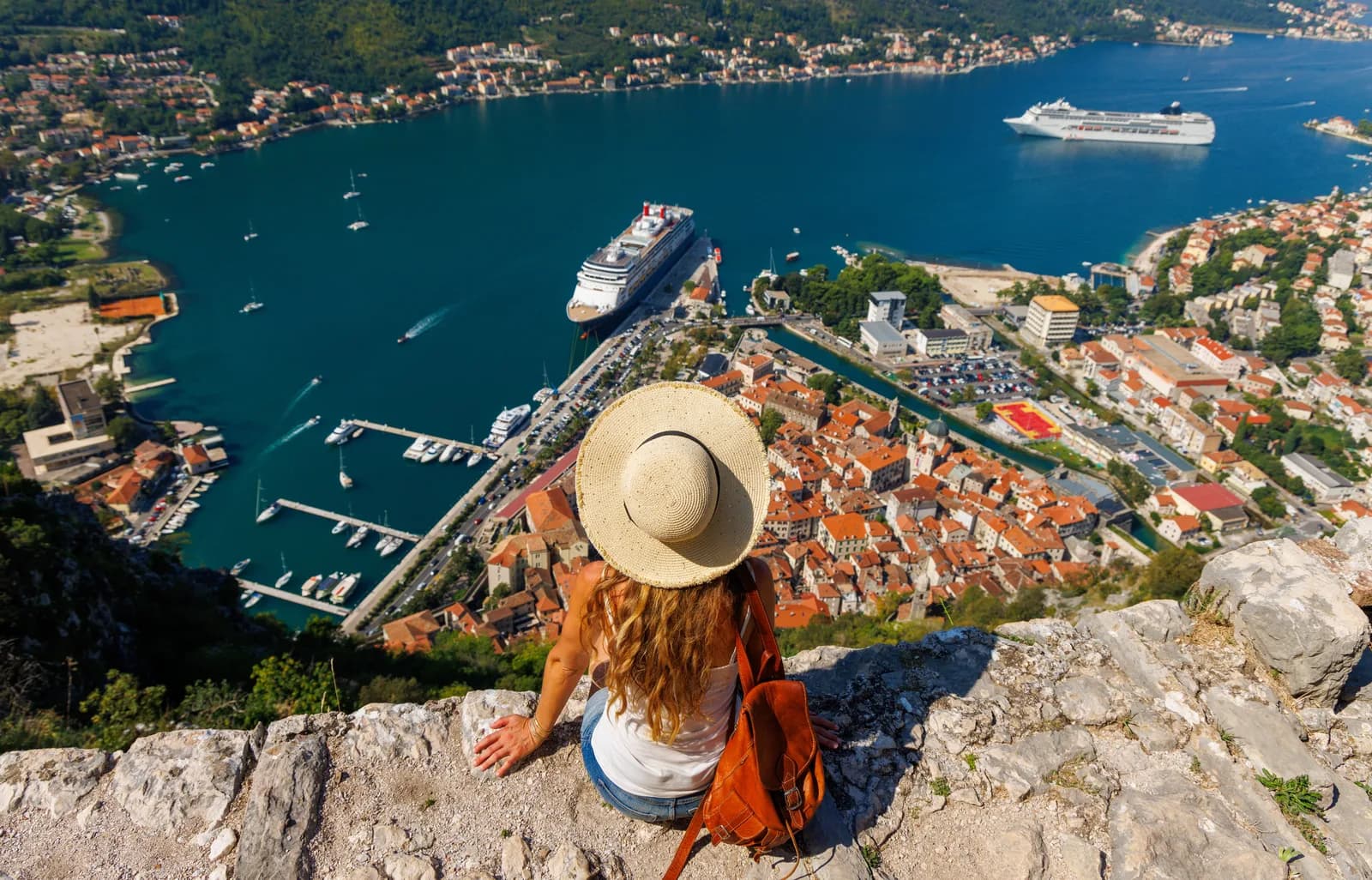
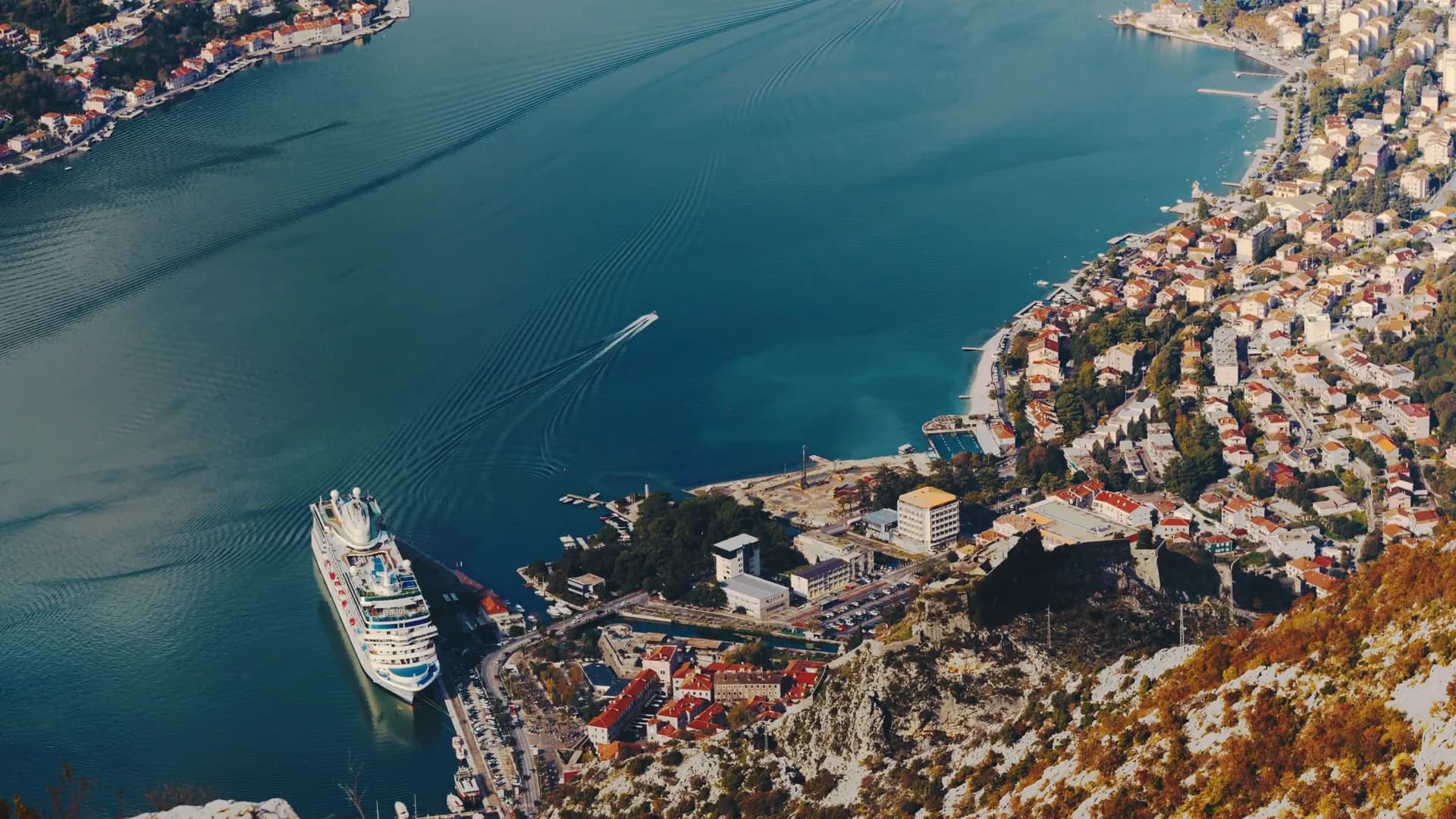
Kotor sits at the deepest point of the Bay of Kotor (Boka Kotorska), a winding inlet so steep-sided it's often called Europe's southernmost fjord. The bay and old town together are a UNESCO World Heritage Site (inscribed 1979). The walled town itself is a maze of marble lanes, hidden squares, Romanesque churches and stray cats, small enough to cross in ten minutes but easy to get pleasantly lost in.
The signature experience is the climb up the city walls to San Giovanni (St John) fortress — roughly 1,350 steps switchbacking up the cliff to a panorama over the entire bay. Kotor is unmistakably Montenegrin: a little rougher around the edges than Dubrovnik, considerably cheaper, and ringed by mountains that plunge straight into the water. It rewards travelers who linger — evenings, once the day-trippers and cruise passengers leave, are when the town is at its most magical. For the full rundown, see our complete Kotor guide.
Dubrovnik in Brief
Dubrovnik, the "Pearl of the Adriatic," is one of the most spectacular walled cities in the world — and it knows it. Its honey-coloured limestone streets, gleaming Stradun promenade, and almost completely intact medieval ramparts have made it a UNESCO World Heritage Site and a global filming icon (King's Landing in Game of Thrones). The old town is larger and more architecturally grand than Kotor's, with baroque churches, palaces, monasteries and a polished, cosmopolitan energy.
It's also Croatia's most expensive and most crowded destination. In peak summer, when multiple cruise ships disgorge thousands of passengers into a small walled space, the main streets can feel overwhelming. Dubrovnik is undeniably worth seeing — but it's a place many travelers experience as a memorable day or two rather than a relaxed base. The scenery is coastal-Mediterranean: cliffs, blue sea and the green hump of Lokrum island offshore.
Cost & Value
This is the clearest difference. Kotor is dramatically cheaper than Dubrovnik across the board — accommodation, restaurant meals, drinks, attractions and excursions. Croatia's adoption of the euro and its tourism boom have pushed Dubrovnik to genuinely Western-European price levels; Montenegro, while also on the euro, remains a value destination.
A concrete example: walking Dubrovnik's city walls costs around €40 for adults in 2026 (the combined ticket includes Fort Lovrijenac). The equivalent climb up Kotor's walls to San Giovanni runs about €15, and for years was free. A mid-range dinner for two, a coffee on the square, a boat trip — expect to pay meaningfully less in Kotor for a comparable experience. Broadly, Montenegro's coast runs well below comparable Croatian prices, which is exactly why so many travelers now base in the Bay of Kotor and day-trip north.
Winner: Kotor, by a wide margin.
Old Town & Culture
Both old towns are UNESCO-listed gems, and honestly there's no wrong answer here — it depends on what moves you.
Dubrovnik is grander and more architecturally complete: the sweeping Stradun, the intact ring of walls (the most impressive city walls in the region), the Rector's Palace, Onofrio's Fountain and a density of monuments that reflects its history as a wealthy, independent maritime republic. It feels like a stage set, because in many ways it is one.
Kotor is more intimate and lived-in — smaller, more tangled, less restored, and (outside cruise hours) more atmospheric. Its highlights are the Cathedral of St Tryphon, the maritime museum and the sheer fun of wandering its squares. It feels like a real Mediterranean town that people still inhabit, rather than a monument.
Winner: a tie — Dubrovnik for grandeur and "wow," Kotor for intimacy and atmosphere.
Scenery & Setting
Here Kotor punches above its weight. Dubrovnik's setting is beautiful — limestone cliffs, deep blue sea, the wooded island of Lokrum just offshore — and the view from the surrounding hills (or the cable car up Mount Srđ) is superb.
But Kotor's setting is on another level of drama. The town sits at the very end of a serpentine bay, hemmed in by mountains that rise almost vertically more than 1,000 metres from the water. The drive around the bay, the view from the fortress, the Baroque village of Perast with its island church Our Lady of the Rocks — the whole Boka Kotorska is one continuous scenic payoff. Many returning travelers say the bay is the single most beautiful thing they've seen in the Adriatic. Explore it in our Bay of Kotor guide.
Winner: Kotor. The fjord-like bay edges out even Dubrovnik's famous coastline.
Beaches & Swimming
Neither city is a true beach destination, but Dubrovnik has the edge for swimming. Dubrovnik has Banje Beach beside the old town, the pebble coves of Lapad and Lokrum island a short boat ride away — more options and clearer open sea, though crowded and pricey in summer.
Kotor's swimming is more about the calm, sheltered bay than classic beaches — the water near town is fine but the beaches are small and pebbly. For proper Montenegrin beaches you'd head 40 minutes south to the Budva Riviera and beyond (see our guide to the best beaches in Montenegro).
Winner: Dubrovnik, narrowly — better immediate swimming, at a price.
Things to Do & Day Trips
Both make excellent springboards. From Dubrovnik you can take the cable car up Mount Srđ, visit Lokrum island, do a Game of Thrones walking tour, kayak the city walls, or day-trip to the Elaphiti Islands and the Pelješac wine peninsula.
From Kotor you have arguably an even richer hinterland: the village of Perast and Our Lady of the Rocks, the old capital Cetinje, Lovćen National Park with the Njegoš Mausoleum, the cliff-carved Ostrog Monastery, Lake Skadar's wineries, and the Budva Riviera — all within easy reach. Crucially, Kotor and Dubrovnik are close enough to day-trip to each other (under two hours), so basing in one doesn't mean missing the other.
Winner: a tie — both are superb bases with rich surroundings.
Crowds & Best Time
Dubrovnik's fame is a double-edged sword. In July and August, and on heavy cruise-ship days, the old town can be genuinely uncomfortable — narrow streets shoulder-to-shoulder, queues for the walls, premium prices. Kotor also gets cruise traffic and summer crowds, but on a smaller scale, and it empties out more in the evenings and shoulder season.
For both cities, June and September are the sweet spot: warm sea, sunshine, far fewer people and better value. May and October are quieter still and pleasant. Avoid both in peak August unless crowds don't bother you.
Winner: Kotor — fewer crowds and easier to enjoy at a relaxed pace.
Getting There & Around
The two are intertwined logistically. Dubrovnik airport (DBV) is the biggest in the region (~25 minutes from Dubrovnik's old town) and is also the closest international airport to the northern Bay of Kotor — many Kotor visitors actually fly into Dubrovnik and drive under three hours south, crossing the Croatia–Montenegro border. Tivat airport (TIV) is the most convenient for Kotor at just ~15 minutes away, with Podgorica (TGD) about an hour and 20 minutes.
Direct buses run between Kotor and Dubrovnik several times a day — roughly a 2 to 2.5 hour trip including the border crossing, with fares typically around €30. By car it's about 90 km and just under two hours, traffic and border permitting. Both old towns are car-free and walkable; park outside the walls.
Winner: a tie — both well connected, and conveniently linked to each other.
The Verdict
Choose Dubrovnik if… it's a bucket-list city you've always wanted to see, you're a Game of Thrones fan, you want the grandest possible walled-city spectacle, and budget isn't the priority. It's unmatched for one or two cinematic days.
Choose Kotor if… you want better value, fewer crowds, more dramatic mountain-and-bay scenery, and a base you can actually relax into for several days. For most travelers, Kotor is the smarter home base.
For traveler types:
- Families: Kotor (cheaper, calmer, easy day trips).
- Couples: Kotor for atmosphere and scenery; Dubrovnik for a grand romantic splurge.
- Budget travelers: Kotor, no contest.
- Luxury seekers: Both deliver — Dubrovnik's polished hotels, or Tivat's Porto Montenegro near Kotor.
The best move? Base in the Bay of Kotor and day-trip to Dubrovnik. You get the value and scenery of Montenegro plus the bucket-list hit of Croatia's pearl.
Where to Stay
Make the Bay of Kotor your base and you'll thank yourself: lower prices, stunning surroundings and Dubrovnik within day-trip reach. Browse apartments and holiday rentals in Kotor for old-town stays, or consider nearby Tivat for the marina and airport, Perast for romance, or Herceg Novi for value near the Croatian border. New to the area? Start with our complete Kotor guide and our wider Montenegro vs Croatia comparison.
Frequently Asked Questions
Is Kotor cheaper than Dubrovnik?
Yes — significantly. Accommodation, dining, drinks and attractions all cost notably less in Kotor. For example, Dubrovnik's city walls cost around €40 in 2026, versus about €15 for Kotor's fortress climb. Montenegro's coast broadly runs well below comparable Croatian prices.
Can you do a day trip from Kotor to Dubrovnik (or vice versa)?
Absolutely. They're about 90 km apart — roughly two hours by car or 2–2.5 hours by direct bus, including the border crossing. Many travelers base in one and visit the other for a day. Bring your passport and allow extra time for the border in peak season.
Which has better beaches, Kotor or Dubrovnik?
Dubrovnik, narrowly — it has Banje Beach, the Lapad coves and Lokrum island for swimming. Kotor's bay water is calm and clear but the beaches are small; for proper Montenegrin beaches, head 40 minutes south to the Budva Riviera.
Is Kotor or Dubrovnik more beautiful?
Both are stunning UNESCO old towns. Dubrovnik wins on architectural grandeur and its intact city walls; Kotor wins on its dramatic fjord-like bay-and-mountain setting. Many travelers find Kotor's natural scenery the more spectacular of the two.
How far is Kotor from Dubrovnik airport?
Dubrovnik airport (DBV) is roughly 70 km from Kotor and under two hours by car, including the Croatia–Montenegro border crossing. It's actually a common arrival point for the northern Bay of Kotor.
Which is less crowded, Kotor or Dubrovnik?
Kotor. Both get cruise and summer crowds, but Dubrovnik's global fame makes its peak-season crush more intense. Kotor is smaller-scale and calms down noticeably in the evenings and shoulder season.