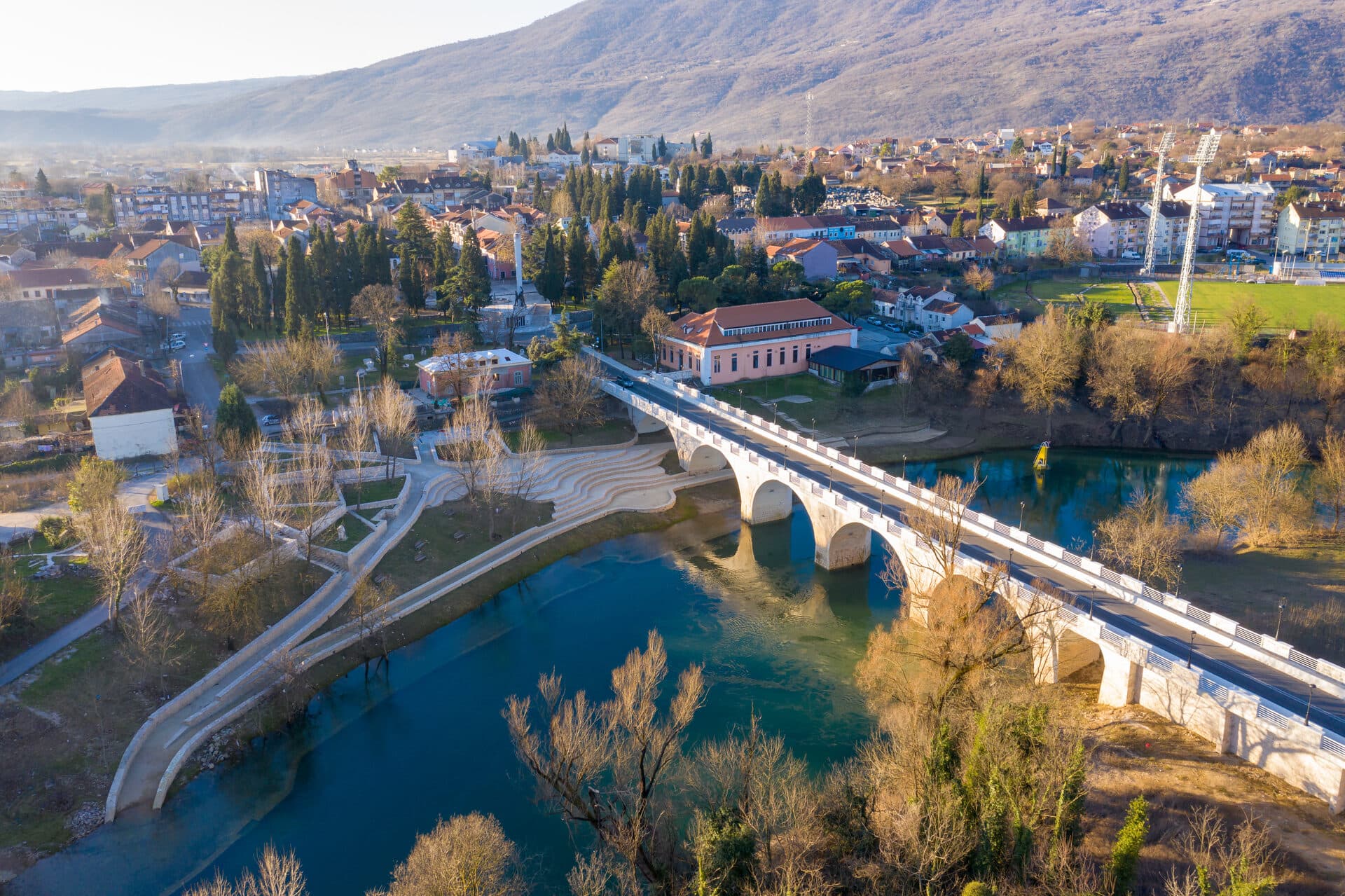
Расположенный в широкой зелёной долине между Подгорицей и Никшичем, Даниловград — один из тихих сюрпризов Черногории: небольшой, аккуратный город, разбитый на ровную сетку кварталов, окружённый одними из самых плодородных сельскохозяйственных земель страны и прошитый прозрачной, петляющей рекой Зетой. Он редко попадает в приморские маршруты, и именно в этом его прелесть. Здесь вы найдёте действующие виноградники, места для купания на берегу реки, древние монастыри в горах над долиной и неспешную внутреннюю Черногорию, которая кажется бесконечно далёкой от переполненных адриатических пляжей.
Где это и как добраться
Даниловград находится в самом сердце долины Зеты в центральной Черногории, примерно посередине главной дороги, соединяющей столицу Подгорицу с районом Никшича. От Подгорицы до него всего около 20–30 минут на машине, что делает его удобной поездкой на полдня или спокойной базой для исследования внутренних районов страны.
- На машине: самый гибкий вариант. Город лежит прямо у дороги Подгорица — Никшич, а автомобиль позволяет добраться до монастырей и деревень, разбросанных по равнине.
- На автобусе: регулярные междугородные автобусы, курсирующие между Подгорицей и Никшичем, останавливаются в Даниловграде, так что до него можно доехать и без собственного транспорта.
- На поезде: железная дорога Подгорица — Никшич проходит через долину, предлагая живописный и недорогой способ добраться.

Спланированный город с королевской родословной
В отличие от органично запутанных горных поселений Черногории, Даниловград был спланирован сознательно. Он был основан во второй половине XIX века во время правления князя Николы I Петровича-Негоша, который позднее стал первым и единственным королём Черногории. Город задумывался с амбициями стать административным центром, и этот замысел виден в его планировке: правильные прямоугольные кварталы и широкие прямые улицы, необычные для этой части страны.
Прогуливаясь по центру сегодня, вы всё ещё можете прочитать эту логику XIX века в сетке улиц, скромных каменных и оштукатуренных зданиях и открытых площадях. Это город, построенный по человеческим меркам, который легко обойти за час, с кафе, где местная жизнь неспешно течёт за чашкой кофе. Само название чтит память князя Данило, напрямую связывая поселение с правящей династией Петровичей, сформировавшей современную Черногорию.
Река Зета и Белопавличская равнина
Определяющая черта этого края — Белопавличская равнина (Bjelopavlicka ravnica), одна из крупнейших и самых плодородных низменностей Черногории. Названная в честь белопавличей, исторической племенной общины этих мест, равнина раскинулась под окружающими горами и орошается рекой Зетой, которая и дала название всей долине.
Зета — река исключительной прозрачности. Вместо того чтобы нестись напрямую, она петляет широкими излучинами по плоскому дну долины, образуя старицы и тихие заводи. Сверху эти змеящиеся изгибы завораживают, прорезая яркие ленты сквозь зелёные поля.
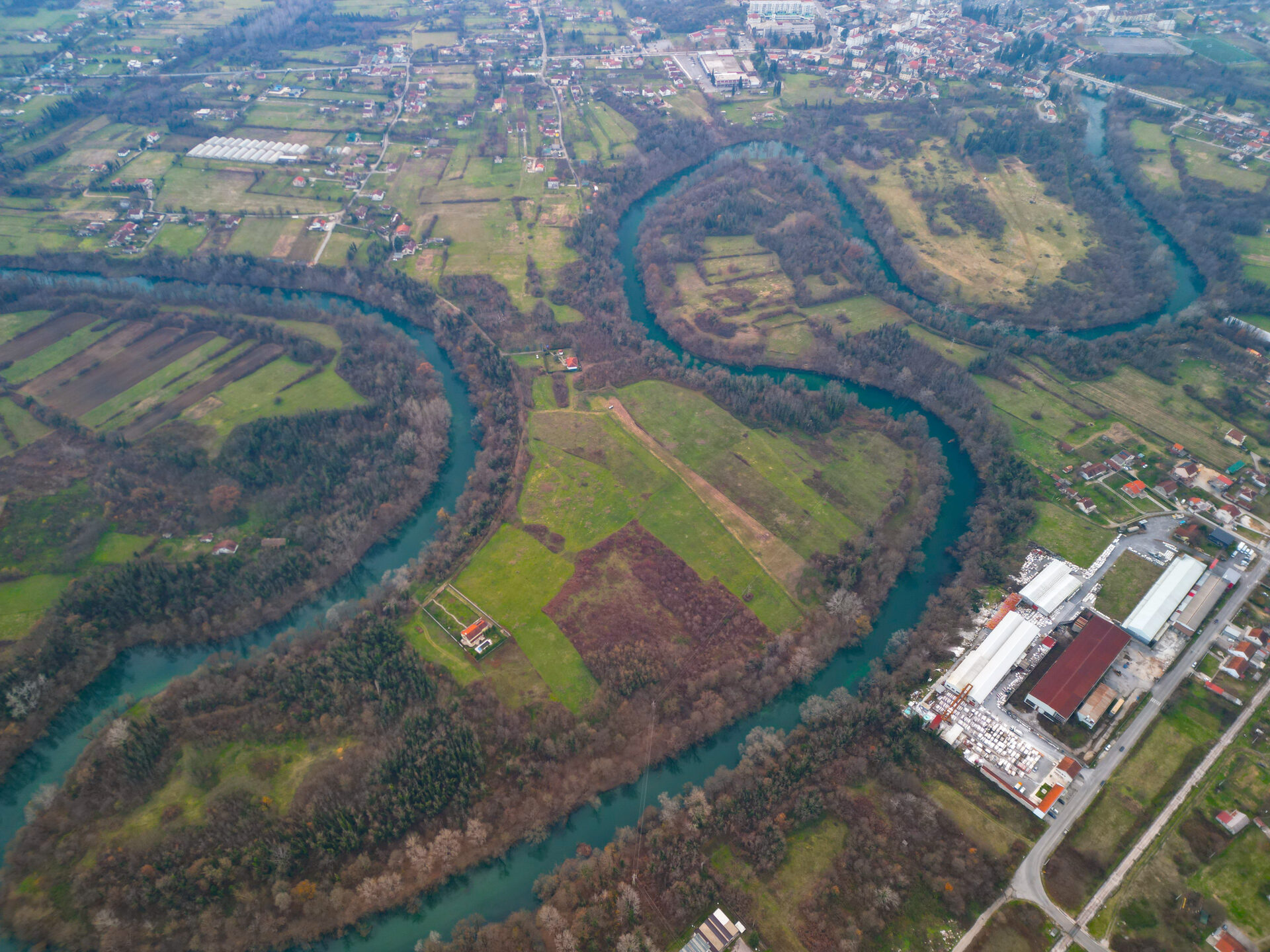
Для гостей река — главная природная площадка для отдыха в этом крае:
- Купание: в тёплые месяцы местные жители отправляются к спокойным участкам и тенистым берегам, чтобы освежиться в чистой воде.
- Рыбалка: Зета хорошо известна среди рыболовов, а её прозрачные воды и медленные заводи делают рыбалку приятной и умиротворяющей.
- Прогулки и пикники: плоская, плодородная равнина — мягкий край для лёгких прогулок, велосипедных поездок по тихим просёлкам и пикников у реки в обрамлении гор.
Монастыри в горах и на равнине
Окрестности Даниловграда богаты православным духовным наследием, и для многих путешественников это самая большая приманка. Самый знаменитый — монастырь Острог, драматично встроенный в отвесную скалу в горах над долиной. Посвящённый святому Василию Острожскому, он является важнейшим местом паломничества в Черногории и одним из самых посещаемых во всём регионе, привлекая паломников и любопытствующих со всех Балкан и из-за их пределов. Вид его белёных стен, словно сплавленных со скалой, с равниной, простирающейся далеко внизу, незабываем.
Острог — не единственная святыня здесь. Равнина и её окраины хранят несколько исторических монастырей и церквей, включая монастырь Ждребаоник, который лежит в долине и известен тем, что хранит почитаемые реликвии. Вместе они делают муниципалитет Даниловград значимой остановкой в любом туре по религиозным и культурным достопримечательностям Черногории.
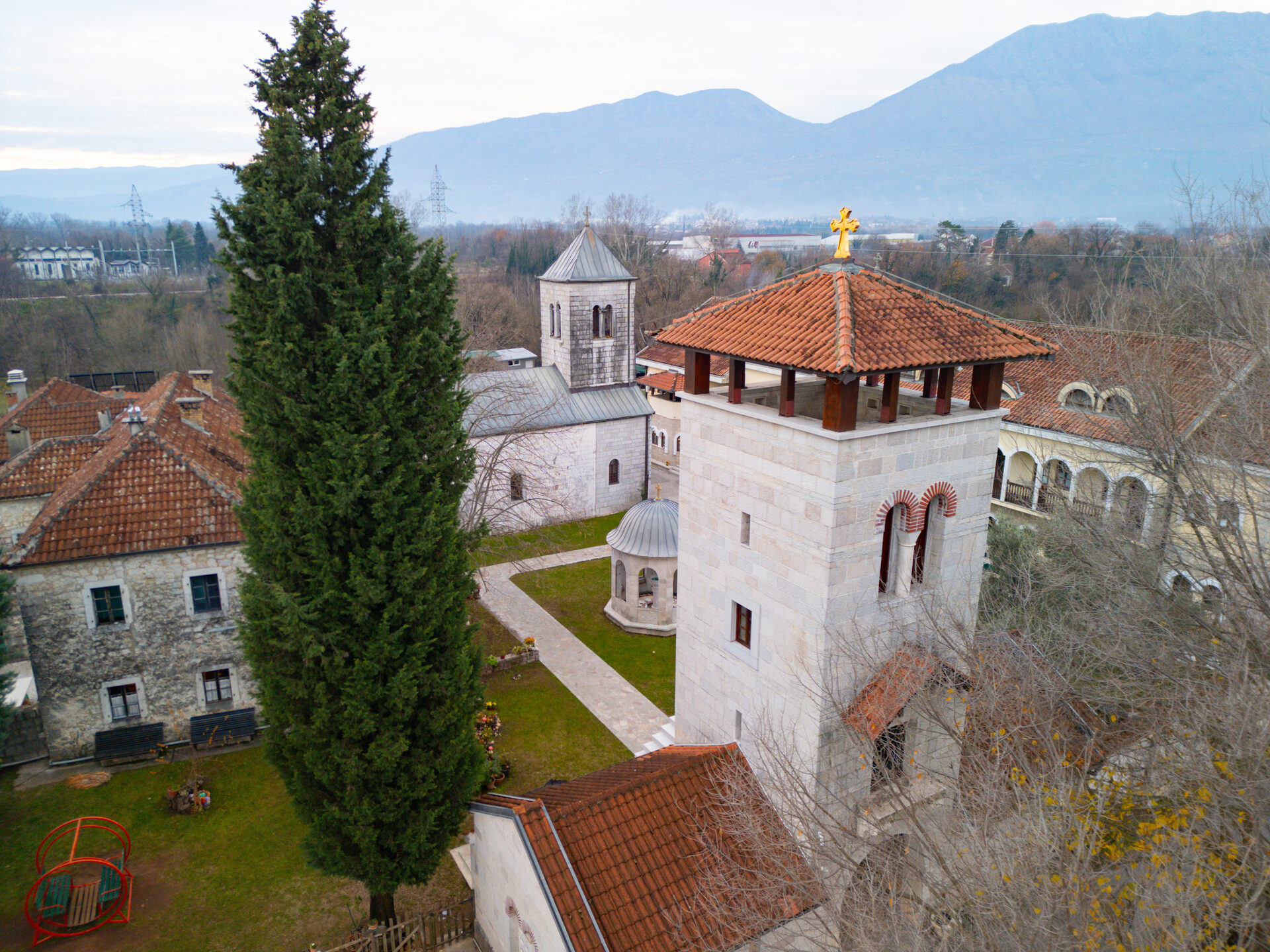
Как посещать монастыри с уважением
Это не только туристические объекты, но и действующие места богослужения. Ожидается скромная одежда: плечи и колени должны быть прикрыты, а посетителей просят вести себя тихо и следовать указаниям монахов. Острог, в частности, может быть многолюдным по выходным и в большие православные праздники, поэтому ранний приезд помогает, если вы предпочитаете более спокойное посещение.
Край вина и ракии
Плодородные почвы и тёплый, солнечный климат долины Зеты делают эту землю первоклассной сельскохозяйственной, а более широкий регион вокруг Даниловграда и Подгорицы — бьющееся сердце черногорского производства вина и ракии (фруктовой водки). Виноградники полосуют равнину, и виноград здесь — определяющая культура.
Фирменный местный сорт — вранац, крепкий красный, из которого получаются глубокие, полнотелые вина и который стал своего рода национальным символом в бокале. Наряду с ним домохозяйства по всей сельской округе до сих пор гонят собственную ракию из винограда и других фруктов — традиция, вплетённая в местное гостеприимство.
Кому подойдёт
- Паломникам и культурным путешественникам, направляющимся в Острог и к монастырям края.
- Любителям природы, рыболовам и купальщикам, которых влечёт прозрачная, петляющая Зета.
- Ценителям еды и вина, желающим попробовать вранац и домашнюю ракию у самого источника.
- Всем, кто ищет спокойную базу во внутренней части страны — близко к Подгорице, но вдали от приморской толпы.
Лучшее время для посещения
Поздняя весна (май и июнь) и ранняя осень (сентябрь и октябрь) идеальны. Температуры приятны, равнина пышна и зелена, а река манит без жестокой жары разгара лета. Осень приносит сбор винограда — чудесное время, чтобы прочувствовать винный край. Летом в этой укрытой внутренней долине может быть очень жарко, хотя места для купания на Зете дают облегчение. Зимы мягкие, но более тихие, а монастыри остаются открытыми круглый год.
Практические советы
- Используйте Подгорицу как базу: столица так близко, что многие гости останавливаются в ней или в долине, а Даниловград и Острог осматривают в однодневных поездках.
- Возьмите машину напрокат для гибкости: общественный транспорт довозит до города, но до монастырей, виноградников и речных мест куда проще добраться на собственных колёсах.
- Имейте при себе наличные: небольшие сельские заведения могут не принимать карты, поэтому держите евро под рукой.
- Комбинируйте направления: сочетайте Даниловград с Острогом, винными деревнями равнины и дальнейшими поездками в сторону Никшича или Скадарского озера для насыщенного маршрута по внутренней части страны.
- Уважайте ландшафт: равнина — действующие сельскохозяйственные угодья, а река бесценна. Забирайте свой мусор с собой и ступайте бережно.
Тем путешественникам, что готовы свернуть с Адриатики вглубь страны, Даниловград вознаграждает более мягкой, более подлинной Черногорией: опрятным королевским городом, светлой рекой, вьющейся сквозь зелёные поля, скальными монастырями, пропитанными верой, и тихой щедростью винного края.