Crna Gora
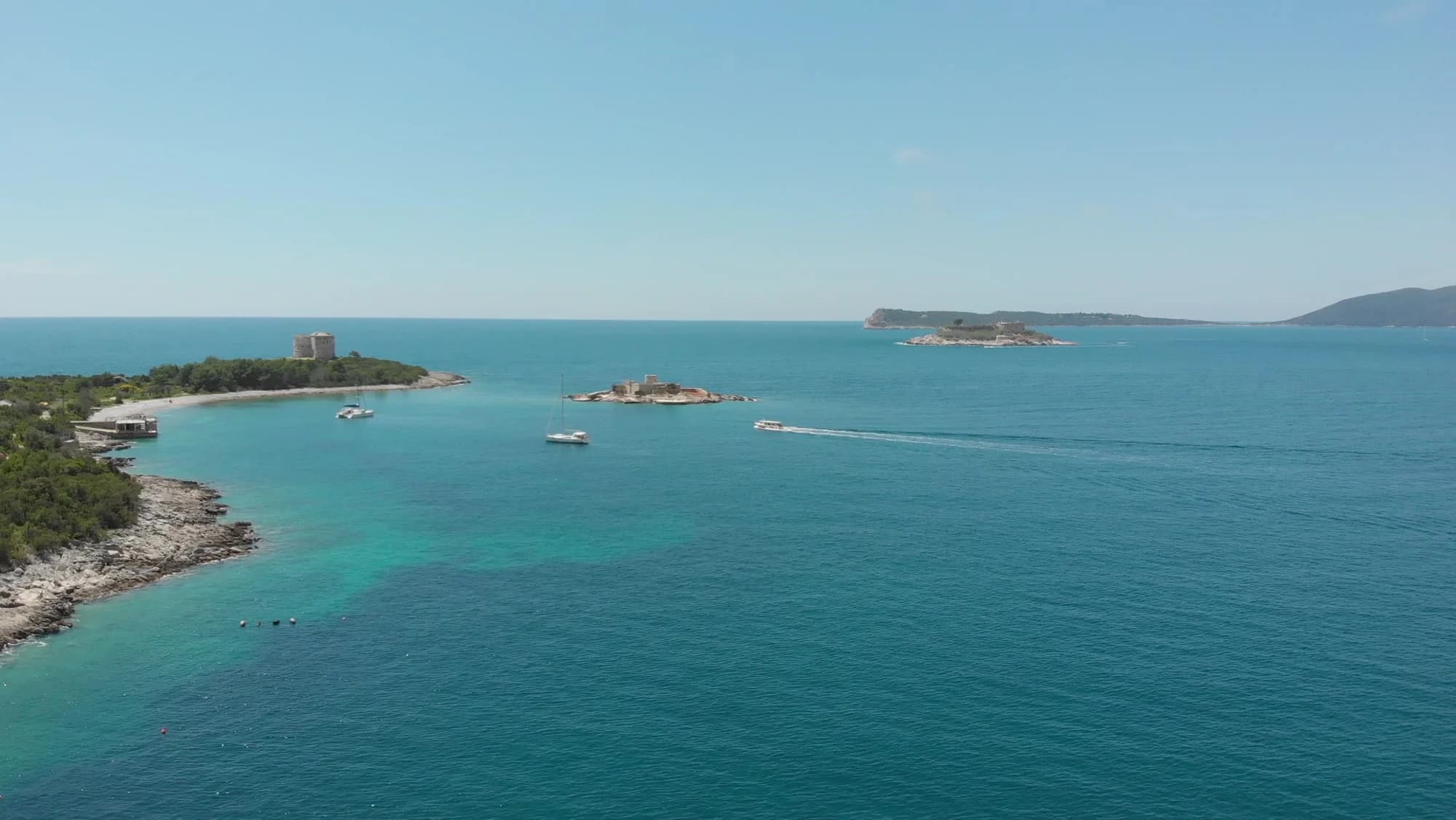
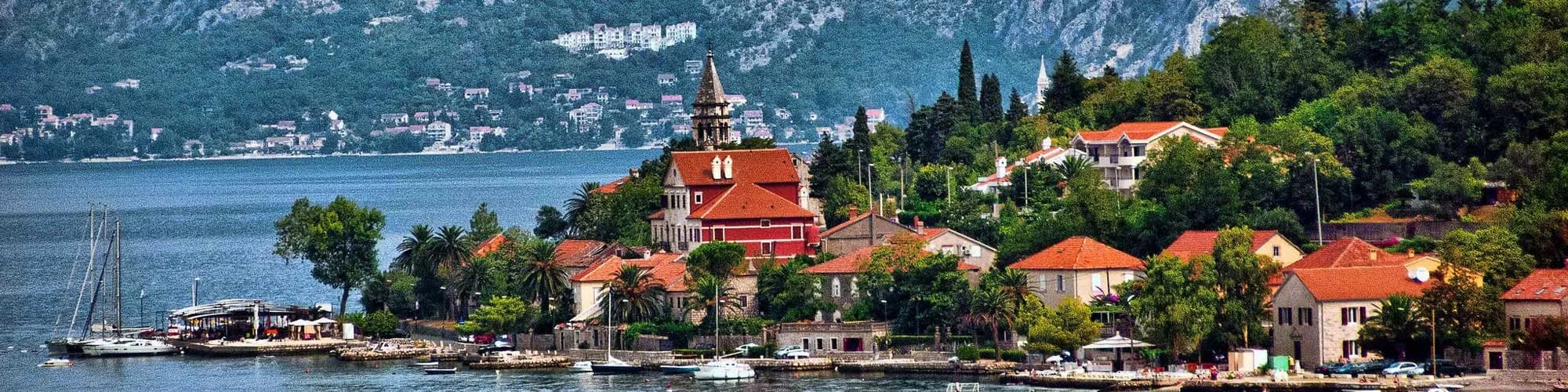
Montenegro, Crna Gora, is a Mediterranean country on the south-eastern Adriatic - small in size but remarkably diverse. At around 13,800 square kilometres it is smaller than many European regions, yet within a few hours' drive you move from the sun-soaked beaches of Budva, Bar and Ulcinj, to the dramatic fjord-like Bay of Kotor with Kotor and Perast, to the wild peaks of Durmitor and the Tara River canyon in the north. Podgorica is the working capital; Cetinje, up in the karst above the bay, is the old royal one and still holds the palaces and museums of the independent principality. The coastline runs close to 300 kilometres. At its northern end are the Venetian stone towns of Boka - Kotor, Perast, Herceg Novi - then the walled old town of Budva, the island hotel of Sveti Stefan, and finally the long sand of Velika Plaža near Ulcinj. Inland, Skadar Lake spreads across the border with Albania as the largest lake in southern Europe, thick with pelicans, waterlilies and small monastery islands. Lovćen and Biogradska Gora protect old forest and mountain pasture, while Durmitor, a UNESCO World Heritage Site, holds glacial lakes, deep winter snow and, along its northern rim, the deepest gorge in Europe. Culture follows the terrain. The coast is Venetian in its stone and Mediterranean in its rhythm: fish, olive oil, late dinners, long evenings on the promenade. The interior is mountain country - smoked ham and sheep's cheese, stone villages, Orthodox monasteries carved into cliffs, and Ottoman-era towns near the eastern borders. Summers on the coast are hot and busy from July into August; May, June and September are easier and cheaper. The north is at its best from late June to October, or in deep winter for skiing. Discover where to stay, what to see and when to visit through our guides, and book apartments, villas and hotels directly with local hosts across Montenegro - from the coast to the mountains.