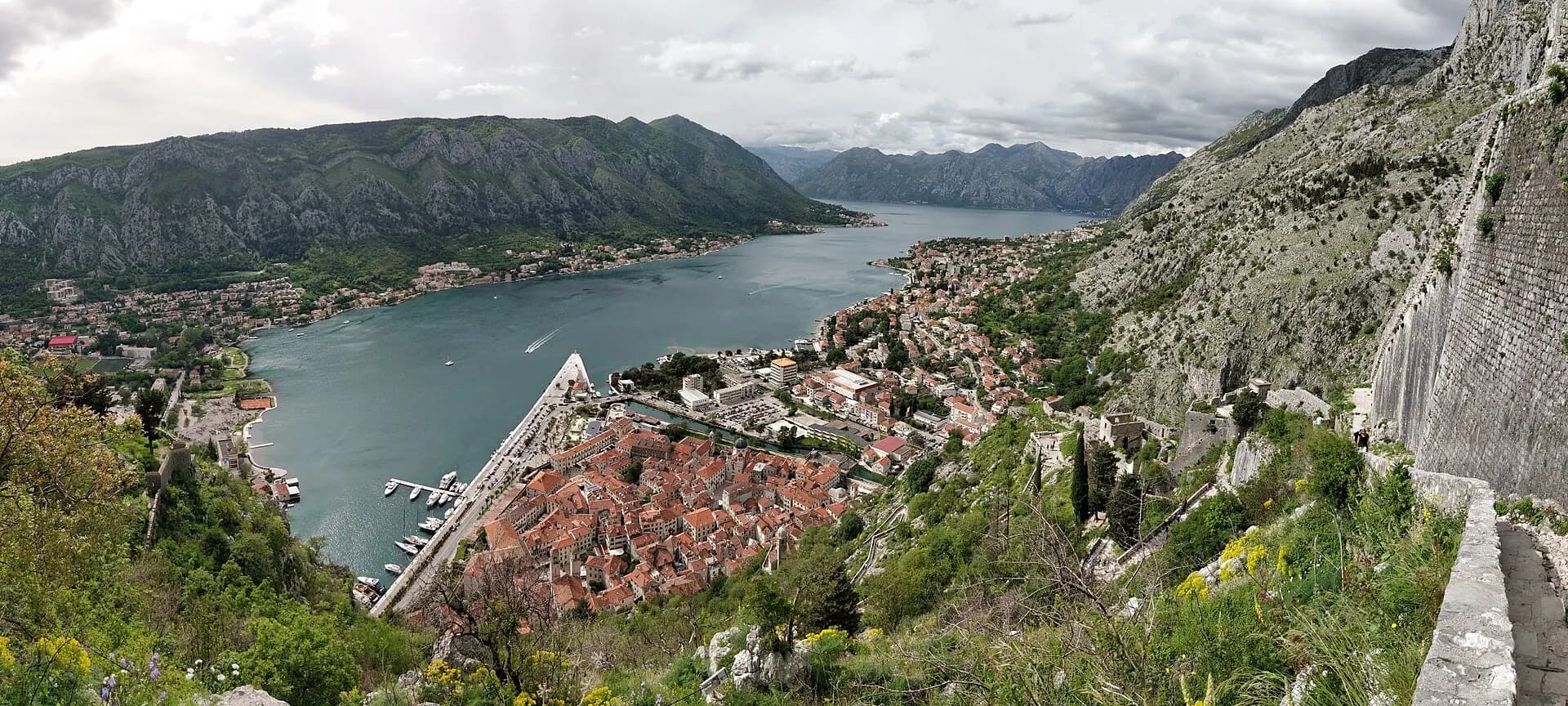
Obala
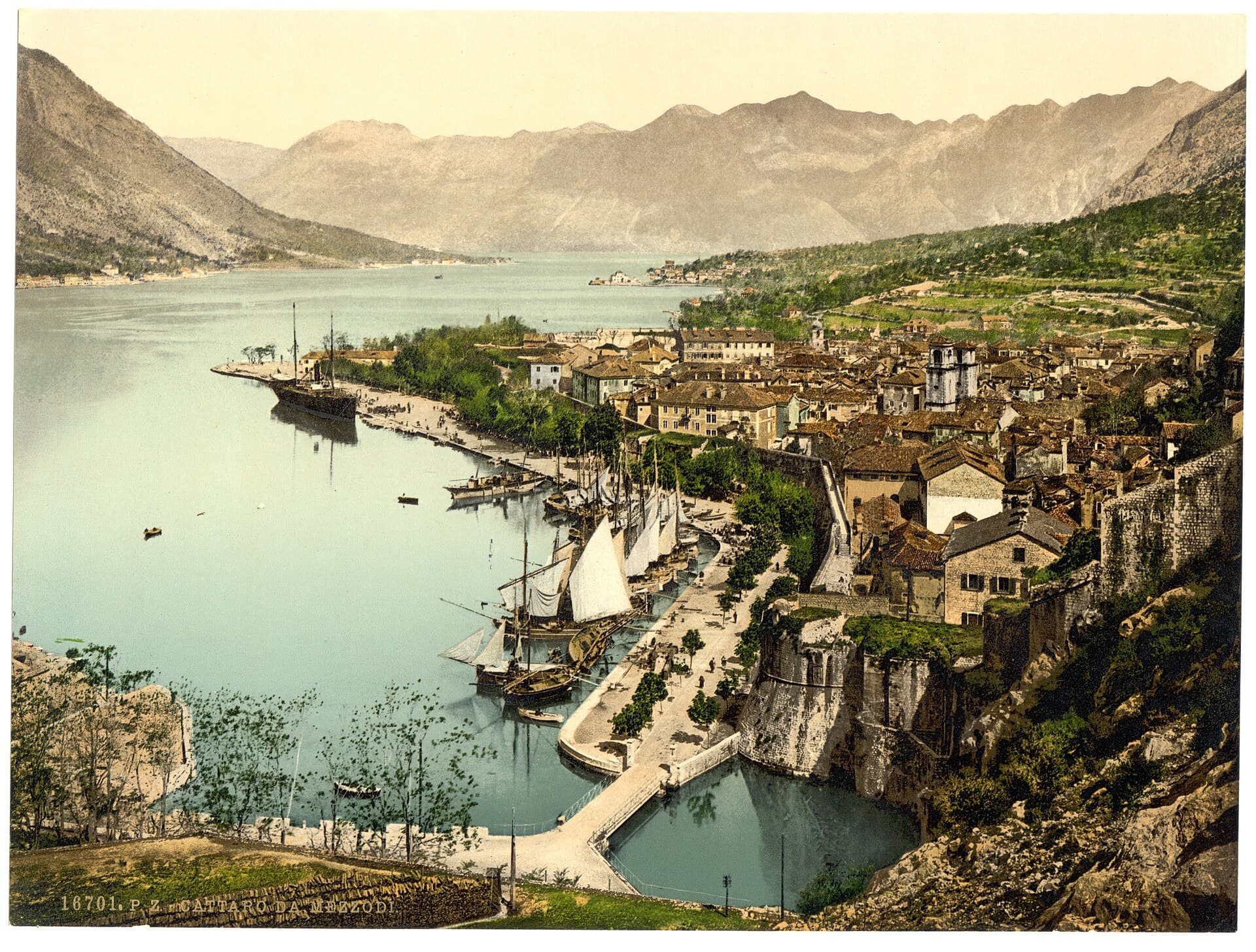
ThenRadni gat pod bedemima
NowPut, marina i kapija za posjetioce
Stand in one place. Move through centuries. Reveal what changed, what survived and what you can still experience today.
Historic image: Library of Congress Photochrom Print Collection, approximately 1890–1900. No known publication restrictions.
Start with a city
These source-linked city chapters have their own photographs, historical names, timelines and visual evidence.
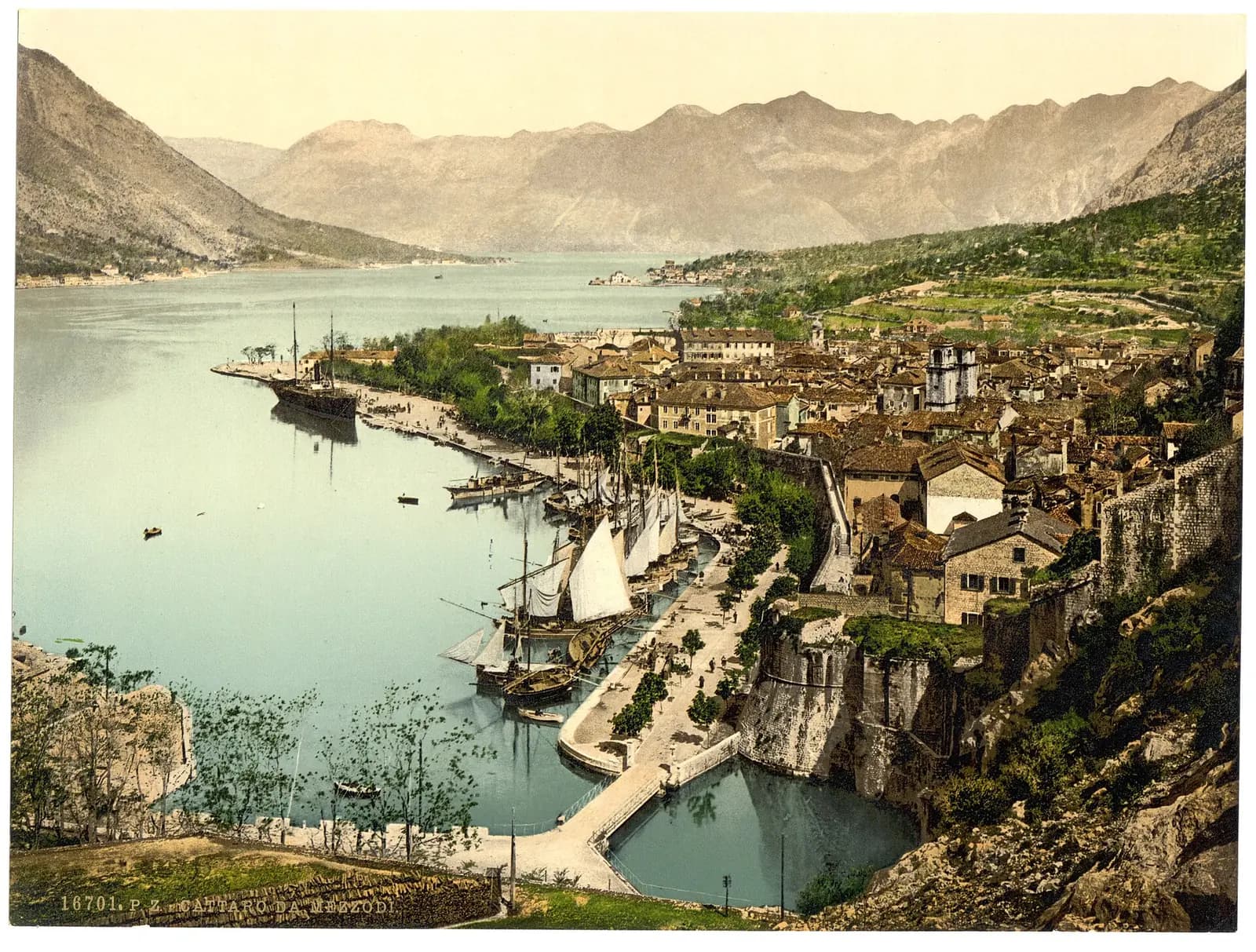 1890–1900.KotorUtvrđena luka postaje svjetski grad
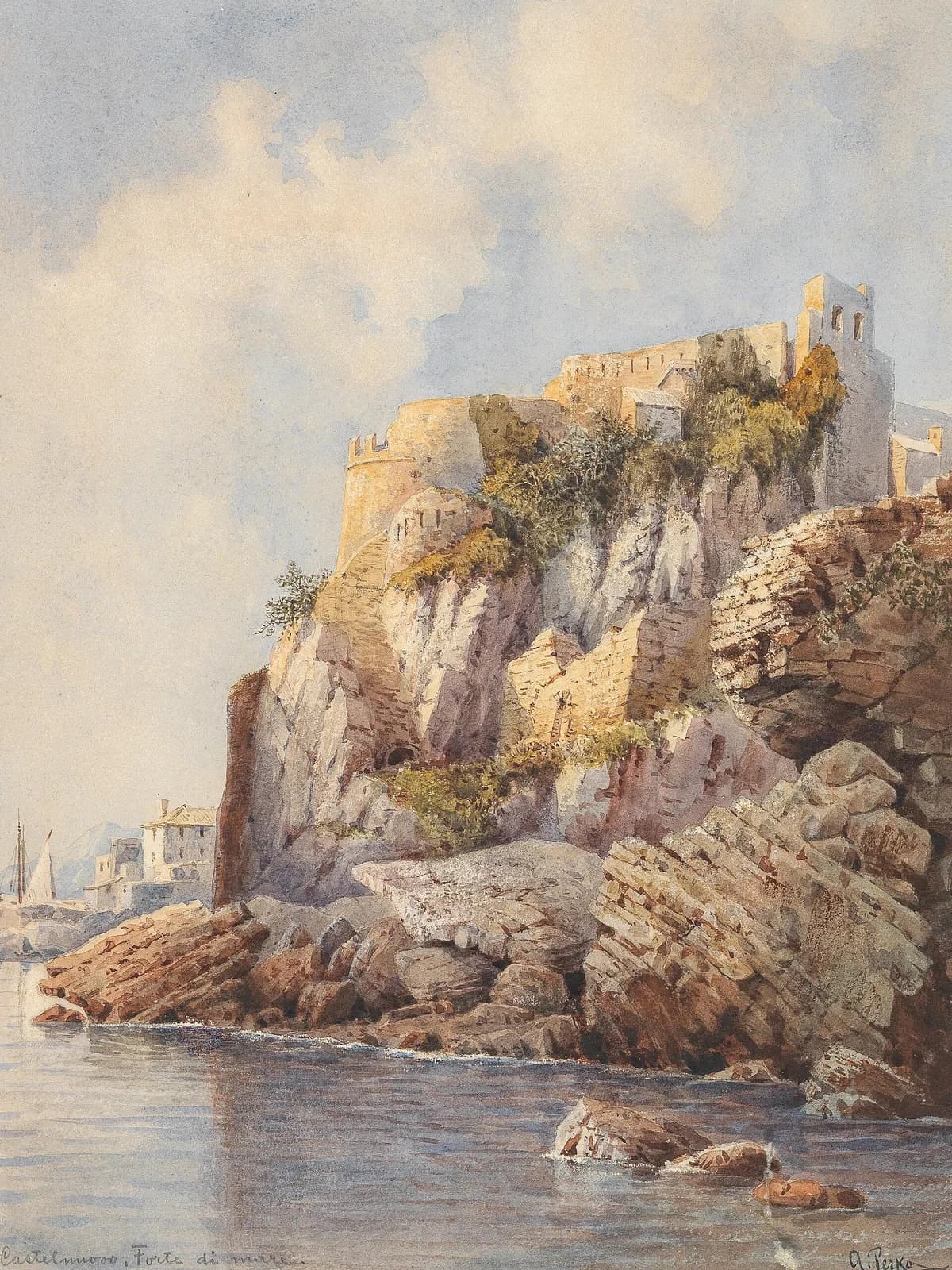 Castelnuovo i Forte MareHerceg NoviCastrum Novum, Castelnuovo, Herceg Novi
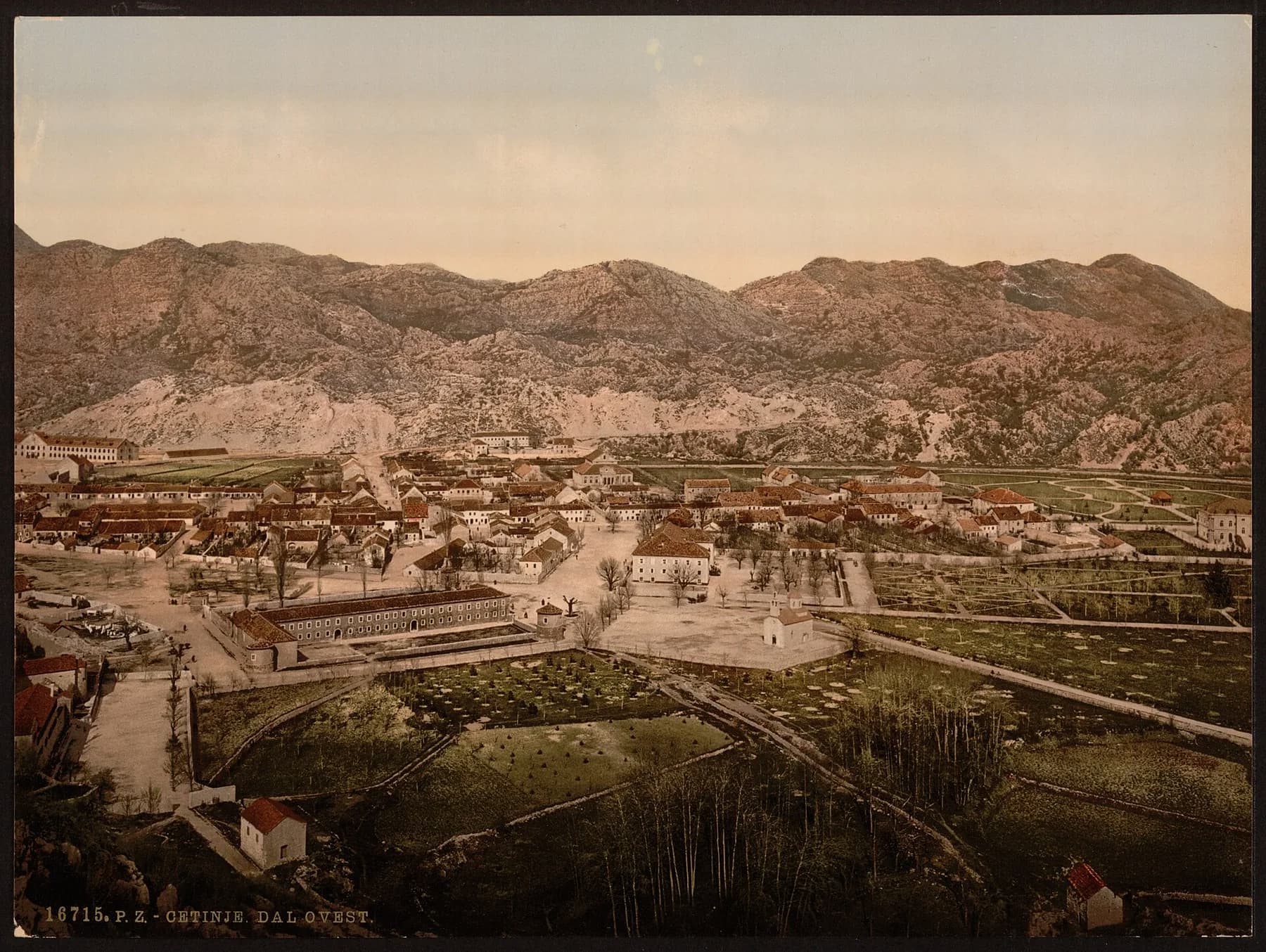 1890–1900.CetinjeKraljevska prijestonica širi se po planinskom polju
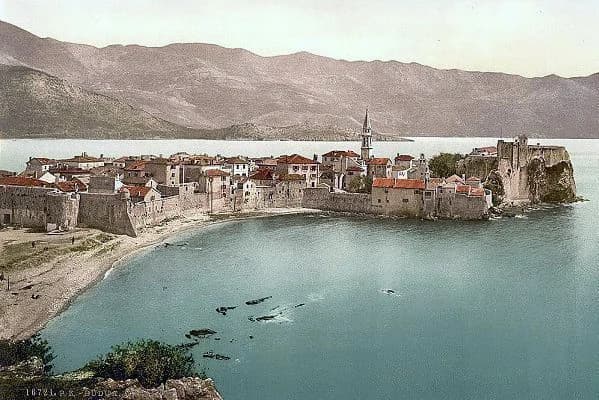 1900.BudvaPoluostrvo pod zidinama postaje prijestonica turizma
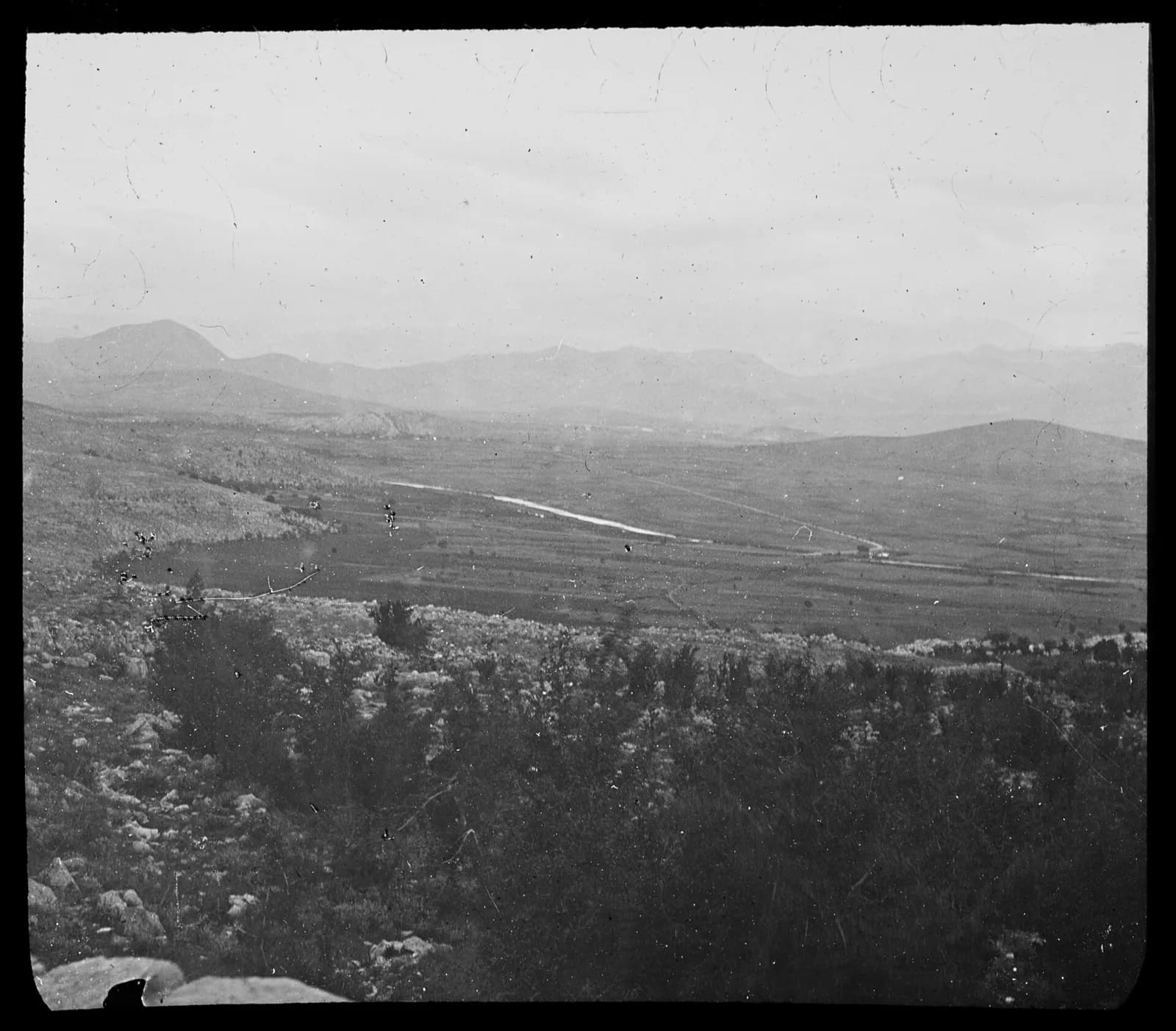 Podgorica i Zetska ravnicaPodgoricaRiječni prelaz koji iznova postaje prijestonica
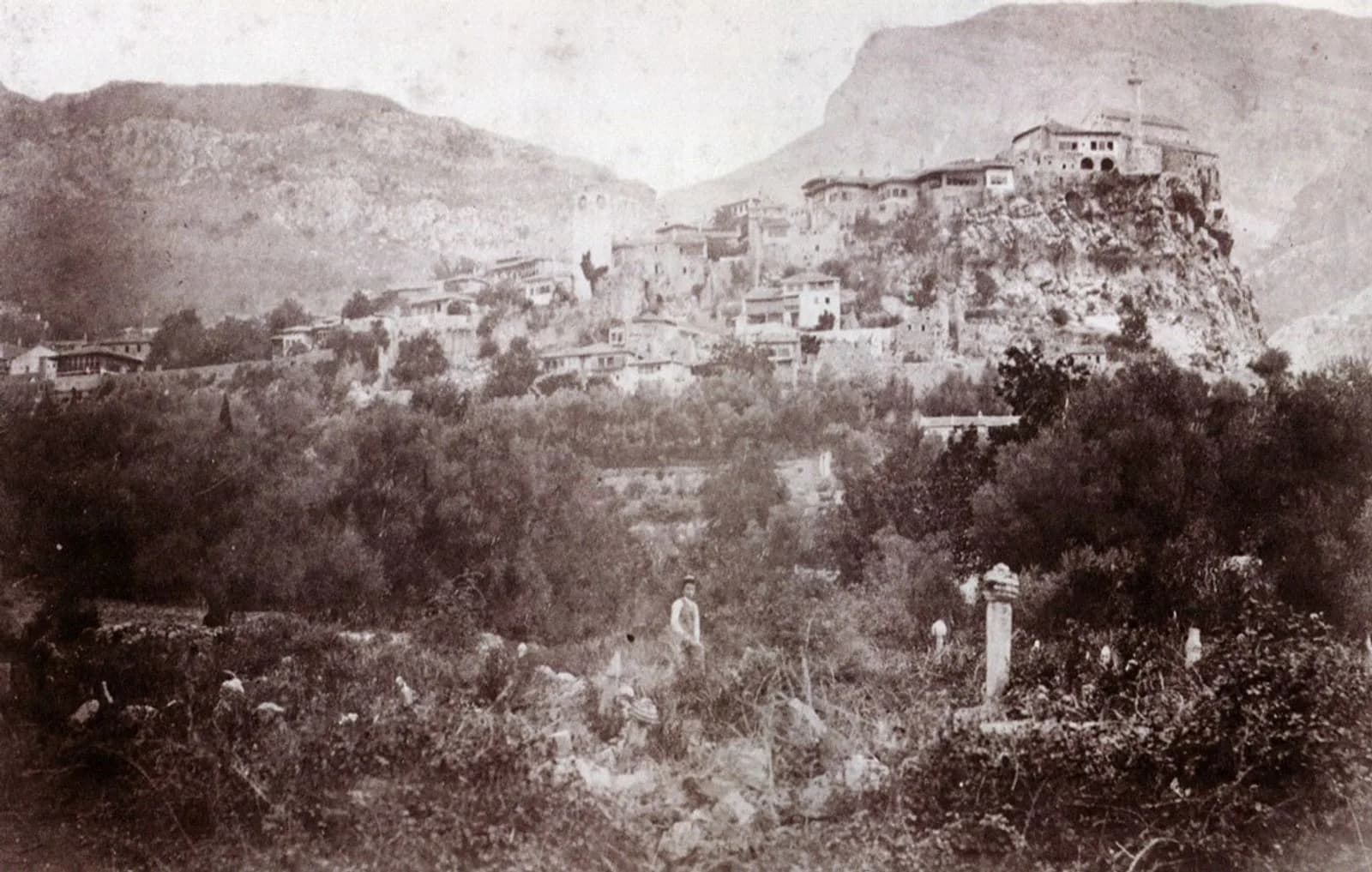 Stari Bar pod osmanskim obzorjemBarGrad opasan planinama silazi na more
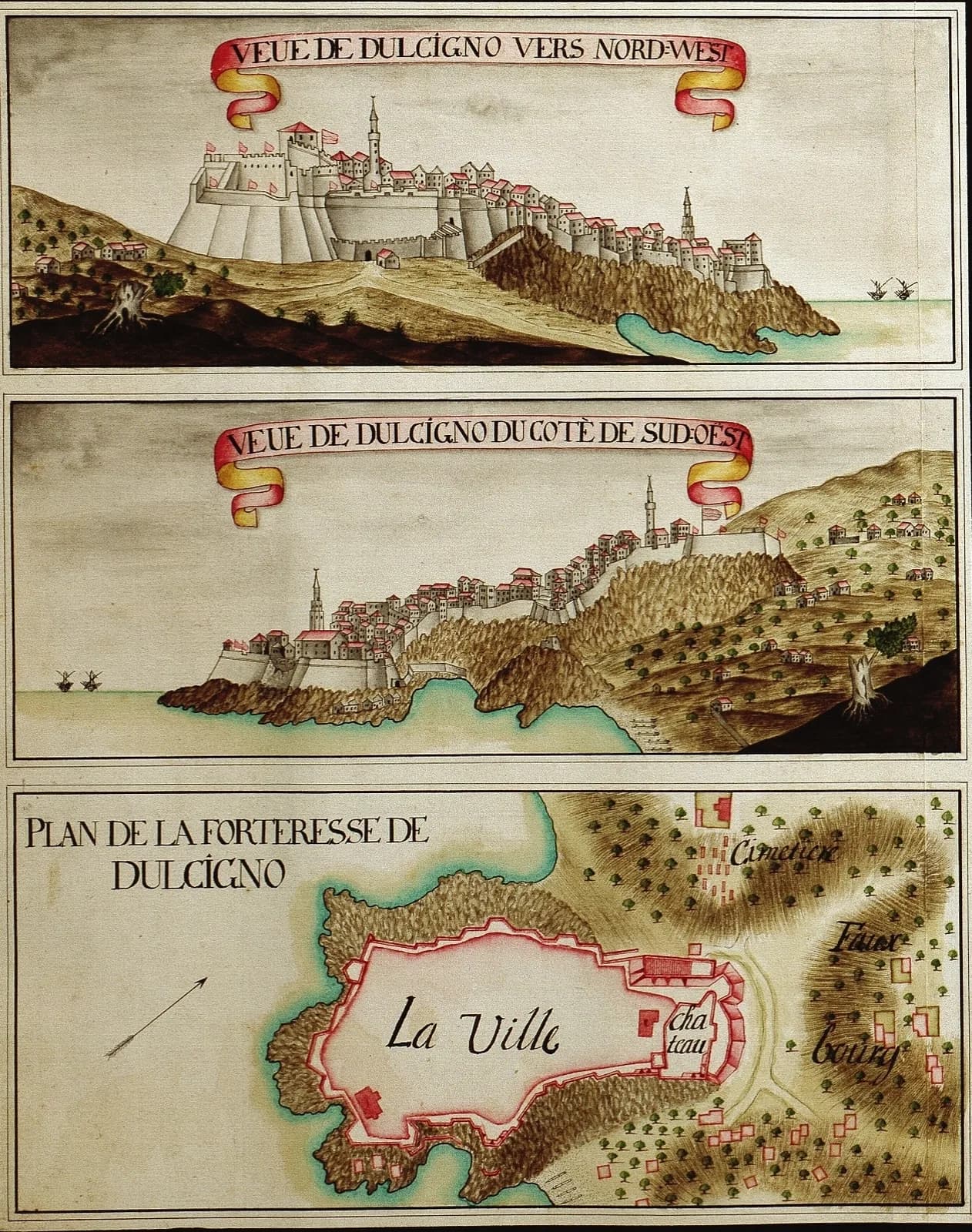 Mletački plan opsade DulcignaUlcinjCitadela se čita kao arhiv jadranske granice
Or start with a building
Deep dives that take a single building apart the way archaeologists record one — as a stack of dated construction phases, each in its own colour.
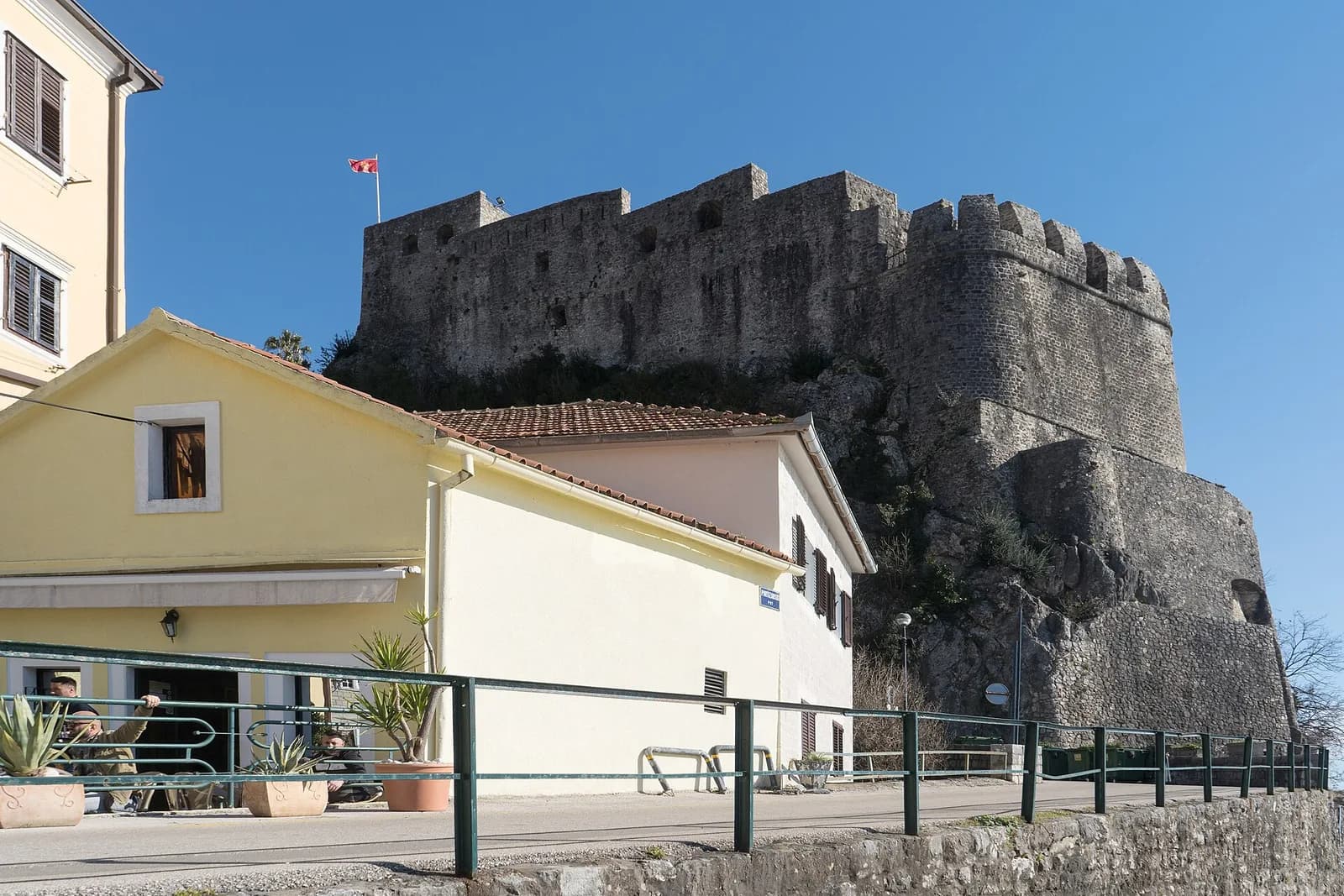 Herceg NoviForte MareA salt-trade watchtower that eight sovereignties rebuilt on top of each other — and that has now spent seventy-four summers as a cinema.
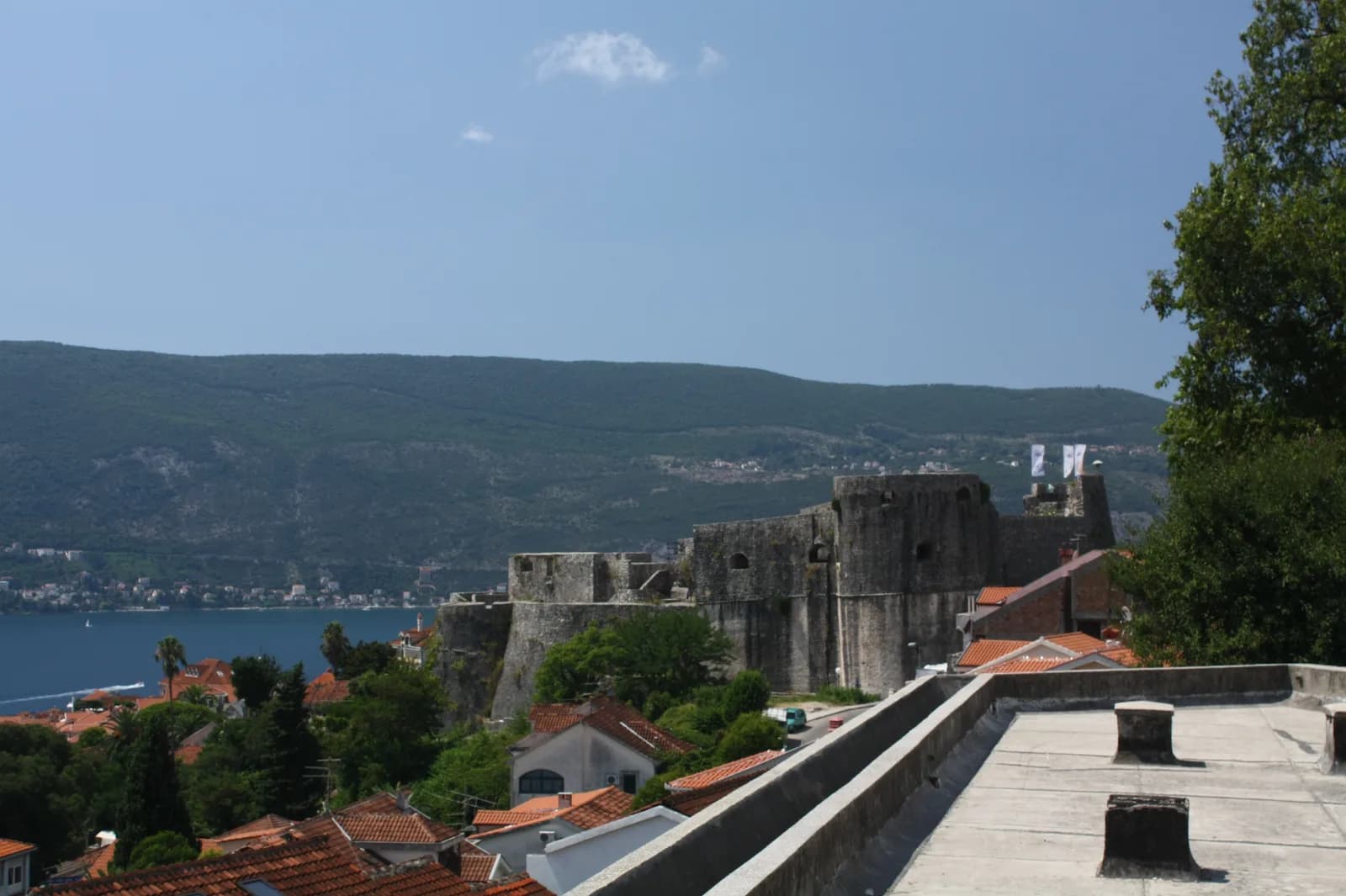 Herceg NoviKanli KulaA prison whose inmates dated it for us — they scratched ships into the walls — and which now seats a thousand people watching films.
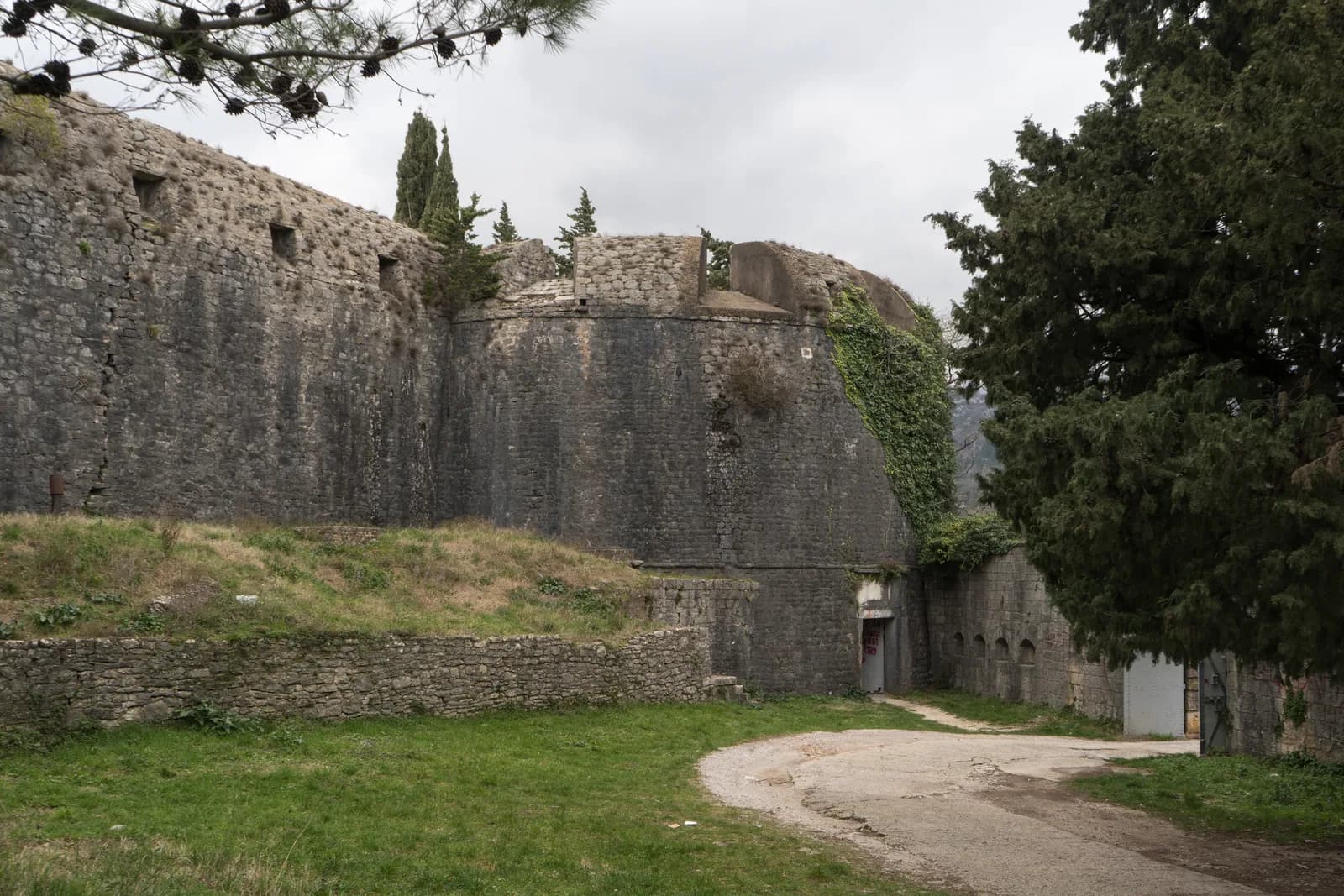 Herceg NoviŠpanjolaThe Spanish began it in a year they did not survive. The Ottomans finished it, and it still carries the name of the side that lost.
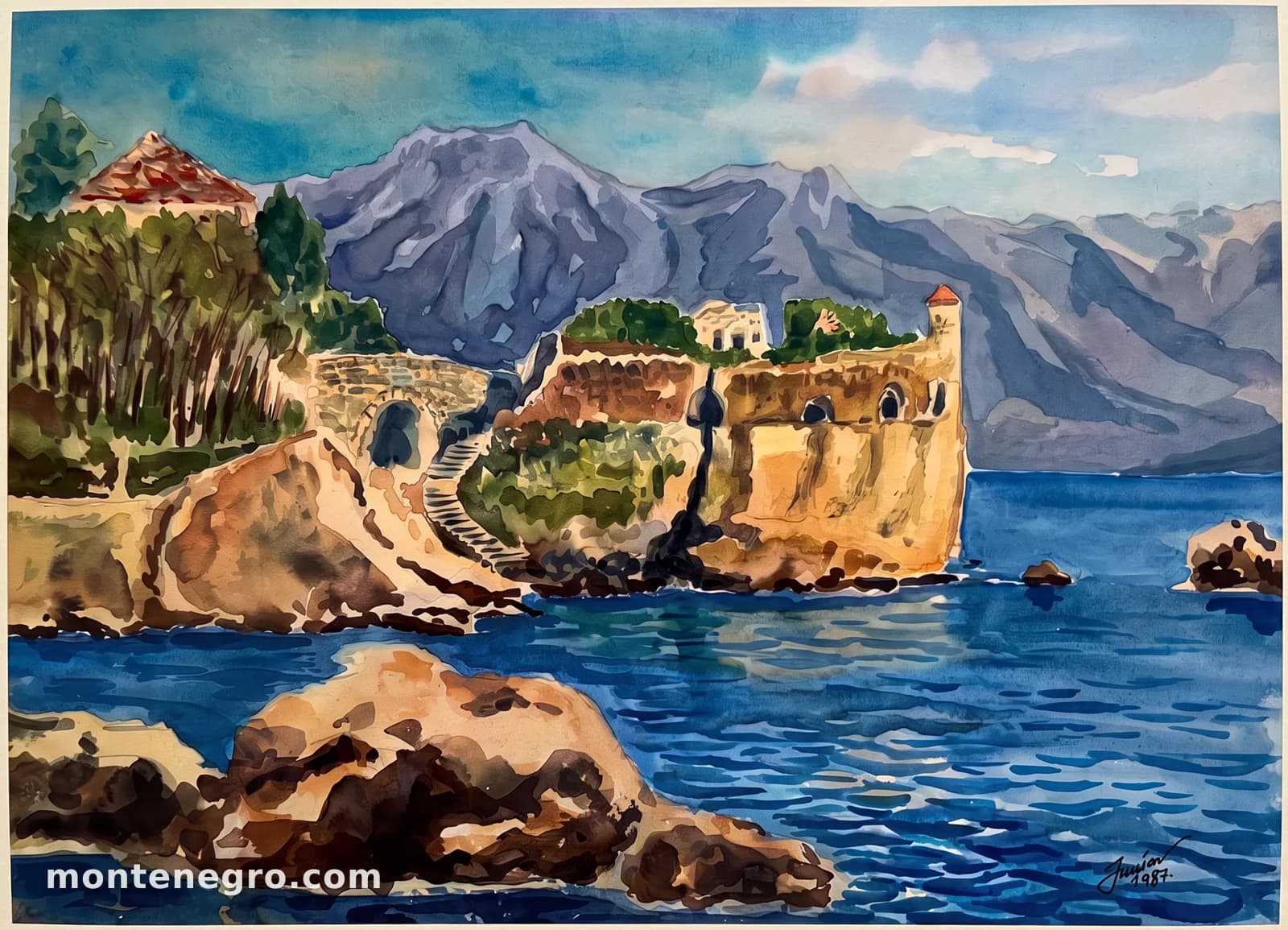 Herceg NoviCitadelaIt closed the southern end of the defences for centuries, nobody is sure when it was built, and in ninety seconds in 1979 it went into the sea.
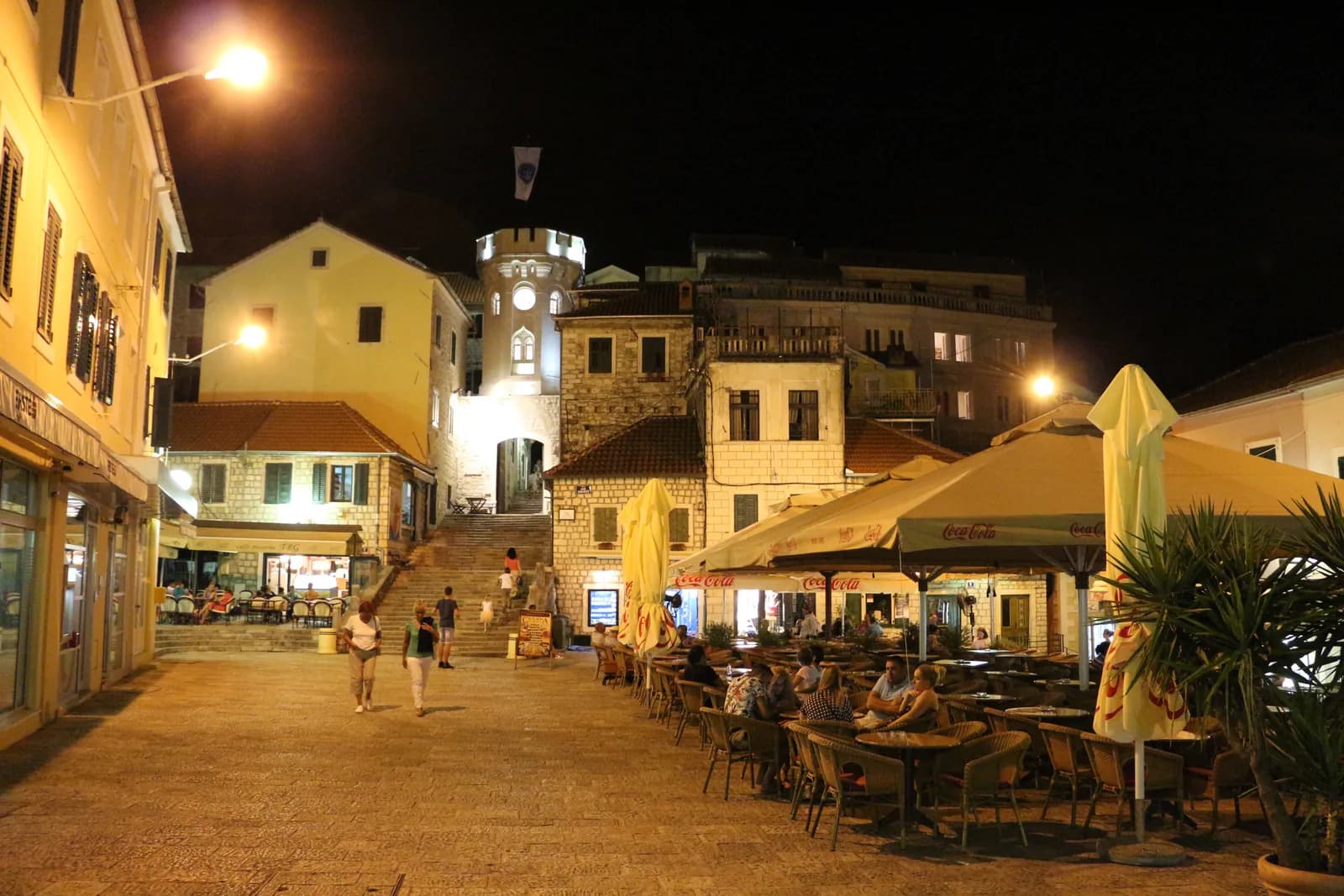 Herceg NoviSahat kulaSixteen metres of Ottoman gatehouse with a Russian bell, a Black Madonna and two dates that cannot both be right.
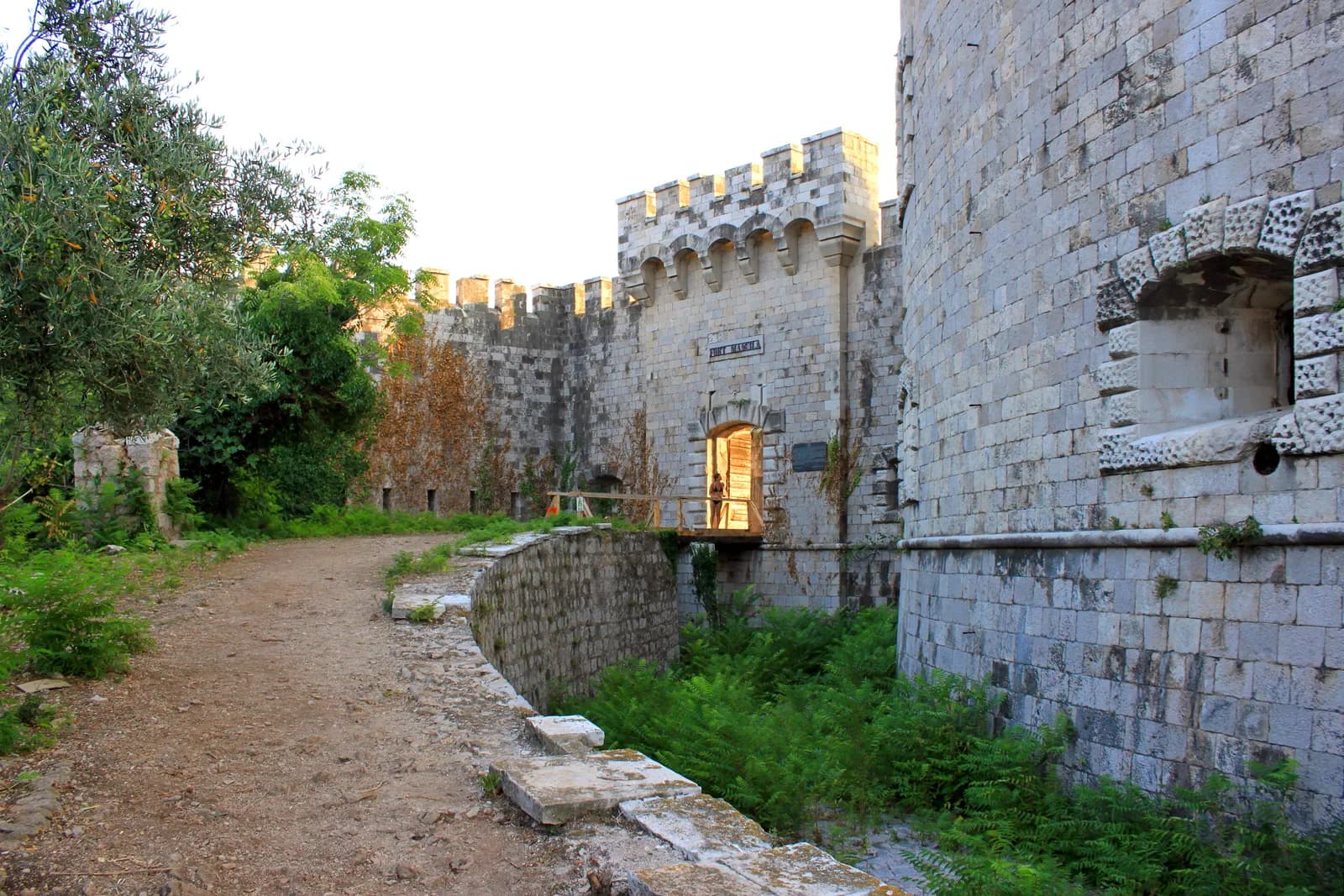 Lastavica islandMamulaAn island that is almost entirely fortress, where 2,332 people were imprisoned and 130 died, and where you can now book a room.
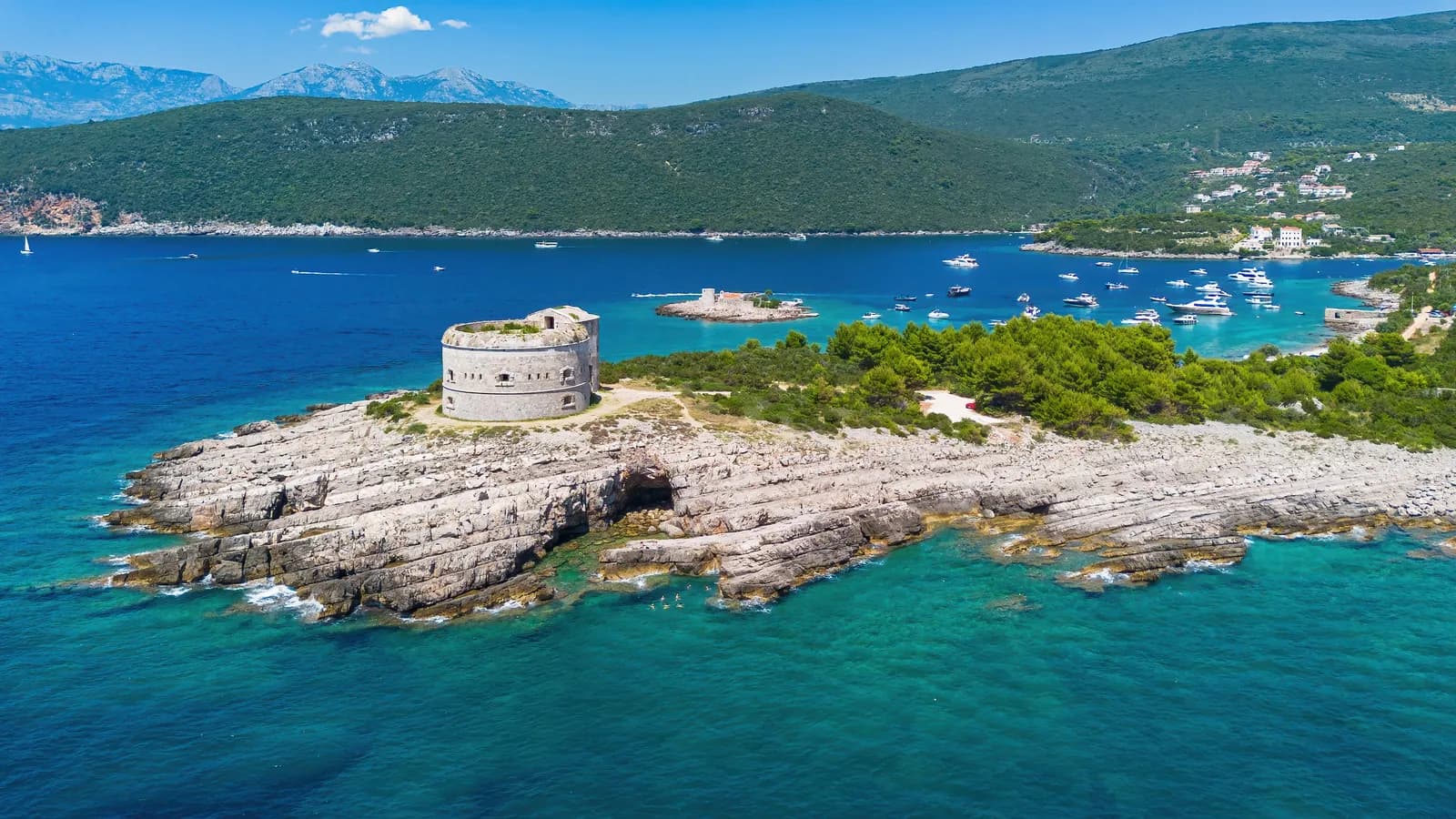 Luštica peninsulaArzaThe third gun of a three-gun gate, garrisoned by ninety-two men, sold in 2009, and the only fortress in Montenegro you cannot get into.
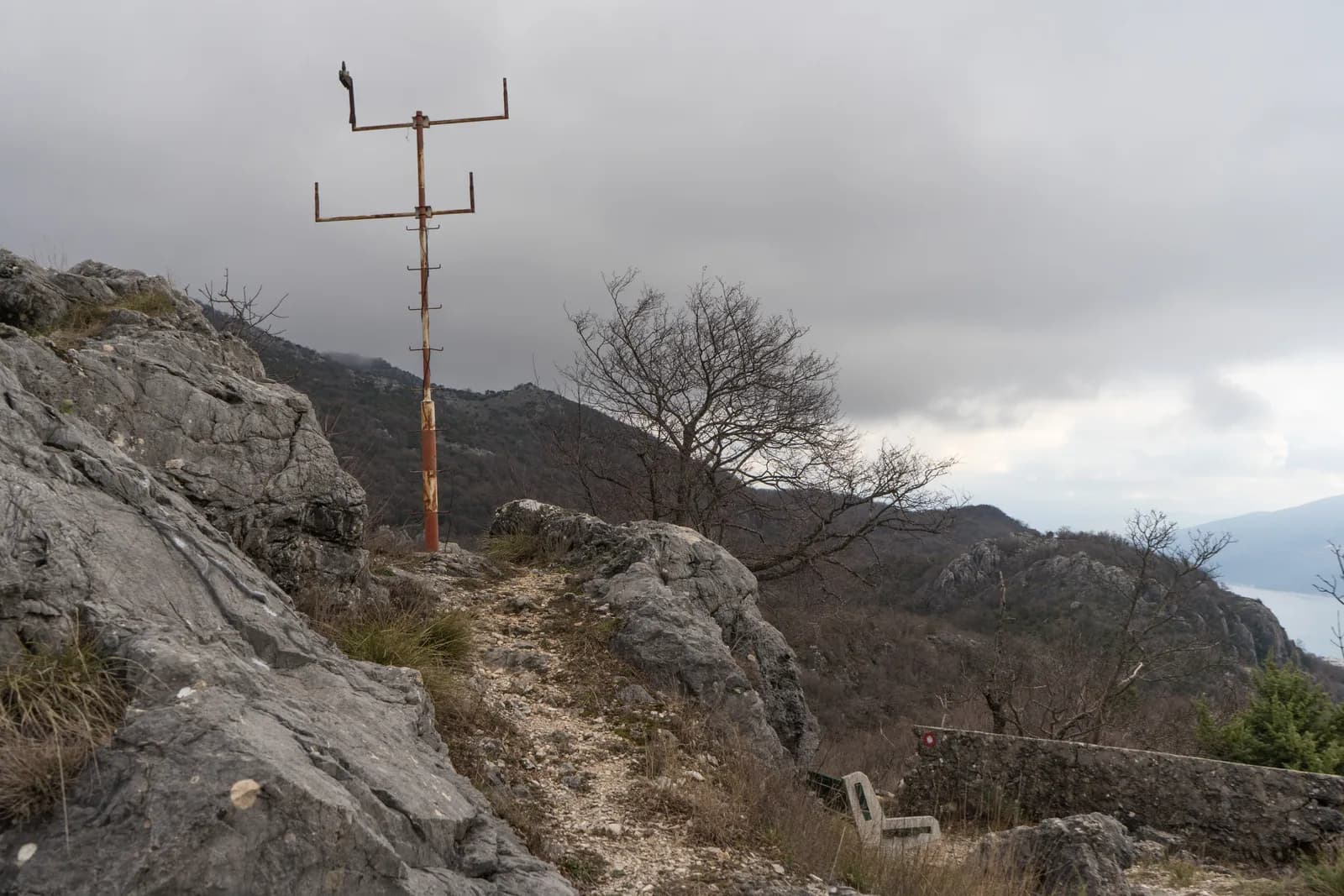 Above KamenoTajno brdoSecret Hill: a battlefield, an Austro-Hungarian gun position, a tunnel system, an execution ground and a Cold War bunker — all on the same 490 metres.
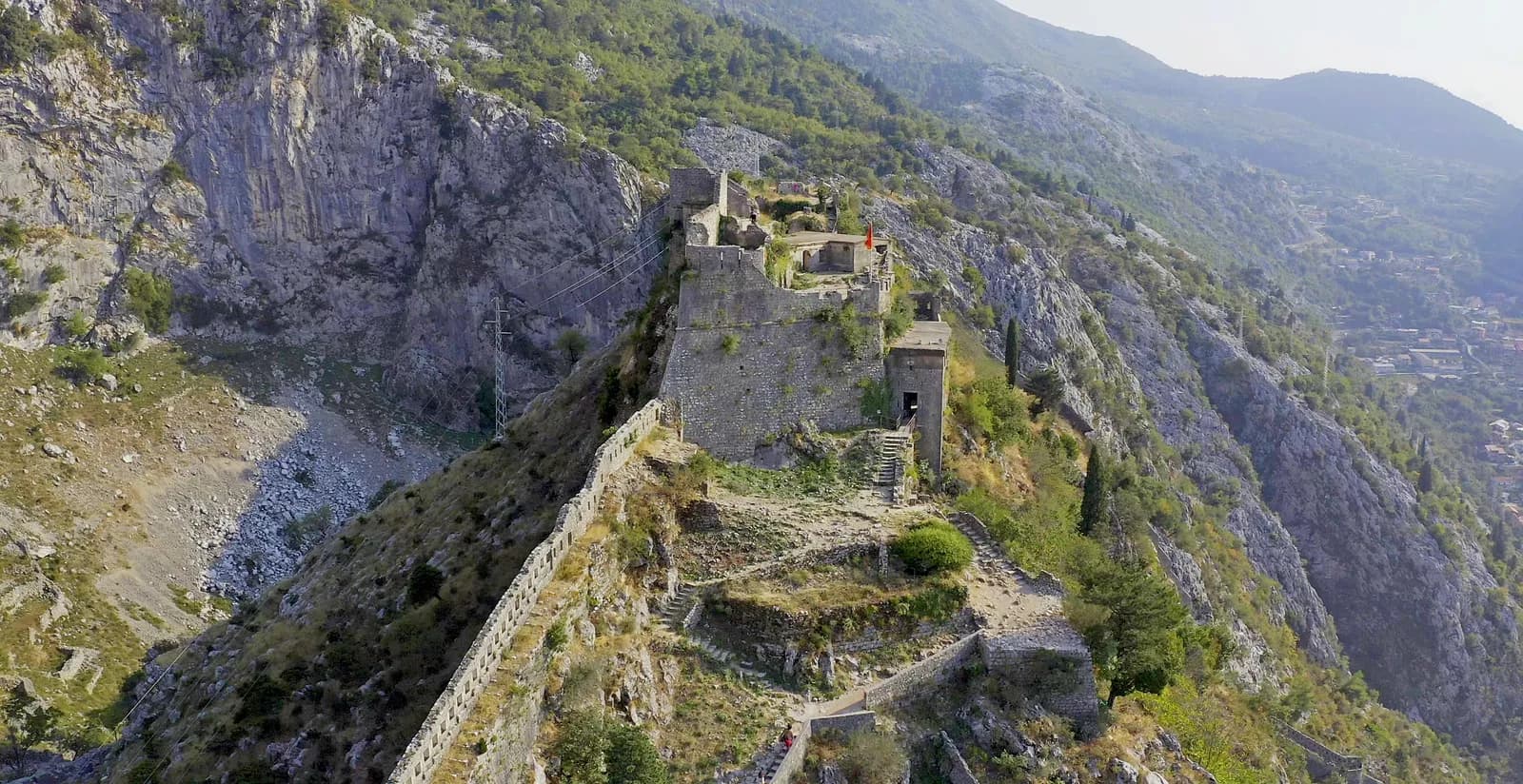 KotorSan GiovanniFour and a half kilometres of fortification climbing 260 metres of cliff, built by four civilisations, and listed by UNESCO and declared in danger on the same day.
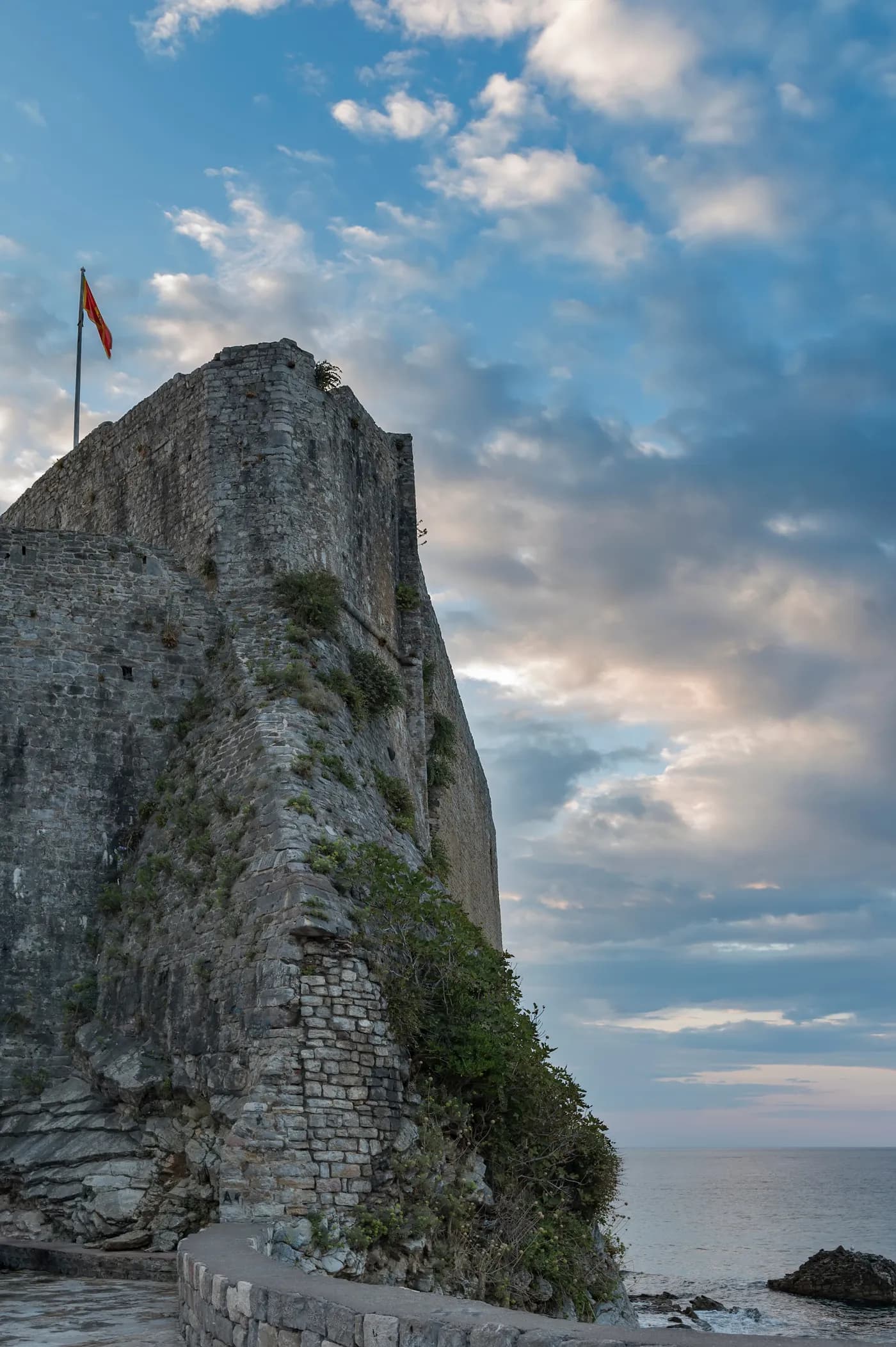 BudvaCitadelaA Venetian sea fortress on the corner of a walled town, flattened in ninety seconds in 1979 and put back by 1987.
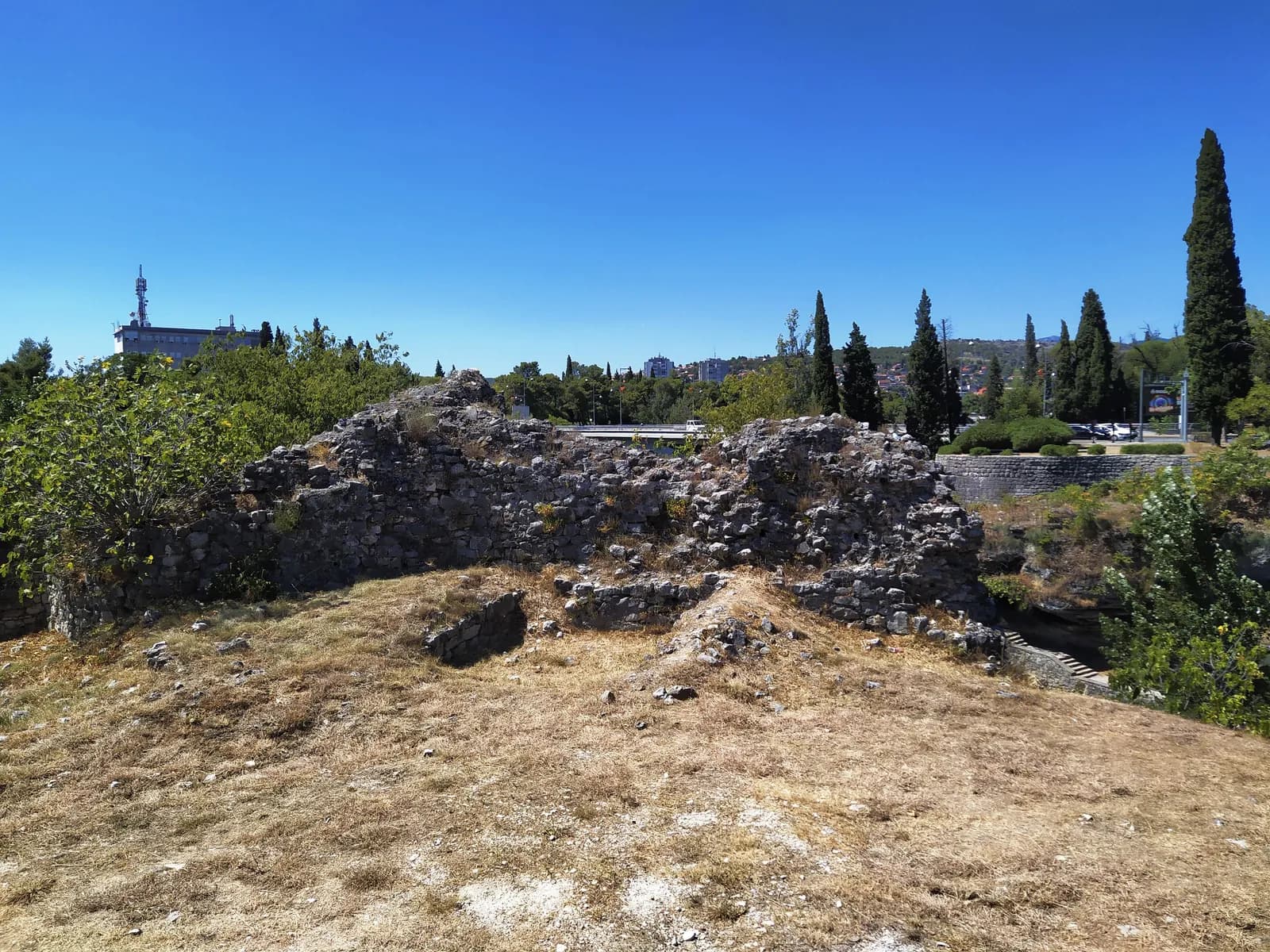 PodgoricaRibnicaAn Ottoman fortress on the point where two rivers meet, popularly named after a dynasty that had nothing to do with building it.
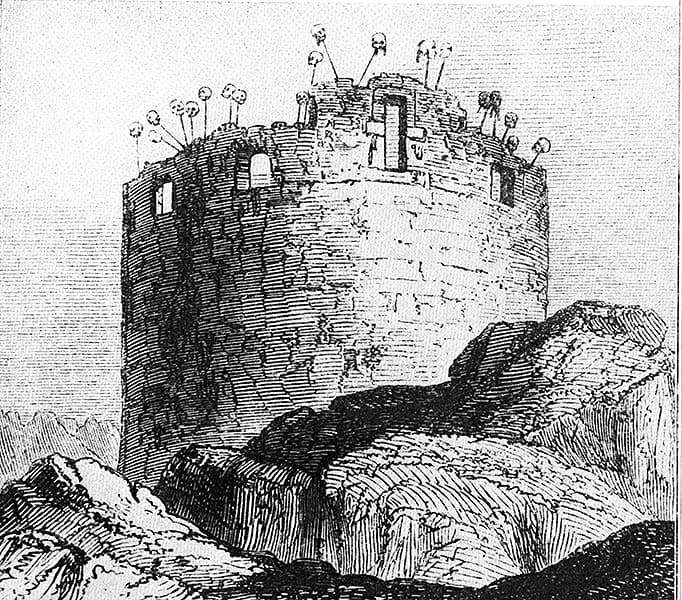 CetinjeTabljaA round gun tower built in 1833, never completed, used to display the heads of enemies until 1850, turned into a belfry, and pulled down in 1938 to clear space for a cathedral.
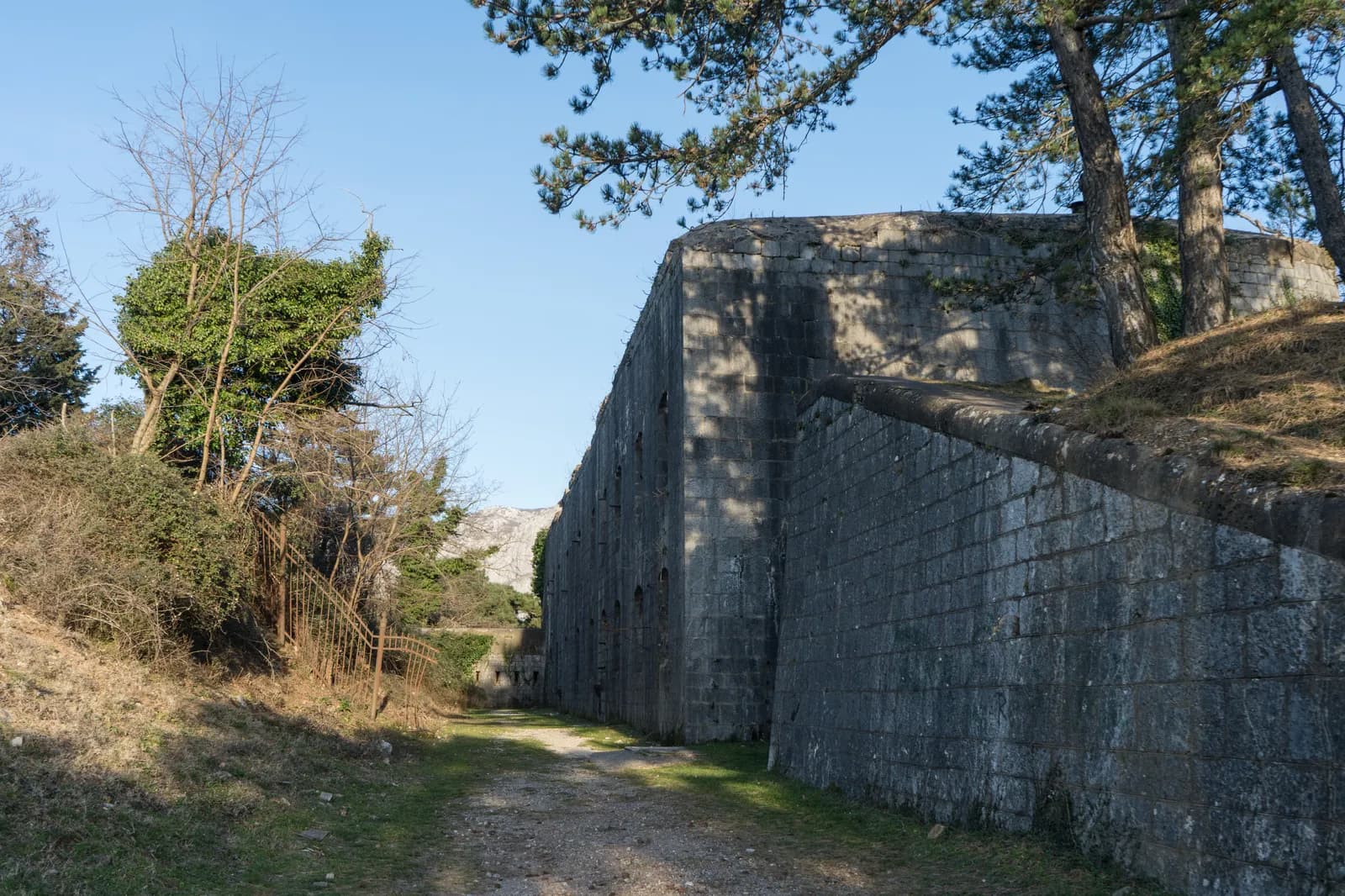 KotorFort VrmacA concrete pentagon at 480 metres with four Škoda cupolas on its roof, bombarded for two years by an army it could not reach, and patched up the moment that army was pushed away.
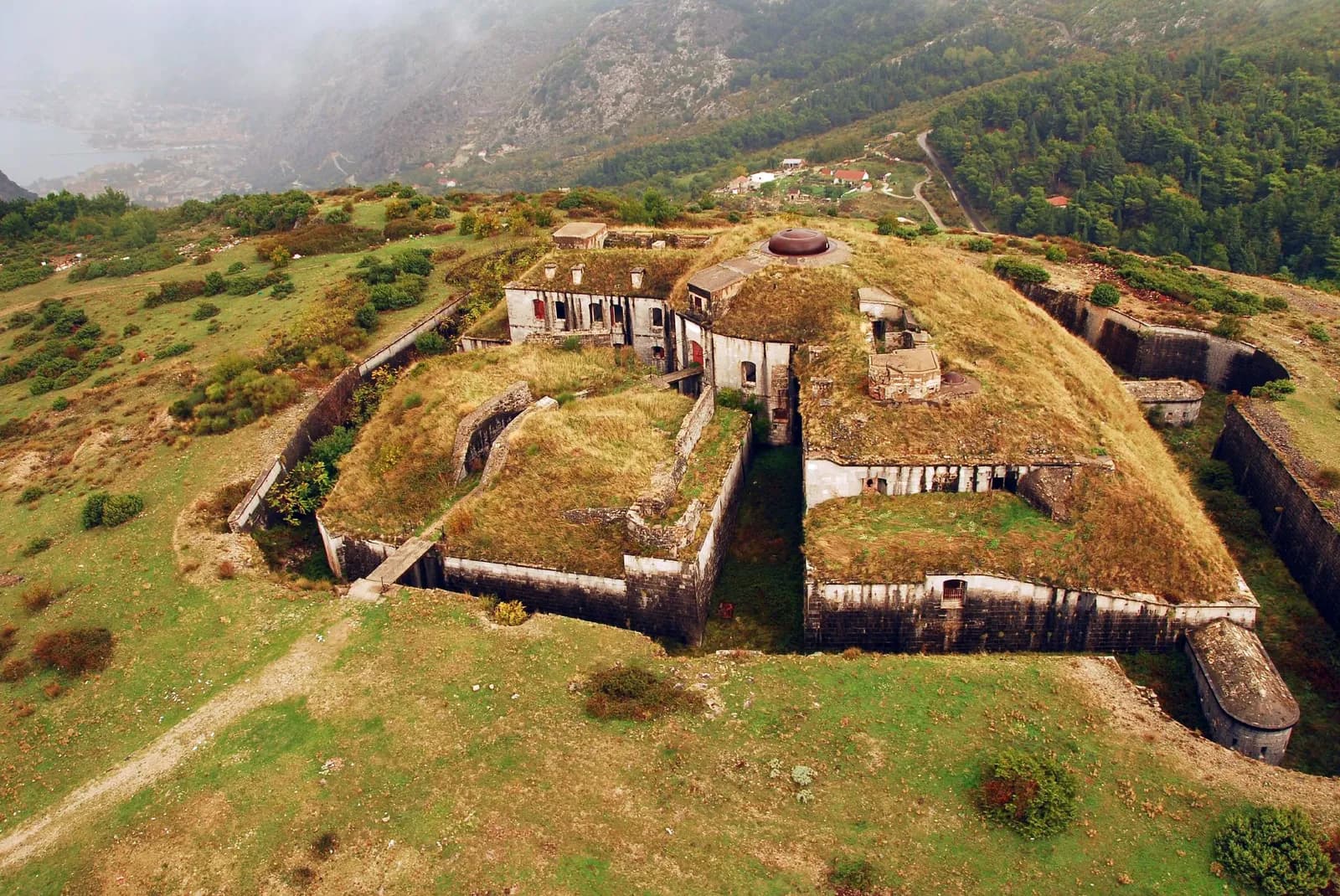 KotorFort GorazdaA hundred tonnes of German armour turned by two men with a crank — and the only one of its kind left anywhere in the world.
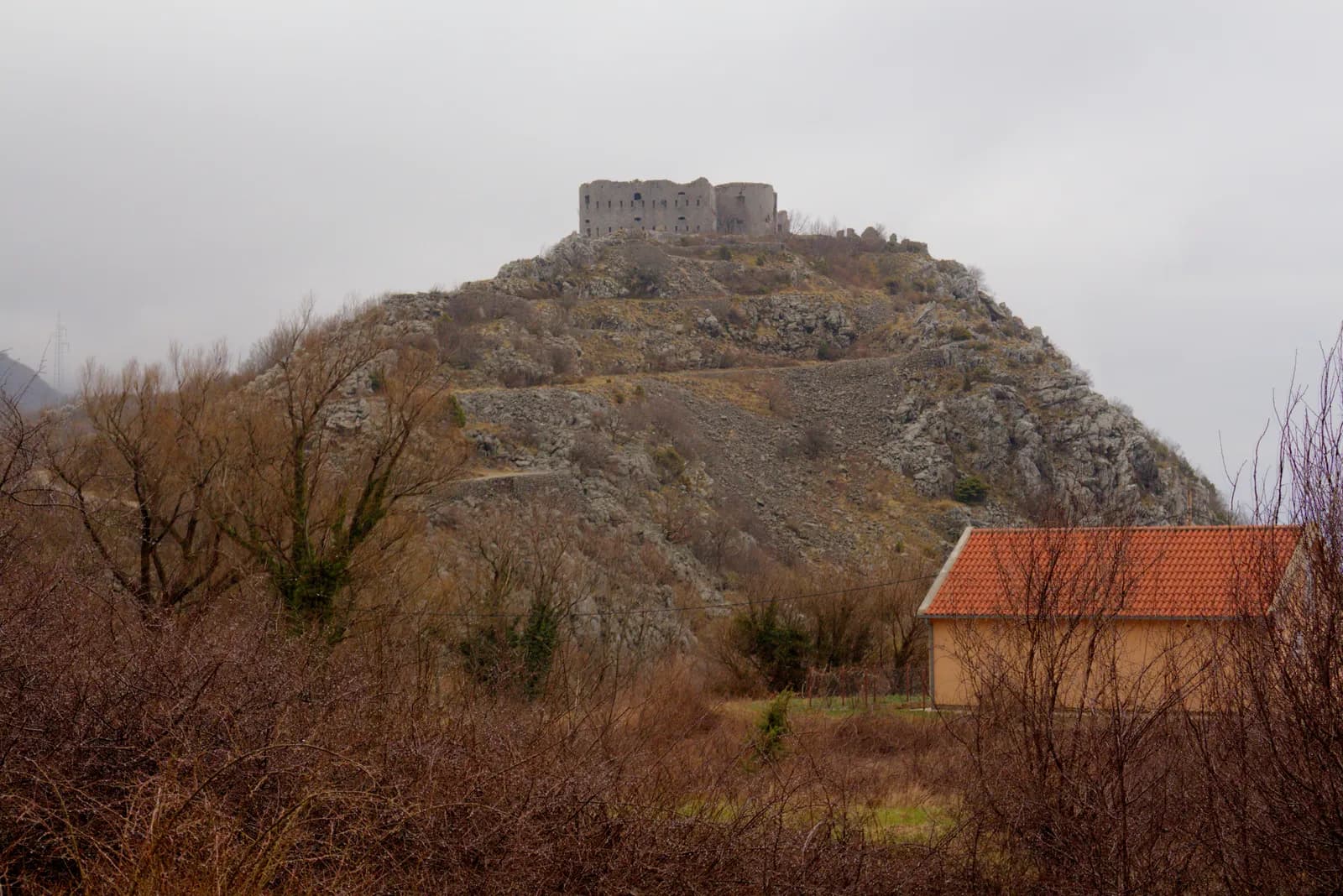 BrajićiFort KosmačThe southernmost fortress Austria-Hungary ever built, on a hill where three empires met, now a roofless shell with its staircase in a heap on the ground floor.
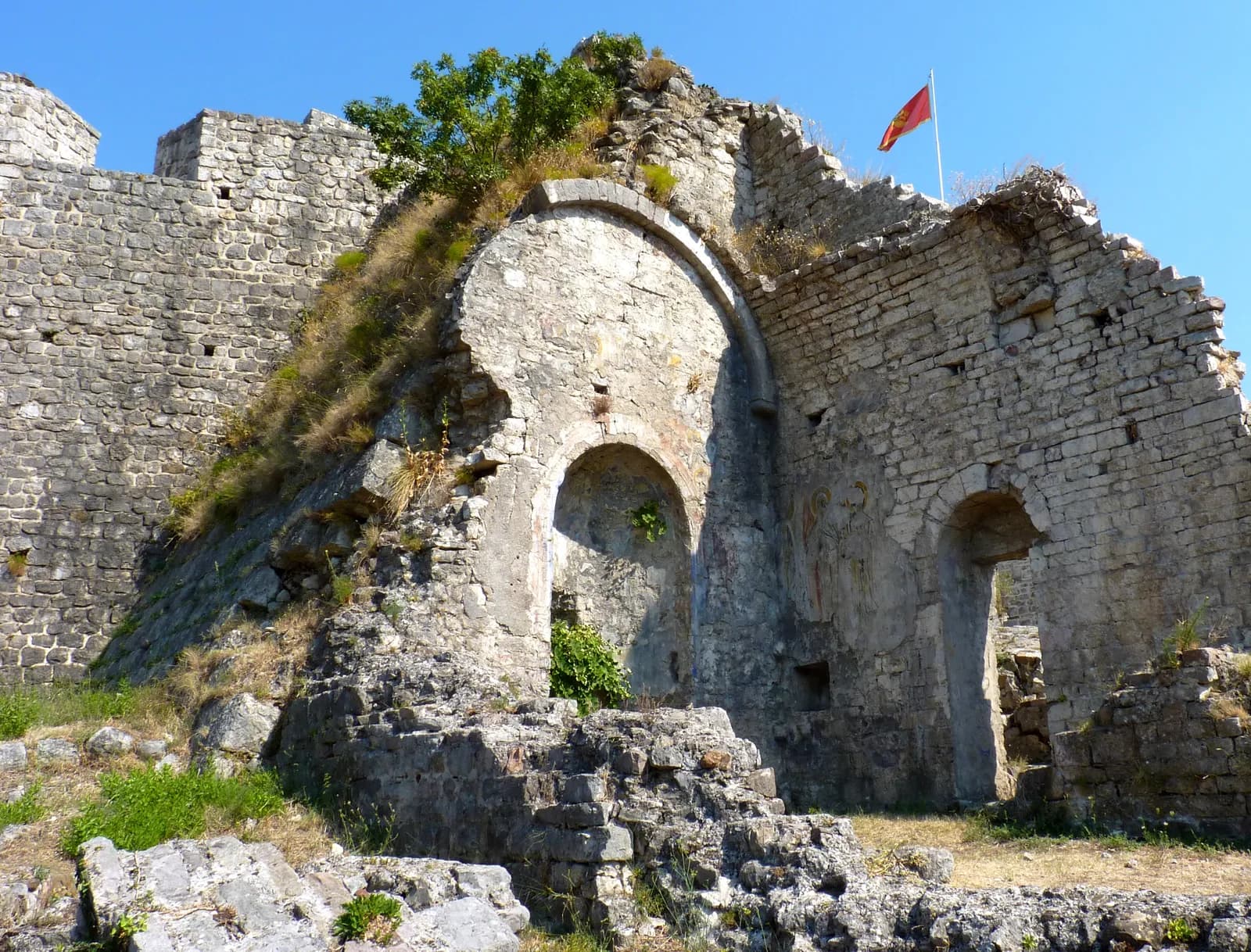 BarStari BarFour and a half hectares of walled town with two hundred and forty buildings in it — taken in 1878 by blowing up the aqueduct, and empty ever since.
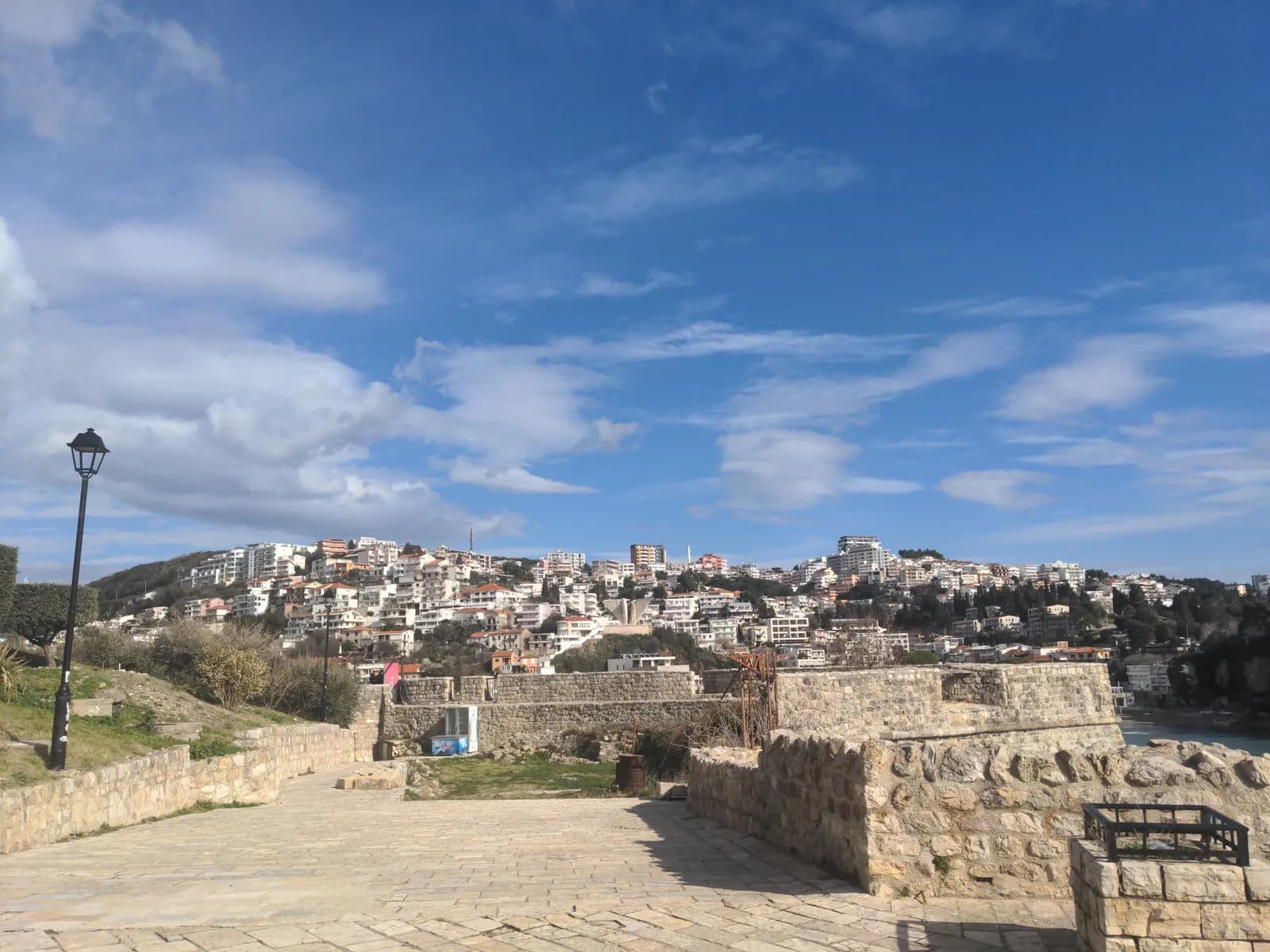 UlcinjKalajaIllyrian walls, a Balšić tower with an Ottoman dome on it, four hundred corsair ships, and the Adriatic's largest slave market — in a square now named after Cervantes.
25 + 1
cities + heritage place
2,000+
years connected
Open
sources for each scene
HTML
journalism for search
Not nostalgia. Evidence.
Each scene connects archival material, verified history, visible details, practical travel guides and places to stay. The interaction creates wonder; the reporting makes it useful.
Interactive archive
Drag the divider, choose an era, then open the numbered details. Each scene includes its archive and institutional sources.
26 places · swipe or use the arrows
Boka Kotorska
42.4247° N · 18.7712° E
Profil planine gotovo se i ne mijenja. Gotovo sve ispod njega — mijenja se. Povucite klizač preko Kotora i pratite kako radna jadranska luka prerasta u današnji grad.
Selected chapter
Select a numbered marker to inspect the image.
Visual record timeline
Select a visual record. The chronology moves to its chapter.
Full chronology
Choose a chapter
Read the evidence
A visual reading guide for the shoreline, settlement and enduring form.
Fotografije su snimljene sa obližnjih vidikovaca na padini, a ne sa istog položaja kamere. Uporedite obalu, bedeme i gradsko tkivo — ne tražite savršeno poklapanje.
Use the archive as the beginning of the trip—not a dead end. Continue into the practical guide or find a base nearby.
A local lens for every edition
Za čitaoce iz Crne Gore: uporedite porodično sjećanje na grad sa arhivskim dokazima — i dodajte sopstvene fotografije i priče ovoj živoj istoriji.
This is the first market-specific editorial layer. Future chapters can change comparisons, recommended reading and oral histories by language—not merely translate interface labels.