Unutrašnji dio Bokokotorskog zaliva, Boke, čini jednu od najdramatičnijih dionica obale na Mediteranu: duboki zaliv nalik fjordu, đe se strme sive planine obrušavaju pravo u mirnu, tamnozelenu vodu. Tri istorijska grada smještena su duž njegove sjeverne i istočne obale, i zajedno pripovijedaju cjelokupnu priču zaliva. Risan je najstariji, drevno ilirsko i rimsko naselje. Perast je barokni grad pomorskih kapetana, koji gleda ka dvama sićušnim ostrvcima. Kotor je veliki utvrđeni srednjovjekovni grad, čije se zidine nevjerovatno penju uz obronak planine. Sva tri možete udobno obići u jednom danu, a kratki obalni put koji ih povezuje dio je zadovoljstva.
Risan: najstariji grad na zalivu
Risan je najstarije naselje čitave Boke, i ima najduže pamćenje. Davno prije nego što su Kotor ili Perast postojali, ovo je bio utvrđeni ilirski grad i, jedno vrijeme, sjedište moći. Najpoznatiji je po vezi sa kraljicom Teutom, silovitom ilirskom vladarkom koja je u trećem vijeku prije nove ere načinila Risan svojim uporištem tokom ratova protiv Rima. Nakon što je Rim naposljetku preuzeo kontrolu, grad je cvjetao kao rimsko naselje, i upravo je rimski period Risnu ostavio njegovo najveće blago.
Rimski mozaici
Na rubu današnjeg grada leže ostaci rimske vile, a njeni podovi popločani su izvanredno dobro očuvanim mozaicima koji potiču otprilike iz drugog vijeka nove ere. Geometrijski uzorci i cvjetni motivi protežu se kroz nekoliko prostorija, ali čuveno djelo je prikaz Hipnosa, grčkog boga sna, kako se odmara oslonjen na lakat. Smatra se jednim od vrlo malobrojnih sačuvanih mozaičkih prikaza Hipnosa bilo đe, i daje lokalitetu istinski značaj koji nadilazi zaliv. Mozaici su zaštićeni pod savremenim krovom i otvoreni su za posjetioce, uglavnom tokom toplijih mjeseci i dnevnih sati; radno vrijeme može biti ograničeno i sezonsko, pa se isplati Risan tretirati kao ranu stanicu i biti fleksibilan ako je lokalitet zatvoren.
Risan je danas miran, radni grad, prije nego ulašteni turistički izlog, i to je dio njegove draži. To je mjesto đe se može stati i zamisliti zaliv prije baroknih palata i krstarica, kad je ovaj kutak vode bio središte svega.
Perast: barokni grad kapetana
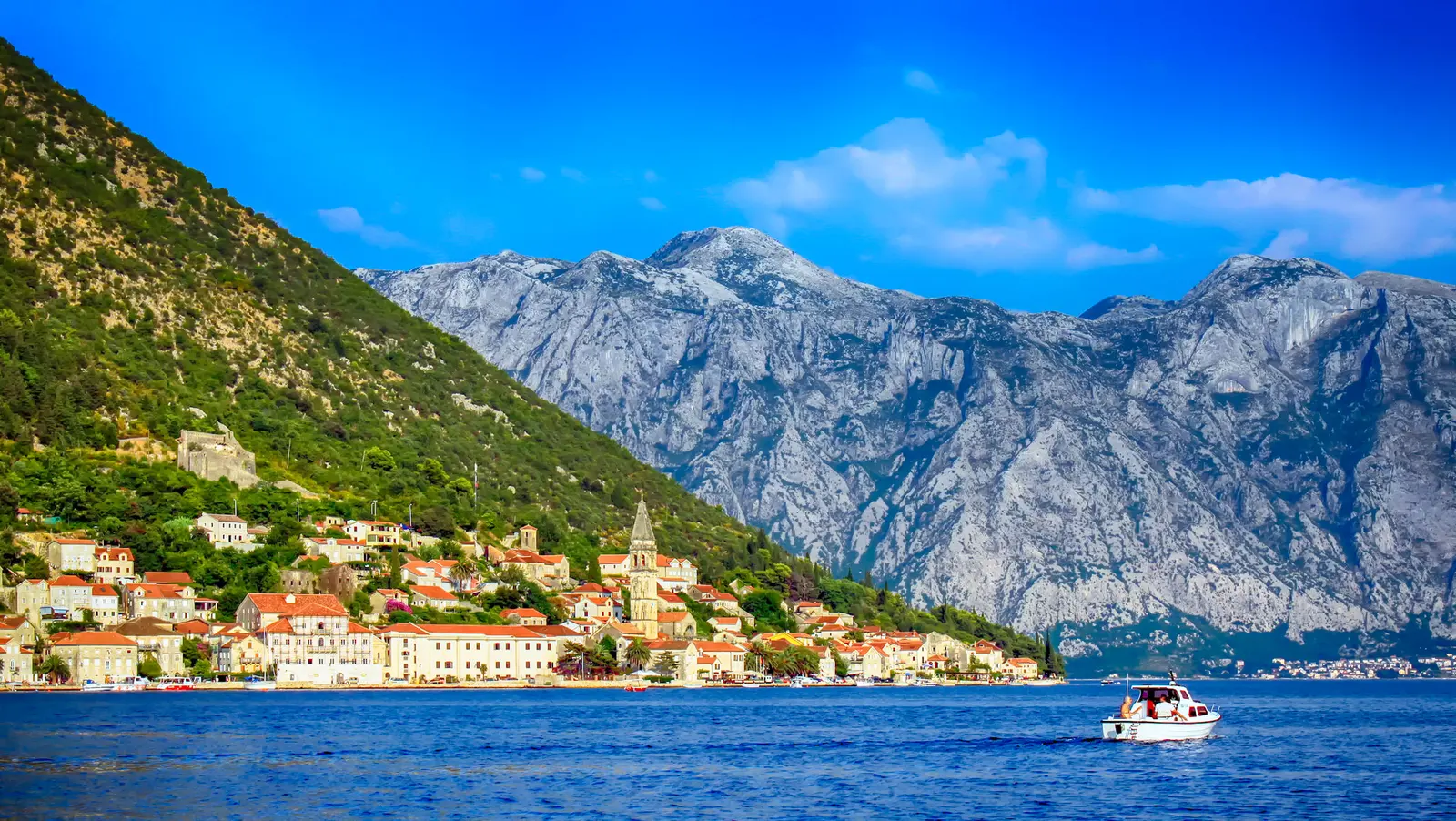
Nekoliko minuta dalje duž obale dovodi vas do Perasta, i promjena raspoloženja je trenutna. Đe je Risan drevan i suzdržan, Perast je elegantan i ponosan. Tokom svog zlatnog doba pod mletačkom vlašću, naročito u sedamnaestom i osamnaestom vijeku, Perast je bio dom glasovitih pomorskih kapetana, brodovlasnika i čuvene pomorske škole. Bogatstvo koje su donosili izgradilo je grad koji danas viđite: jedinstvenu ljupku obalu obrubljenu baroknim kamenim palatama, crkvama i visokim zvonikom Svetog Nikole, sve okrenuto ka vodi, bez tranzitnog saobraćaja koji bi narušio mir.
Dva ostrvca
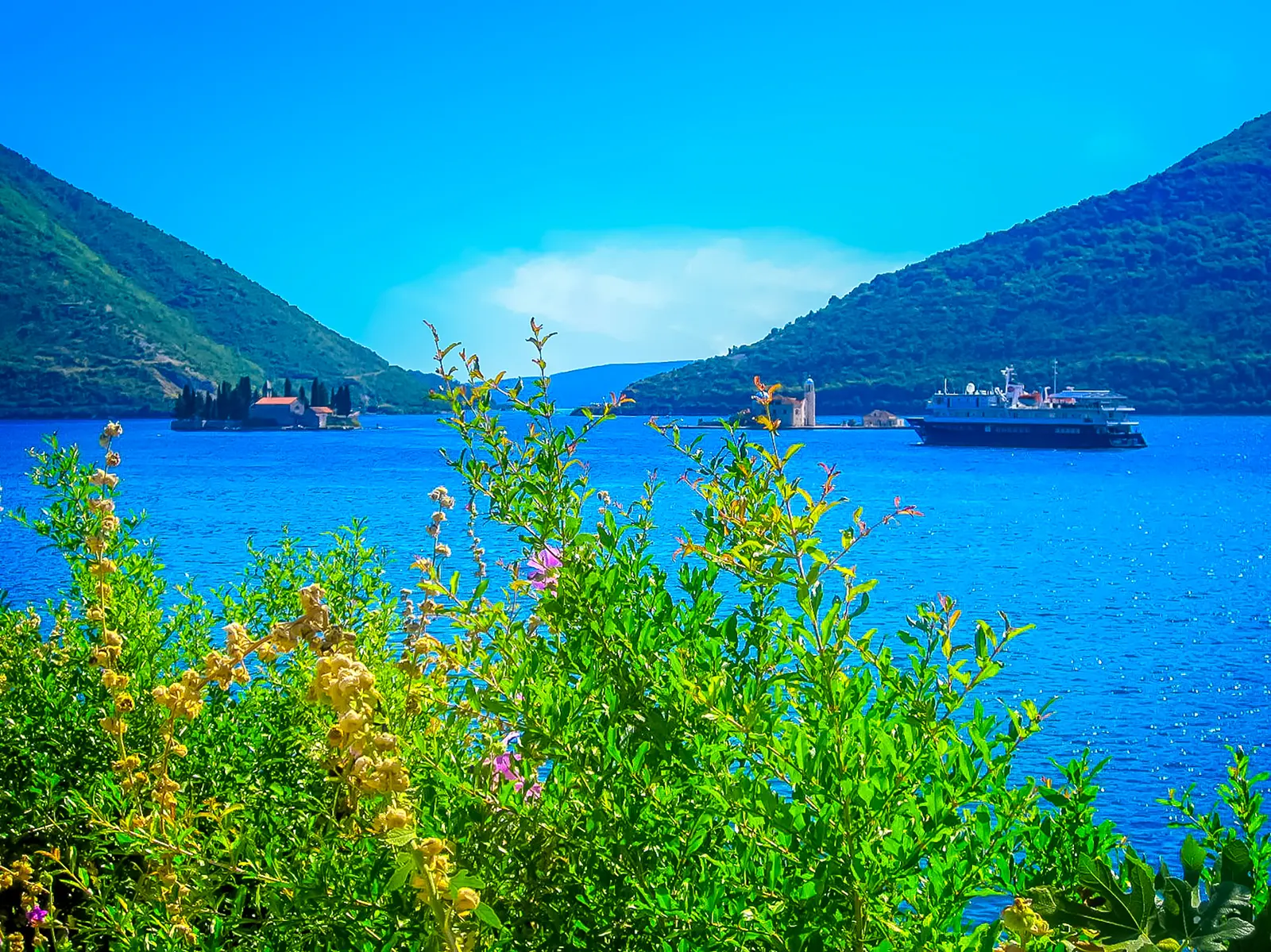
Prizor koji određuje Perast su dva mala ostrva tik uz obalu. Sveti Đorđe je prirodno ostrvo, tamno od čempresa i dom benediktinskog manastira i groblja; nije otvoreno za obične posjetioce. Gospa od Škrpjela, nasuprot tome, vještačko je, nasipano vjekovima na grebenu đe su, prema legendi, moreplovci polagali kamen nakon svakog sretnog putovanja. Na njemu stoji divna crkva ispunjena zavjetnim darovima, srebrnim pločama i mali muzej. Lokalni barkarioli tokom sezone vode kratke izlete do Gospe od Škrpjela sa peraške obale, a prevoz traje samo nekoliko minuta. To je najvrednija stvar koju ovđe možete učiniti, i itekako vrijedna skromne cijene.
Nazad na obali, Perast nagrađuje polagano lutanje. Popnite se na zvonik radi pogleda na ostrvca, zavirite u župnu crkvu i njenu riznicu, i naprosto prošetajte cijelom dužinom šetališta. Grad je dovoljno mali da se upije za sat ili dva, ali dovoljno lijep da možda nećete htjeti otići.
Kotor: utvrđeni srednjovjekovni grad
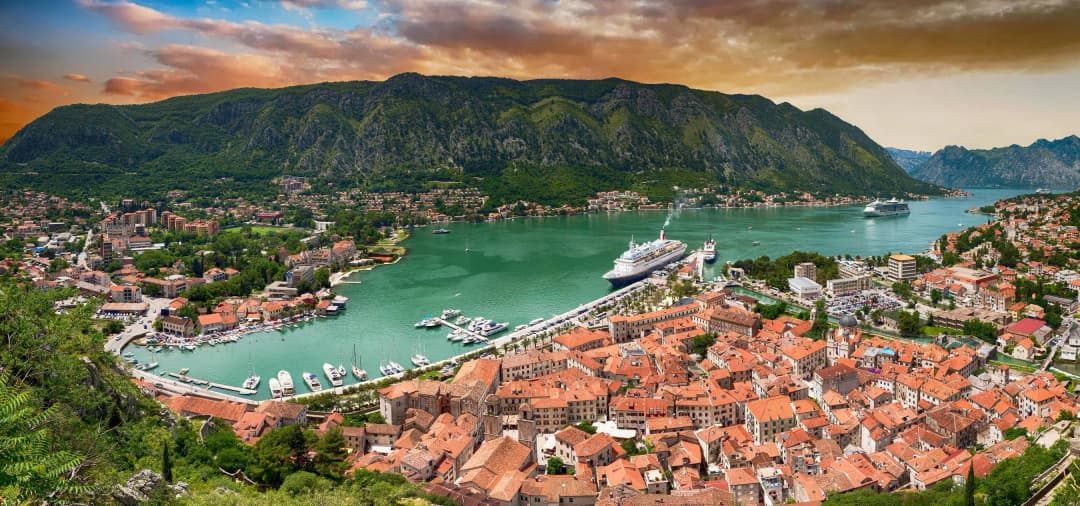
Na samom vrhu zaliva smješten je Kotor, veliki finale. Njegov stari grad je pod zaštitom UNESCO-a kao dio svjetske baštine, gusti splet srednjovjekovnih ulica, trgova i crkava zatvorenih unutar masivnih kamenih zidina. Te zidine su zaštitni znak grada: sa obale se cik-cak penju uz gotovo okomiti obronak planine do tvrđave Svetog Ivana, nekih 1.300-tinjak stepenika i oko 260 metara iznad mora, čineći jednu od najspektakularnijih fortifikacija na Mediteranu.
Unutar zidina
Uđite kroz Morska vrata i zakoračićete u lavirint uglačanih krečnjačkih uličica koje se bez najave otvaraju u male trgove. Katedrala Svetog Tripuna, posvećena 1166. godine i posvećena gradskom zaštitniku, arhitektonsko je srce starog grada, sa svojim blizanačkim tornjevima kao stalnim orijentirom. Iza nje pronaći ćete crkve, stare palate kotorskog plemstva, pomorski muzej i, kako je poznato, brojnu populaciju zadovoljnih mačaka lutalica koje su postale amblem grada. Nema jedinstvene rute koju treba slijediti; prijatno zalutati — u tome je poenta.
Uspon uz zidine
Uspon do tvrđave Svetog Ivana veliki je kotorski doživljaj, a pogled sa vrha, nazad preko crvenih krovova starog grada i dalje preko zaliva, nezaboravan je. To je istinski napor po neravnim kamenim stepenicima, pa nosite prikladnu obuću, ponesite vodu i krenite rano ili kasno da izbjegnete podnevnu vrelinu. U sezoni obično postoji mala ulaznica. Čak i uspon do pola puta, do crkvice Gospe od Zdravlja otprilike na sredini, pruža vam veličanstvenu panoramu ako vam se ne ide na potpuni uspon.
Kako se tri grada povezuju
Ljepota ovog trojca je u geografiji. Sva tri smještena su duž iste obale unutrašnjeg zaliva, nanizana na kratkoj dionici obalnog puta, sa vodom sa jedne strane i planinama sa druge. Risan je najdalji od Kotora, Perast leži između njih, a Kotor drži vrh zaliva. Vožnja od Risna preko Perasta do Kotora traje znatno manje od sat vremena bez zaustavljanja, a put se gotovo cijelim putem priljubljuje uz obalu, tako da je i samo putovanje slikovito.
Predlog itinerera za taj dan
- Jutro – Risan. Počnite od najstarijeg grada dok je svježe i mirno. Pogledajte rimske mozaike i pod sa Hipnosom, a zatim upijte zaliv iz njegovog najmanje turističkog kutka.
- Kasno jutro – Perast. Otputujte kratku razdaljinu do Perasta, prošetajte baroknom obalom i otisnite se brodom do Gospe od Škrpjela. Popnite se na zvonik ako vrijeme dozvoli.
- Ručak – Perast ili usput. Zastanite na nekom od mjesta uz obalu prije posljednje dionice.
- Popodne – Kotor. Završite u Kotoru. Istražite stari grad, posjetite Svetog Tripuna i savladajte zidine u svježijem kasnom popodnevu, tempirajući silazak za zalazak sunca nad zalivom.
Obilazak gradova ovim redom znači da putujete unaprijed kroz istoriju, od antičkog Risna preko barokog Perasta do srednjovjekovno-i-savremenog Kotora, a najzahtjevniju aktivnost, uspon uz zidine, ostavljate za kraj dana kad je svjetlost najljepša.
Kako doći
Kotor je prirodno čvorište. Nalazi se nešto više od sat vremena vožnje od aerodroma u Tivtu i Podgorici i dobro je povezan autobusom sa Budvom, Herceg Novim i ostatkom obale. Najjednostavniji način da povežete sva tri grada u jednom danu jeste da vozite, jer vam automobil omogućava da se slobodno zaustavljate duž obale; put od Kotora preko Perasta do Risna jednostavan je i neprekidno slikovit. Bez automobila, regionalni autobusi voze duž zaliva i mogu vas ostaviti u Perastu i Risnu, mada su iznajmljeni brod ili organizovana tura zalivom prijatna alternativa bez automobila koja obuhvata iste prizore obale.
Praktični savjeti
- Kotorske zidine: nosite čvrstu obuću, ponesite vodu i penjite se rano ili kasno da izbjegnete vrelinu i gužve sa krstarica. Očekujte malu sezonsku ulaznicu i otprilike sat vremena u svakom smjeru do vrha.
- Gospa od Škrpjela: brodovi u sezoni redovno kreću sa peraške obale radi kratkog prevoza; dogovorite cijenu prije polaska i ostavite vremena da razgledate crkvu i njen muzej.
- Risanski mozaici: radno vrijeme je sezonsko i može biti ograničeno, pa posjetite tokom dana u toplijim mjesecima i imajte opušten plan u slučaju da je lokalitet zatvoren.
- Vrijeme: jutra i kasna popodneva su najmirnija, jer podne donosi vrelinu i gužve jednodnevnih izletnika, naročito u Kotoru.
- Obuća i sunce: stare ulice i zidine su od kamena i često neravne; ponesite udobnu obuću, zaštitu od sunca i vodu za čitav dan.
Malo koji jednodnevni izlet sadrži ovoliko toga. Na prostoru od svega nekoliko kilometara duž jedne mirne obale, prelazite od uporišta rimske kraljice, preko baroknog dragulja kapetana, do opasanog srednjovjekovnog grada okrunjenog planinskom tvrđavom, uz mirne vode Boke pored vas cijelim putem.