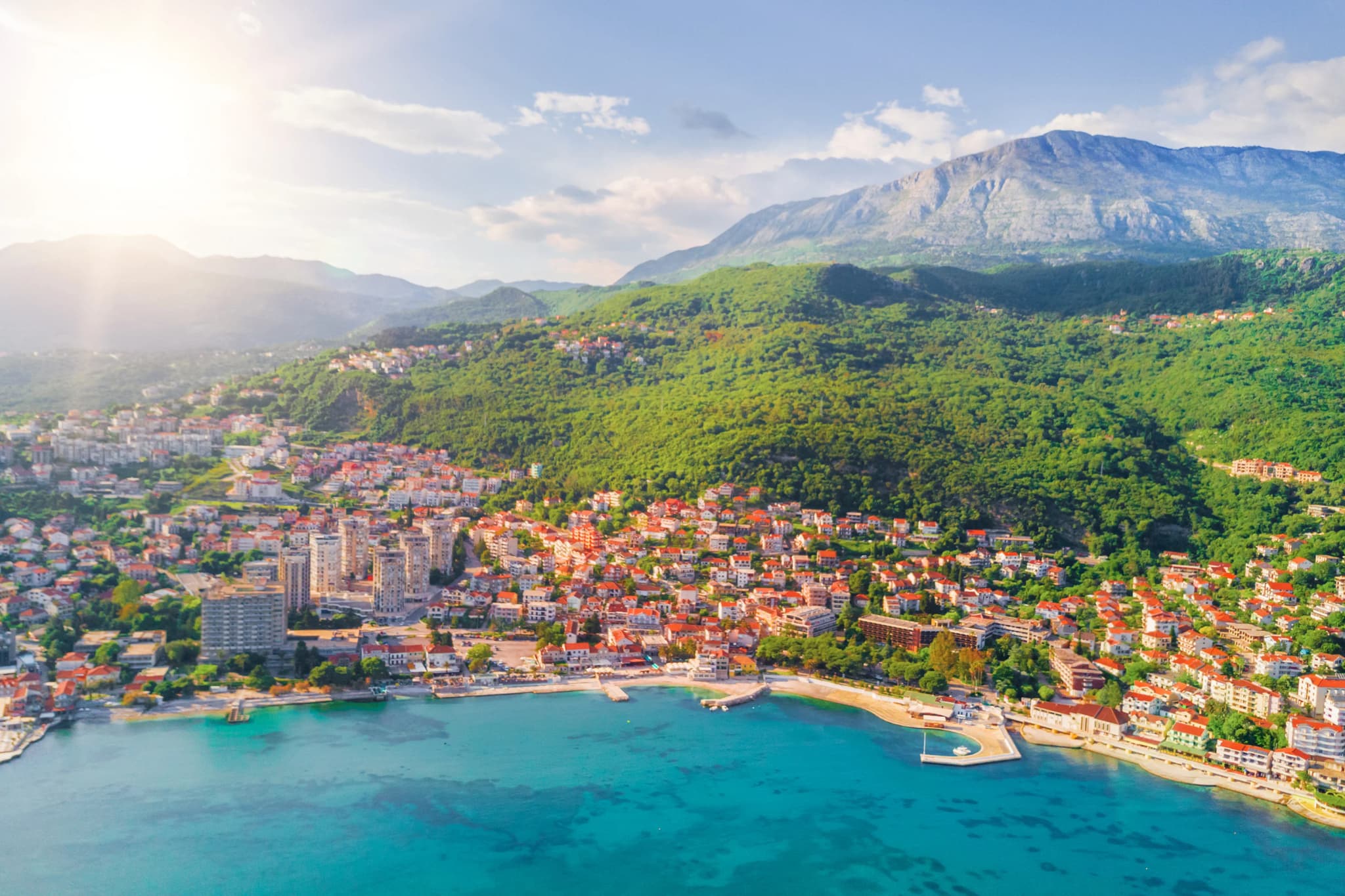
Long before it was a holiday destination, Igalo was a place people came to get better. For more than seventy years this small town at the entrance to the Bay of Kotor has built its name on one thing: healing. Its therapeutic sea mud, mineral waters and one of the largest rehabilitation institutes in the Balkans have drawn patients, athletes and wellness travellers from across Europe — and made Igalo the undisputed spa capital of Montenegro. This is a complete guide to what is on offer, who it helps and how to arrange a visit.
Why Igalo heals: the mud, the water and the climate
Igalo's reputation rests on a rare combination of natural assets found together in one bay:
- Peloid mud (igaljsko blato): a mineral-rich marine clay dredged from the seabed of Igalo Bay. Warmed and applied to the body as wraps or full baths, it retains heat exceptionally well and releases minerals and trace elements through the skin — the cornerstone of every treatment programme in town.
- Mineral and thermal waters: used for hydrotherapy, underwater massage and medicinal bathing.
- A mild Mediterranean microclimate: sheltered, sunny and humid, considered beneficial in itself for respiratory and rheumatic conditions and ideal for year-round therapy.
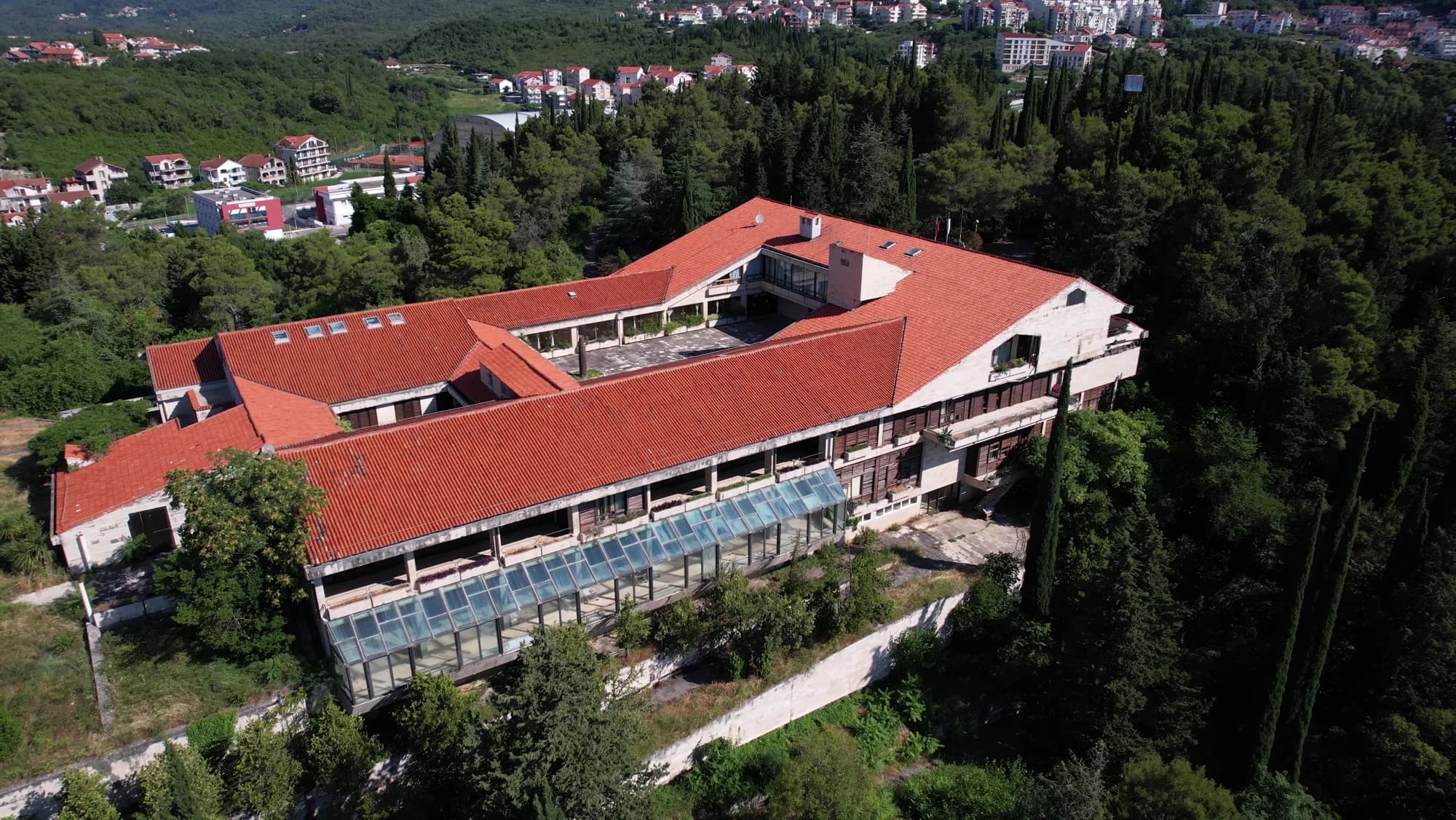
It was these qualities that first brought Yugoslav president Josip Broz Tito here in 1975 to treat his rheumatism — and led him to build Villa Galeb, his private seaside residence and clinic, on the spot.
The Institut "Dr Simo Milošević"
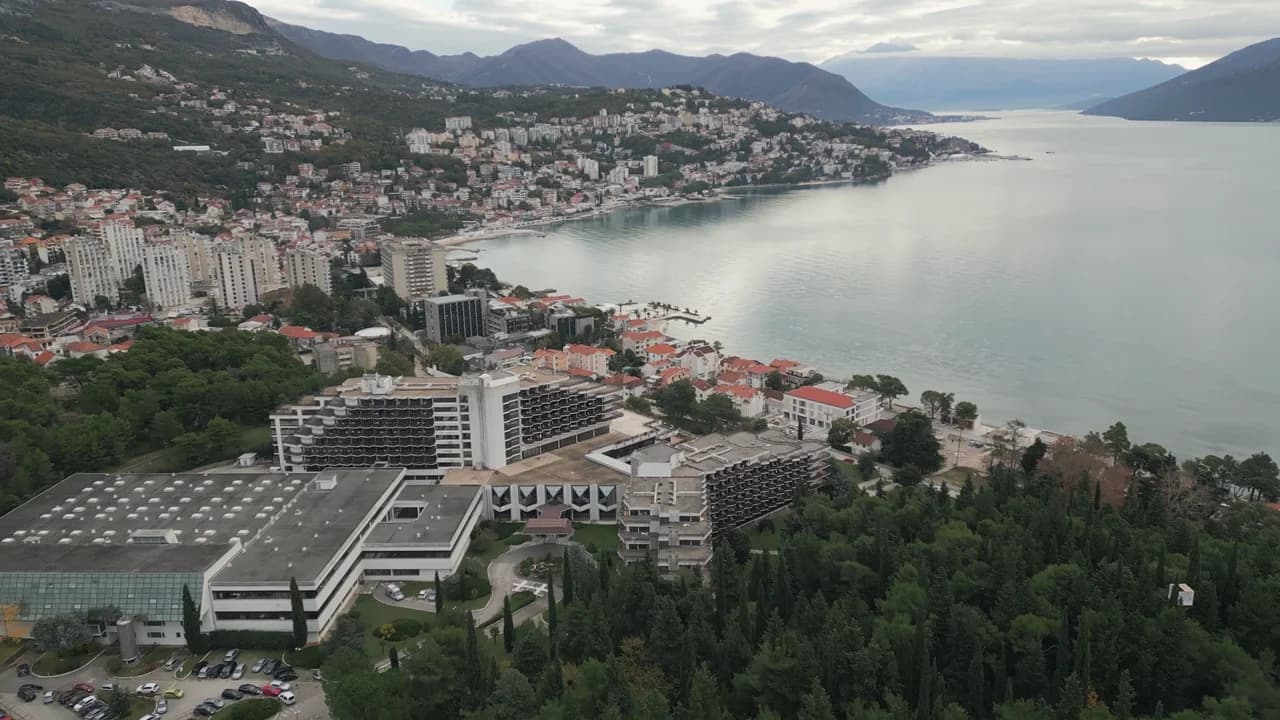
At the heart of it all is the Institut "Dr Simo Milošević," founded in 1949 and one of the largest physical-medicine, rheumatology and rehabilitation institutions in the region. Part medical hospital, part spa, it treats serious clinical cases and casual wellness guests alike, with specialist departments, medical supervision and decades of expertise in balneotherapy and thalassotherapy. Many of Igalo's hotels are built around access to it, and the Institute itself offers accommodation so guests can stay on site through a course of treatment.
Treatments you can book
The range goes well beyond a typical hotel spa. Common treatments include:
- Peloid (mud) therapy — localised wraps or full-body applications
- Thalassotherapy — seawater and marine-based treatments
- Hydrotherapy and underwater massage in mineral or sea water
- Electrotherapy, magnetotherapy and laser therapy
- Physiotherapy and kinesiotherapy (medical exercise and rehabilitation)
- Inhalation and respiratory therapy
- Classic, sports and wellness massage, plus beauty and relaxation packages
You can book a single treatment for a few euros or commit to a structured multi-day or multi-week programme designed by the Institute's doctors.
What it helps with
Igalo's programmes are aimed primarily at:
- Rheumatic and degenerative joint conditions — arthritis, osteoarthritis, back and spine problems
- Post-injury and post-operative rehabilitation, including sports injuries
- Neurological rehabilitation
- Certain skin and respiratory conditions
- General recovery, stress and wellness
It is exactly this medical depth — not just pampering — that sets Igalo apart from ordinary resort spas. (Anyone with a medical condition should of course consult their own doctor and the Institute's specialists before starting treatment.)
A genuine year-round destination
Because Igalo's appeal is built on therapy rather than only sunbathing, the town stays alive when the rest of the coast empties out. The Institute and many hotels operate through the winter, and the mild climate makes spring and autumn ideal for a treatment-focused stay: warm enough to enjoy the seafront, quiet enough to actually rest, and far cheaper than the July–August peak. For a wellness holiday, off-season Igalo is arguably better than high summer.
Where to stay
Igalo offers everything from the Institute's own clinical accommodation to modern spa hotels and self-catering apartments along the seafront, most within easy walking distance of the treatment centres and the Pet Danica promenade. Browse places to stay in Igalo to find a base that suits a wellness trip — close to the mud baths but with the bay on your doorstep.
How to plan a wellness trip to Igalo
- Decide your goal first: a medical rehabilitation programme (book directly with the Institute, ideally in advance) or a lighter wellness break (most spa hotels can arrange treatments on arrival).
- Allow enough time: peloid and rehabilitation programmes work best over one to three weeks; even a few days lets you sample the mud baths and main treatments.
- Getting there: Igalo is about 30–40 minutes from Dubrovnik Airport (across the Croatian border) and roughly 45 minutes from Tivat; Podgorica is about two hours.
- Combine it: pair your treatments with a tour of Tito's Villa Galeb, a walk into the Old Town of Herceg Novi, or a boat trip out into the Bay of Kotor.
For the full picture of the town — its beaches, history and practicalities — see our complete Igalo travel guide.