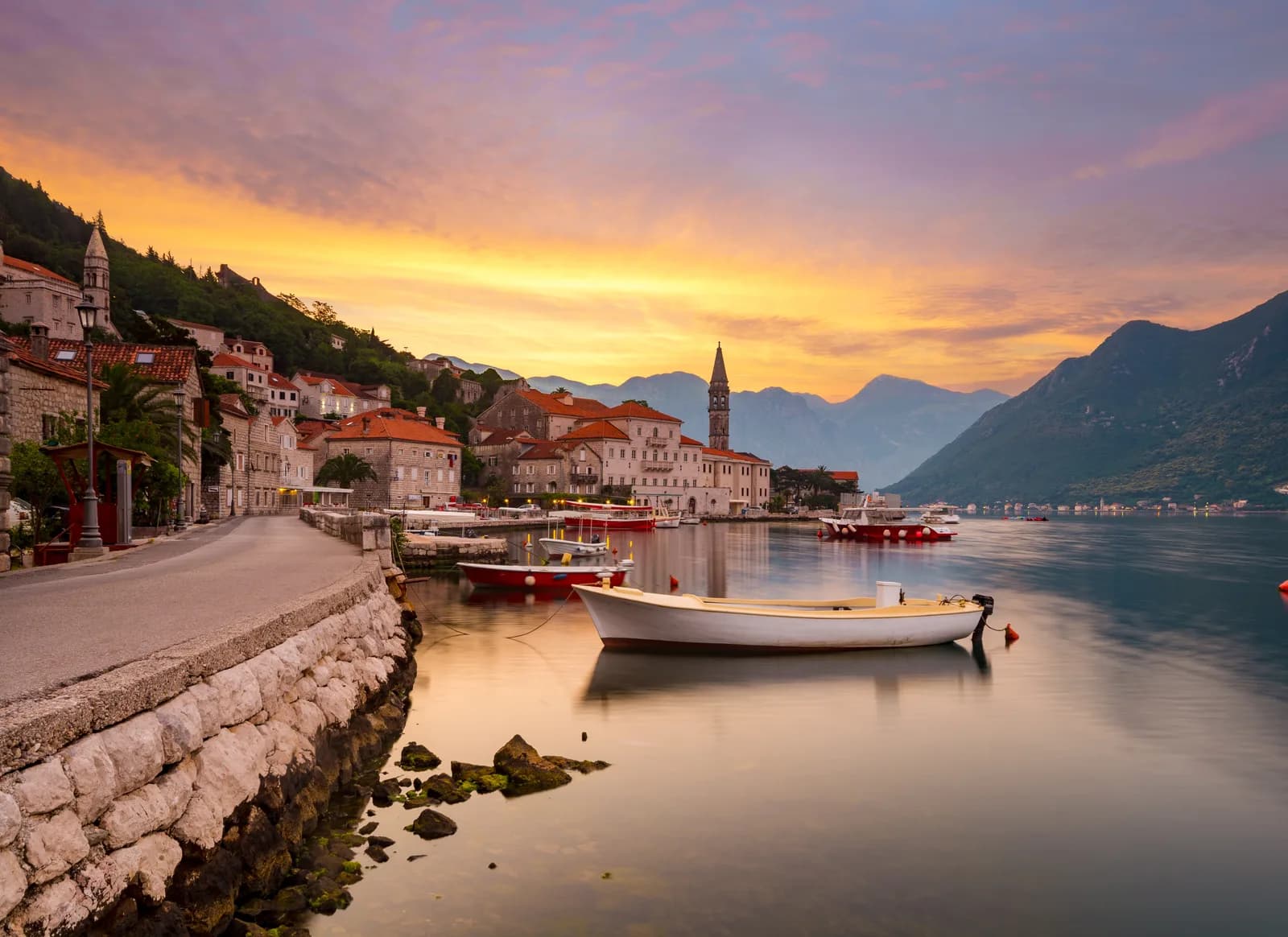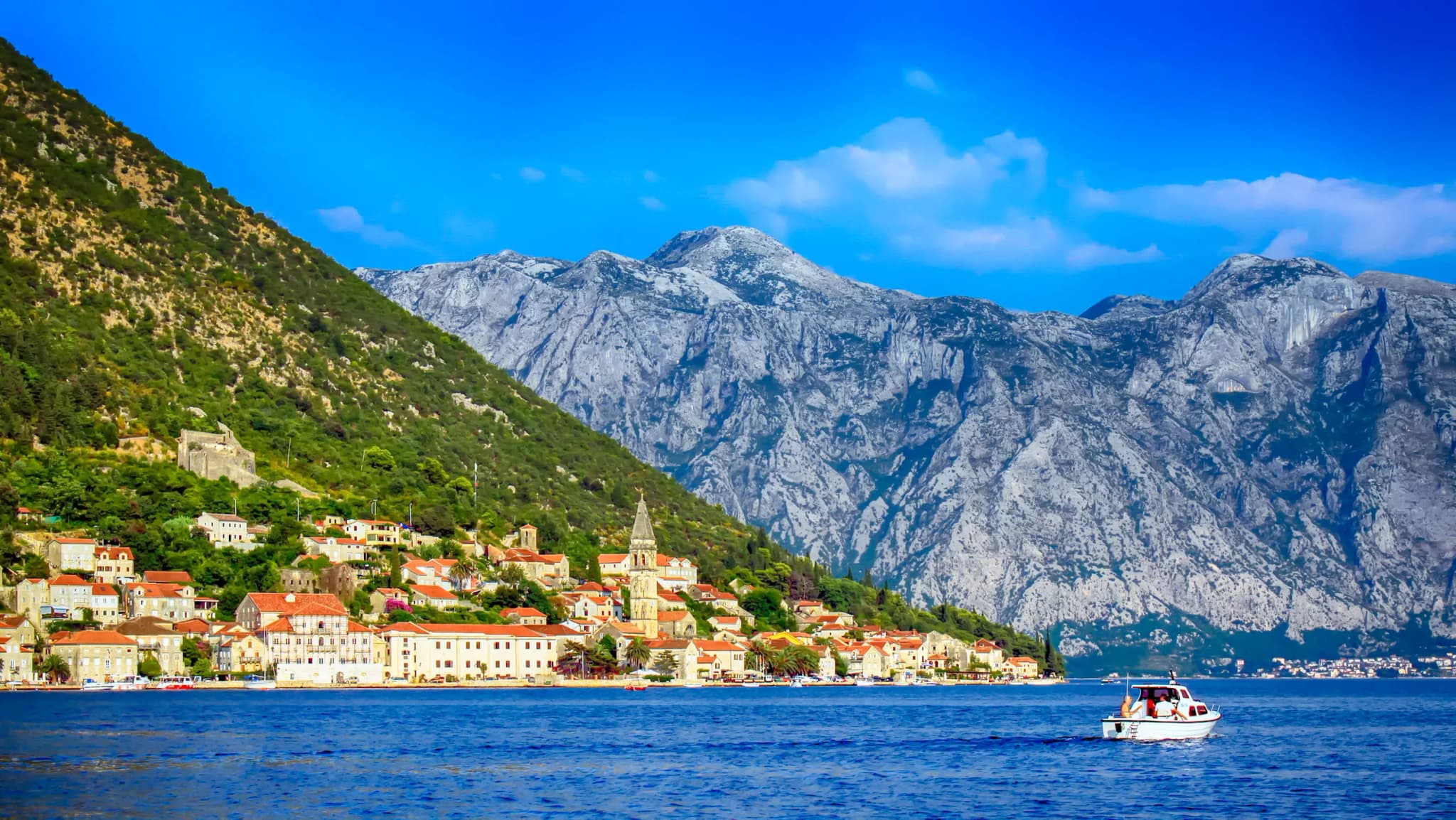
Perast is a tiny Baroque town on the Bay of Kotor (Boka Kotorska) in Montenegro, strung along the water beneath the slopes of Sveti Ilija. For a place of just a few hundred residents it punches far above its size: a seafront of seventeenth-century stone palaces, two churches, and — its signature sight — the man-made island church of Our Lady of the Rocks floating just offshore. Most visitors come as a half-day trip from Kotor, but Perast rewards those who slow down, stay the night, and watch the bay change colour at dusk. This guide covers everything you need to plan a visit: the must-see sights, how to get here, boat trips to the islands, where to stay and eat, when to come, and the best spots for photographs.
Why visit Perast
Perast was a wealthy seafaring town under the Republic of Venice, and that golden age is written into its architecture: around seventeen Baroque palaces and a similar number of churches and chapels line a waterfront barely a kilometre long. There are no big resorts and the old core is effectively car-free, which gives the town a calm, lived-in feel that contrasts with busier Kotor and Budva. The headline attraction is the pair of islets just offshore, but the pleasure of Perast is also simply walking the promenade, climbing a bell tower for the view, and lingering over seafood with the bay in front of you.
Things to do in Perast
Our Lady of the Rocks (Gospa od Škrpjela)
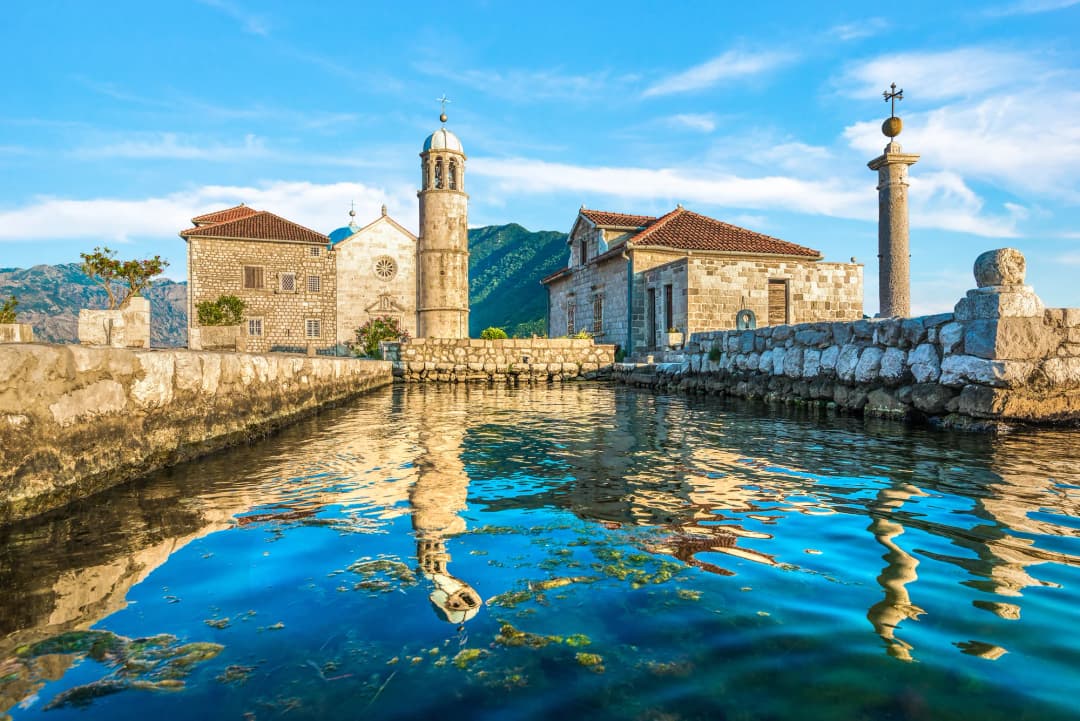
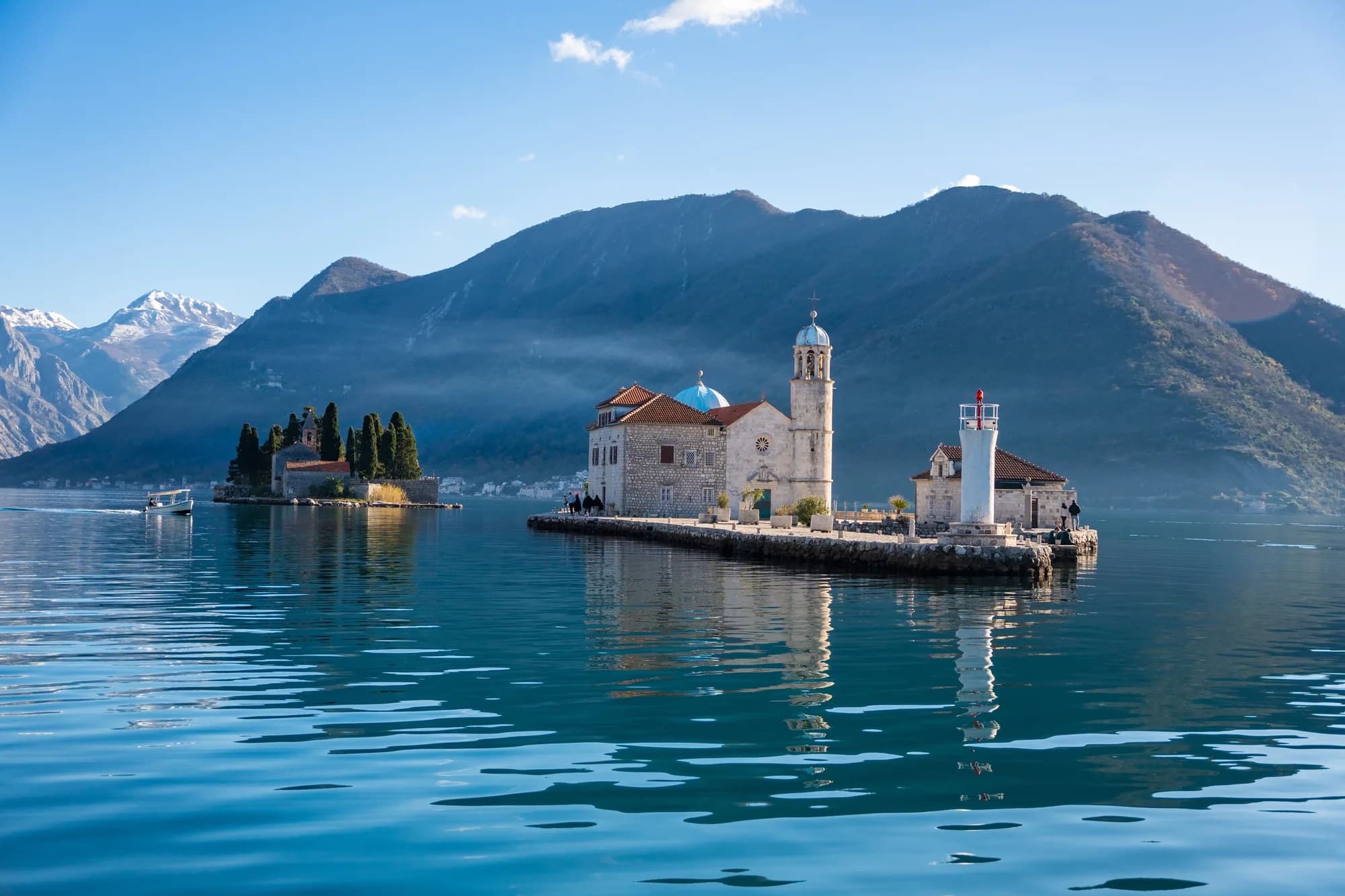
Our Lady of the Rocks is the reason most people come to Perast, and it is genuinely unusual: a church that sits on an entirely man-made island a few hundred metres offshore. According to local legend, two fishermen found an icon of the Madonna and Child on a rock in the sea on 22 July 1452. To honour the find, seamen began the centuries-long tradition of dropping stones around the rock and sinking old, captured and worn-out ships at the site, gradually building up the islet on which the church now stands. The present Baroque church dates to the seventeenth century and its interior is decorated with dozens of paintings by the Perast-born artist Tripo Kokolja, alongside an extraordinary collection of votive silver plaques left by sailors. A small museum adjoins the church.
The island is reached only by boat from the Perast waterfront (see Boat trips below). Entry to the church and museum carries a small fee. As this is an active place of worship, modest dress is expected — cover shoulders and knees. Every year on 22 July at dusk, locals row out in a convoy of decorated boats and cast stones into the sea to reinforce the island, a ritual known as the fašinada that has been kept for over five hundred years and is recognised as Montenegrin intangible cultural heritage.
St. George Island (Sveti Đorđe)
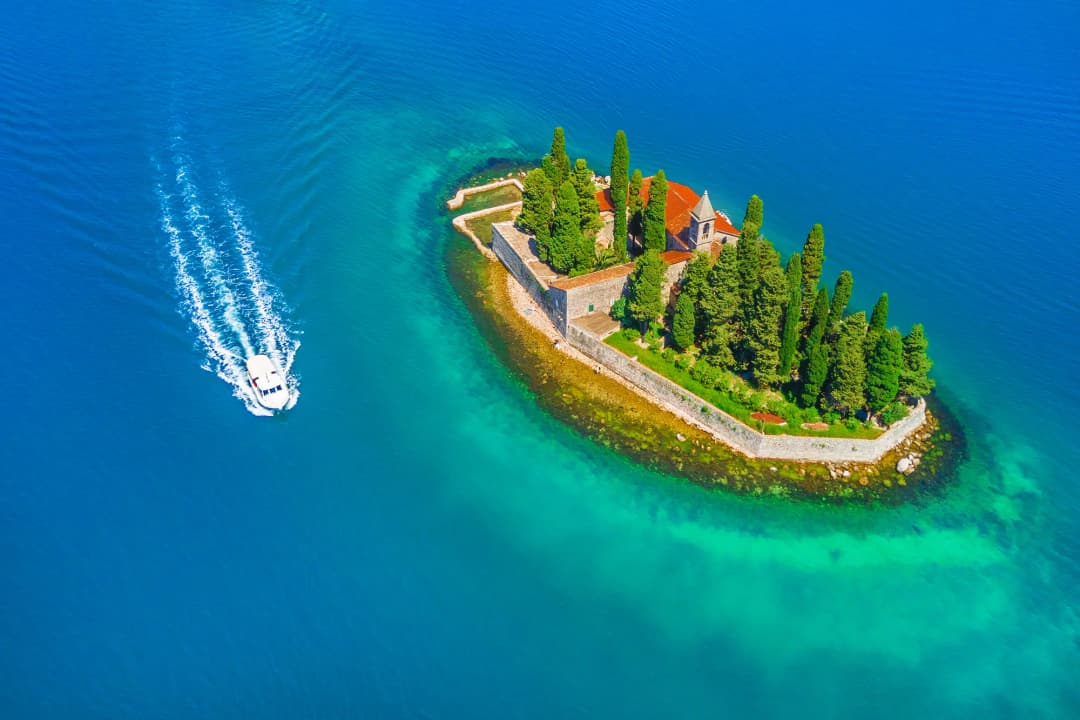
Our Lady of the Rocks has a quieter twin. Right beside it sits St. George (Sveti Đorđe), a natural islet holding a Benedictine monastery with roots in the twelfth century and a cemetery shaded by cypress trees. Unlike its neighbour, St. George is not open to visitors — boats pass close by but do not land — so you admire it from the water or the shore. Together the two islands make the classic Perast photograph, and knowing the difference between them (one to visit, one to view) is part of understanding the town.
St. Nicholas Church & the bell tower climb
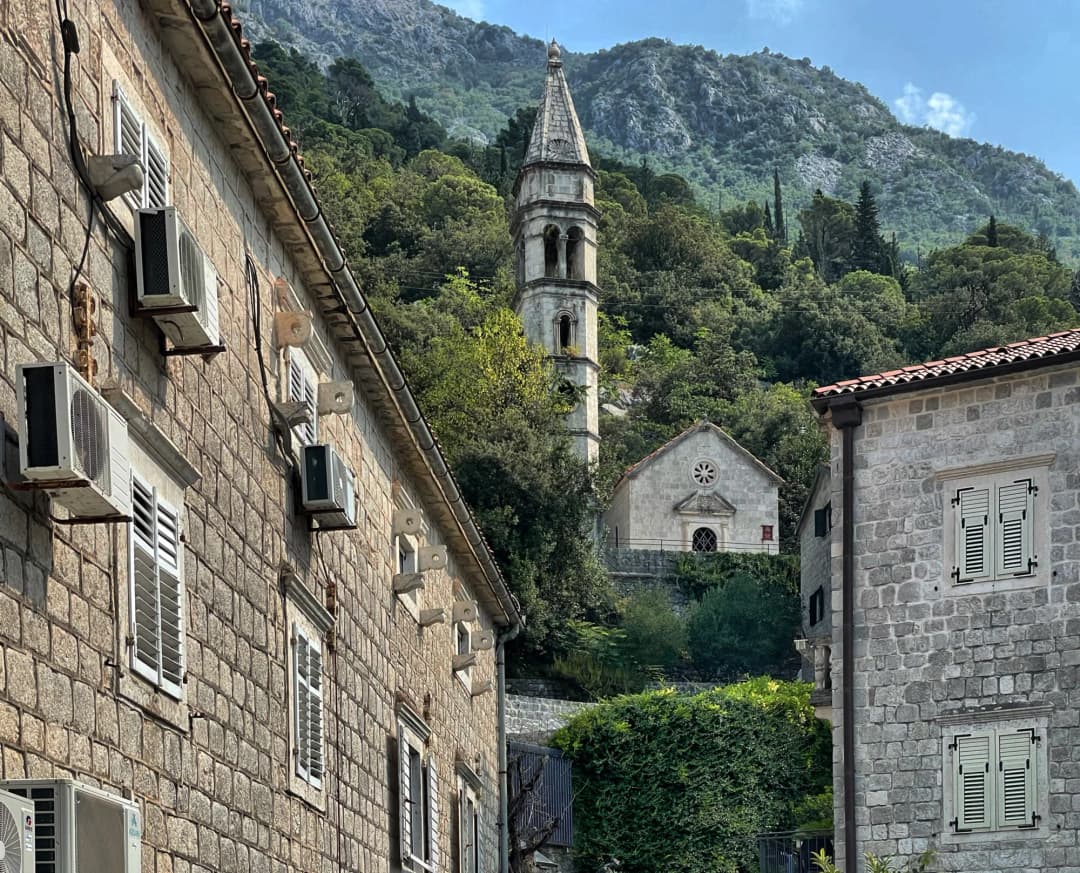
Dominating the waterfront is St. Nicholas Church (Sveti Nikola), whose tall stone bell tower — built in 1691 and rising around 55 metres — is the tallest on the Bay of Kotor and the town's defining landmark. The parish church itself was never completed to its grand original plan, but you can climb the bell tower's narrow stone staircase for a small fee. The reward at the top is the best panorama in Perast: the red-roofed town directly below, the two islands set in the bay, and the mountains folding down to the water on every side. It is the single best vantage point in town and a highlight for photographers.
The waterfront, palaces & museum
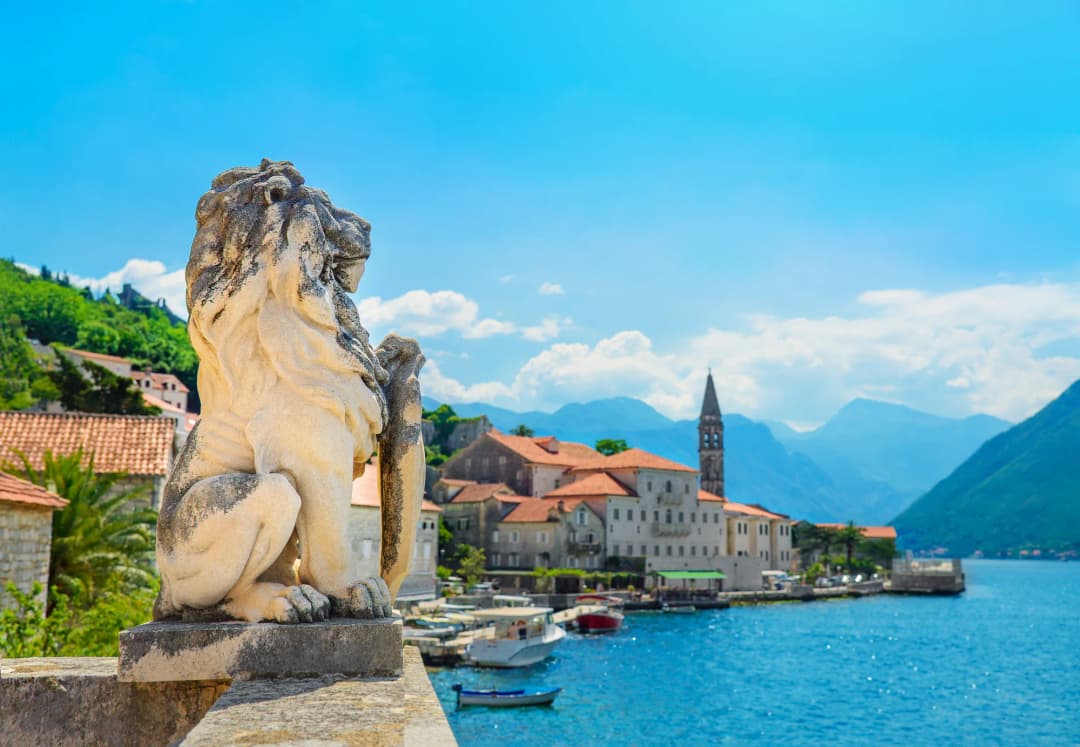
Perast has no single "old town" gate — the town is its seafront. Stroll the promenade past the Baroque palaces of its old captain and merchant families, the grandest of which, the Bujović Palace, now houses the Perast Museum and its collection of maritime portraits, weapons, flags and naval memorabilia. Allow time simply to wander: the lanes climbing the hillside, the small chapels, and the cafés at the water's edge are as much a part of Perast as its monuments.
Beaches & swimming
Perast is not a sandy-beach destination — this is a town built on stone right at the water's edge. Swimming is mostly from concrete and stone platforms, jetties and ladders along and just outside the centre, where the bay water is clear and calm. Several waterfront hotels and restaurants have their own small bathing areas. For a proper beach day, the larger pebble beaches around the bay near Kotor and Tivat, or the open-sea beaches further down the coast, are a short drive away. Come to Perast for the setting and a refreshing dip rather than for sunbathing on sand.
How to get to Perast
Perast sits about 14 km north-west of Kotor along the bay — a scenic drive of roughly 20 minutes. It makes an easy half-day or full-day trip from Kotor, and is also reachable from Tivat, Budva and Herceg Novi.
- By bus: The local "Blue Line" buses run between Kotor and Perast roughly every hour for around €2 each way, taking about 25–35 minutes. They are not always punctual, so allow flexibility, and confirm the latest return time locally.
- By car: The drive from Kotor hugs the bay and is straightforward. Cars are not allowed into the historic core, but there are paid parking areas at the northern and southern ends of town, typically a couple of euros for the day. In peak summer these fill early, so arrive in the morning.
- By taxi or transfer: A taxi from Kotor costs in the region of €15–22 one way; agree the fare before setting off. Private transfers are widely available.
- By organised tour or boat: Many Bay of Kotor boat tours from Kotor include a stop at Perast and Our Lady of the Rocks, combining the transport and the island visit in one outing.
Boat trips to Our Lady of the Rocks
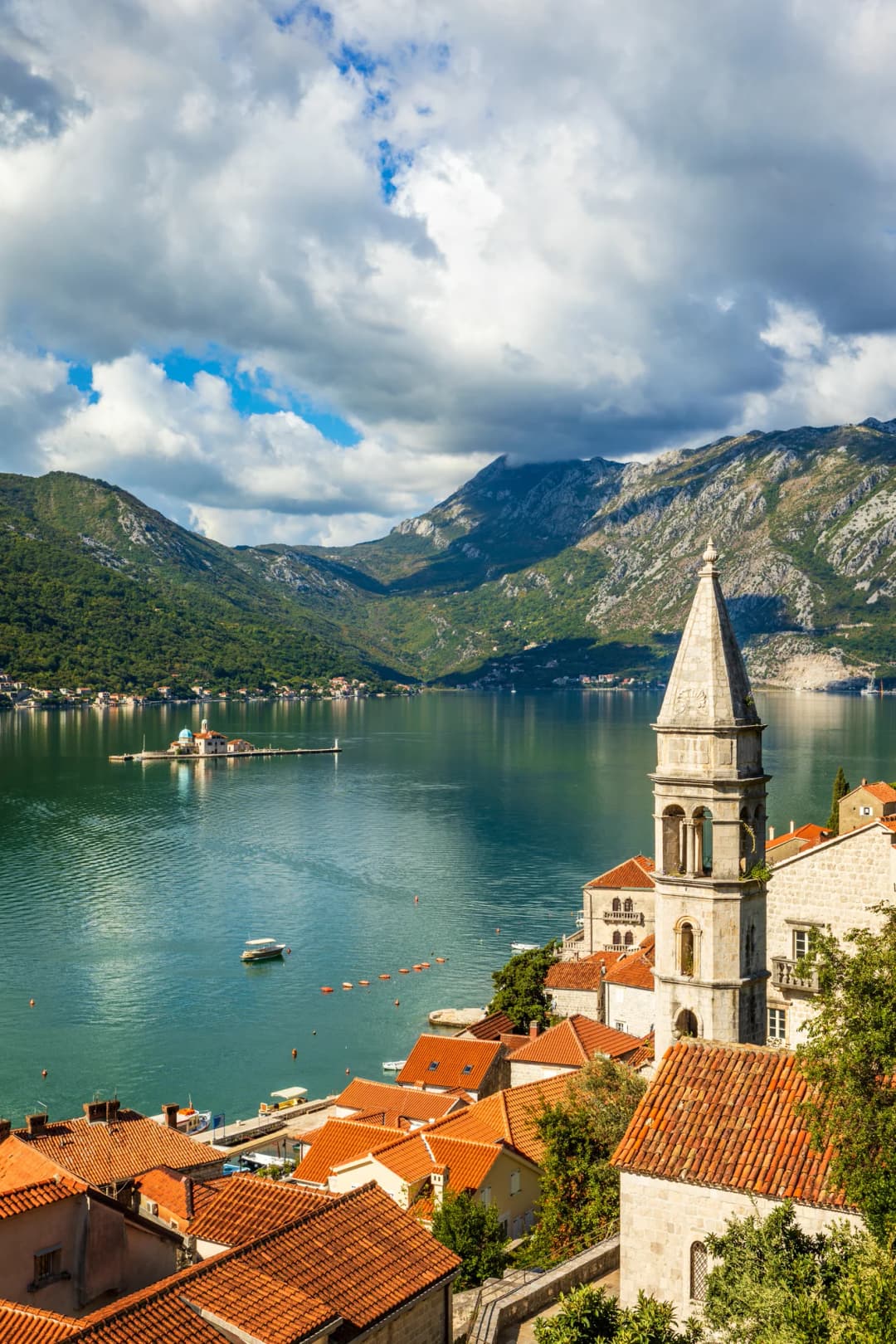
The only way onto Our Lady of the Rocks is by boat, and small boats wait along the Perast waterfront throughout the day. The standard shuttle costs around €5 per person return: a skipper takes you across, you spend roughly 30–45 minutes on the island visiting the church and museum, and the boat returns to collect you. No advance booking is normally needed in season — just walk down to the quay. Prices and timings vary by operator and time of year, so confirm on the day. For a fuller experience, guided Bay of Kotor boat tours (often starting from around €30 and sometimes departing from Kotor) take in the islands along with other stops around the bay.
Where to stay in Perast
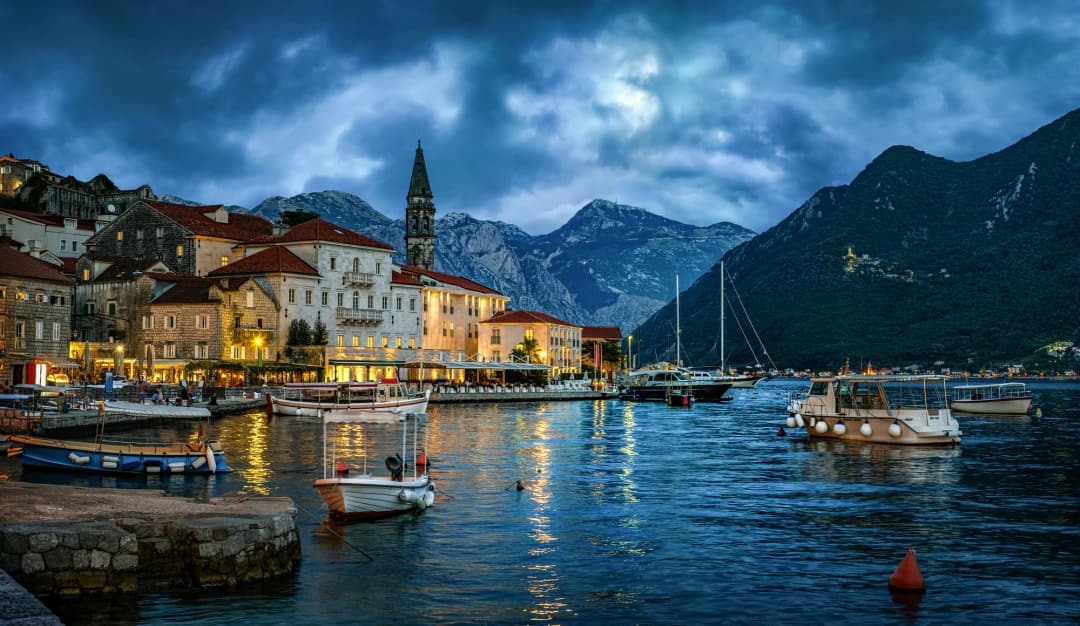
Perast is small but has a cluster of characterful, mostly upmarket places to stay — many in restored stone palaces right on the water. Staying overnight lets you enjoy the town after the day-trippers leave, when the waterfront is at its most peaceful. Well-regarded options span boutique heritage hotels and smaller guesthouses and apartments, so there is something across a range of budgets, though Perast skews more boutique than budget. Browse current availability and prices for places to stay in and around Perast on our listings.
Where to eat in Perast
For its size Perast has a strong line-up of restaurants, almost all on or just off the waterfront and leaning heavily on fresh Adriatic seafood and Mediterranean cooking, with some Italian and pizza options too. Expect the local specialities of the bay — fresh fish, mussels and oysters farmed nearby, and black risotto — alongside a few fine-dining tables and more relaxed, budget-friendly spots. Eating with the bay and the islands in front of you is part of the experience; tables at the water's edge are worth booking ahead in high season.
Best time to visit Perast
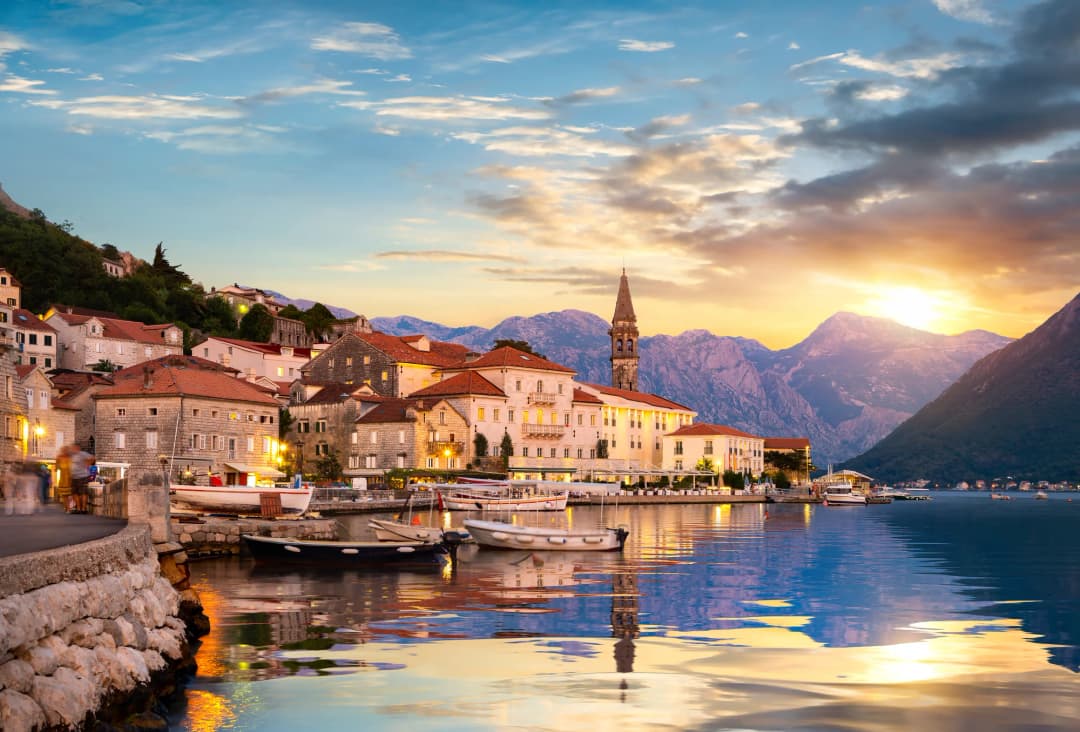
Late spring and early autumn — roughly May, June and September — are the sweet spot: warm, swimmable and noticeably less crowded than the July–August peak, when the bay is hottest and cruise-ship day-trippers are most numerous. April and October are cooler and quieter but still pleasant for sightseeing. Whenever you come, visiting earlier or later in the day helps you experience Perast and the islands at their calmest, away from the midday tour crowds.
Best photography spots
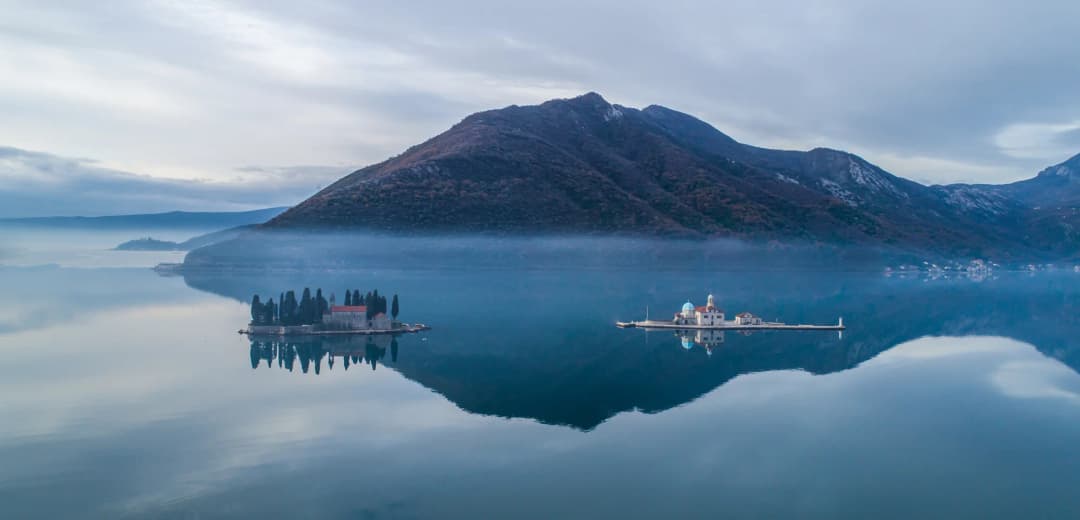
Perast is one of the most photogenic spots in Montenegro. The classic shots are: the two islands framed together from the waterfront or from a boat; the town and bay seen from the top of the St. Nicholas bell tower; and the wider postcard view of Perast and its islands from the coastal road above and around the town. Early morning and the hour before sunset give the softest light and the fewest crowds.
Combine Perast with nearby Kotor & the bay
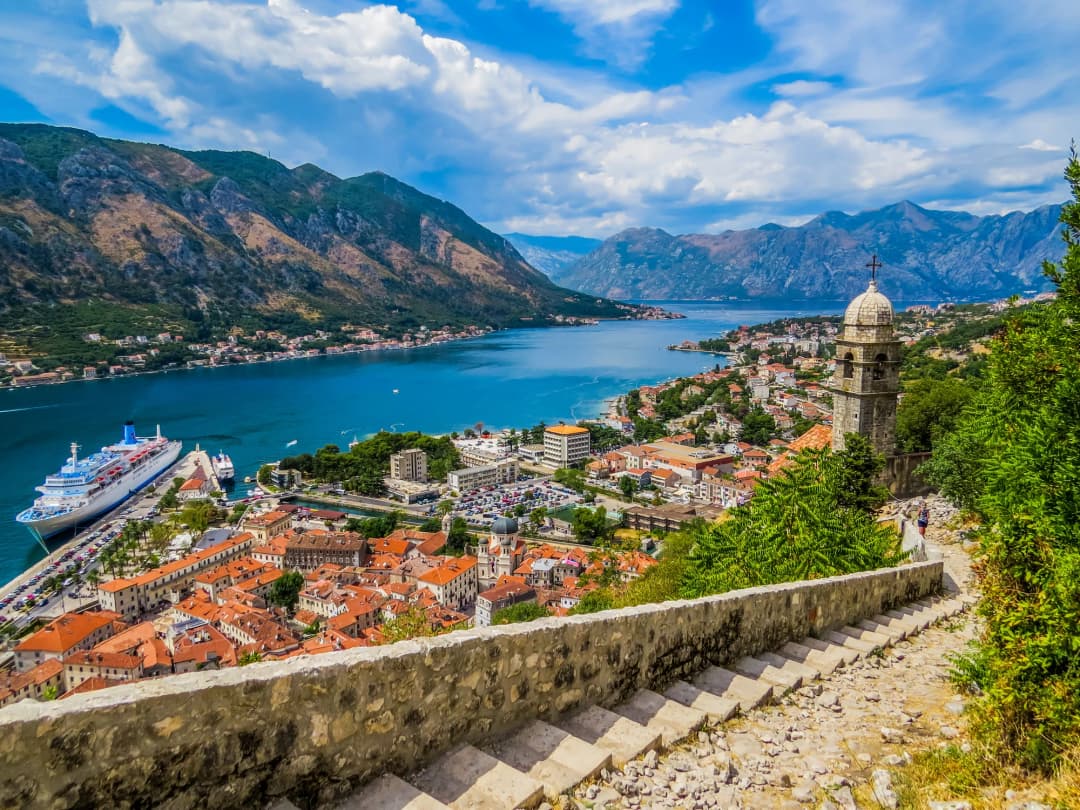
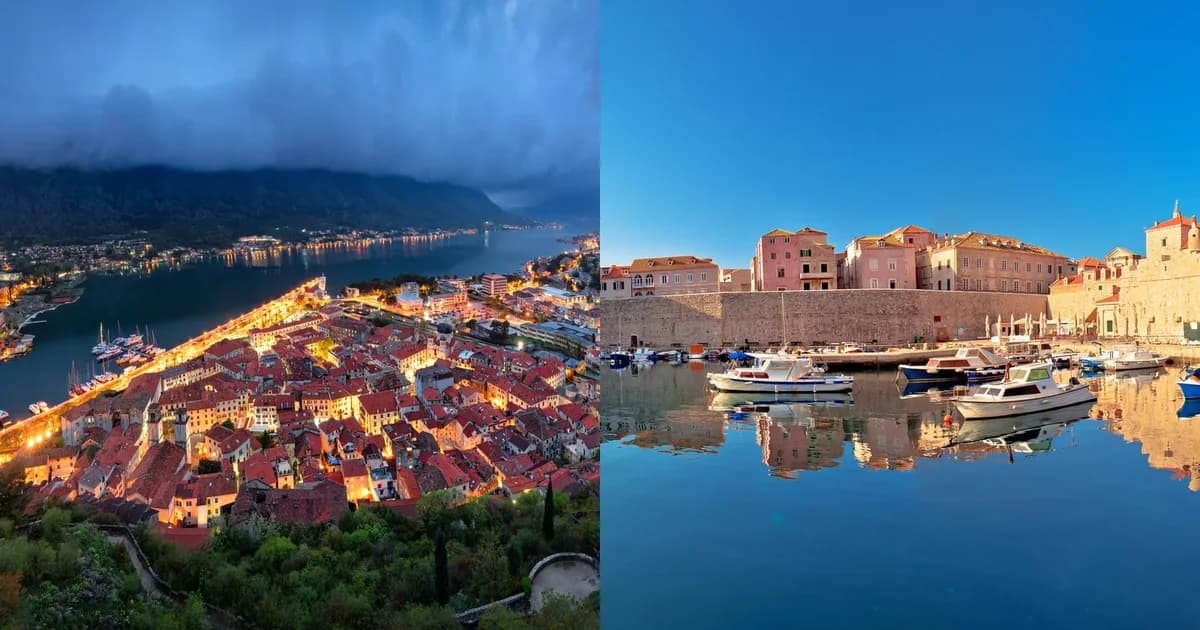
Perast pairs naturally with the UNESCO-listed old town of Kotor, just 20 minutes away, and with the other towns of the Bay of Kotor — Risan, with its Roman mosaics, Dobrota and Prčanj along the shore, and Tivat with its marina. Many visitors base themselves in Kotor and treat Perast as a relaxed half-day escape, or string several bay towns together into a single coastal day out.
References
- Wikipedia — Our Lady of the Rocks (Gospa od Škrpjela): history, 1452 legend, construction, and the fašinada. en.wikipedia.org/wiki/Our_Lady_of_the_Rocks
- Tripadvisor — Things to do in Perast (attraction rankings and reviews). tripadvisor.com
- Montenegro Pulse — Our Lady of the Rocks: how to get there, boat fares and what to see. montenegropulse.com
- Tripadvisor — Hotels and restaurants in Perast (Kotor Municipality). tripadvisor.com