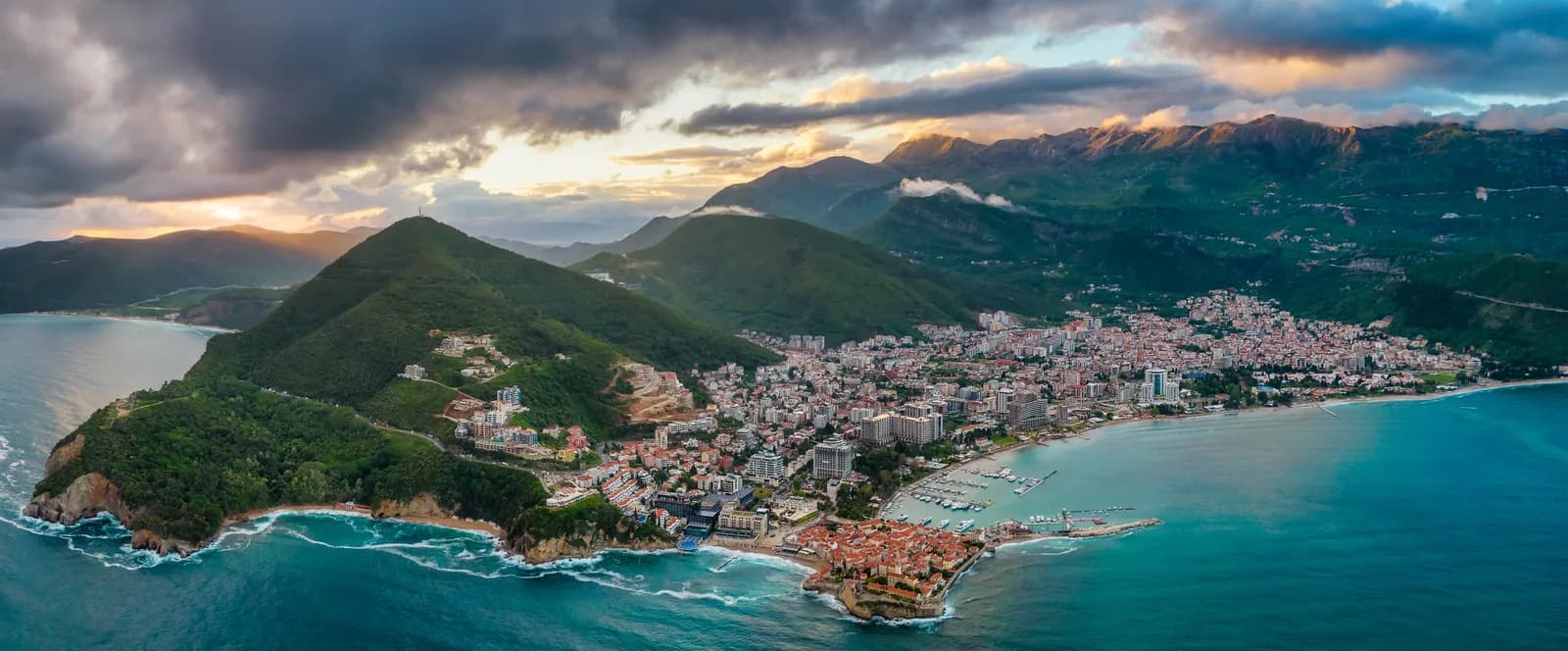
Yes — Montenegro is a safe country to visit. Violent crime against tourists is rare, the streets of Kotor, Budva and Podgorica feel relaxed even after dark, and solo and female travelers generally report feeling comfortable. The real risks here are practical, not criminal: twisting mountain roads, strong sun and sea, and the occasional petty scam. This honest 2026 guide explains exactly how safe Montenegro is, where to stay alert, and the few sensible precautions that make a smooth trip almost certain.
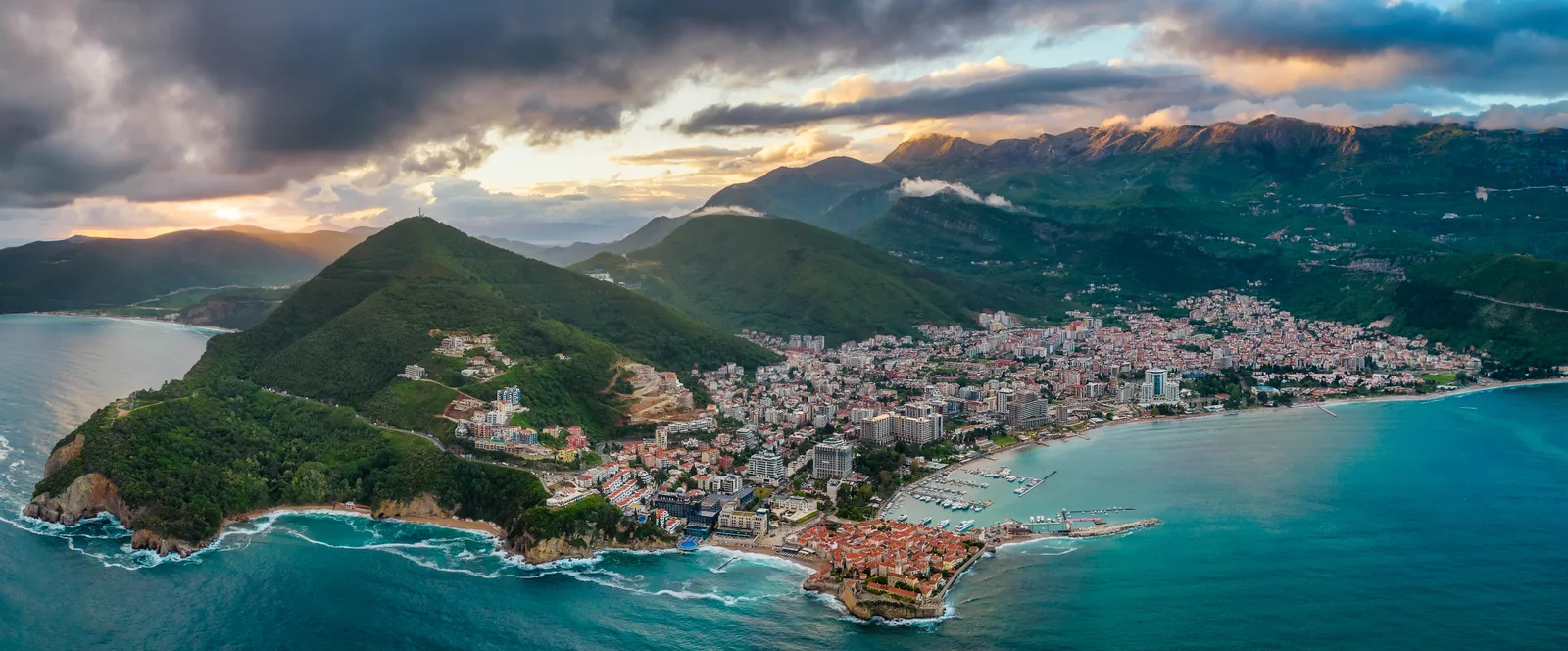
The Short Answer
Montenegro is a safe, welcoming destination for the overwhelming majority of visitors. It's a NATO member with a stable government and a tourism-dependent economy that has every incentive to keep guests safe. That standing is current, not historical: on 13 July 2026 the U.S. Department of State publicly commended Montenegro's "reaffirmed commitment to NATO as a trusted ally and partner in strengthening regional stability across the Western Balkans and beyond". Both the UK FCDO and U.S. State Department classify it as a normal, low-concern destination, with their advice focused on everyday precautions rather than serious threats.
Put simply: you are far more likely to have a problem with a hairpin bend or a strong current than with crime. Take the same common-sense care you would anywhere, drive carefully, respect the sea and the mountains, and Montenegro is as safe as the popular European destinations around it.
Crime: What the Numbers Really Say
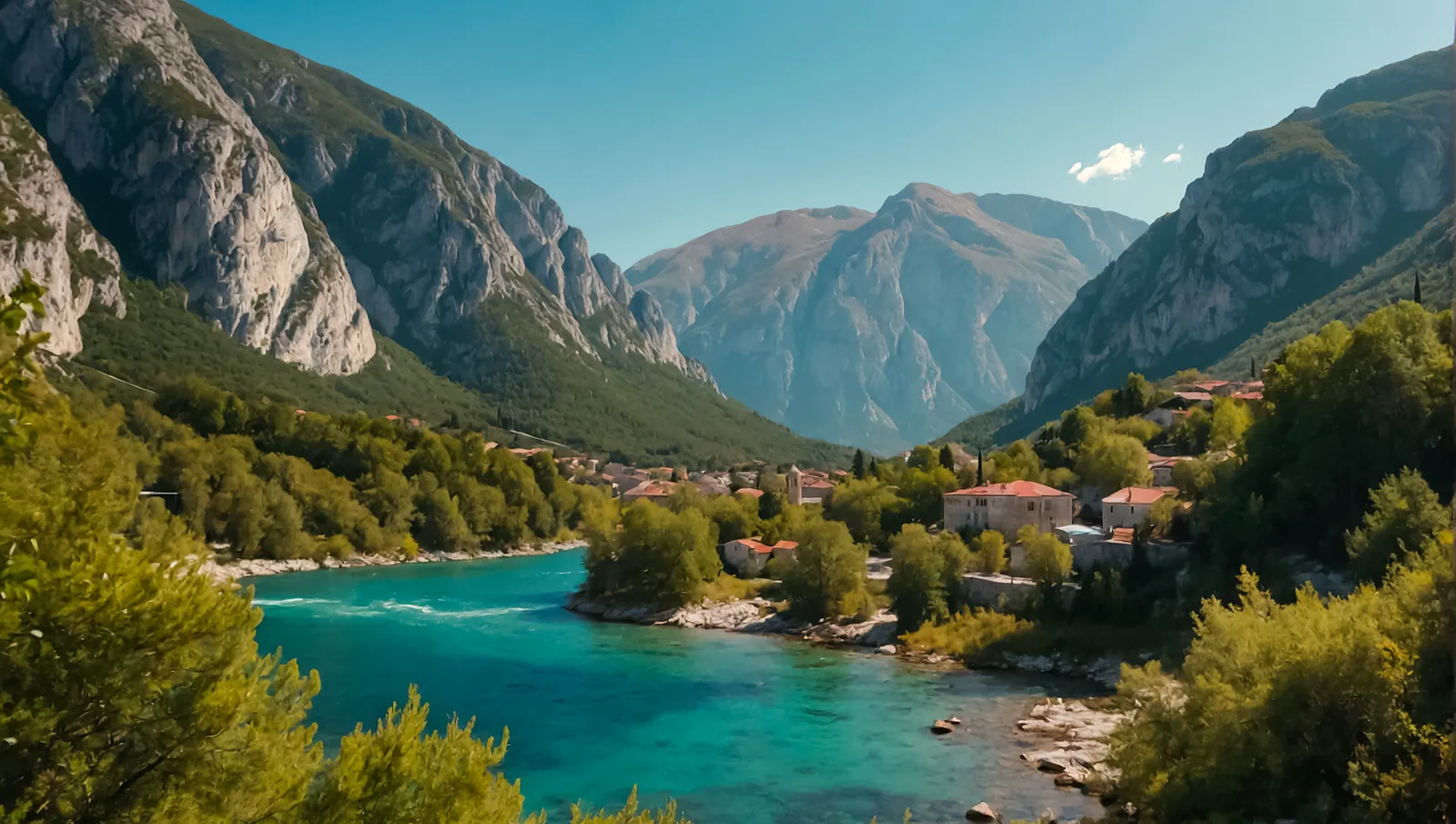
Violent crime against tourists is rare. The kind of organised-crime stories that occasionally surface in regional news involve local rivalries and have essentially no bearing on visitors going about a normal holiday. Walking around at night in Kotor, Budva, Tivat or Podgorica is generally comfortable.
What you might encounter is the same petty, opportunistic crime found in any tourist area:
- Pickpocketing and bag-snatching in crowded spots — busy promenades, markets, packed buses, cruise-day crush in Kotor.
- Theft from cars — never leave valuables visible in a parked vehicle.
- Occasional break-ins at ground-floor or poorly secured accommodation.
These are avoidable with basic vigilance. Keep your phone and wallet secure in crowds, use the safe in your room, and don't flash expensive gear. The risk level is comparable to — or lower than — many Western European city destinations.
For context, Montenegro consistently ranks as a mid-table-or-better country on global peace and safety indices, ahead of several far more visited Mediterranean destinations. Tourism is the backbone of the economy — 2.73 million arrivals in 2025 — policing is visible in the resort towns through the summer season, and locals are quick to help a visitor who looks lost. The headline-grabbing crime stories you may occasionally read about are tied to specific local disputes and simply don't intersect with the experience of a normal traveler eating dinner on the Kotor waterfront or catching a bus to the beach.
Solo and Female Travelers
Montenegro is widely regarded as a comfortable destination for solo travelers, including women. Towns are small and walkable, locals are friendly and used to tourists, and the social atmosphere is relaxed rather than aggressive. Many solo female travelers report feeling safe walking in the evenings in the main coastal towns.
Sensible precautions still apply, as anywhere:
- Stay in well-reviewed, central accommodation so you're not walking long, unlit stretches late at night.
- Keep someone informed of your plans for remote hikes or long drives.
- Use licensed taxis or Bolt rather than unmarked cars, and trust your instincts about any situation that feels off.
- Expect some friendly attention, but unwanted hassle is uncommon and rarely persistent.
A central, verified rental makes solo travel easier and safer — you can browse apartments in Kotor or holiday rentals in Budva in walkable old-town locations with good reviews.
Driving: The Biggest Real Risk
If anything is going to spoil a Montenegro trip, statistically it's the roads, not crime. The country's beauty comes from its mountains, and that means narrow, winding, cliff-edge roads shared with tour buses and confident local drivers.
Key risks and how to manage them:
- Serpentine roads (like the Kotor–Lovćen climb): drive slowly, sound your horn before blind hairpins, and use pull-outs to let faster traffic pass.
- Overtaking: some local drivers overtake aggressively on bends — hold your line and don't be pressured into matching them.
- Conditions: watch for rockfall, livestock, unlit tunnels and, in winter, snow and ice in the north (winter tyres required).
- The rules are strict and enforced: dipped headlights on at all times, a near-zero 0.03% drink-drive limit, mandatory seatbelts, and steep speeding fines.
Drive defensively and unhurried and it's perfectly manageable — millions do. Our renting a car and driving in Montenegro guide covers the rules and road realities in full.
Sea, Hiking and Outdoor Hazards
Montenegro's outdoors are a highlight — and the place where a careless moment matters most.
The sea:
- The Adriatic is generally calm and clear, but currents and sudden depth changes exist, especially on open-coast beaches and around rocks.
- Sea urchins are common on rocky shores — water shoes save a painful day.
- Swim where others swim, heed any flags, and don't swim far out alone or after drinking.
Hiking and mountains:
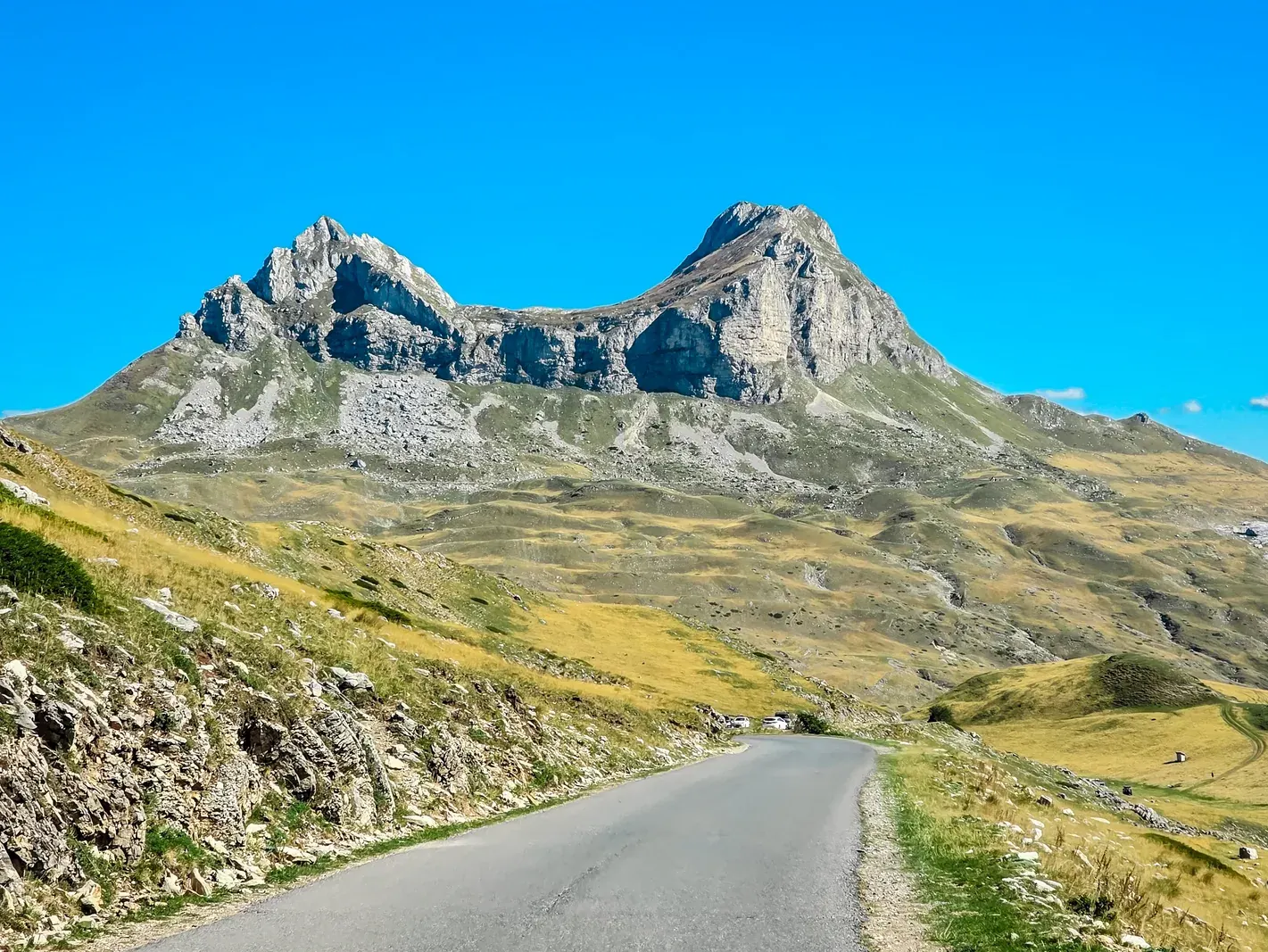
- Trails in Durmitor, Lovćen and the canyons can be steep, exposed and poorly marked. Carry water, sun protection, proper footwear and an offline map.
- Weather changes fast at altitude; check the forecast and start early.
- Tell someone your route, and don't push into remote terrain alone without experience. For routes and grading, see our hiking in Montenegro guide.
Adventure activities (rafting the Tara, canyoning, zip-lines) are well run by reputable operators — choose licensed providers and follow the safety briefing.
Natural Hazards
Montenegro sits in a seismically active region; minor tremors occur and serious earthquakes are infrequent but historically known (notably 1979). There's nothing to plan around as a visitor beyond noting that buildings are built to cope.
Other seasonal hazards:
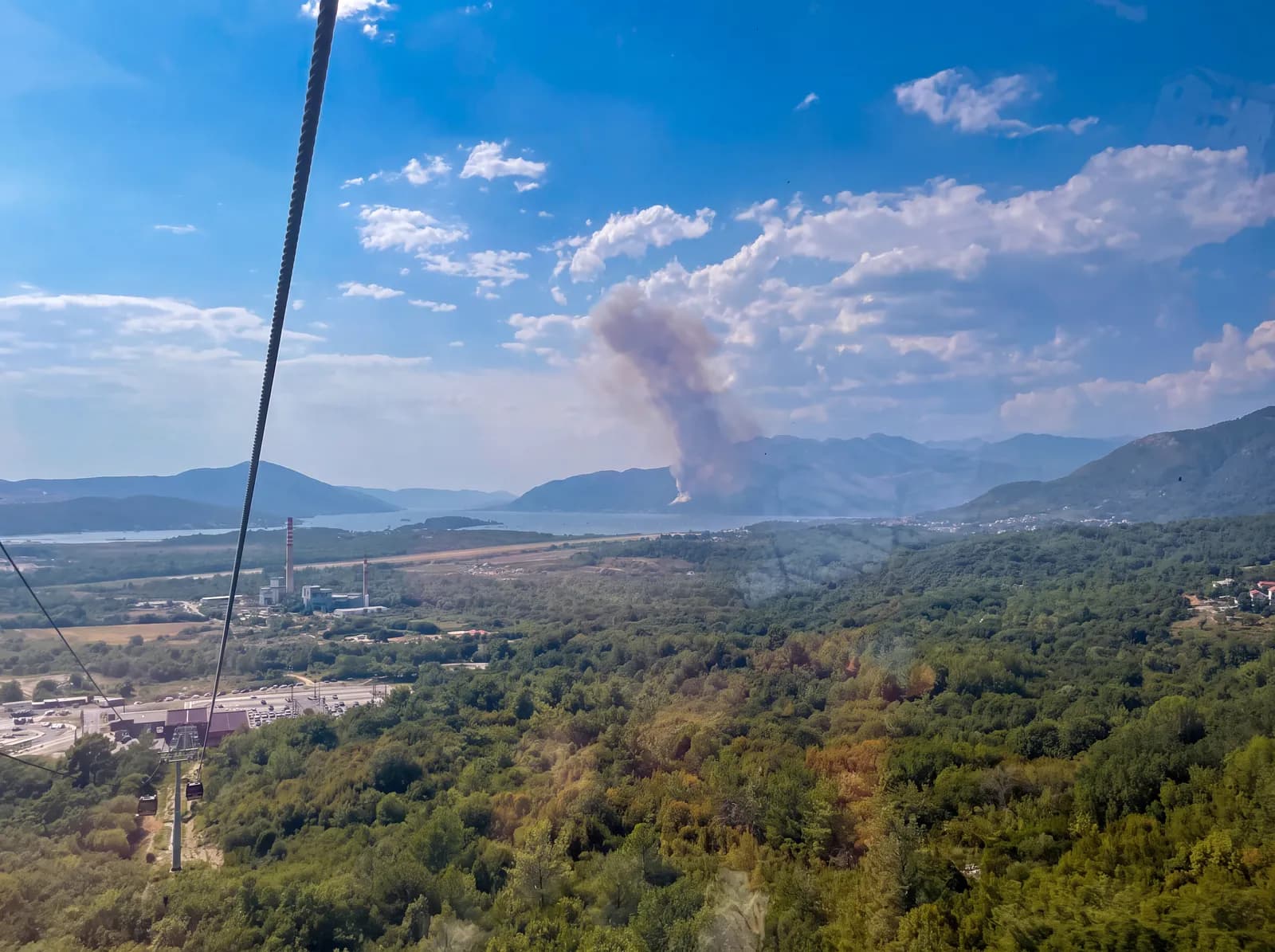
- Wildfires can occur in the dry, hot summer — don't light fires and follow local guidance.
- Flash flooding is possible after heavy autumn/winter rain in low-lying and canyon areas.
- Strong summer sun is the most common "natural hazard" of all — heatstroke and sunburn catch out more travelers than anything dramatic. Hydrate, seek shade midday, and use high-factor sunscreen.
Scams and Petty Crime
Montenegro is not a scam-heavy destination, but a few minor ones target tourists:
- Taxi overcharging: use Bolt or a metered licensed taxi, and agree the fare in advance for any non-metered or longer trip. Avoid unmarked cars touting at airports and bus stations.
- Restaurant bill padding: check the menu prices and your bill, especially at unpriced "fresh fish by weight" offers — ask the price per kilo first.
- Currency confusion: Montenegro uses the euro, so there's no money-changing scam, but always count change at small vendors.
- Pressure selling on boat trips or excursions: it's mild; just compare a couple of operators.
None of these is dangerous — they cost a few euros at worst and are easily sidestepped with a little awareness.
Health, Insurance and Emergencies
- Emergency number: 112 works for all services. You can also reach police on 122, fire on 123, and ambulance on 124.
- Healthcare: public hospitals exist in the main towns, and private clinics on the coast are good for minor issues. Standards are reasonable but not always to Western-European levels for serious cases, where transfer may be needed.
- Travel insurance is strongly recommended. Montenegro is outside the EU (it's a candidate country — see our guide to Montenegro's EU accession timeline), so the EHIC/GHIC card does not apply — make sure your policy covers medical care, mountain/water activities you'll do, and repatriation.
- Tap water is generally safe to drink in the main towns and along the coast.
- Pharmacies (apoteka) are widespread and helpful for minor ailments.
Carry a copy of your insurance details and your accommodation address, and you're well covered for the rare event that something goes wrong.
Practical Safety Checklist
- Use Bolt or licensed taxis; agree fares in advance.
- Drive defensively — slow on serpentines, lights on, never drink and drive.
- Respect the sea — swim where others do, wear water shoes on rocks.
- Hike prepared — water, sun cover, footwear, offline maps, tell someone your route.
- Secure valuables in crowds and never leave them in a parked car.
- Buy travel insurance that covers your activities (EHIC/GHIC won't work here).
- Save 112 and your accommodation address in your phone.
Do these and your odds of a trouble-free trip are extremely high. A central, well-reviewed base makes everything easier — browse verified rentals across Montenegro and stay somewhere walkable, secure and close to the sights.
Frequently Asked Questions
Is Montenegro safe for tourists in 2026?
Yes. Violent crime against visitors is rare, the towns feel relaxed day and night, and both the UK FCDO and U.S. State Department treat it as a normal, low-concern destination. The main risks are practical — mountain roads, strong sun and sea — rather than crime.
Is Montenegro safe for solo female travelers?
Generally yes. Towns are small, walkable and friendly, and many solo female travelers report feeling comfortable, including in the evenings in the main coastal towns. Standard precautions apply: stay central, use Bolt or licensed taxis, and keep someone informed of remote plans.
What's the biggest danger in Montenegro?
The roads. Narrow, winding, cliff-edge mountain roads shared with buses are the most significant real risk — far more than crime. Drive slowly and defensively, keep your lights on, and never drink and drive.
What's the emergency number in Montenegro?
112 reaches all emergency services. You can also dial police on 122, fire on 123, and ambulance on 124.
Do I need travel insurance for Montenegro?
Yes — strongly recommended. Montenegro is outside the EU (an accession candidate, not yet a member), so the EHIC/GHIC card doesn't apply. Choose a policy covering medical care, repatriation, and any activities (hiking, water sports, rafting) you plan to do.
Is the tap water safe to drink?
Generally yes in the main towns and along the coast. In remote rural areas, bottled water is the safer choice.