Faith across eras
Orthodox Savina, Catholic churches and the traces of Ottoman Islamic rule belong to the same fortified landscape. Successive rulers changed institutions faster than they erased sacred memory.
Montenegro then and now · Entrance to the Bay of Kotor
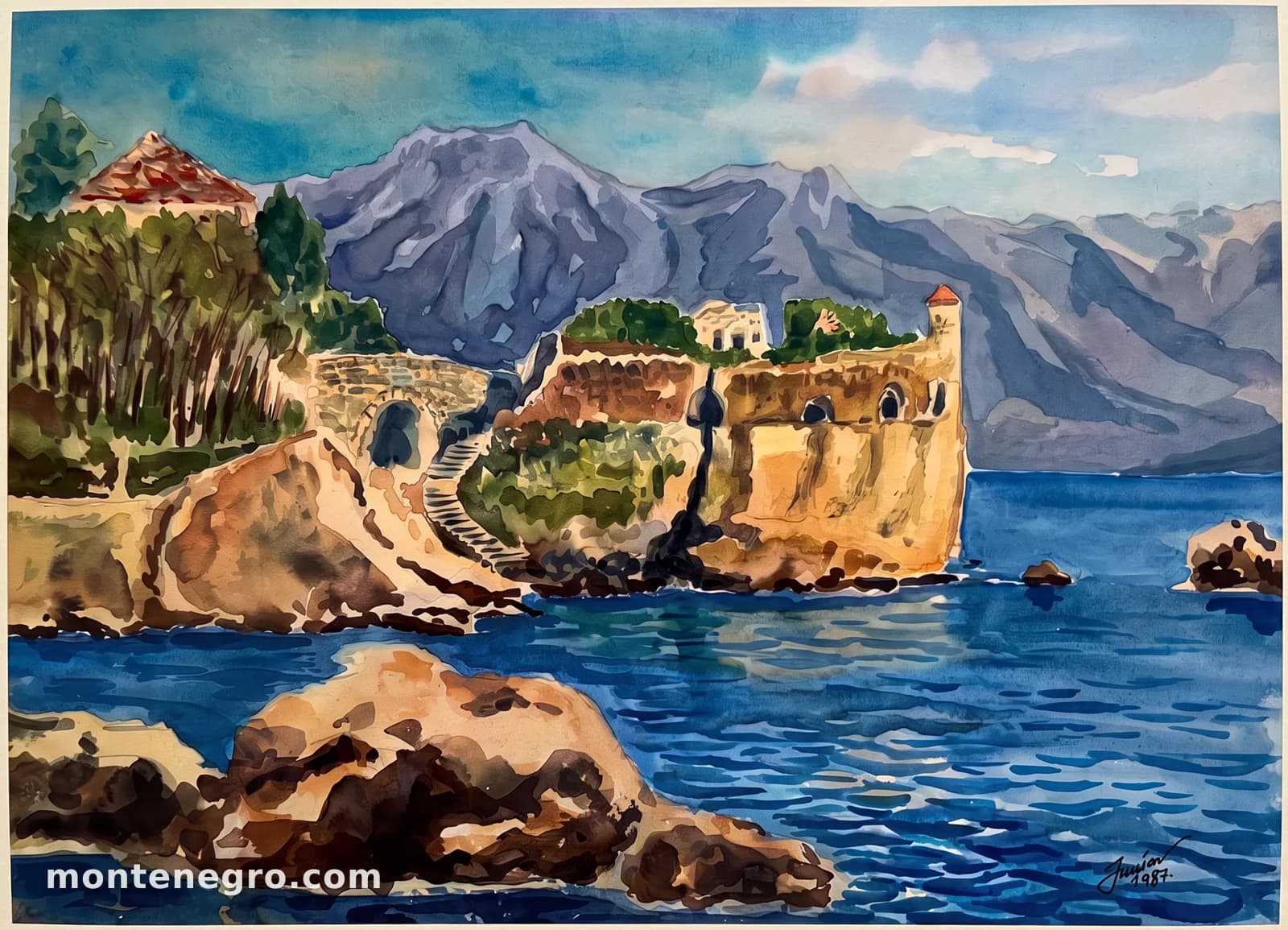
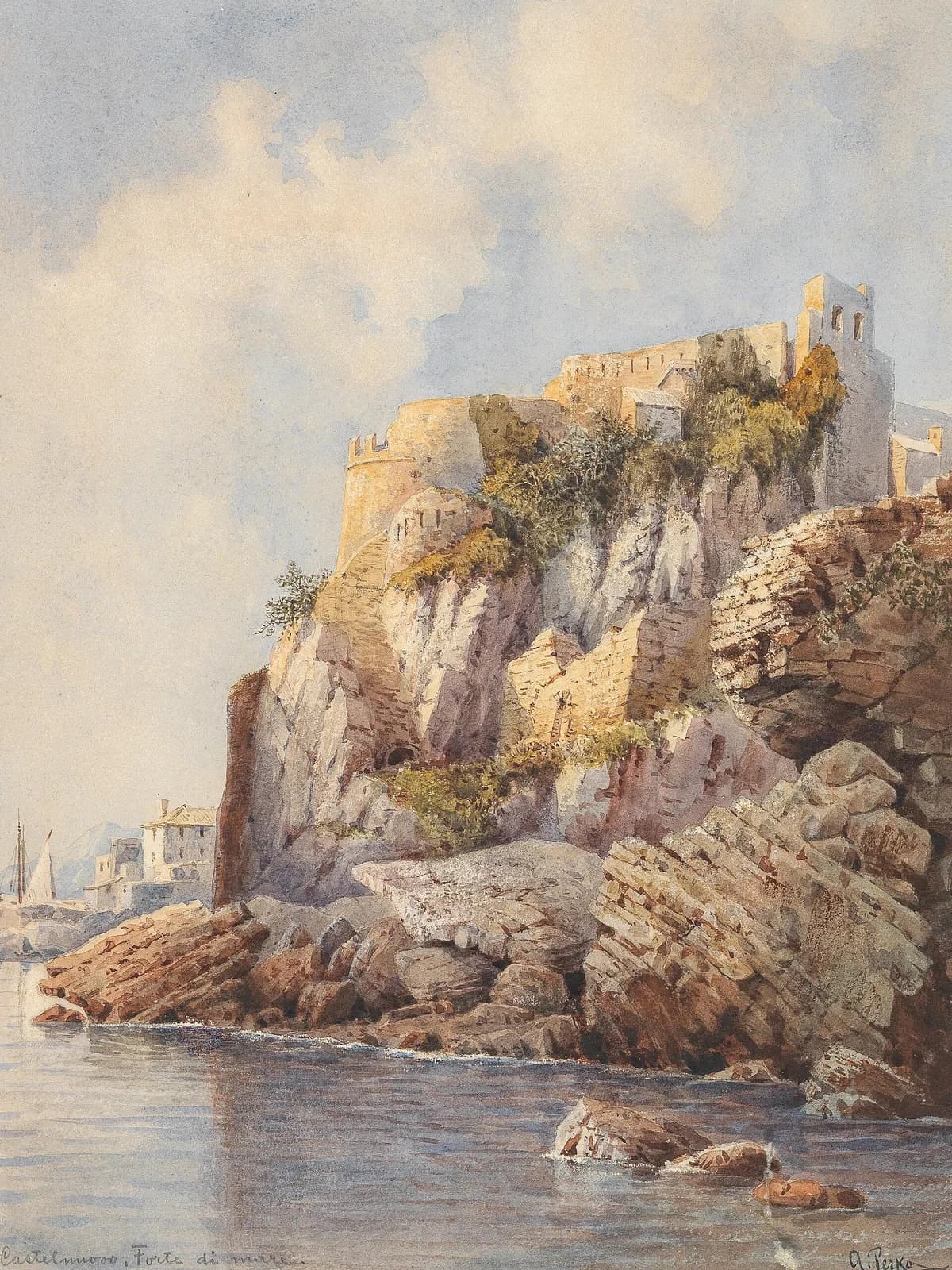
Names and empires changed; the fortified stair-city kept adapting. Anton Perko’s watercolor and a modern Forte Mare view make that accumulation readable.
Historical names: Castelnuovo
Go deeper
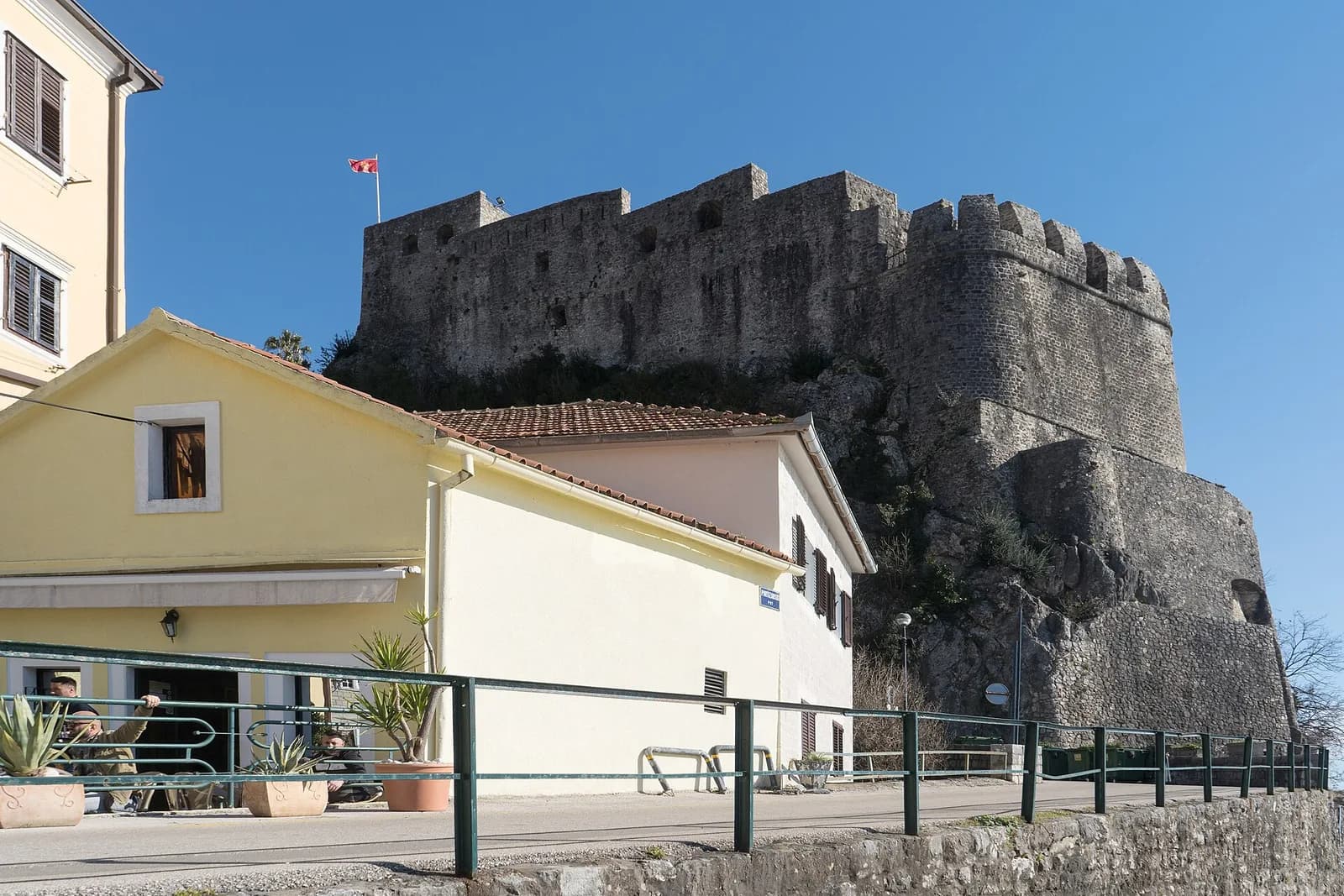 Forte MareA salt-trade watchtower that eight sovereignties rebuilt on top of each other — and that has now spent seventy-four summers as a cinema.
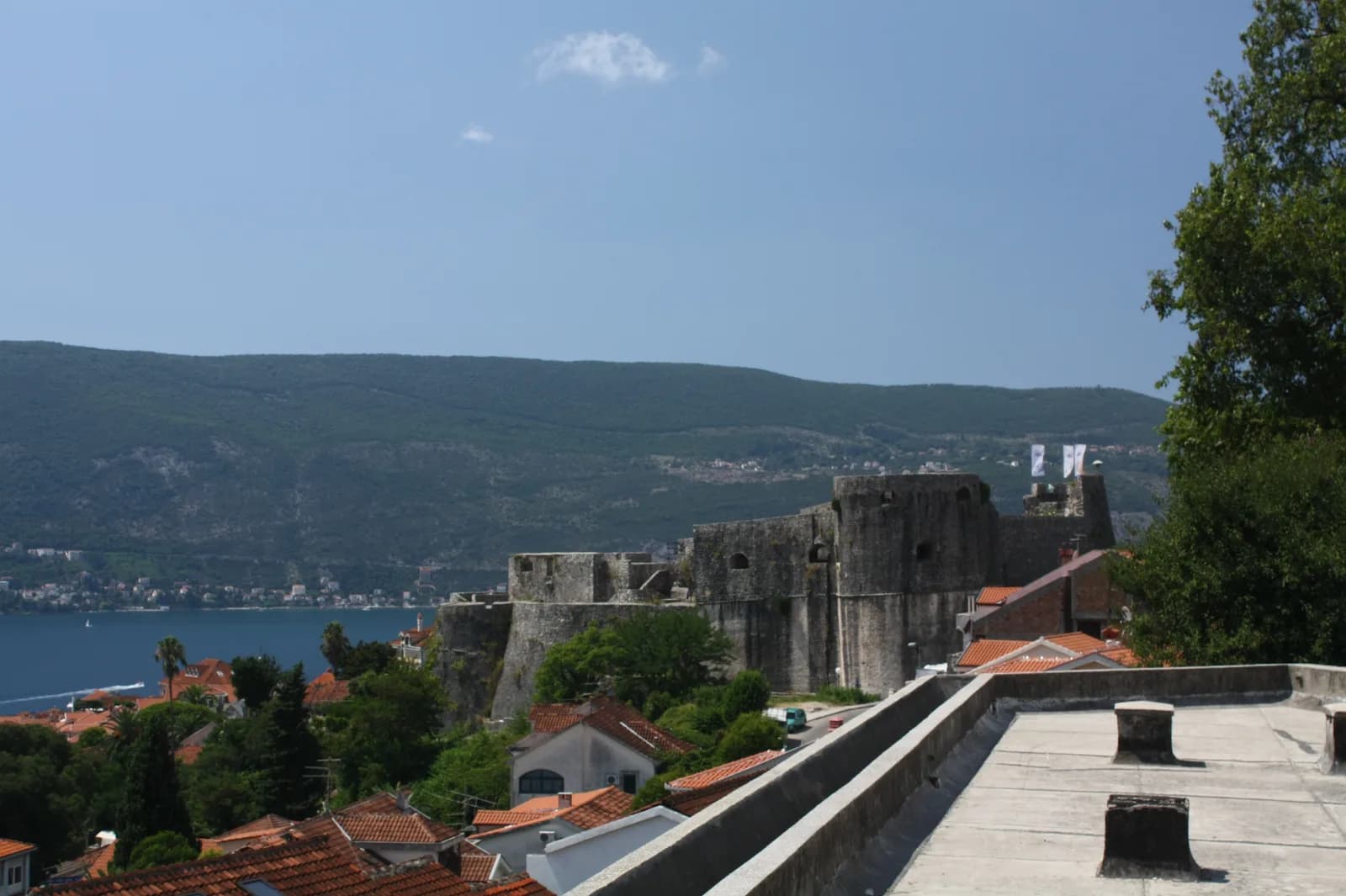 Kanli KulaA prison whose inmates dated it for us — they scratched ships into the walls — and which now seats a thousand people watching films.
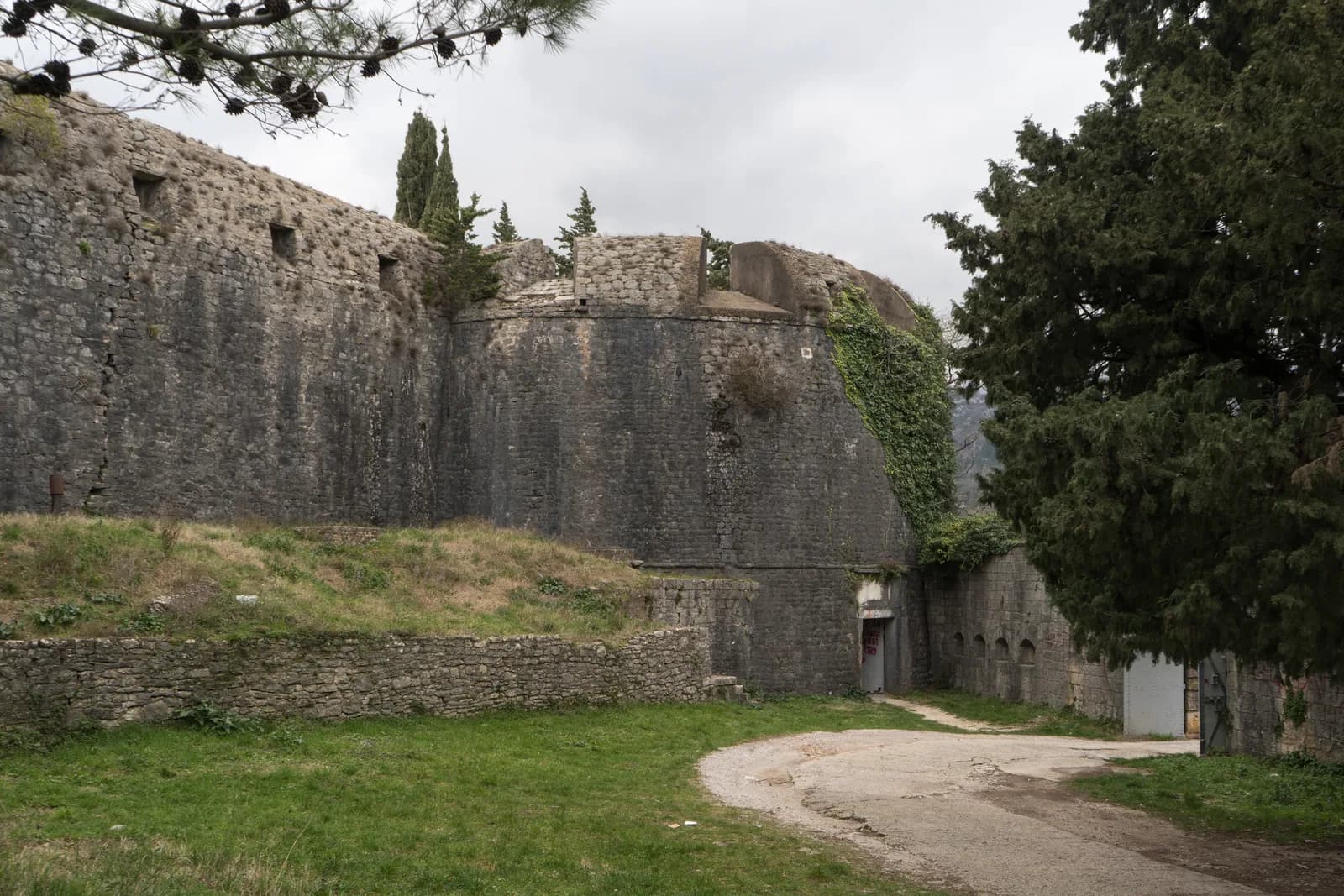 ŠpanjolaThe Spanish began it in a year they did not survive. The Ottomans finished it, and it still carries the name of the side that lost.
 CitadelaIt closed the southern end of the defences for centuries, nobody is sure when it was built, and in ninety seconds in 1979 it went into the sea.
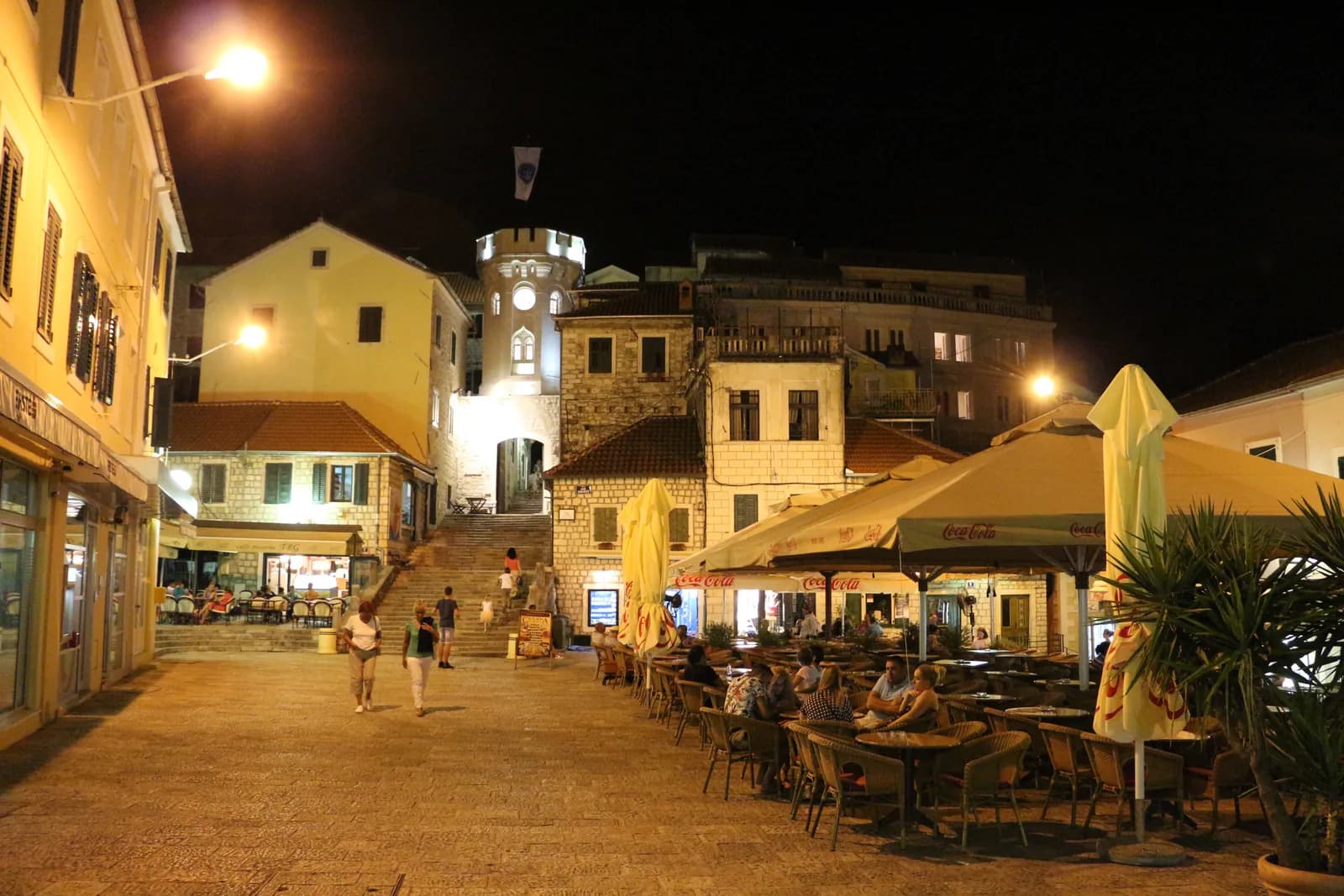 Sahat kulaSixteen metres of Ottoman gatehouse with a Russian bell, a Black Madonna and two dates that cannot both be right.
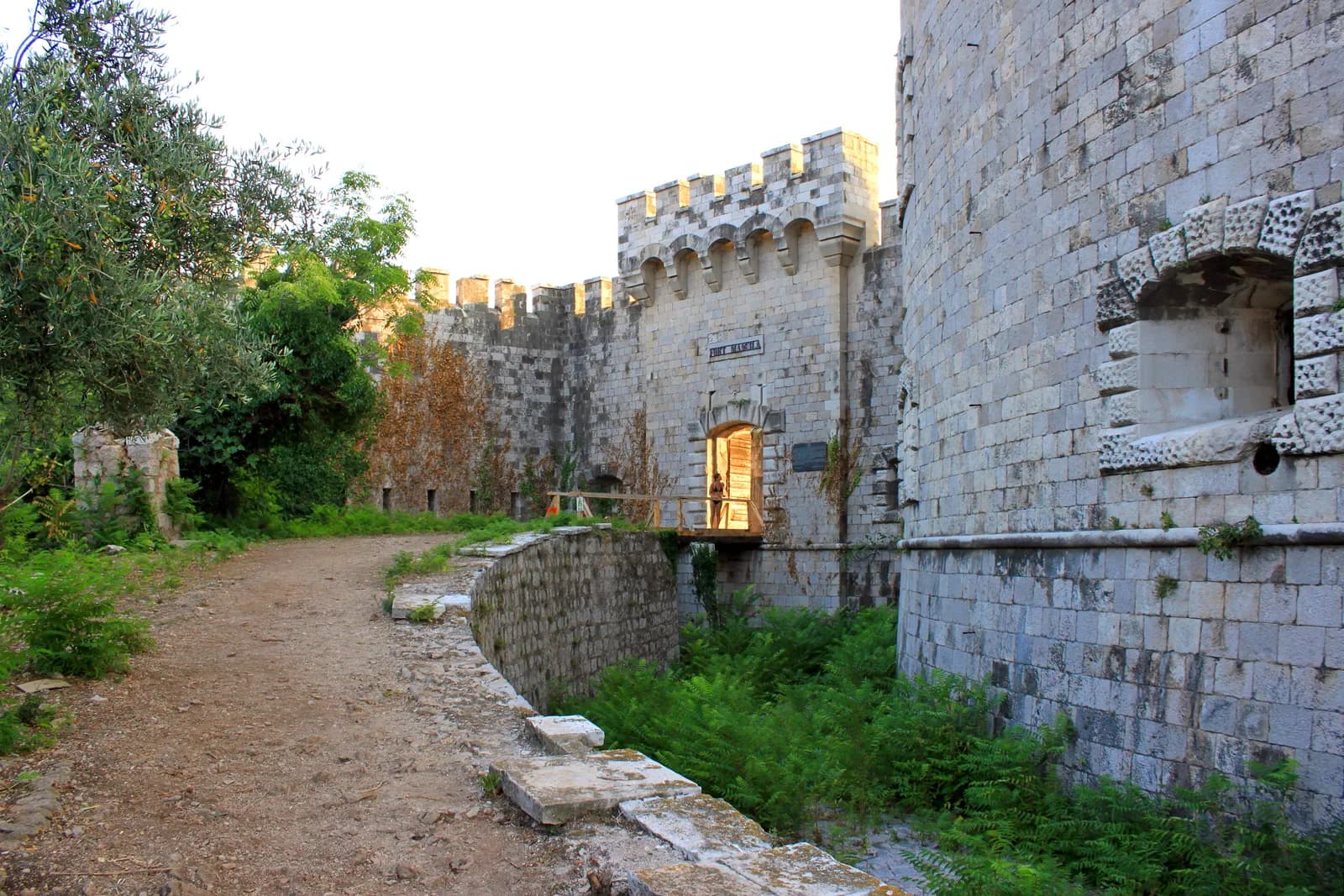 MamulaAn island that is almost entirely fortress, where 2,332 people were imprisoned and 130 died, and where you can now book a room.
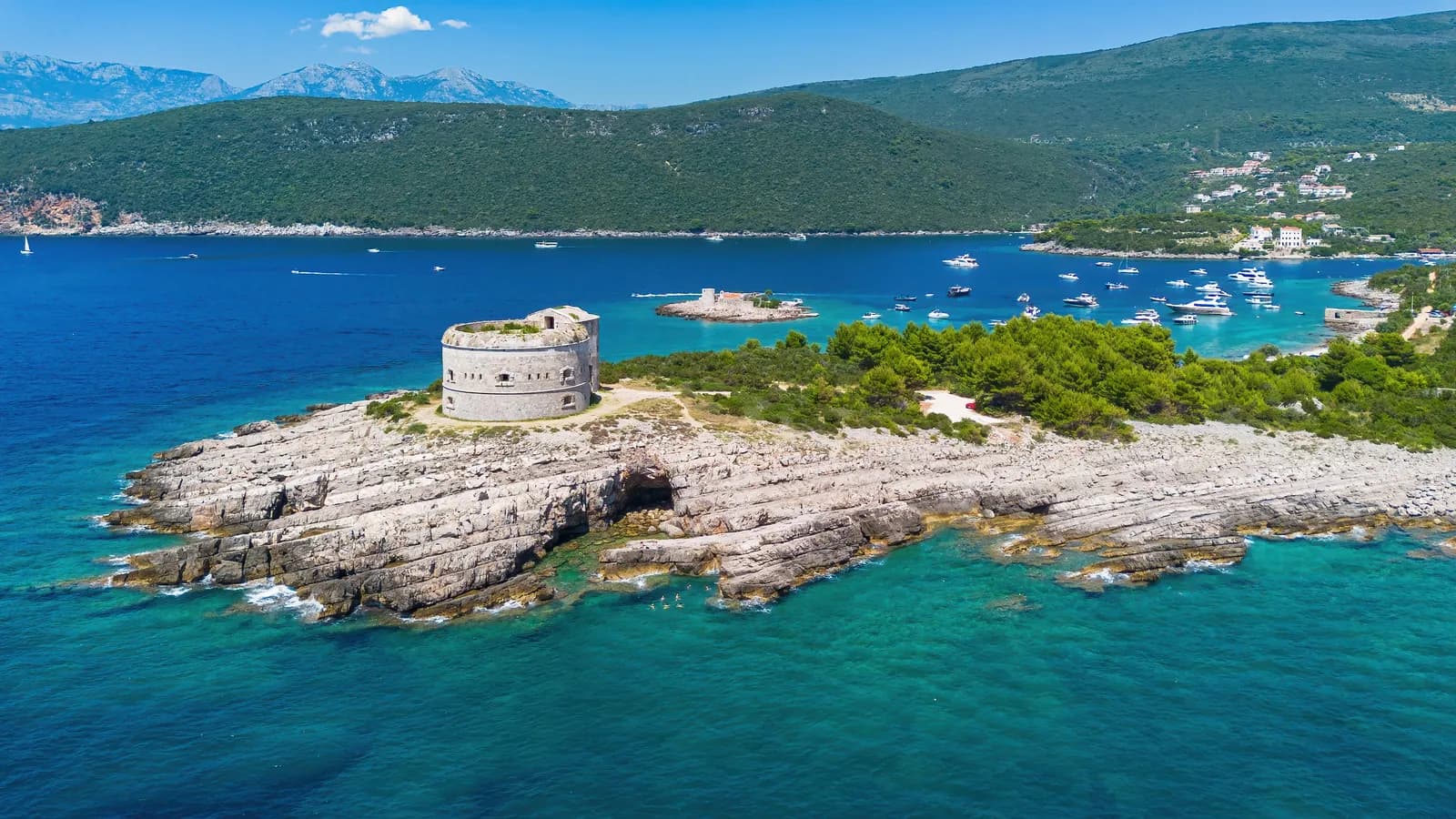 ArzaThe third gun of a three-gun gate, garrisoned by ninety-two men, sold in 2009, and the only fortress in Montenegro you cannot get into.
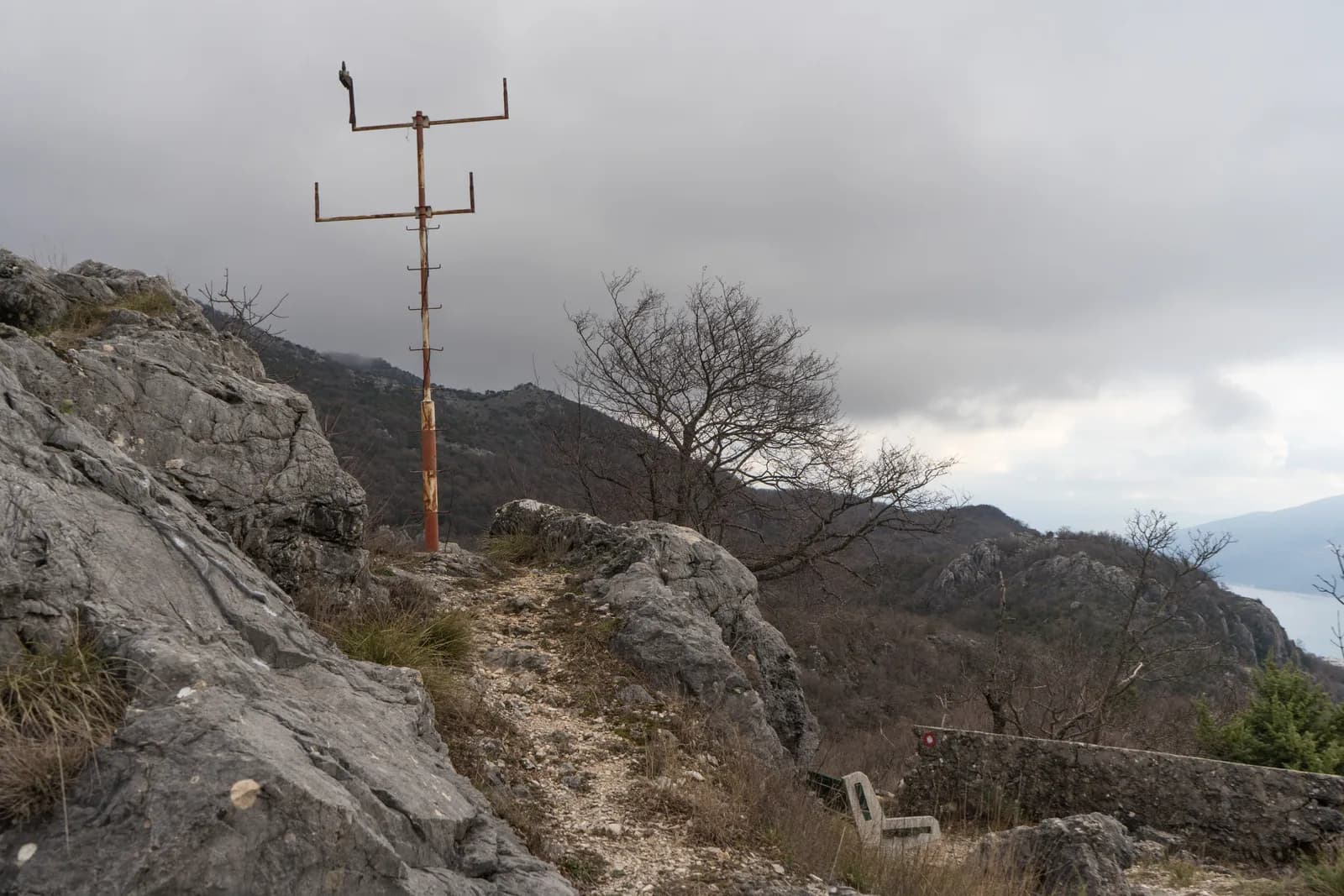 Tajno brdoSecret Hill: a battlefield, an Austro-Hungarian gun position, a tunnel system, an execution ground and a Cold War bunker — all on the same 490 metres.
Names and empires changed; the fortified stair-city kept adapting. Anton Perko’s watercolor and a modern Forte Mare view make that accumulation readable.
6 eras · source-linked
Selected chapter · 5 of 6
Compare the fortress profile, not exact pixels.
Move through the city’s rule
Orthodox Savina, Catholic churches and the traces of Ottoman Islamic rule belong to the same fortified landscape. Successive rulers changed institutions faster than they erased sacred memory.
Tvrtko’s foundation accumulated Ottoman, Spanish, Venetian and Habsburg walls and towers. The stair city, Forte Mare, Kanli Kula and Španjola still expose that sequence.
Compare the fortress profile, not exact pixels.
Historical timeline
1382
Bosnian king Tvrtko I established the town as a fortified port, remembered in the names Novi and Castrum Novum.
The founding idea is already both city and fortress.
1482
Ottoman conquest began a two-century period in which fortifications, water systems and religious life changed repeatedly.
Kanli Kula belongs to this layered defensive landscape.
1538–1539
A Habsburg-led force captured the town, but Ottoman troops retook it the following year after a celebrated siege.
One year generated a lasting “Spanish fortress” memory.
1687
Venetian forces took Castelnuovo and integrated it into their Adriatic defensive and trading world.
The Italian name on later records reflects this long afterlife.
by 1905
The watercolor records Forte Mare as the town descended toward a working shore under Austro-Hungarian rule.
Compare the fortress profile, not exact pixels.
Now
Herceg Novi’s public life spreads between forts, steep lanes, subtropical planting and the former railway promenade.
The difficult topography is the city’s design language.
Then: A documented drawing with wider context
Now: A modern city or landscape view from 2024
Then: Tvrtko I founds a “new fortress”
Now: A fort city becomes a garden-and-stair destination
Then: Read terrain, routes and inherited landmarks
Now: Notice new density, infrastructure and use
Dates and interpretations are tied to the archive and research sources below. Image limitations are disclosed in the comparison.