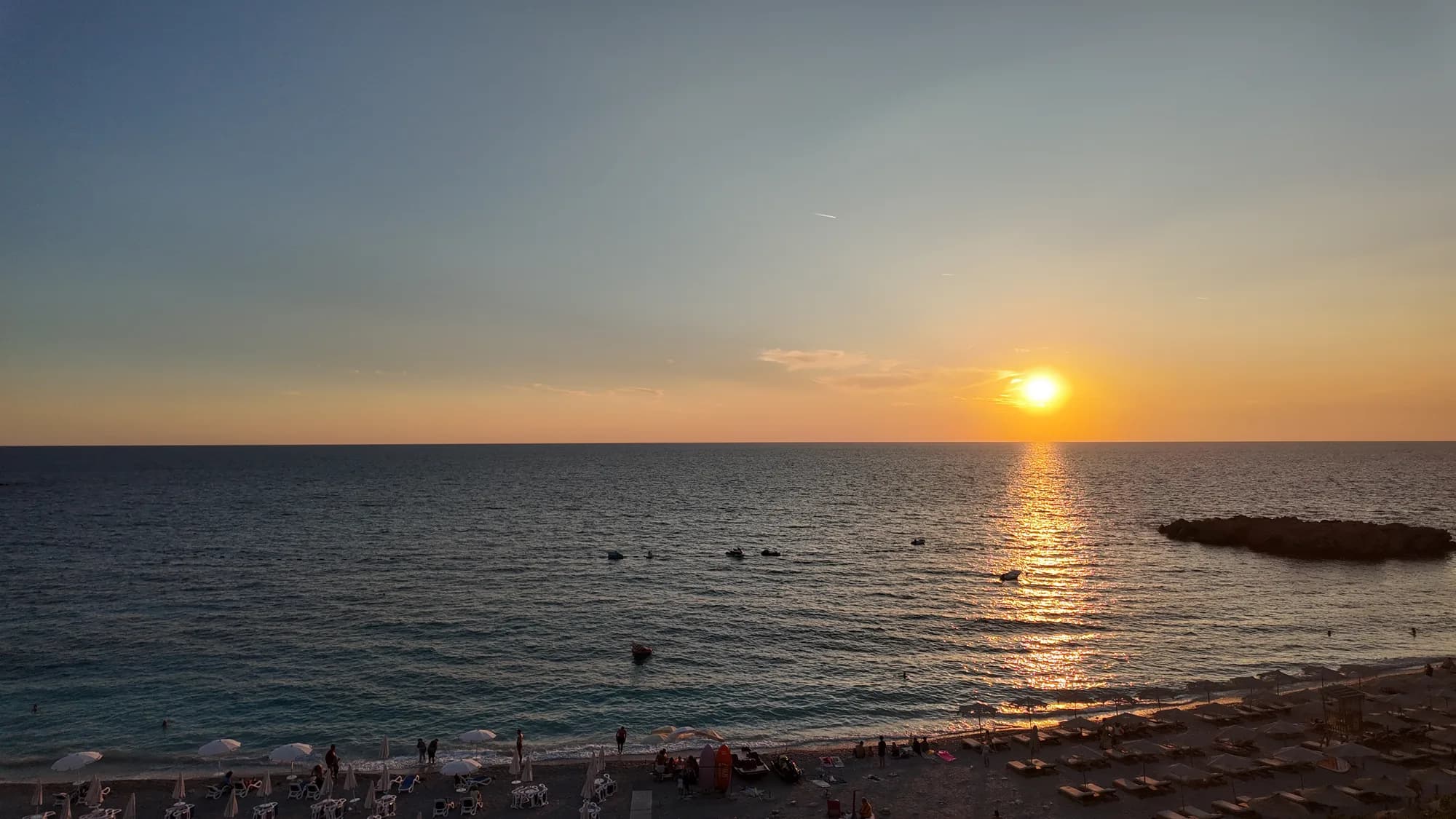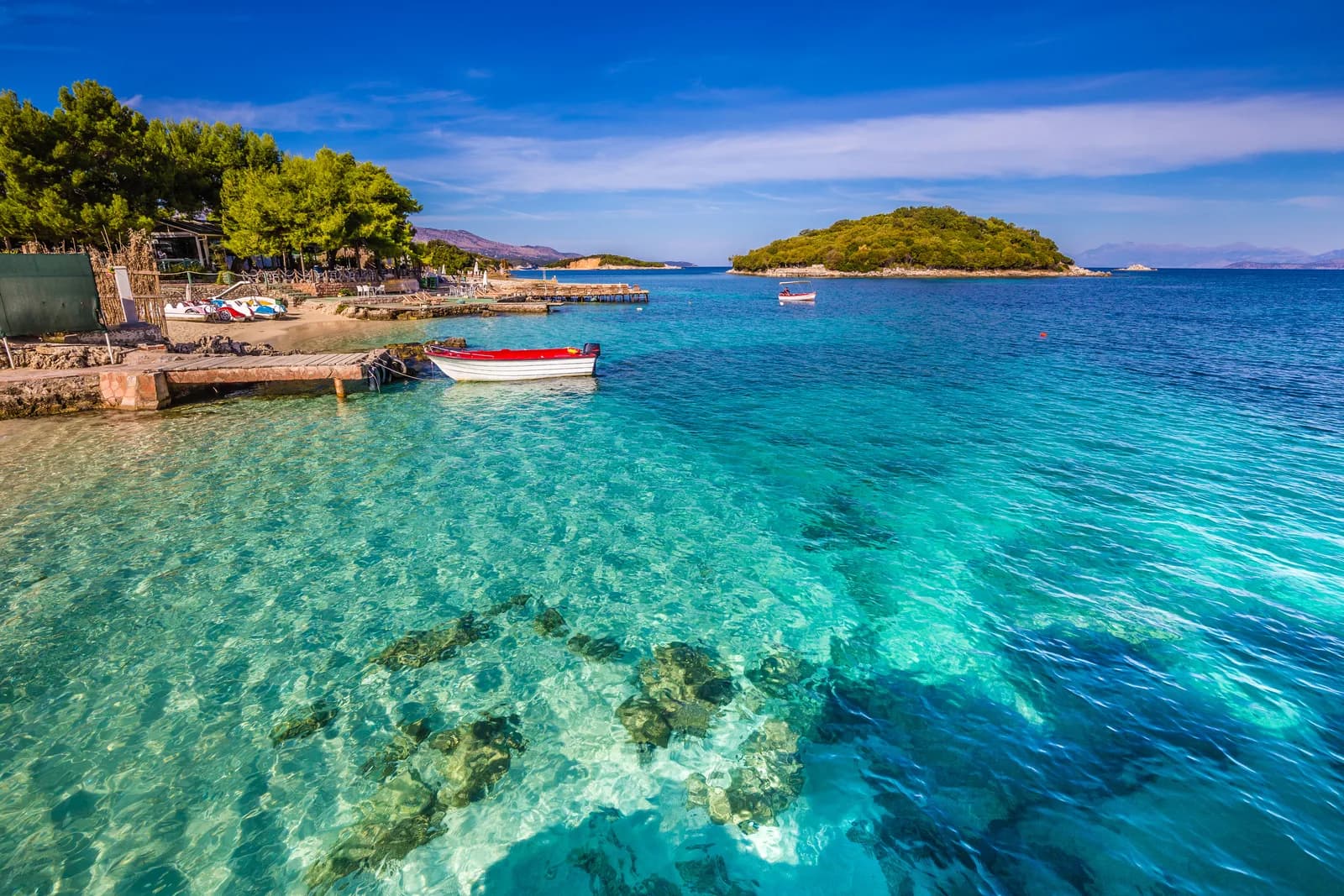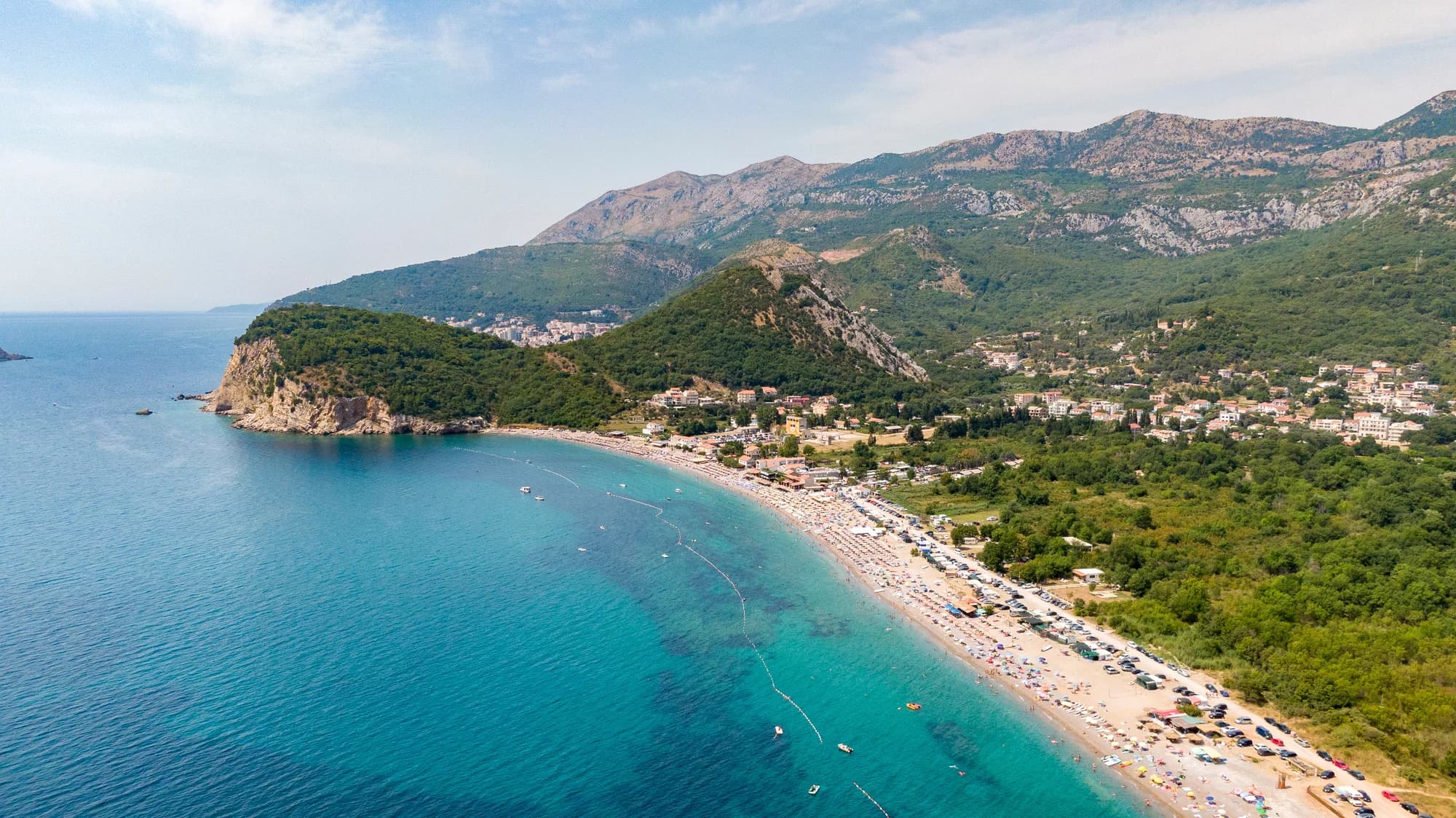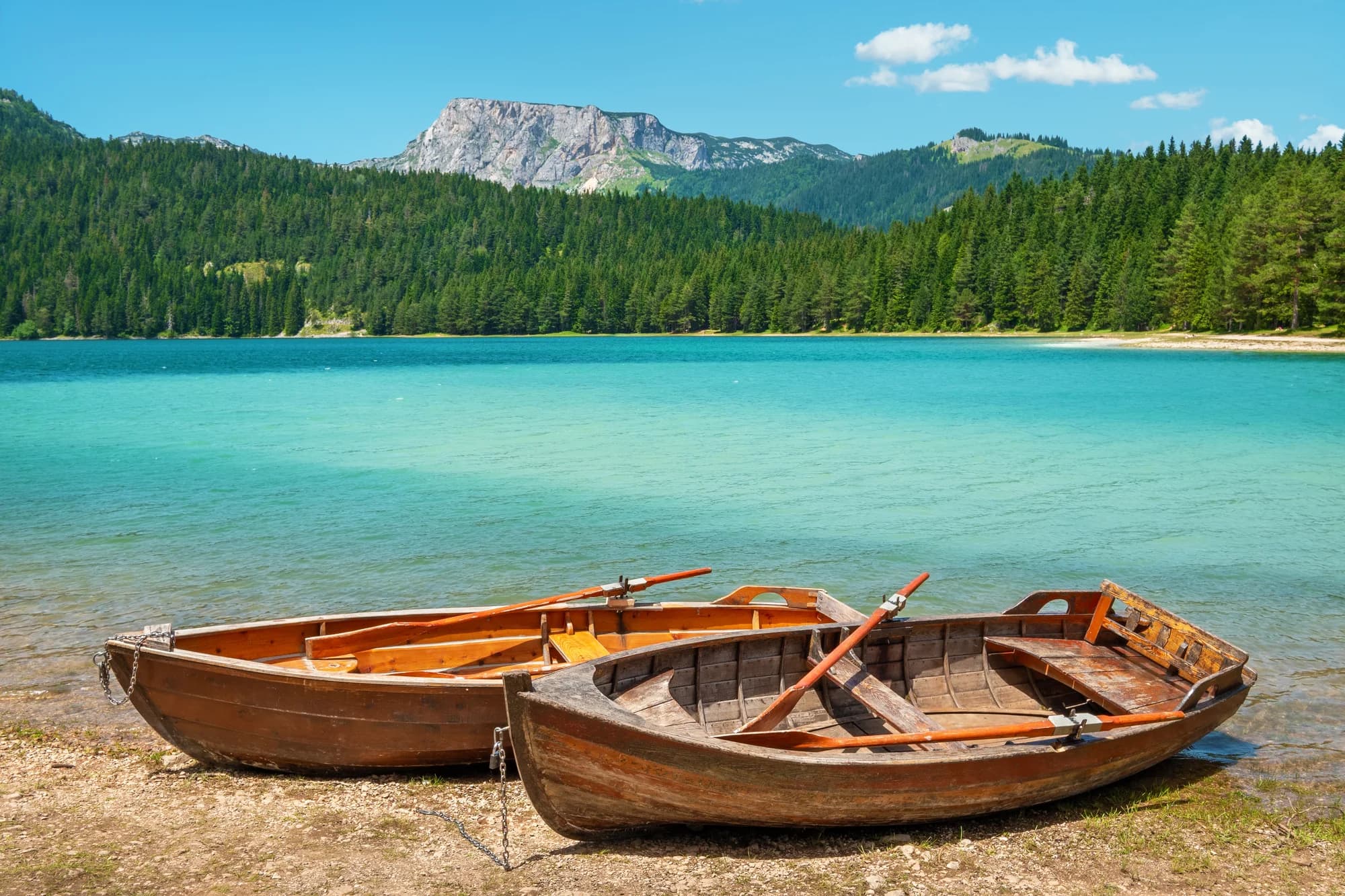
Montenegro is one of the easiest places in the Balkans to travel alone — small enough to cross in a day, dramatic enough to fill a week, and genuinely safe. If you are weighing a solo trip in 2026, whether you are a first-time backpacker or a solo female traveller after mountains and coastline, the short answer is reassuring: go. This guide covers the honest safety picture, what it costs, how to get around without a travel partner, where to base yourself, how to meet people, and a suggested 5–7 day route from Kotor to Durmitor.
Is Montenegro safe for solo travellers?
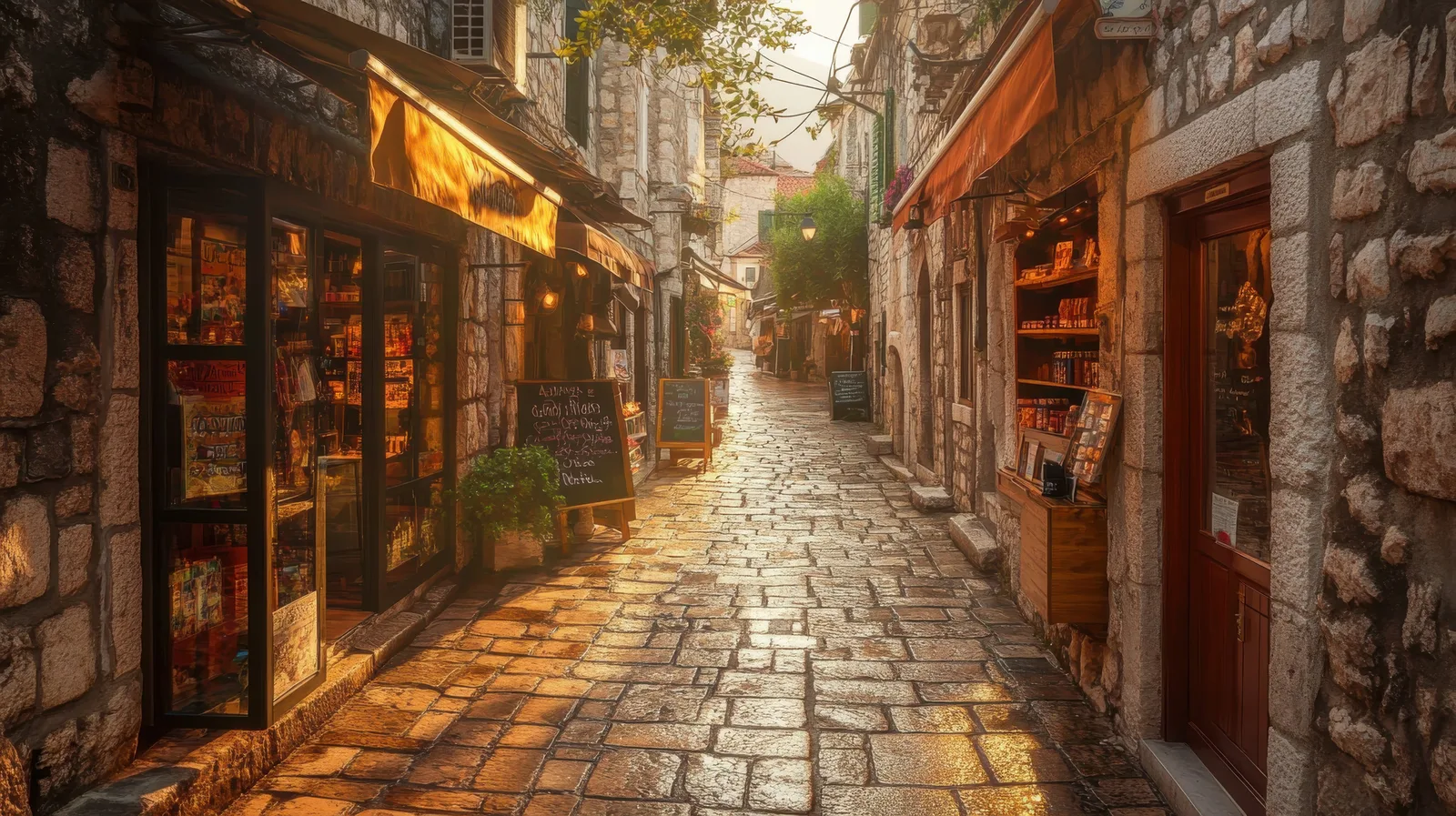
Yes. The U.S. State Department rates Montenegro Level 1 — Exercise Normal Precautions, its lowest advisory tier and the same level applied to most of Western Europe. On the data side, Numbeo puts Montenegro's crime index at around 34, firmly in the "low" band, and the figure has been falling for several years running.
Violent crime against tourists is rare. What you should actually watch for is ordinary petty theft — pickpocketing on a crowded Budva promenade in July, or an unlocked car losing valuables at a trailhead. None of that is unique to Montenegro, and basic precautions handle almost all of it.
Solo female travellers
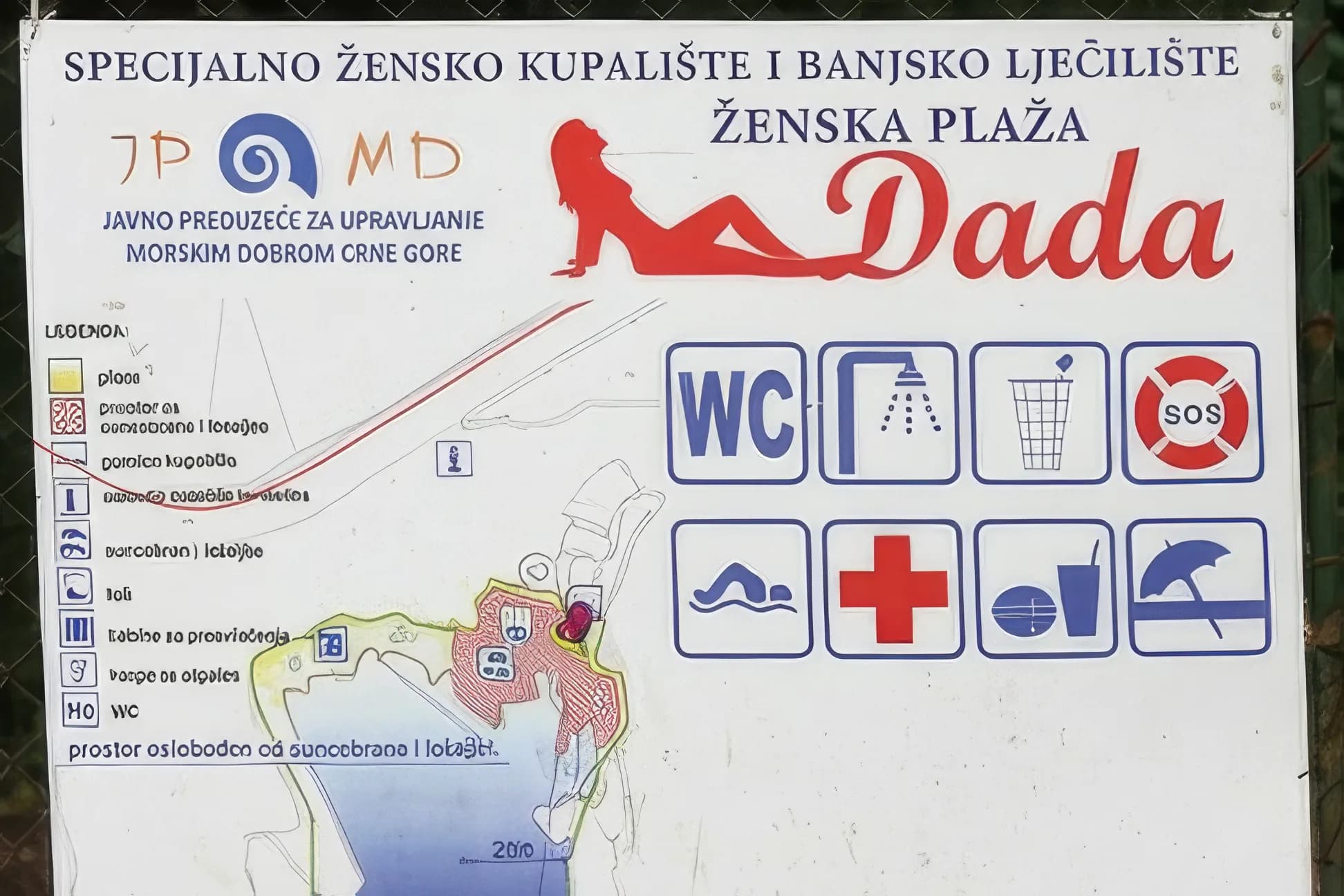
Montenegro is widely reported as comfortable for women travelling alone. Walking around Kotor's old town or Budva after dark feels relaxed, cafés are sociable rather than intimidating, and street harassment is mild by regional standards. The usual sensible habits apply — share your itinerary with someone at home, keep an eye on your drink, and trust your instincts if a situation feels off — but most solo women describe Montenegro as one of the more laid-back countries they have visited.
Getting around on your own: bus vs car
You do not need a car to enjoy the coast. Intercity buses are frequent, cheap and reliable along the Kotor–Budva–Bar corridor, and they connect inland to Podgorica, Nikšić and the north. For a solo traveller on a budget, buses are the obvious default: no parking stress in walled old towns, no solo driving fatigue, and you can nap or take in the scenery.
That said, a rental car transforms the mountains. Durmitor and the Tara Canyon are far easier with your own wheels, and the drive itself — the switchbacks above the Bay of Kotor, the Sedlo pass — is part of the experience. If you rent, be realistic about the roads: they are narrow, often without guardrails, and locals overtake confidently. Drive slowly, use pull-outs to let faster traffic pass, and avoid the tightest mountain sections after dark. A common solo strategy is to do the coast by bus and rent a car for just the two or three days you spend inland.
Where to base yourself
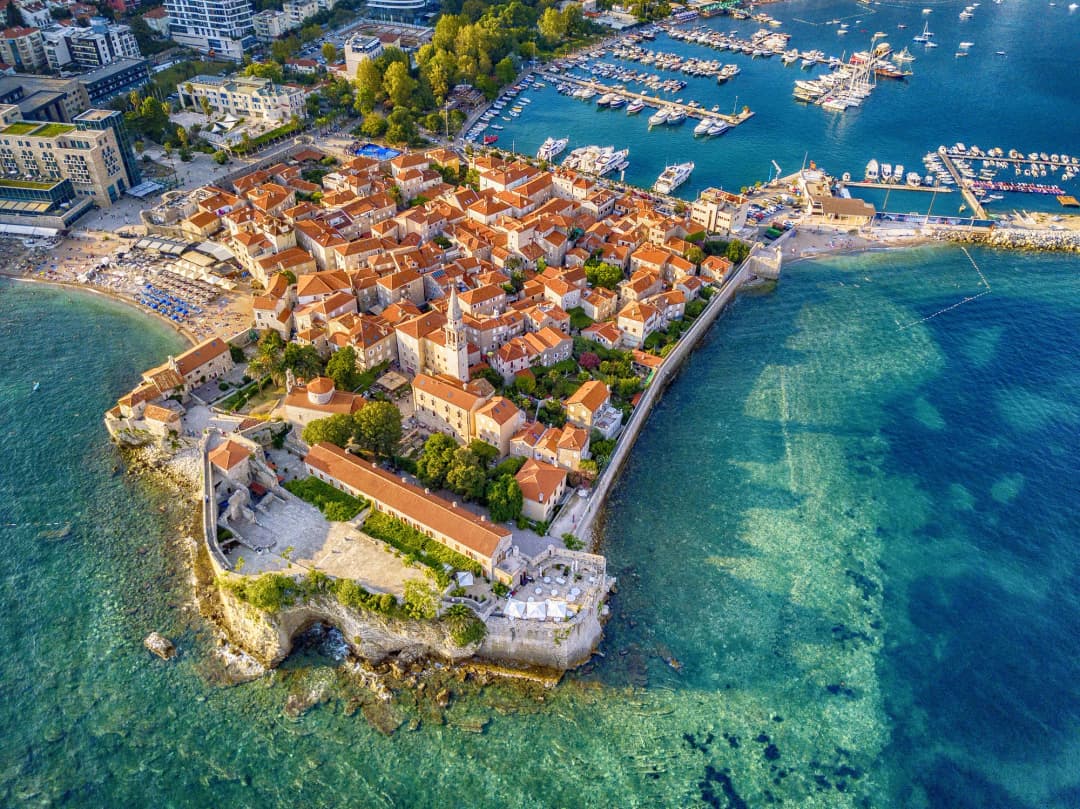
Kotor is the best single base for a first solo trip. Its medieval old town is compact and walkable, it has the widest choice of hostels and small guesthouses, and buses radiate out to Perast, Budva and beyond. Budva is the livelier, beachier option — better if you want nightlife and an easy social scene, though busier and pricier in peak summer. For the mountains, base in Žabljak, the gateway town for Durmitor National Park.
Meeting people
Solo does not have to mean lonely. Kotor and Budva both have sociable hostels where communal kitchens and rooftop terraces do the introductions for you. Day tours are the other easy route to company: Bay of Kotor boat trips, Durmitor and Tara rafting excursions, and Skadar Lake cruises all attract other solo and small-group travellers. Free walking tours in Kotor are a low-commitment way to meet people on your first day. Montenegrins themselves are warm and used to visitors, and café culture makes striking up a conversation natural.
What a solo trip costs
Montenegro is mid-range for Europe — cheaper than the Adriatic's Croatian and Italian coasts, a little dearer than it was a few years ago. As a rough daily budget for a solo traveller in 2026:
- Budget (hostel dorm, bus travel, bakery breakfasts, self-catering and cheap konoba meals): roughly €45–65 a day.
- Mid-range (private guesthouse room, mix of buses and a car day, restaurant dinners, a couple of paid tours): roughly €90–140 a day.
- One-off costs: intercity bus fares are typically a few euros each; a rental car runs about €35–60 a day plus fuel; Durmitor park entry and a Tara rafting trip are modest add-ons.
The single euro (Montenegro uses the euro despite not being in the EU) makes budgeting simple. Solo travellers pay the "single supplement" penalty mainly on accommodation — sharing a dorm or choosing guesthouses over resort hotels is the biggest saving. Card payment is widely accepted, but carry some cash for buses, small konobas and mountain villages.
A suggested 5–7 day solo route
Days 1–2 — Kotor. Settle into the old town, walk the city walls up to the fortress for the classic bay view, and take the short bus or boat to Perast and Our Lady of the Rocks. An easy, social start.
Day 3 — Budva. Hop the coastal bus (under an hour) for beaches, the old citadel, and a livelier evening. Day-trip the Sveti Stefan viewpoint if you have time.
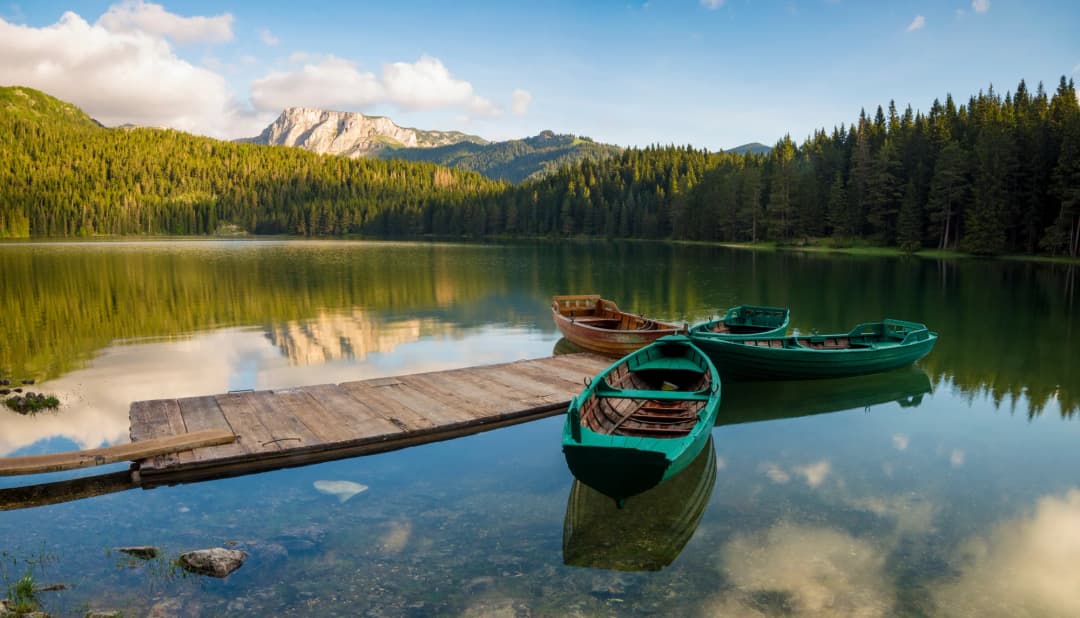
Days 4–5 — Durmitor and the north. Head inland to Žabljak — this is where a rental car earns its keep. Hike to the Black Lake, take in the Tara Canyon (Europe's deepest), and if you are up for it, join a rafting trip. Cooler, quieter and utterly different from the coast.
Days 6–7 — buffer and return. Add Skadar Lake or Lovćen on the way back, or simply loop to Kotor for a relaxed final day. With five days, compress the north to a single night; with seven, you get to breathe.
Planning tool: our trip planner can help you sequence these stops around your dates and transport choices.
Practical safety tips
- Mountain roads: drive defensively, use pull-outs, keep to daylight for the hardest passes, and do not rush blind switchbacks.
- Petty theft: use a hostel locker, keep your phone and wallet secured in crowds, and never leave valuables visible in a parked car.
- Hiking: tell someone your route in Durmitor, carry water and layers — mountain weather turns fast even in summer.
- Documents: keep a photo of your passport, note your accommodation address, and consider enrolling in your government's traveller programme.
- Sun and sea: Adriatic currents are usually gentle, but respect flags and swim near others.
New to the country? Pair this with our first-time visitor guide for the wider practical basics on money, language and getting in.
Ready to plan your own solo route? Browse our Kotor, Budva and Durmitor guides, then build your itinerary with the Montenegro trip planner. A week alone here is easier — and friendlier — than you expect.