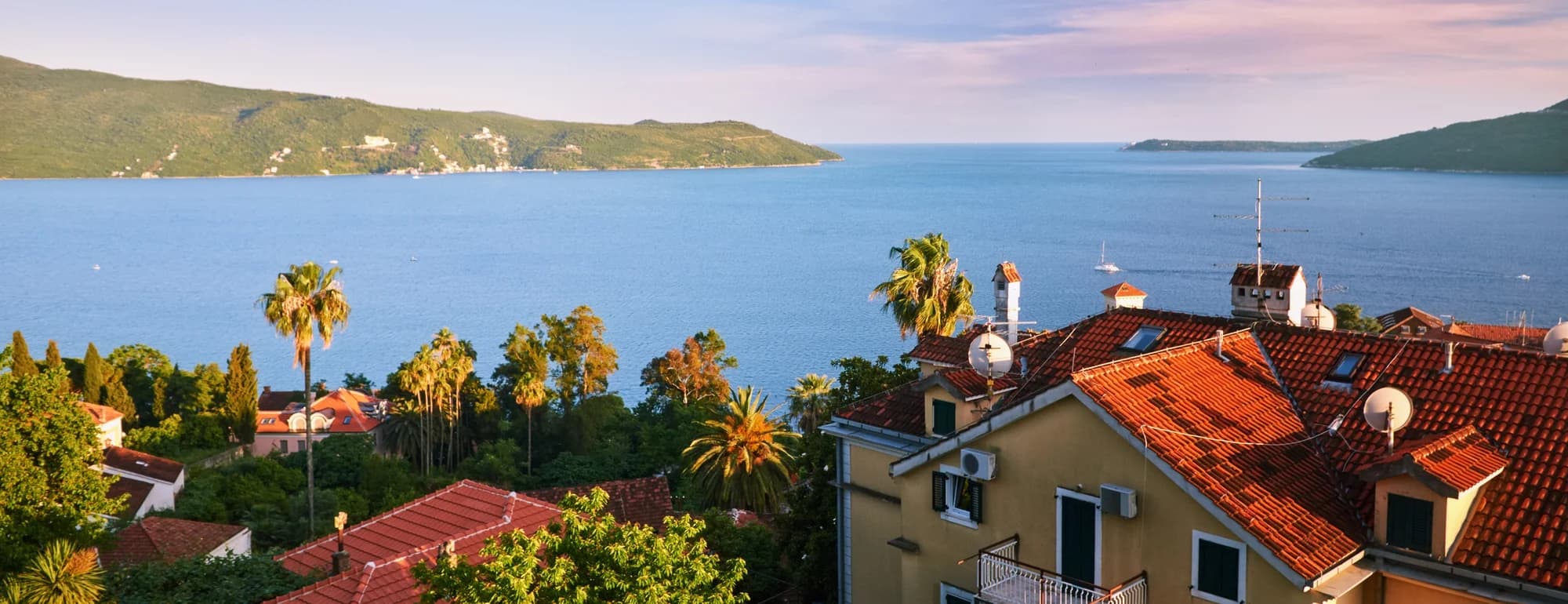
Montenegro packs an improbable range of climates into a country smaller than Connecticut: you can swim off a pebble beach at breakfast and be shivering on a 2,000-metre ridge by lunch. That variety is exactly why a good packing list matters here more than in most Mediterranean destinations. Below are season-by-season checklists — summer, shoulder season, and winter — plus the handful of items that are genuinely worth suitcase space, and a few that aren't. If you're still deciding when to come, cross-check with our Montenegro weather by month guide before you start folding.
Before anything else: the universal essentials
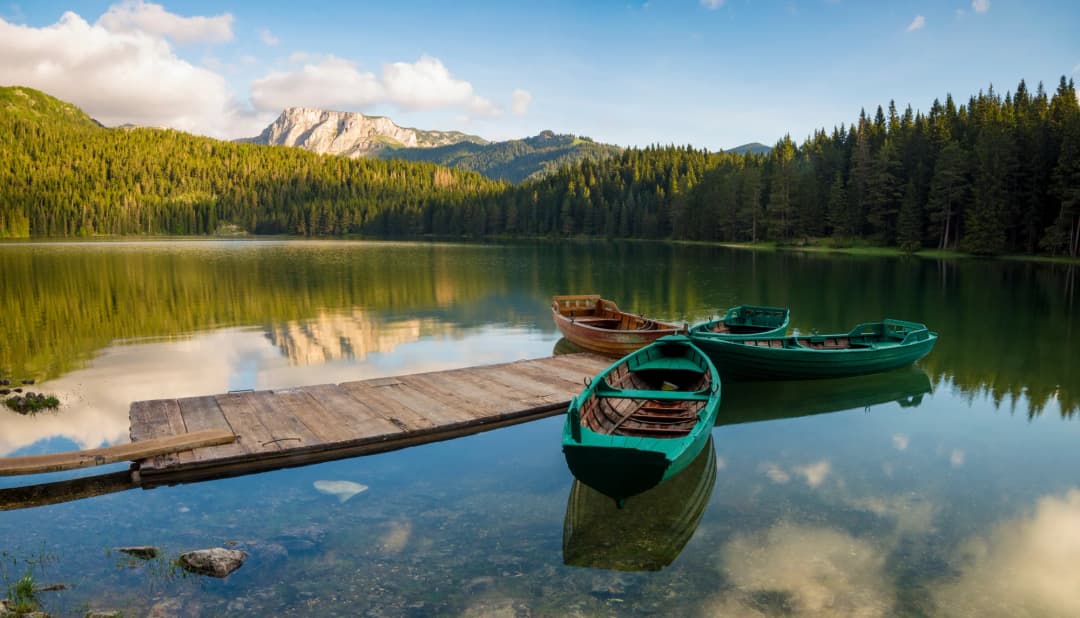
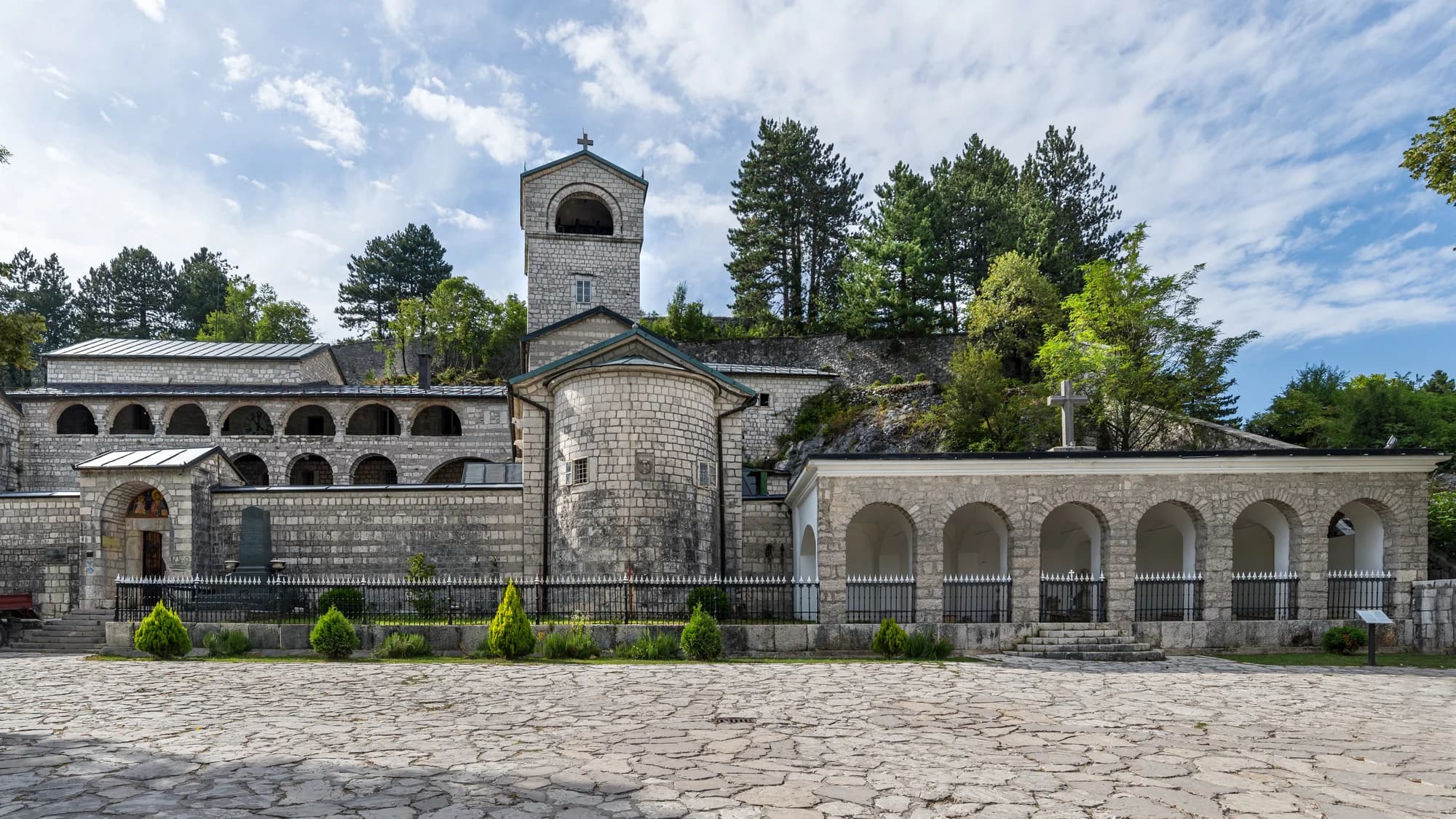
A few things belong in every bag no matter the season. Montenegro runs on 230V, 50Hz with Type C and Type F sockets — the standard round-pin European plug — so travellers from the UK, US or anywhere outside continental Europe need a Type C/F adapter. Bring cash: the currency is the euro, and while cards work in Budva and Kotor, mountain villages, small konobas, bus fares and monastery donations often expect coins and small notes. And pack modest layers for religious sites — Montenegro's Orthodox monasteries, especially Kotor's old-town churches and the cliff shrine of Ostrog, enforce a real dress code.
- Type C/F plug adapter (plus a small power bank)
- Euros in cash, including small denominations
- Passport and a photo/scan stored separately
- Reef-safe sunscreen SPF 30+ — the Adriatic sun is strong even in spring
- Reusable water bottle — tap water is safe across most of the country
- A modest cover-up: something that hides shoulders and knees on demand
Summer (June–September): coast plus a mountain day
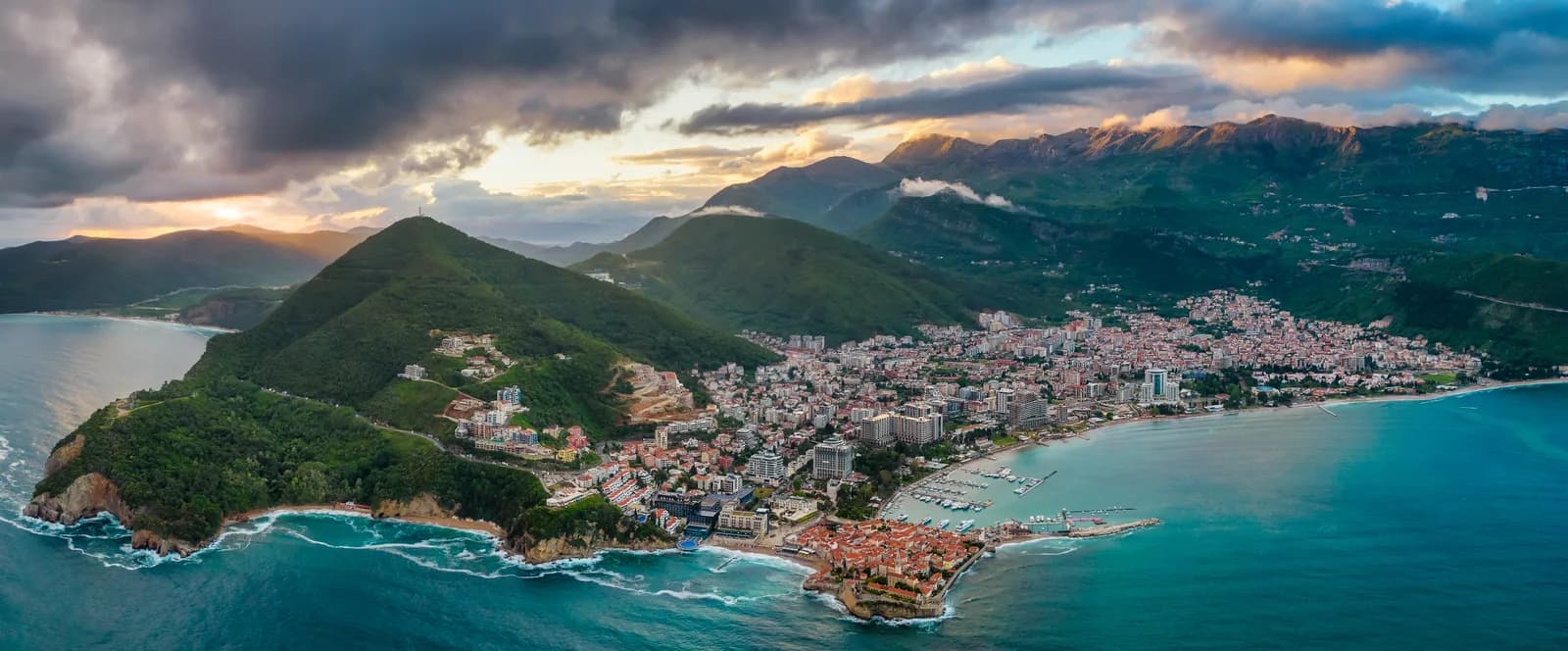
This is peak season — hot, dry and busy, with coastal highs regularly above 30°C. The trap is packing only for the beach. Roughly 80% of Montenegro's coastline is pebble or stone, and the Adriatic hides sea urchins, so water shoes are close to mandatory — you can buy a pair at any seaside stall for €10–€15, but bringing your own saves the hunt. Equally important: if you plan even one day trip into Durmitor or the Lovćen ridge, throw in a fleece and long trousers. Summer afternoons in the high country turn cold and stormy fast, and a T-shirt won't cut it at altitude.
- Water shoes for pebble beaches and rocky entries
- Swimwear (two sets — one is always drying)
- Sun hat and polarised sunglasses
- Light, breathable clothing plus one smart outfit for Budva's nightlife
- One warm layer — fleece or light down — for a mountain day
- Sturdy trainers or trail shoes for canyons and viewpoints
- Insect repellent for evenings inland and near lakes
- A quick-dry towel — many pebble beaches don't rent them cheaply
Shoulder season (April–May, October): the versatile pack
Spring and autumn are arguably the best times to visit — mild, green, uncrowded — but also the most variable, which makes layering the whole strategy. Expect warm afternoons and cool mornings, with a real chance of rain, especially in October when the Bay of Kotor becomes one of the wettest corners of Europe. The coast may still be swimmable in early October and definitely by late April, so don't leave swimwear behind, but the day's range from 10°C to 24°C means you'll be adding and shedding layers constantly. This is prime hiking and sightseeing weather, so prioritise footwear that handles both cobbled old towns and muddy trails.
- Layers: base tee, long-sleeve, fleece, packable waterproof shell
- Light rain jacket and a compact umbrella
- Waterproof walking shoes or light hiking boots
- Long trousers and a couple of warmer tops for evenings
- Swimwear — still usable at the season's edges
- Sunscreen and sunglasses — the shoulder-season sun still bites
- A scarf that doubles as a monastery shoulder-cover
Winter (November–March): ski country and rainy coast
Montenegro has two very different winters. The coast stays mild but wet — think 8–15°C and grey Adriatic drizzle — while the north, around Kolašin, Žabljak and the Durmitor massif, becomes genuine ski country with heavy snow and sub-zero temperatures. Pack for wherever you're actually going. If you're staying seaside, you mainly need waterproofs and a warm mid-layer. If you're heading up to ski or to see snow-blanketed Durmitor, pack as you would for any Alpine trip: insulated, waterproof, and warm at the extremities. Rental gear is available at the resorts, so you needn't haul skis, but personal warm kit is worth bringing.
- Insulated waterproof coat and warm mid-layers
- Thermal base layers for the mountains
- Hat, gloves and a warm scarf
- Waterproof boots with grip — icy cobbles are treacherous
- Warm socks (merino beats cotton)
- Lip balm and moisturiser for dry, cold air
- Swimwear only if your hotel or a spa has a heated pool
Dressing for Ostrog and the monasteries
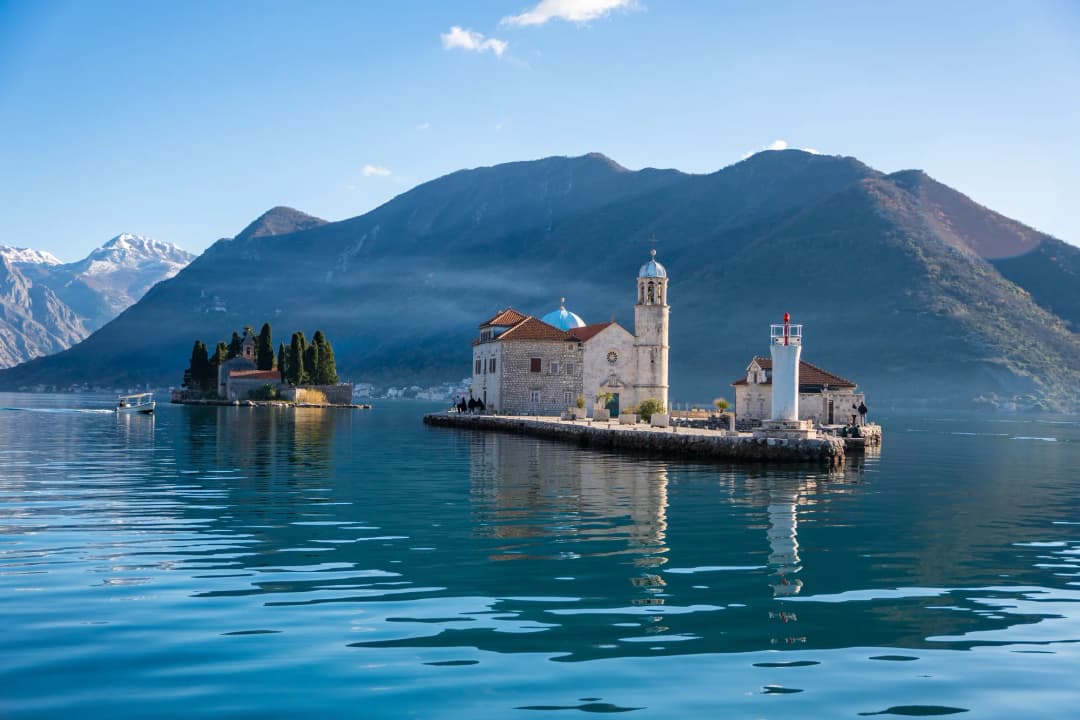
One item deserves its own note because visitors are turned away over it daily. At Ostrog and other active monasteries, shoulders and knees must be covered for both men and women — no shorts, no beachwear, no bare arms. Long trousers or a below-the-knee skirt work; a large scarf or sarong tucked in your day bag is the simplest fix and doubles as sun cover on the coast. Wear proper shoes too, as the stone paths are steep and polished slippery.
What NOT to bother packing
Save the space. A voltage converter is pointless for modern phones, laptops and cameras — they all handle 230V, so a simple plug adapter is all you need. Hairdryers and travel kettles are in nearly every hotel. You don't need a heavy first-aid kit; pharmacies are well stocked and easy to find. Skip lots of formal wear — even upscale Budva restaurants are smart-casual at most. And don't overpack books or bulky guidebooks when a phone does the job. Finally, don't stress over water shoes if you're arriving in summer — as noted, they're cheap and sold everywhere, so a forgotten pair is a five-minute problem, not a holiday-ruiner.
The through-line for every season is the same: Montenegro rewards travellers who can pivot from beach to mountain to monastery in a single day. Pack layers, pack a plug adapter, pack euros, and pack something that covers your shoulders — and you're set. Ready to build the trip around your kit? Map your route with our trip planner and browse where to base yourself in Budva, Kotor or the mountains.