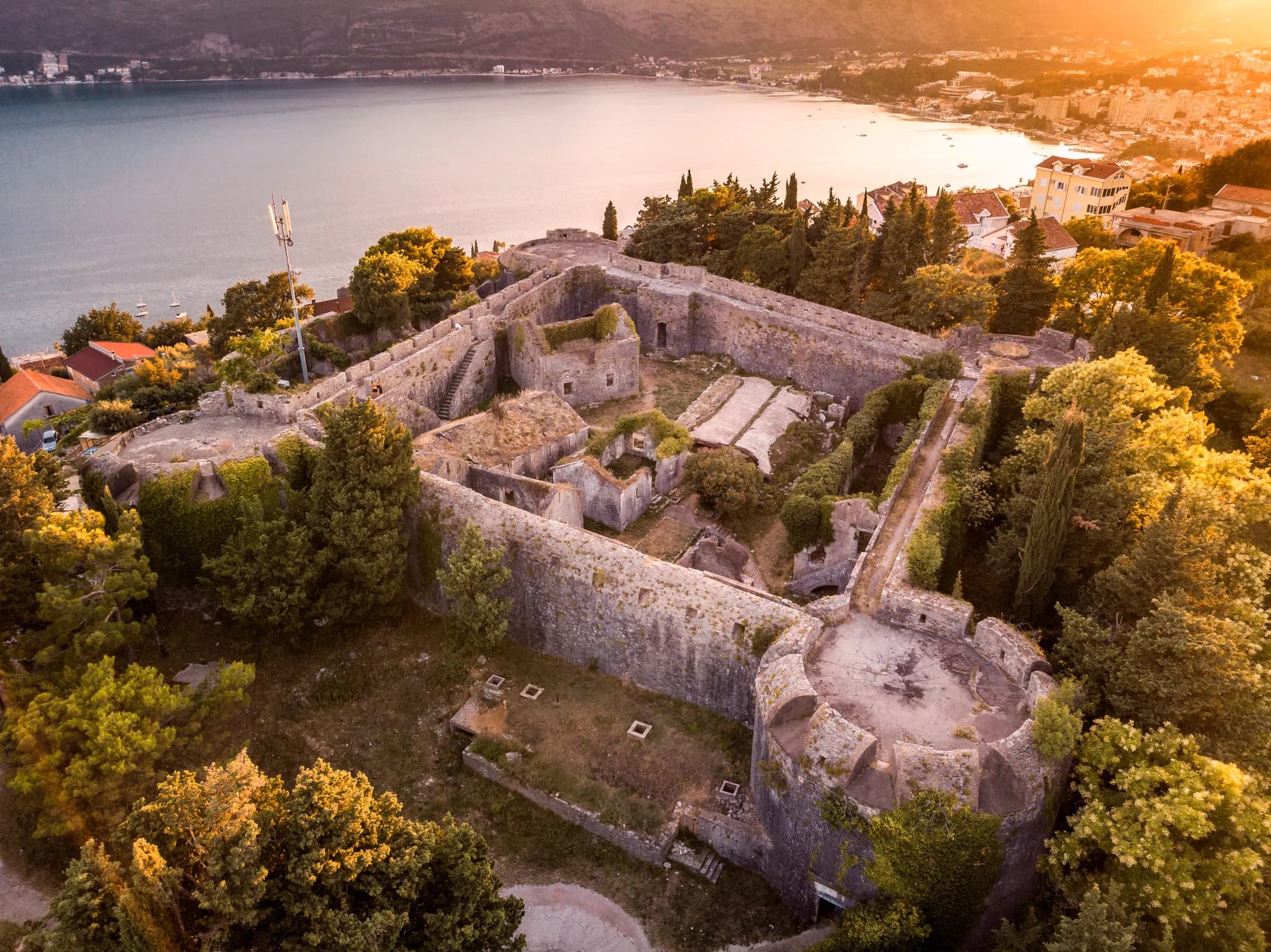
You’ve done everything right. The apartment in Kotor is confirmed on Booking.com, the flight lands in Dubrovnik at six, and Uber says a car to Montenegro is forty minutes away. Everything is planned, paid for on a card, and sitting neatly in three apps on your phone.
Here is the thing no guidebook will tell you: for the next two weeks, at least one of those apps is going to be wrong. Not because Montenegro is disorganised — because Montenegro in July and August runs on a different operating system than the one your phone assumes. It runs on phone calls, cash, small family businesses, and a short list of formalities that everyone here knows and almost nobody abroad has heard of.
My first job, in 1988, was carrying luggage at Dubrovnik Airport — the same terminal where this story begins. I went on to found this site in 1996 as the first Montenegrin internet portal, and in the decades between the two I’ve watched visitors learn the same five lessons the hard way — usually standing at a border crossing or outside a locked apartment door at nine in the evening. Here they are, along with the thirty-second fix for each.
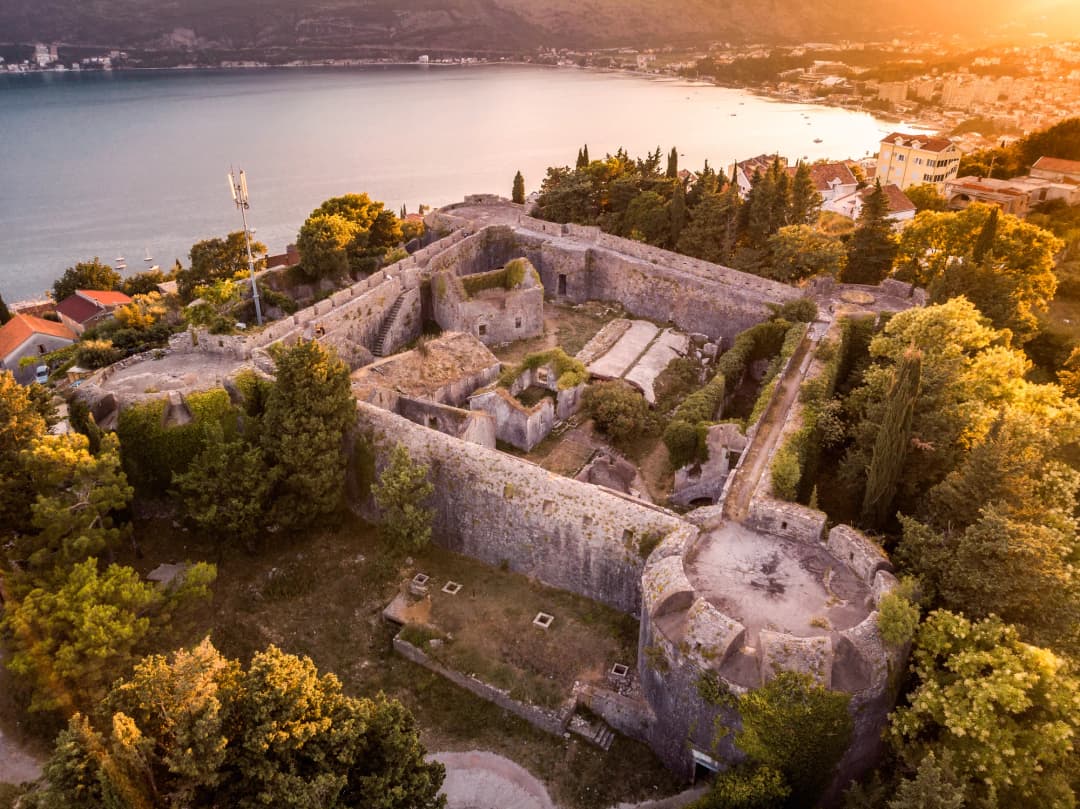
1. Your confirmed booking is not as confirmed as you think
This is the one that hurts, so it goes first.
In high season, a Booking.com reservation that hasn’t been paid for can be given to someone else. This is the key distinction: many listings on this coast offer “pay at the property” — no card charged, your money still in your account — and that convenience is exactly the loophole. The booking exists on the platform, but from the host’s side of the counter, nothing has actually changed hands. Add the other two ingredients — you haven’t confirmed your arrival time, and you’re running late, sometimes just a few hours late — and you arrive at 21:00 with your luggage to find that the room that was yours at breakfast belongs to a family from Warsaw who walked in at 17:00 with cash.
Before you conclude that Montenegrin hosts are dishonest, understand the arithmetic from their side of the door. Most accommodation on this coast is not a hotel with a front desk and a night auditor. It’s an apartment or two owned by a family, and August is the month that pays for the other eleven. Walk-in demand in Budva or Kotor in peak season is enormous — people knock on doors with money in hand. Every host has been burned by no-shows: a booking made in February, silence in August, an empty room on the one night of the year it could never stay empty. An unpaid reservation from someone who hasn’t called and hasn’t arrived doesn’t look like a guest. It looks like a no-show in progress, and the host acts accordingly.
None of this makes it pleasant to be the person standing outside at nine in the evening. So don’t be. The fix takes less time than reading this section:
- Pay in advance whenever the listing offers it. This is the single move that changes everything. A paid booking is a different category in the host’s mind: you’re no longer a probability, you’re a guest, and your room stops being available inventory. “Pay at the property” reads as flexibility on your screen and as uncertainty on theirs.
- Message the host your arrival time the day before. Two sentences is enough.
- Call if you’re running late — more than a couple of hours past the check-in time you gave. Save the property’s phone number somewhere that works offline.
One more local detail: hosts here answer WhatsApp and Viber far faster than they answer Booking.com’s internal messages. If the listing shows a phone number, use it. A booking platform is where the relationship starts in Montenegro; a phone call is where it becomes real.
Can a host in Montenegro cancel my Booking.com reservation?
A prepaid booking is safe. A “pay at the property” booking can be re-let in peak season if you don’t arrive on time — prepay and confirm your arrival to make it ironclad.
2. Your rental car may not be waiting at Dubrovnik Airport
The second surprise happens twenty metres from the baggage carousel, at a rental counter, and it starts with a sentence you booked five months ago: “I have a reservation.”
In high season, a car rental reservation — especially one made through an aggregator site — can simply fail to materialise. The voucher is in your inbox, the broker’s system says confirmed, and the desk’s system says nothing, or says the fleet is out. Rental companies overbook against no-shows the way airlines do, and in August the margin for error is zero: when the glitch lands on you at 19:00, there is no fallback, because every other desk in the terminal sold its last car at noon. You are now negotiating a very expensive taxi with a week of driving plans in your pocket.
Why it happens is the usual peak-season story with an extra layer: bookings made through comparison sites pass through a broker before they reach the actual rental company, and in the August flood, things fall between the layers — a modified booking that never synced, a “free cancellation” someone else’s system processed as yours, a small local agency whose off-airport lot and shuttle phone stop answering when things get busy. The reservation didn’t exactly get cancelled. It just never fully existed at the only counter that matters.
The fix: double-check before you fly — with the rental company, not the broker. Forty-eight hours before arrival, email or call the actual operating company named on the voucher and confirm three things:
- The car exists — reservation number, pickup time, car class.
- Where the pickup actually is — a desk in the terminal, or an off-airport lot with a shuttle you’ll need to phone.
- Cross-border permission for Montenegro, in writing. This is the part that catches even people whose car does show up: taking a Croatian rental across the border requires the company’s written authorisation and a cross-border fee, and some companies refuse Montenegro altogether. Discovering that at the counter — or worse, at the border itself — ends the road trip on the spot. Get the permission and the fee confirmed in the reservation notes before you travel. We cover the paperwork in detail in our guide to making the Dubrovnik–Kotor trip.
And a question worth asking before you book at all: if your trip is mostly Montenegro, consider renting on this side instead. Tivat and Podgorica airports both have full rental line-ups, you skip the cross-border fee entirely, and you cross the border as a foot passenger or in a transfer rather than sitting in the August queue in a car you’re paying for by the day. Our guide to getting around Montenegro compares hire cars, buses and ferries once you’re here.
Can I take a rental car from Dubrovnik into Montenegro?
Usually yes, with the rental company’s written cross-border authorisation and a fee — confirm both, and the car itself, directly with the company 48 hours before arrival.
3. Uber will take the booking — and leave you at the border
If you’re arriving through Dubrovnik, as a large share of our summer visitors do, here is the trap: Uber works in Dubrovnik, the app will cheerfully accept a ride to Kotor or Herceg Novi, and the driver will not cross the border. Croatian ride-share drivers stop at the crossing. You will be dropped there with your bags, on foot, watching the app recalculate.
The app is not lying to you, exactly. It just doesn’t know what every driver on this coast knows: cross-border rides are a licensing and insurance problem, and no driver will risk his car for your fare. So plan the crossing the way locals plan it, in one of two ways.
Option one: a pre-booked cross-border transfer. Plenty of licensed operators run Dubrovnik Airport to Herceg Novi, Kotor or Budva. Expect it to cost meaningfully more than a domestic taxi — you’re paying for the licence that lets the car actually cross — and book it before you fly, not from the arrivals hall. In August, the good operators are full.
Option two: split the trip at the border. Take Uber or a taxi from Dubrovnik to the crossing, walk across, and pick up a Montenegrin taxi on the other side. Two things to know: agree the price before you get in, and expect to pay cash. This option is cheaper and more flexible, but it depends on the queue — which brings us to the part of this section that matters more than Uber.
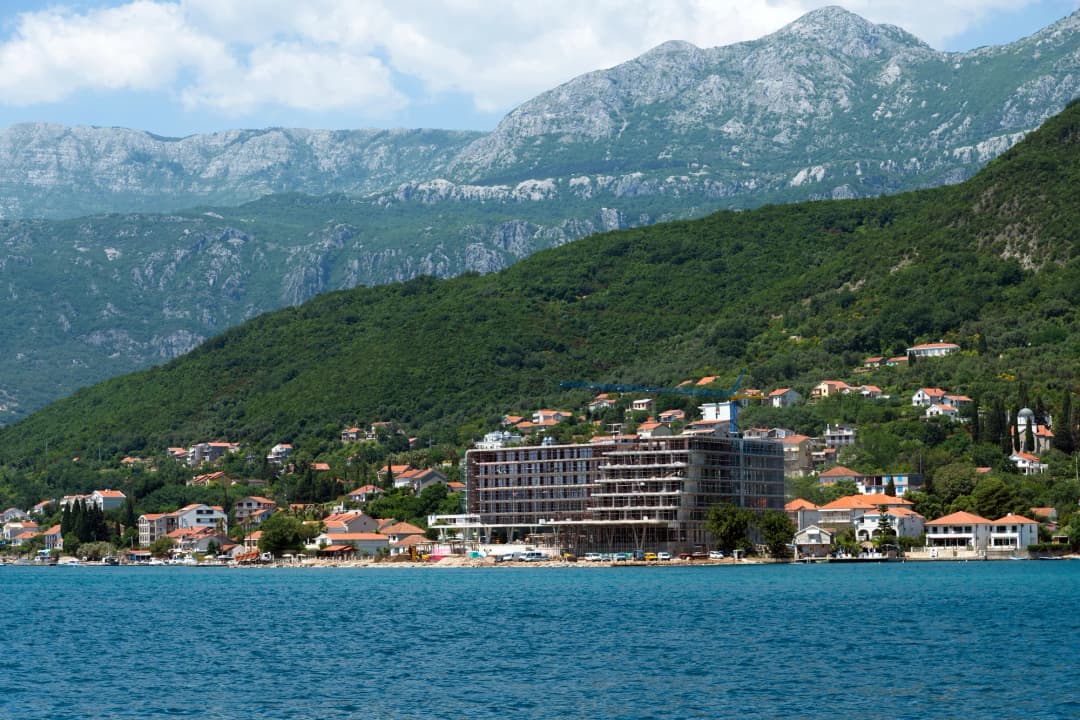
The border queue is the real high-season variable
The main coastal crossing is Karasovići on the Croatian side and Debeli Brijeg on the Montenegrin side, on the E65. In late July and August, waits there can stretch to hours, and there is a rhythm to it that locals follow without thinking. Cross early in the morning or late in the evening. Avoid Saturdays — changeover day for half the apartments on two coastlines — and avoid mid-afternoon generally, when the day’s departing and arriving waves collide. If the main crossing is jammed, the smaller Konfin crossing, inland of Igalo in the Sutorina valley, is the alternative every local checks first; it won’t always save you, but in August it often does.
One change makes 2026 different from the summers before it. The EU’s Entry/Exit System (EES) became fully operational across Schengen external borders on 10 April 2026, replacing the passport stamp with a biometric record for most non-EU nationals. Montenegro is not in the EES — but the Croatia–Montenegro border is a Schengen external border, which means a large share of visitors now pass through the system twice on a return trip. First-time registration takes longer than a stamp ever did, and in August that time is multiplied by the car in front of you. Build in more margin than last year’s advice would suggest, and read our full breakdown of Montenegro’s entry requirements before you travel — it also covers the visa-regime change arriving on 1 November 2026, which affects several nationalities.
Does Uber work from Dubrovnik to Montenegro?
No. Uber operates in Dubrovnik, but drivers will not cross the border. Pre-book a licensed cross-border transfer, or switch to a Montenegrin taxi at the crossing.
4. The prijava: the registration nobody abroad has heard of
Here is a word that appears in no phrasebook and will mark you as a prepared traveller: prijava.
Every visitor to Montenegro must be registered with the local authorities within 24 hours of arrival. Locals call the registration the prijava, and the proof it produces the “white card” — bijeli karton. It comes with a small nightly tourist tax, roughly a euro per adult per night depending on the municipality. If you’re staying in a hotel, this happens invisibly at check-in and you will never think about it. If you’re staying in a private apartment — which on this coast most people are — your host is supposed to do it, and usually does.
Usually. In the August rush, it sometimes doesn’t happen, and the consequence lands on you, not the host: questions at the border on your way out, possibly a fine, and an amount of awkwardness completely out of proportion to what is genuinely a two-minute formality.
The fix is a single question at check-in: “Will you register us?” Any host will know exactly what you mean, and asking signals that you know how things work here — which, incidentally, tends to improve every other part of your stay. If the host doesn’t handle it, registration can be done at the local tourist organisation office, and your host can point you to it. Properties booked through montenegro.com handle the registration and the tax as part of the booking, so there is nothing to ask.
To be clear: this is not something to worry about. It’s a formality with roots in old Yugoslav administrative habits, it funds the local tourist infrastructure you’re using, and most visitors never notice it exists. You’ll simply be among those who knew. The full rules, the current rates by municipality and what happens if nobody registers you are in our guide to the tourist tax and white card.
Do tourists have to register in Montenegro?
Yes — within 24 hours of arrival. Hotels do it automatically and private hosts normally handle it; just confirm at check-in.
5. A euro country where cash still rules
Montenegro uses the euro, which lulls visitors — especially Northern Europeans who haven’t touched a banknote since 2019 — into assuming their card will work the way it does in Amsterdam. At the hotel and the supermarket, it will. Almost everywhere else that makes a Montenegrin summer worth having, it won’t.
Taxis: cash. Konobas — the family taverns where the fish came off a boat you can see from your table: often cash, sometimes card-if-the-terminal-works. Beach bars and sunbed rentals: cash. Green-market stalls, roadside fruit stands, the woman selling priganice at the viewpoint: cash, obviously. Parking machines and attendants: cash. This is not a scheme to avoid anyone’s tax authority so much as the habit of an economy built on small family businesses with thin margins, where a card terminal is a monthly fee and a percentage that the konoba would rather put on your plate.
So carry cash, and carry it intelligently. Withdraw larger amounts less often, because ATM fees for foreign cards add up fast. Always decline “conversion”: when a machine offers to charge you in your home currency instead of euros, refuse — that offer, dynamic currency conversion, is the most reliable way to lose several percent for nothing. And break your big notes early, because a €50 note at a market stall at eight in the morning is a small social crisis; supermarkets are where fifties go to become tens.
A reasonable rule for a family in high season: keep a couple of hundred euros in small notes on hand, replenish from ATMs attached to actual banks, and treat the card as something for hotels, fuel and supermarkets. Our guide to money, ATMs and cards in Montenegro has the current fee landscape and the tipping conventions.
Can I pay by card in Montenegro?
In hotels, supermarkets and larger restaurants, yes — but carry cash for taxis, konobas, beaches, markets and parking.
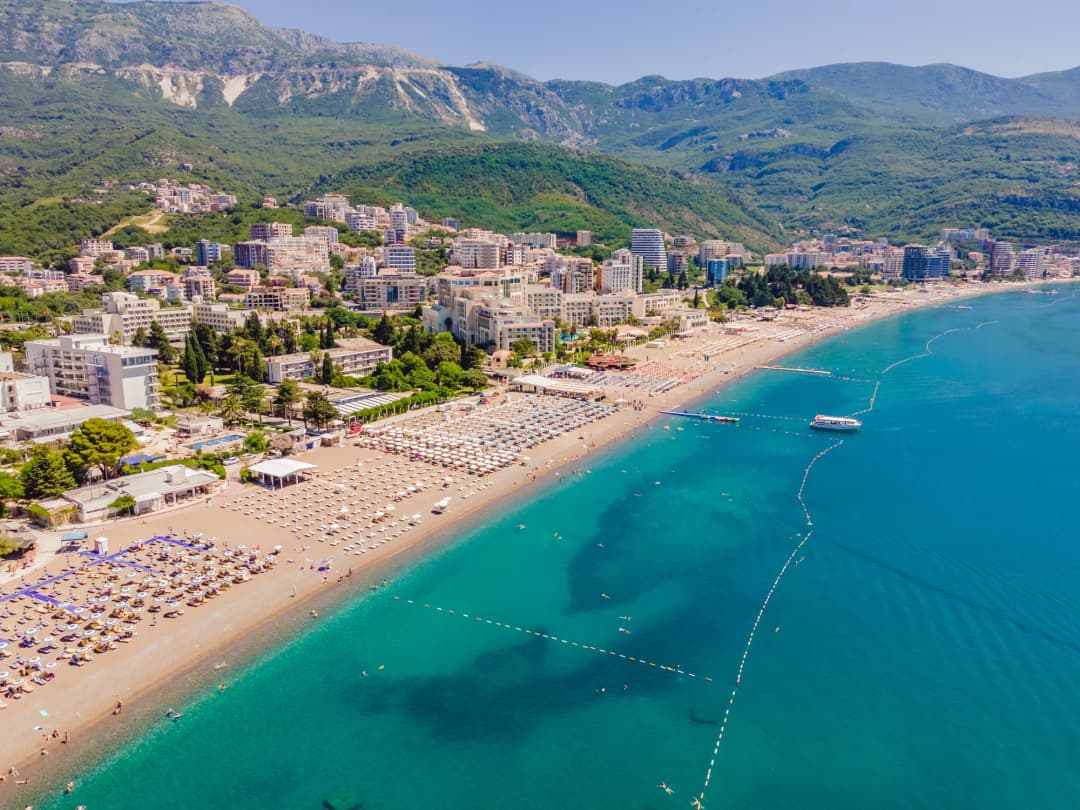
The same arrival, replayed
Now run the opening scene again. You land in Dubrovnik at six — and the rental desk hands over the keys without a pause, because you emailed the company on Tuesday and the cross-border authorisation for Montenegro is printed in the reservation notes. Or you skipped the counter entirely: the transfer was booked two weeks ago, so there’s no app recalculating at the border, and you cross at Konfin because your driver glanced at the queue and didn’t slow down. The host got your message yesterday and is waiting with the keys, because the room was paid for in March and you were never a no-show in progress. At check-in you ask one question — “Will you register us?” — and watch the host’s face register that you’re not the usual August tourist. In your pocket: two hundred euros in tens and twenties.
Nothing on this list is a flaw in Montenegro. It’s what a country looks like when it still runs on relationships, phone calls and cash — which, if you stay long enough, you’ll recognise as exactly the reason you came. The apps will catch up eventually. Come before they do.
Planning your trip? Start with our complete guide to Montenegro’s entry requirements and getting here from Dubrovnik, compare Tivat and Podgorica airports if you’d rather fly straight in, and shape the days themselves with our seven-day itinerary or the three-day short break. For the coast itself, read up on Kotor, Budva and Herceg Novi, or head straight for the best beaches in Montenegro.