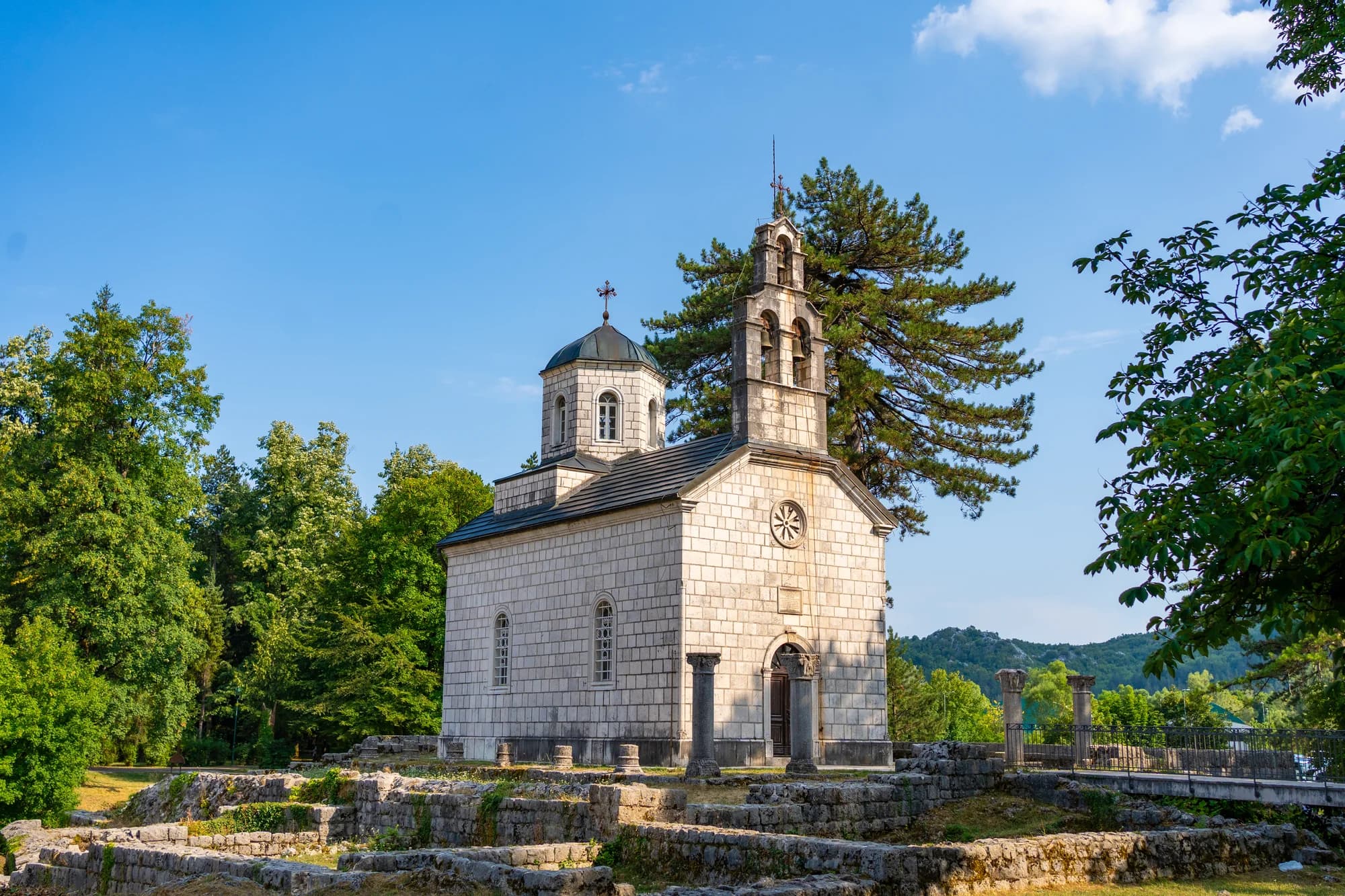
Montenegro is refreshingly simple when it comes to money: the country uses the euro, so most Western European visitors never need to change a cent. The twist is that Montenegro is neither in the EU nor the eurozone — it adopted the euro unilaterally in 2002, without a formal monetary agreement with Brussels. That quirk doesn't change anything at the till, but it does explain a few things about ATMs, fees and the occasional cash-only guesthouse. Here's everything you actually need to know for a 2026 trip.
The currency: euros, but on Montenegro's own terms
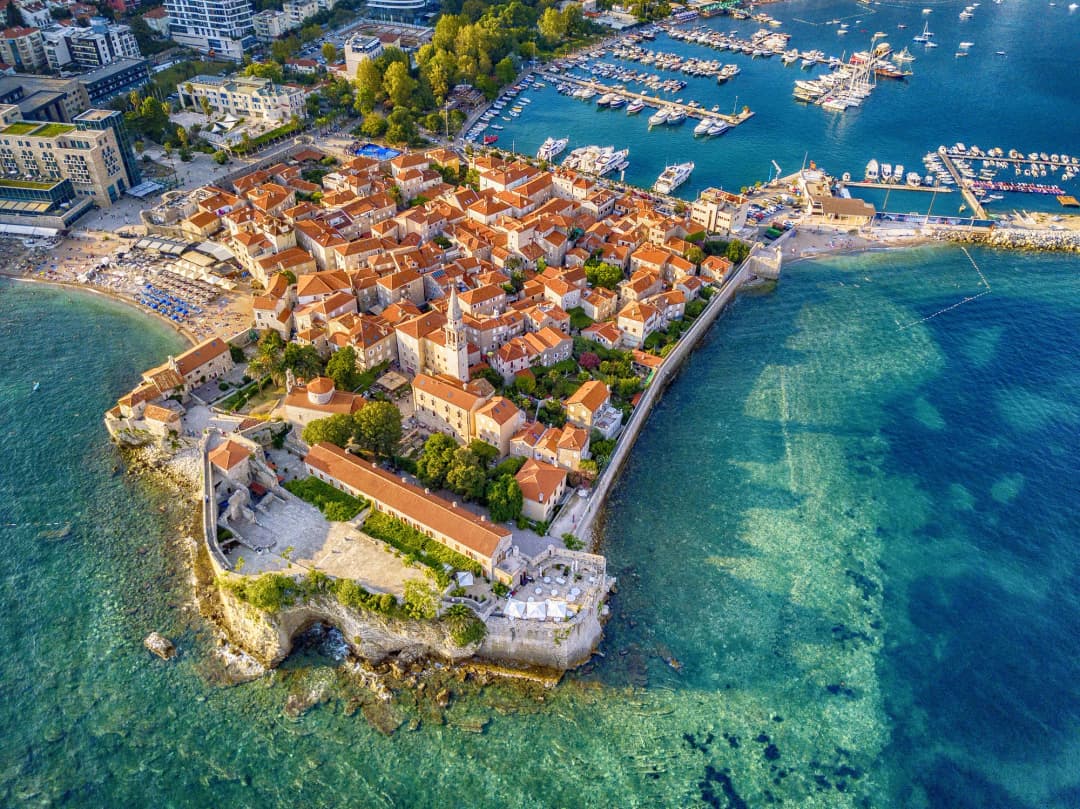
After the collapse of the Yugoslav dinar, Montenegro pegged itself to the Deutsche Mark and then, from March 2002, made the euro its sole legal tender — years before it even became a candidate for EU membership. Along with Kosovo, it's one of only two territories that "euroised" this way — a move the European Central Bank has always insisted "is not compatible with the Treaty," though Brussels treats Montenegro as a special case because its switch predates the EU's rules against it. In practice this means euro banknotes and coins circulate exactly as they do in Germany or France, and prices are quoted in €. If you're curious about the politics of a non-member using the bloc's money, we dug into it in our piece on Montenegro's long road toward the EU.
EU accession, which Podgorica targets for 2028, will make the arrangement stranger before it makes it simpler: Montenegro would arrive as the first member state already using the euro without ever having joined the eurozone. Bloomberg has described the country's pitch as joining the bloc and formalizing the euro in one stroke — and negotiators must decide how to write a currency regime with no precedent into an accession treaty. Whatever the lawyers settle, nothing changes at the till: the euros in your pocket stay euros.
One practical consequence: Montenegro's central bank cannot print the currency its economy runs on, so there is no lender of last resort standing behind local banks — they hold conservative buffers, and fees run higher than you'd expect inside the eurozone. Budget accordingly.
Cards on the coast, cash in the mountains
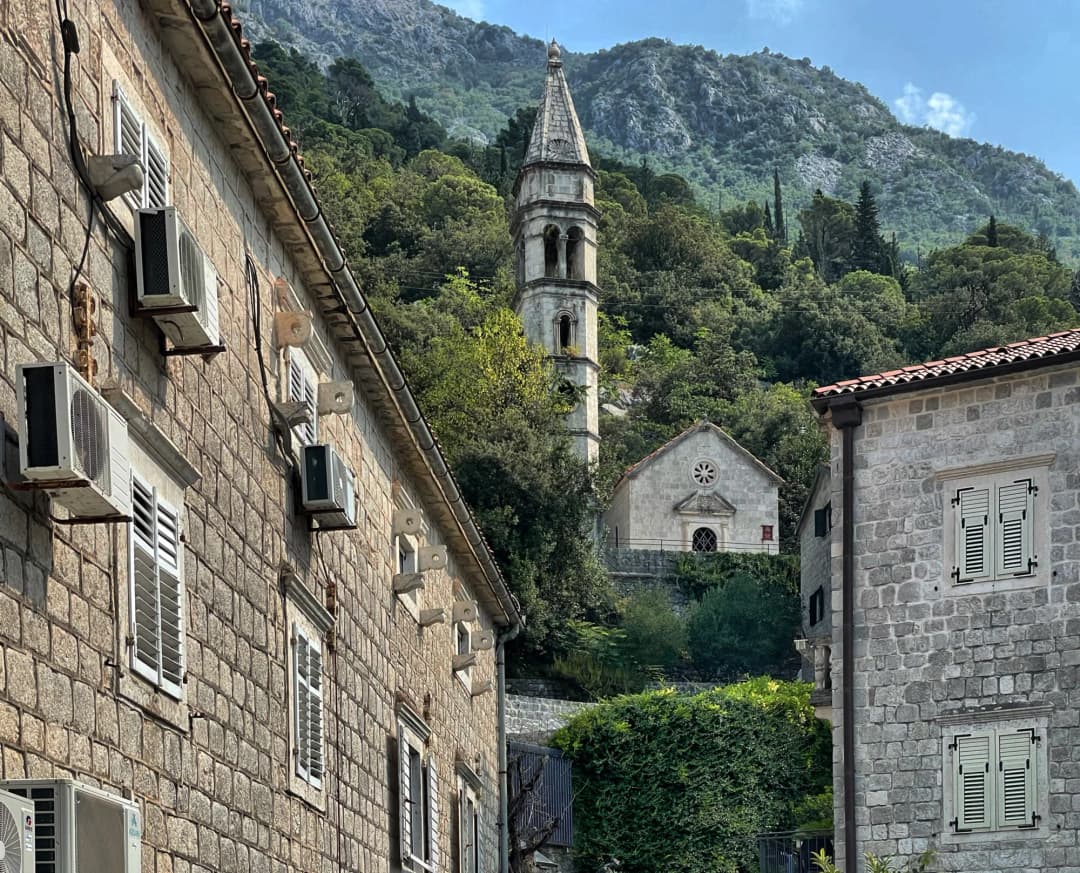
On the coast — Kotor, Budva, Tivat, Herceg Novi — contactless cards are accepted almost everywhere: restaurants, supermarkets, larger shops, hotels and marinas. Visa and Mastercard are universal; Amex much less so. Tap-to-pay with a phone works in most modern terminals.
Head inland and the picture flips. In mountain villages around Durmitor, Žabljak, Kolašin or the Piva canyon, plenty of konobas (taverns), family guesthouses, market stalls and small kiosks are cash only. Rural ATMs are sparse and can run dry on summer weekends. The rule of thumb: withdraw enough euros on the coast to cover a few days inland, and keep some small notes (€5, €10, €20) for taxis, tips and markets where nobody can break a €50.
The cash habit has deep roots. The U.S. State Department puts Montenegro's informal economy at almost 30% of GDP, with part of many wages still paid in banknotes beyond the tax office's sight — and a business that settles its own accounts in cash is happy to take yours the same way. The state is squeezing that space: electronic fiscal receipts now link registered tills directly to the tax administration, which is why even the smallest shop prints you a slip.
ATMs: the Euronet trap and how to dodge it
This is where careless travellers lose the most money. Montenegro's tourist zones are full of bright-blue Euronet machines, and they are best avoided. Independent ATMs like these push dynamic currency conversion (DCC) and eye-watering surcharges; their conversion offers can cost 7–10% more than your home-bank rate.
A few habits will keep your costs down:
- Use bank-branded ATMs, not standalone kiosks. Machines from Montenegrin banks such as CKB, NLB, Erste and Hipotekarna typically charge a fixed fee of around €2–€5 per withdrawal. Ziraat Bank and Universal Capital Bank (UCB) have been among the few offering €0 withdrawal fees.
- Always choose to be charged in EUR, never in your home currency. When the screen asks whether to "convert" to pounds, dollars or krona, decline — that's DCC, and your own bank's rate is almost always better. Choosing euros is the single most important click.
- Withdraw larger amounts less often to spread the flat fee, but only take what you're comfortable carrying.
- Consider a travel card such as Wise, Revolut or N26 to minimise foreign-transaction margins — though the "charge in EUR" rule still applies at the machine.
The same DCC trap appears on card terminals in shops and restaurants. If the little machine offers to bill you in your home currency "for convenience," politely decline and pay in euros.
| Machine | Typical cost | Verdict |
|---|---|---|
| Ziraat Bank, Universal Capital Bank (UCB) | €0 withdrawal fee | Seek out |
| Bank ATMs — CKB, NLB, Erste, Hipotekarna | ~€2–5 fixed per withdrawal | Fine — decline conversion, choose EUR |
| Standalone kiosk ATMs (e.g. Euronet) | Surcharges + DCC up to 7–10% over your bank's rate | Avoid |
What things actually cost in 2026
Montenegro is still cheaper than Western Europe, though the coast in July and August has closed much of the gap. Rough, real-world prices:
- Espresso: around €1.30; a cappuccino roughly €1.90–€3.00 depending on how touristy the terrace is.
- Casual meal: €6–€15 at an inexpensive restaurant; a hearty Montenegrin dinner with wine runs about €20 per person.
- Mid-range dinner for two: €25–€65 for three courses.
- Taxi: a typical town journey is roughly €4–€9, with meters starting near €1 and about €1 per kilometre. Always confirm the price or insist on the meter before setting off, especially at bus stations and airports.
Expect coastal prices to sit noticeably above inland ones, and remember that summer pushes seasonal rents and some menus up by 20–40%. Podgorica and the interior stay steadier year-round.
Tipping, cover charges and haggling
Tipping is appreciated but modest. The local standard is around 10%, or simply rounding up to the nearest €5 or €10 in a sit-down restaurant. In cafés and bars, leaving the loose coins is plenty. Tip in cash where you can — card terminals here rarely have a tip line, and a gratuity added to a card charge may never reach the waiter.
Watch for the kuver (couvert), a cover charge of roughly €1–€2.50 for bread and cutlery that many restaurants add automatically. It's mandatory and goes to the house — it is not a tip, so factor it in separately when you decide what to leave.
Haggling isn't part of restaurant or shop culture — posted prices are fixed. It's mild and acceptable only at open-air markets, souvenir stalls and when negotiating longer taxi or private-driver trips; a friendly ask for a "better price" on a bundle of goods is fine, aggressive bargaining is not.
VAT and receipts
Montenegro's standard VAT is 21%, with a 15% rate on accommodation, hospitality services and books (raised from 7% in January 2025) and a 7% rate surviving on basics like bread, dairy, medicines and public transport. VAT is always baked into displayed prices, so the number on the menu or shelf is what you pay. Montenegro is not in the EU VAT area and there's no broad tourist VAT-refund scheme, so don't count on reclaiming tax on shopping the way you might elsewhere. Do take the printed fiscal receipt you're handed — issuing one is a legal requirement, and it's your proof of payment if anything needs sorting out later.
Manage those few euro-quirks and Montenegro is one of the easiest countries in the region for money: euros in your pocket, a bank ATM instead of a blue kiosk, "charge in EUR" every time, and a little cash set aside for the mountains. Ready to map out where those euros go? Build your route with our Montenegro trip planner.