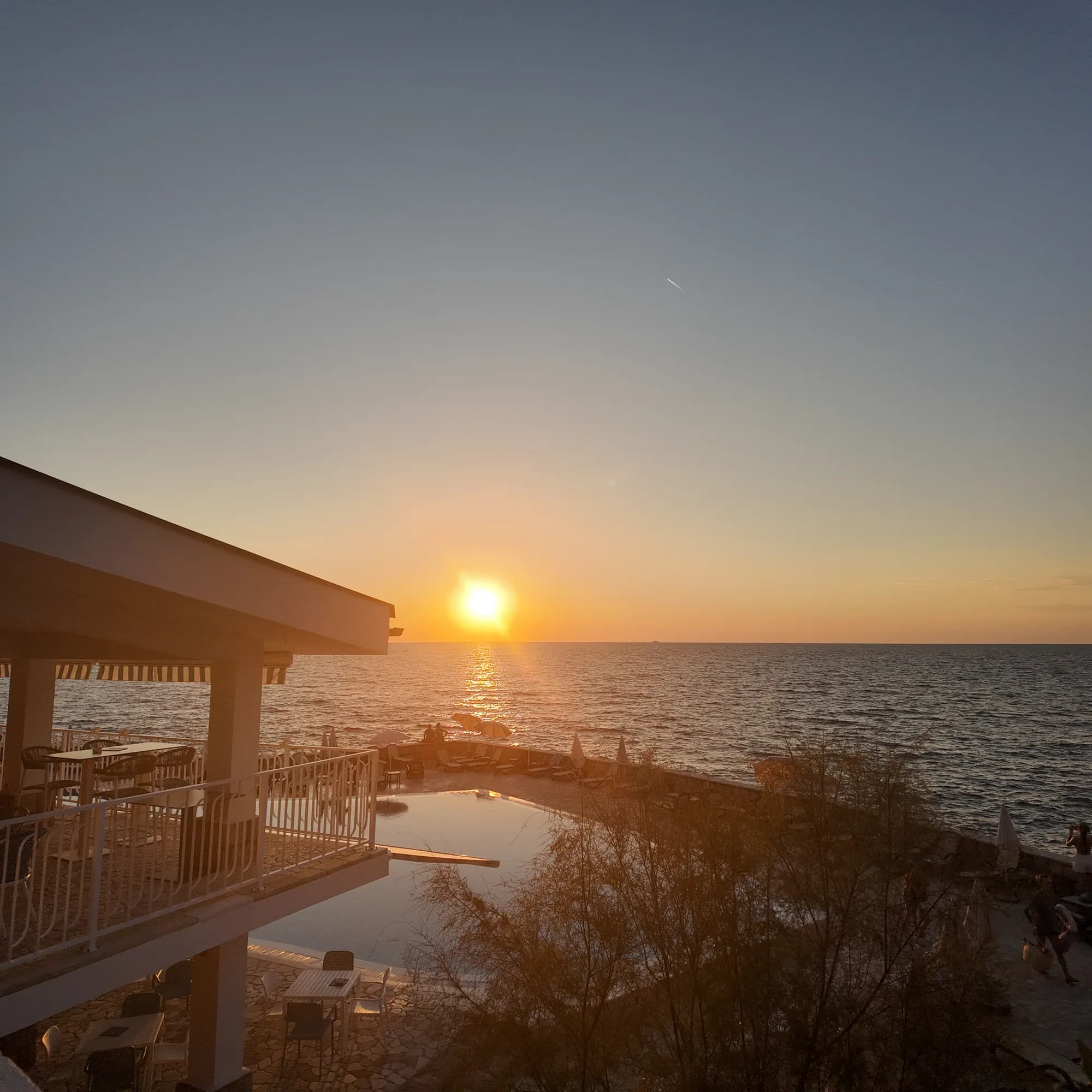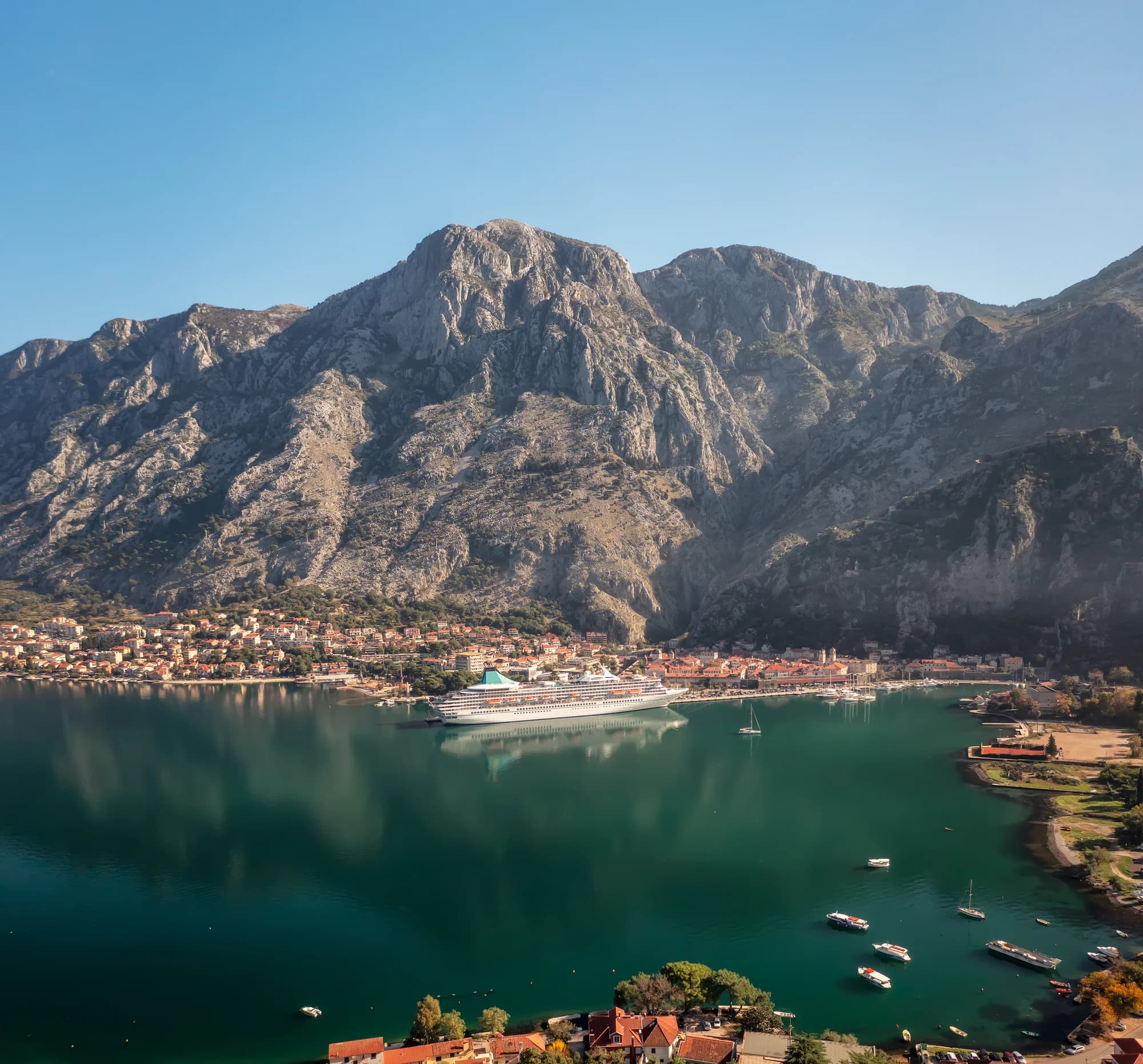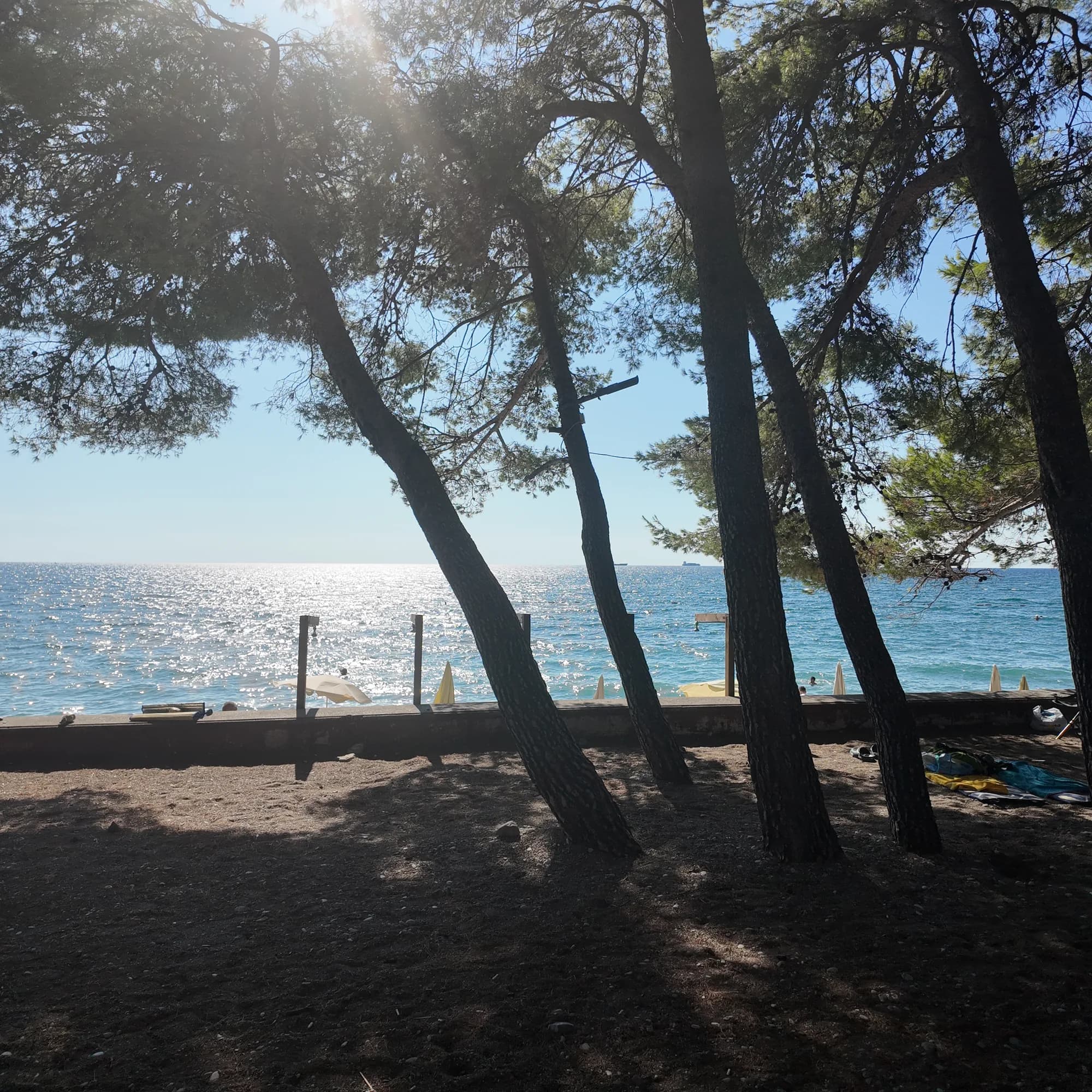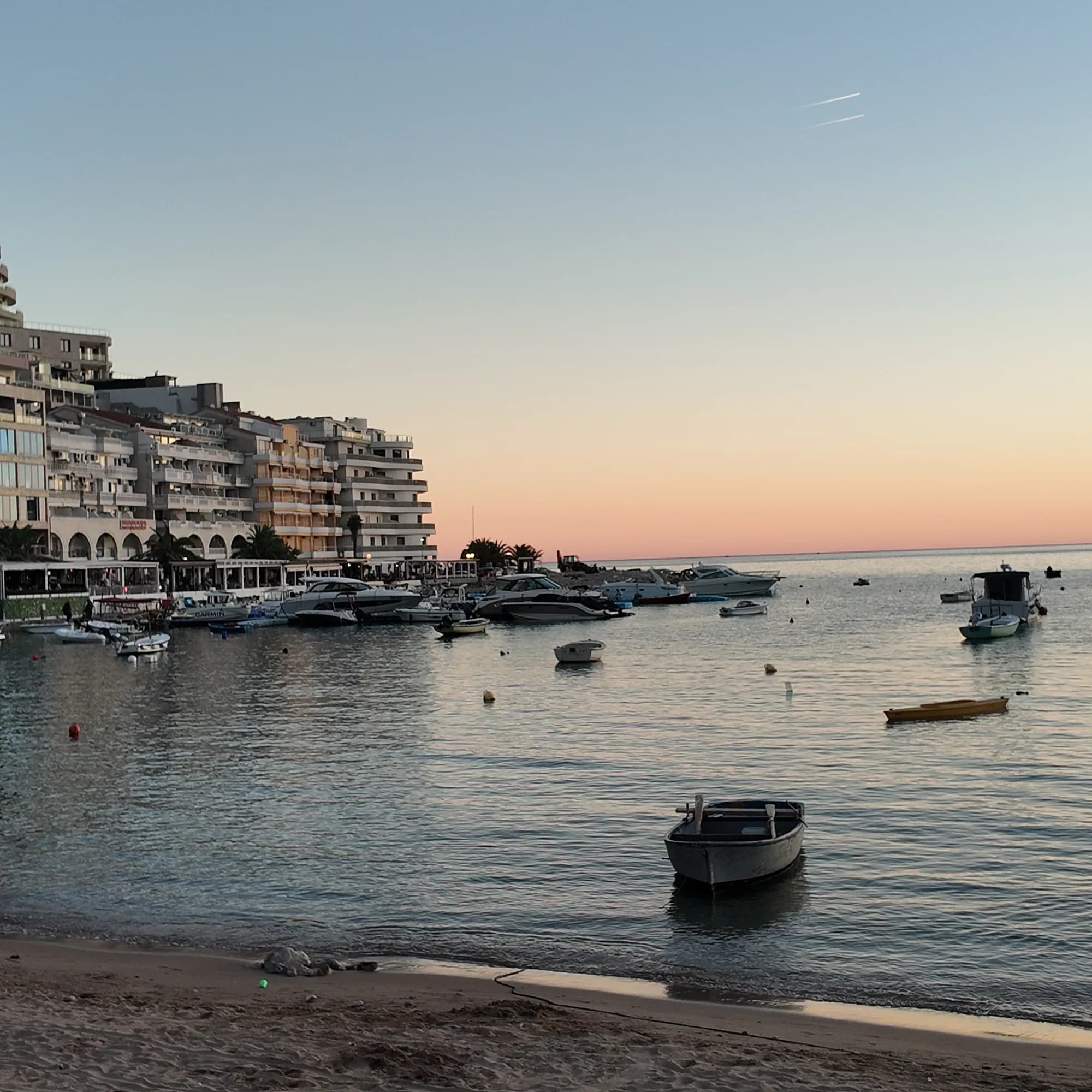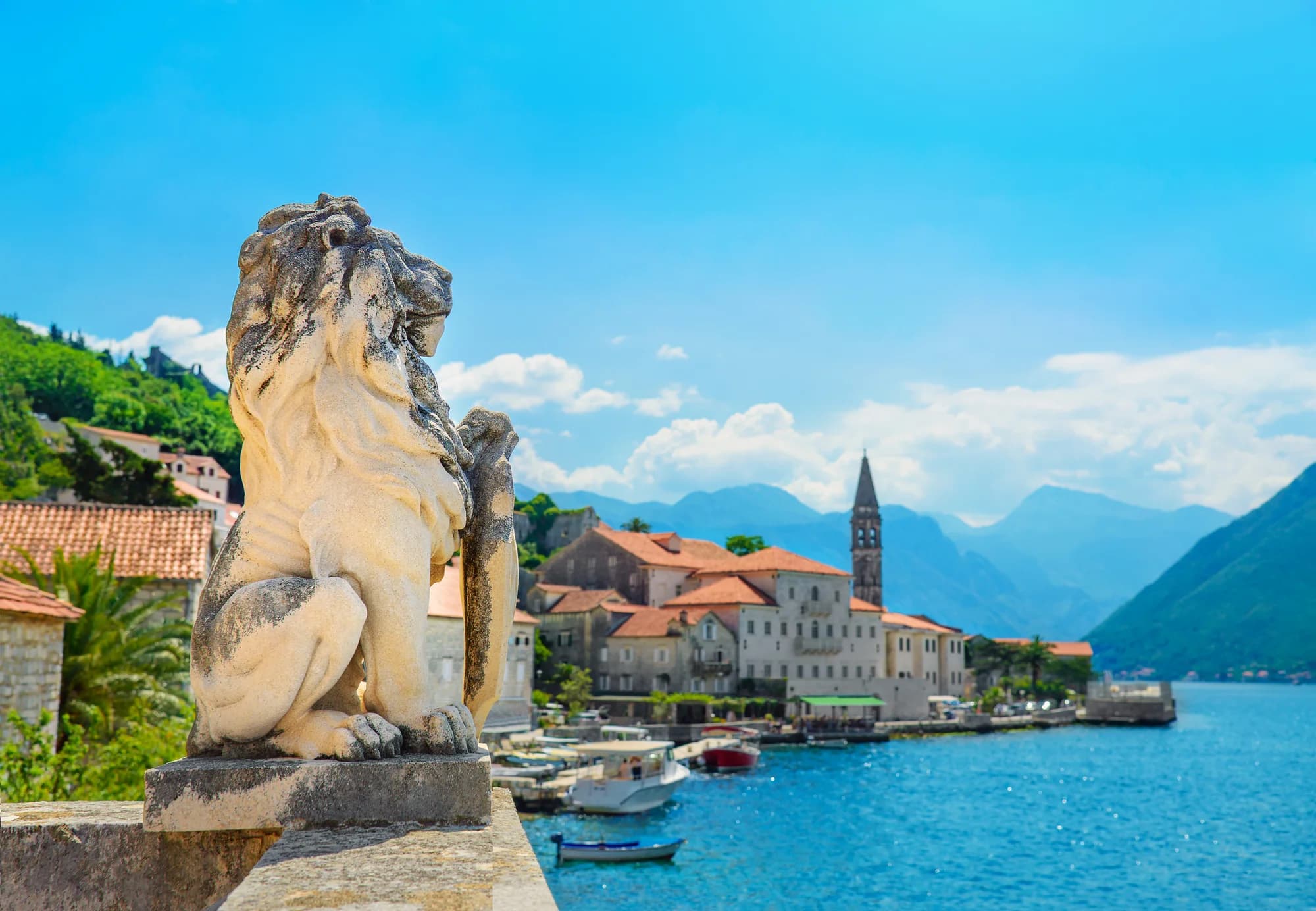
Some destinations sell themselves on a single postcard. Montenegro sells itself on a spreadsheet — and, remarkably, the numbers hold up. This is a country roughly the size of Connecticut where you can stand in a UNESCO-listed medieval town in the morning, swim in the Adriatic by lunch, and watch the sun drop behind Europe's deepest canyon by evening. In 2026 the data finally caught up with the scenery: Montenegro was rated the single best destination in Europe for the experience it delivers. Here is what the figures actually say — the good, and the honest caveats.
The headline: Europe's best-rated destination
In April 2026, Montenegro ranked #1 in Europe for destination reputation and visitor satisfaction, scoring 9.22 out of 10 in the European Travel Commission's assessment. That is not a marketing slogan; it is a satisfaction score, drawn from the people who actually went. Ahead of every established Mediterranean giant, a country of barely 620,000 people came out on top — because the gap between what visitors expect and what they find still tilts firmly in the traveller's favour.
The demand backs it up. In 2025 Montenegro recorded 2,728,564 tourist arrivals and 15,367,166 overnight stays — an all-time arrivals record, up 4.7% on 2024. One detail the glossy write-ups miss: overnight stays actually fell 1.5% over the same year, so more people came but each stayed slightly less time. Of those overnights, 95.8% were foreign visitors. This is a country the world has decided to visit, not a place propped up by domestic weekends away.
That dependence cuts both ways. Tourism brought in more than €1.3 billion in 2025, the country's biggest true export — foreigners consuming Montenegrin services and leaving real money behind. When nearly 96 of every 100 nights are sold to foreign visitors, a soft season shows up in the national accounts, not just in the hotel lobbies.
2026 is settling, not soaring
Here is the caveat too many glossy write-ups skip. After that record 2025, early 2026 softened: arrivals slipped about 3.7% and overnight stays about 3.9% year-on-year. That is not a collapse — it is a record year settling into a plateau. And for the traveller, a plateau is quietly good news: slightly thinner crowds on the Kotor ramparts, easier restaurant tables in Budva, and a little more negotiating room on summer rates. If you have been waiting for the moment when a rising star is genuinely great but not yet overrun, this is close to it. Our guide to the best time to visit Montenegro in 2026 breaks down exactly when to go.
The value: euros that stretch
Montenegro uses the euro, so eurozone visitors change no money and pay no conversion spread — the price you see is the price you pay. And those prices sit well below Western norms. Per Numbeo's 2026 data, the cost of living is roughly 37% lower than Germany's, making it cheaper than any EU country, with estimated monthly costs for one person around €614 excluding rent. Translated into a holiday, that means espresso for a euro or two, a seafood dinner with an Adriatic view for a fraction of what the same table costs in Italy, and nightly stays significantly below US and Western-European prices.
- No currency friction — the euro is legal tender, so no exchange fees for eurozone travellers.
- Coastal luxury at emerging-market rates — superyacht marinas in Tivat sit minutes from villages where a coffee costs €1.50.
- Room to splurge — the money you save on the basics is the money that funds the boat day, the tasting menu, or the extra night.
The safety numbers travellers actually ask about
Value means little if you don't feel safe spending it, so this matters. Numbeo's 2026 crime index of 34.4 rates as "low," and the US State Department places Montenegro at Travel Advisory Level 1 — the safest tier it issues, the same one it applies to Iceland and much of Scandinavia. On peace and crime measures it scores safer than the US, the UK, France and Italy.
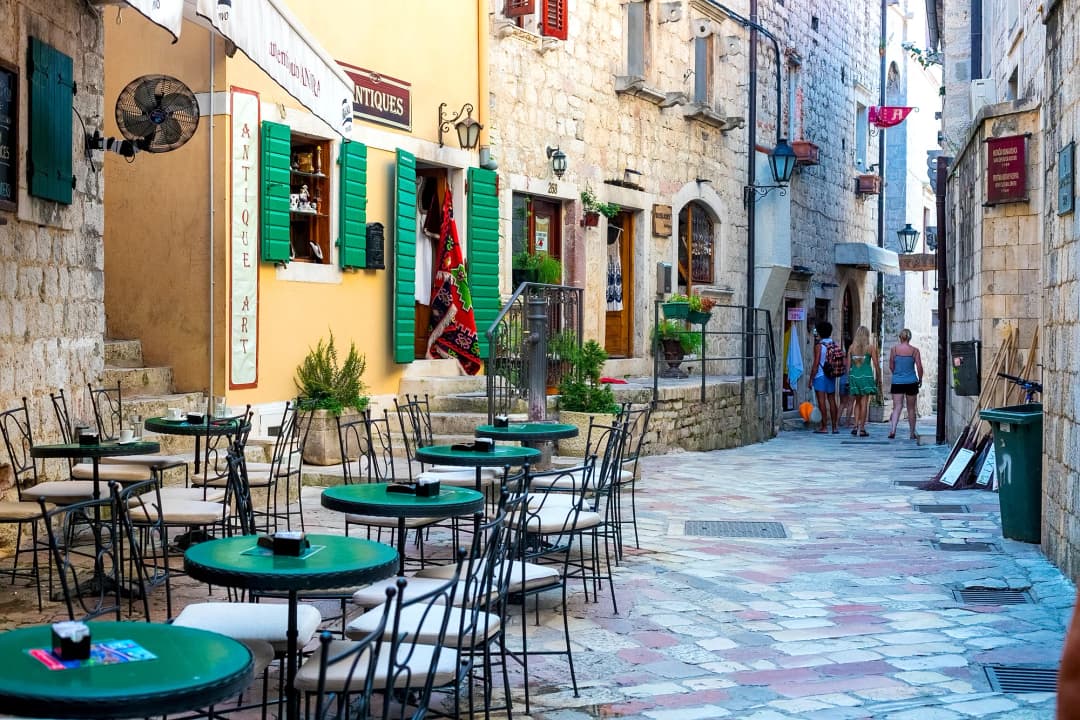
Honesty again: no country is risk-free. The real hazards here are petty pickpocketing in a crowded old town and Montenegro's genuinely dramatic mountain roads, where a hairpin above the Bay of Kotor deserves your full attention. Violent crime is not the concern. Basic caution — and a firm grip on the wheel through Kotor's serpentine ascents — is essentially all it takes.
The geography that makes it all improbable
What makes Montenegro punch so far above its size is compression. Almost everything worth seeing is close to everything else:
- About 300 km of Adriatic coastline — beaches, coves and the fjord-like Bay of Kotor, a UNESCO World Heritage site.
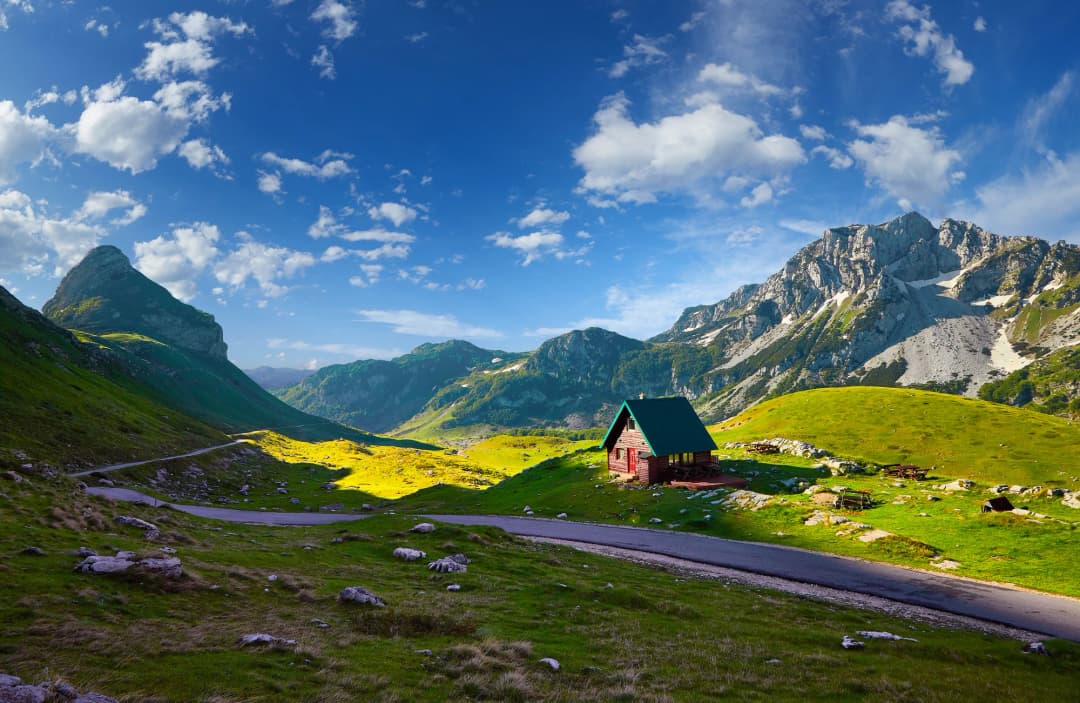
- Five national parks, including Durmitor's glacial peaks and lakes.
- The Tara Canyon, the deepest gorge in Europe at around 1,300 m.
- Lake Skadar, the largest lake in the Balkans, a birdwatcher's amphitheatre straddling the Albanian border.
Three of the marquee sights sit within roughly 90 minutes of one another — a scale that lets a single trip cover the medieval stone of Perast, alpine hiking, and a swim in the same long weekend. There is a reason we called it Europe's new jewel for 2026.
The economy — and why the numbers are trusted
Tourism is not a sideline here; it is the engine. Montenegro is one of Europe's most tourism-dependent economies — the WTTC puts travel and tourism's total contribution near 30% of GDP (about 31% in 2019). That dependence is precisely why the satisfaction score matters so much: a country this reliant on getting visitors right cannot afford to get them wrong, and the 9.22 rating suggests it isn't.
There is a bigger number on the horizon, too. Montenegro is targeting EU membership at the start of 2028, and one EU official memorably priced the cost of admitting it at about €1 per European per year — "a very cheap cup of coffee." For travellers, the window before that milestone is the window before prices and profiles inevitably rise.
That timetable is no longer aspirational. By July 2026 Montenegro had provisionally closed 18 of 33 negotiating chapters, an ad hoc working group had begun drafting the accession treaty itself, and a €3.2 billion European Commission financial package for accession was on the table. Frontrunners can stumble — but no other candidate country is this far down the road.
The bottom line
Strip away the adjectives and the case is arithmetic. The best satisfaction score in Europe. A record tourism year now easing into a friendlier plateau. Costs roughly a third below Germany's, in euros, with no exchange hassle. A safety profile beating the major Western nations. Five national parks, Europe's deepest canyon and a UNESCO bay stacked within a couple of hours' drive. Montenegro isn't Europe's best-rated destination because of one perfect view — it's the sum that lands so far ahead.
Ready to turn the numbers into an itinerary? Map your route with our trip planner, then browse hand-picked places to stay — from Kotor old-town apartments to Adriatic-front villas — and lock in the value while it lasts.