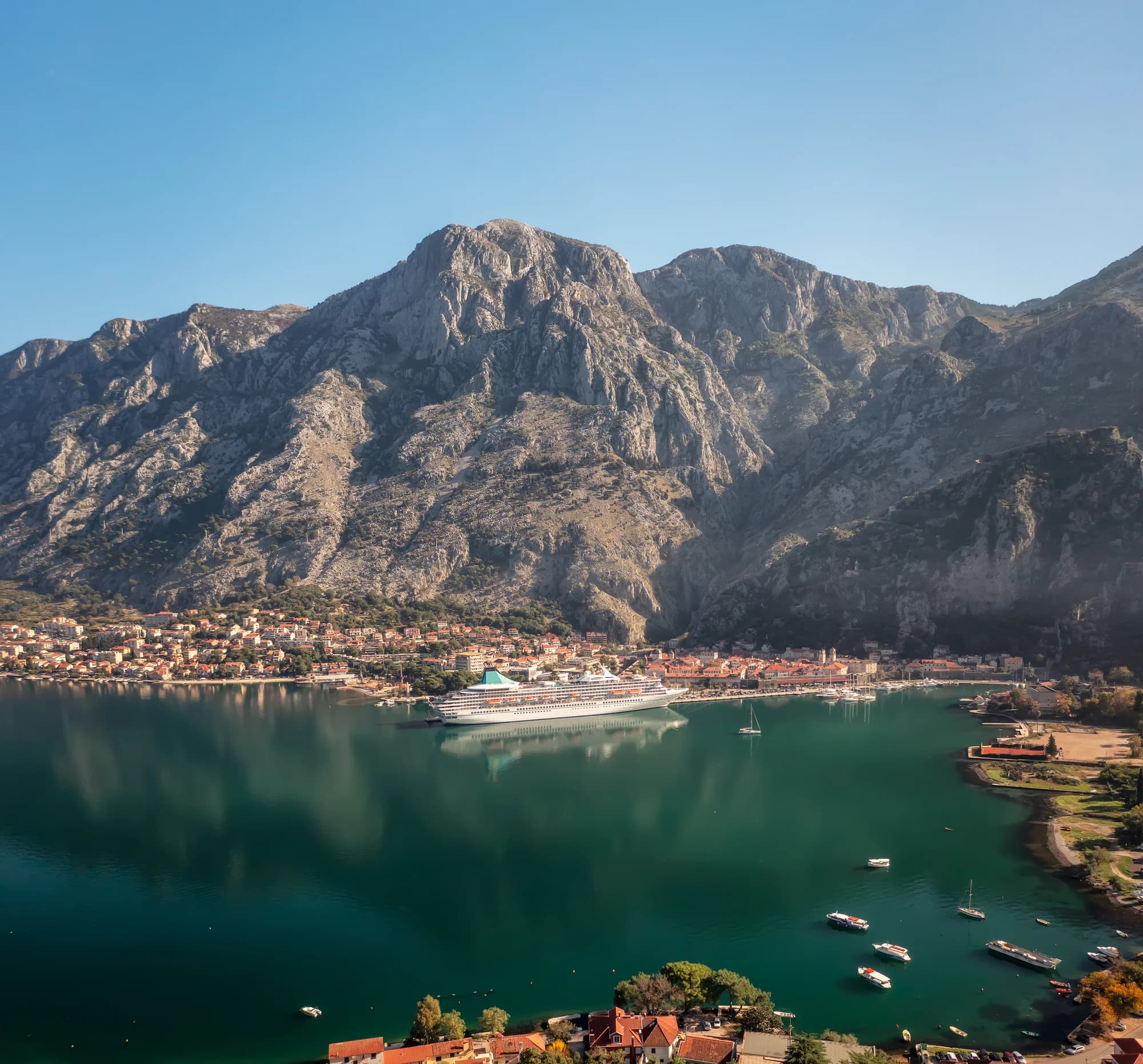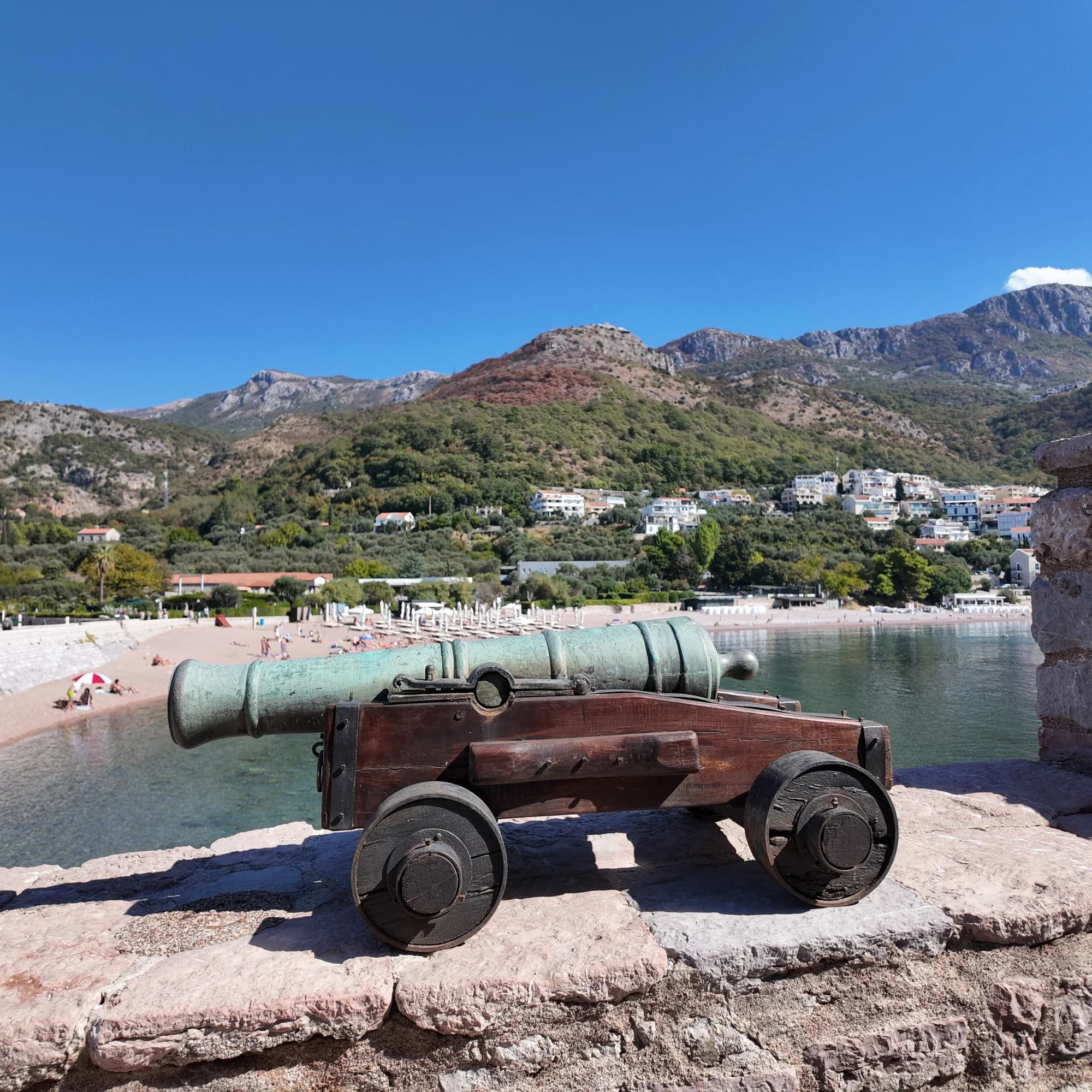
For a country of roughly 620,000 people, Montenegro is drawing an outsized share of the world's investment attention. Along a coastline barely 100 kilometres long, global hotel brands, superyacht marinas and billions in prospective EU funding are converging on a single stretch of the Adriatic. The story here is no longer scattered second-home buyers snapping up sea-view apartments — it is a deliberate, structured push toward a higher-value tourism economy, with 2028 as the pivotal date on the horizon.
Montenegro has even been reported as the world's fastest-growing hub for millionaires, with its high-net-worth population up about 124% over a decade — outpacing Monaco, Singapore and Switzerland. That wealth signal helps explain why so much capital is now reshaping the coast.
Branded hotels arrive
The clearest sign of the shift is the arrival of names that global travellers instantly recognise. In 2023, Hyatt Regency opened a resort on the Bay of Kotor at Donji Stoliv, in the Tivat municipality — a marquee international flag planted directly on one of Europe's most photographed bays. Hilton already operates in the capital, Podgorica, and has a second Montenegrin hotel planned for Ulcinj on the country's southern coast.
Further up the value scale, Marriott has a Ritz-Carlton planned for the Luštica peninsula, though that project — like several ambitious schemes here — has been subject to delays. The pattern matters: a decade ago, a traveller looking for a five-star branded stay had few options in Montenegro. Today the map is filling in, and the brands are betting the demand will follow.
Marinas and mega-developments
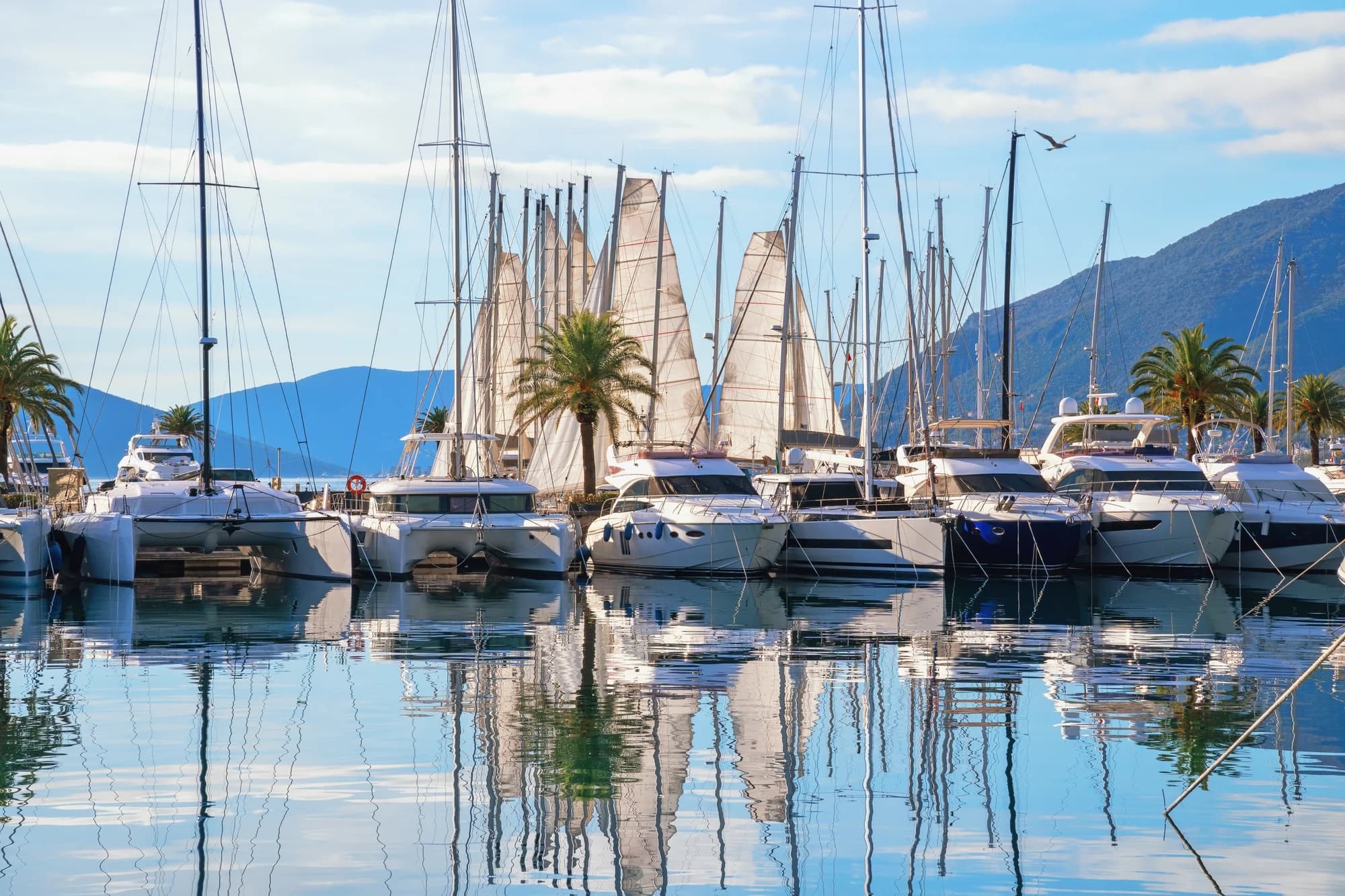
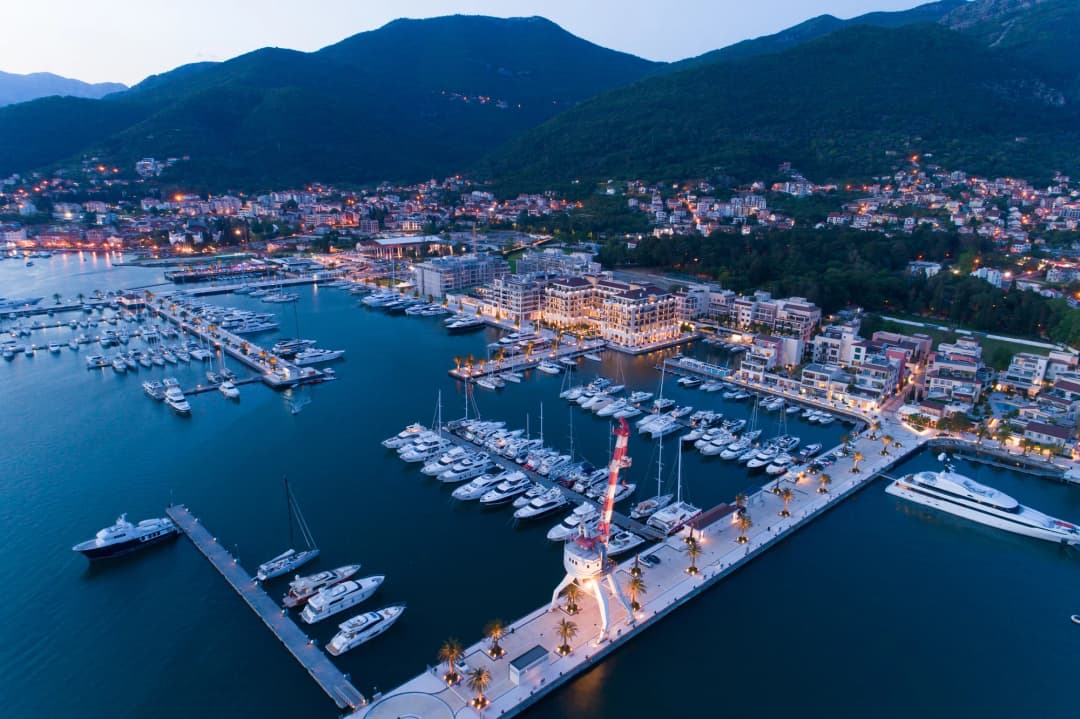
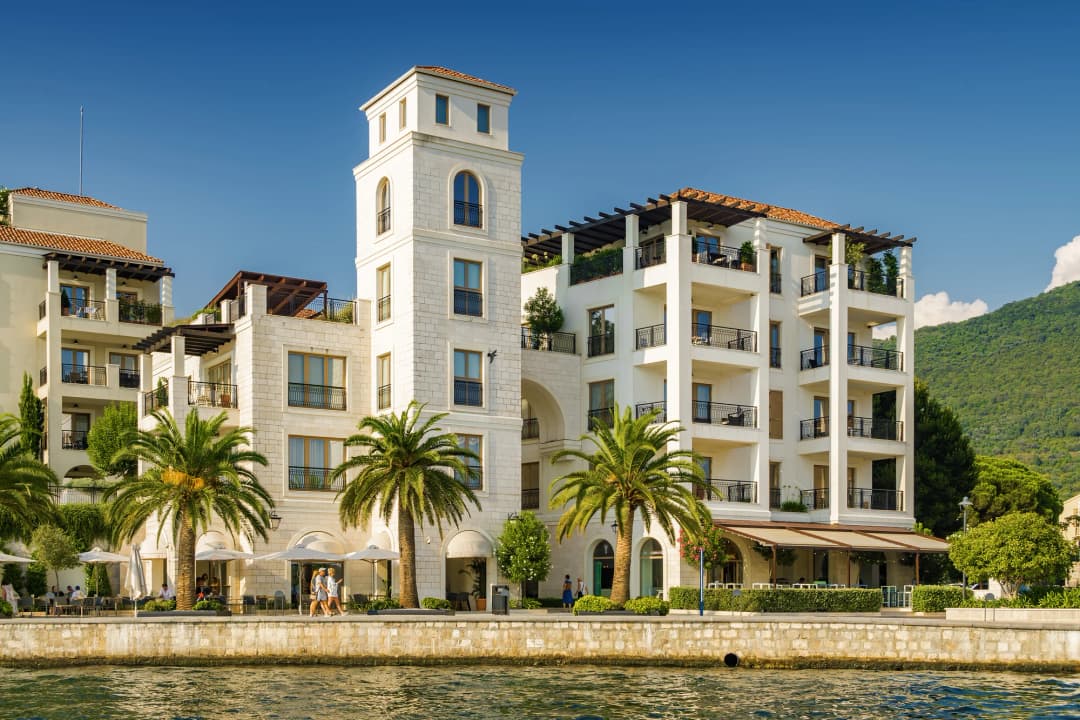
If any single project rewrote Montenegro's economic story, it is Porto Montenegro in Tivat. Built on a former Yugoslav naval base, it has become one of the Adriatic's premier superyacht destinations, with berths capable of hosting vessels up to 250 metres. As Forbes put it, the marina has grown into a superyacht sanctuary — the kind of address that anchors an entire luxury ecosystem of restaurants, boutiques and branded residences around it.
Porto Montenegro does not stand alone. Two more flagship branded developments complete the trio that transformed the country from a place of ad-hoc buying into a structured luxury economy:
- Portonovi, on the Herceg Novi riviera, home to a One&Only resort and its own marina.
- Luštica Bay, a master-planned coastal community rising on the peninsula across the bay.
Together, these three developments did something subtle but profound — they gave international capital recognisable, professionally managed places to land. That is a very different proposition from the fragmented villa market that once defined the coast, and it is a big part of why the buyers arriving today look so different from those of a decade ago. (For more on who those buyers are, see our guide to who is buying property in Montenegro.)
Airports and access
None of this works without getting visitors in and out. Montenegro's two main gateways are Tivat (TIV) and Podgorica (TGD), and their strategic value has not gone unnoticed. A long-discussed concession and upgrade of the airports has drawn serious Gulf investment interest, with Abu Dhabi- and Dubai-linked parties circling the deal.
The geography here is almost absurdly convenient: Tivat airport sits about five minutes from Porto Montenegro. A guest can step off a flight and be aboard a yacht — or checking into a branded resort in Budva or Kotor — within the hour. Upgrading that access is central to the whole strategy, because the higher-value visitor Montenegro is courting expects frictionless arrival.
The higher-value strategy
What ties the hotels, marinas and airports together is a conscious decision. The government and industry are steering deliberately toward higher-value, less seasonal tourism — luxury hospitality, branded residences, and spreading visitors inland and into the shoulder seasons rather than chasing raw mass-market volume.
The challenge is stark: roughly 94% of overnight stays are still on the coast, compressed into a short summer. That concentration is exactly what the strategy aims to ease. And the property numbers reflect the premium ambition. Prime coastal apartments now run about €2,700–5,000 per square metre, while the ultra-luxury Porto Montenegro tier reaches €6,000–15,000.
Then there is the accession dividend. Montenegro is targeting EU membership at the start of 2028, and the European Commission has proposed a €3.2 billion accession package across the 2028–2034 budget. As a full member, the country would receive roughly three times more EU funding than it does as a candidate — capital that flows straight into roads, utilities and the infrastructure a modern tourism economy needs. Our EU accession property guide unpacks what that timeline means for buyers.
What it means for visitors

For travellers, the near-term future looks bright: more choice at the top end, better-run marinas and resorts, smoother airport access, and a coast that is steadily maturing into a genuine luxury destination. The international press has largely echoed that optimism, as our roundup of the world press verdict on Montenegro shows.
But honesty demands a balancing note. Rapid development has brought real costs — overtourism in peak summer and uneven construction quality on parts of the coast are genuine concerns, not marketing footnotes. The higher-value, spread-the-load strategy is partly a response to exactly these strains. Whether Montenegro can grow its ambitions without paving over the very landscapes that draw people here is the open question the next few years will answer.
For visitors, the practical takeaway is simple: the smartest way to experience this coast is to look beyond the July–August crush. The shoulder seasons reward you with the same turquoise bays and mountain backdrops, minus the crowds — precisely where the country wants its future to head.
Thinking about seeing it for yourself? Browse our curated Montenegro properties to find your base along the coast, and use the trip planner to map a route that balances the marina glamour of Tivat with the quieter corners still waiting to be discovered.