34 accommodations available
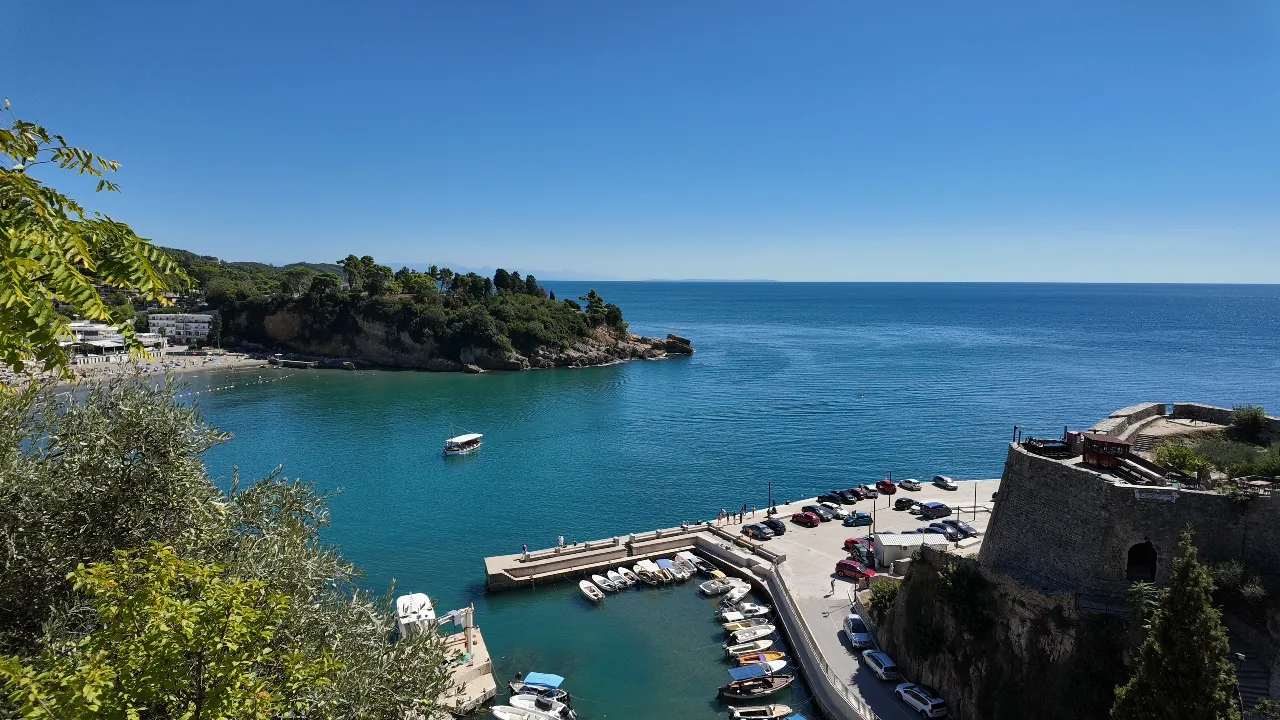
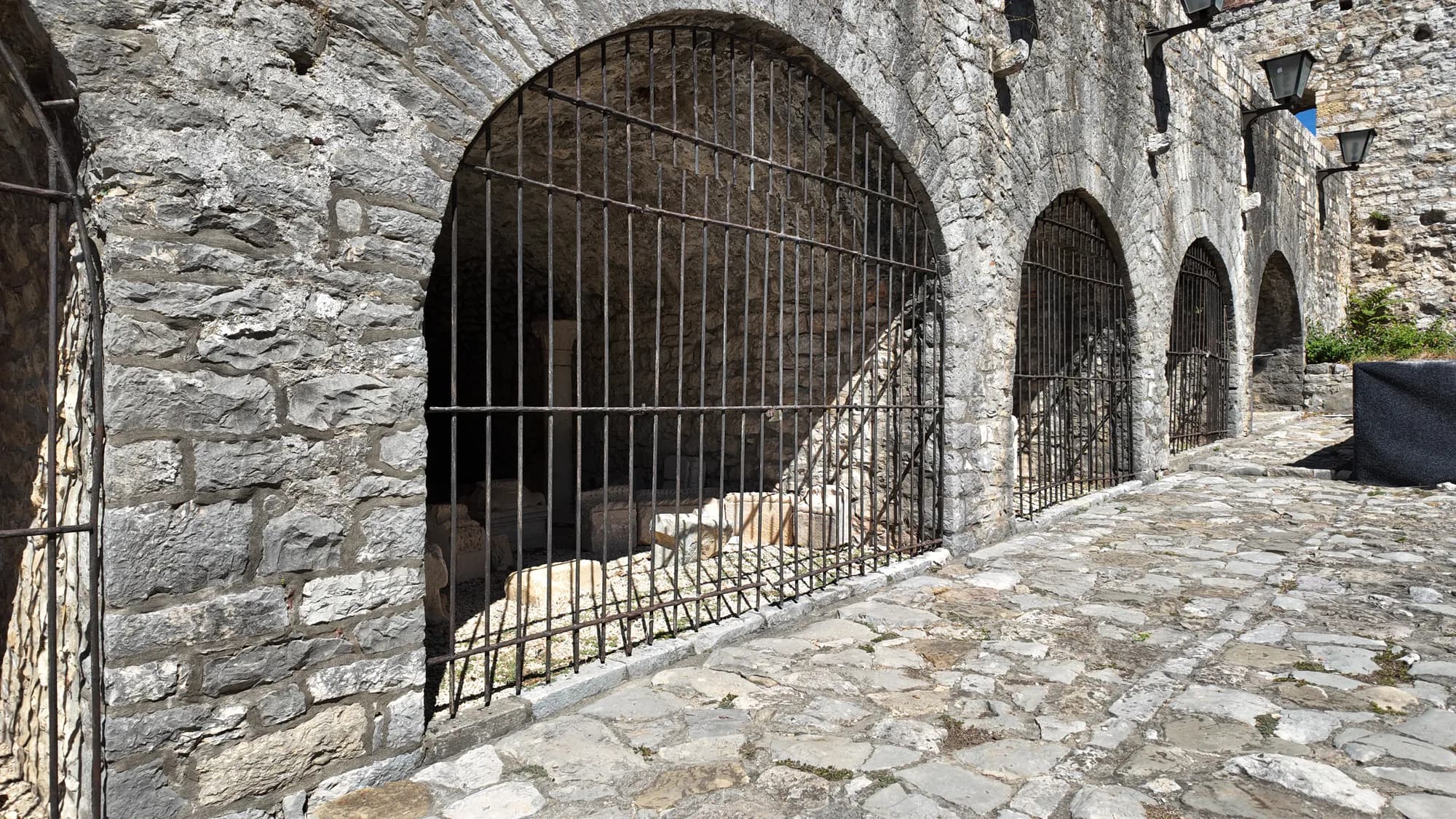
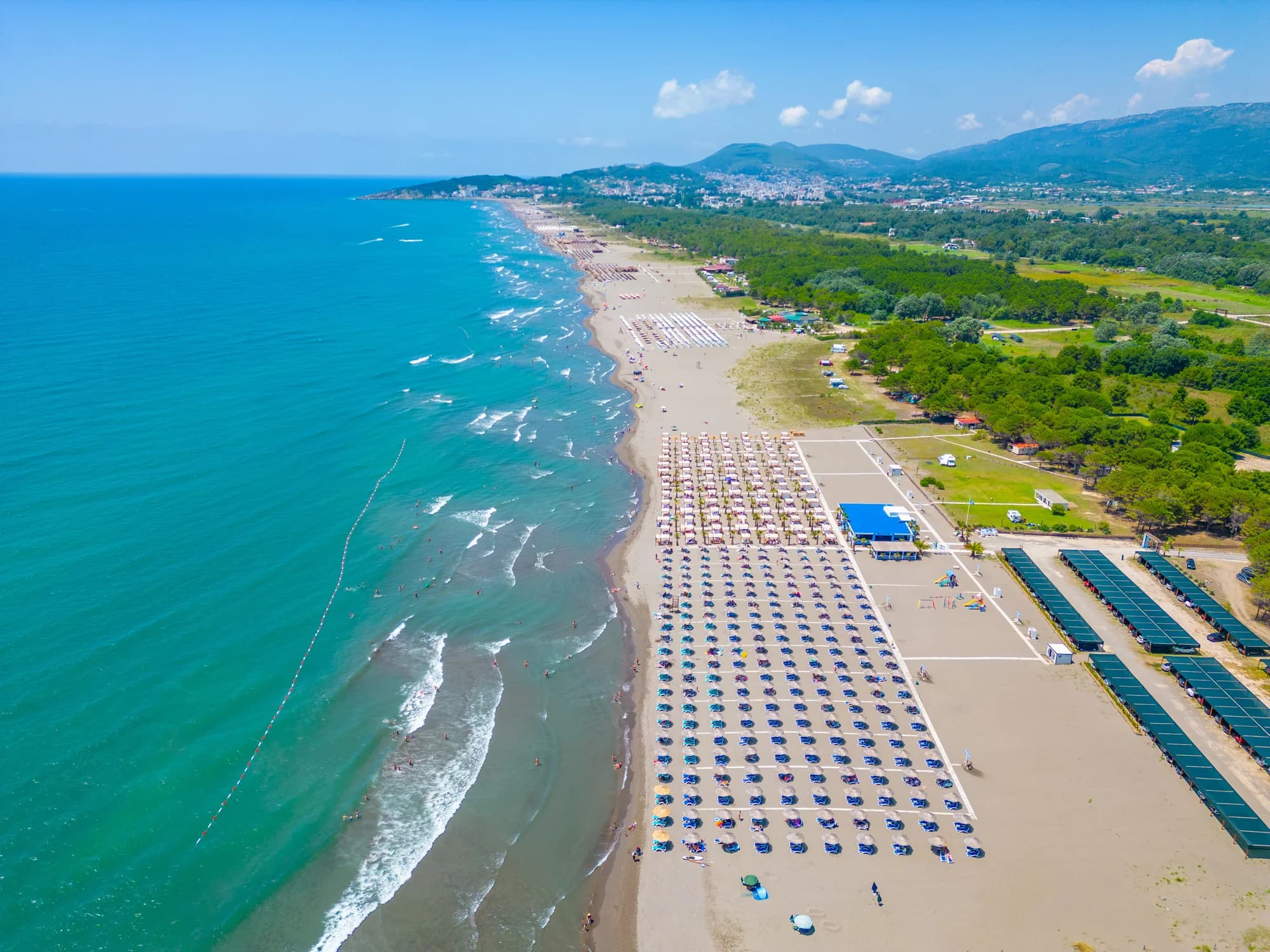
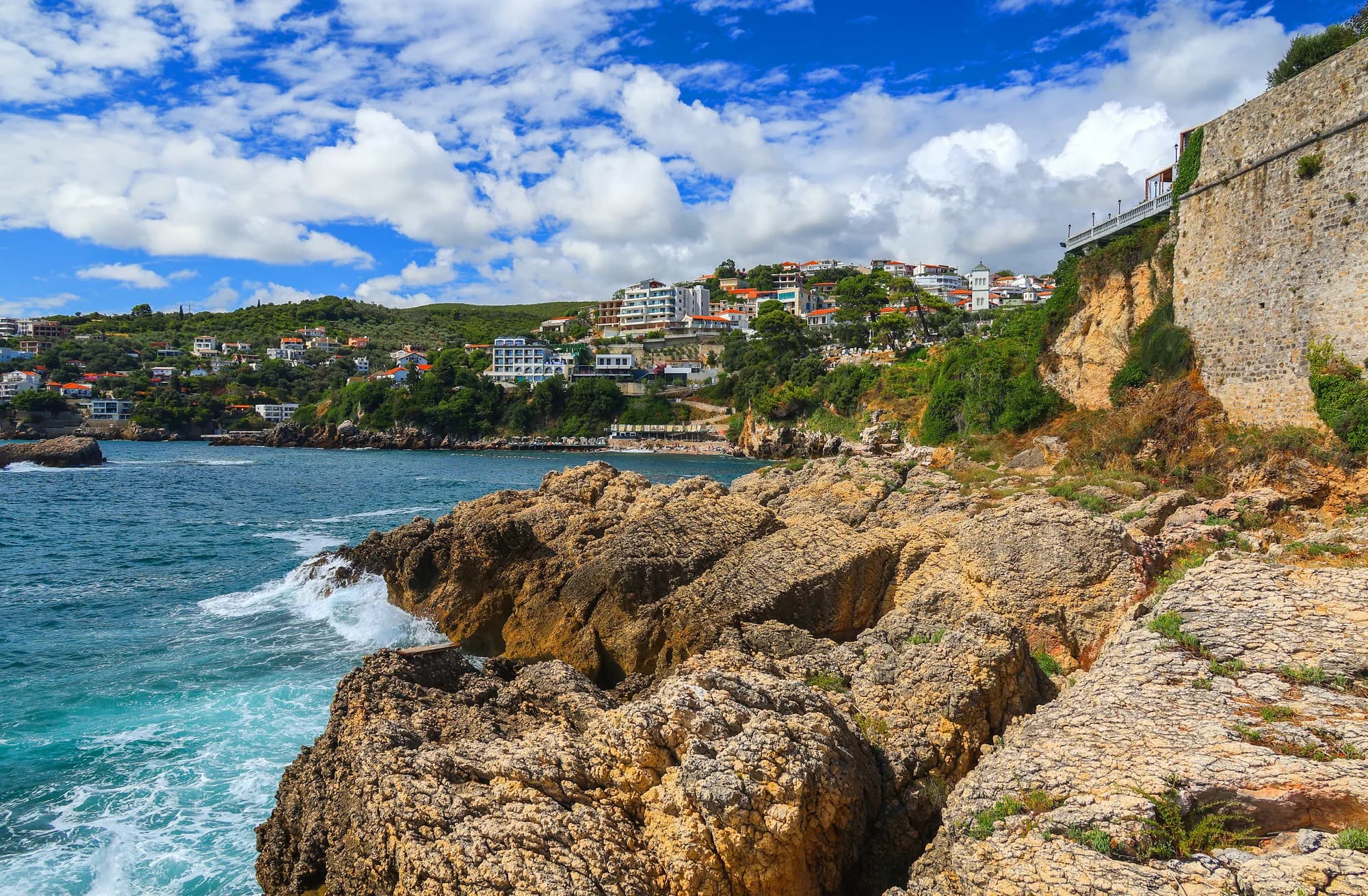
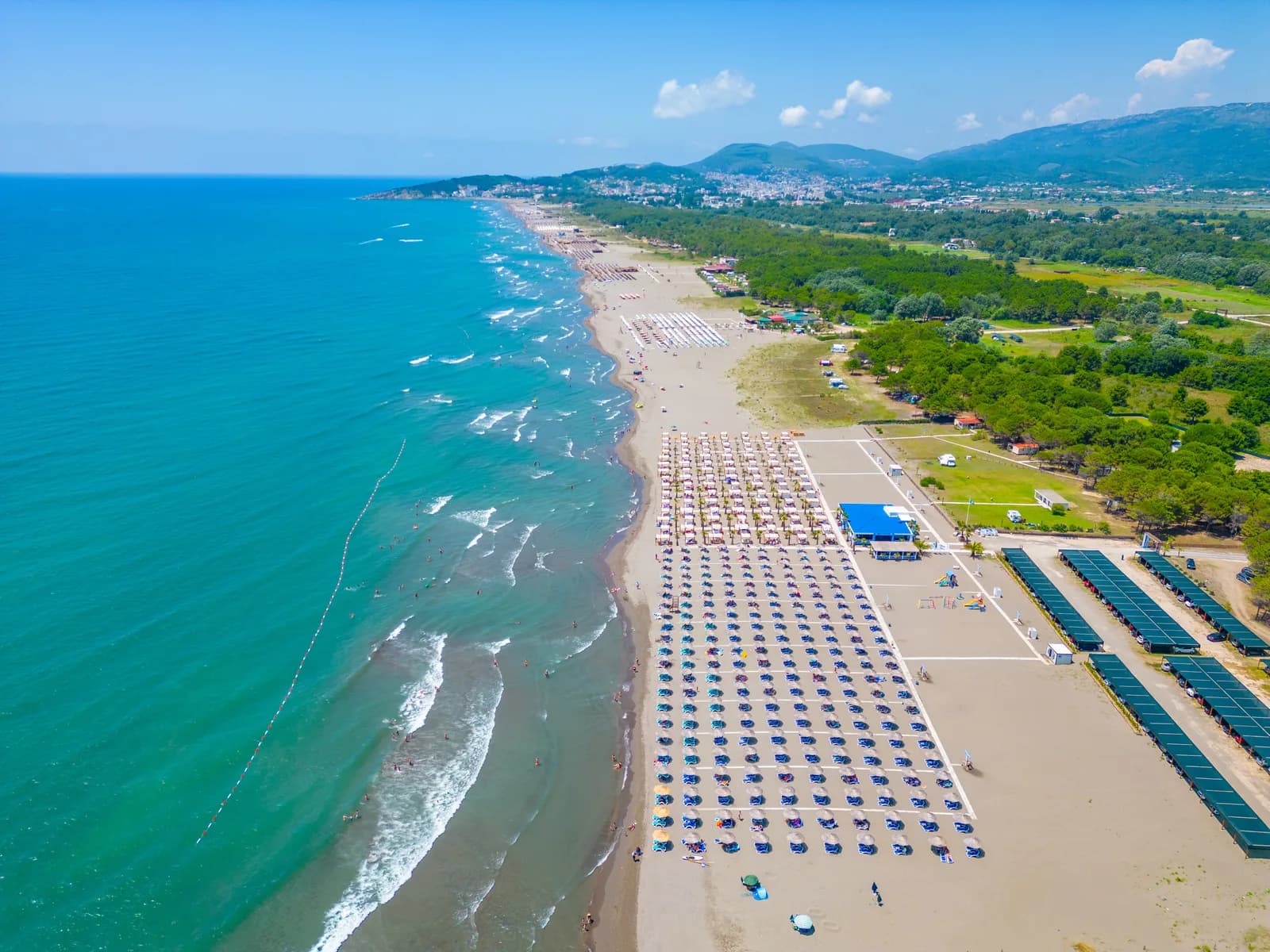
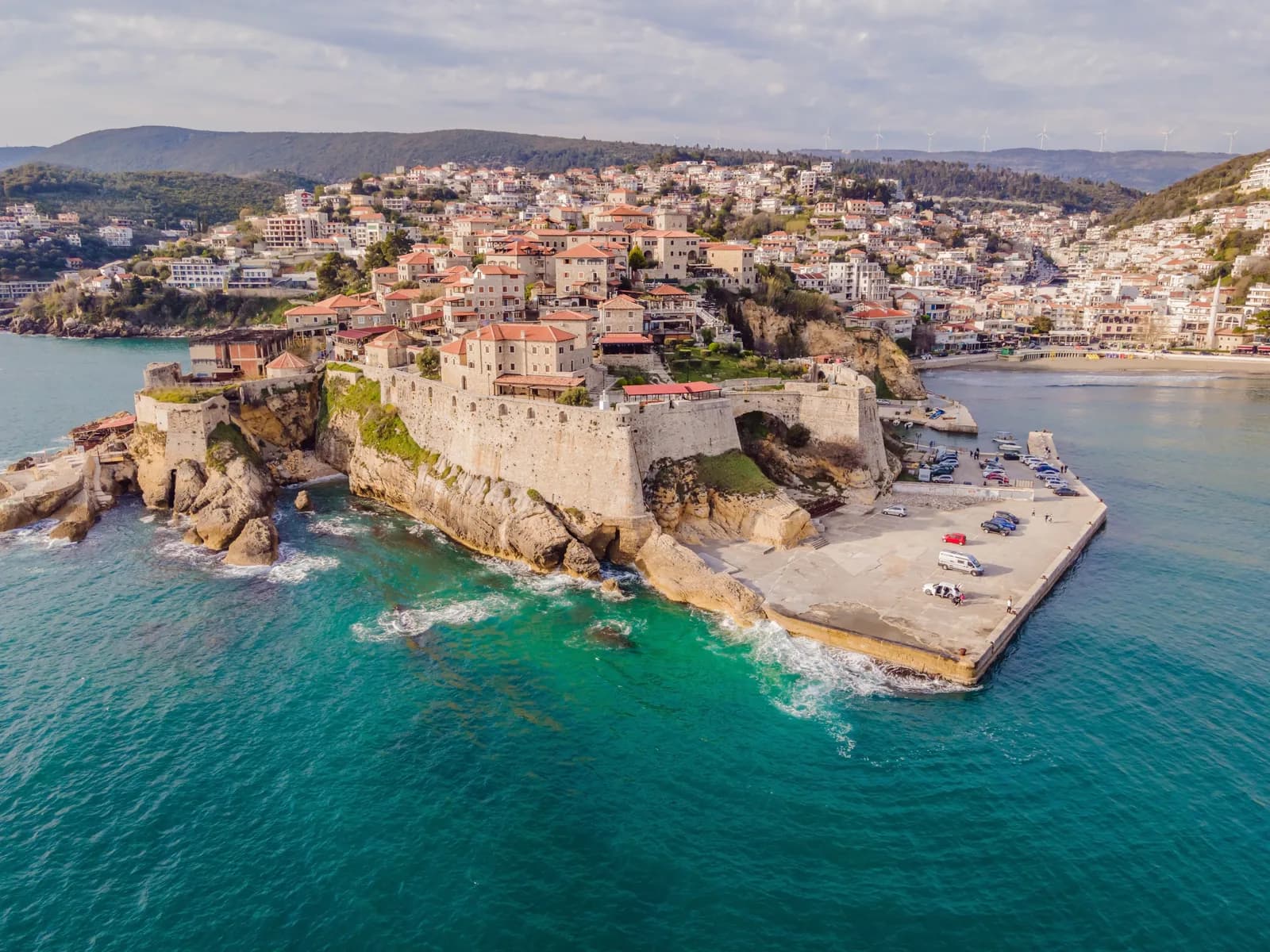
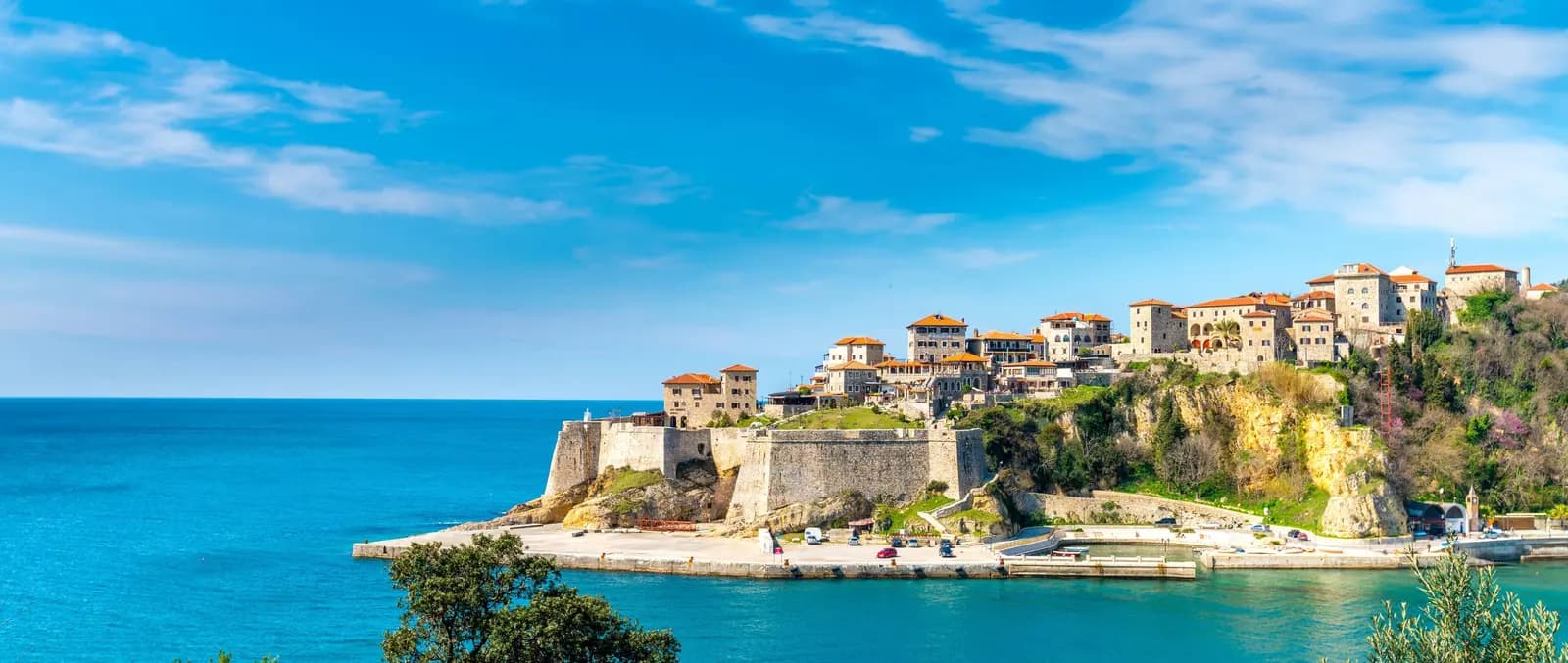
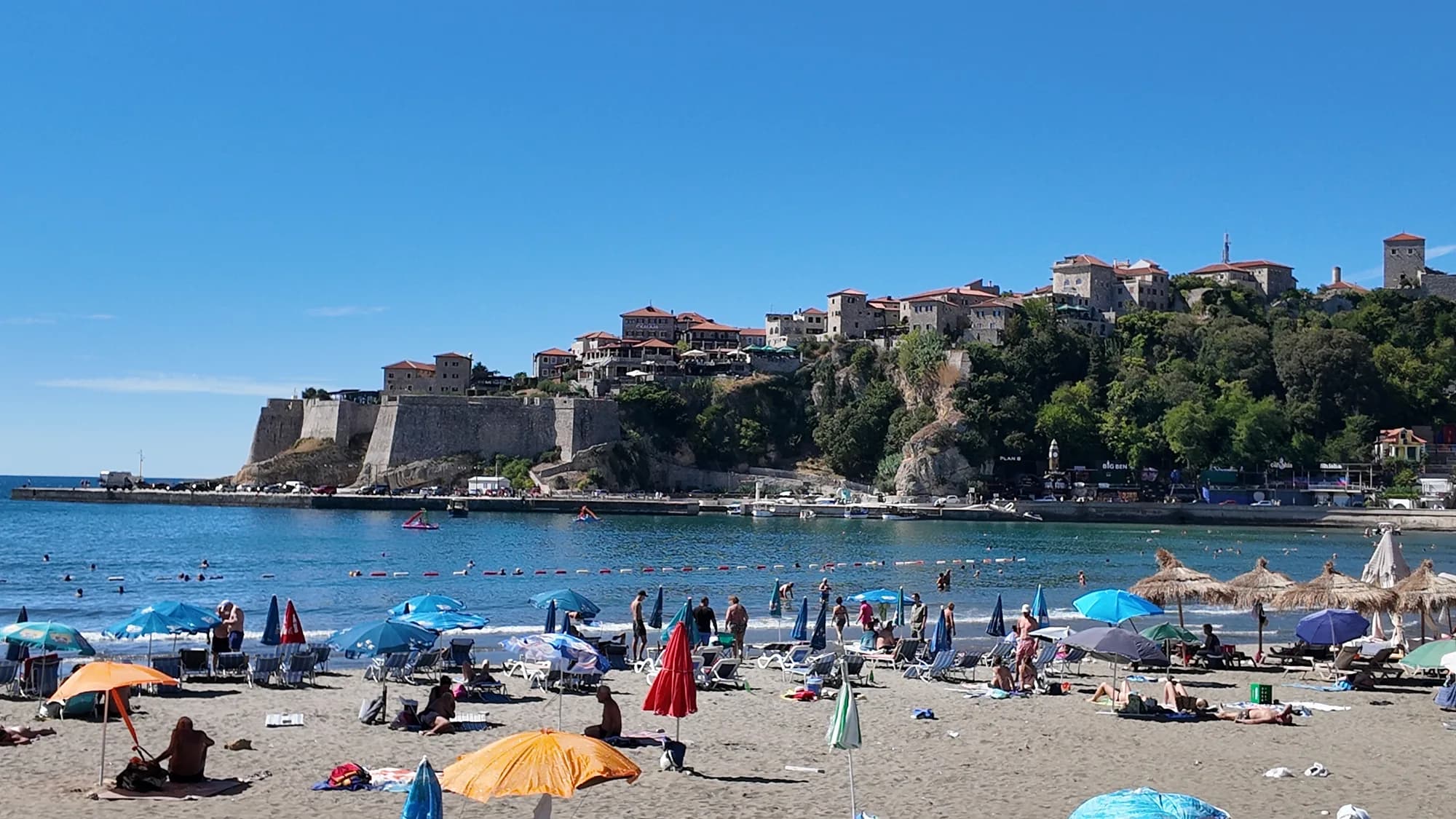
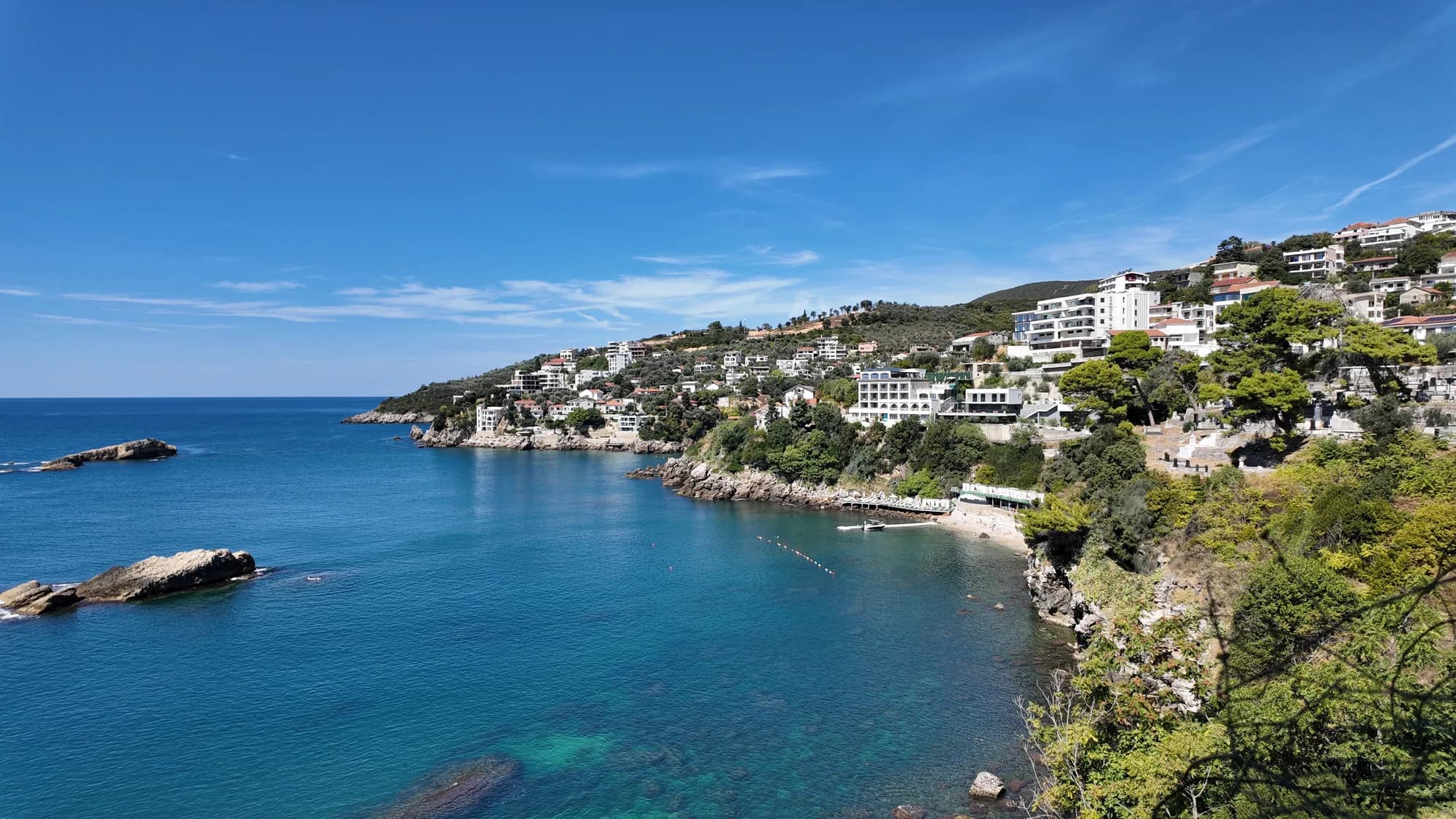
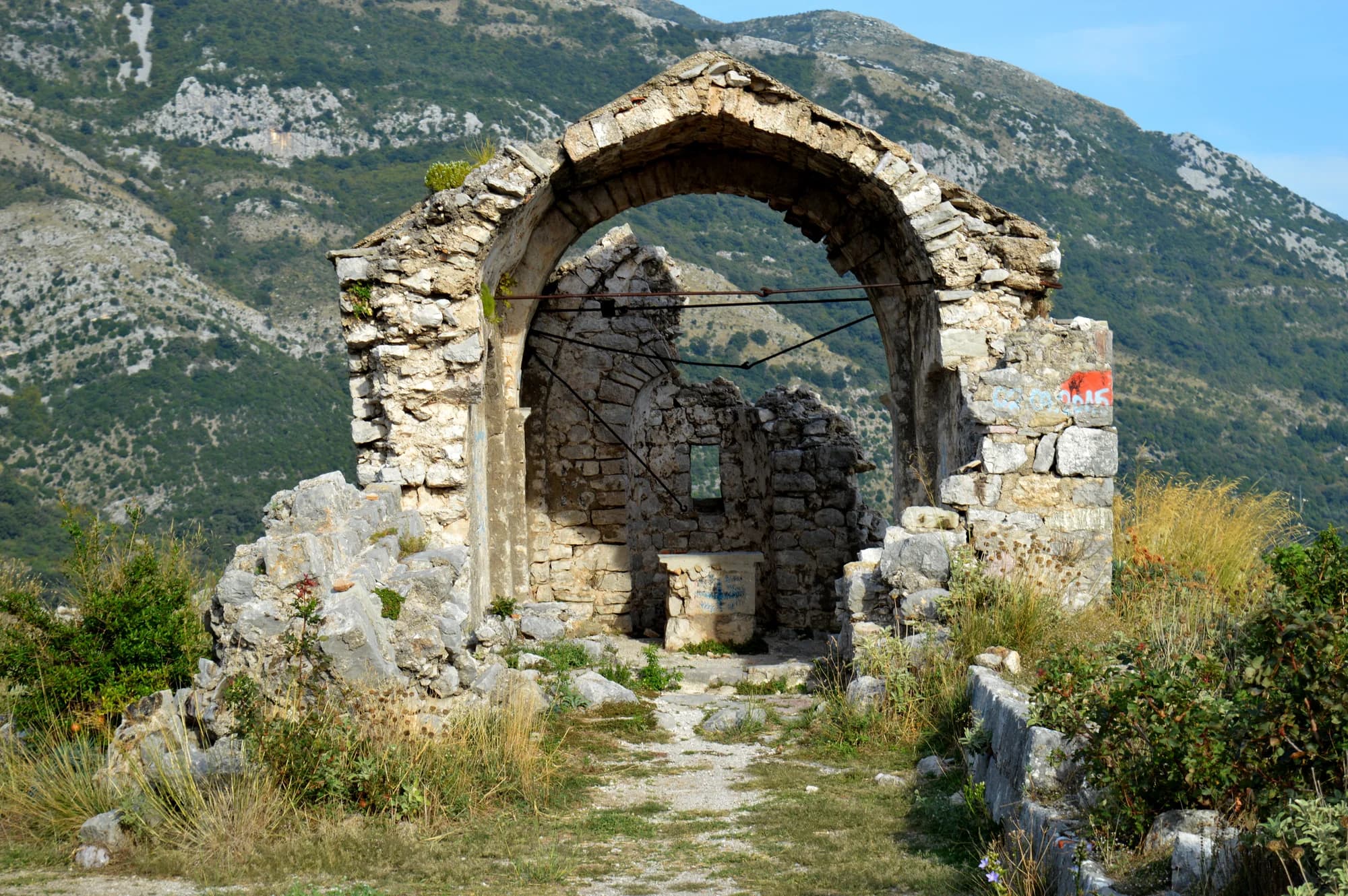
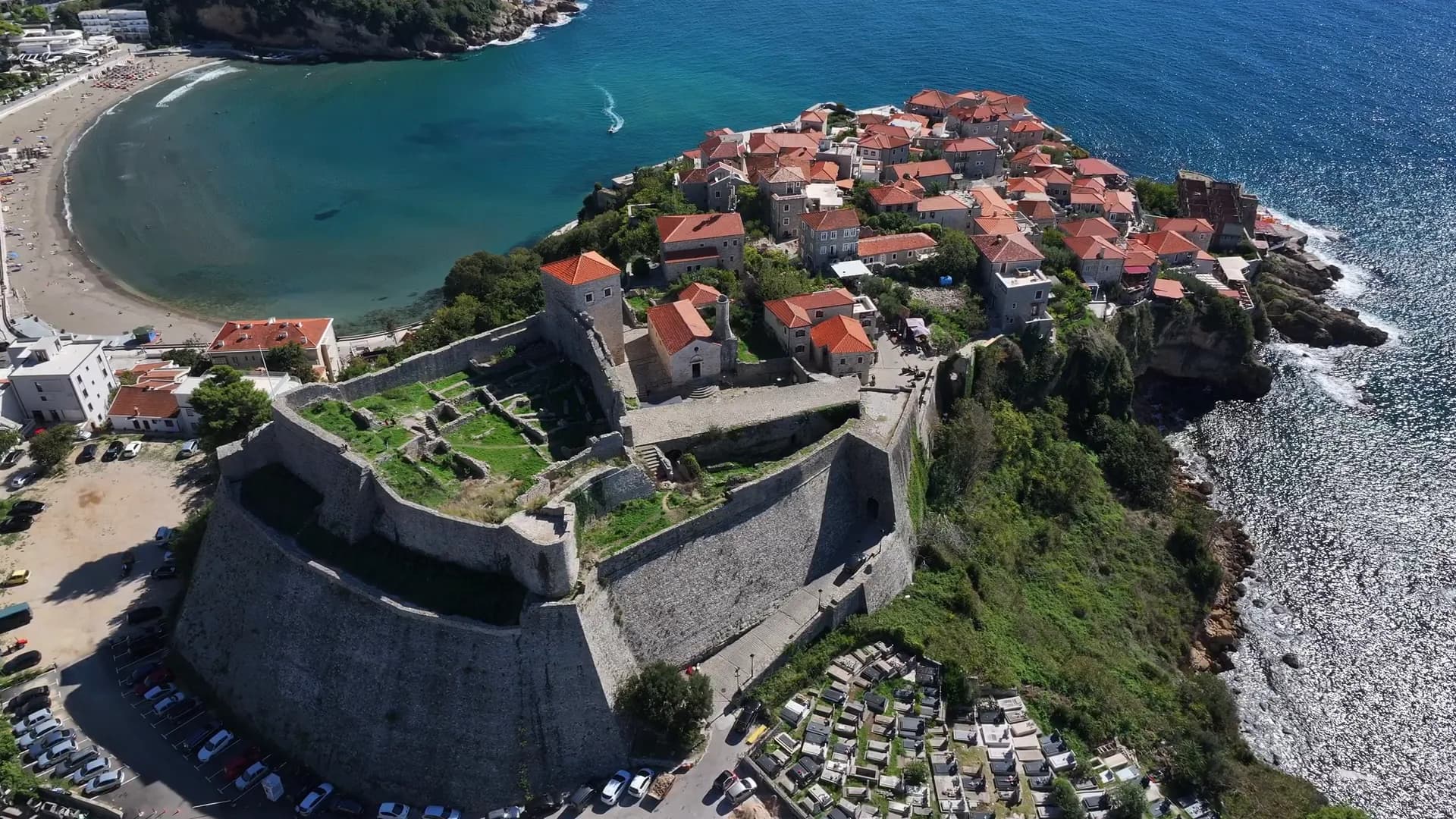
Ulcinj is Montenegro's southernmost coastal city, a place where the Adriatic meets a rich tapestry of Albanian, Ottoman, and Mediterranean influences to create an atmosphere unlike anywhere else on the Montenegrin coast. Perched on a rocky headland, the ancient Old Town fortress has watched over these waters for more than two millennia, its stone walls enclosing a compact maze of lanes, small museums, and restaurants serving fresh fish with a distinctly southern Balkan flair. The star attraction is Velika Plaža — the Great Beach — a remarkable unbroken stretch of fine dark sand that extends for 13 kilometers southeast of town, making it one of the longest beaches in Europe.
34 accommodations in Ulcinj
Search thousands of hotels & apartments with live prices.
We may earn a commission from partner links. This helps us keep Montenegro.com free for travelers.

Few places on the Mediterranean can match what Ulcinj delivers. This is a town where Illyrian fortress walls meet Ottoma

Ulcinj (Albanian: Ulqin; Italian: Dulcigno) is the southernmost city on the Montenegrin coast, situated just 30 kilometr

Few places on the Mediterranean can match what Ulcinj delivers. This is a town where Illyrian fortress walls meet Ottoma

Velika Plaža (Long Beach), Ulcinj, Montenegro: 12 km of warm, sandy, family-friendly beach. Guide to getting there, kite

Plan your trip to Ada Bojana, Montenegro: a sandy river-delta island near Ulcinj for swimming, kitesurfing and fish rest
Ulcinj is Montenegro's southernmost coastal town, known for Velika Plaža — the Adriatic's longest sandy beach at around 12 km — its clifftop Old Town with over 2,000 years of history, the river island of Ada Bojana with its naturist village and stilt seafood restaurants, world-class kitesurfing, and the Salina salt pans where flamingos gather. It has a distinctive Montenegrin-Albanian culture.
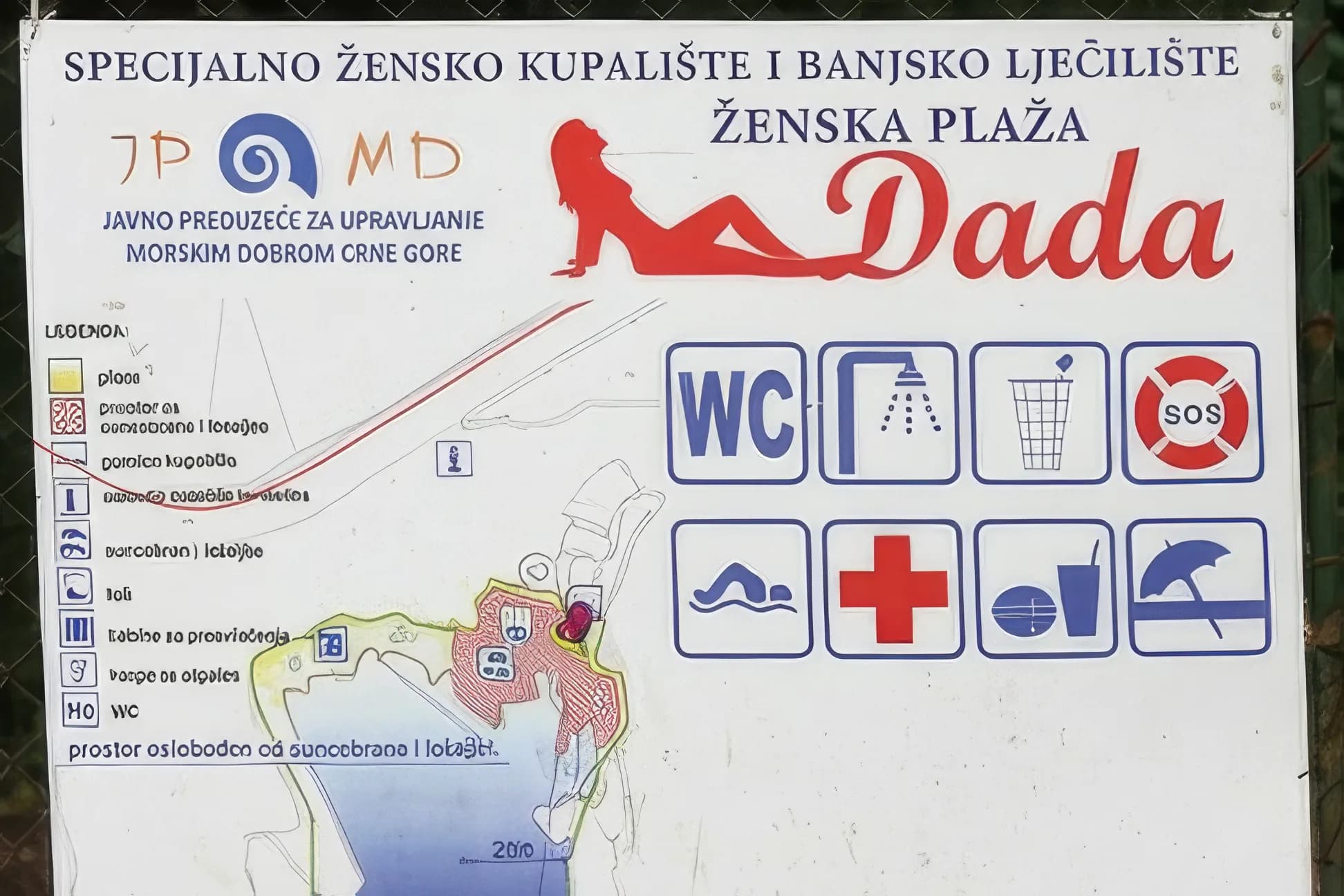
It depends what you want. Velika Plaža (Long Beach) is the star — around 12 km of fine sand with warm, shallow water, the longest sandy beach on the Adriatic, great for families and kitesurfing. Mala Plaža, the small city beach below the Old Town, is the lively, walkable choice in the centre. Ada Bojana, Valdanos and Ladies' Beach offer naturist sands, an olive-grove cove and sulphur springs respectively.
Velika Plaža (Long Beach) stretches for around 12 km along the coast toward the Bojana River and the Albanian border, making it the longest beach in Montenegro and the longest continuous sandy beach on the entire Adriatic. The sand is fine and the water shelves gently, so it stays shallow a long way out.
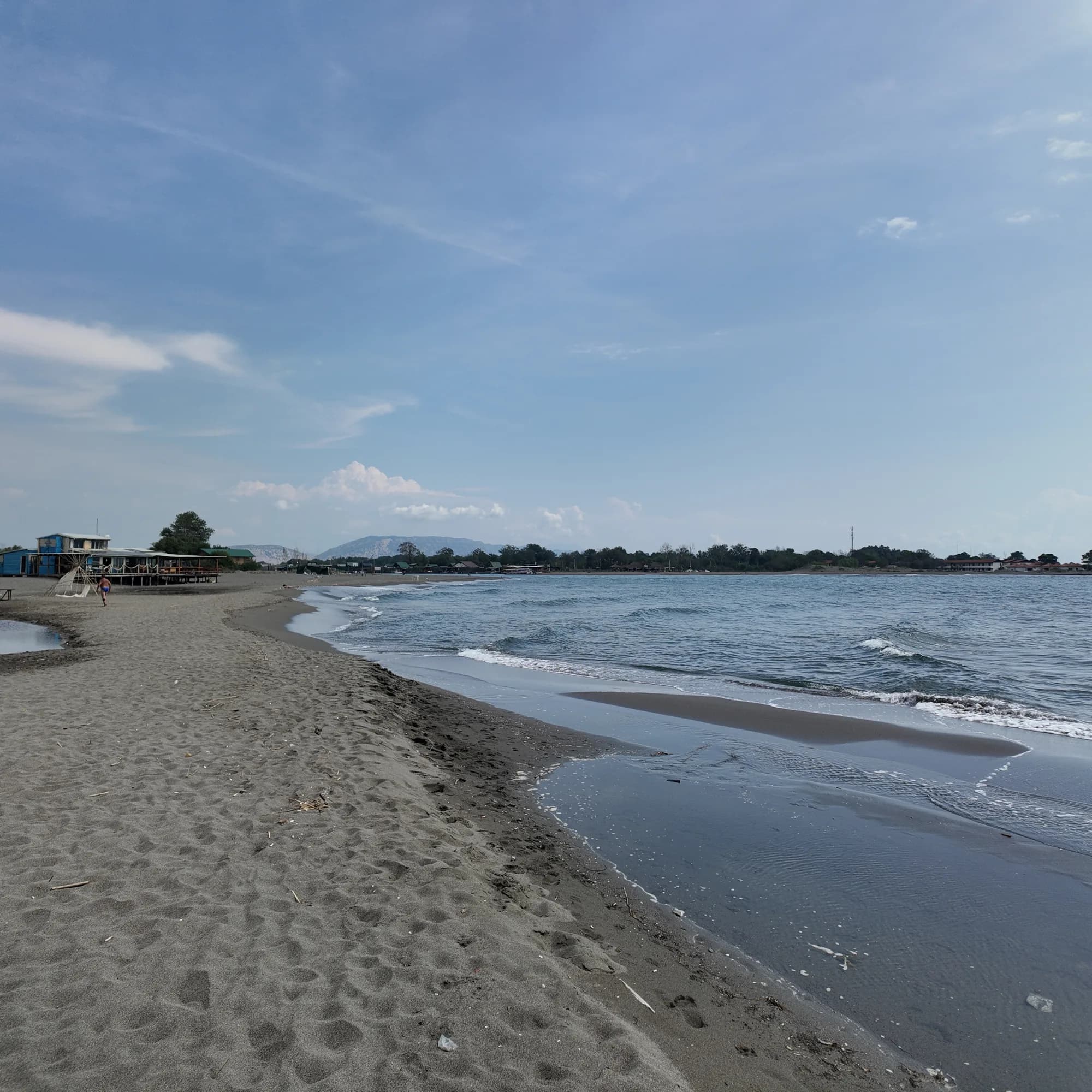
Ada Bojana is a triangular river-delta island of about 4.8 km² at the mouth of the Bojana River, bordered by the river on two sides and the sea on the third. It formed after an 1858 shipwreck trapped river sediment. It's famous for its naturist (FKK) resort — opened in 1973, the first in the former Yugoslavia — its wooden stilt seafood restaurants over the water, its sunsets, and kitesurfing. It's about 15 minutes from the town centre.
Yes — Ulcinj is considered Montenegro's kitesurfing and windsurfing capital. The best spots are the southern end of Velika Plaža and around Ada Bojana, where the water is flat and shallow. The reliable summer wind is the Maestral, a thermal sea breeze that usually builds from early afternoon until sunset at around 14–25 knots. Several kite schools offer lessons and gear hire in season.
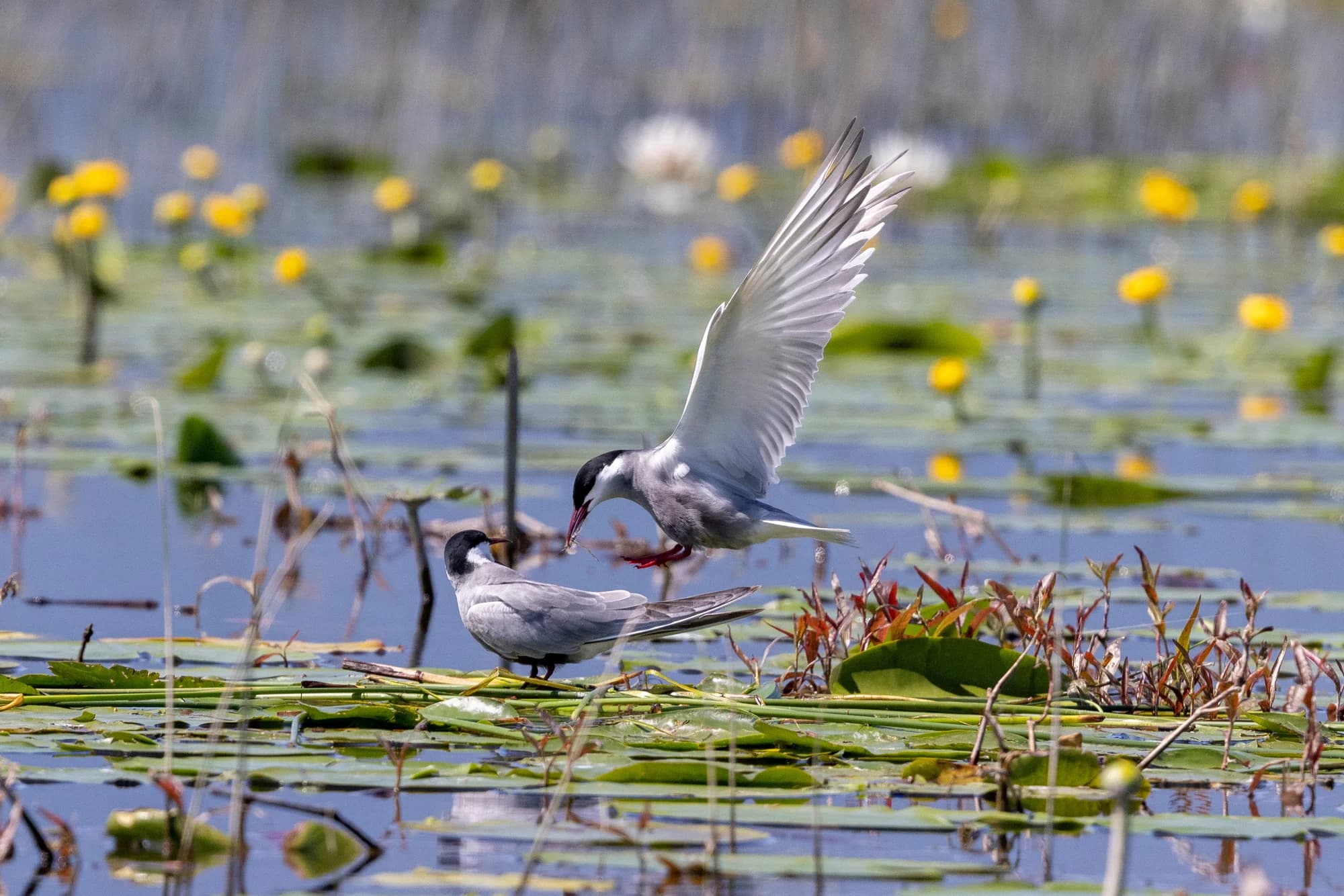
Yes. The Ulcinj Salina (salt pans) is one of the most important bird habitats on the eastern Adriatic, with around 250 recorded species including greater flamingos and the rare Dalmatian pelican. Spring and autumn migration bring the largest numbers, but it's rewarding from roughly April to October. Early morning and late afternoon are best, and local guided birdwatching tours are available.
Ulcinj is at the southern end of the Montenegrin coast, beyond Bar, about 25 minutes from the Albanian border. Coastal buses run from Bar, Budva, Kotor and Podgorica in season (a Kotor fare is roughly €7–8 one way; check current prices locally), and the bus station is about 2.5 km from the centre. The nearest airports are Podgorica and Tivat. A car is the easiest way to reach the spread-out beaches, Ada Bojana and the Salina.
June and September are the sweet spot — warm sea, long days and fewer crowds than the July–August peak, which is liveliest and best for kitesurfing wind. May and October are quieter and good for sightseeing and birdwatching at the Salina, which peaks in spring and autumn migration. Early morning and the hours before sunset are the most rewarding times for both the beaches and the Old Town.
Yes — especially for sand, history and somewhere distinct from the rest of the coast. Ulcinj combines the Adriatic's longest sandy beach, a clifftop Old Town with two millennia of history, the river island of Ada Bojana, excellent kitesurfing and a flamingo-filled nature reserve. It's less polished than Kotor or Budva, which is exactly its appeal for travellers after warm, shallow swimming and big open beaches.