The best time to visit Montenegro depends on what you want: warm Adriatic swimming and buzzing beach towns, quiet old streets and shoulder-season bargains, or fresh powder in the Durmitor mountains. For most travelers, June and September are the sweet spot — sunny and warm but without July–August crowds and near-double prices. This month-by-month guide breaks down weather, sea temperature, crowds, price level and what's on, so you can match the season to your trip and your budget.
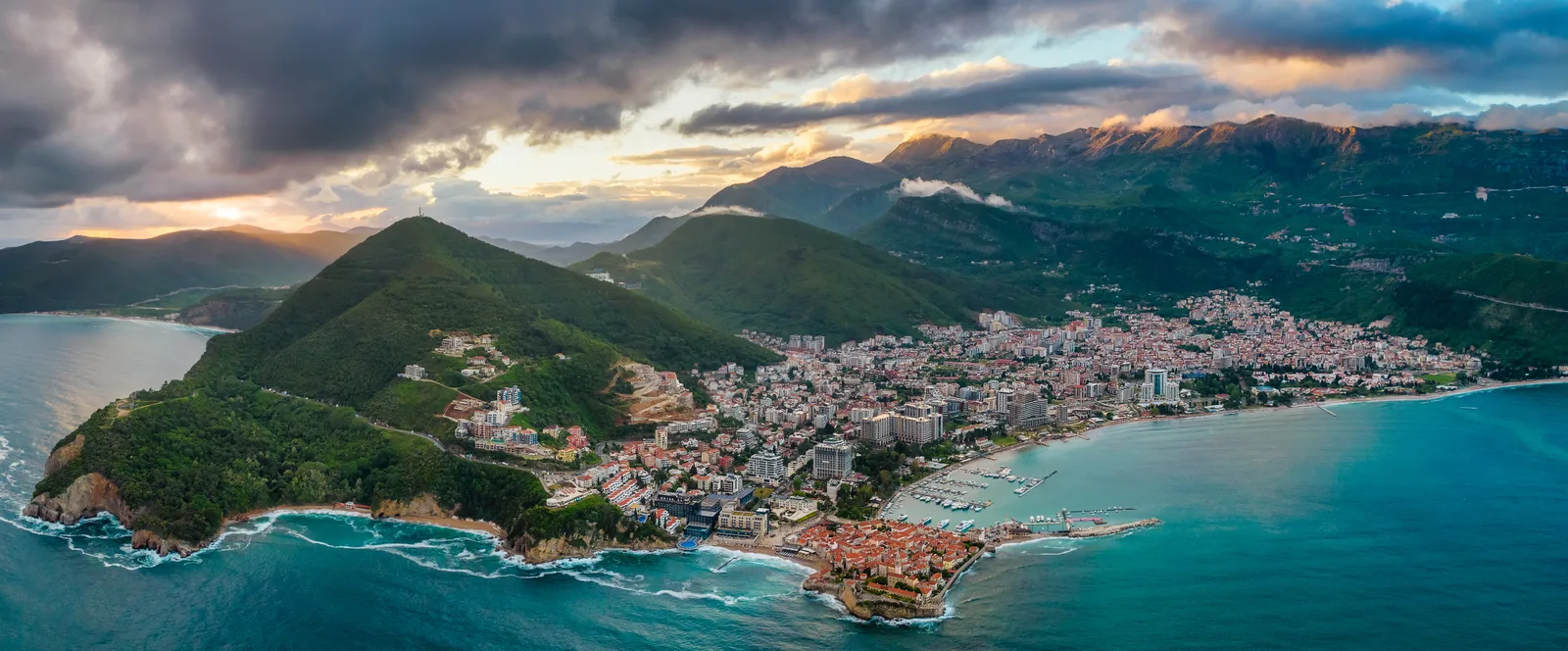
Quick Answer: When to Go
- Best overall: June and September — warm sea, sunshine, fewer crowds, kinder prices.
- Best for beaches and nightlife: July–August (busiest and priciest; book well ahead).
- Best value and calm: May and October (cooler but pleasant, great for sightseeing and hiking).
- Best for skiing and snow: January–February in the northern mountains.
- Quietest: November and early spring — many coastal venues closed, but very cheap.
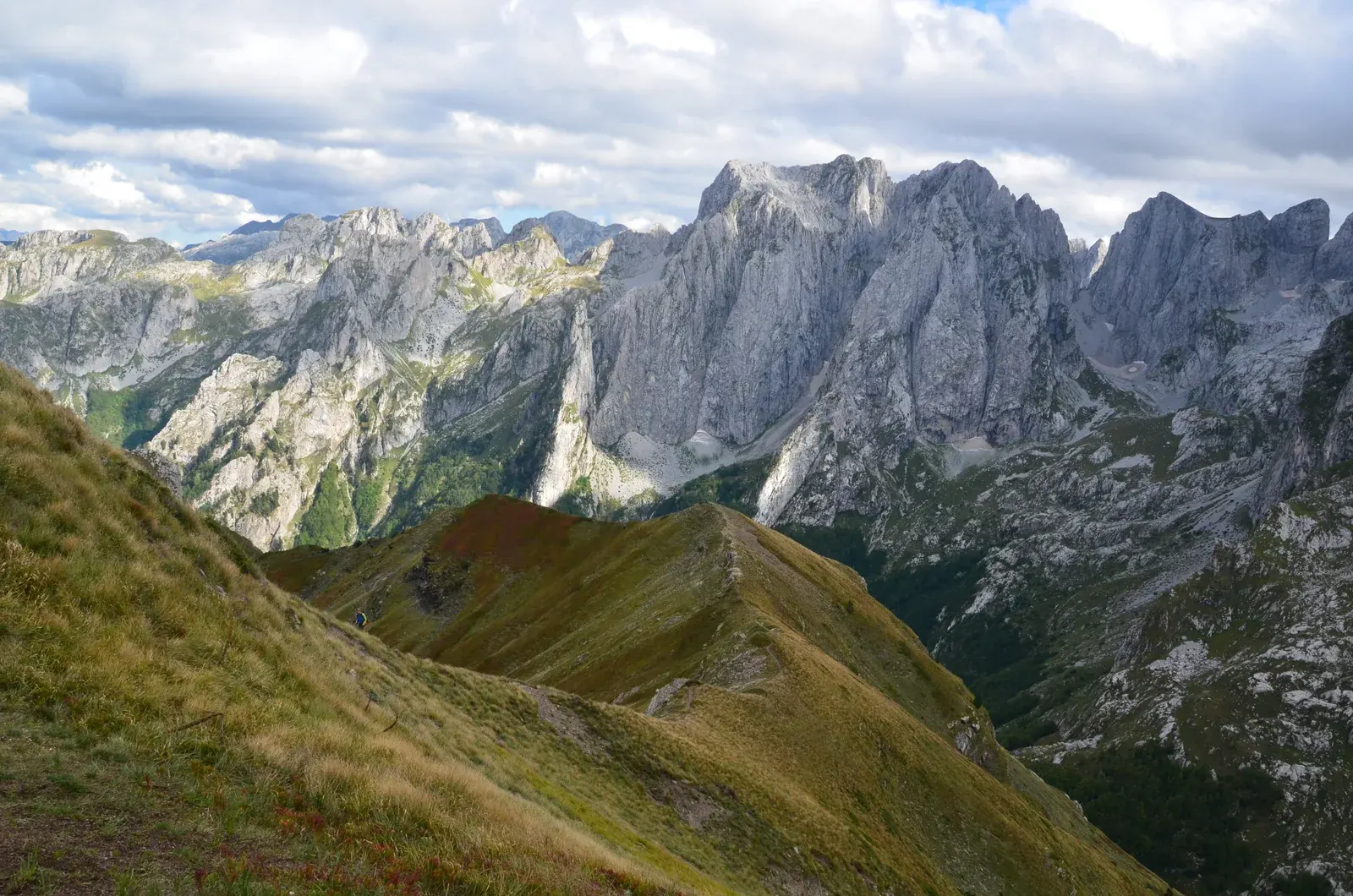
Montenegro's coast has a Mediterranean climate (hot dry summers, mild winters), while the mountainous north is sub-alpine, with winters dropping to −15 to −20 °C and a real ski season. That split means there's a good reason to visit in almost any month — you just pick the region to match.
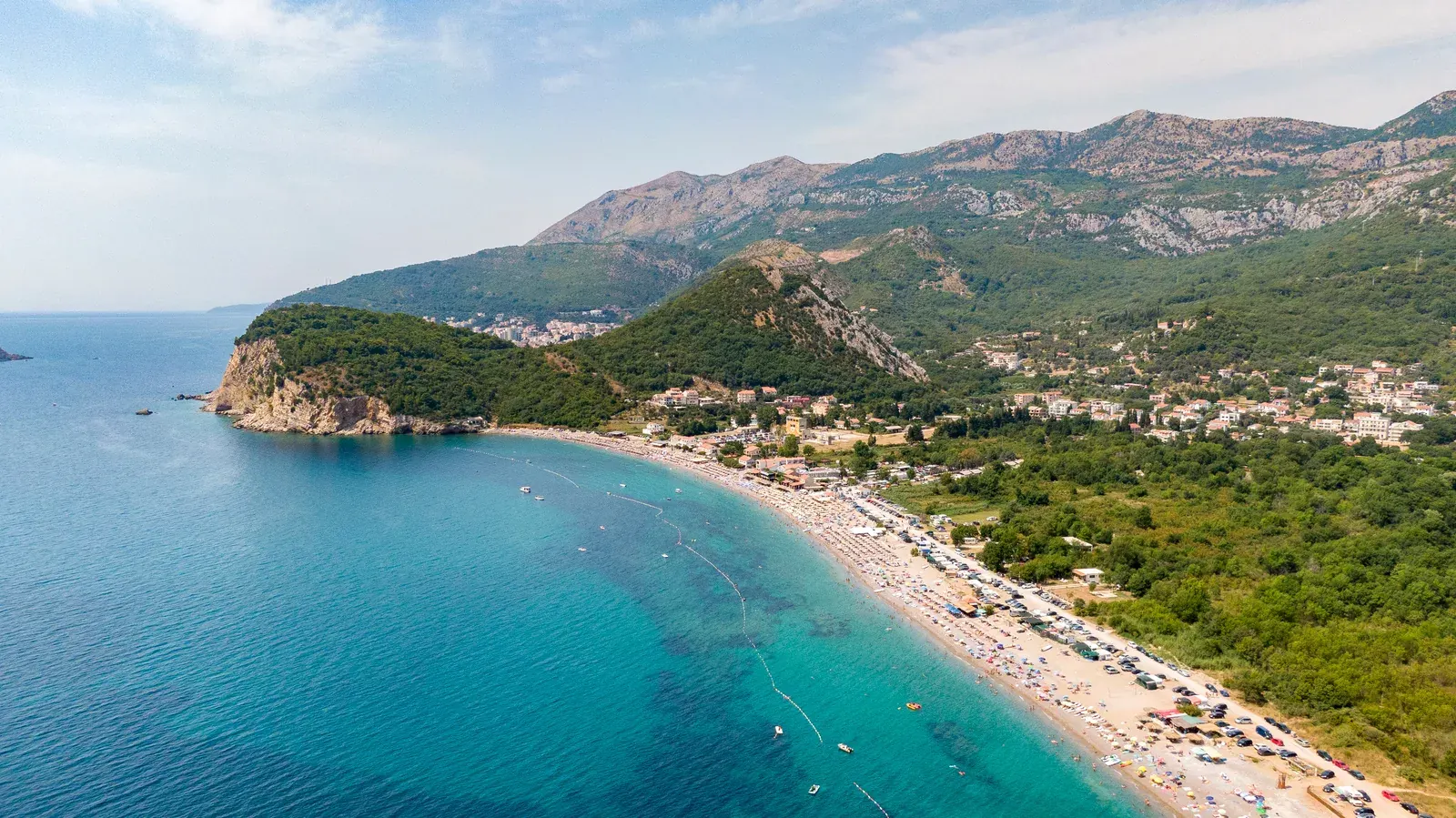
Month-by-Month at a Glance
| Month | Coast weather | What's on |
|---|---|---|
| Jan | Mild, wet; snowy north | Ski season; Orthodox Christmas (7 Jan) |
| Feb | Mild, wet; peak ski | Best skiing in Durmitor/Kolašin |
| Mar | Cool, spring stirs | Quiet sightseeing; almond blossom |
| Apr | Mild, green, some rain | Easter; hiking begins |
| May | Warm, sunny days | Statehood season; great hiking |
| Jun | Hot, dry, long days | Ideal beach + sightseeing combo |
| Jul | Hot, dry | Peak season; festivals; full nightlife |
| Aug | Hot, dry, peak heat | Busiest; book far ahead |
| Sep | Warm, calm, sunny | The connoisseur's month |
| Oct | Mild, more rain late | Wine harvest; warm sea lingers |
| Nov | Cooler, wetter | Quiet; many coastal venues closing |
| Dec | Mild coast; snow north | Ski opens; New Year on the coast |
Sea temperatures are approximate Adriatic averages and vary year to year.
Spring: April & May
Spring is Montenegro at its freshest and most affordable. The hills are green, wildflowers are out, and the light is beautiful for photography. Crowds are thin and prices haven't yet climbed.
April is mild with occasional rain — ideal for city sightseeing (Kotor, Cetinje, Perast), birdwatching on Lake Skadar — the largest lake in the Balkans, a Ramsar-listed wetland since 1995 with some 280 recorded bird species, including the rare Dalmatian pelican — and the first proper hiking, though high mountain trails may still hold snow. The sea (around 15 °C) is too cold for most swimmers.
May is one of the most rewarding months: warm, sunny days, a sea warming toward 18 °C, and landscapes at their lush peak. It's prime time for hiking, the bay, and exploring without the summer scrum. Note: May is also an excellent answer to "Montenegro in May" — warm enough to enjoy the coast, cheap enough to splurge on a sea-view rental, and quiet enough to have viewpoints to yourself. Pack layers; evenings are cool.
Spring is the season for travelers who care more about scenery, hiking and value than about long beach days. See our hiking in Montenegro guide for spring trails.
Early Summer: June
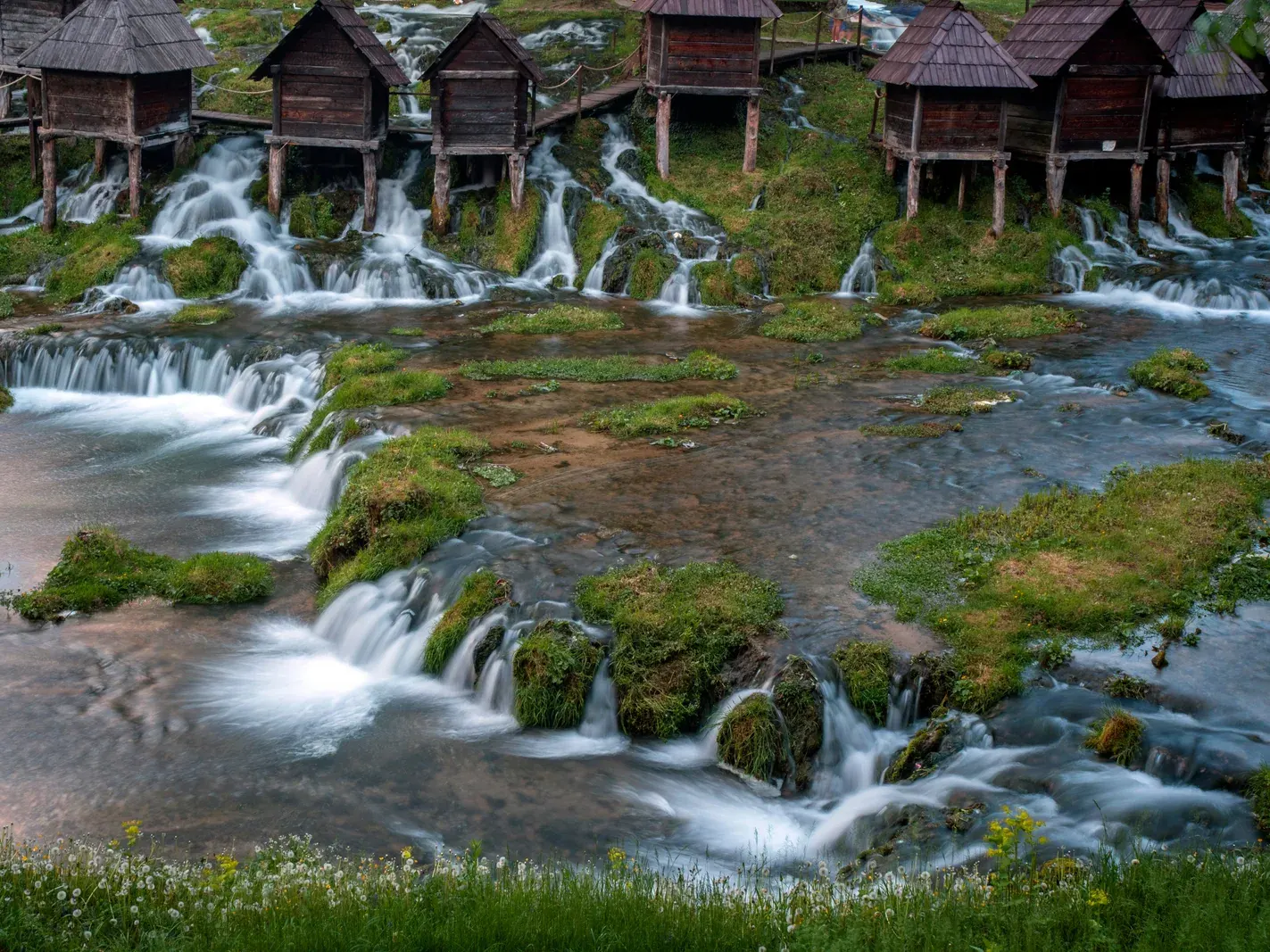
June is, for many, the single best month to visit Montenegro. You get genuine summer — hot, dry, long days and a sea warming to a swimmable ~22 °C — but the crush of July and August hasn't arrived, and prices, while rising, are still below peak.
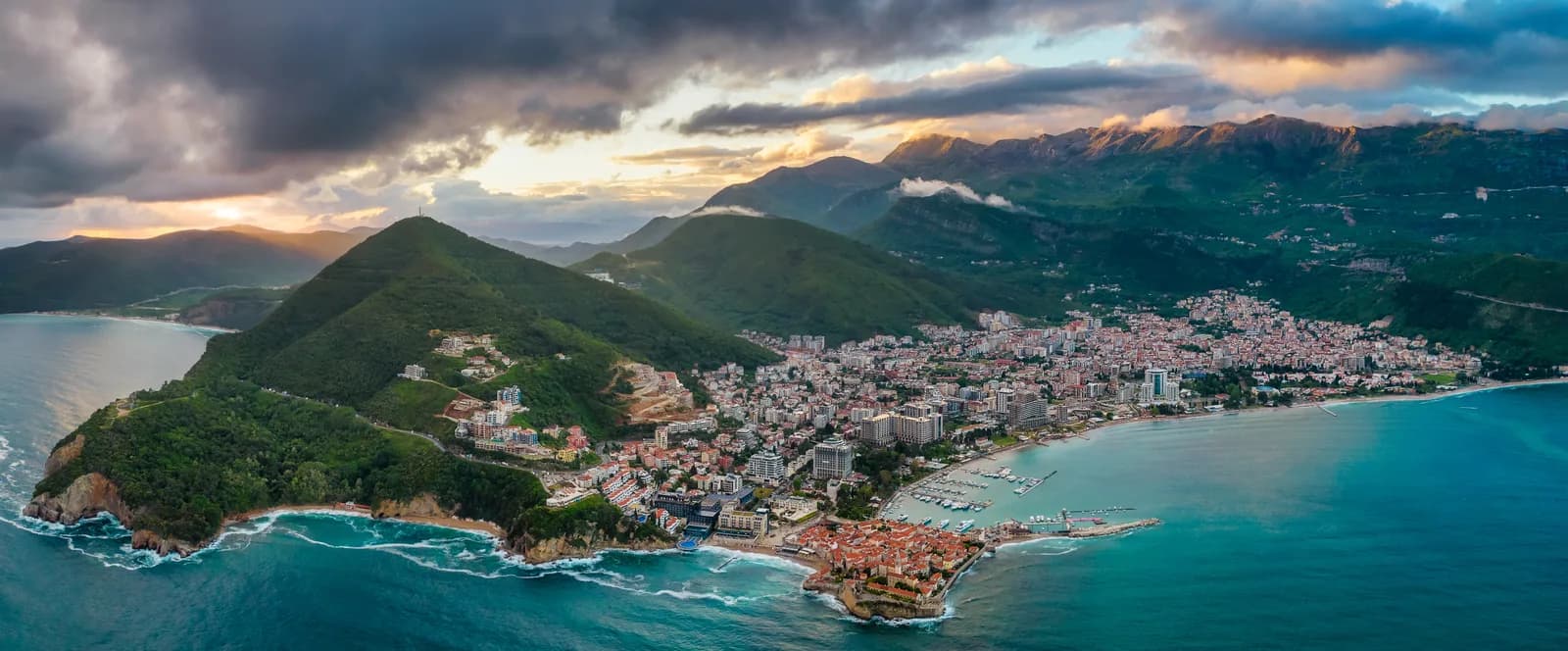
This is the beach-and-everything-else month: swim in the morning, explore Kotor or Budva's old town in the afternoon, drive into the mountains on a clear day. The coast feels alive without being overwhelmed, restaurants have tables, and the famous viewpoints aren't elbow-to-elbow.
Note: "Montenegro in June" is a sweet spot — warm sea, full daylight, manageable crowds and shoulder-ish prices. Book accommodation a month or two ahead and you'll have an excellent choice of holiday rentals in Budva and apartments in Kotor at fair rates.
Peak Summer: July & August
This is high season — the Adriatic at its warmest (24–25 °C), guaranteed sun, and Montenegro's coast at full tilt. Beach clubs, boat trips, festivals and nightlife all peak, and Budva in particular becomes one of the Adriatic's liveliest party towns.
The trade-offs are real:
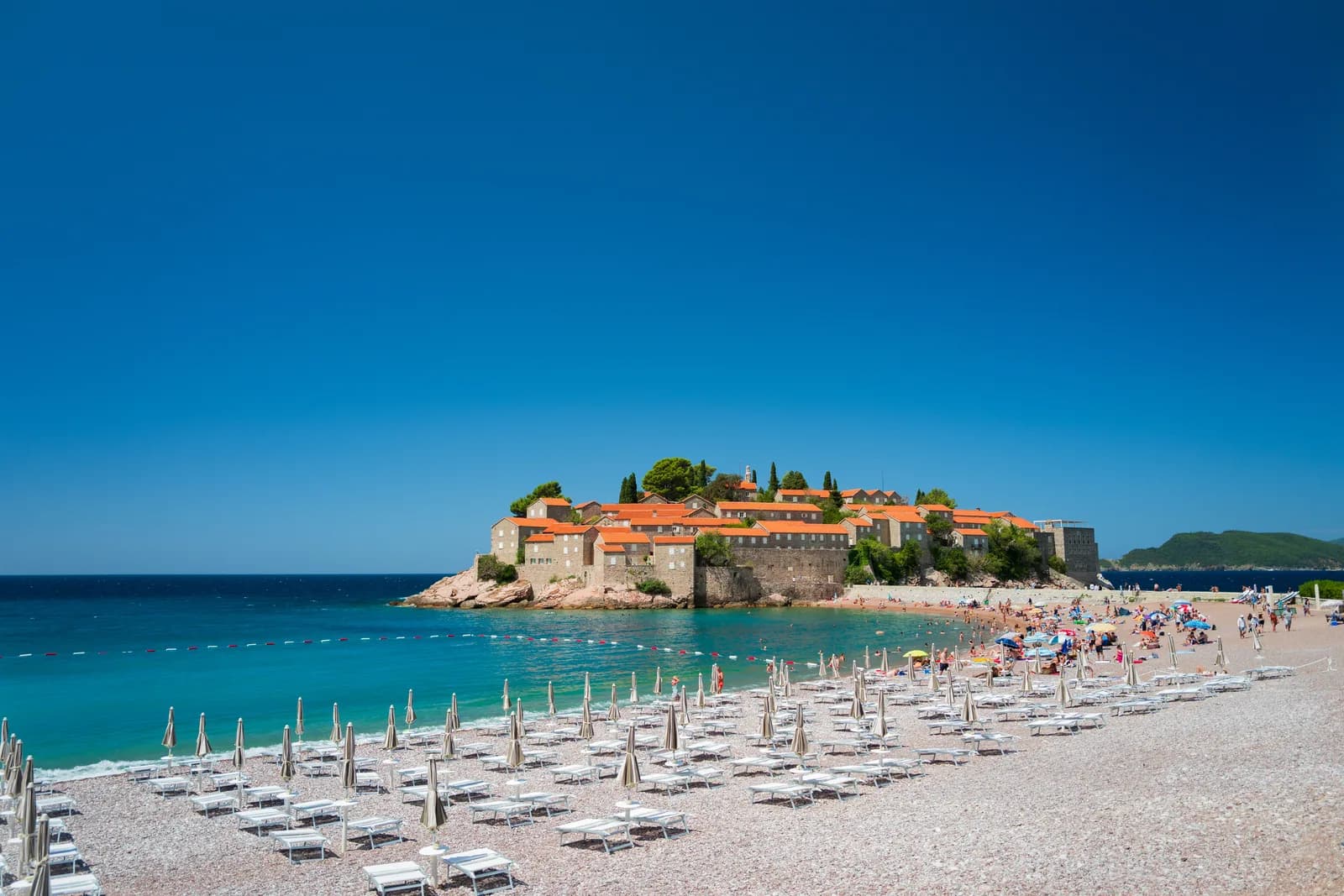
- Crowds: Kotor, Budva and Sveti Stefan are busy; old-town lanes and popular beaches fill up, and cruise days pack Kotor.
- Prices: accommodation can run close to double the shoulder-season rate, and the best places sell out months ahead.
- Heat: inland and in the sun it can be intense; the mountains offer cool relief.
July and August are perfect if your priority is sun, sea and a buzzing social scene, and if you book early. If you want the same warmth with more breathing room, shift to June or September. For beach inspiration, see our best beaches in Montenegro guide.
A note on the heat: Podgorica, in the karst basin behind the coastal ranges, is one of the hottest capital cities in Europe — its 44.8 °C reading from August 2007 still stands as Montenegro's national record. The same physics that bake the inland plain also offer the escape: air cools by roughly 6.5 °C for every 1,000 meters of altitude, which is why a July afternoon that sears Podgorica feels merely warm in Kolašin and can call for a fleece beside Durmitor's lakes.
Golden Shoulder: September
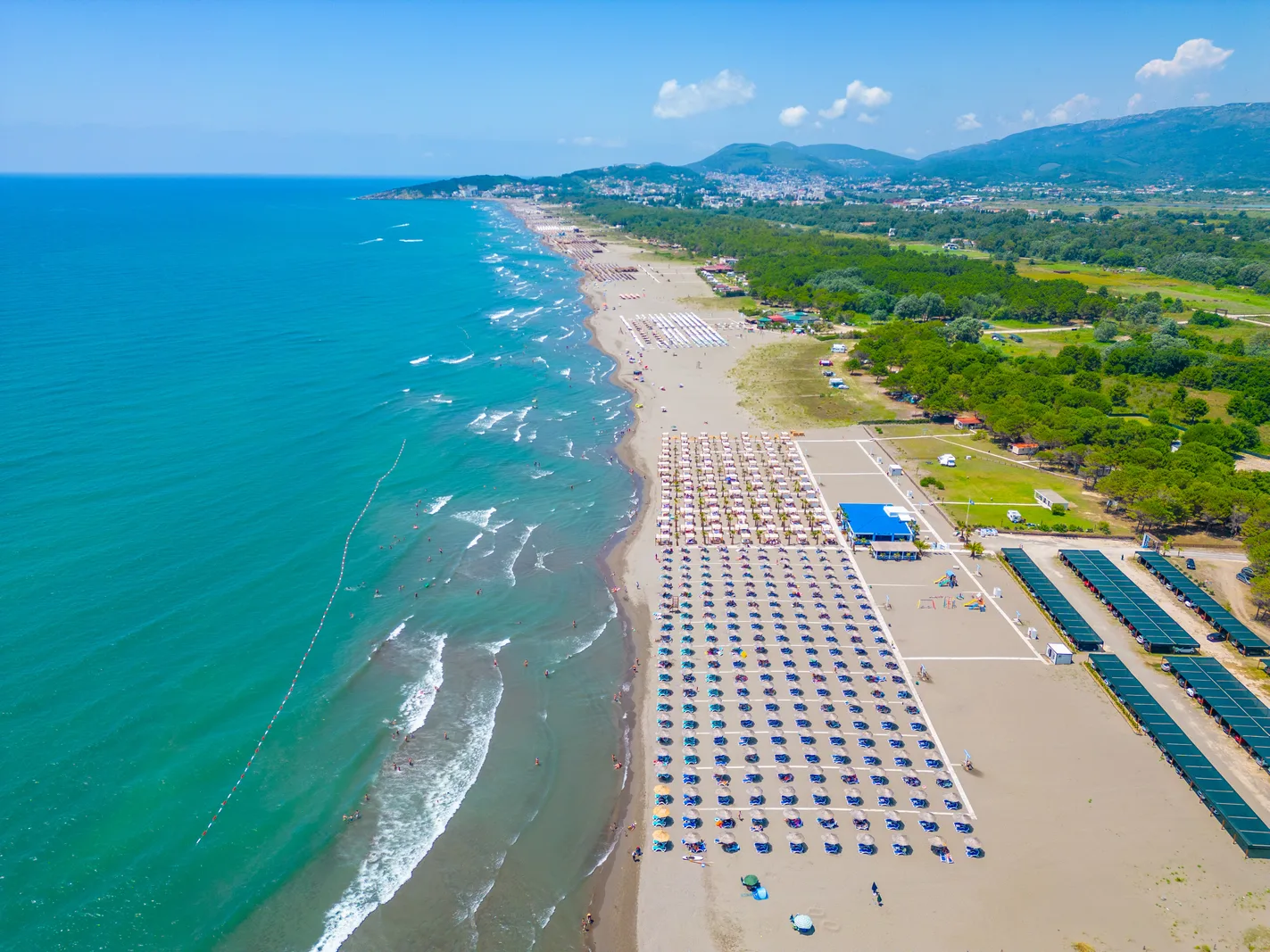
Ask Montenegro regulars for their favourite month and many say September. The sea is still warm (~24 °C — often the year's best swimming: seawater gains and sheds heat far more slowly than air, so the Adriatic peaks in mid-August and stays swimmably warm for weeks after the air cools), the weather is settled and sunny, the crowds thin out after the August peak, and prices ease.
It's the connoisseur's choice: warm enough for full beach days, calm enough to enjoy Kotor and Perast in peace, and ideal for combining the coast with mountain hikes as the heat softens. Note: "Montenegro in September" delivers peak-quality conditions at shoulder-season prices — arguably the best value-for-experience month of the year.
If you can only travel once and want the optimal blend of warmth, calm and cost, September is hard to beat.
Autumn: October & November
October keeps a surprising amount of summer: mild days, a sea still around 21 °C (swimmable for the hardy early in the month), and gorgeous low autumn light. It's wine-harvest season: in the Crmnica hills above Lake Skadar and on Plantaže's 2,320-hectare Ćemovsko polje vineyard near Podgorica — the largest single vineyard in Europe, with more than 11 million vines — crews hand-pick the inky Vranac grape from late August into autumn. Crowds are low and prices are reasonable — a lovely time for sightseeing, wine, and gentle hiking. Note: "Montenegro in October" is mild and quiet, great for culture and food, with the odd rainy spell as the month progresses. Pack for some rain.
November turns quieter and wetter. Many coastal restaurants and beach venues close for the season, days shorten, and the focus shifts to cities and indoor culture. The upside is rock-bottom prices and near-empty old towns — atmospheric if you don't mind grey skies. For ideas on travelling out of season, see our off-season Montenegro guide.
Winter & Ski Season: December–March
Winter is two countries in one. On the coast, it's mild (around 10–15 °C by day), often rainy, and low-key — Kotor and Budva are quiet, cheap and atmospheric, with a relaxed New Year on the waterfront.
In the mountains, it's full ski season. Resorts around Kolašin — where the linked Kolašin 1450 and 1600 ski areas on Bjelasica run lifts to above 2,000 meters — and Žabljak (Durmitor), whose Savin Kuk runs top out at 2,310 meters, offer affordable skiing and snowboarding from roughly December into March, with January and February the most reliable for snow and the northern valleys dropping well below freezing. It's a genuinely different Montenegro — frozen lakes, snow-laden pines, and prices a fraction of the Alps.
Winter suits travelers after skiing, solitude, or budget city breaks rather than the beach. Our Montenegro winter guide covers the ski resorts and cold-season highlights in detail.
How Season Affects Your Booking Strategy
When you travel should shape how and when you book:
- Peak (Jul–Aug): book 2–4 months ahead. The best-located and best-value places go first, and last-minute coastal rooms are scarce and expensive.
- Shoulder (Jun, Sep): book a few weeks to a couple of months ahead for a strong choice at fair prices — this is the smart traveler's window.
- Off-season (Nov–Mar, and Apr–May on the coast): you can often book closer to your dates and find genuine bargains, but check that your chosen town hasn't half-closed for winter.
A simple rule: the warmer and busier the month, the earlier you commit. Whatever your timing, a well-located, verified rental beats a generic hotel for both value and atmosphere — browse apartments and villas across Montenegro and lock in your dates before peak demand hits. For wider trip planning, our Montenegro travel guide 2026 ties it all together.
Frequently Asked Questions
What is the best time to visit Montenegro?
For most travelers, June and September: warm sea, sunshine and long days, but without the July–August crowds and near-double prices. May and October are excellent cooler-but-quieter alternatives, and January–February are best for skiing in the north.
When is the sea warm enough to swim?
The Adriatic is comfortably swimmable from about June (~22 °C) through September (~24 °C), often peaking in late summer. October still hovers around 21 °C for the hardy early in the month; outside that window it's too cool for most swimmers.
What's the cheapest time to visit Montenegro?
November through March on the coast, and April–May before peak season, offer the lowest prices — though many coastal venues close in deep winter. The mountains in winter are great value for skiing.
Is September a good time to visit Montenegro?
Yes — many regulars consider it the best month. The sea is at its warmest after a summer of heat, the weather is settled, crowds thin after August, and prices ease. It's the top pick for value-for-experience.
When is peak season and how much busier is it?
July and August. Expect the warmest sea and full nightlife, but also the biggest crowds in Kotor, Budva and Sveti Stefan and accommodation prices close to double the shoulder-season rate. Book months ahead.
When can I ski in Montenegro?
Roughly December to March in the northern mountains (Kolašin and Žabljak/Durmitor), with January and February the most reliable for snow.
References
- National Tourism Organisation of Montenegro — when to visit & events — https://www.montenegro.travel/en
- World Meteorological Organization — climate normals — https://wmo.int
- Institute of Hydrometeorology and Seismology of Montenegro — climate data — https://www.meteo.co.me
- UNESCO — Natural and Culturo-Historical Region of Kotor — https://whc.unesco.org/en/list/125/
- UK Foreign, Commonwealth & Development Office — Montenegro travel advice — https://www.gov.uk/foreign-travel-advice/montenegro
- BirdLife International — Lake Skadar — https://www.birdlife.org/landscape-nature-restoration/lake-skadar/
- Plantaže — Ćemovsko polje vineyard — https://www.plantaze.com/en/2019/04/15/cemovsko-polje-vineyard/
- Skiresort.info — Kolašin 1450/Kolašin 1600 — https://www.skiresort.info/ski-resort/kolasin-1450-kolasin-1600/