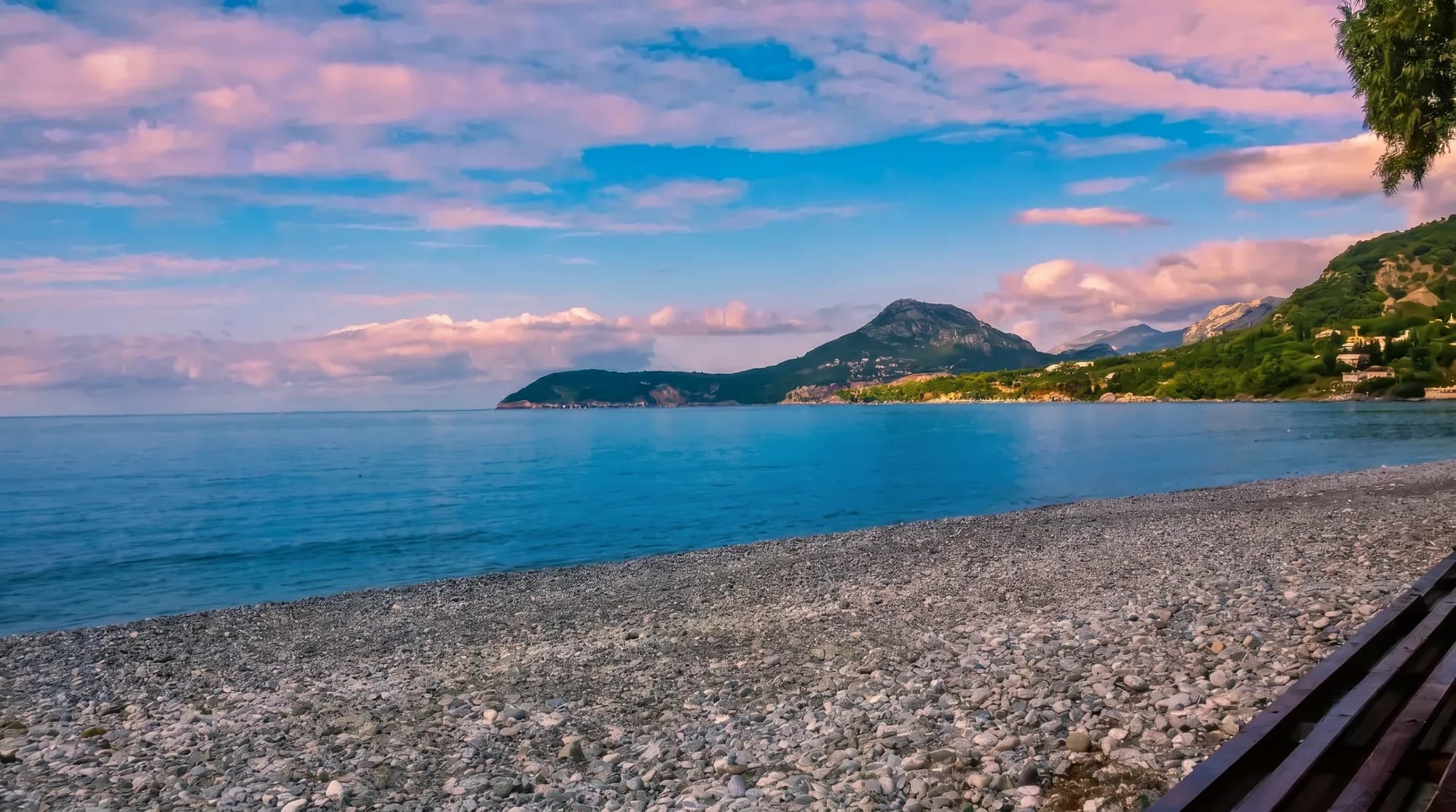
Every coastal town has the beach it advertises and the beach it actually uses. In Bar, the second kind is Žukotrlica: a kilometre of pebbles and rock stretching north of the town toward Šušanj, backed not by hotels but by a deep green belt of pine forest that pours shade onto the shore all afternoon. It is the locals' beach — the one people walk to after work with a towel over the shoulder — and its name preserves one of the coast's forgotten industries.
The plant in the name
Žukotrlica is a word you can take apart. Žuka is the local name for Spanish broom, the tough Mediterranean shrub that ignites the hillsides with yellow blossom every early summer. Trlica comes from the verb for rubbing. Put together, the name means, roughly, the place where the broom is rubbed — and that is exactly what happened here.
Before imported cotton and industrial rope, this coast clothed and rigged itself with what grew on it, and žuka was its fibre crop. The process was patient and entirely of this shore: bundles of green broom stems were tied, sunk in the shallows and anchored with stones, and left to soak — by tradition some forty days — until the sea had softened them. The retted bundles were then hauled out and rubbed against the stones to strip the pulp and free the long, woolly fibres inside. From those fibres, local hands spun and wove rope, sacks, bags, nets and even clothing. The image of women working broom against stone at the waterline was once so ordinary here that it simply became the address. The industry is long gone; the name refuses to leave.
A local swimming culture
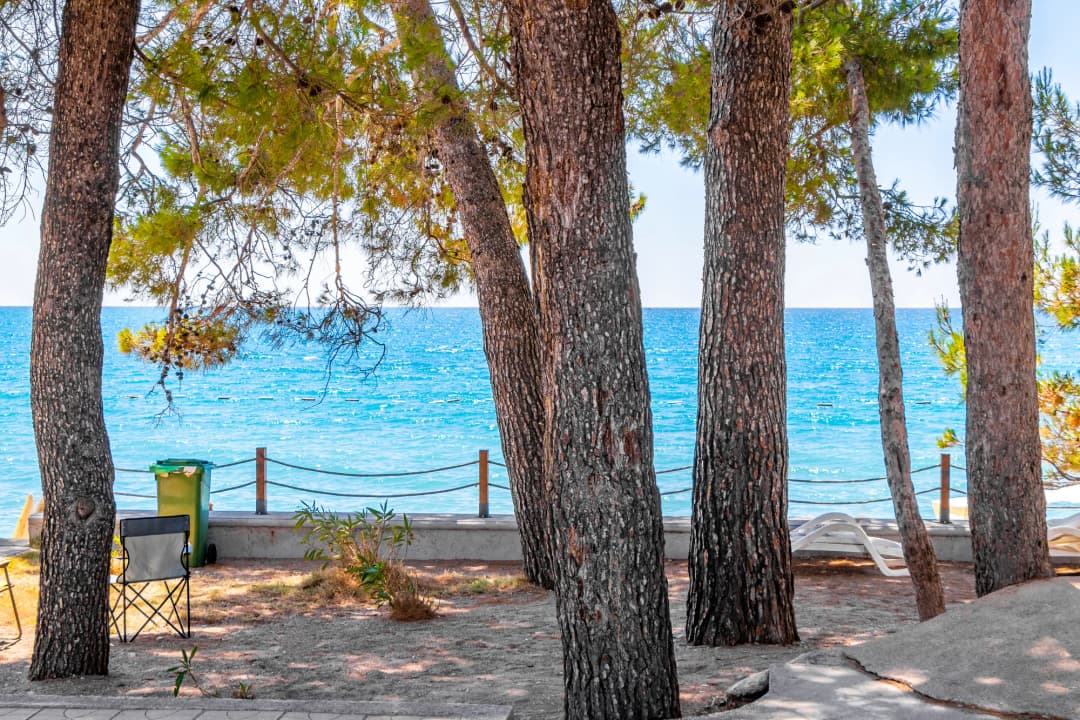
Žukotrlica today is Bar's everyday summer ritual. The beach is pebble and rock rather than sand — bring swimming shoes if your feet are tender — and the water over the stones is correspondingly clear. What makes it special is the architecture nature provided: the pine woods come right down to the shore, so this is one of the few beaches on this coast where you can spend a whole July day without renting an umbrella. Families claim the shaded tables and concrete platforms under the trees, pensioners swim their slow, sociable lengths at eight in the morning, and teenagers colonise the rocks at the far end. There are seasonal cafés and beach bars, a walking and jogging path threading the pine belt, and enough length that even in August you can find a quiet stretch.
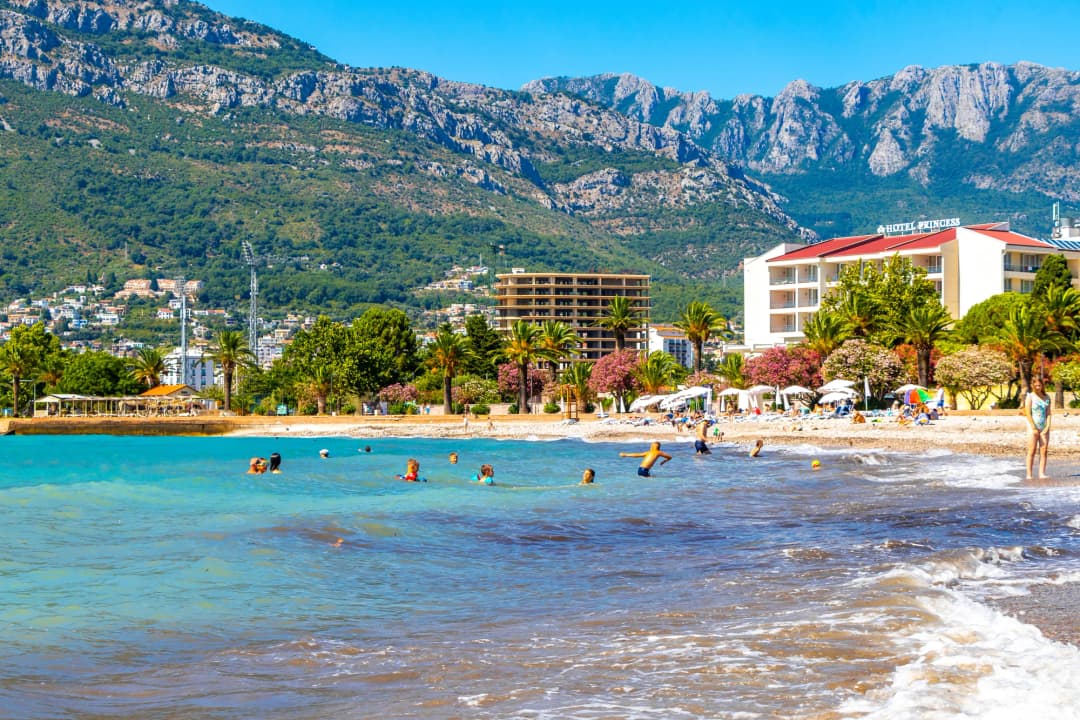
Turn your back to the sea and you get the view that defines Bar: Rumija, the bare limestone ridge rising nearly 1,600 metres directly behind the town, close enough that its evening shadow reaches for the water. Few places on the Adriatic put high mountain and open sea in one glance so casually. On clear days the light show at dusk — pink stone above, silver water below, black pines between — is reason enough to stay late.
Part of the town's long shore walk
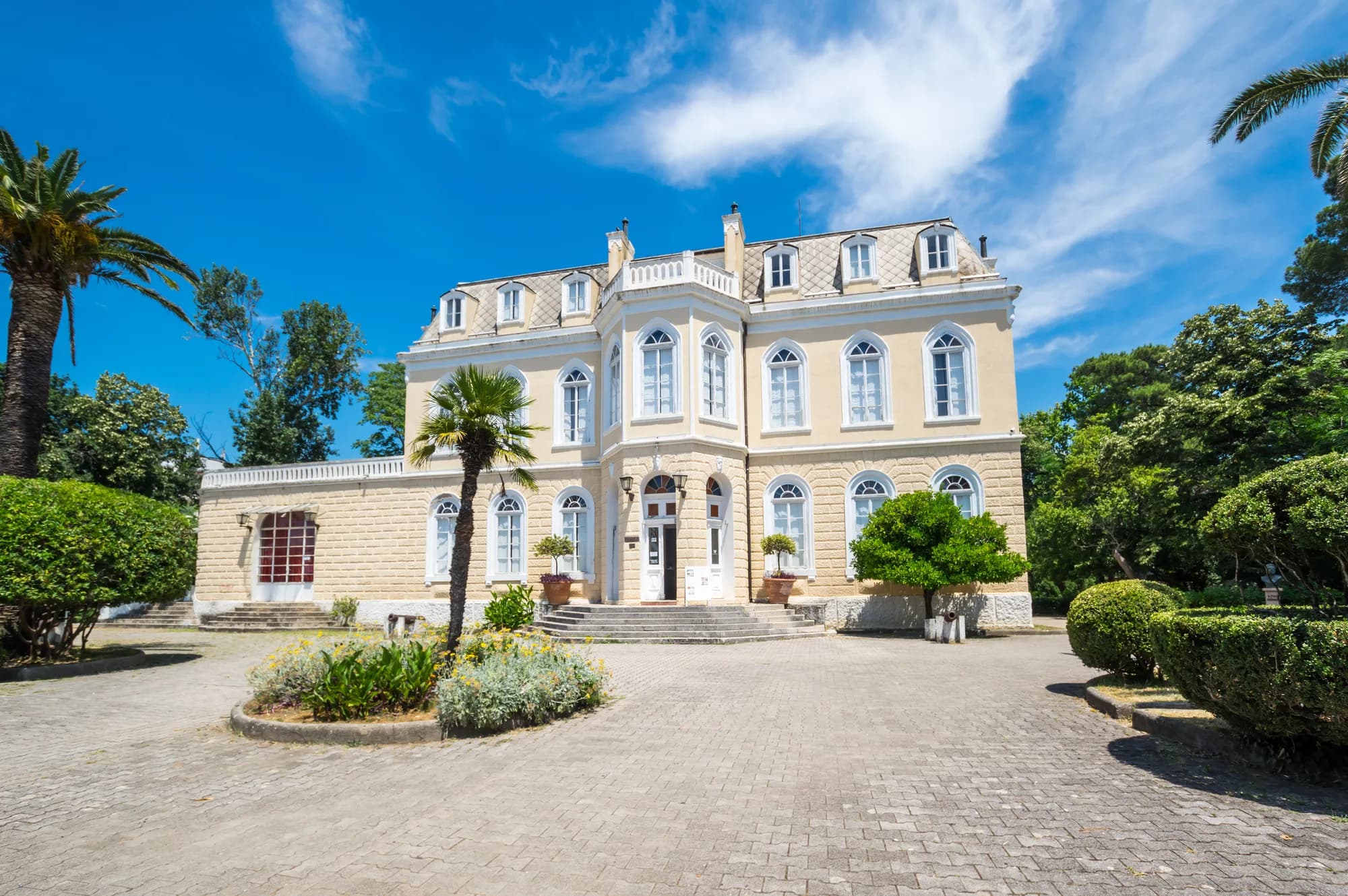
Žukotrlica is not an isolated cove but one movement in Bar's long seafront symphony. The shoreline path runs from the marina and King Nikola's Palace through the palace park and along the water to Žukotrlica and on toward Šušanj beach — an easy, level walk that strings together everything modern Bar does best. It forms the northern stages of the King's Promenade walk, and doing the whole stretch on foot, ideally in the low sun of early evening, is the single best way to understand how this town lives with its sea.
Visiting
Žukotrlica begins about fifteen minutes' walk north of Bar's centre — follow the seafront past the palace and keep going; you cannot miss where the pines start. The beach is free and public, with paid loungers only in small seasonal sections; the pine shade is nature's own and costs nothing, but arrive before mid-morning in peak season to claim it. Water entry is over pebbles and some rock slabs, so swimming shoes help, especially for children. Cafés operate from roughly May to October; outside those months the beach belongs to walkers, and the pine path is arguably at its best on a bright winter day. If you have only one unhurried afternoon in Bar, spend it the local way: a swim here, a coffee under the pines, and the walk back along the promenade as the lights come on.