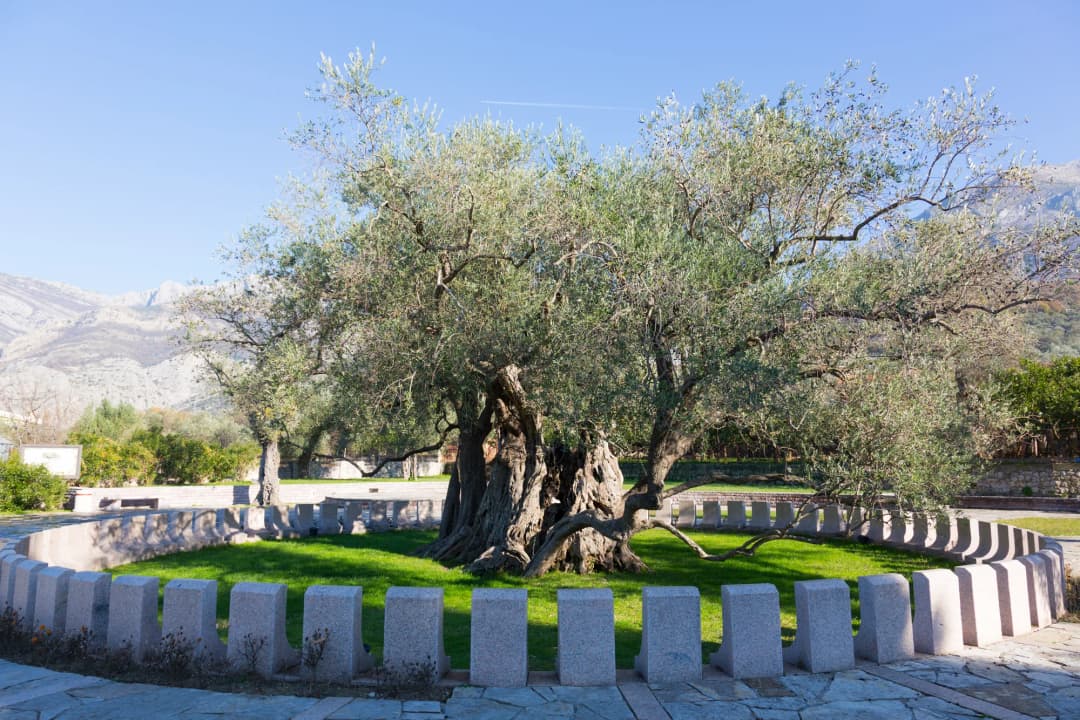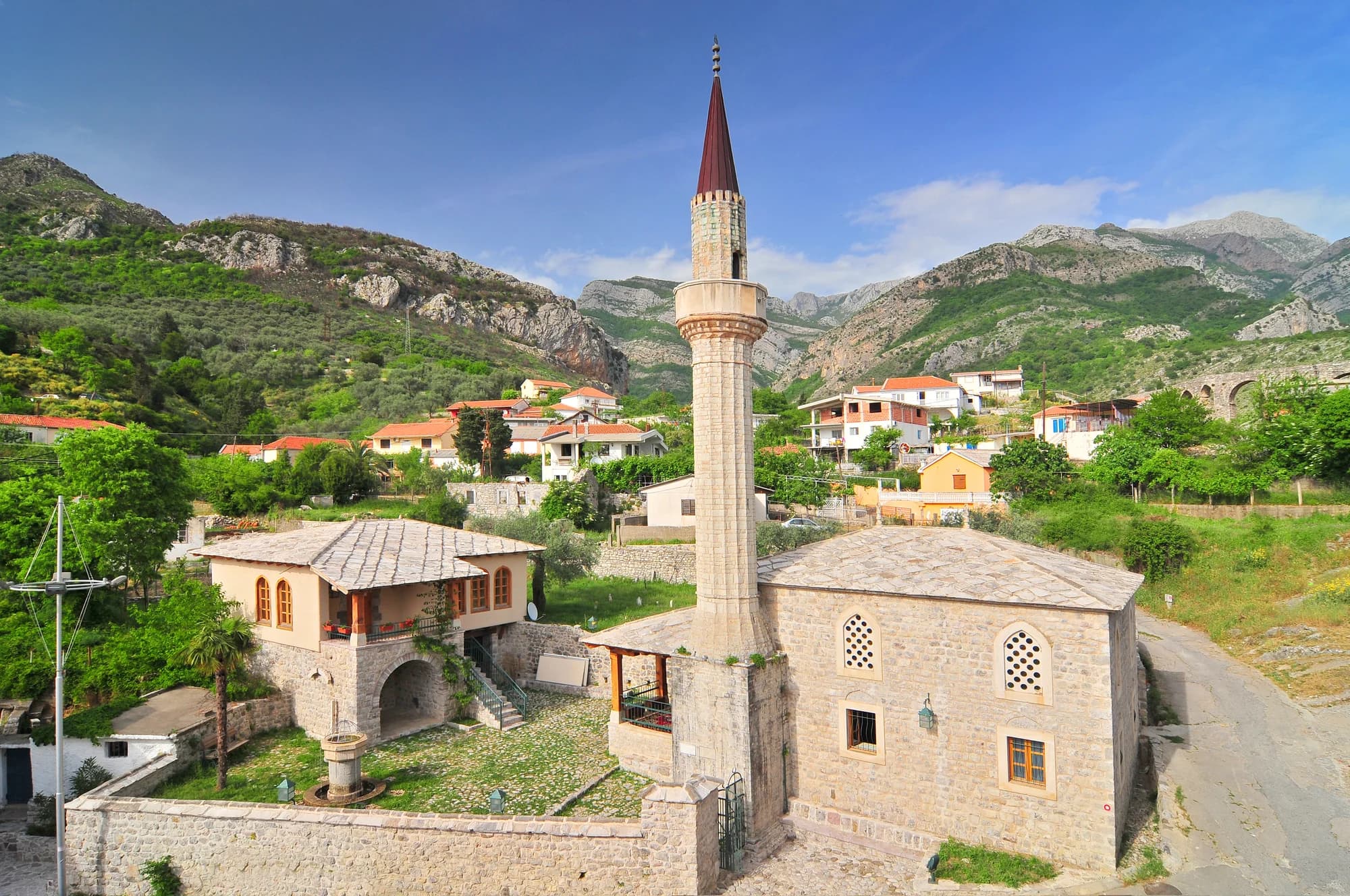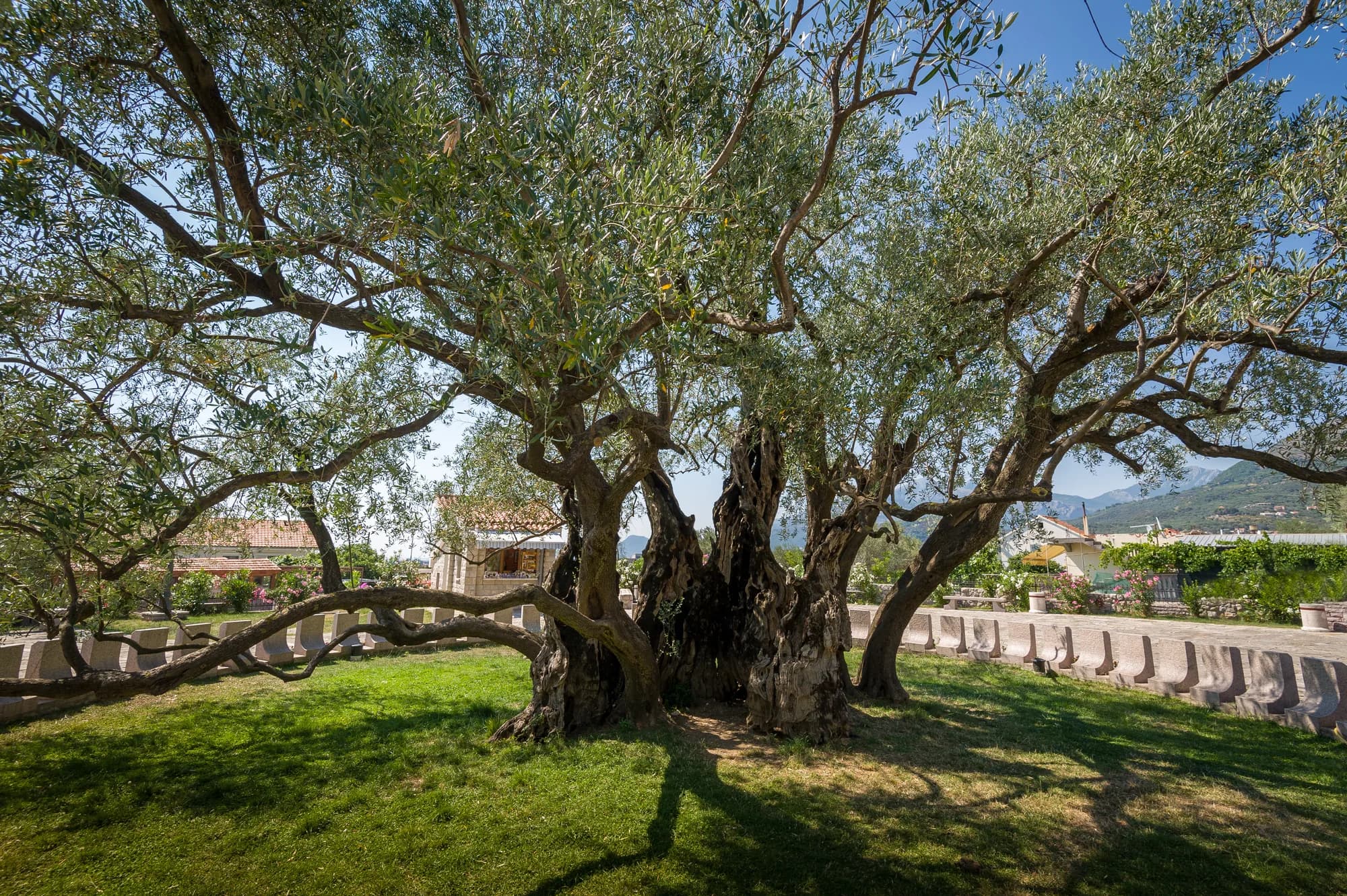
Some monuments are built; this one grew. In the settlement of Mirovica, on the road between modern Bar and the ruins of Stari Bar, stands an olive tree that was already old when the Roman Empire ruled this coast. Stara Maslina — simply, the Old Olive — is one of the oldest olive trees in the world, and quite possibly the oldest tree in Europe.
How old is old?
Tradition has always claimed more than two thousand years for the tree, and science has, unusually, backed the folklore: a 2015 analysis of the tree's tissue estimated its age at around 2,240 years. That would place its planting in the third century BC — before Rome had fully arrived on this coast, before Duklja, before any state whose name survives on modern maps. The tree has outlived every empire that ever taxed its oil.
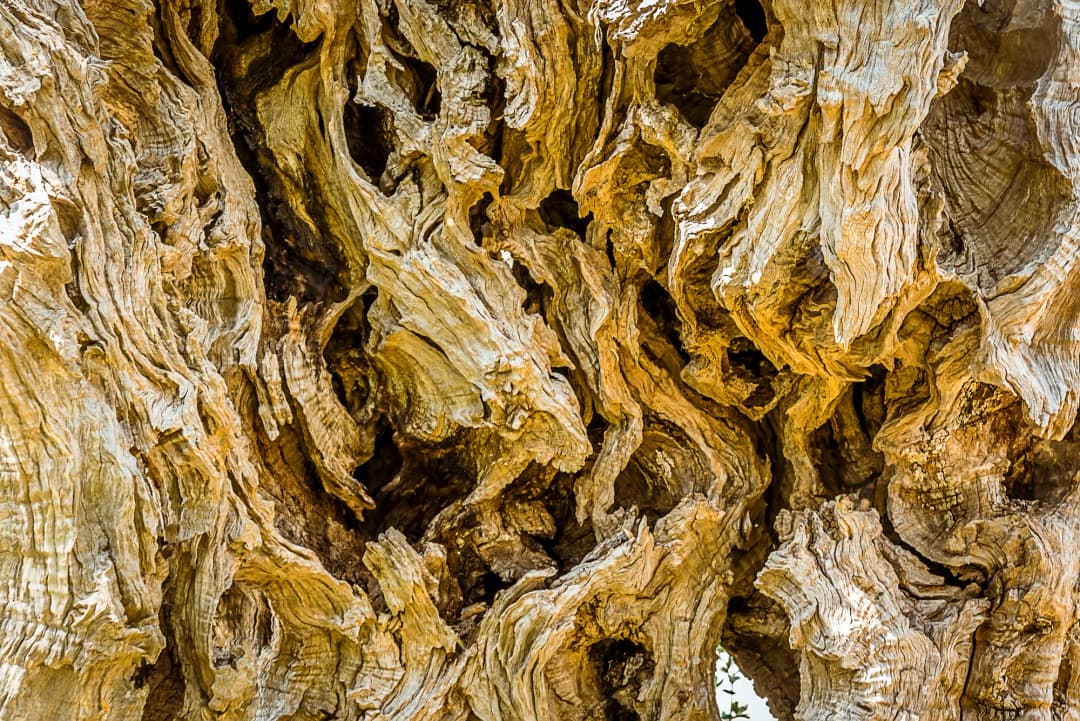
What you see today is a vast, hollowed, wildly sculptural trunk roughly ten metres around, its silvery canopy still stubbornly alive and — remarkably — still bearing fruit. It has been legally protected as a natural monument since 1963, fenced and cared for, with a small visitor area around it.
The peace tree
The name of the place gives away its best story. Mir means peace, and according to local legend, Mirovica earned its name because feuding families would meet beneath the old olive to settle their quarrels. In a region where blood feud was for centuries a functioning legal institution, a neutral place of reconciliation mattered enormously — and what better arbiter than a tree that had seen every previous quarrel come and go? Whether or not any particular feud ended here, the legend says something true about the olive across the Mediterranean: it is the tree of peace, and this coast planted that symbolism deep.
The burnt flank
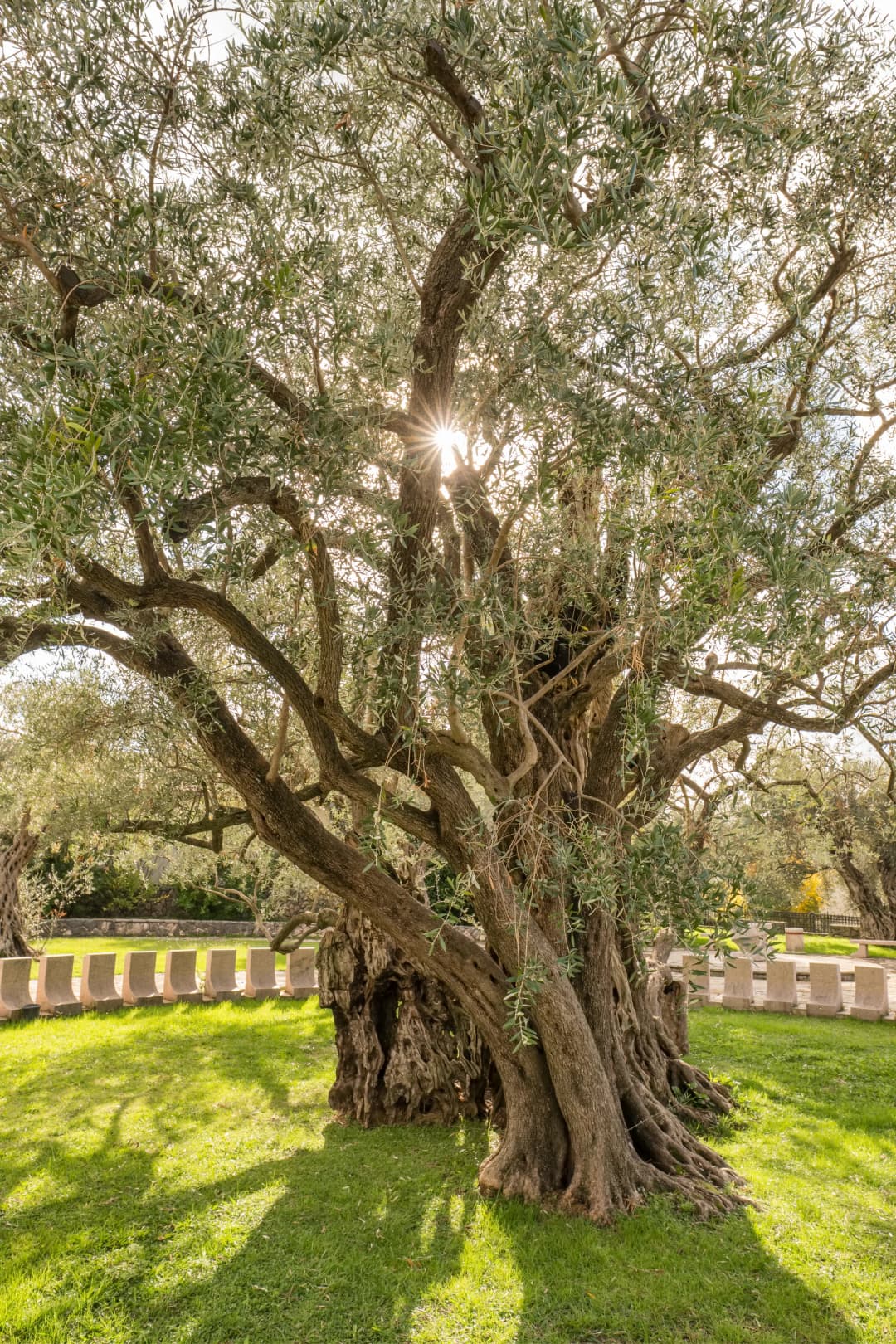
Walk around the trunk and you will find one side blackened and scarred. Local folklore blames a card game: men playing beside the tree, the story goes, carelessly tossed away a match — or, in saltier versions, a loser vented his temper — and the ancient wood caught fire. The tree survived, as olives astonishingly do; the species regenerates from its root crown even after severe burning, which is one reason individual trees can persist for millennia. The charred flank is now part of the monument's character — a scar carried the way a veteran carries one.
Bar, Montenegro's olive capital
Stara Maslina is the celebrity, but it stands for a whole landscape. The Bar region is Montenegro's olive heartland, historically counted at over 100,000 trees, many of them centuries old, terraced across the slopes between the sea and Rumija. The local olive, above all the indigenous žutica variety, has fed the town, lit its lamps and paid its dowries for as long as records exist. That heritage is celebrated every November at the Maslinijada, Bar's olive festival, held since 2002, where growers bring new oil, olives, cheese and wine down to the town — a good-humoured reminder that here the olive is not scenery but agriculture.
Visit in late autumn and you may see the harvest itself: nets spread under silver-grey canopies, families beating the branches the way their great-grandparents did. The oil pressed from trees like these is peppery, green and entirely unlike supermarket oil; buy some directly from a grower if you can.
Visiting
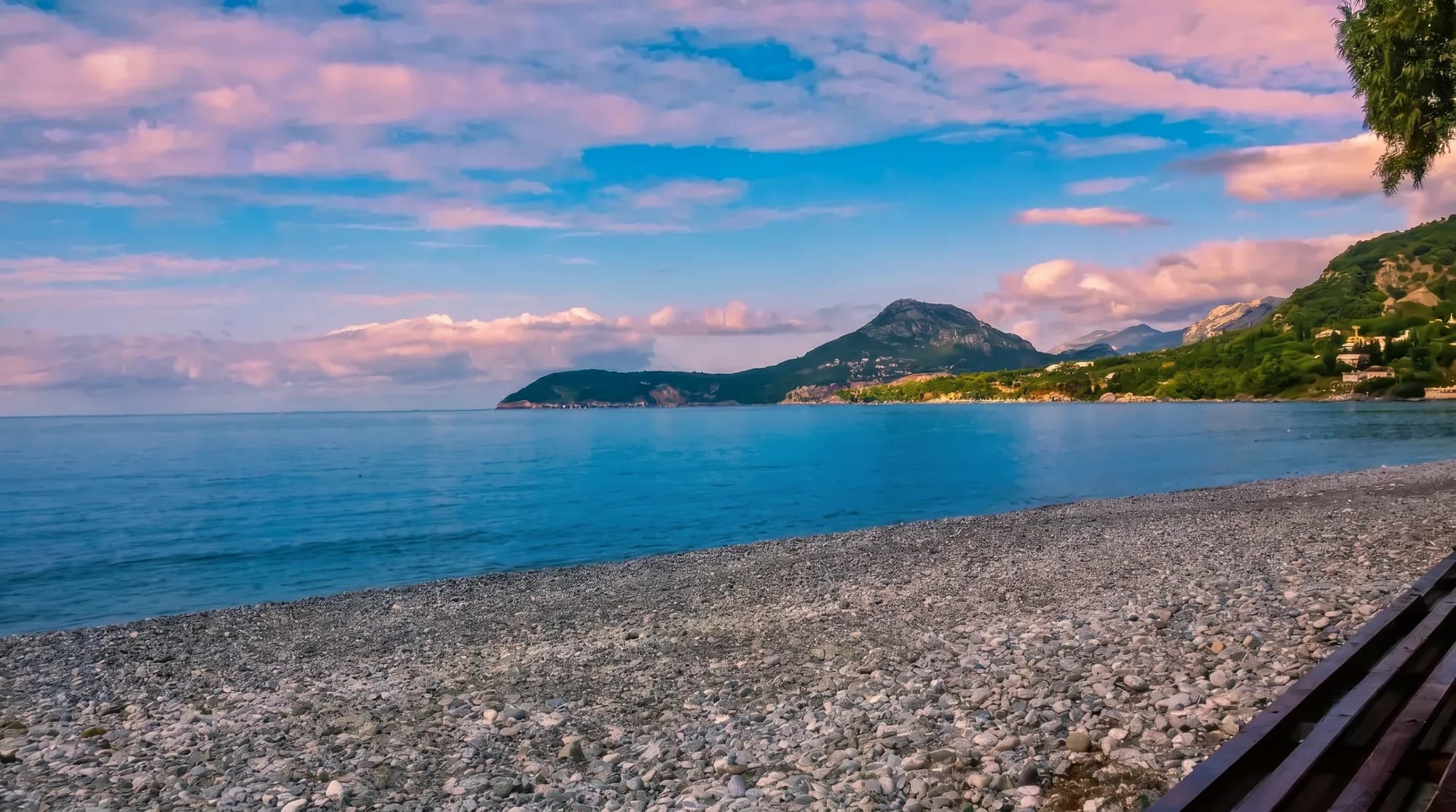
The Old Olive stands at Mirovica, roughly halfway between Bar's town centre and Stari Bar — about a five-minute drive or a pleasant half-hour walk inland from the coast, and easy to combine with the old town's ruins in a single outing. There is a small entrance fee to the fenced monument area, which helps fund the tree's care, and interpretive panels tell its story. Come in the softer light of morning or late afternoon, when the gnarled trunk photographs best, and give it more than a glance: circle it slowly, find the burnt side, and consider that this same tree was standing here two thousand harvests ago. Then head back to the shore and walk it off along the King's Promenade through central Bar, where the town the olive built meets the sea.