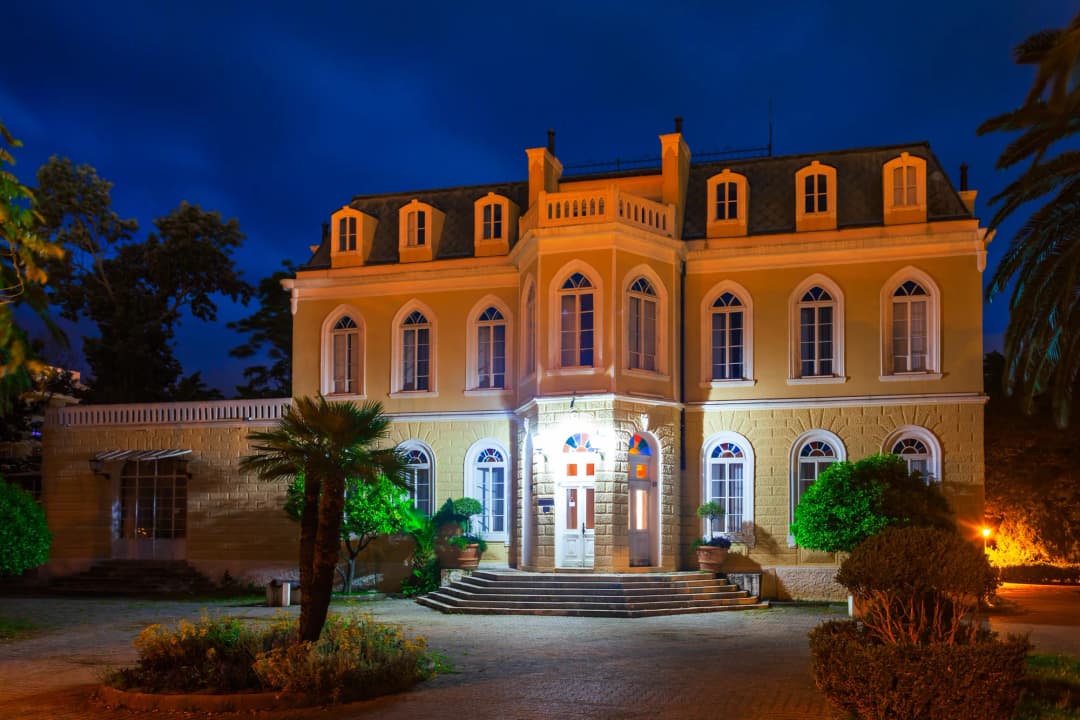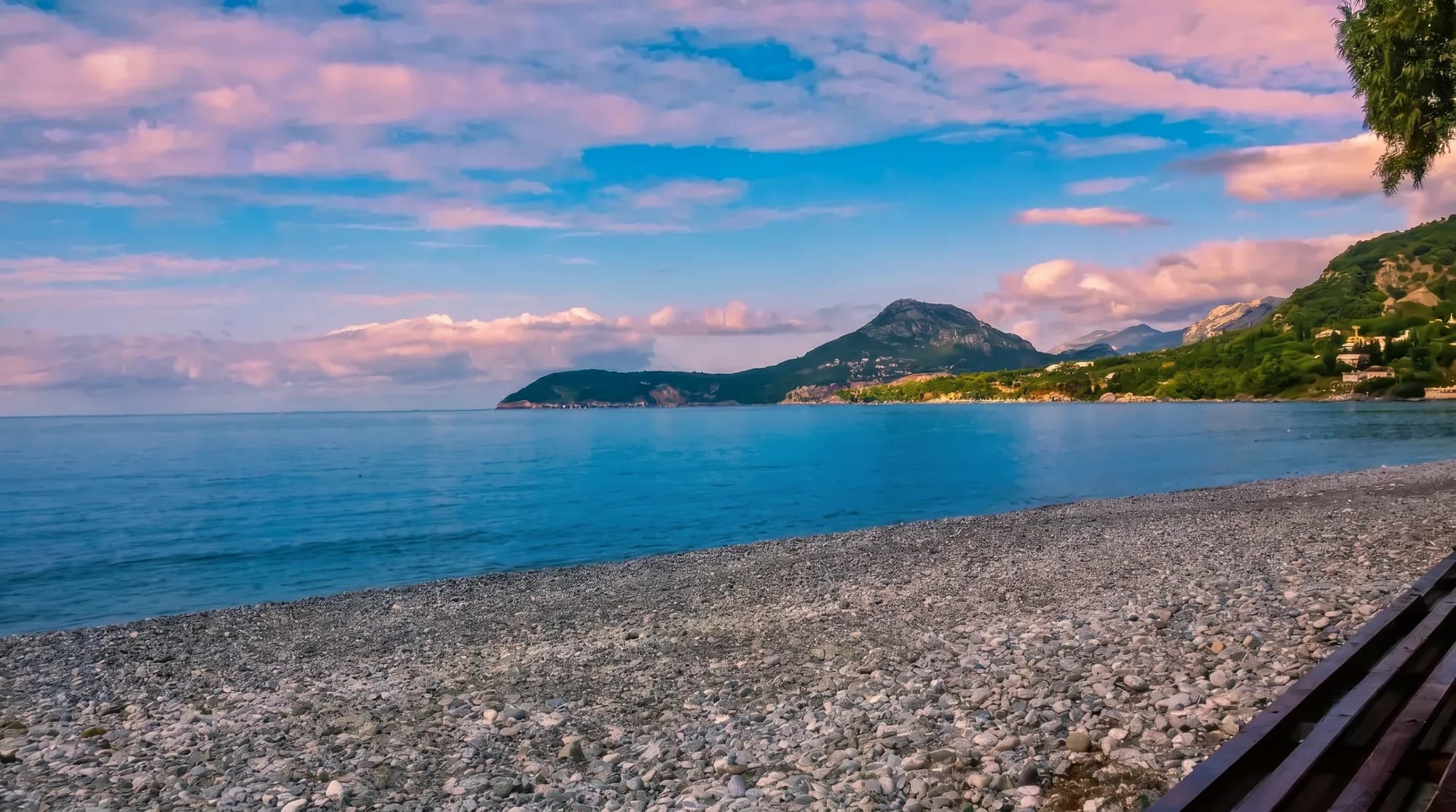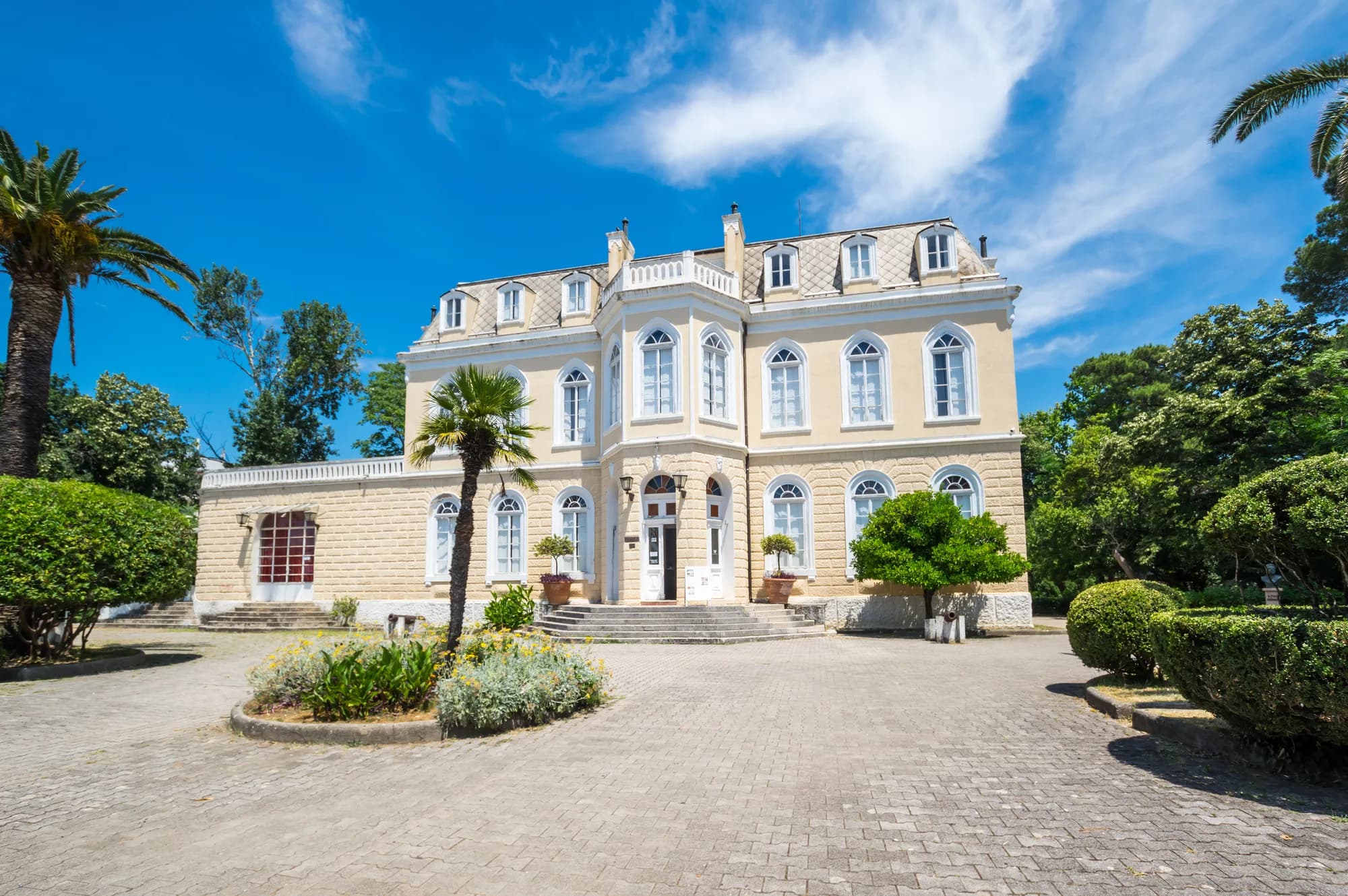
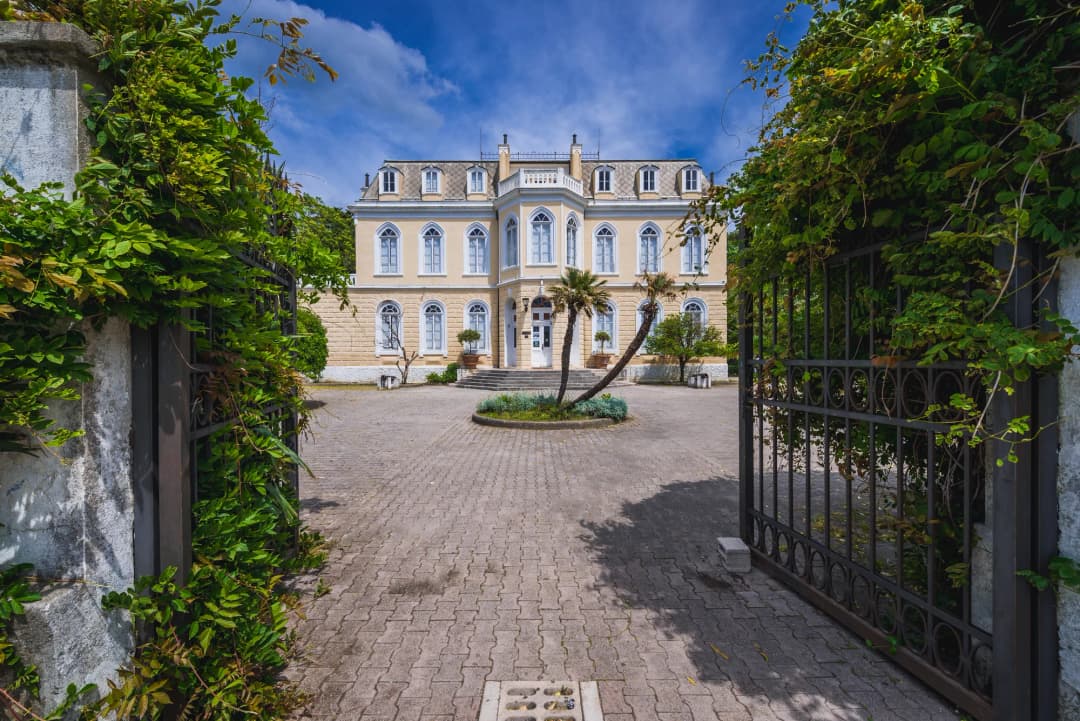
At the northern end of Bar's waterfront, where the promenade curves toward Šušanj, a low white residence sits behind a screen of exotic trees. It is not a grand palace in the Viennese sense — no gilded gates, no parade ground. It is something more Montenegrin: a family house built by a ruler who measured wealth in alliances and sea air. This is King Nikola's Palace, and for more than a century it has been the most storied address on this stretch of the Adriatic.
A wedding gift on the water
Nikola I Petrović-Njegoš, then still Prince of Montenegro, had the palace built in 1885 as a gift for his eldest daughter, Princess Zorka, and her husband Petar Karađorđević — the exiled Serbian prince who would, decades later, become King of Serbia. The marriage was one of the most consequential matches in Balkan history, binding Montenegro's ruling house to the dynasty that would eventually rule Yugoslavia. The palace by the sea was its dowry in stone.
The complex grew into a small royal compound: the Large Palace, the more intimate Small Palace, a chapel, guard houses and a winter garden. In 1910 — the year Nikola proclaimed himself king — a spacious ballroom was added, a room built for the diplomacy of dances and dinners. Nikola, famously the father-in-law of half of Europe's royal houses, understood better than most that a well-placed daughter was worth several battalions.
A garden grown from sailors' pockets
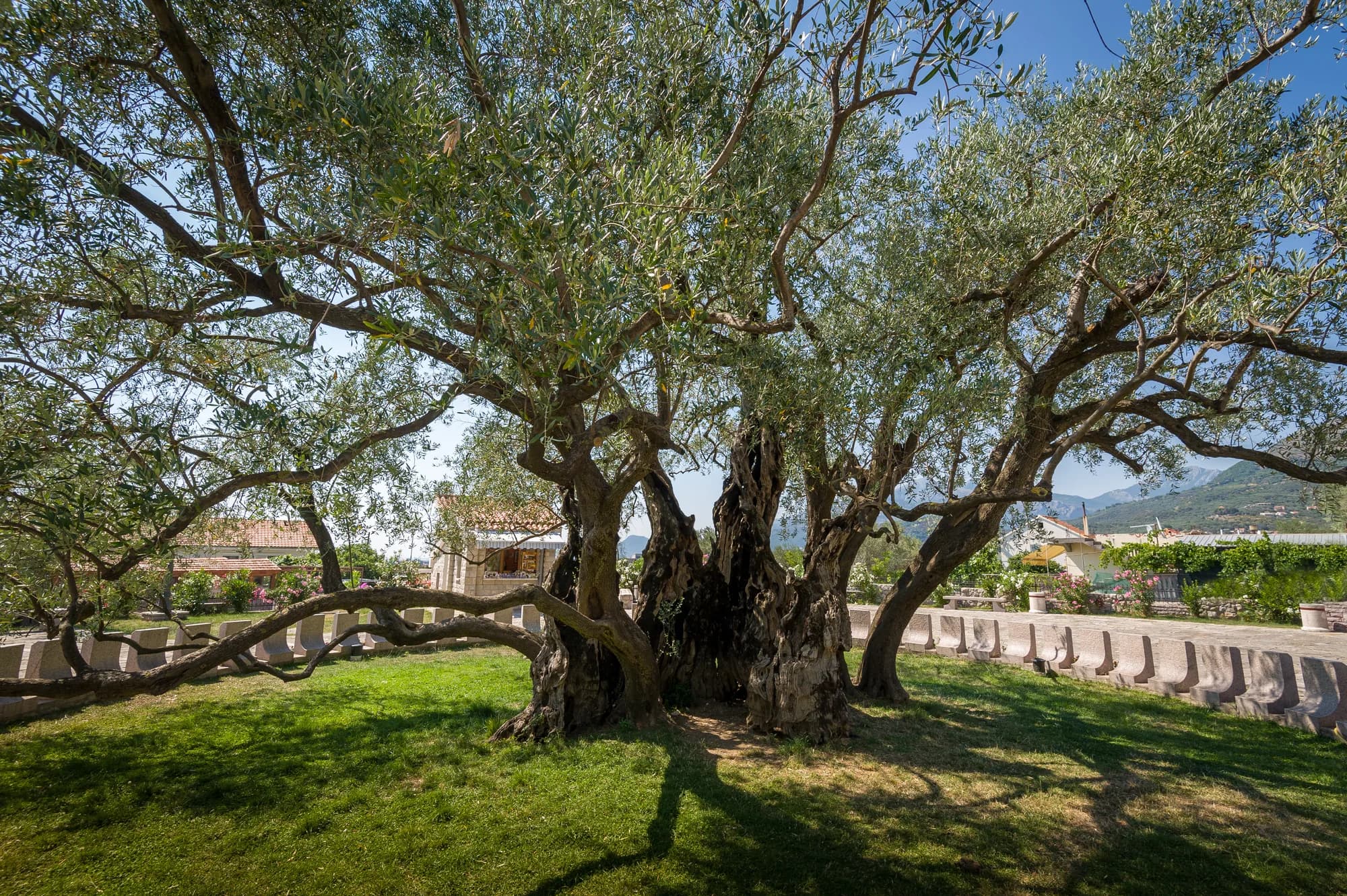
The park surrounding the palace is a botanical curiosity with a wonderful origin story. Bar was a seafaring town, and its captains and sailors ranged across the Mediterranean and far beyond. When they came home, they brought seeds and saplings from the ports they had visited, and many of these found their way into the palace grounds. The result is a garden of Mediterranean and subtropical species assembled not by a landscape architect but by a town's collective wandering — a living map of where Bar's ships had been.
The king who bought Jules Verne's yacht
Nikola loved the sea with a landlocked mountain ruler's particular passion. Between 1866 and 1916 he owned ten yachts, and the most famous of them came with a literary pedigree: the Sibil, purchased from none other than Jules Verne. In 1886 the king sent his best captain, Savo Petković, to Nantes to buy the novelist's yacht Saint-Michel III — the very vessel Verne had sailed while writing some of the most famous adventure fiction ever printed. That the author of Twenty Thousand Leagues Under the Sea should sell his boat to the king of Europe's smallest sea power is one of those facts that sounds invented and isn't.
From royal residence to museum
History was not gentle with the family that lived here. Zorka died young, in 1890, before her husband's rise to the Serbian throne; Nikola himself lost his kingdom after the First World War and died in exile. The palace passed into public hands, and since 1959 the complex has housed Bar's municipal heritage museum, with archaeological, historical, ethnographic and art collections — including original royal furniture — arranged chronologically from antiquity to the early twentieth century.
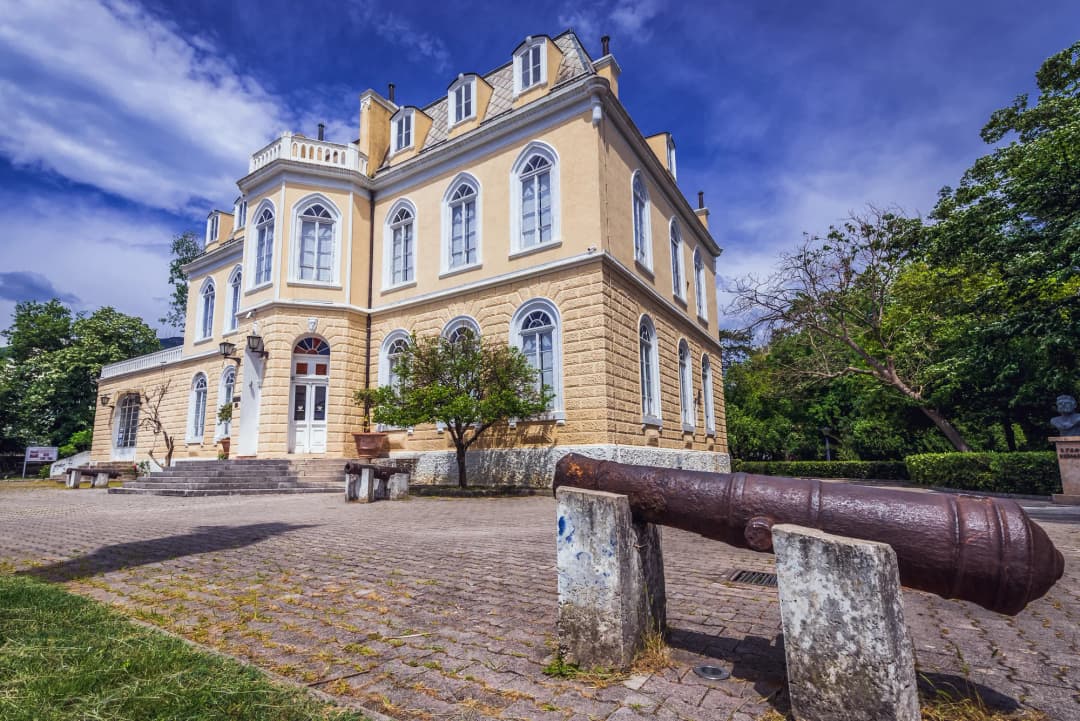
One honest caveat for visitors: the palace has been closed for a thorough renovation since 2023 — the first comprehensive reconstruction since the repairs that followed the catastrophic 1979 earthquake. The works, which uncovered original architectural layers and ran well past their initial deadline, kept both the museum and its park off-limits longer than planned. Reopening has been expected imminently for some time, so check the current status locally before building your day around a visit. Even during the works, the palace exterior and its setting on the shore remain a worthwhile stop on any walk along Bar's seafront.
Visiting
The palace stands directly on Bar's waterfront promenade, an easy level walk from the marina and the town centre — it anchors the royal stage of the King's Promenade walk, which threads the whole shoreline from the palace park toward Šušanj. Come in the late afternoon, when the light softens over the water and the garden's big trees throw long shade across the lawns. If the museum has reopened, allow an hour for the collections; if not, the gardens, the seafront facade and a coffee at one of the nearby terraces still make this the most atmospheric corner of modern Bar. Entry to the promenade and park area is free; museum hours and tickets are posted seasonally, so ask at your accommodation or the tourist office on arrival.