“Europe's shining new jewel” is a memorable travel headline. It is not an official designation, a newly discovered country or a verdict shared by everyone. Euronews used the phrase in February 2026; Montenegro's coast, mountain parks and historic towns had already appeared in international travel coverage for decades. Our review of 20 years of Montenegro headlines supplies that longer context.
The useful question is therefore not whether Montenegro deserves a jewel metaphor. It is what the 2026 evidence says: how large the country and visitor economy really are, where demand concentrates, what UNESCO actually protects, how five national parks differ, and what EU accession progress does—and does not—mean for a holiday now. The resulting picture is more interesting than the slogan. Montenegro is compact, but not a one-base destination; internationally popular, but unevenly visited; spectacular, but under visible development and seasonal pressure.
| Claim | Evidence-led reading | Travel consequence |
|---|---|---|
| “New jewel” | A February 2026 media frame, not a formal status | Use it as inspiration, not evidence |
| Very small country | 623,633 residents at the 2023 census; 13,883 km² | Short map distances can still mean slow roads |
| Millions of visitors | 2,728,564 registered arrivals in 2025 | Arrivals are trips, not unique people |
| Tourism everywhere | 92.6% of 2025 nights were in seaside resorts | The coast and north have different seasons |
| UNESCO bay | The inscribed Kotor region is a defined part of Boka | Do not label the entire bay as the property |
| EU future | 33 chapters open; 18 provisionally closed by 14 July 2026 | Progress is real, but membership is not complete |
| Measure | Value |
|---|---|
| 2023 usual residents | 623,633 |
| National area | 13,883 km² |
| Municipalities | 25 |
| Settlements | 1,462 |
Source: monstat.org
What the tourism numbers actually measure
MONSTAT's complete 2025 accommodation series recorded 2,728,564 tourist arrivals and 15,367,166 overnight stays. Those are substantial totals for a country of 623,633 usual residents. But an arrival is a registered accommodation trip or check-in, not a unique human being crossing the border. A person who stays in Kotor and later checks into Žabljak can contribute more than one arrival. “Montenegro welcomed 2.7 million unique visitors” would therefore go beyond what this dataset proves.
The international profile is clearer: foreign guests generated 95.8% of registered nights and domestic guests 4.2%. Serbia accounted for 23.4% of foreign nights, Russia 16.4%, Bosnia and Herzegovina 8.1%, Germany 4.6%, Türkiye and Ukraine 4.3% each, and the United Kingdom 4.1%. These are overnight-stay shares, not nationality shares of residents, border crossings or spending.
| Measure | Value |
|---|---|
| Arrivals | 2,728,564 |
| Overnight stays | 15,367,166 |
| Foreign share of nights | 95.8% |
| Domestic share of nights | 4.2% |
Source: monstat.org
The Central Bank's 2024 annual report gives another often-misquoted measure: tourism revenues were equivalent to 19.59% of estimated GDP. That shows material exposure to tourism, but it is a revenue-to-GDP comparison—not tourism's direct value-added share. It does not support casually rounding the industry up to “a quarter of the economy.” Statistical definitions matter when a promotional line becomes an economic claim.
The coast dominates—and that is part of the story
Montenegro's tourism is not distributed evenly across its map. In 2025, seaside resorts generated 92.6% of registered nights. Mountain resorts accounted for 2.8%, the capital 2.7% and other resorts 2.0%; MONSTAT's published one-decimal shares add to 100.1% because of rounding. The imbalance helps explain both the summer energy of the Adriatic and the policy push to diversify by region and season.
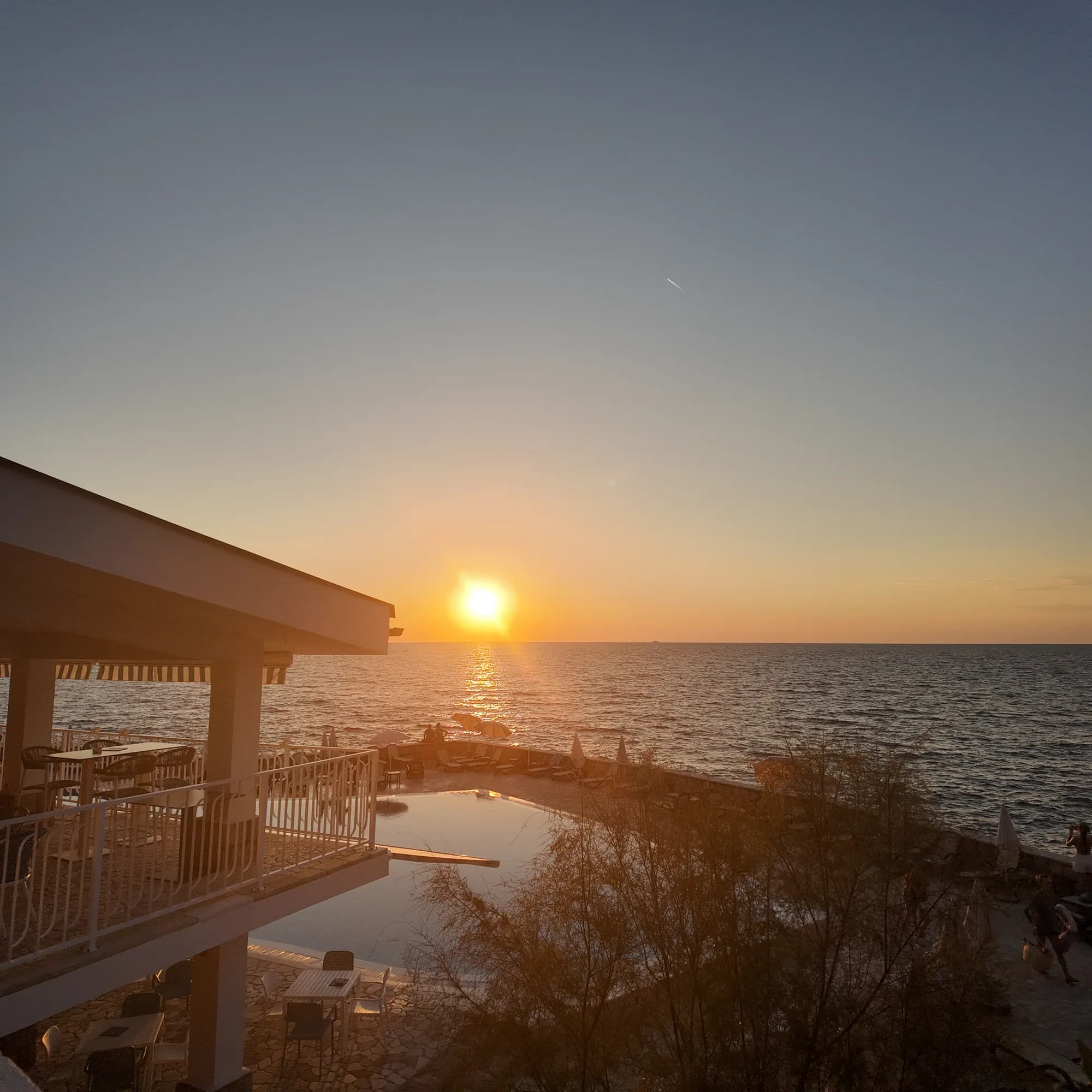
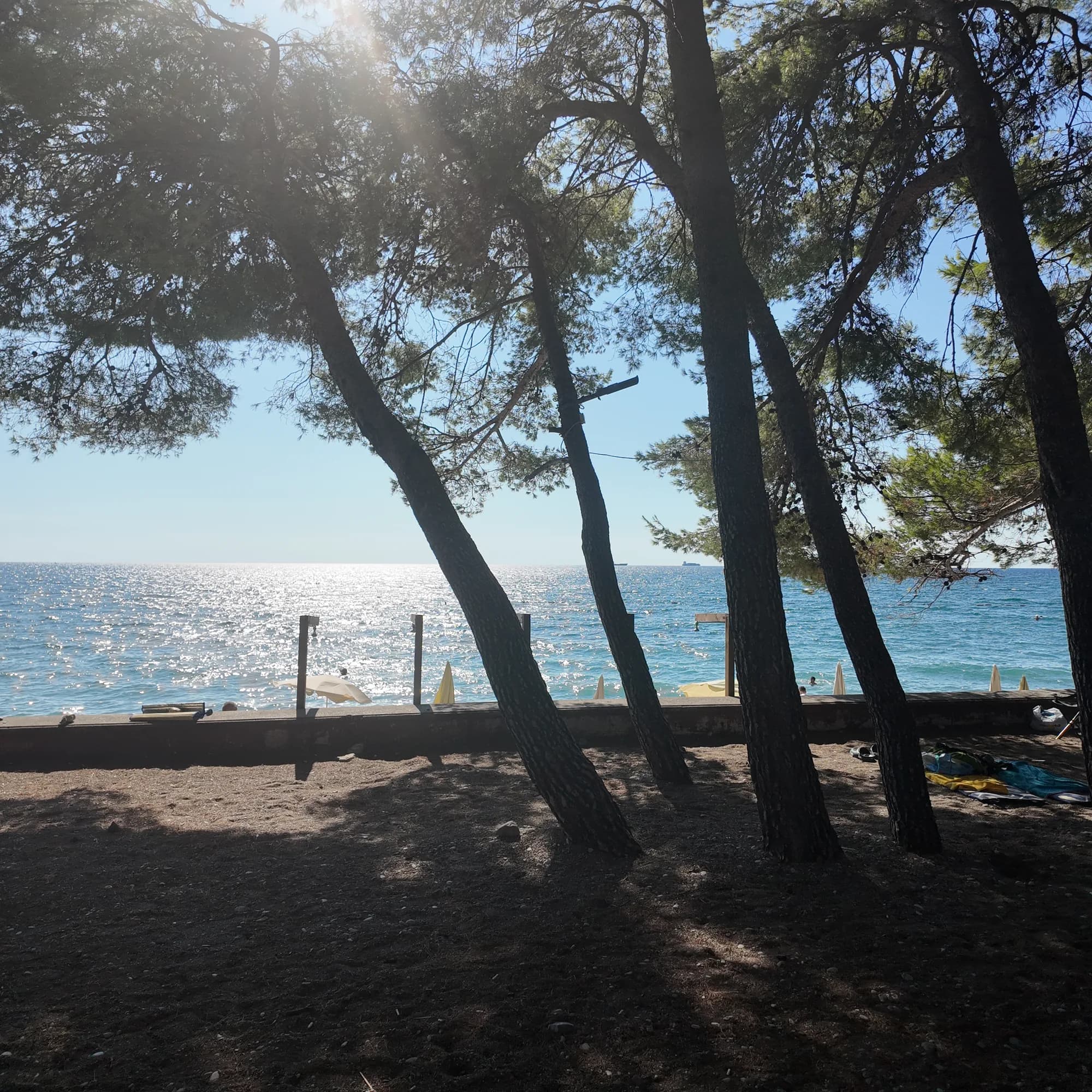
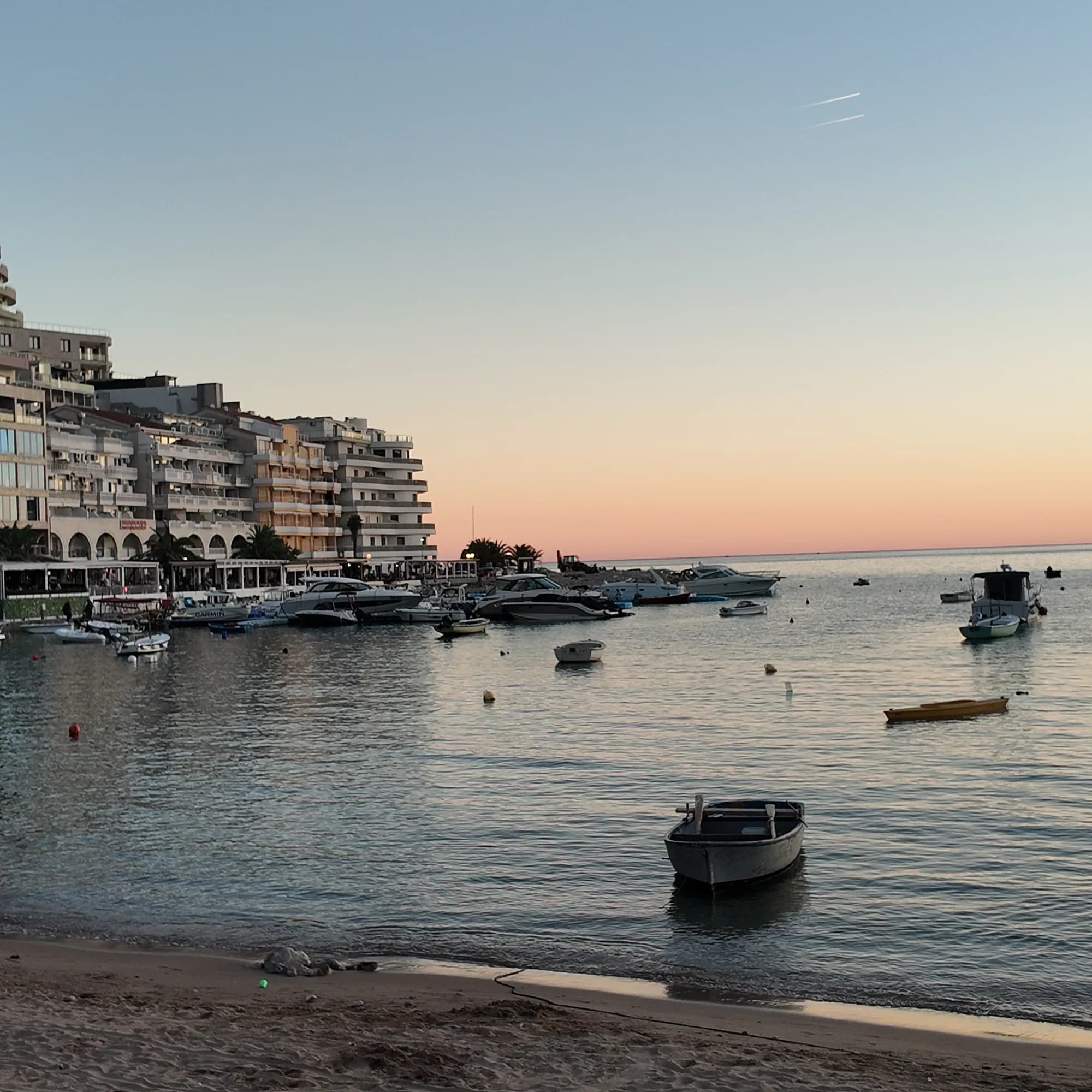
The coast itself is not one product. Boka combines walled towns, working neighbourhoods, marinas, bathing platforms and steep mountain edges. Budva and the Sveti Stefan coast foreground resort landscapes; start with the practical Sveti Stefan area guide if that image is driving the trip. Ulcinj and the southern coast offer a different urban history and a long sandy shore; the Velika Plaža guide explains conditions and area choices without turning a beach-length superlative into the reason to go.
Nor is every undeveloped-looking shoreline empty space. The Buljarica wetland guide shows why the land behind a beach can be ecologically important. A “jewel” narrative becomes destructive when it treats every bay as a marina opportunity and every wetland as a blank development parcel.
What UNESCO status covers—and what it warns about
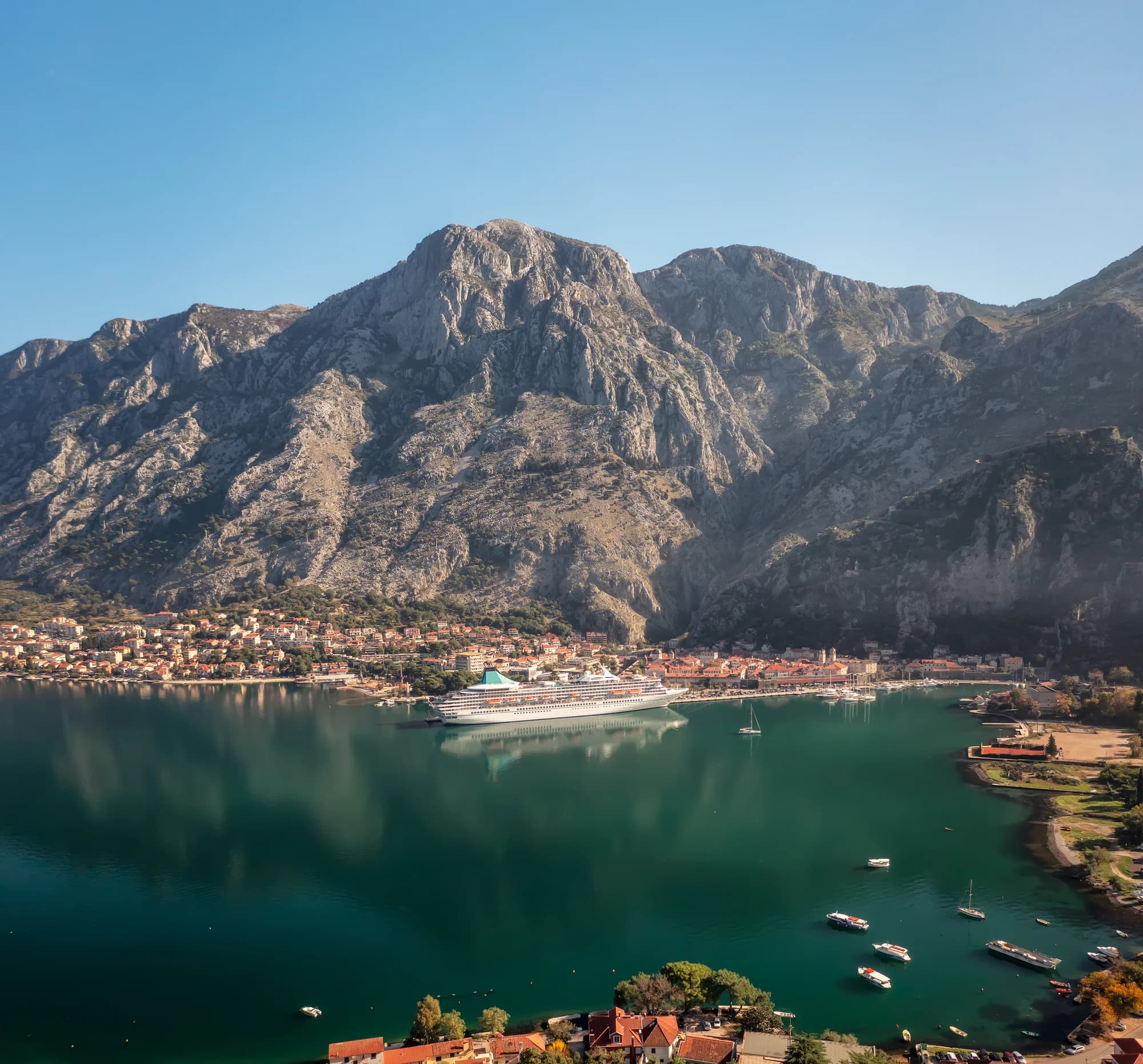
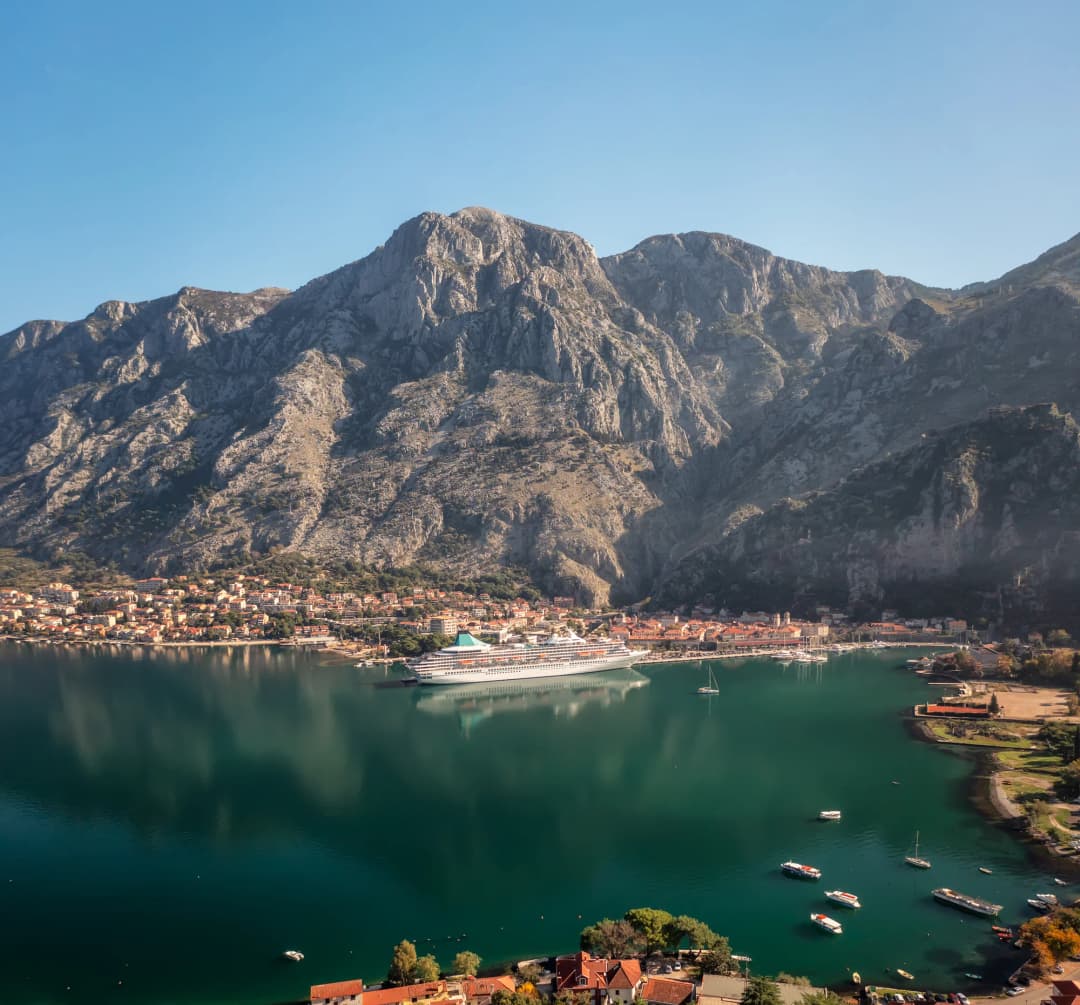
The Natural and Culturo-Historical Region of Kotor is a UNESCO World Heritage property, but it is not shorthand for the entire Bay of Kotor. UNESCO defines a 14,600-hectare property in the inner southeastern part of Boka, encompassing the two interconnected bays and the cultural landscape around Kotor and Perast. The value lies in the integration of fortified towns, maritime architecture, settlements, terraced slopes and their dramatic setting.
That status is not only a trophy. UNESCO's Kotor record identifies ongoing development and urbanisation as pressures that can irreversibly transform the coastline. Visiting responsibly therefore involves more than paying an entrance fee: favour existing accommodation, respect residential streets, avoid blocking lanes, follow site rules and remember that a viewpoint is also someone's village or protected landscape.
Montenegro is associated with four World Heritage properties. Kotor and Durmitor are national properties; the Stećci Medieval Tombstone Graveyards and Venetian Works of Defence are transnational serial properties shared with other countries. Saying “Montenegro has four UNESCO sites” is common shorthand, but it can obscure that shared structure and the many separate components involved.
| Property | Type | Scope |
|---|---|---|
| Kotor region | Cultural • Montenegro | Defined inner-Boka property |
| Durmitor National Park | Natural • Montenegro | Mountain and Tara landscapes |
| Stećci graveyards | Cultural • transnational | Serial components across countries |
| Venetian defences | Cultural • transnational | Serial components across countries |
Source: whc.unesco.org
Five parks, not one interchangeable wilderness
Montenegro's official national-parks authority manages Durmitor, Biogradska Gora, Lovćen, Lake Skadar and Prokletije. Together they cover 7.7% of national territory. Their landscapes and visitor decisions differ: alpine routes in Durmitor or Prokletije demand weather and ability checks; Lake Skadar requires attention to boating, wetland habitat and water conditions; Lovćen combines mountain scenery with cultural visits; Biogradska Gora protects forest and glacial landscapes.
What the sources say
UNESCO describes Durmitor as a mountain landscape shaped by glaciers and crossed by rivers and underground streams. It records more than 50 peaks above 2,000 metres and calls the Tara gorge Europe's deepest. That is enough: inherited claims for an exact 1,300-metre depth, precisely 18 glacial lakes and Žabljak's regional height ranking add confidence without improving the trip. For trail choice, seasonal access and Black Lake etiquette, use the dedicated Durmitor and Black Lake guide.
Lake Skadar is the largest lake in the Balkans and changes substantially with water level. Rather than freezing it at one universal square-kilometre figure, plan the experience you want—boat trip, birdwatching, village stay or wine country—and confirm the current weather and operator conditions. Virpazar is the practical transport-and-boat gateway, while the Montenegrin wine guide explains Vranac and the Crmnica context without promising a walk-in tasting at every cellar.
| Park | Landscape |
|---|---|
| Durmitor | Alpine + Tara |
| Biogradska Gora | Forest + lake |
| Lovćen | Mountain + culture |
| Lake Skadar | Wetland + water |
| Prokletije | High mountain |
Source: nparkovi.me
Why one base does not unlock the whole country
Montenegro is compact in area, but terrain controls travel. Boka's shore roads, summer queues, the Kamenari–Lepetane ferry approaches, canyon roads, roadworks, mountain weather and border procedures can turn a short map line into a long transfer. The government tourism-season coordination body identified border congestion as a major 2026 challenge. No responsible national itinerary should promise that Kotor, Lake Skadar and the Tara gorge all sit about 90 minutes apart.
| Cluster | Strongest fit | Main planning check |
|---|---|---|
| Boka | Kotor, Perast, Herceg Novi, maritime heritage | Parking, cruise-day pressure, shore-road traffic |
| Budva–Sveti Stefan | Resort coast, old town, beach access | Exact accommodation pin and beach terms |
| Ulcinj south | Long sand, old town, Albania extension | Wind, beach facilities, border conditions |
| Lake Skadar–Crmnica | Wetland, boats, villages, wine landscape | Water, weather, licensed operator and cellar booking |
| Durmitor north | Black Lake, hiking, rafting landscapes | Trail status, equipment, weather and road access |
A useful seven-night first trip normally chooses two regions, not five: for example four nights around Boka plus three near Lake Skadar, or four on the Budva/Sveti Stefan coast plus three at Durmitor. Ten nights can support three bases if transfer days remain deliberately light. The five-stop comparison helps select, but it should not be read as a demand to visit all five in one rapid circuit.
| Step | Choice |
|---|---|
| 1 • Primary region | Coast, lake or mountain |
| 2 • Contrast | One different landscape |
| 3 • Slack | Light transfer day |
| Before each transfer | Road + border + weather + park notice + operator confirmation |
| Seven nights | Usually two bases |
| Ten nights | Two or three bases with deliberate transfer time |
Source: gov.me, nparkovi.me
EU accession: measurable progress, unfinished process
Montenegro is an EU candidate country and remains in accession negotiations. The current negotiating count is specific. At the intergovernmental conference on 14 July 2026, chapters 8 (competition policy) and 29 (customs union) were provisionally closed. That brought the total to all 33 negotiating chapters opened and 18 provisionally closed.
The Council's accession overview also makes the procedural limit clear: provisional agreements can be revisited, and nothing is finally agreed until everything is agreed. Chapter progress is not EU membership, does not establish a guaranteed accession date and should not be converted into a promise that border, roaming, consumer or residency rules will change on a travel blogger's timeline.
What the headline gets right—and misses
The headline gets three things right. First, Montenegro delivers an unusually strong contrast of coast, wetland and mountain within one national trip. Second, international tourism demand is large beside the resident population. Third, the combination of UNESCO places, protected landscapes and living towns gives the country more depth than a beach-only break.
It misses the costs of compression. Visitors cluster overwhelmingly at the sea. Kotor's recognised cultural landscape faces development pressure. Protected parks require management rather than unlimited access. Mountain and coast transfers cannot be compressed into a slogan. Historic centres are neighbourhoods, beaches have concessions and conditions, and wetlands are ecosystems before they are backdrops.
| Promotional cue | Question to ask | Better action |
|---|---|---|
| “Everything is close” | Close by distance or reliable travel time? | Check live route; change base |
| “UNESCO bay” | Which defined property and values? | Use the official boundary and guidance |
| “Wild beach” | What habitat or access rules apply? | Stay on durable routes; remove waste |
| “Hidden gem” | Hidden from whom? | Respect residents and established local use |
| “EU soon” | Which rule is actually in force today? | Check official travel and border sources |
| Step | Question | Check |
|---|---|---|
| 1 • Measure | What number or status? | Date and issuing body |
| 2 • Definition | What exactly counts? | Arrival, boundary, provisional |
| 3 • Decision | What changes for me? | Base, timing, access, check |
Source: monstat.org, whc.unesco.org, consilium.europa.eu
Practical 2026 planning method
- Choose the primary landscape. Decide whether the trip begins with Boka heritage, a resort-and-beach stay, Lake Skadar, or northern mountains. This prevents a headline checklist from controlling the route.
- Add one contrasting region. Coast plus lake, or coast plus Durmitor, usually creates more depth than changing beds every night.
- Verify the exact accommodation pin. Elevation, parking, pedestrian access and the route to the water can matter more than the municipality name.
- Recheck live conditions. Use official park notices, weather, border information, road reports and the operator's current written terms. A dated guide cannot guarantee a same-day opening.
- Protect slack. Do not put a mountain activity, border crossing and flight on the same tightly timed chain. Weather and traffic are not edge cases.
- Spend where the place remains lived-in. Local food, guides, independent stays and shoulder-season visits can spread value beyond a single viewpoint or beach concession.
Responsible-visit checklist
- Use marked trails and current park guidance; turn back when weather, fire risk or equipment makes the plan unsafe.
- Choose licensed boat and activity operators, ask what the fee includes, and never pressure wildlife for a closer photograph.
- Keep noise down in old towns and villages, avoid doorways, and do not fly a drone without checking current protected-area and aviation rules.
- Carry waste out of beaches, viewpoints and mountain areas; do not remove plants, stones or archaeological material.
- Confirm access rather than assuming every photographed islet, hotel beach, church, fortress or cellar is open to the public.
- Use refillable water containers where safe, and avoid unnecessary short car movements in congested historic centres.
Frequently asked questions
Is Montenegro really Europe's “new jewel” in 2026?
It is a media description, not an official title or objective ranking. Montenegro's landscapes and heritage are real; the word “new” mainly reflects the publication cycle. International outlets have promoted the country for many years.
How many tourists visit Montenegro?
MONSTAT recorded 2,728,564 tourist arrivals and 15,367,166 overnight stays in 2025 across collective and individual accommodation. Arrivals are registered trips/check-ins, not necessarily unique people.
Can I see Kotor, Lake Skadar and Durmitor from one base?
You can draw day trips on a map, but one base creates long, fragile travel days. For a relaxed trip, use at least two bases and check live road, weather and border conditions. Kotor and the Tara gorge are not reliably “about 90 minutes” apart.
Is the whole Bay of Kotor a UNESCO site?
No. The Natural and Culturo-Historical Region of Kotor is a defined property covering the inner southeastern part of Boka and its cultural landscape. Wider Boka includes important places outside that inscribed property.
How many national parks does Montenegro have?
Five: Durmitor, Biogradska Gora, Lovćen, Lake Skadar and Prokletije. Together they cover 7.7% of national territory according to the official parks authority.
Is Montenegro in the European Union?
No. Montenegro is an EU candidate in accession negotiations. By 14 July 2026, all 33 chapters had opened and 18 were provisionally closed. That is meaningful progress, not completed membership or a guaranteed entry date.