Cetinje
The old royal capital in a mountain hollow — a town of museums, embassies-turned-faculties and stubborn identity.
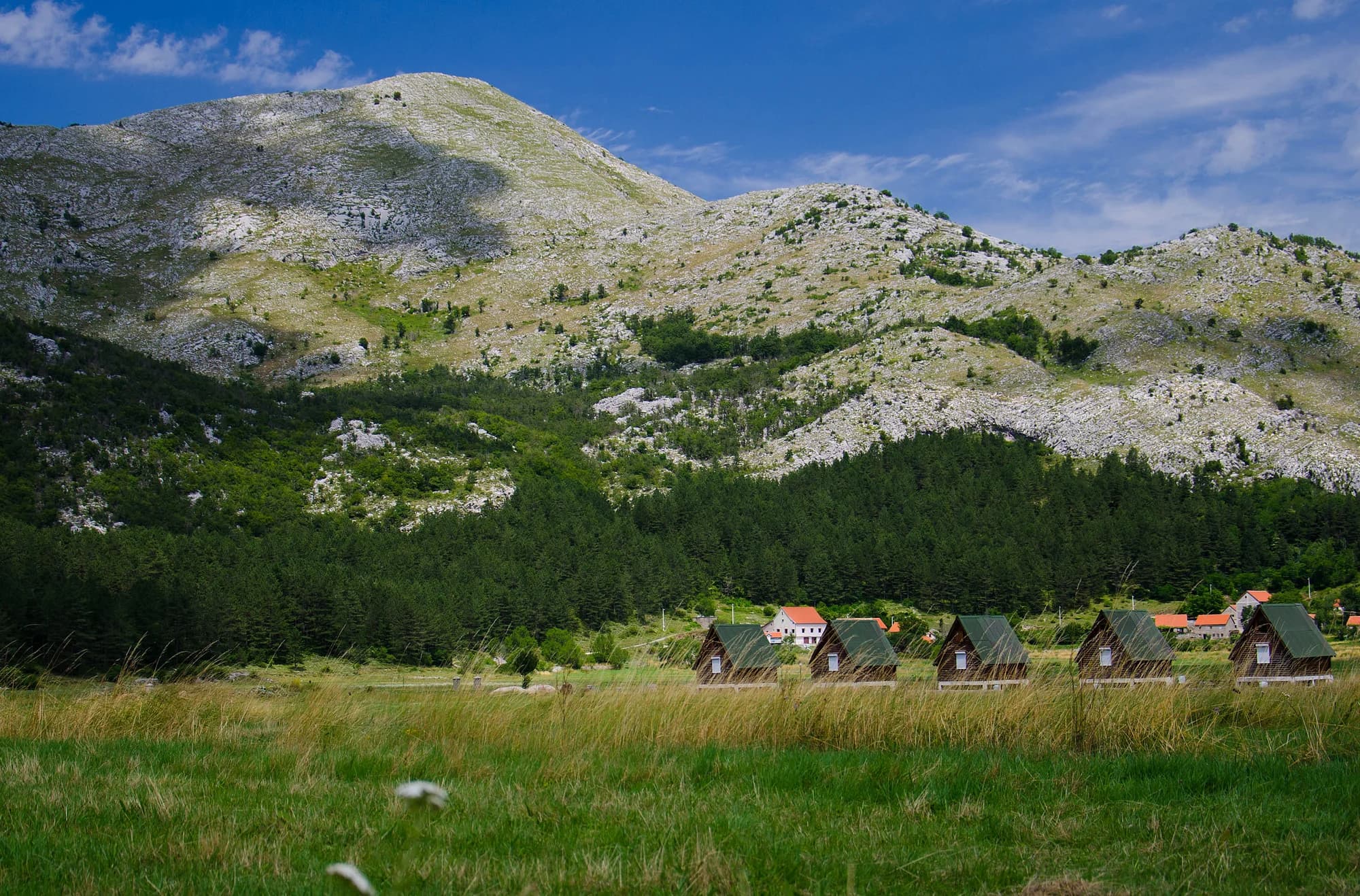
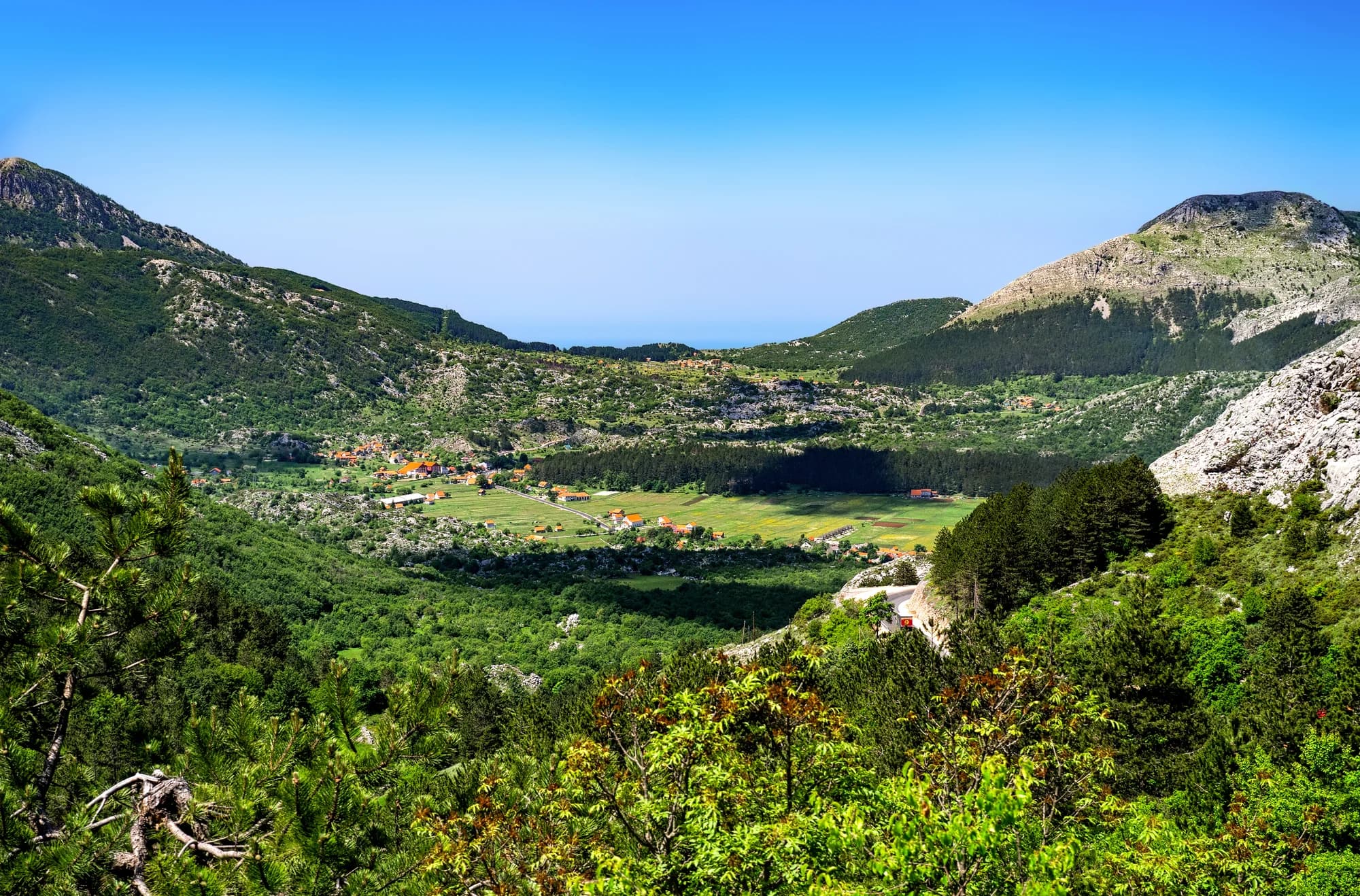
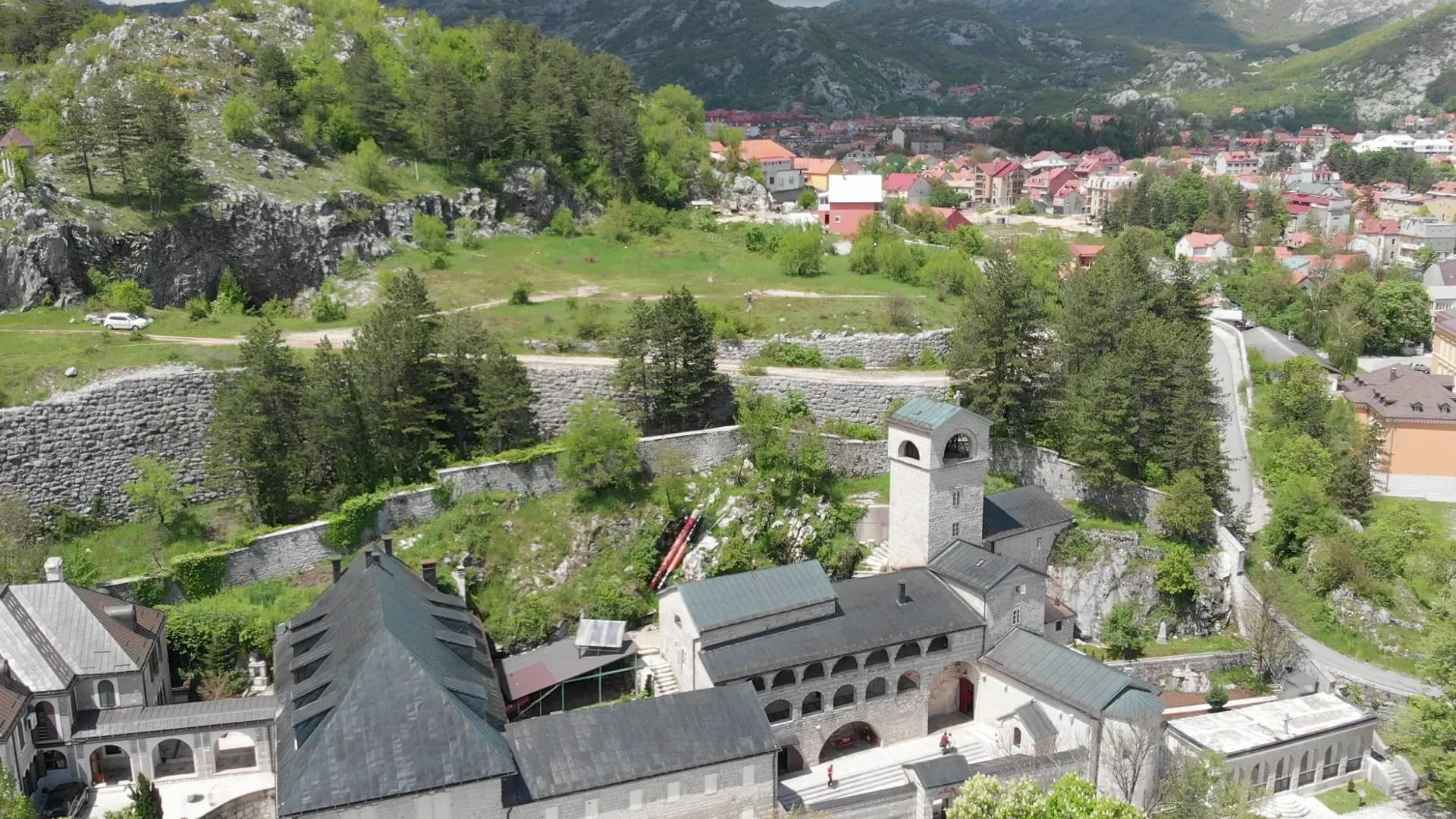
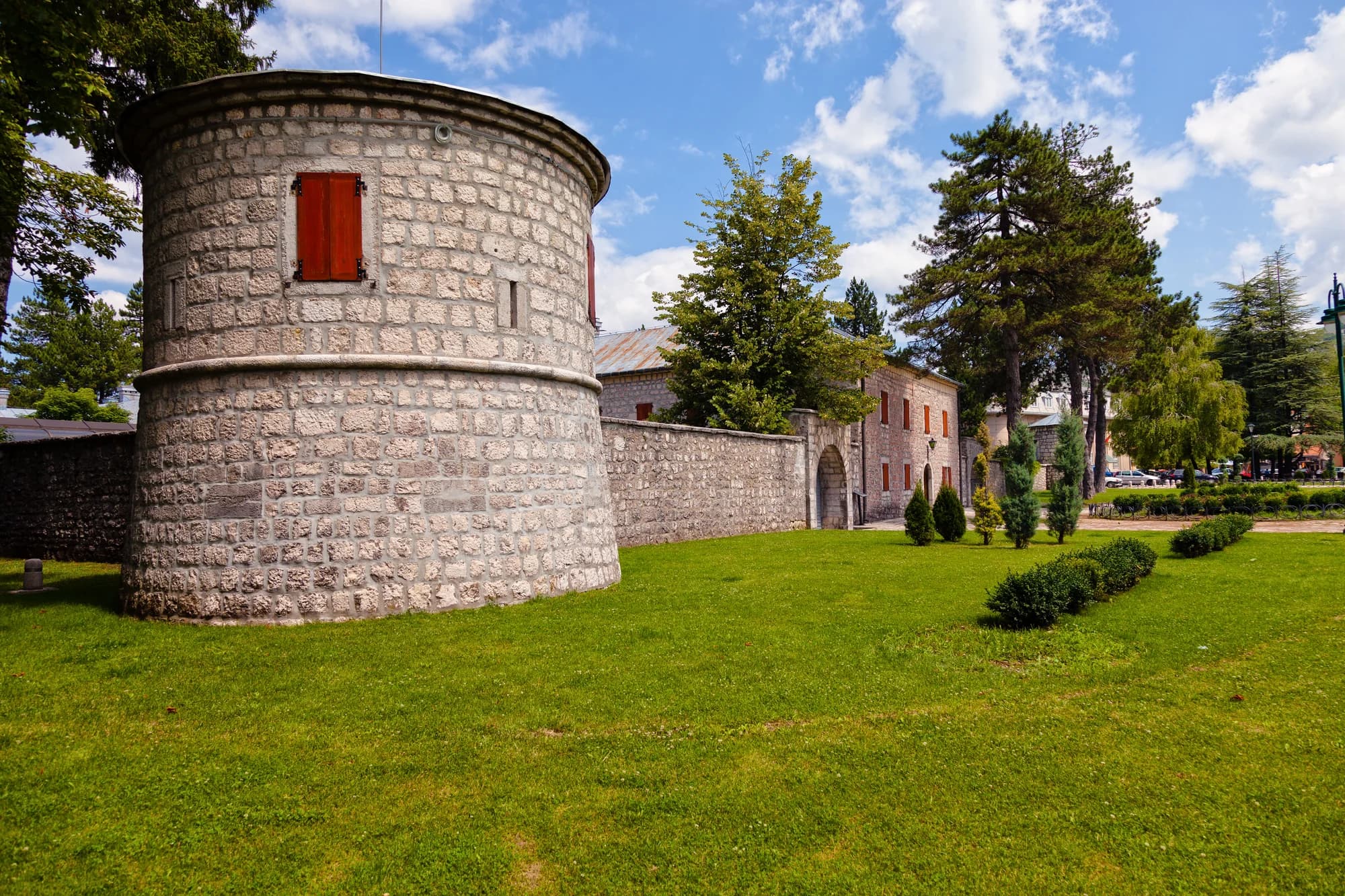
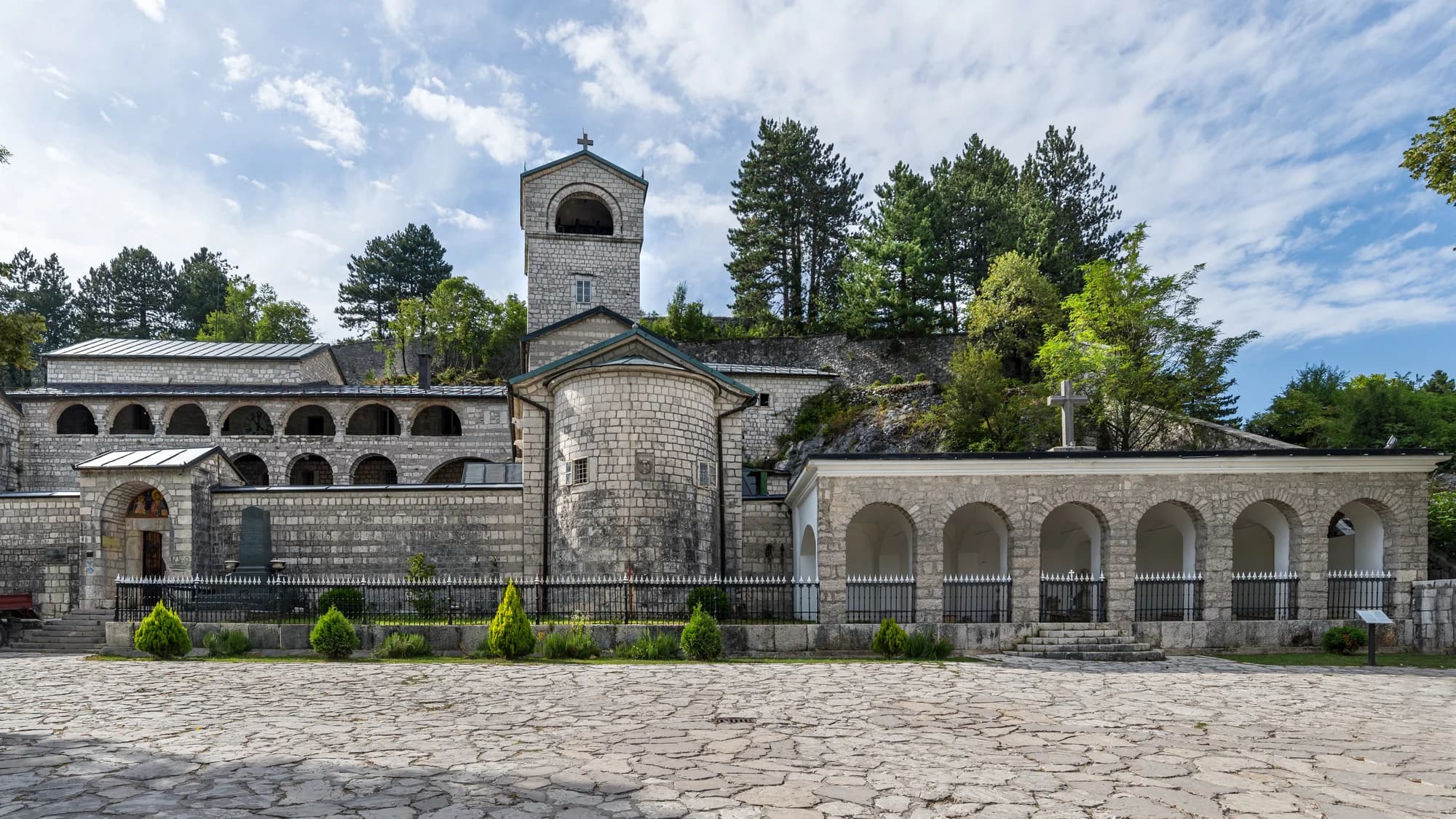
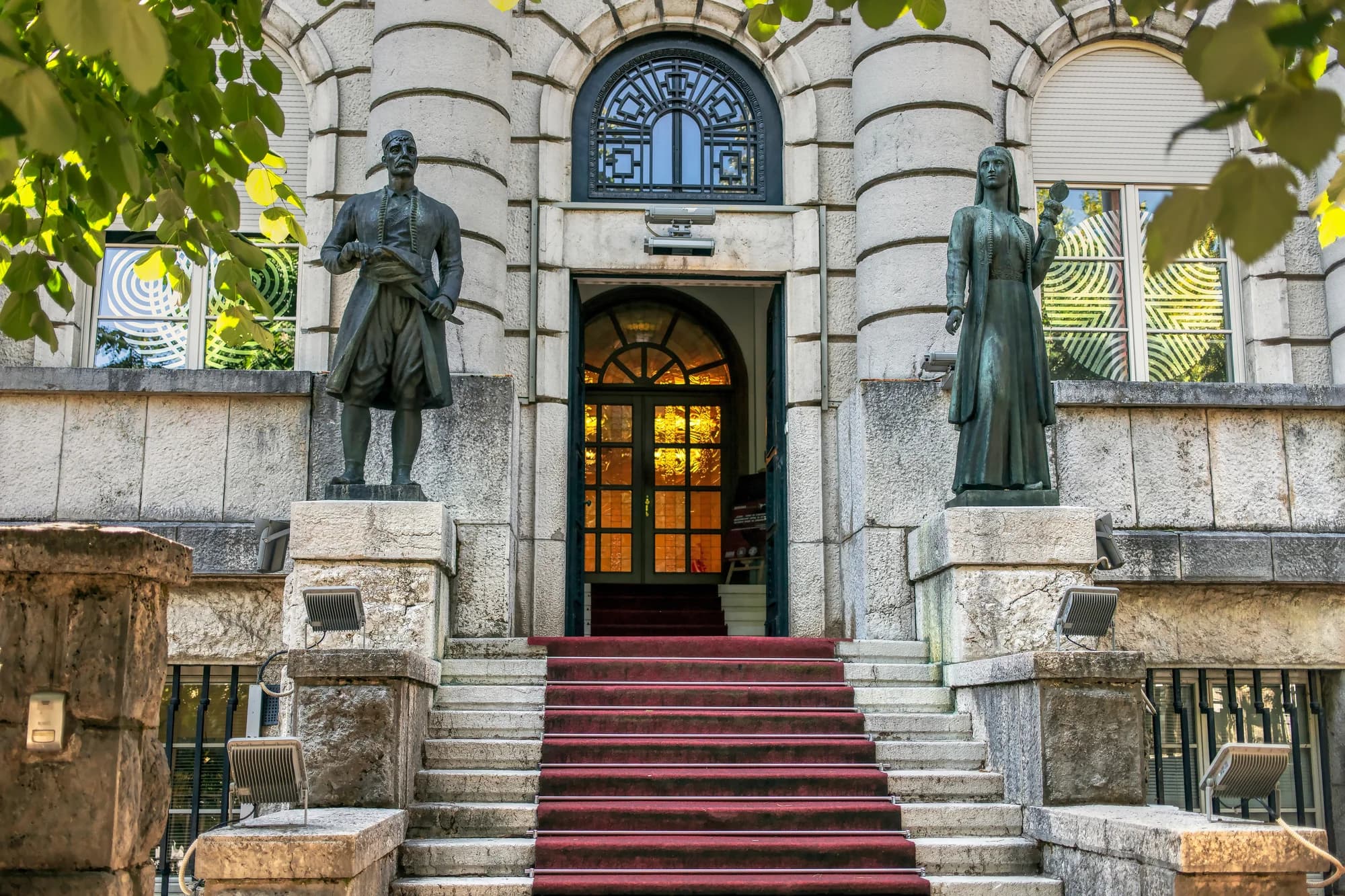
Cetinje is the historic soul of Montenegro — the former royal capital and the enduring cultural and spiritual heart of this proud nation. Nestled in a green valley at the foot of Mount Lovćen, this elegant small city served as the capital of the Kingdom of Montenegro from the 15th century until 1918, and its wide boulevards, former embassies, and royal palaces preserve a grandeur that belies its modest size. The Cetinje Monastery, seat of the Metropolitanate of Montenegro, houses sacred relics including what is venerated as the right hand of St. John the Baptist and a fragment of the True Cross. Nearby, King Nikola's Palace has been beautifully preserved as a museum, its opulent rooms offering a vivid window into the world of Montenegro's last royal dynasty. Scattered around the town, the former embassies of great European powers — France, Russia, Britain, the Ottoman Empire — have been converted into museums and galleries, creating an unusual concentration of cultural institutions for a town of just a few thousand residents. Cetinje's greatest natural asset is its position as the principal gateway to Lovćen National Park. The winding road from Cetinje to the summit of Mount Lovćen, where the monumental Mausoleum of Petar II Petrović-Njegoš commands a view across virtually the entire country. On clear days, the panorama stretches from the Bay of Kotor to the Albanian mountains. The park's hiking trails, mountain-biking routes, and cool highland air provide a refreshing contrast to the summer heat of the coast below. Cetinje is about 30 minutes from Podgorica and roughly 45 minutes from either the coast or Podgorica Airport, making it an easy day trip or a culturally rich alternative base for exploring Montenegro. No visit to the country is truly complete without spending time in this dignified little capital where Montenegrin identity was forged.
Then & now

 c. 1890Today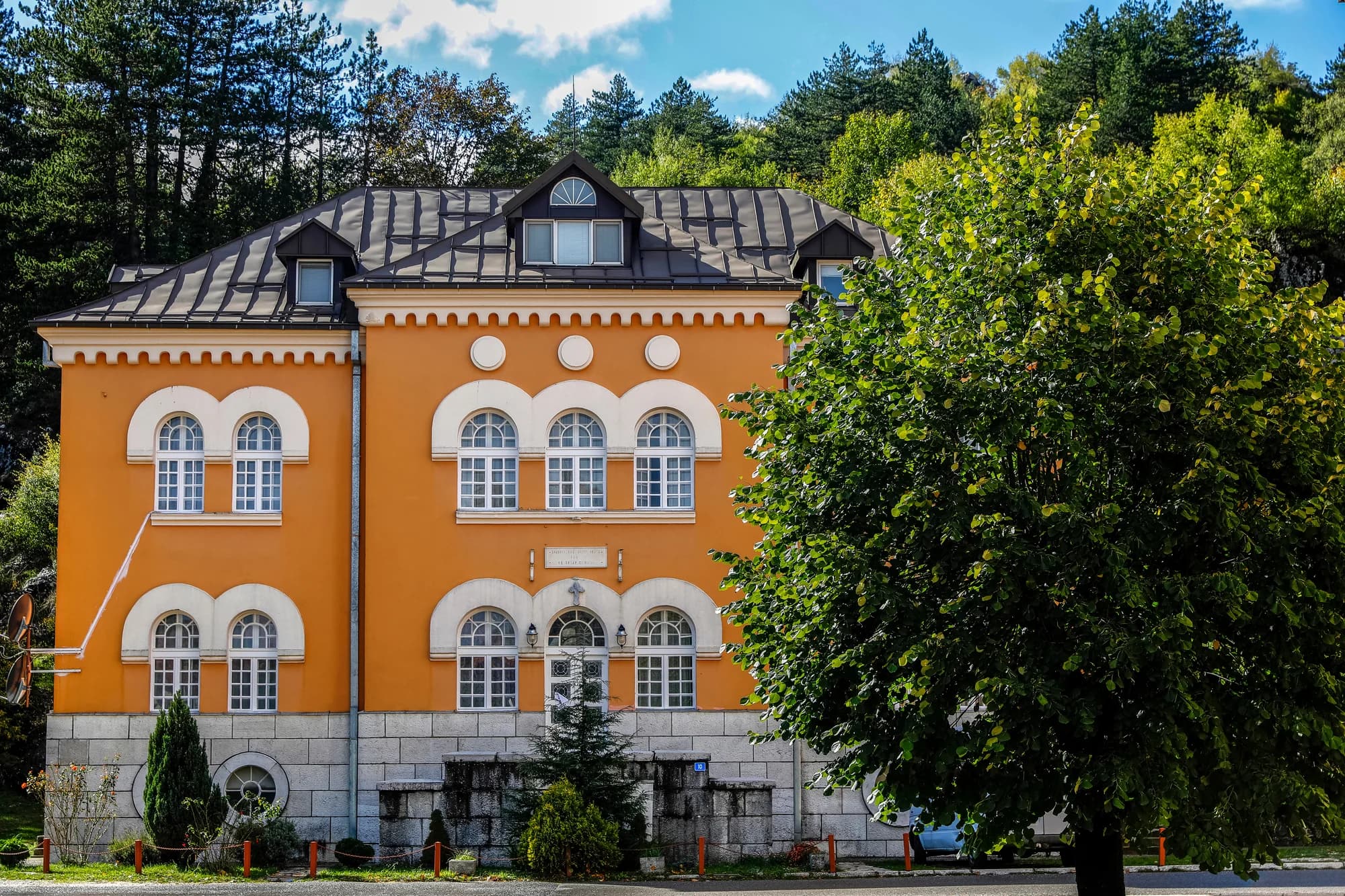

.jpg&w=2048&q=75)