Montenegro · Bjelopavlići
A capital that never was, guarding a monastery in a cliff — Montenegro’s holiest mile starts in this plain.
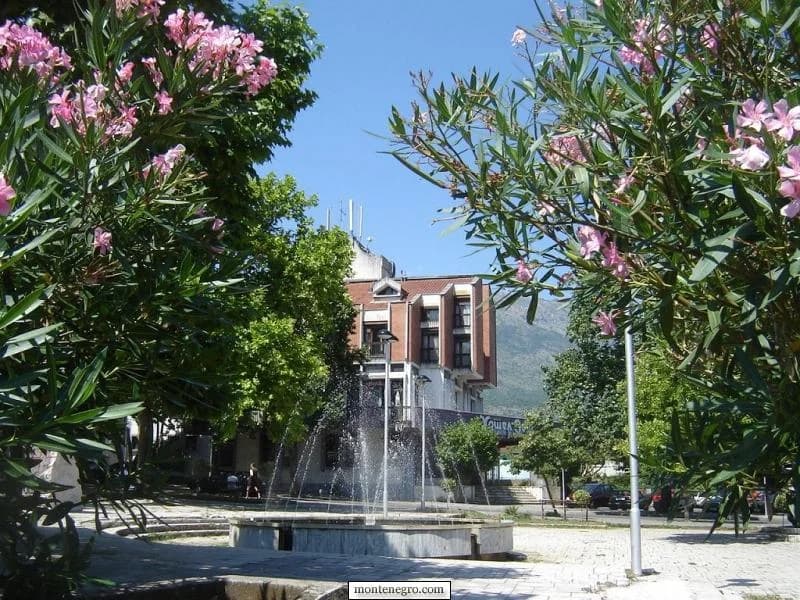
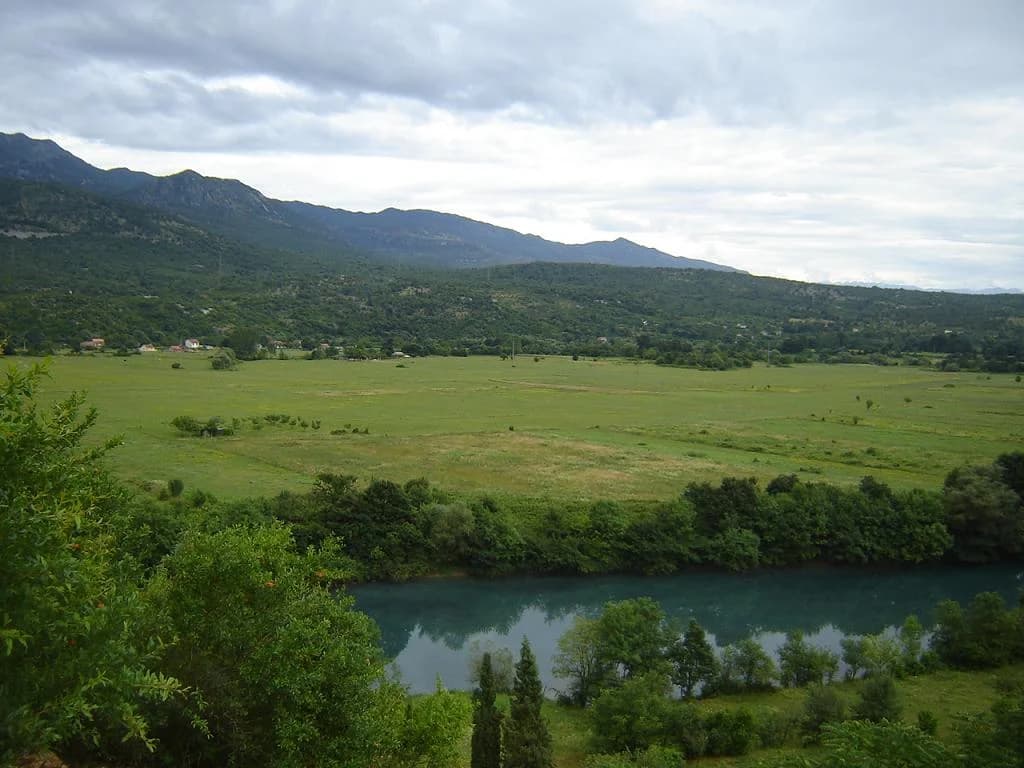
Danilovgrad is a welcoming town in central Montenegro, set along the banks of the Zeta river in the fertile Bjelopavlići plain, cultivated since Roman times. It was laid out in the 1870s by Prince Nikola and named for his predecessor Danilo, planned on a grid with the idea that it might one day serve as the country's capital. That never happened - Cetinje kept the court and Podgorica took the growth - and what remains is an unhurried town of low streets, plane trees and river banks, often overlooked by tourists rushing between the coast and the mountains.
Photos: Diego Delso, delso.photo — CC BY-SA 3.0 · Montenegro.com
Town centre
Best for the 1869 grid — cafés, the market and the Zeta bridge
The Ostrog road
Best for guesthouses on the pilgrimage route — early starts, valley views
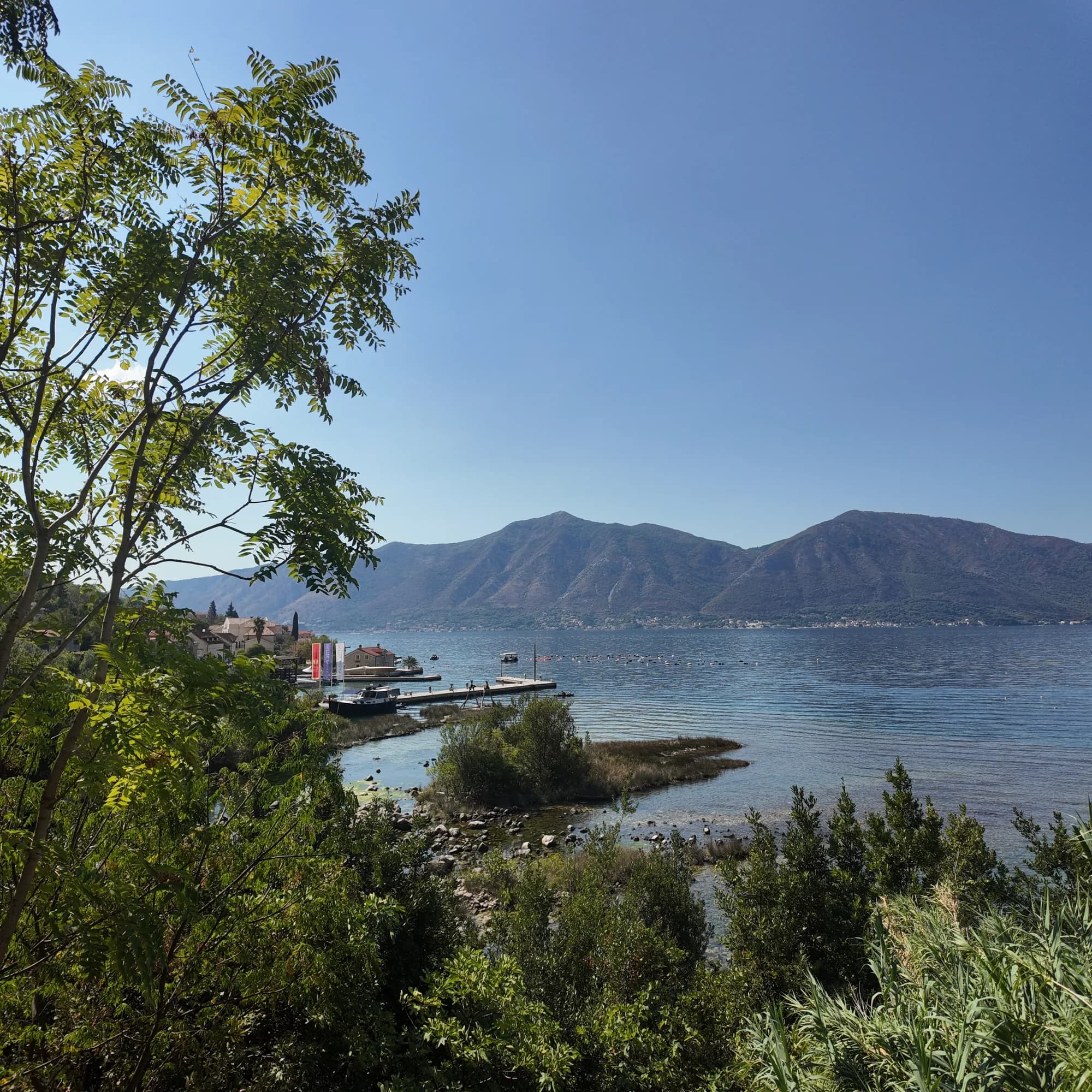
The Zeta banks
Best for farm stays and river quiet, fifteen minutes from Podgorica
1 accommodation in Danilovgrad
Who is still growing
Settlement population change, 2011 → 2023 census
The quiet winner of Montenegro’s census: no riviera, no walls — just jobs within half an hour and room to build.
Who visits Montenegro
Share of foreign overnight stays, 2025
MONSTAT · 2025
What things cost in Danilovgrad
The cheapest true-town base in southern Montenegro — the capital is 20 minutes away.
Census population, Danilovgrad municipality
While the coast counts second homes, Danilovgrad counts residents: the Podgorica–Nikšić corridor keeps the plain young and growing.
Danilovgrad was drawn on paper before it was built — a planned royal capital overtaken by history within a decade. Widths are to scale.
Town planned 1869, foundations 1870; standard chronology.
A day between plain and cliff
Market-town mornings, pilgrimage afternoons
Meanwhile, in 1869
The plain, 1869: Montenegro plans a modern capital on the Zeta — straight streets on a grid, named Danilovgrad for the late Prince Danilo. Foundations follow in 1870, laid by Nikola I himself.
Nine years — the Congress of Berlin hands Montenegro Podgorica and Nikšić; the planned capital is suddenly a town between two bigger prizes, and the court never moves.
Suez — the same year, the Suez Canal opens; the age is redrawing maps faster than architects can follow.
The cliff — above the plain, Ostrog keeps its own capital: the shrine of St Basil, dug into the rock two centuries earlier, outdraws every city plan.
Today — the grid the prince drew is still the town centre — and the road to Ostrog is the busiest pilgrimage route in the country.
“Pilgrims climb the last stretch to Ostrog on foot — many barefoot — as thanks for prayers answered; the shrine in the cliff has drawn them for three and a half centuries.”
Local legend
The Ostrog pilgrimage
Search thousands of hotels and apartments with live prices.
We may earn a commission from partner links. This helps us keep Montenegro.com free for travelers.
Search hotels, apartments and guest houses with live availability.
We may earn a commission from partner links. This helps us keep Montenegro.com free for travelers.
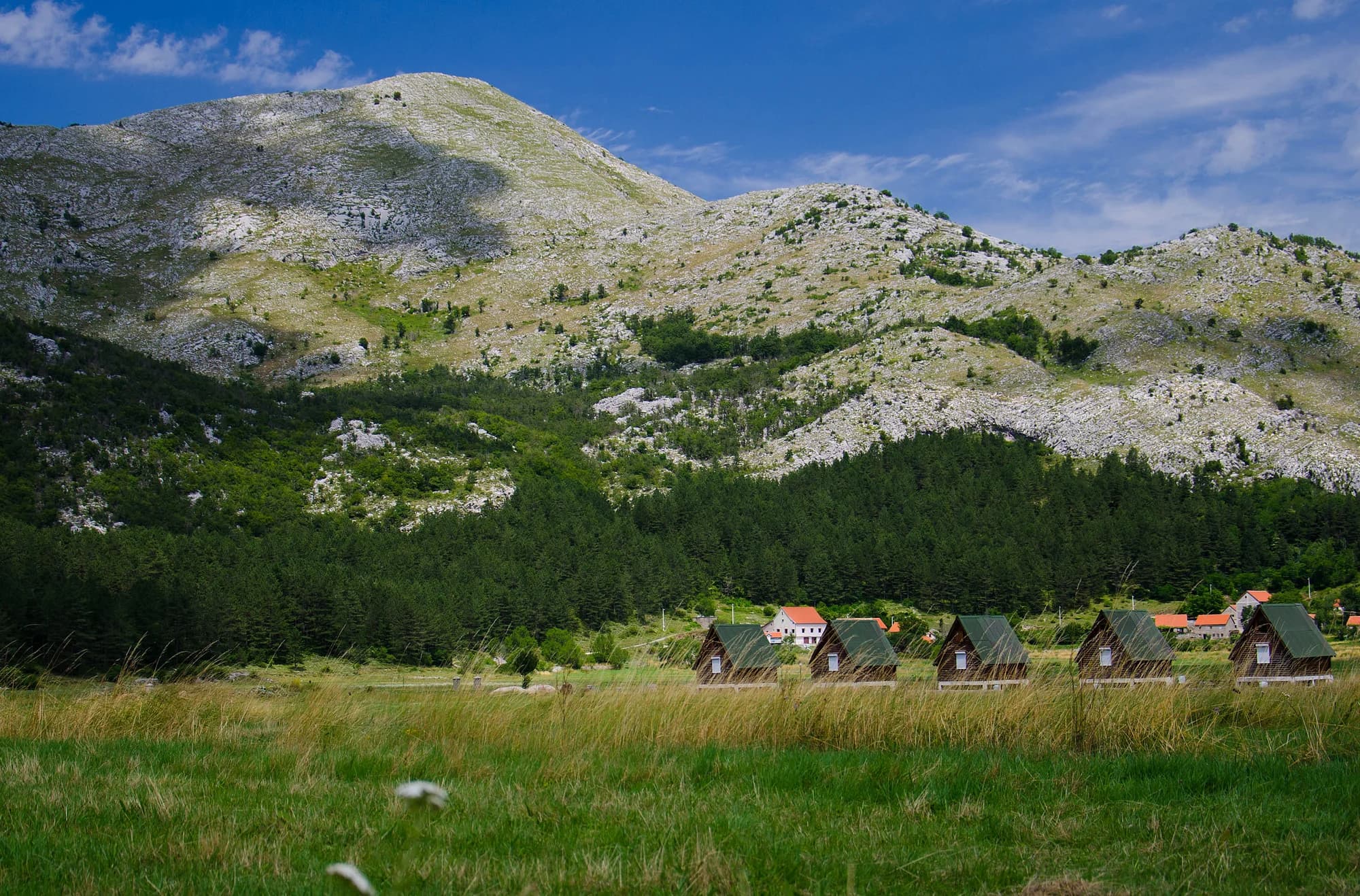
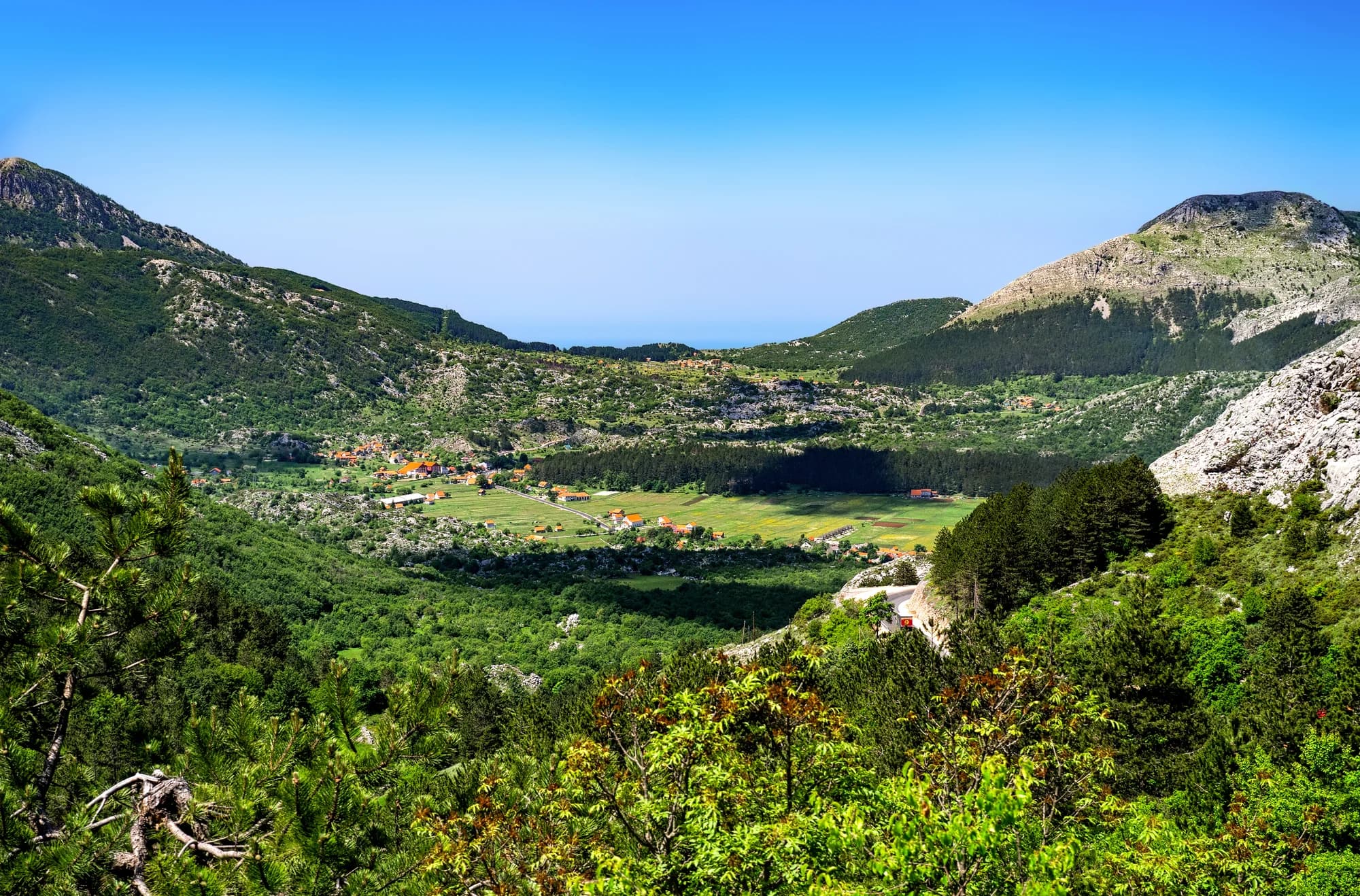
Danilovgrad sits on the river Zeta in the Bjelopavlici plain, roughly midway between Podgorica and Niksic — about 20 km from one and 30 from the other. It is the flat, fertile middle of the country, ringed by mountains on every side.
Stone. The town has carved and dressed limestone for well over a century, supplying facades and monuments across the region, and a stone-carving school still operates here. Sculpture symposia and workshops keep the trade visible in the streets.
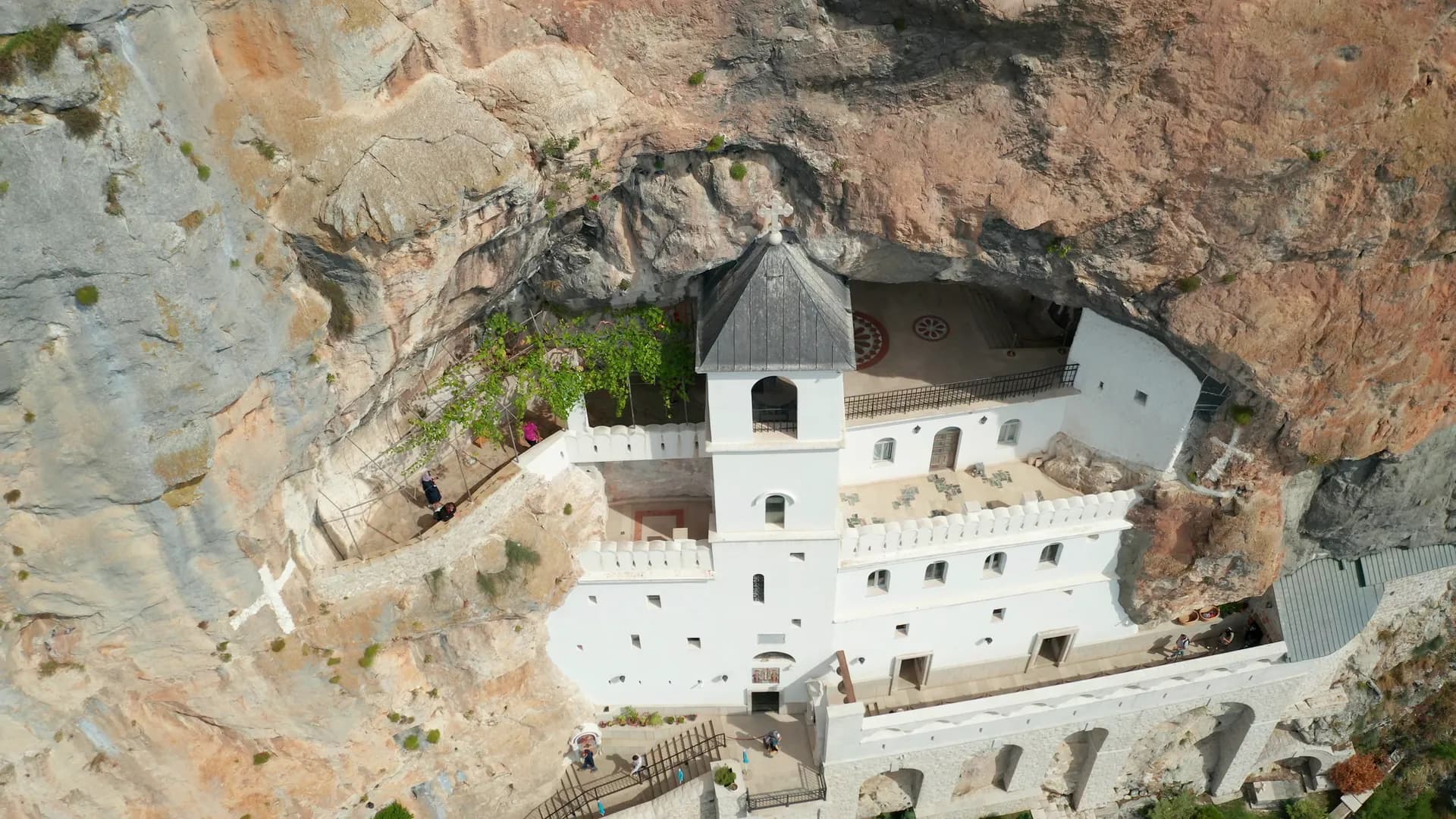
Ostrog monastery lies within Danilovgrad municipality, about 20 minutes up the valley — the town is the closest place to stay if you want to reach the monastery before the coach tours arrive from the coast.
It is a planned town, laid out in the 1870s on the orders of Prince Nikola and named after his predecessor Danilo. That accounts for the straight streets and regular blocks, unusual in Montenegro and quite unlike the older coastal towns.
Zdrebaonik monastery, in the hills above the plain, holds relics and a quiet setting worth the short detour. The Zeta itself is used for swimming and fishing in summer, and the surrounding plain is the country's main fruit and vegetable ground.
Mainly as a base for Ostrog and as a break on the Podgorica–Niksic road. It is a calm, low-rise town with good river swimming rather than a sight in itself, and it is a cheaper place to sleep than either city.
JunSt Basil’s day — 12 May — the great pilgrimage; the serpentines fill before dawn
SepPlain harvest — the market at its fullest — figs, honey and Zeta valley produce
The local plate
Bjelopavlići cooking is inland and unhurried: lamb slow-baked under the iron bell, priganice with honey, and Zeta trout where the road meets the river. Pilgrims eat well here — fasting is optional.
Where Roadside konobas on the Danilovgrad–Ostrog road
Danilovgrad in numbers
planned as a capital and named for Prince Danilo
2023 census — one of the few Montenegrin towns still growing
Ostrog, built into the cliff above the Zeta valley
St Basil of Ostrog dies in his cell; the pilgrimage begins
the green river that makes the Bjelopavlići plain fertile
MONSTAT 2023 census · standard chronology
Best time: April · May · October
A few hours
Half a day covers the holiest site in the country — walk the last stretch like the pilgrims do.
One full day
One day, four centuries of faith and a river valley — Danilovgrad is the base, not the show.