_mncom.webp&w=2048&q=75)
0 accommodations available
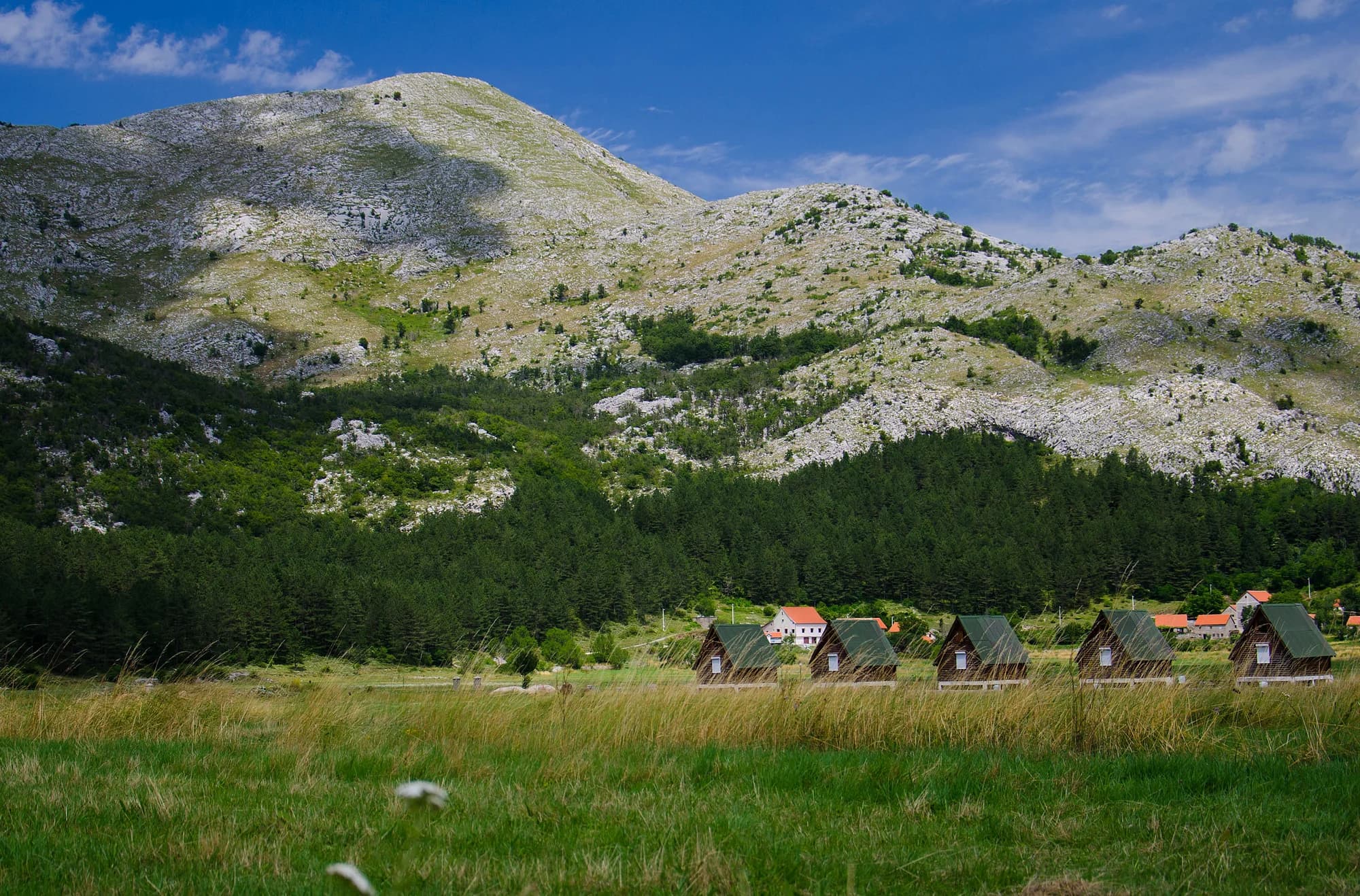
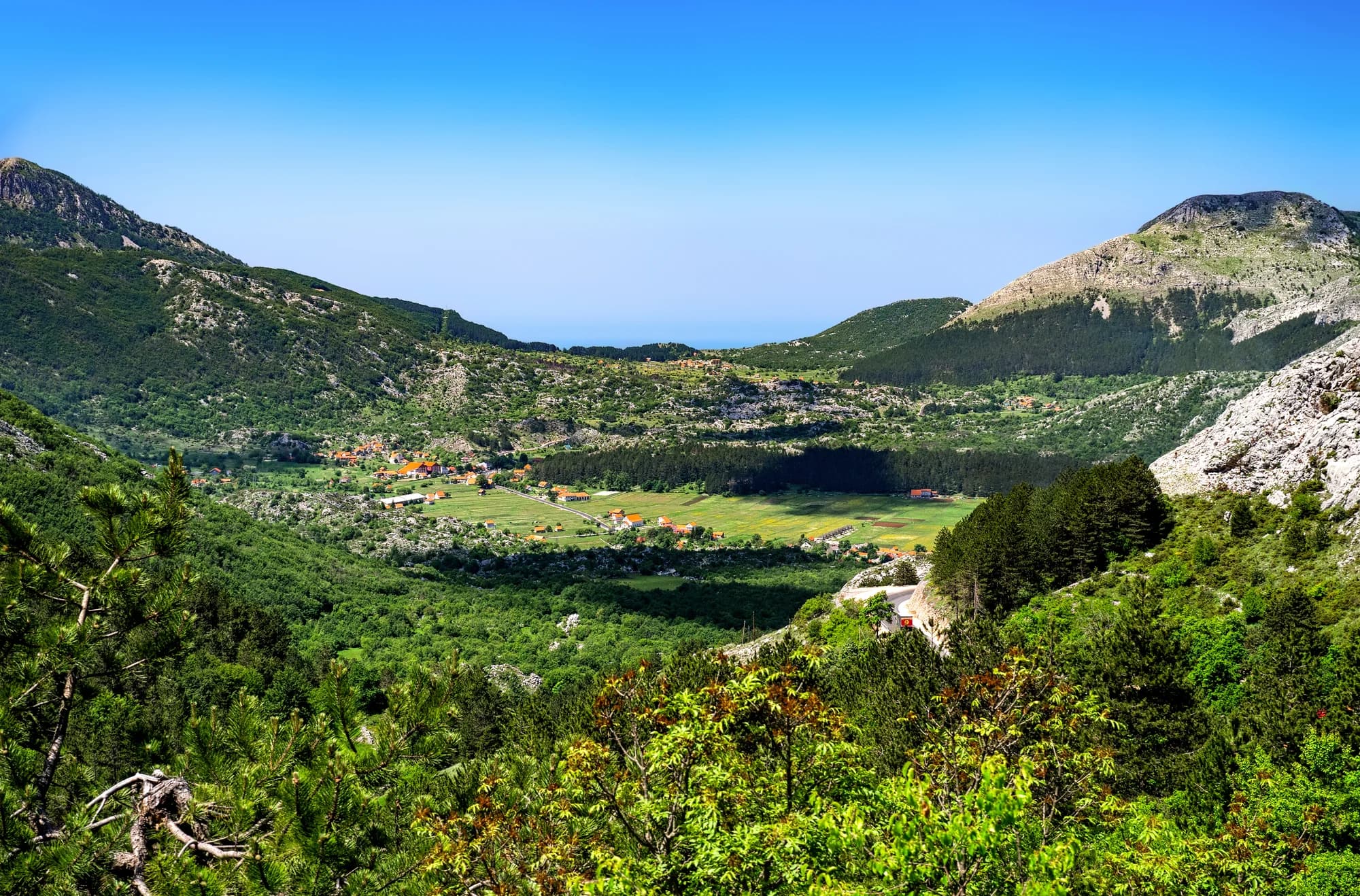
Gradac is a small settlement in central Montenegro, one of several places bearing this common South Slavic name. It comes from grad, meaning town or fortress, with a diminutive ending - a small town or little fort - and it usually attaches to a spot where a defensive site once stood, or where the shape of a hill suggested one. The name recurs from the Adriatic to the eastern borders, so it is always worth checking which Gradac you are being pointed toward. This one is a quiet rural community surrounded by the hills and farmland typical of Montenegro's interior, well off the main tourist routes. The country around it is the familiar mix of the karst uplands: stone houses with heavy roofs, small terraced plots walled with cleared rock, walnut and plum trees close to the buildings, and grazing land running up into scrub and bare limestone above. Water has always been the constraint, and older houses are built around cisterns. Life here follows the seasons rather than a timetable. Households keep sheep and a few cattle, cut hay by hand on ground too steep or too stony for machinery, and make cheese, smoked ham and rakija much as their grandparents did. The population has thinned considerably, with younger people leaving for Podgorica, Nikšić and abroad through the twentieth century, and many houses now open only in summer, when families return and the village briefly fills. There is nothing organised for visitors: no shop to rely on, no marked trails, and no accommodation beyond whatever a private arrangement might turn up. What a traveller finds instead is the ordinary Montenegrin countryside without any presentation - long views, silence broken by sheep bells, and the kind of hospitality that appears the moment you stop to ask directions. Late spring and early autumn are the best times, when the hills are green and the heat has eased. Gradac suits drivers exploring the interior at random, and anyone more interested in how the country lives than in what it puts on display.
Search thousands of hotels and apartments with live prices.
We may earn a commission from partner links. This helps us keep Montenegro.com free for travelers.
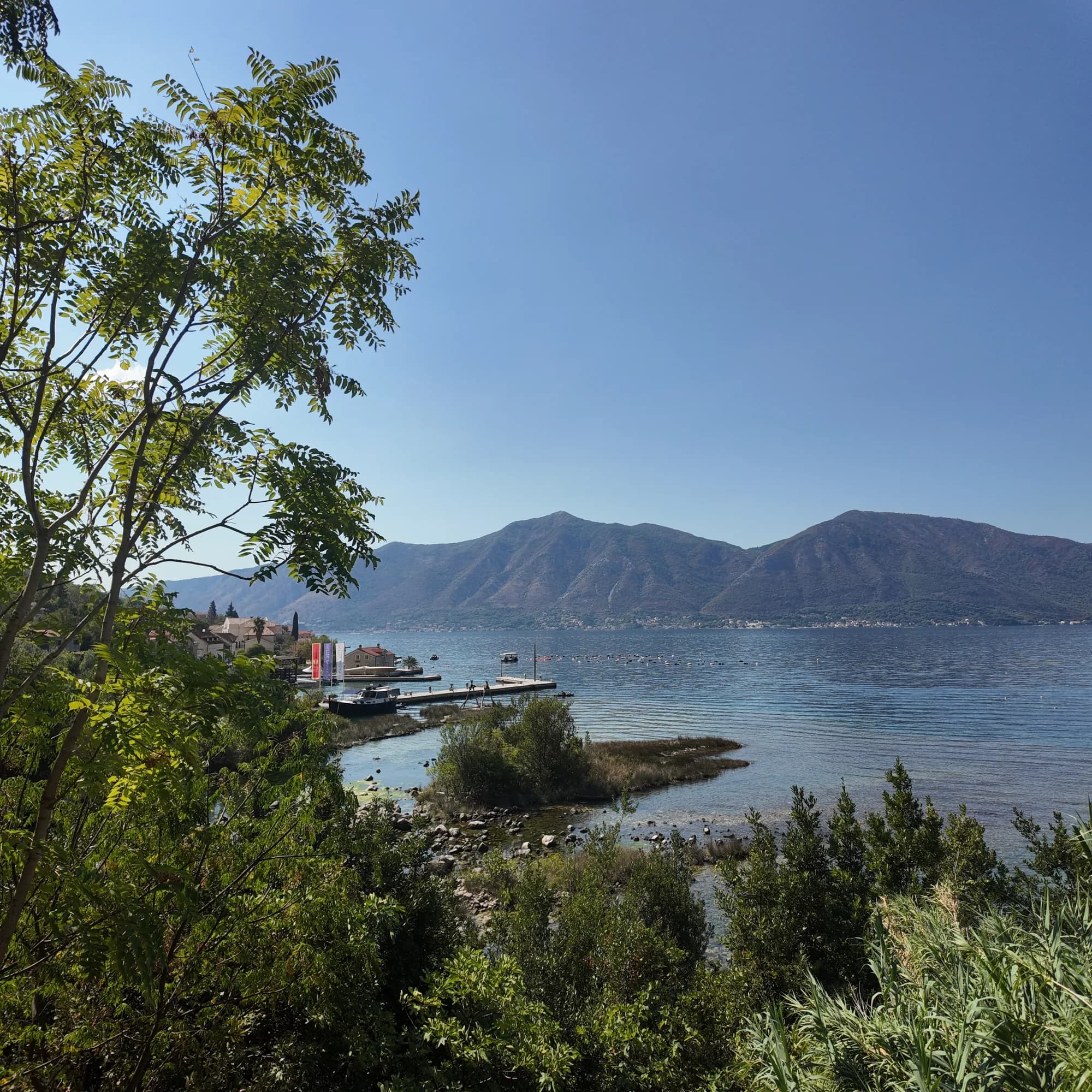
Search hotels, apartments and guest houses with live availability.
We may earn a commission from partner links. This helps us keep Montenegro.com free for travelers.
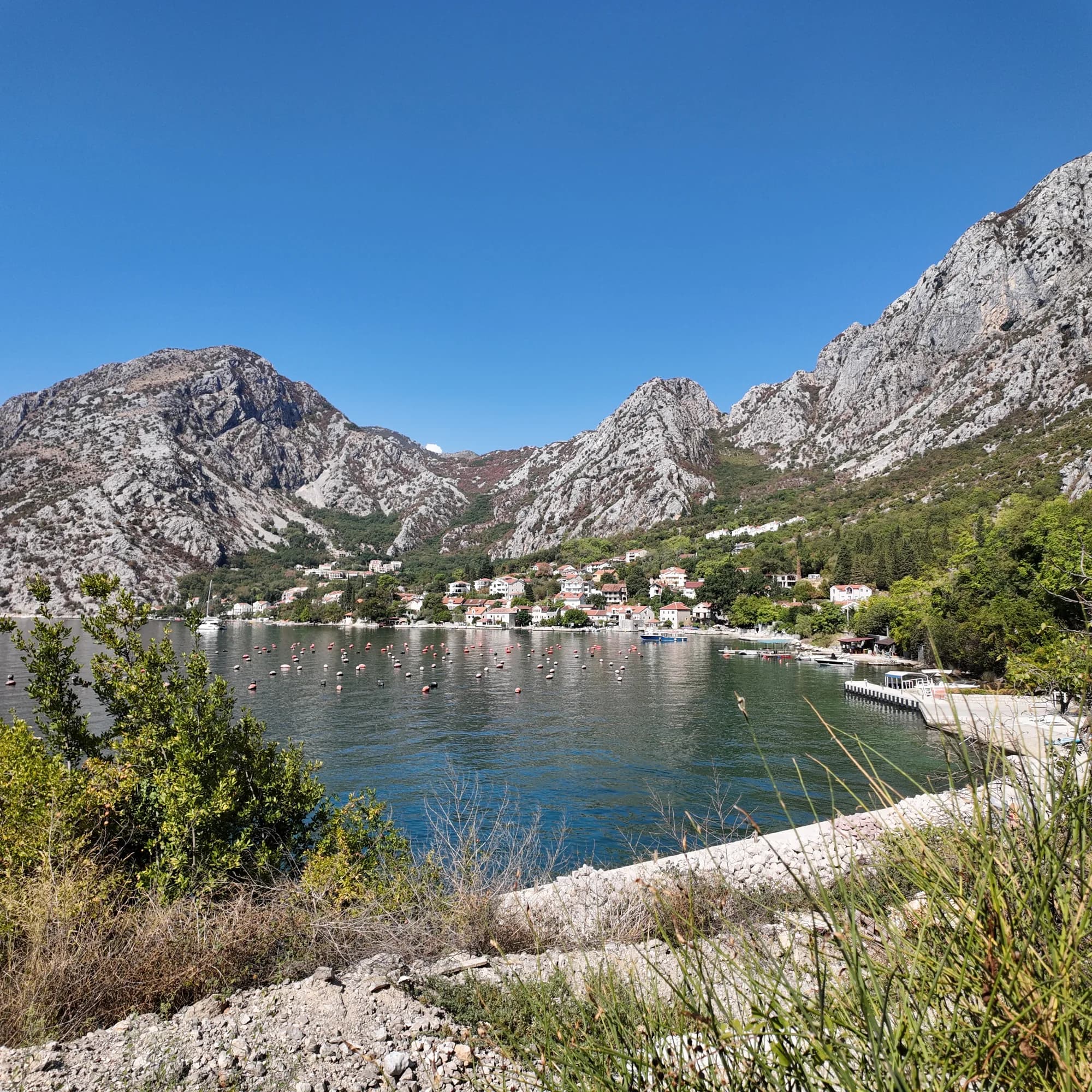
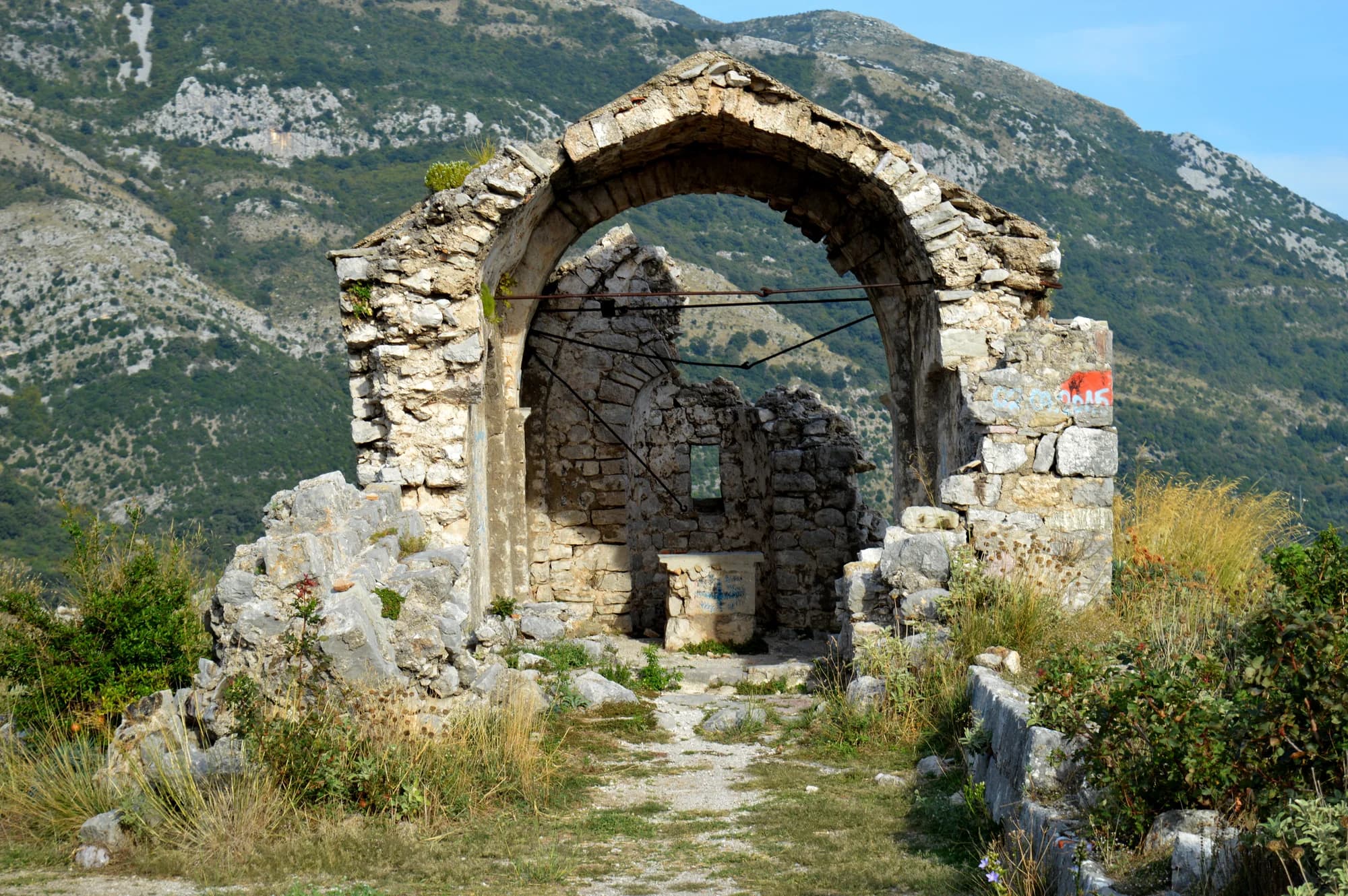
It comes from grad, meaning town or fortress, with a diminutive ending — a small town or little fort. It usually attaches to a spot where a defensive site once stood, or where the shape of a hill suggested one.
Yes. The name recurs from the Adriatic to the eastern borders, so it is always worth checking which Gradac you are being pointed toward. This one is a quiet rural community in central Montenegro, well off the main tourist routes.
The familiar mix of the karst uplands: stone houses with heavy roofs, small terraced plots walled with cleared rock, walnut and plum trees close to the buildings, and grazing land running up into scrub and bare limestone above. Water has always been the constraint, and older houses are built around cisterns.
By the seasons rather than a timetable. Households keep sheep and a few cattle, cut hay by hand on ground too steep or stony for machinery, and make cheese, smoked ham and rakija much as their grandparents did.
Thinly. Younger people left for Podgorica, Niksic and abroad through the twentieth century, and many houses now open only in summer, when families return and the village briefly fills.
There is nothing organised for visitors — no shop to rely on, no marked trails, no accommodation beyond a private arrangement. What you find instead is ordinary Montenegrin countryside without any presentation. Late spring and early autumn are the best times.
11.1 km by road, about 28 min by car.
The UK Foreign, Commonwealth & Development Office (FCDO) has no advisory against travel to Montenegro; it last reviewed its guidance on 13 August 2026. That is their assessment of the country as a whole, not ours and not a judgement about Gradac, so read it yourself before you travel. The emergency number in Montenegro is 112.
The nearest places to Gradac, at their true positions — Ostrog is about 20 km away in a straight line.
Schematic. Positions and straight-line distances from the coordinates we hold for each place; mountain roads make the drive longer. Coastline and Lake Skadar © OpenStreetMap contributors.
Best time: April · May · October
| Place | By road | Driving |
|---|---|---|
| Klicevo | 11.1 km | about 28 min |
| Spuž | 17.4 km | about 42 min |
| Čevo | 18.9 km | about 42 min |
| Danilovgrad | 20.7 km | about 40 min |
| Podgorica | 23.2 km | about 44 min |
| Kotor | 62.8 km | about 1 h 36 min |
| Budva | 69.1 km | about 1 h 42 min |
Road distances routed over OpenStreetMap data, © OpenStreetMap contributors. Driving times are free-flow and take no account of summer traffic or a queue at the ferry ramp.