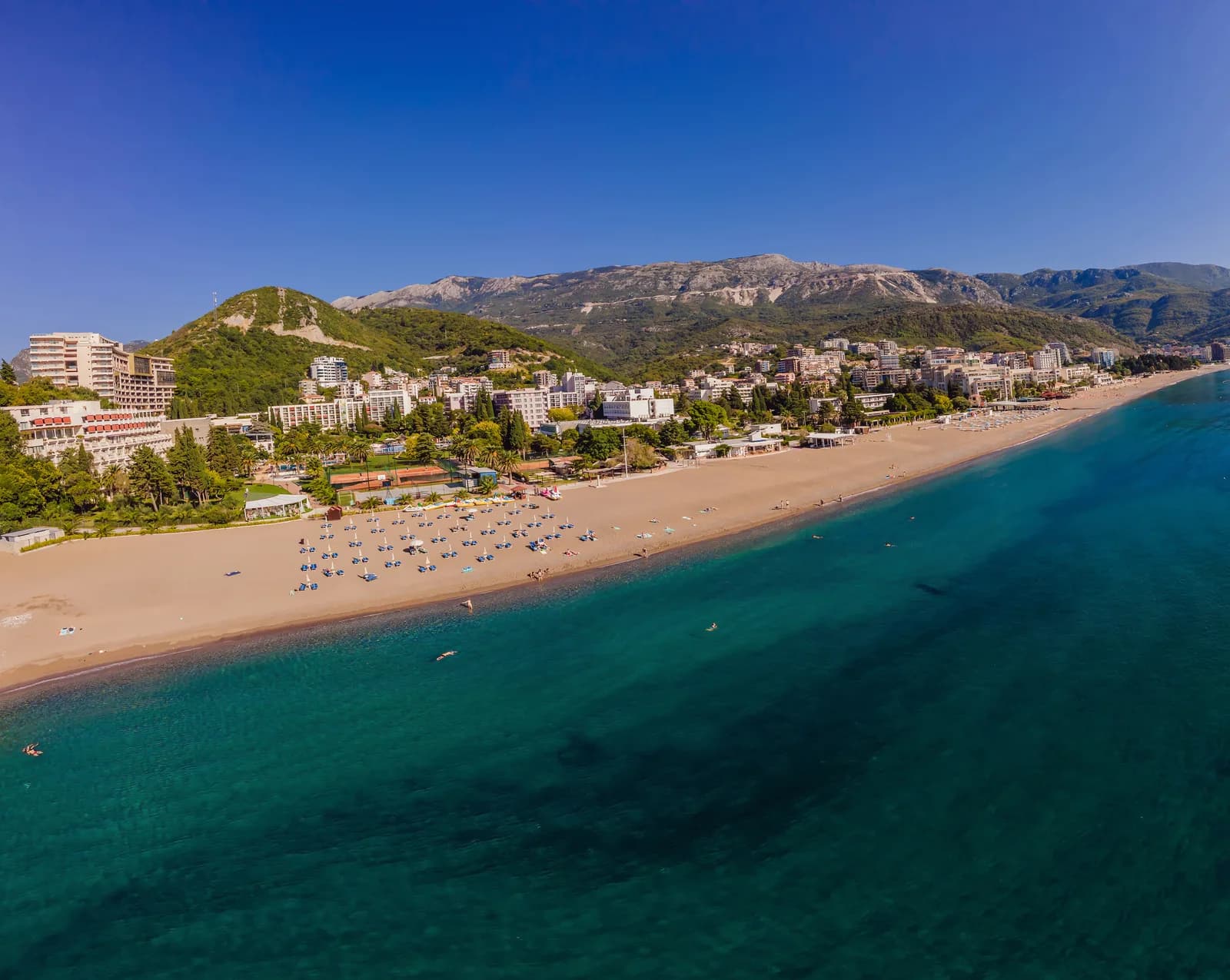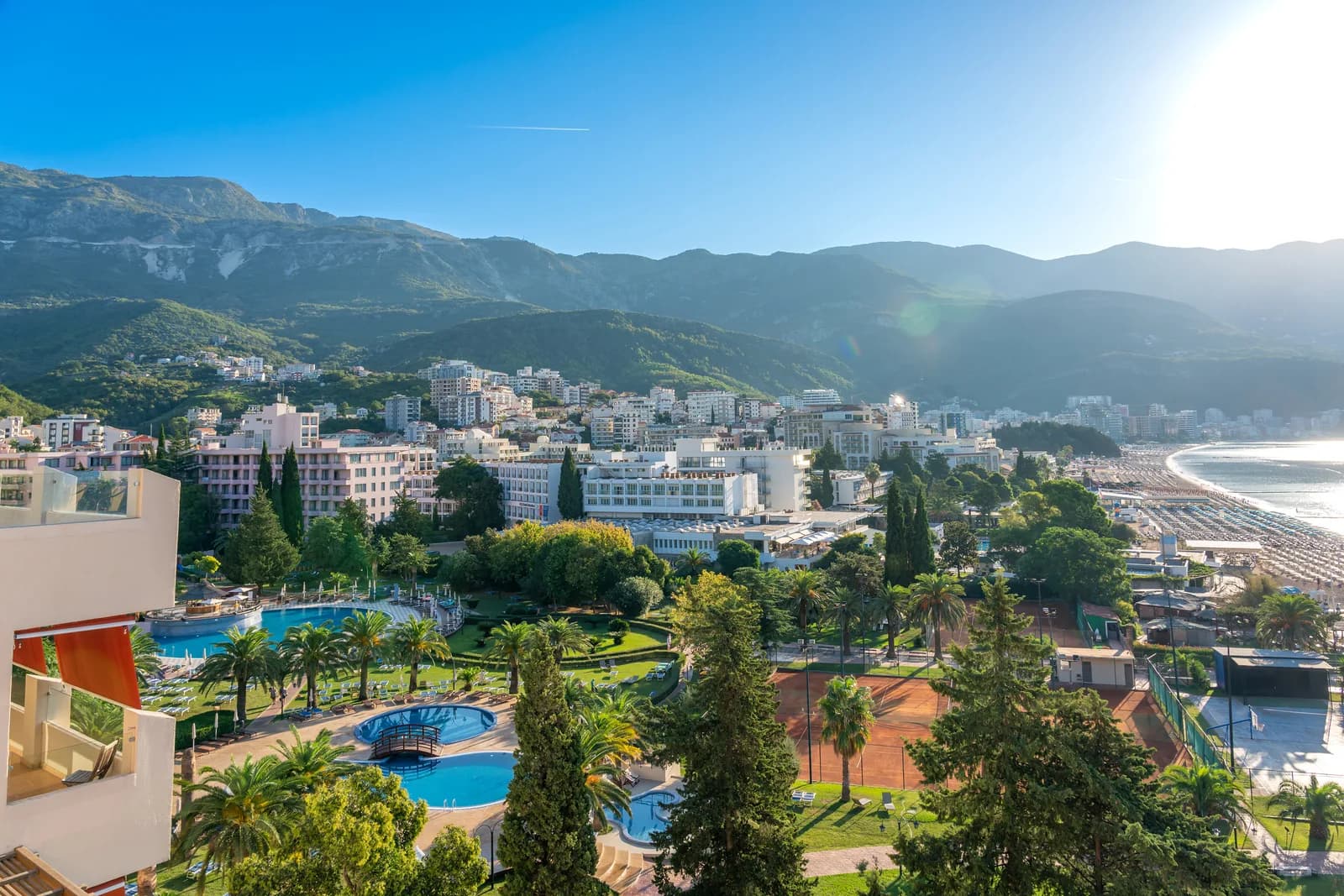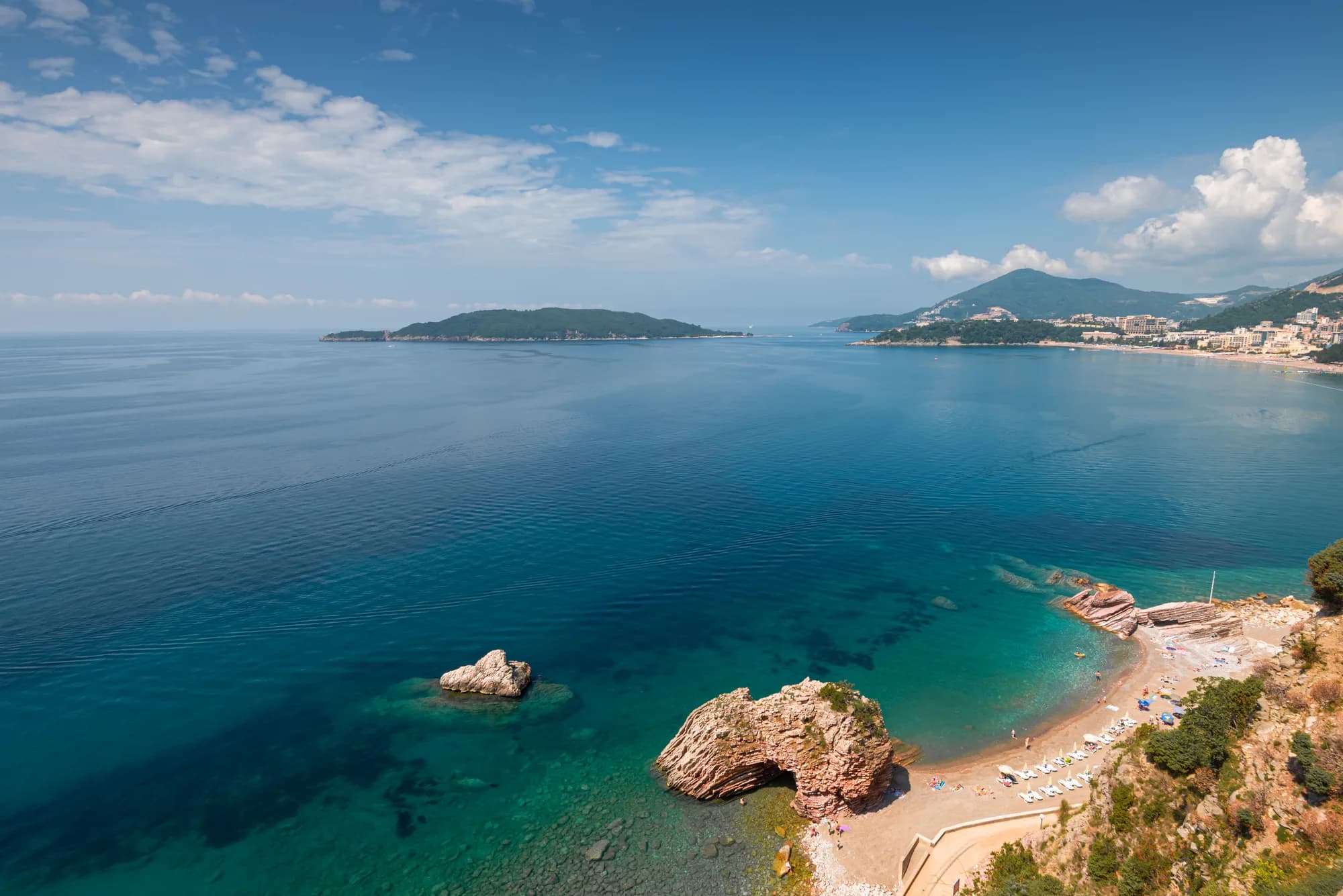
Walk the full two kilometres of Bečići beach, past the resort hotels and the volleyball nets and the rows of loungers, and the shoreline ends at something unexpected: a knot of stone houses pressed against the cliff, fishing boats hauled up on the shingle, and the smell of fish grilling over embers a few metres from the water. This is Rafailovići, the old fishing hamlet of the Bečići bay, and it is the best place on the central riviera to understand what this coast was before tourism found it.
A village named for a family
Like almost every settlement on this stretch of the Adriatic, Rafailovići carries a surname. This is the country of the Paštrovići, the maritime clan community that governed the coast between Budva and Spič for centuries under its own assembly, and whose villages are really extended family houses grown into hamlets. The bay's three settlements read like a family register: Bečići took its name from the Bečić brotherhood, one of the twelve historic brotherhoods of the Paštrovići, first recorded in the early fifteenth century; the hamlet of Ivanovići above bears the name of the Ivanović family; and Rafailovići was settled and named by the Rafailović clan, one of the old Paštrović lineages of the bay. Genealogists trace the Rafailovići as a branch within the wider Mitrović brotherhood — but on the ground the arithmetic was always simple: one bay, three clusters of kin, and the sea to feed them all.
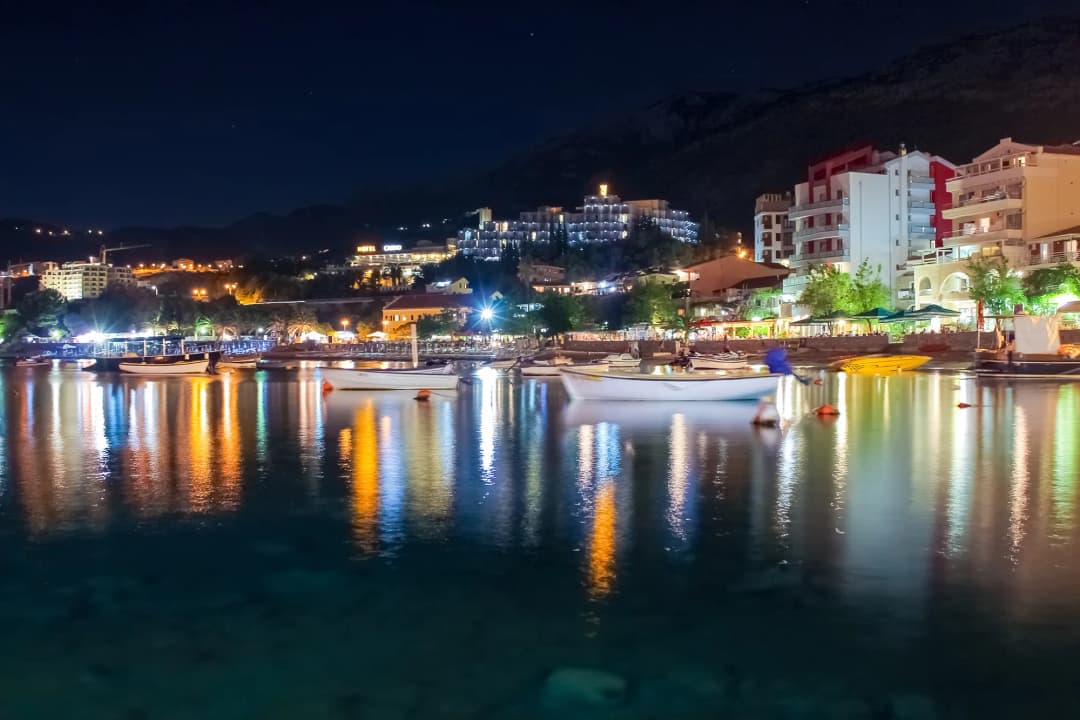
And feed them it did. For generations Rafailovići lived from the net — sardines, mullet, dentex, squid — worked from wooden boats beached exactly where the sunbeds now stand. The houses were built of stone, gable-end to the water, close enough that a fisherman could carry his catch from boat to kitchen in thirty steps. That distance, more or less, is still the village's entire business model.
The konobas: from net to grill
Rafailovići today is known along the whole riviera for its waterfront konobas — family fish taverns whose terraces stand directly over the shingle. The most famous is Tri Ribara ("Three Fishermen"), a Rafailovići institution where whole fish are presented and weighed before they go over the embers, in the old Adriatic manner, and where the black risotto and octopus salad are the standard by which visitors judge the rest of their holiday. Nearby, Porat keeps the same faith: daily catch, olive oil, a terrace with the sea directly below the table. These are not restaurants that added seafood to a menu; they are fishing families that added tables to a catch. In the evening the lights of the terraces reflect off the water, the day boats swing at anchor a few metres out, and the resort towers of Bečići might as well be in another country.
The most beautiful beach in Europe, official
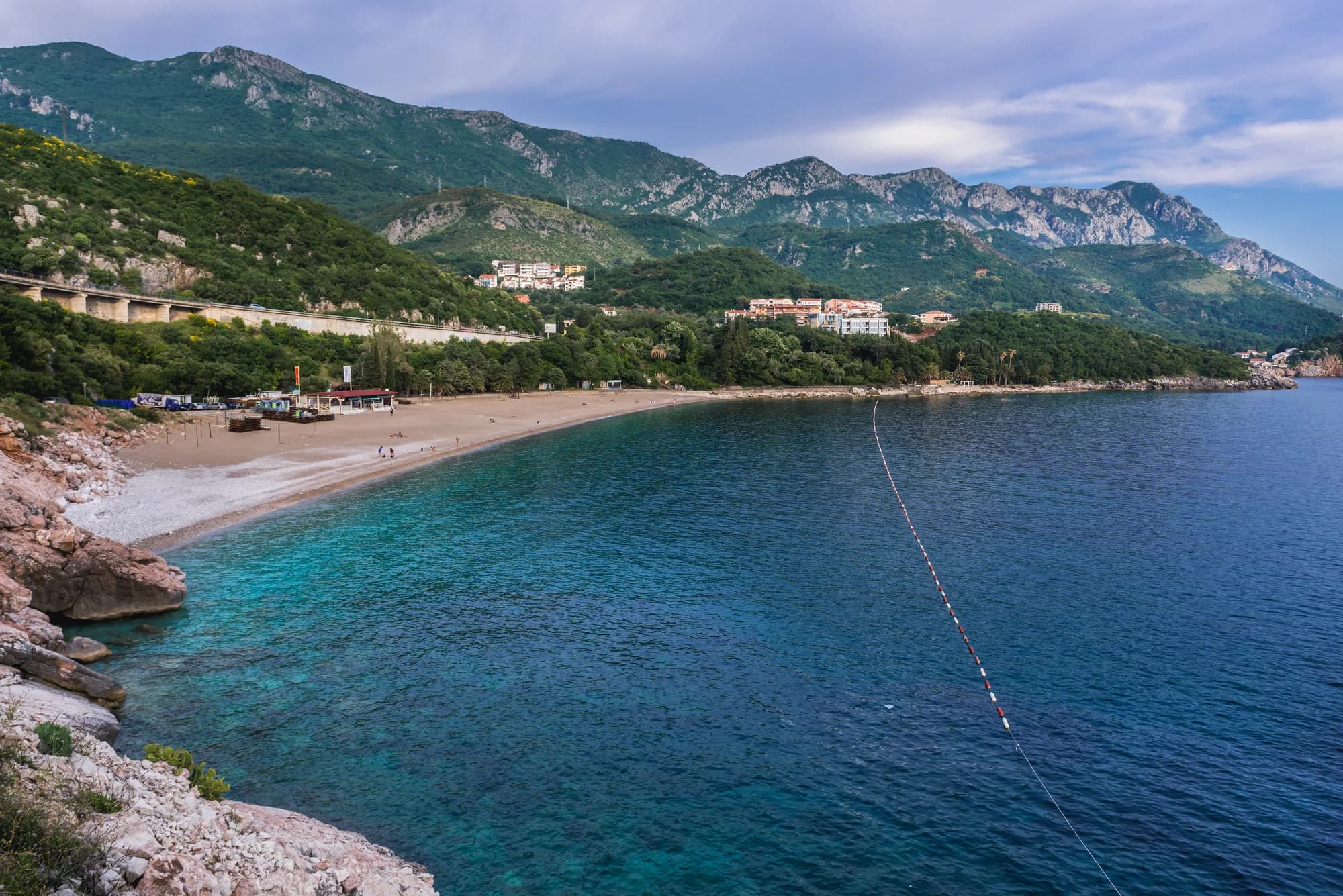
The beach that Rafailovići anchors has a title to defend. In 1935, at an exhibition in Paris, Bečići beach won the Grand Prix as the most beautiful beach in Europe — a jury verdict on its two kilometres of unusually multicoloured sand and fine pebble, laid down by four mountain streams, framed between headlands and backed by the green Paštrovići hills. Some three decades later it added a Golden Palm as the most beautiful beach on the Mediterranean. The awards belong to a vanished era of grand hotels and steamship tourism, but stand at the Rafailovići end at seven in the morning, looking back down the empty curve toward Zavala, and the Paris jury's reasoning still argues its own case.
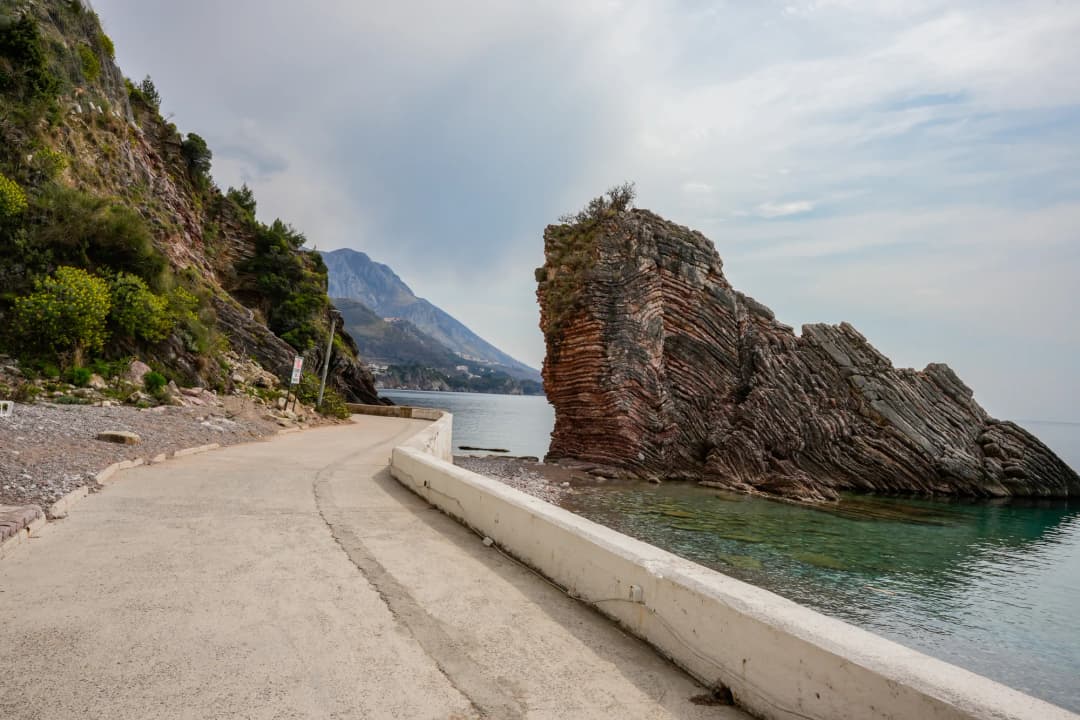
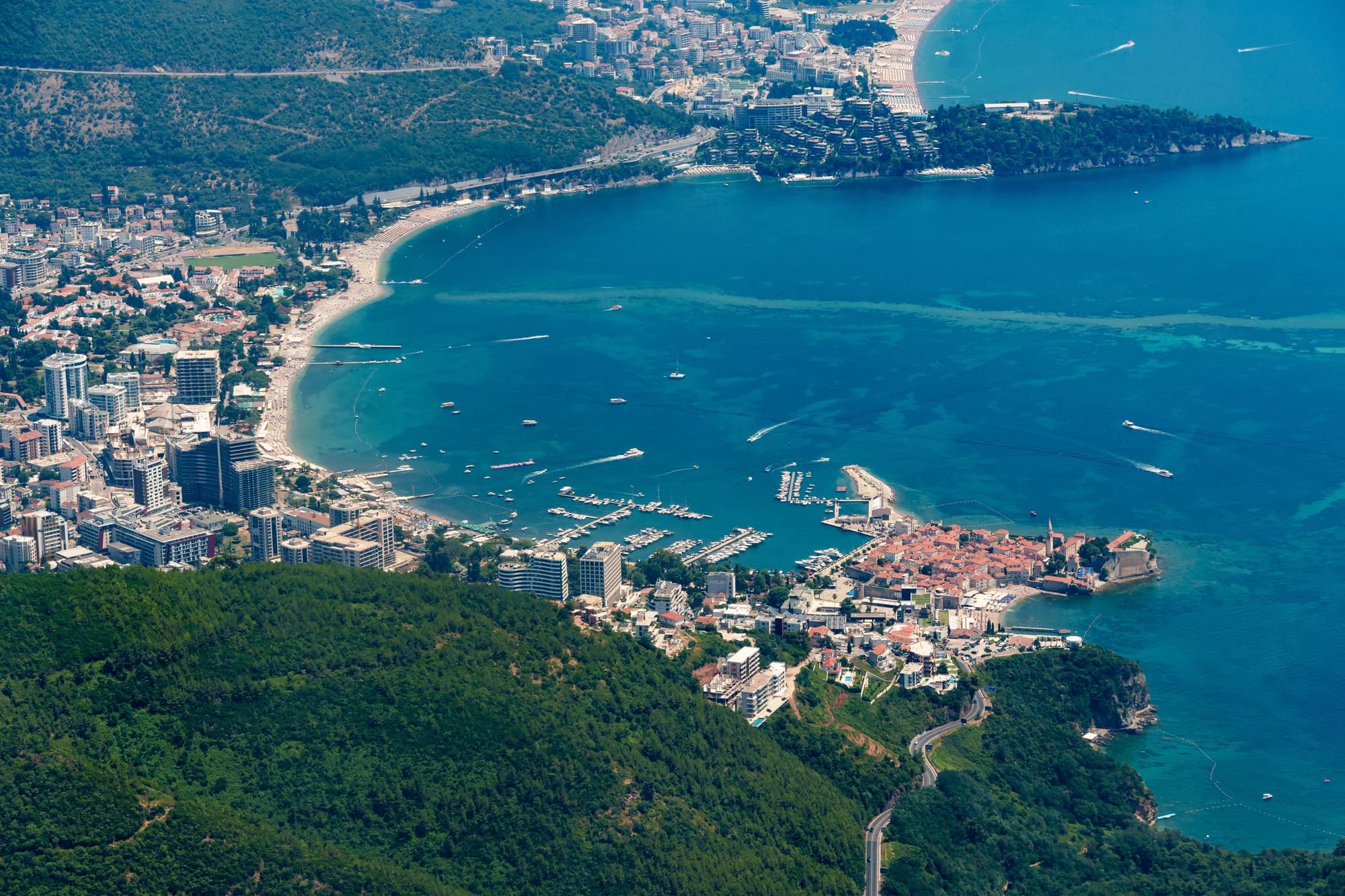
Rafailovići is also a hinge in the riviera's great coastal walk. Behind the village a short pedestrian tunnel cuts through the cliff to Kamenovo, the next cove east, so the shoreline path runs unbroken from Budva's Old Town through Slovenska plaža, under the Zavala headland, along the whole of Bečići and on toward Pržno and Sveti Stefan. The hamlet is its own stage on the Seven Bays walk — the natural lunch stop, for obvious reasons.
What survives
It would be romantic to pretend Rafailovići is untouched; it is not. Apartments have climbed the slope behind the old houses, and in August the shingle in front of the konobas is as busy as anywhere on the bay. But the essential transaction of the place — boats out in the morning, fish on the grill by noon, family names above the doors — has survived a century that erased it almost everywhere else on this coast. The Paštrović bay of three families still has its fishermen, and you can still eat what they caught, at the waterline, in the village that carries their name.
Visiting. Rafailovići is a flat, easy 25-minute walk from Budva along the promenade and through the Zavala tunnel, at the far eastern end of Bečići beach; the walk itself costs nothing and there is no better approach than on foot at the water's edge. Come out of season, or on a summer evening when the day crowd has gone, and book a waterfront table — at Tri Ribara or Porat expect to pay by the kilo for whole wild fish, with the price confirmed before it is cooked. The tunnel to Kamenovo at the end of the village takes the walk onward east.