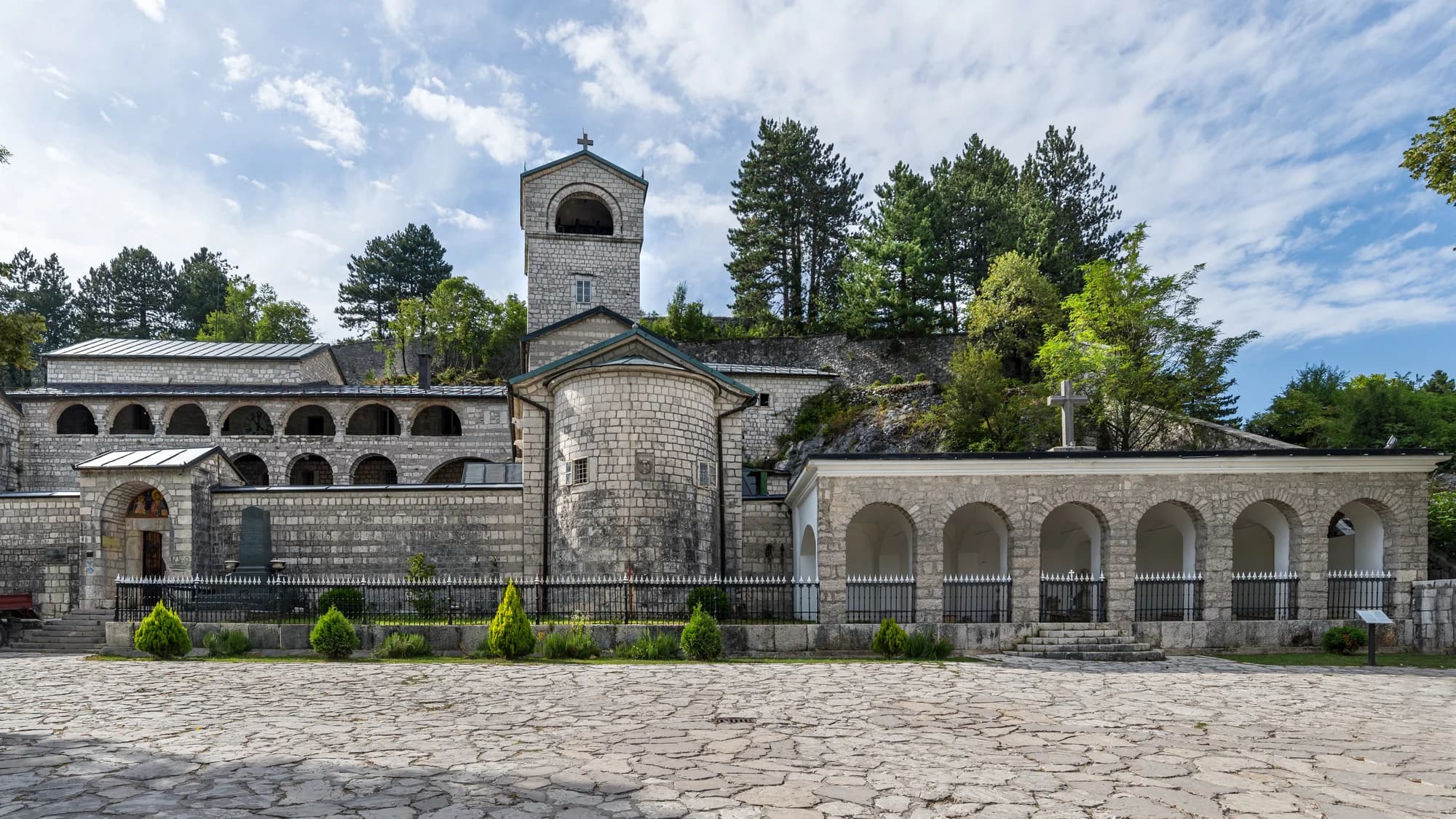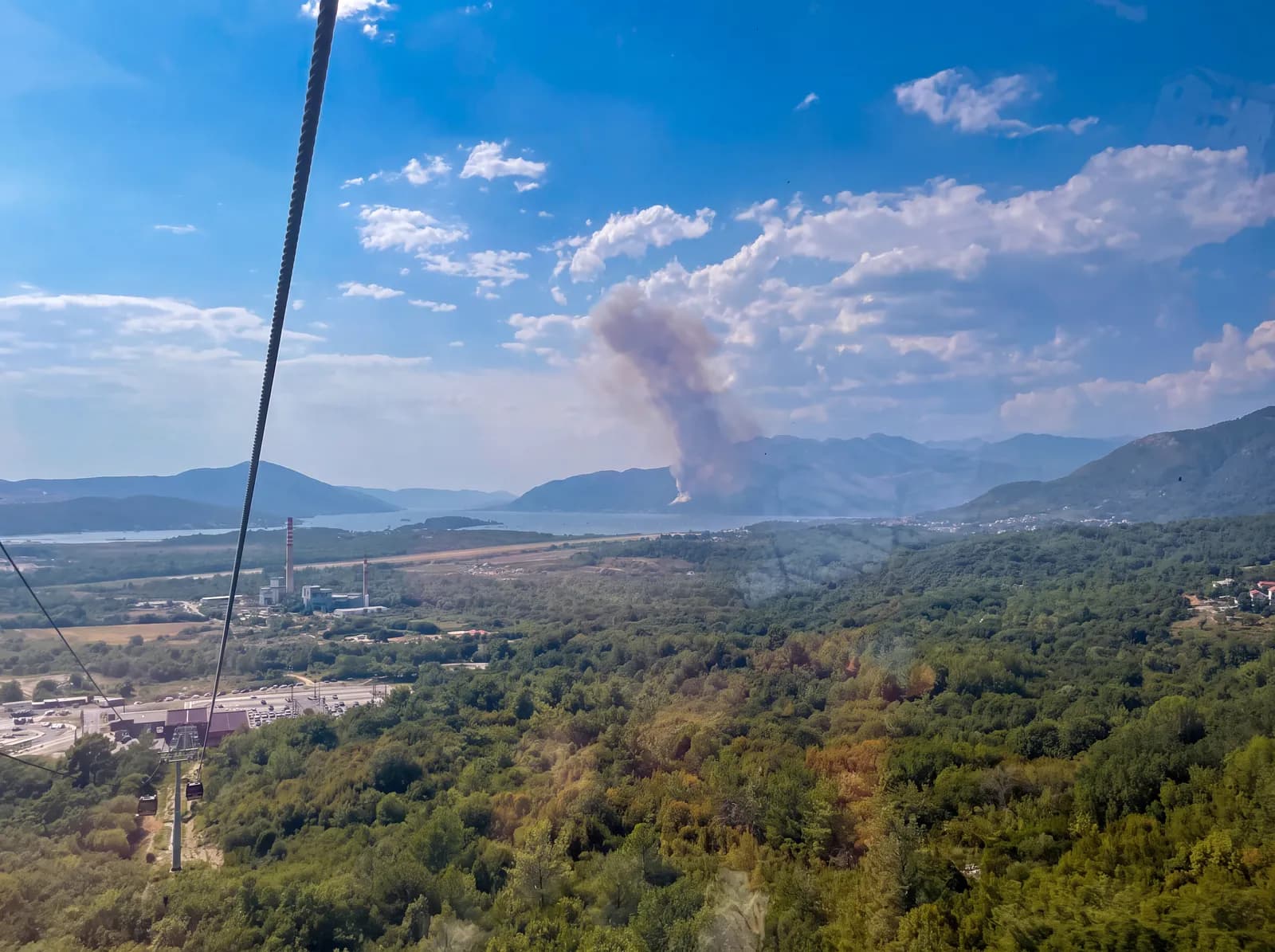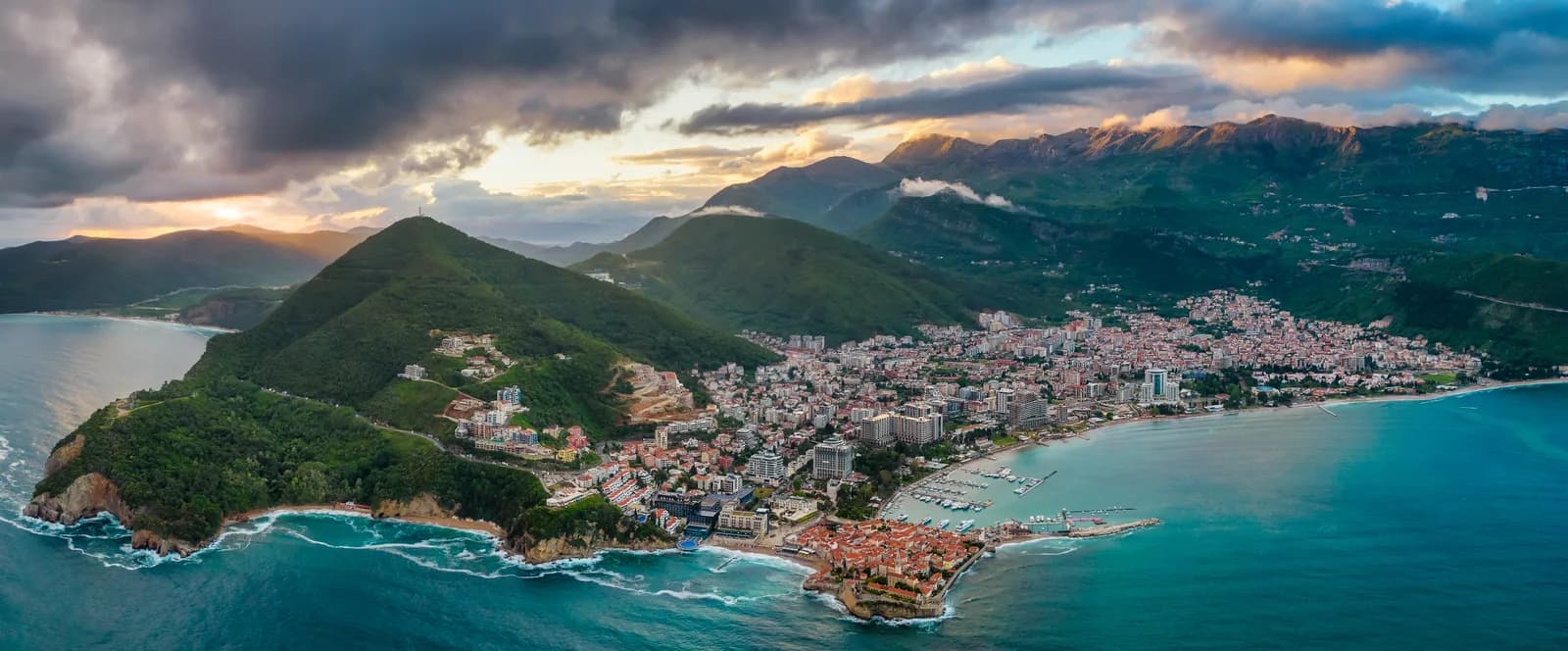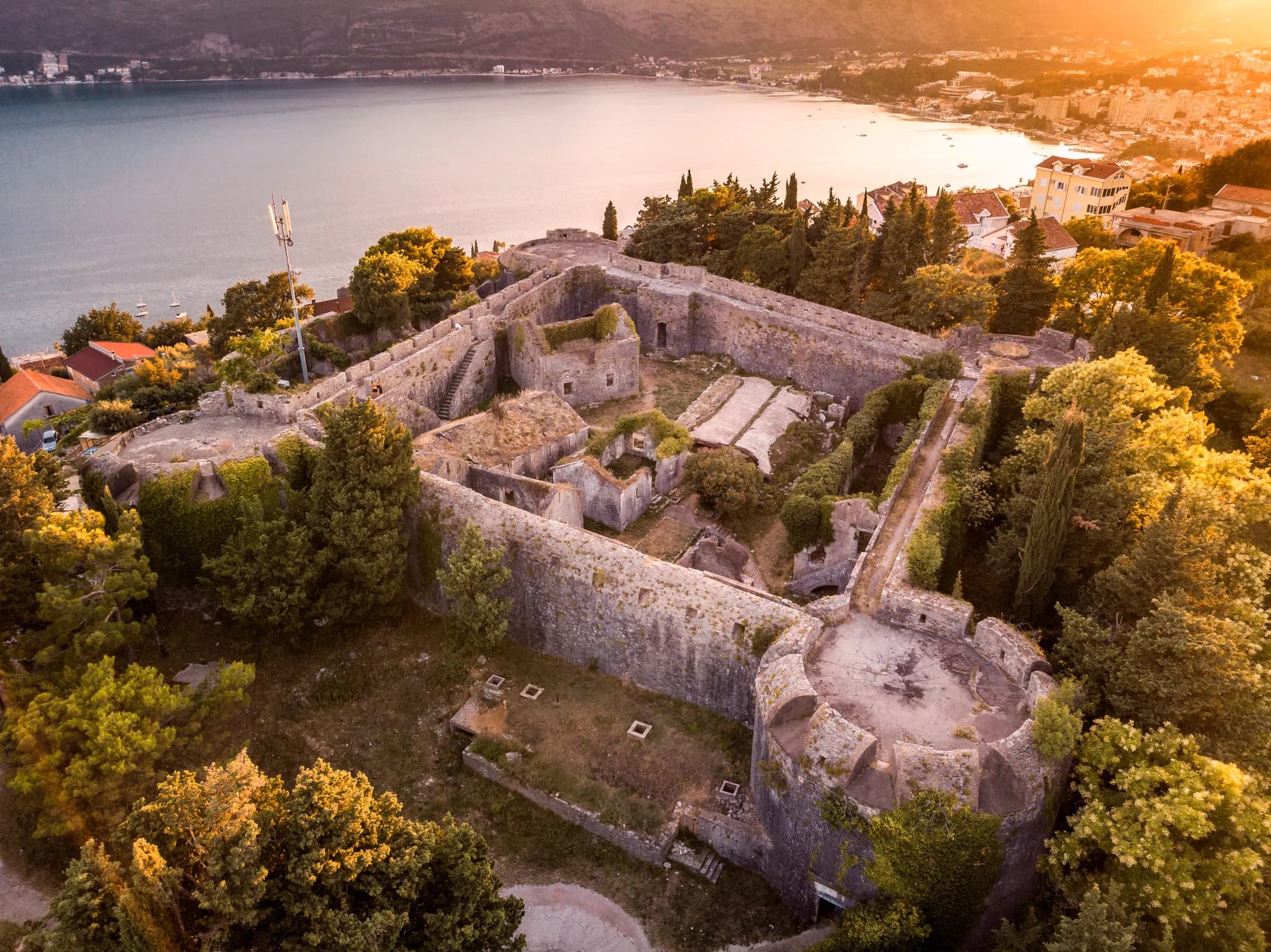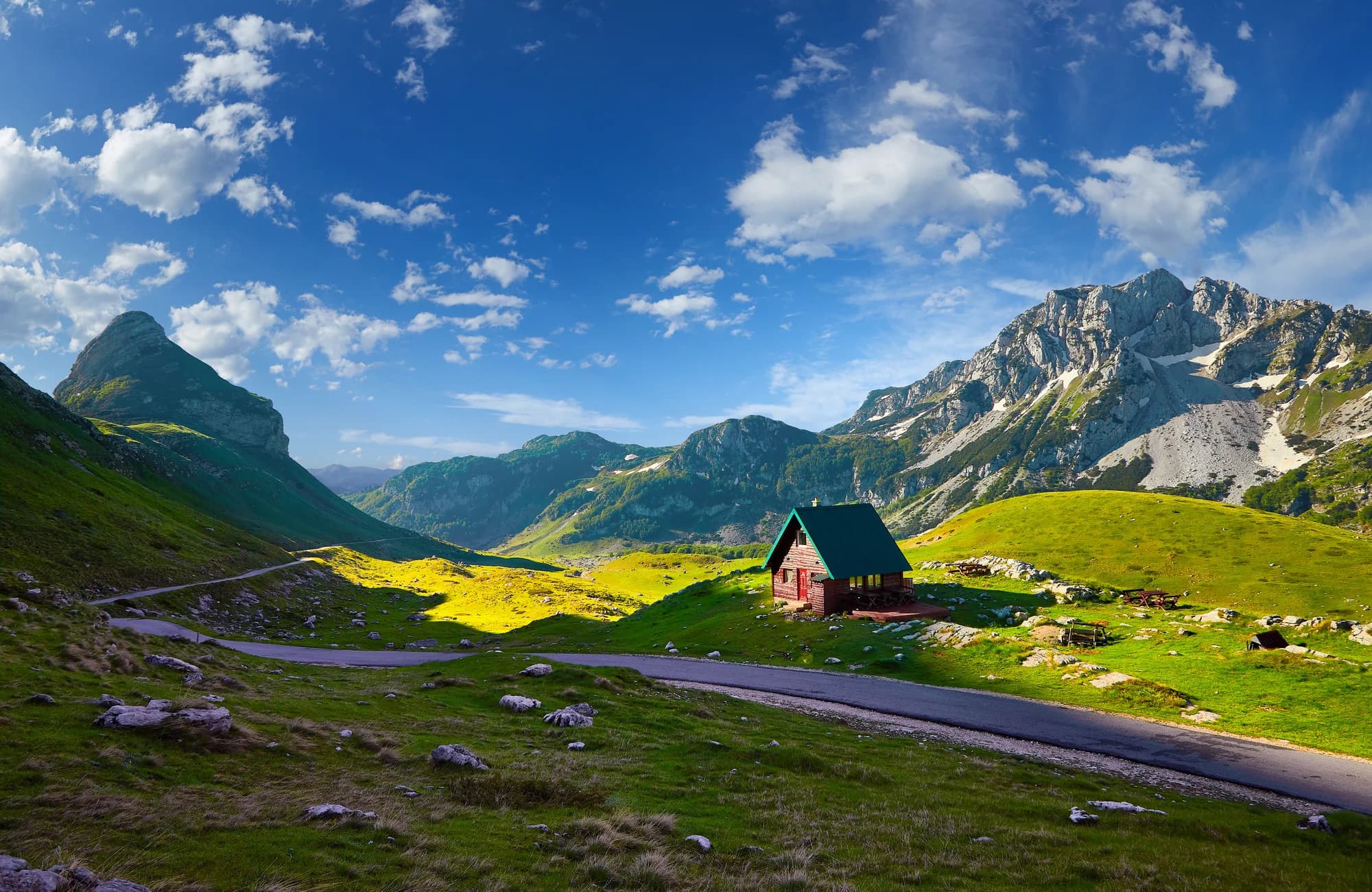
Montenegro is small on the map but big on driving drama — you can leave a palm-lined Adriatic beach in the morning and be crawling up hairpins into snow-dusted mountains by lunch. A rental car is the only sensible way to see the country beyond the coastal buses, but the roads, the rules and the rental desks all have quirks that catch first-timers out. This 2026 guide covers where to rent, what it costs, the local driving etiquette, tolls, fuel and the mountain-versus-coast realities so you can pick up the keys with confidence.
Where to rent: Tivat vs Podgorica airports
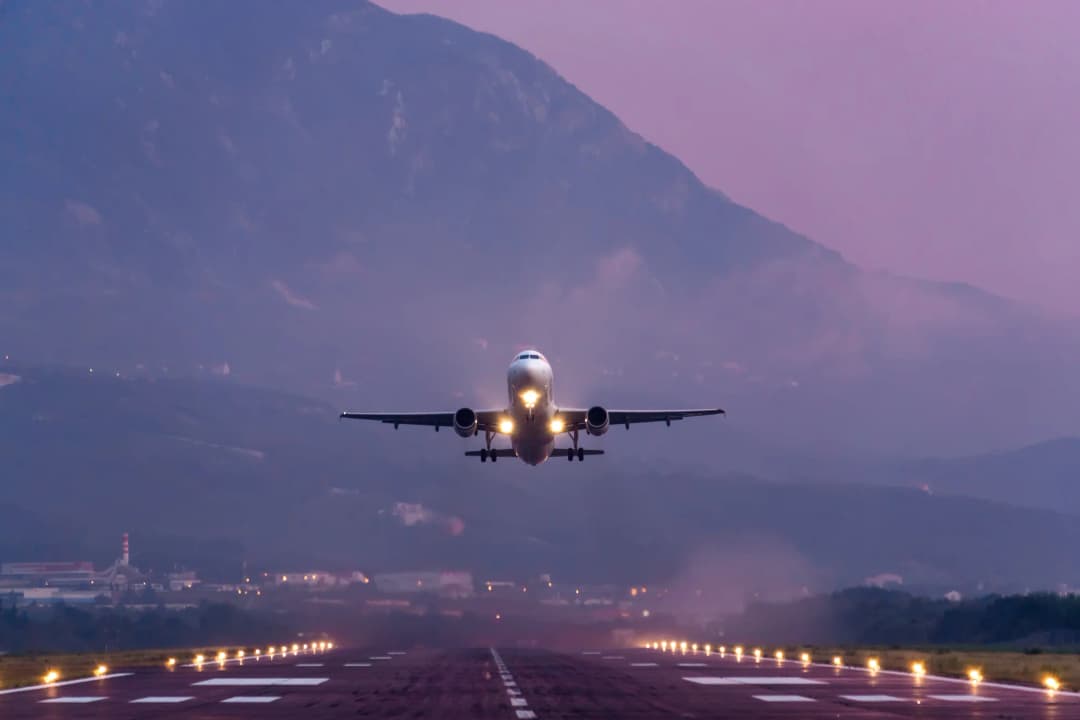
Nearly every visitor collects a car at one of two airports. Tivat (TIV) sits right on the Bay of Kotor, minutes from Kotor, Budva and Tivat itself — ideal if the coast is your focus. Podgorica (TGD), the capital's airport, is better positioned for the interior and the drive north toward Durmitor and Žabljak. Both host a mix of international names and cheaper local outfits.
Local companies are typically the best value, and many advertise no-deposit rentals, but read the terms carefully. Prices swing wildly by season: off-peak compacts start around €12.50–€33 per day, but in July and August rates routinely climb past €80 per day and fleets sell out. If you are travelling in summer, book six to eight weeks ahead.
Automatic vs manual
Most of the Montenegrin fleet is manual. Automatics exist but are fewer, pricier and the first to disappear in peak season — reserve one early if you need it. That said, if you are comfortable with a stick shift, a manual gives you far more control on the long, steep descents where engine braking spares your brakes from overheating.
Insurance and the damage-deposit trap
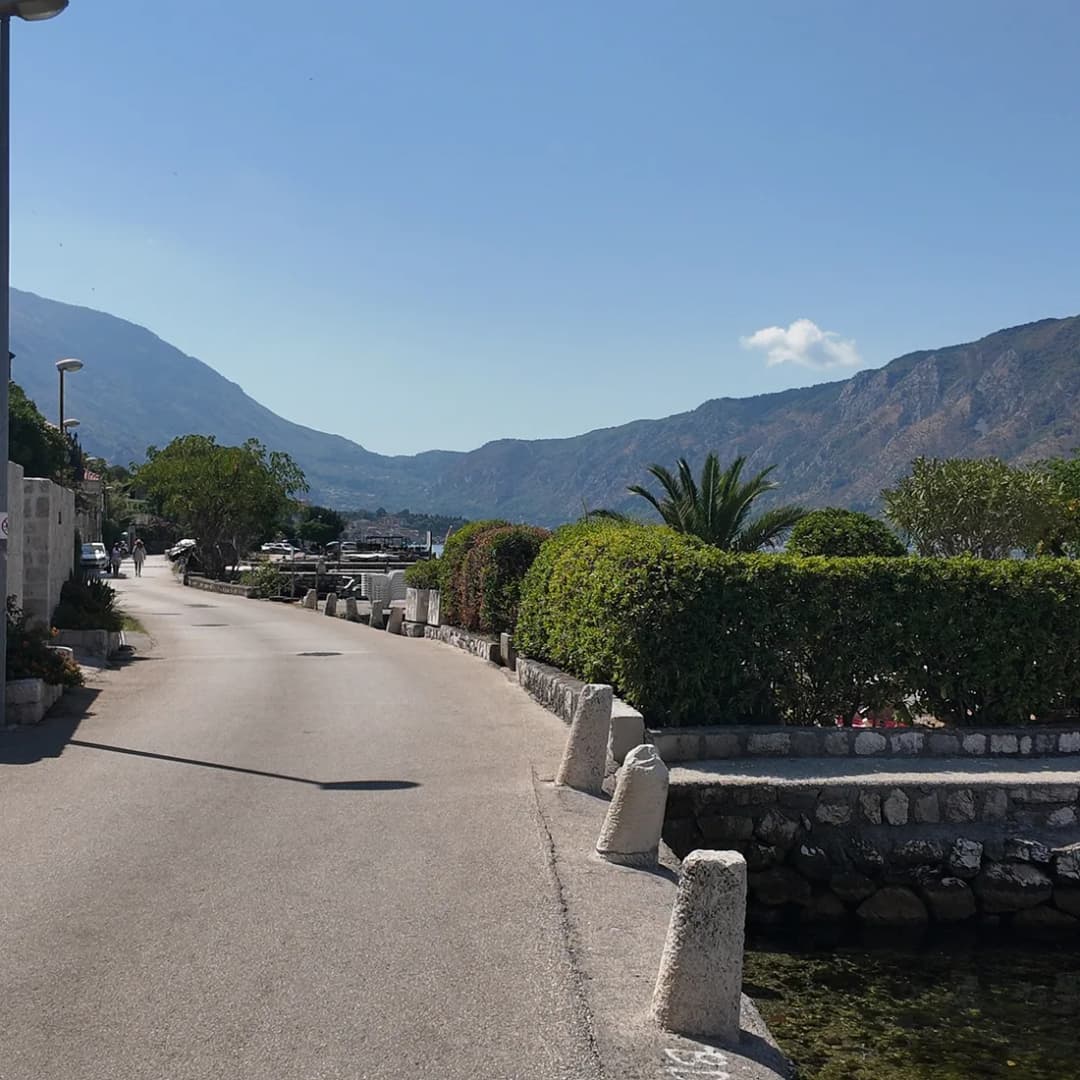
This is where trips go wrong. Basic rates usually include collision and theft cover but with a high excess (deductible) — meaning you are still liable for the first several hundred euros of any damage. Companies offer to reduce or waive this excess for roughly €5–€8 per day. Whether you buy their waiver or rely on a third-party excess policy from home, protect yourself the same way at pickup:
- Film a slow 360° walkaround video of the car, zooming in on every existing scratch, wheel and the windscreen.
- Photograph the dashboard showing the fuel gauge and odometer.
- Insist that every mark is written onto the paperwork before you drive off.
- Understand the fuel policy — "full-to-full" is fairest; avoid "full-to-empty" deals where you pay for a tank you may not use.
The classic dispute is a company claiming a pre-existing scuff on return and deducting it from your deposit. Your timestamped video is the single best defence.
The rules of the road
Montenegro drives on the right. Speed limits are 50 km/h in towns, 80 km/h on open roads and 130 km/h on motorway, though in practice you will rarely reach the top figure — there is very little motorway. Dipped headlights are mandatory day and night, all year round. Seatbelts are compulsory for everyone.
Take the drink-driving limit seriously: it is effectively near-zero tolerance. The general blood-alcohol limit is a very low 0.03% (0.3‰), and it drops to absolute zero for drivers under 24, professional drivers and anyone at the wheel of a vehicle over 3.5 tonnes. The only safe rule is nothing to drink before you drive.
Mountain etiquette you must know
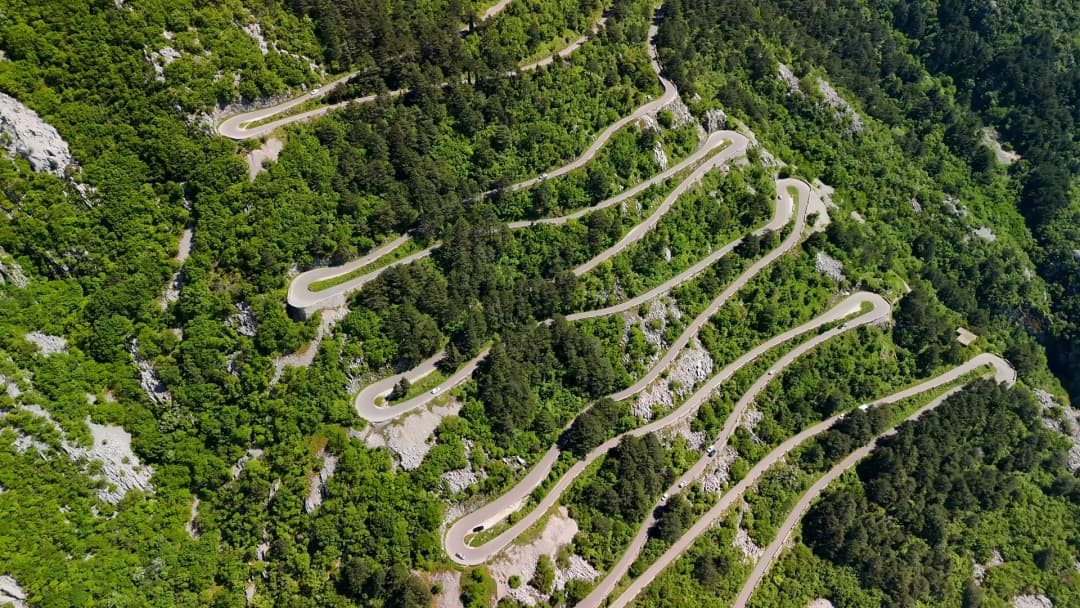
On the narrow single-track mountain roads, two conventions keep everyone alive. First, uphill traffic has priority: the ascending vehicle goes first, and the descending driver is expected to find a passing place and reverse into it. Second, sound your horn before blind hairpins — a short tap where visibility is under about 15 metres warns oncoming traffic and is entirely normal, expected behaviour rather than rudeness. Do not be shy with the horn; locals aren't.
Tolls: there are barely any
Montenegro has almost no toll roads, which surprises drivers used to France or Italy. There are effectively two charges to know:
- Sozina Tunnel — the 4-km tunnel on the E80 that shortcuts the drive between Podgorica and the coast at Bar, costing €2.50 for a car. The scenic old road over the pass is free if you have time.
- A1 motorway (Bar–Boljare) — the completed Smokovac–Mateševo section carries a toll of about €3.50, paid at the plaza by cash or card.
Everywhere else is free. There is no national vignette for cars.
Documents, age and who may drive
Expect to hand over three things at the desk: a full driving licence you have held for at least a year or two, a passport or national ID, and a credit card in the main driver's own name for the deposit. That last one strands more people than anything else on this page — a debit card or a card in a partner's name is refused at plenty of desks, and there is no way around it once you are standing there.
A licence in the Latin alphabet is normally accepted as it is. If yours is not — or if it was issued outside Europe — carry an International Driving Permit alongside it; it costs very little at home and removes an argument you cannot win abroad.
Minimum age is usually 21, and drivers under 25 are usually charged a young-driver surcharge, sometimes with the larger categories closed to them entirely. Both are company policy rather than national law, so they differ between desks at the same airport. Same with a second named driver, which is sometimes free and sometimes daily. Read the specific terms before you pay, not the aggregator's summary of them.
Picking up in one city and dropping off in another is normally possible and normally costs extra — a one-way fee that is modest between Tivat and Podgorica and much less modest if you want to leave the car in another country. Ask for the figure in writing before booking, because it is rarely in the headline price.
Taking the car across a border
Most people hiring here are driving a region, not a country, so this matters more than its absence from most guides suggests: you need the rental company's permission to leave Montenegro, and it is not automatic. Companies that allow it will add a cross-border fee and extend the vehicle's green card insurance to the countries you name. Companies that do not allow it will refuse the car at the border, and your insurance will not follow you over the line.
In practice, Croatia, Bosnia and Herzegovina and Serbia are routinely permitted on request. Albania and Kosovo are the two that are often excluded, or carry a higher fee, and you should assume nothing about either. Declare every country you intend to enter when you book — adding one at the desk on the morning may not be possible, and crossing without cover turns a scrape into an uninsured write-off in a jurisdiction where you do not speak the language.
Roads: coast versus mountains
The coastal and main arterial roads are generally in good condition, but they get intensely busy and slow in summer, especially the Budva–Kotor stretch and the ferry bottleneck across the bay at Kamenari–Lepetane. Distances that look tiny take far longer than you expect — a 40-km hop can eat two hours in August traffic. Plan for it.
Head inland and the character changes completely: dramatic canyon roads, tunnels carved from rock, the famous Durmitor ring, and switchbacks with sheer drops and no barriers. These are spectacular but demand patience and a sober, unhurried pace. If the mountain north is on your itinerary, our guide to the quieter north pairs well with a road trip.
Winter and snow
From 15 November to 1 April, winter equipment is mandatory in snow or ice and on the mountain sections named in the seasonal order — winter tyres on all four wheels with at least 4 mm of tread, and chains carried for heavy conditions. Studded tyres are banned outright, so do not bring a set from Scandinavia expecting to use them. The fine for a driver caught without the required equipment runs from €300 to €1,000, which is more than the hire. These figures come from the Montenegrin police winter-equipment notices (gov.me), checked in September 2026 — a rental company's blog is not the authority on a traffic law, and the dates and thresholds are worth re-checking each season. High routes like the Durmitor ring are frequently closed by snow in winter and are best driven between May and October. Confirm with your rental company that the car is properly equipped before heading north in the cold months.
Fuel, GPS and parking
Fuel is administratively priced and updated weekly, so it costs the same everywhere. As of July 2026, expect around €1.62 per litre for petrol and €1.58 for diesel. Stations are plentiful on the coast and main roads but sparse in the deep interior — top up before long mountain legs, and don't run low expecting a station around the next canyon.
GPS caveat: mapping apps sometimes route you onto barely-passable "shortcuts" — single-lane goat tracks or roads that are seasonally closed. When a satnav suggests a tiny mountain road to save ten minutes, be sceptical and stick to the marked main routes unless you know the surface. Download offline maps, as signal drops in the canyons.
Parking in coastal old towns is scarce and controlled. Kotor and Budva old towns are pedestrianised — you park outside the walls in paid lots or zones, which fill early in summer. Watch for coloured-line street zones and pay at the meter or by SMS; fines and towing are enforced.
If this is your first Montenegro trip, read it alongside our broader first-time visitor guide to line up the practicalities.
Ready to map out the drive? Use our trip planner to string together the coast, the bay and the mountains into a realistic route — with driving times that account for Montenegro's beautiful, patience-testing roads.