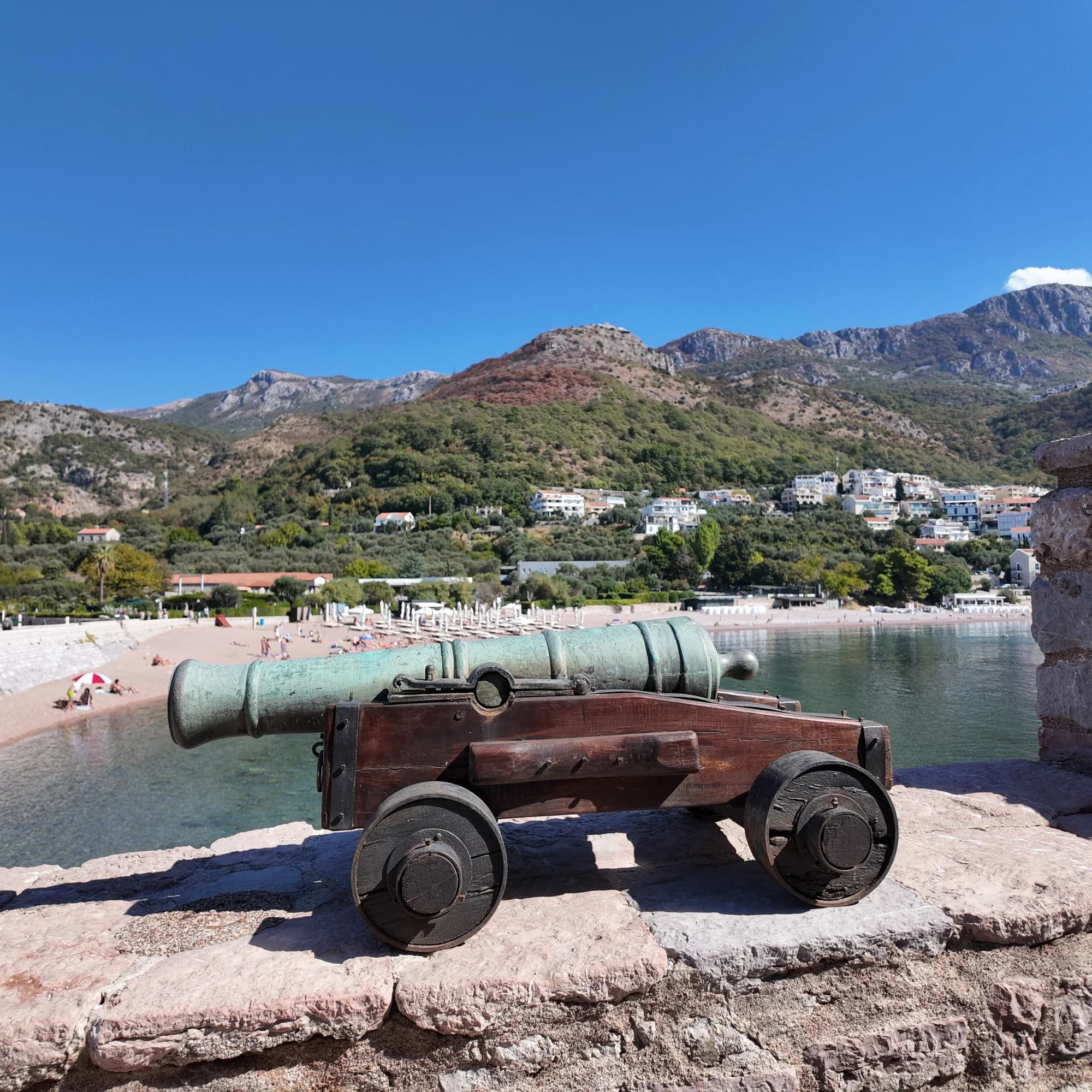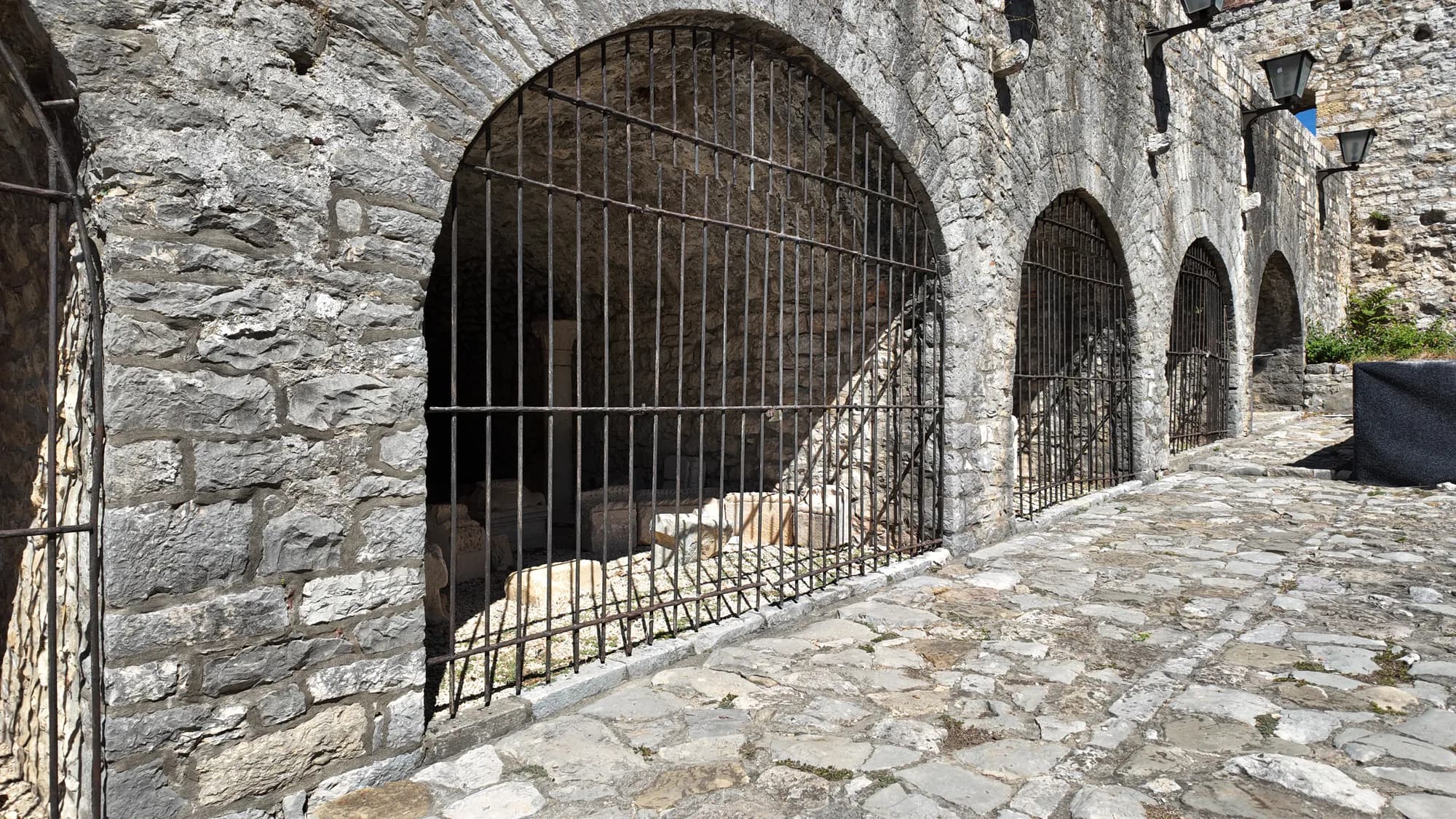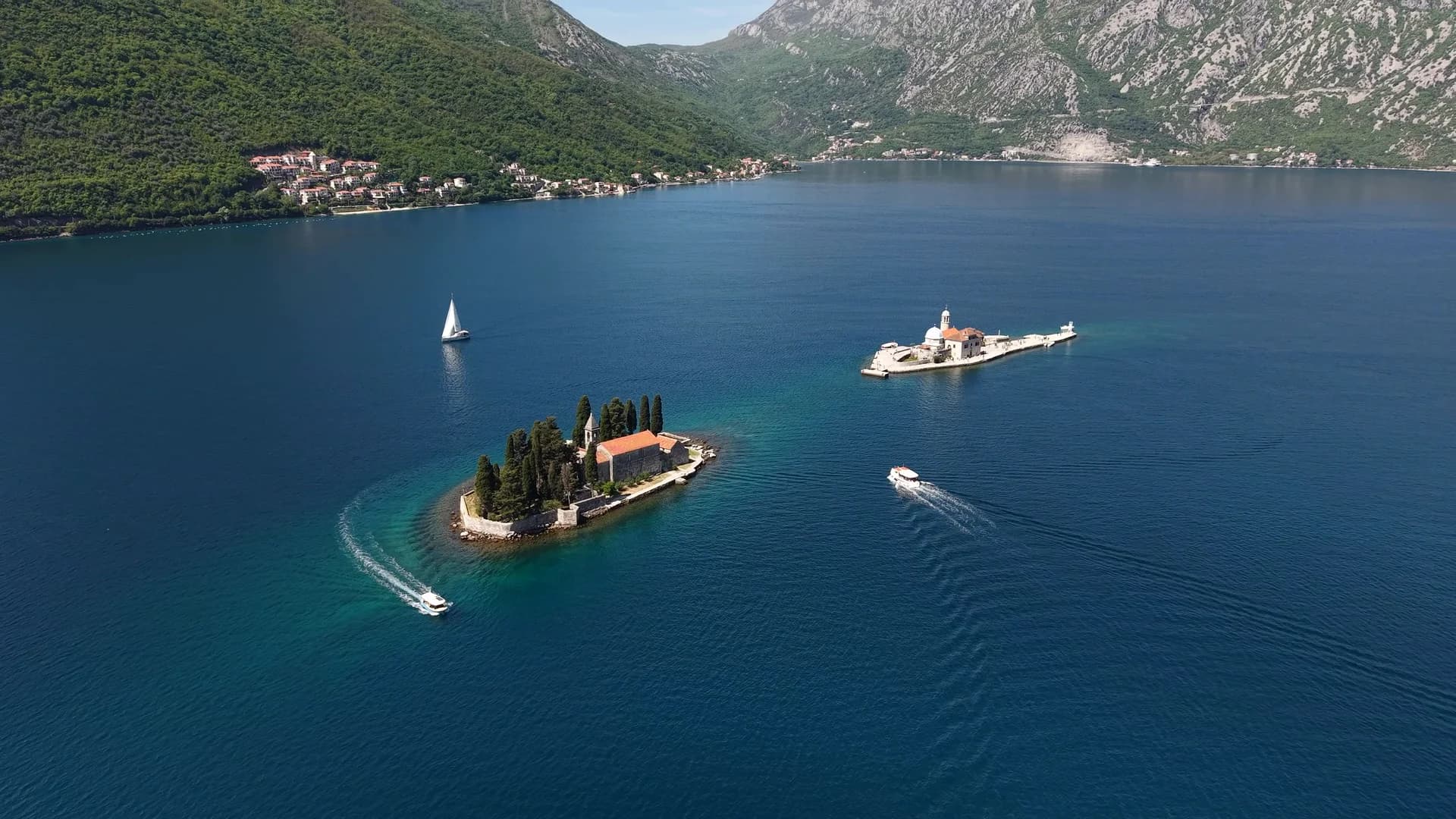
Montenegro rewards travellers who resist treating it as a single strip of Adriatic coast. In 13,812 square kilometres, the country compresses a deeply indented bay, long southern beaches, a central capital region, a vast cross-border lake and high Dinaric limestone mountains into one territory. The final 2023 census counted 623,633 usual residents, so this variety exists on an unusually compact human scale. It also packed a record 2.6 million arrivals into 2024, and still feels uncrowded once you step away from the summer beach strip.
This 2026 introduction is built for a first decision, not a fantasy itinerary. It explains what Montenegro is, how coast, centre and interior differ, which entry and registration checks matter, what things cost, when to come, why the euro does not make the country an EU member, and how to choose an arrival point without turning map distance into a transfer-time promise. It separates stable facts from changing details such as visas, flights, road conditions and park access.
It also corrects the shortcuts a first-time reader meets everywhere else. The Bay of Kotor is not called “Europe's only fjord” here. A UNESCO inscription does not cover every attractive old town. Montenegro is compact on a map but not in travel time, and a short straight-line distance does not promise a fast transfer. That variety is the reason to visit — and the reason a first trip works better when it concentrates on two regions instead of treating every headline place as a day trip.
| Topic | Verified figure/status | What it means for a trip | Do not infer |
|---|---|---|---|
| Area | 13,812 km² | Regions are geographically close, but short straight-line distances can still cross mountains, bays or borders | All transfers are quick |
| Population | 623,633 usual residents in the final 2023 census | Services concentrate in key centres and can thin quickly outside larger settlements | Every rural area has frequent transit |
| Capital | Podgorica; Cetinje is the historic and cultural capital | Administrative and heritage centres serve different trip purposes | One city covers both roles |
| Currency | Euro since 2002, used de facto | No euro exchange or conversion fees for euro-area visitors | Euro-area membership |
| EU status | Candidate country, not a member | Use Montenegro's own entry rules | EU or Schengen entry treatment |
| World Heritage | Four UNESCO properties | Natural and cultural itineraries both fit | Every old town is inscribed |
| National parks | Five | Check each park's current access, weather, ticket and fees separately | One pass, road or season fits all |
| International airports | Podgorica and Tivat | Choose by trip region, schedule and ground transfer | The nearest airport is the fastest door to door |
What kind of country is Montenegro?
Montenegro restored independence in 2006 and adopted its current Constitution in 2007. Article 1 defines it as an independent, sovereign, civil, democratic, ecological state with a republican form of government. “Ecological” is therefore constitutional language, not merely a tourism slogan. It should also be read as an obligation and aspiration—not proof that waste, development pressure or habitat protection are solved.
Article 13 makes Montenegrin the official language and specifies Serbian, Bosnian, Albanian and Croatian in official use. Latin and Cyrillic are equal alphabets. Visitors will encounter multilingual life and, in tourism areas, substantial English. A greeting—dobar dan during the day—still improves an interaction, while place names may appear in more than one spelling or script.
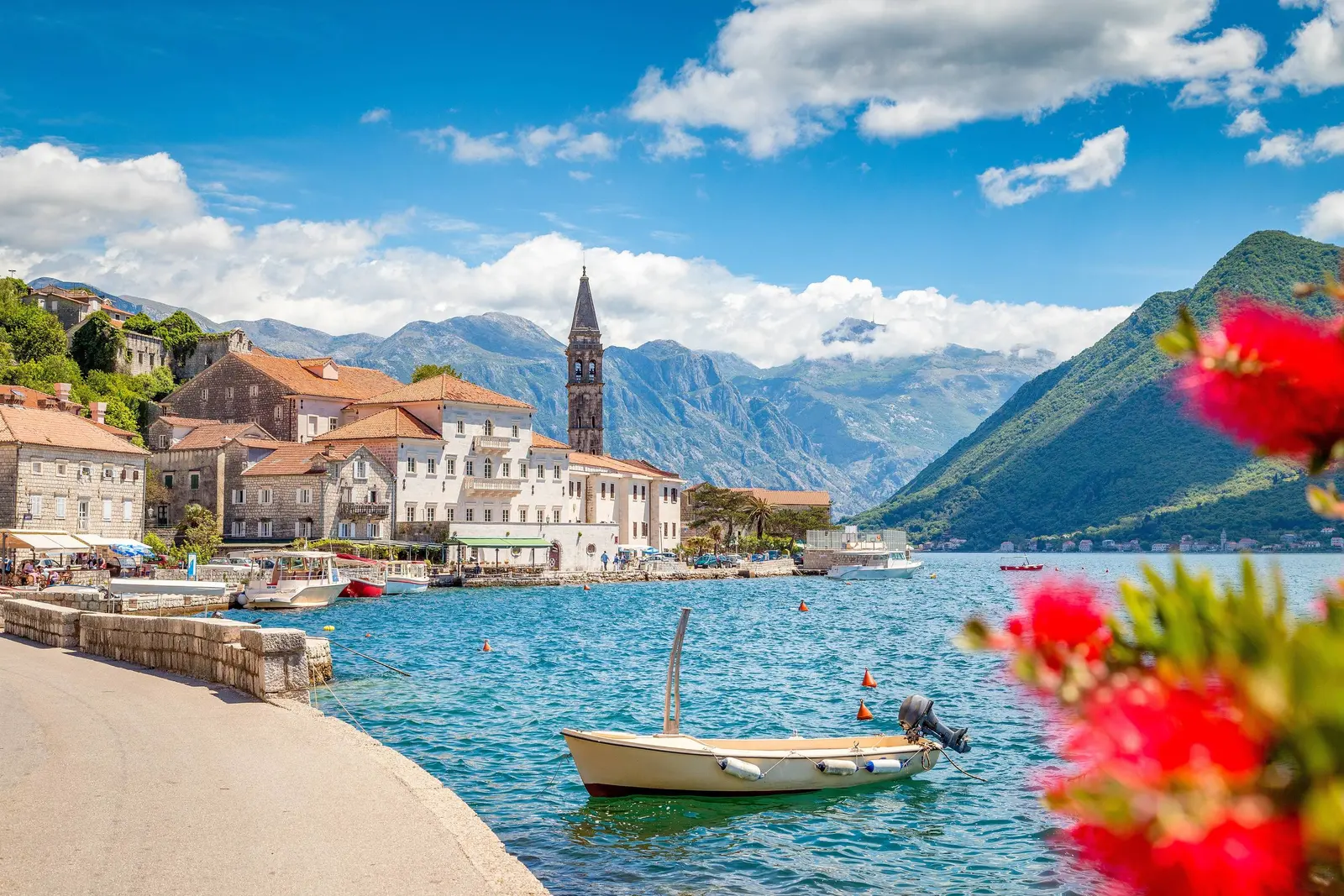
The official tourism portal places the country in southern Europe on the Adriatic, with land borders shared with Croatia, Bosnia and Herzegovina, Serbia, Kosovo and Albania. The National Tourism Organisation lists Podgorica as the administrative and economic capital and Cetinje as the historical capital. That geography matters more than a list: the country's scale is easy to understand, but its relief is not. Mountains rise abruptly behind much of the coast, so routes funnel through a limited number of corridors, and a journey may involve a border queue, a mountain pass or a ferry across a bay even when two points look close.
| Evidence | Value | Basis |
|---|---|---|
| LAND | 13,812 square kilometres | official tourism data |
| PEOPLE | 623,633 usual residents | final 2023 census |
| STATE | ecological | in Constitution Article 1 — a legal ideal to measure |
| Caveat | Population is a census count, not a live estimate | Constitutional identity is not an environmental score |
Source: monstat.org, montenegro.travel, api.skupstina.me
Coast, lake and mountains are different trips
What the sources say
UNESCO lists four World Heritage properties associated with Montenegro: the Natural and Culturo-Historical Region of Kotor, Durmitor National Park, and two transnational cultural serial properties—Stećci Medieval Tombstone Graveyards and Venetian Works of Defence. The Kotor property is not merely an old town. UNESCO describes 14,600 hectares of interrelated bays, settlements, palaces, churches and cultivated slopes—an integrated landscape of fortified and open settlements, palaces, monastic ensembles and cultivated slopes. That is why a responsible visit must consider the whole living landscape, not just a photograph from one viewpoint.
The domestic protected-area system is separate. Montenegro's tourism authority lists five national parks—Durmitor, Biogradska Gora, Lake Skadar, Lovćen and Prokletije—each with its own access, ticketing, weather, trail, road and permit conditions. A place can belong to both systems: Durmitor is simultaneously a UNESCO natural property and a national park. UNESCO listing is not an opening-hours directory, and national-park status is not a single nationwide route condition.
| System | Count | Entries | Meaning |
|---|---|---|---|
| UNESCO World Heritage | 4 | Kotor cultural landscape • Durmitor natural property • Stećci transnational property • Venetian defences serial property | Recognition + conservation obligations |
| National parks | 5 | Durmitor • Biogradska Gora • Lake Skadar • Lovćen • Prokletije | Domestic protected-area system, with park-specific access and fees |
| Overlap | — | One place can belong to both systems | UNESCO listing is not an opening-hours directory; national-park status is not a single nationwide route condition |
Source: whc.unesco.org, nparkovi.me
| Region | Best for | Constraint | Planning note |
|---|---|---|---|
| Coast + bay | stone towns, sea, boats | traffic + summer demand | Base, do not commute daily |
| Central region | capital, lake, history | heat + spread-out sights | Useful transport hinge |
| Northern mountains | trails, lakes, canyons | weather + seasonal roads | Allow a real mountain block |
Source: montenegro.travel, gov.me
Bay and coast: culture plus water
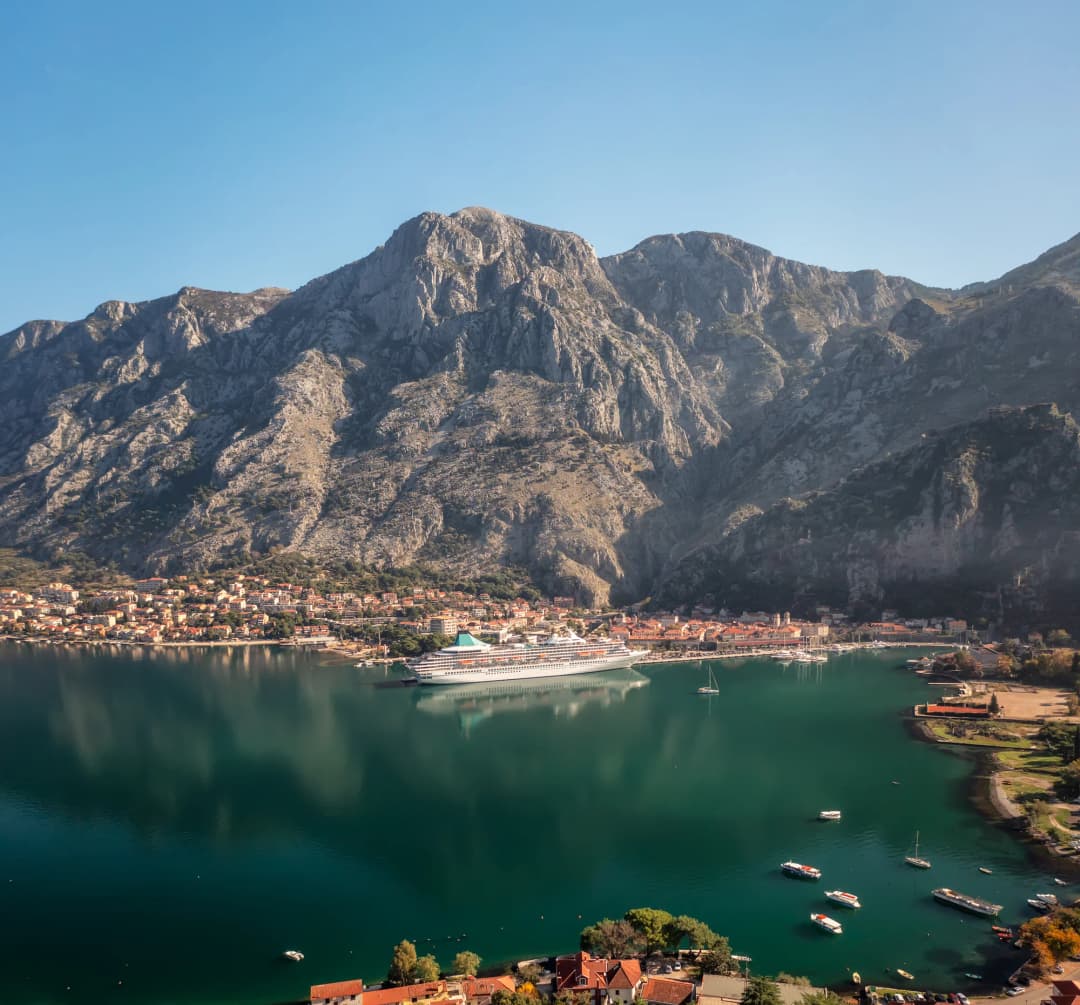
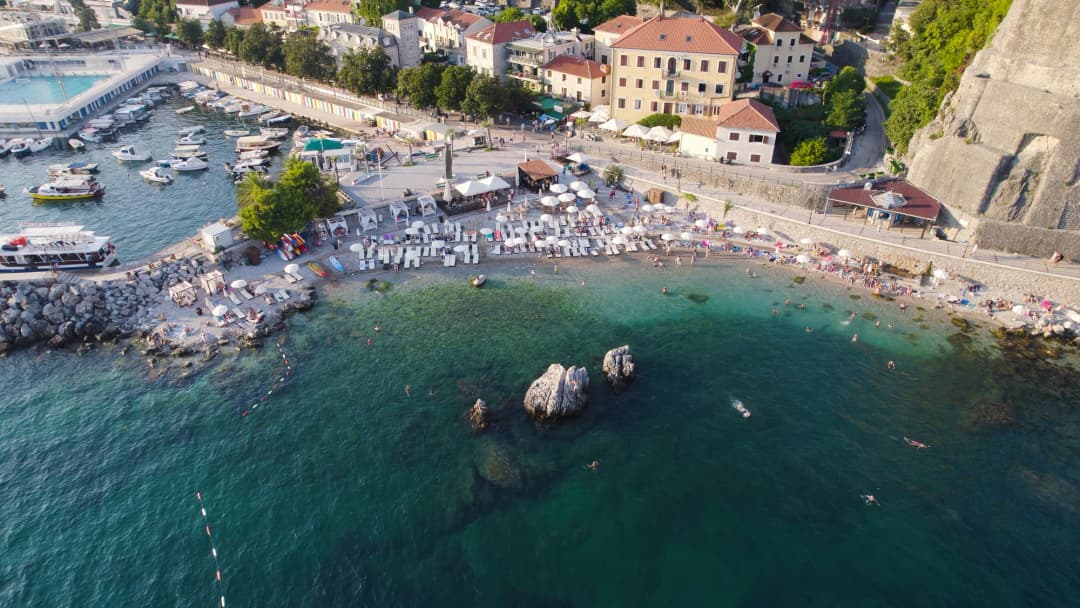
Choose the coast if your priorities are historic settlements, swimming, waterfront evenings and short boat outings. The inner bay is visually dramatic because settlements, water and steep slopes occupy the same frame. A first bay stay works best from one base. Use the Bay of Kotor guide to choose the side that matches your priorities. Tivat offers airport proximity and a modern marina environment; Kotor concentrates World Heritage context; smaller waterfront settlements trade services for atmosphere. Do not schedule several full coastal towns on a single cruise-style checklist unless you have confirmed the transport.
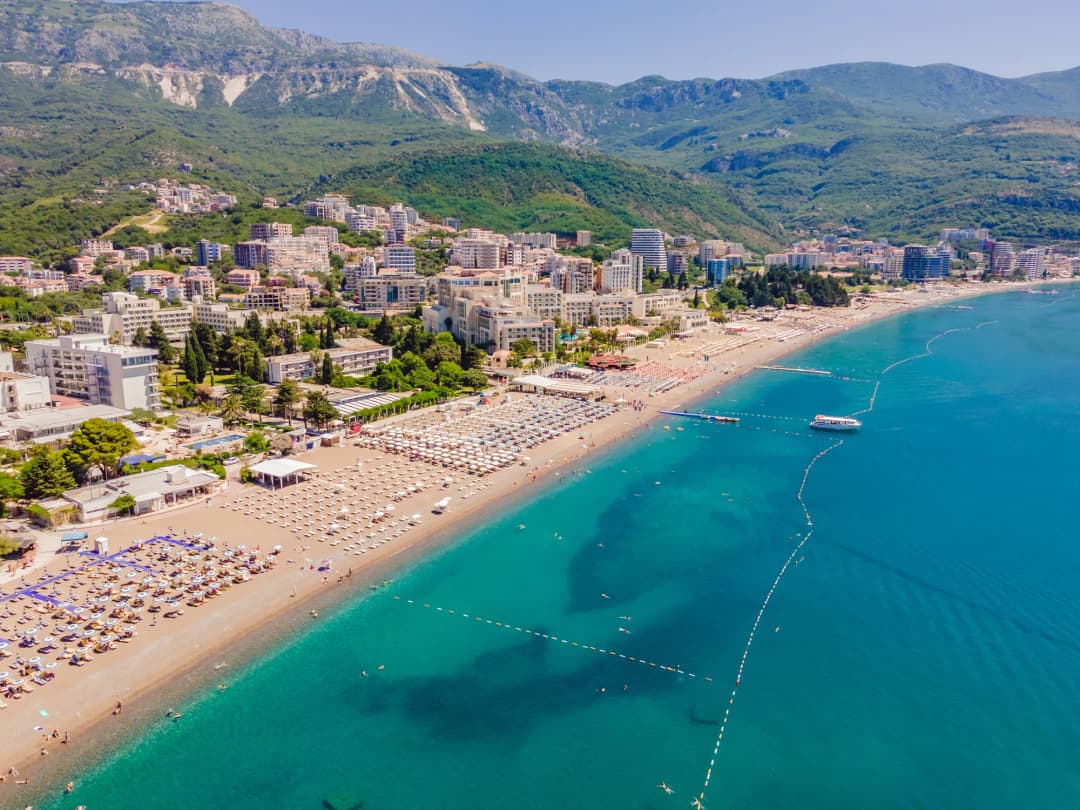
Beyond the bay, Budva is the choice for a denser resort coast and evening energy, while Ulcinj adds a different cultural setting and long sandy shore. The evidence-checked coast overview helps compare them, and the Velika Plaža guide handles the practical limits of the long beach. “Beach destination” is not one product: bay platforms, pebble coves, developed resort beaches and exposed sand all behave differently, and the southern open coast is a different landscape and travel rhythm from the enclosed Bay of Kotor.
Central region: logistics, lake and historical context
Podgorica is the practical transport hinge rather than a substitute for the coast. It is the better airport for a central or northern itinerary and a useful place to absorb an arrival day. Cetinje adds museums and state history, while Lake Skadar shifts the emphasis to wetland landscapes and small settlements.
Lake Skadar is a distinct environment: an international wetland, fishing landscape and national park rather than a seaside substitute. The source-checked Lake Skadar guide explains how water levels, wildlife and boat conduct affect the experience. Boat operations, water levels and protected-area rules change; confirm the actual operator and departure point rather than assuming every map-side village offers the same excursion.
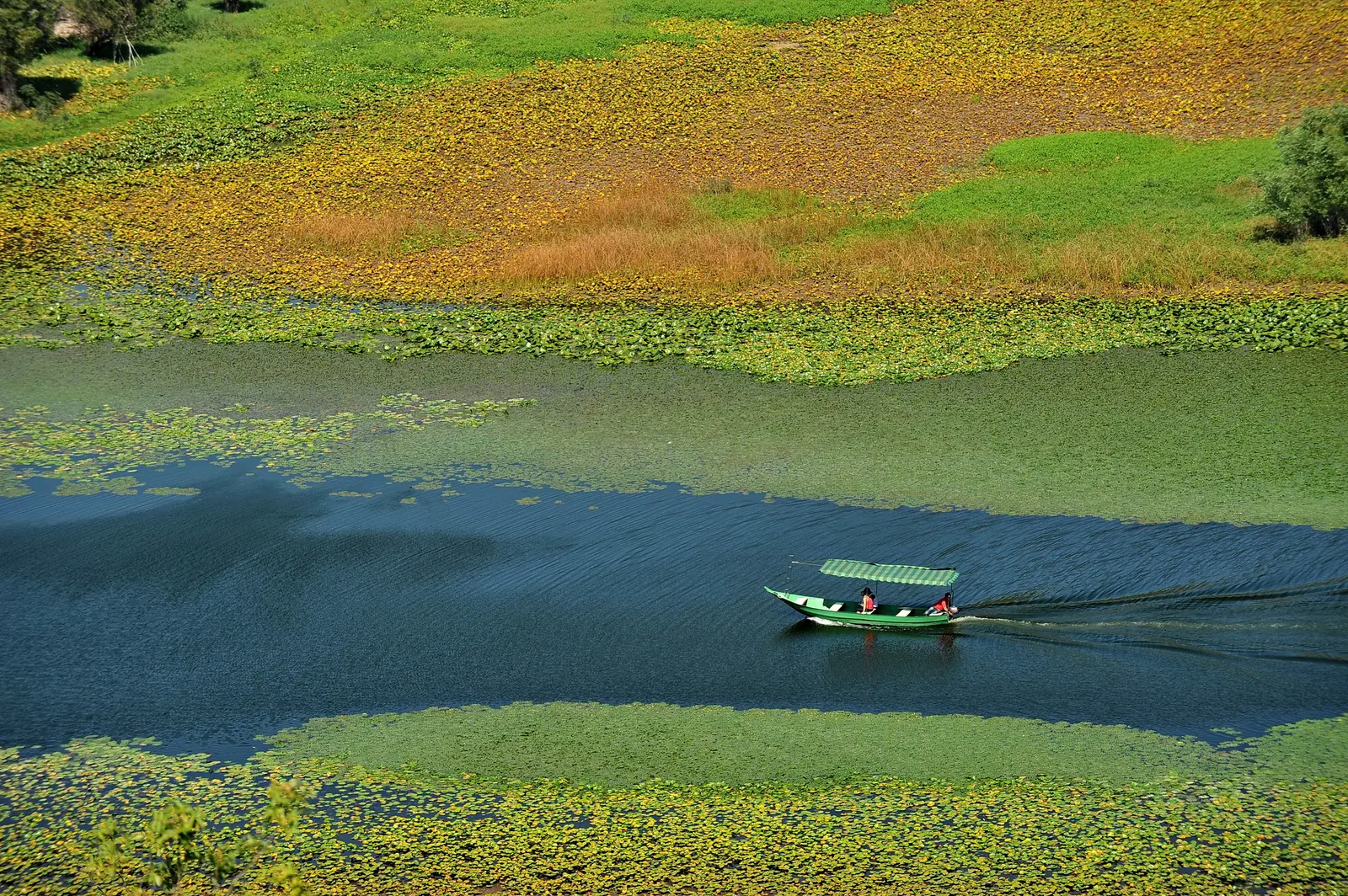
This region fits travellers who want a mixed itinerary without changing accommodation every night. It can also bridge a coastal stay and the north. But a bridge night should solve a real logistical problem—late arrival, early flight or route break—not exist just to increase the destination count.
Northern mountains: make them a destination
Durmitor represents the high-country counterweight and deserves multiple nights: a limestone massif of 32,100 hectares shaped by glaciers, rivers and underground streams, with dozens of peaks above 2,000 metres. UNESCO describes the Tara canyon as having some of Europe's deepest gorges. That careful wording is better than turning a variable measurement into a universal “deepest canyon” slogan.
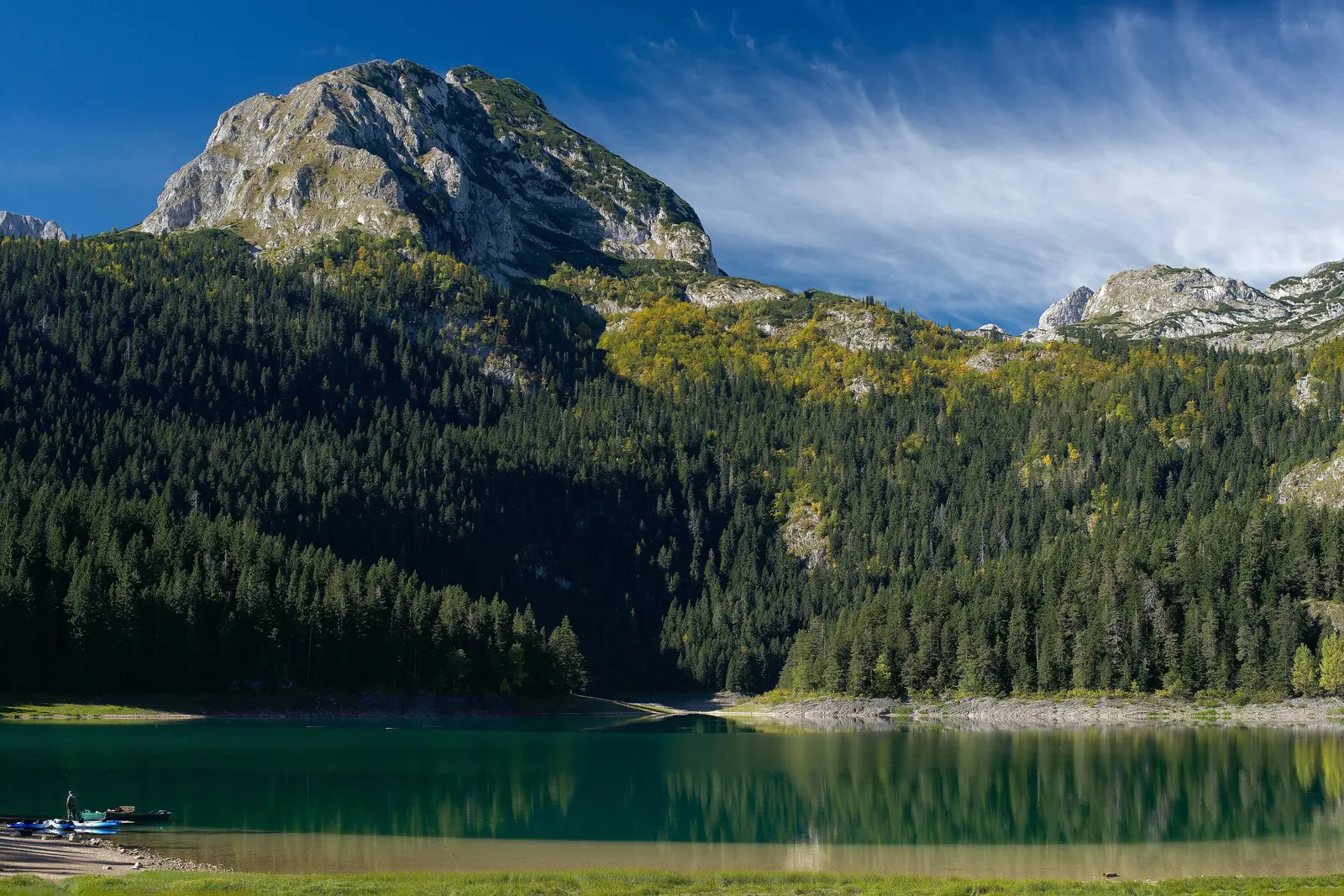
For a focused mountain plan, use the Durmitor UNESCO guide or compare forest and lake conditions in Biogradska Gora National Park, whose guide shows how park access and forest protection shape a day more than a generic “mountain Montenegro” label. Trails, snow, road works and park services can change faster than a country overview. Check the park's own notice close to travel and carry a fallback below the high ridges.
A first itinerary is usually stronger when it combines only two geographic systems well—bay and mountain, or coast and lake—rather than racing through all of them.
Tourism data explains the summer imbalance
MONSTAT's 2025 annual release records 2,728,564 tourist arrivals and 15,367,166 overnight stays. Foreign visitors accounted for 95.8% of nights, and seaside resorts for 92.6%. The previous year's figures were similar in shape: 2.6 million arrivals and 15.59 million overnight stays in 2024. Popular summaries round the coastal concentration to roughly 94% of overnight stays against 6% for mountains and inland areas; the more specific published statistic is the 92.6% seaside share, with 2.8% mountain, 2.7% capital and 2.0% other. Either way, the number is not a quality ranking. It shows where visitor pressure, seasonal prices and road demand concentrate—and where an inland or shoulder-season plan can feel materially different. For anyone who dislikes crowds, it also means the mountains stay peaceful even at the height of summer.
For sand and open sea, the south offers a different proposition from the enclosed bay. The Velika Plaža guide covers the long-beach environment and its practical trade-offs. Wherever you go, resist building a schedule around maximum daily distance. A road can be scenic, narrow, congested and slower than its kilometres suggest.
.webp)
Best time to visit: match season to region
Late spring and early autumn are the broadest compromise for coast, towns and lower-elevation outdoor time. In practice the sweet spots are late May to mid-June and September, when the Adriatic is still warm—around 24°C in September—but the crowds have thinned. Mid-July to mid-August is peak season: the sea is warmest, the towns are liveliest, and everything is busiest and priciest, so book well ahead. July and August also bring the highest coastal demand and can bring extreme heat at lower elevations, and the official tourism site explicitly recommends considering the mountains during the busiest coastal months. High mountain hiking has a shorter practical season: the tourism organisation suggests roughly June through October for the major massifs, but snow, storms and local closures can shorten it.
Winter is not a countrywide beach alternative. It can support city, culture and snow itineraries—the ski season in the northern mountains runs roughly December to March—but rain affects the coast and snow changes mountain access. The national climate report records sharp local differences, with mean annual temperature ranging from about 15.8°C on the coast to 4.6°C around high-elevation Žabljak. Pack for the highest and wettest part of the itinerary, not only for the arrival airport. For a deeper month-by-month breakdown, see our guide to the best time to visit Montenegro in 2026.
| Area | Spring | Summer | Autumn | Winter |
|---|---|---|---|---|
| Coast | good range | busy + hot | good range | rain plan |
| Towns | comfortable | shade needed | comfortable | hours vary |
| High mountains | snow possible | main window | window closes | snow skills |
| Note | Always replace this broad matrix with a current forecast, road report and park notice | — | — | — |
Source: montenegro.travel, gov.me
How many days do you need?
Four nights can support one region well. Seven nights can combine a bay or coast base with a central or northern block. Ten to fourteen nights allow three regions with recovery time and weather flexibility. These are planning bands, not claims about road speed. A late flight, a border crossing, peak-season coastal traffic or a mountain storm can consume the margin, and an arrival evening or early-departure morning is not a full touring day.
| Trip length | Regional scope | Margin |
|---|---|---|
| 4 nights | one region | Protect arrival/departure time |
| 7 nights | two regional bases | One transfer day with purpose |
| 10–14 nights | three regions | Weather and rest margin |
| Rule | Do not count an arrival evening or early-departure morning as a full touring day | — |
Source: montenegro.travel, gov.me
Choose the airport by itinerary, not reputation
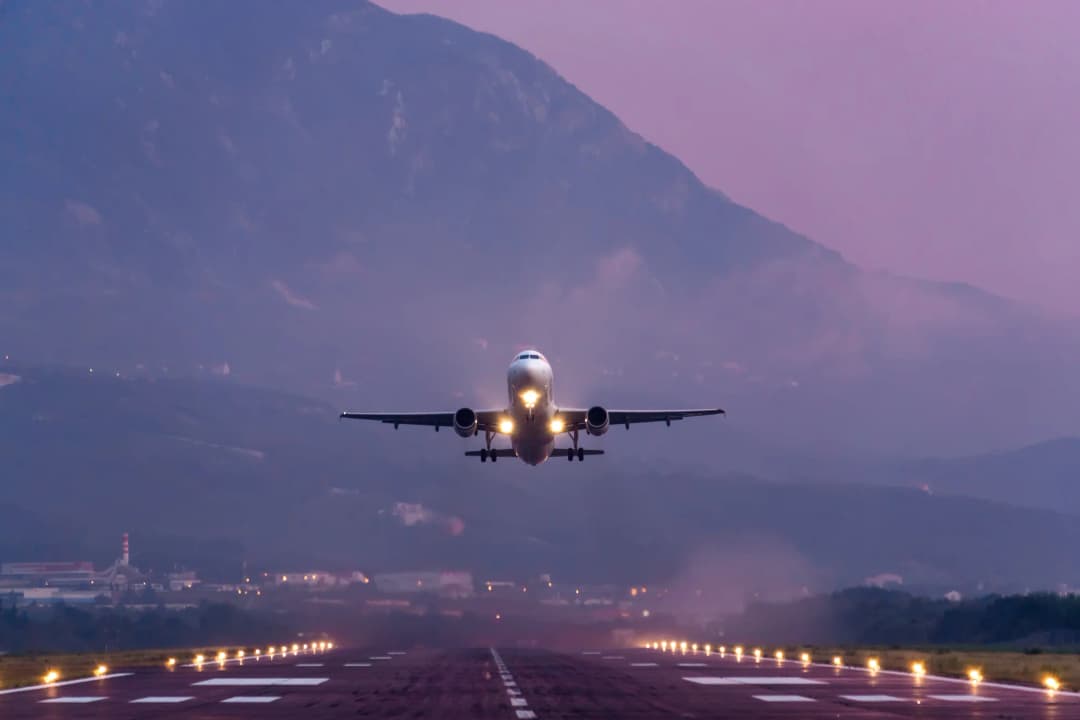
Montenegro's official tourism portal identifies two international airports. It places Podgorica Airport (TGD) about 12 kilometres from the capital and Tivat Airport (TIV) about 4 kilometres from the town centre; Tivat sits right on the coast, roughly five minutes from Porto Montenegro in Tivat itself, making it the closest gateway to the Bay of Kotor. These are orientation distances, not journey-time promises. Seasonal traffic, the Bay of Kotor crossing, road works and border congestion can dominate the transfer.
Start with the region where you will sleep most nights, then compare live flights and the full ground transfer. Tivat often aligns with a bay or central-coast trip; Podgorica, the capital's airport, is the stronger hinge for the centre, the interior, the lake, the north and southern routes. But a better-timed or direct flight can outweigh geography. Many European cities offer direct or seasonal flights to both, and schedules change, so verify directly with the airline and airport. A popular alternative is flying into Dubrovnik in neighbouring Croatia and driving about an hour south across the border, which can open up cheaper or more frequent connections. Use the 2026 Montenegro airport guide for a detailed comparison, and price the transfer before booking a cheaper-looking fare.
| Step | Check | Result |
|---|---|---|
| 1 · viable flights | Which airports have workable flights | Shortlist candidates |
| 2 · main sleeping region | Where you actually sleep | Match airport to region |
| Tivat candidate | price full bay/coast transfer | Total, not airport distance |
| Podgorica candidate | price full inland/south transfer | Total, not airport distance |
| Then compare | total cost, arrival time, traffic exposure, cancellation resilience | Choose the whole arrival |
Source: montenegro.travel
Getting around once you land
How you move depends on your itinerary. Buses connect the principal towns, and the coastal towns—Kotor, Budva, Herceg Novi and the rest—are well linked, so you can happily hop between them without a car. Rail is useful on selected corridors rather than as a nationwide sightseeing network. The moment you want to reach the mountains and lakes of the interior, renting a car is transformative: it is the only practical way to explore places like the Durmitor massif around Žabljak or the shores of Lake Skadar at your own pace. A car also adds parking costs, narrow roads, driver workload and summer congestion.
One local trick worth knowing: the Bay of Kotor has a ferry shortcut across its narrowest point (Kamenari–Lepetane) that saves a long drive around the entire bay. It runs frequently, takes only a few minutes and is cheap, which makes it a genuine time-saver when you're hopping between the two sides of the bay.
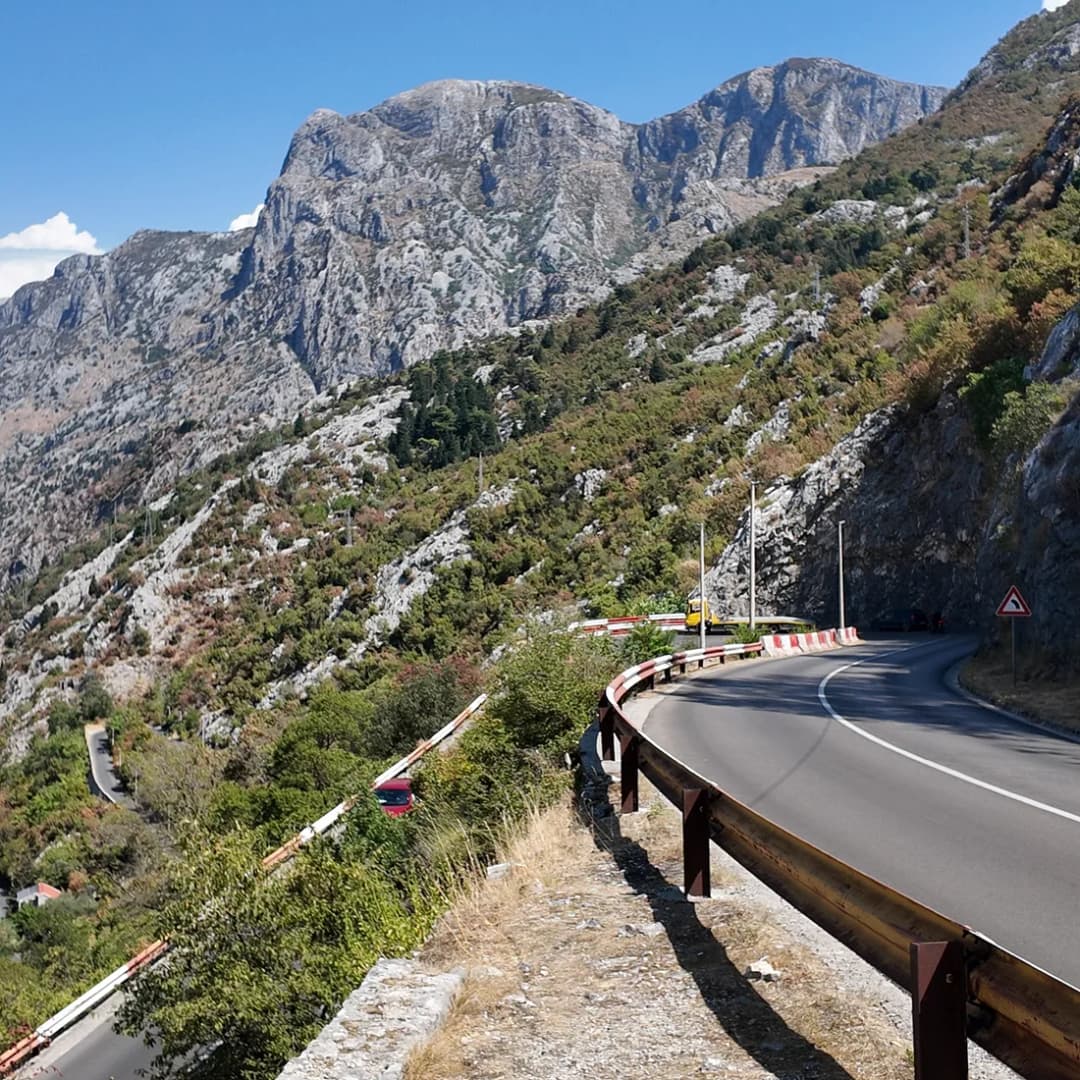
A word on distances: Montenegro rewards a relaxed pace. The scenery between towns is often the highlight—the serpentine road climbing out of Kotor, the tunnels and viaducts of the coastal highway, the switchbacks up to the northern plateau—so build in extra time and treat the journeys as part of the trip rather than dead miles to be rushed. Never stack a flight, a border crossing and a non-refundable boat or park activity without recovery time, and confirm every key leg with the operator before booking accommodation around it.
| Mode | Fit | Check | Limit | Action |
|---|---|---|---|---|
| Bus | major towns | operator + date | connection margin | Confirm every key leg |
| Rail | selected corridors | live timetable | not nationwide | Use where route aligns |
| Rental car | rural flexibility | roads + parking | driver workload | Add weather margin |
| Note | No mode removes the need to verify the current departure, road or parking condition | — | — | — |
Source: montenegro.travel
Entry rules: check nationality, document and travel date
Montenegro is not an EU member and is not among the 29 countries on the European Commission's current Schengen Area list. Its Ministry of Foreign Affairs maintains the controlling visa and travel-document page, which is nationality-specific and also sets passport-validity rules. Most Western travellers—including US, UK and EU citizens—can currently visit visa-free for up to 90 days; that page says EU citizens may currently stay up to 30 days with a valid identity card or up to 90 days with a valid passport. Other nationalities and documents have different rules, so do not use a generic “90 days visa-free” statement for every passport.
Date matters especially in 2026. Montenegro began aligning its visa policy with the EU and Schengen framework in early 2026, which is changing the rules for some non-Schengen-aligned nationalities. On 27 July, the government announced that nationals of Belarus, China, Russia, Saudi Arabia and Türkiye will require visas from 1 November 2026 under the amended regime. That scheduled change makes any static “visa-free countries” list unsafe for future planning. Because a rule can differ by passport type, residence status and travel date, check the official page before buying a non-refundable trip and again shortly before departure; verify passport validity, transit-country rules and the conditions attached to any third-country visa you intend to rely on. Visa and entry requirements can change at short notice, so always confirm the current rules for your specific nationality with an official government source before you book and travel.
| Step | Question | Why it matters |
|---|---|---|
| 1 · NATIONALITY | Which passport will you use? | Rules are passport-specific |
| 2 · DOCUMENT | Passport, ID or qualifying visa? | Document type changes the answer |
| 3 · DATE | Rules can start mid-season | 2026 example: announced visa changes take effect 1 November |
| 4 · OFFICIAL PAGE | Check before booking and before travel | A list copied in August may be wrong for a November arrival |
| Authority | Border authorities and official diplomatic guidance control | This diagram is a verification workflow |
Source: gov.me
| Point | Status |
|---|---|
| 27 Jul 2026 | change announced |
| Before 1 Nov | check live rule now |
| 1 Nov 2026 | announced change takes effect |
| Inputs | Nationality + passport type + residence status + date → official answer |
Source: gov.me
Register the stay and keep proof
Entry permission and accommodation registration are separate. Government guidance says accommodation providers must register eligible foreign guests and give them proof, and the tourism authority says an accommodation host must register a guest within 12 hours. A tourist not using an accommodation provider's registration service can report to the local tourism organisation, police or competent local authority within 24 hours. Ask a hotel or registered host to confirm this rather than assuming a booking platform handled it. If you stay in a private home, on a boat or in accommodation whose process is unclear, contact the local tourist organisation promptly. The dedicated 2026 tourist-registration and local-tax guide distinguishes the traveller's practical deadline from the provider's filing duty and explains what evidence to retain.
Keep a copy or photograph of the registration confirmation and accommodation receipt until departure. Rules can be checked at the border, and moving between municipalities may create a new registration step. Do not confuse the tourist tax payment with proof that police registration was completed; ask for both when applicable.
Money: euro convenience without euro-area membership
The Central Bank of Montenegro's Money in Circulation page says the euro has been the official means of payment since 1 January 2002. A separate Central Bank euroisation chronology says full conversion occurred in March 2002. These are different institutional milestones—or inconsistent date labels—so the safe summary is that euro use began in 2002. The euroisation page is unambiguous on the practical distinction: Montenegro has no national currency and its use of the euro is different from membership in the euro area. The European Commission describes the arrangement as unilateral and de facto, with no monetary agreement with the EU. For eurozone visitors the everyday effect is pleasant—no currency exchange, no conversion fees and no mental arithmetic at the till—but euro use itself proves nothing about EU or euro-area membership.
| Link | Statement |
|---|---|
| Everyday fact | Payments use euros |
| Legal context | unilateral, de facto use; no EU agreement |
| Do not infer | EU or euro-area membership |
| Travel consequence | Spend euros; verify entry rights from visa law, not the currency |
Source: economy-finance.ec.europa.eu
| Statement | Detail |
|---|---|
| YES · euro is official payment | since 2002 |
| NO · not a euro-area member | euroisation is a distinct regime |
| YES · EU candidate country | 18 of 33 chapters closed by 14 July 2026 |
| NO · not an EU member | provisional chapters are not accession |
| Caveat | EU negotiation count is dated and can change; legal status controls |
Source: cbcg.me, enlargement.ec.europa.eu
What it costs
Montenegro is genuinely affordable by Western standards. According to Numbeo's 2026 figures, the cost of living is roughly 37% lower than in Germany—cheaper, in fact, than any EU country—with estimated monthly costs of about €614 for one person, excluding rent. Prices sit well below what you'd pay across most of Western Europe and North America. That said, the peak-summer coast is the exception: waterfront dining in Budva or Porto Montenegro in August can rival any glossy Mediterranean resort, so budget accordingly if you're travelling at the height of the season.
Cards are widely accepted along the coast and in many tourism businesses, but carry a modest cash reserve once you head inland, where smaller cafés, markets, family-run guesthouses and remote stops may be cash-only or may differ in what they take. Small cash also helps with local transport, modest purchases and places with connectivity problems. Confirm price and currency before committing. Use bank-affiliated ATMs, read every conversion prompt, decline dynamic currency conversion when your own bank offers the better rate, and keep a second payment method separate from the first.
Safety, emergencies and protected areas
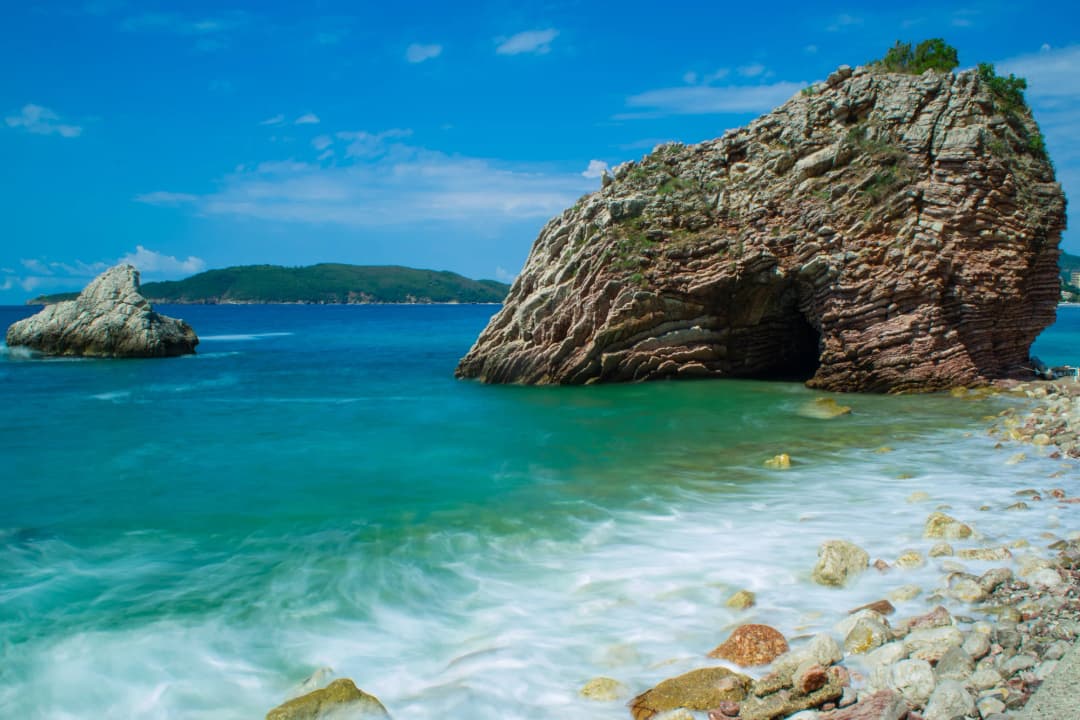
Montenegro is a reassuringly safe destination. Numbeo's 2026 data gives it a crime index of 34.4, rated "low", and the US State Department places it at Travel Advisory Level 1 — the safest tier. On crime and peace measures it ranks safer than the US, UK, France and Italy. The realistic risks aren't violent crime at all: they're occasional petty pickpocketing in crowded spots like busy old-town lanes and beaches, and the challenge of driving on narrow, winding mountain roads. Keep valuables secure, take your time on hairpin bends, and you'll be fine.
For an emergency anywhere in Montenegro, call 112. The Ministry of Interior describes it as the single point for emergency calls and says the system serves residents and tourists. Save the number, but prevention matters more: share mountain plans, keep offline navigation, avoid unlicensed boat or adventure operators, carry insurance and local contacts, and do not enter water or trails under a closure.
For national parks, use the official park portal for current tickets and notices. A park admission does not include every activity, guide, boat or parking service unless the current terms explicitly say so.
| Step | Checks |
|---|---|
| 1 Documents | Passport validity • Visa by nationality • Rules on travel date |
| 2 Stay | Host registration • Municipality changes • Keep confirmation |
| 3 Movement | Live flight status • Road + border checks • Transfer margin |
| 4 Safety | Forecast + closure • Insurance + contacts • Emergency: 112 |
| Repeat | Complete the sequence again after any material itinerary or date change |
Source: gov.me, montenegro.travel
Where to stay
Accommodation in Montenegro is dominated by apartments and villas rather than big resorts, which is great news for value and space. If you prefer a branded hotel with full facilities, look to Tivat and Budva, where most of them cluster. For atmosphere, nothing beats a stay inside the historic old towns of Kotor or Herceg Novi, where centuries-old stone streets are your front garden. You can browse a wide range of verified stays on our properties page.
Practical first-itinerary decisions
Choose one main region and one contrast. A bay stay plus a mountain visit reveals architecture and alpine landscape; a southern-coast stay plus Lake Skadar combines open sea and wetland. Add contingency time instead of a third hotel. If continuing overland, the Montenegro-to-Albania guide explains why border and document checks belong inside the itinerary rather than at its edge.
| Priority | Anchor | Useful contrast | Main risk to plan |
|---|---|---|---|
| Historic waterside landscape | Bay of Kotor region | One national-park day | Traffic, cruise-day crowding and conservation pressure |
| Open beach | Southern Adriatic coast | Lake Skadar | Heat, seasonal density and long road transfers |
| Hiking and cooler air | Northern mountains | Capital or lake stop | Weather, trail condition and limited transport |
| Car-free short break | One well-connected base | One booked day trip | Overestimating public-transport frequency |
For seven nights, choose three or four nights on the bay or coast and three nights in one contrasting region. A culture-and-water version pairs the inner bay with the central region. An active version pairs the coast with a northern mountain base. A slower version spends all seven nights on one side of the bay with selective day trips. The classic first-time formula is a few nights based on the Bay of Kotor for old towns and swimming, followed by two or three nights in the north for hiking, canyon views and cooler mountain air. The best itinerary is the one with the fewest fragile connections.
Do not choose destinations because a promotional article says to go “before it is famous.” Use the why-visit analysis as context, then make decisions from current transport and capacity. Likewise, international praise collected in the press-history review is evidence of a long reputation, not evidence that a particular beach, trail or hotel suits you. To map out a realistic route that balances beaches, old towns and mountains, our trip planner is the easiest place to start.
Top experiences and common pitfalls
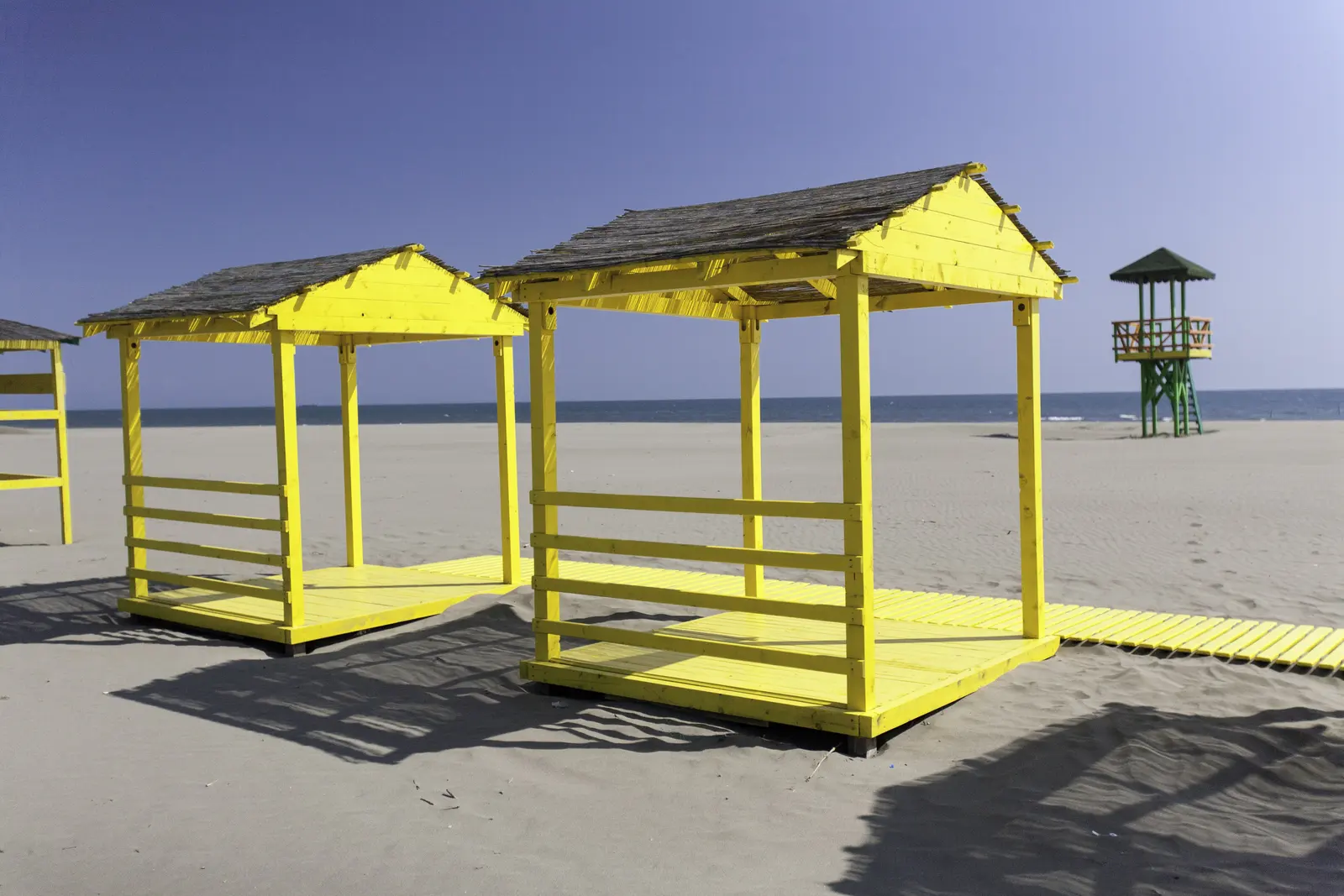
First-timers tend to fall in love with the same handful of experiences: climbing the fortress walls above Kotor for a sweeping bay view, wandering the Venetian old town of Budva and its beaches, sipping coffee along the Herceg Novi waterfront, and — for the more adventurous — trading the coast for the alpine drama of Durmitor National Park and the Tara Canyon. If you can, split your trip between sea and mountains; the contrast is what makes Montenegro unforgettable.
A few pitfalls catch newcomers out. The biggest is trying to see too much in too little time — the country looks tiny on a map, but those mountain roads are slow. Another is underestimating August: coastal parking, restaurant tables and the best apartments all vanish if you don't book early. Many visitors also make the mistake of never leaving the coast at all, missing the quiet, spectacular interior that most tourists overlook. And do carry a little cash for the inland villages where cards aren't king.
It's worth understanding the wider moment, too. Montenegro is on a fast-moving trajectory: it targets EU membership by 2028, had closed 18 of 33 negotiating chapters by 14 July 2026, already uses the euro, and is actively courting visitors — as our piece on the country's warm, half-joking EU "coffee invitation" captures. Provisionally closed chapters are not accession, and candidacy is not membership, but for a first-time traveller it all adds up to a country that's easy, welcoming and still delightfully under the radar.
Ready to start planning? Use our trip planner to shape your route, then browse hand-picked apartments and villas on our properties page — and come see why so many first-time visitors leave already planning their return.
Frequently asked questions
Is Montenegro in the European Union or Schengen Area?
No. The European Commission identifies Montenegro as an EU candidate country. It is not an EU member and is not in the Schengen Area, and travellers should use Montenegro's own official entry rules rather than assuming Schengen treatment. Do not infer membership from euro use: the European Commission says Montenegro has no monetary agreement with the EU.
Why does Montenegro use the euro?
The Central Bank describes a euroised monetary regime: the euro became the official means of payment in 2002, but Montenegro is not a euro-area member. The European Commission calls the arrangement unilateral and de facto. Euro use and EU membership are separate facts.
Do I need a visa?
What the sources say
It depends on nationality, document type, residence status and travel date. Check the Ministry of Foreign Affairs visa page. Most Western travellers can currently visit visa-free for up to 90 days, but rules announced in July 2026 take effect for several nationalities on 1 November 2026, demonstrating why copied lists become unsafe.
Must tourists register their accommodation?
Eligible foreign stays must be registered. Registered providers generally file within 12 hours and should give proof; travellers in private or unclear arrangements should report to the local tourist organisation, police or competent local authority within 24 hours. Keep registration evidence and any tourist-tax receipt.
Which airport is better — Tivat or Podgorica?
Neither is universally better. Tivat often fits a bay-focused trip; Podgorica often fits central and northern routes. Compare viable flights, the region where you will sleep, total ground-transfer cost, arrival time and traffic exposure. The official distances—about 12 km from Podgorica Airport to the capital and 4 km from Tivat Airport to town—do not predict the full journey. Flying into Dubrovnik and driving about an hour south is a further option.
Is one week enough?
Yes for two regional bases. It is not enough for a relaxed survey of the entire coast, central region and northern mountains. Protect the arrival and departure days.
How long should a first trip be?
There is no universal minimum, but a route is stronger when it combines one anchor region and one contrasting landscape with spare time. Four nights suit one region, seven nights two, and ten to fourteen nights three. Compact geography does not eliminate slow roads, weather or border delays.
Can I travel without a car?
Yes on a route linking major towns with confirmed bus or rail services; the coastal towns are well connected. A car adds flexibility for rural and mountain travel, but parking and road conditions create their own costs. Confirm each key leg before booking accommodation.
When is the best month?
There is no single answer. Late spring and early autumn—especially late May to mid-June and September—provide the broadest coast-and-town compromise; summer better supports high mountains but increases coastal heat and demand. Winter needs a weather-specific plan, with skiing in the north roughly December to March.
How many national parks are there?
Five: Durmitor, Biogradska Gora, Lake Skadar, Lovćen and Prokletije. Check current park information, weather, road access and fees individually.
How many UNESCO World Heritage properties are associated with Montenegro?
UNESCO lists four: the Natural and Culturo-Historical Region of Kotor, Durmitor National Park, Stećci Medieval Tombstone Graveyards, and Venetian Works of Defence. The last two are transnational or serial properties.
Is Montenegro safe?
Numbeo's 2026 data gives a crime index of 34.4, rated “low,” and the US State Department places Montenegro at Travel Advisory Level 1, the safest tier. The realistic risks are petty pickpocketing in crowded places and narrow, winding mountain roads.
What emergency number should I save?
112. Montenegro's Ministry of Interior identifies it as the single emergency-call point serving residents and tourists.