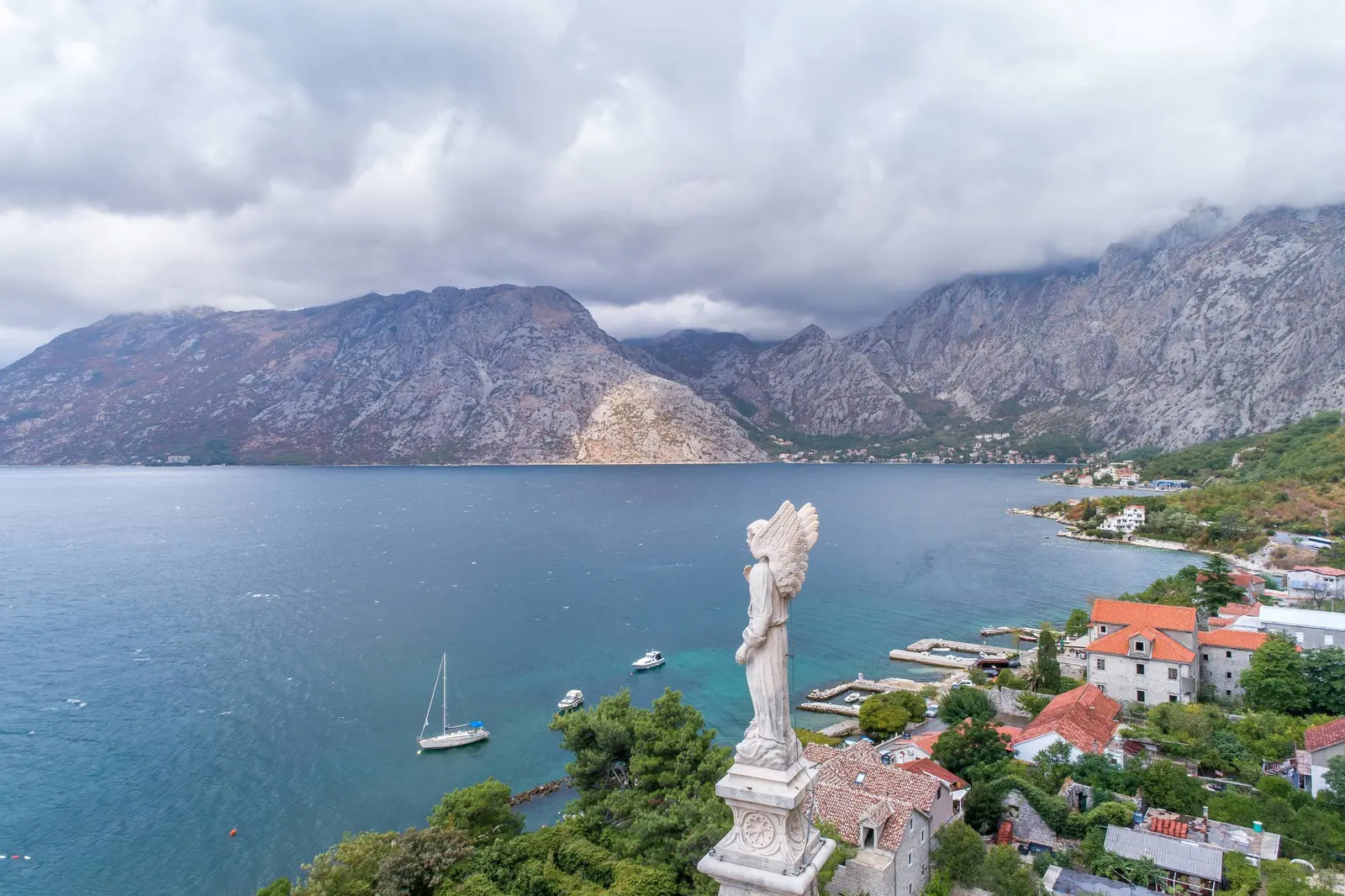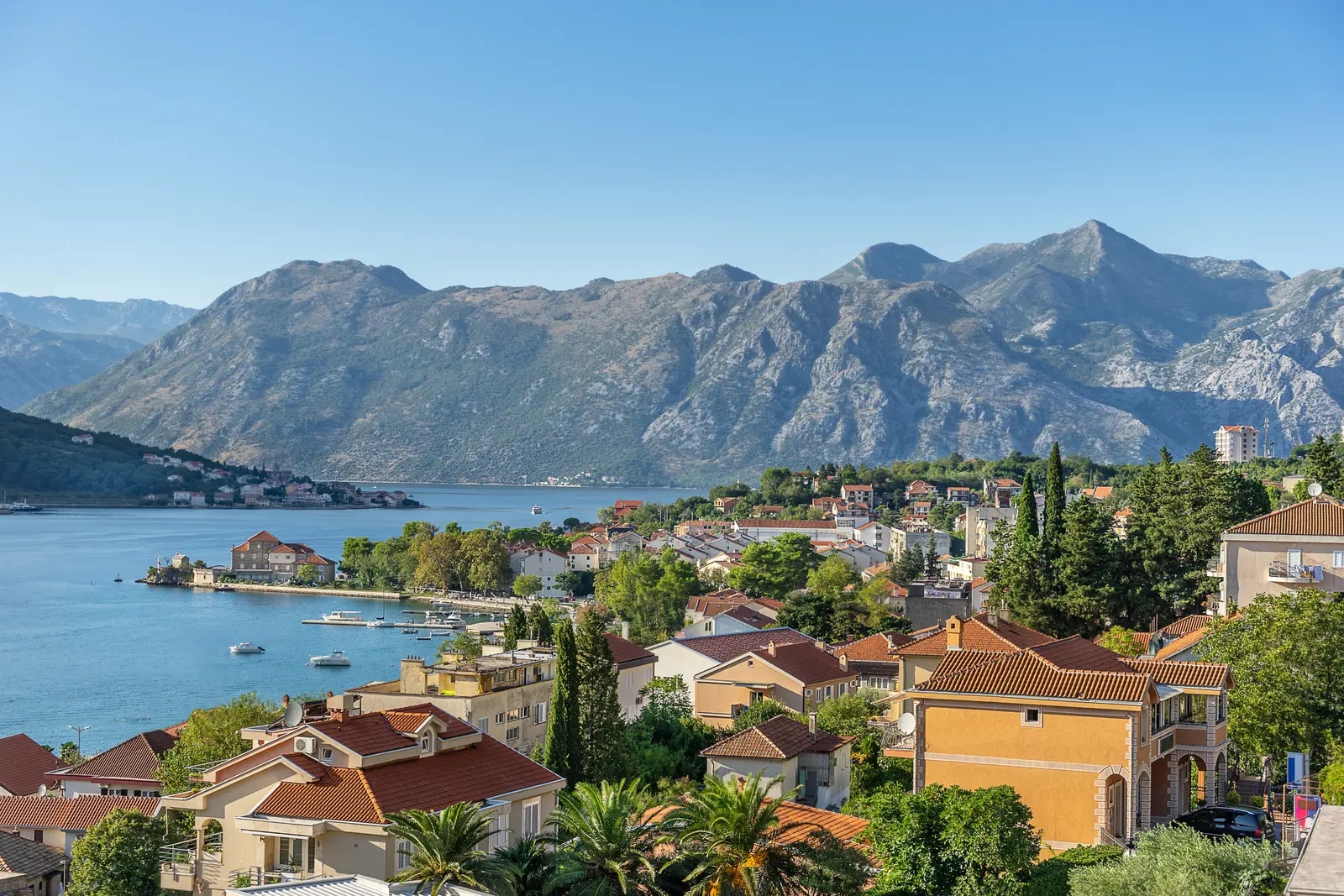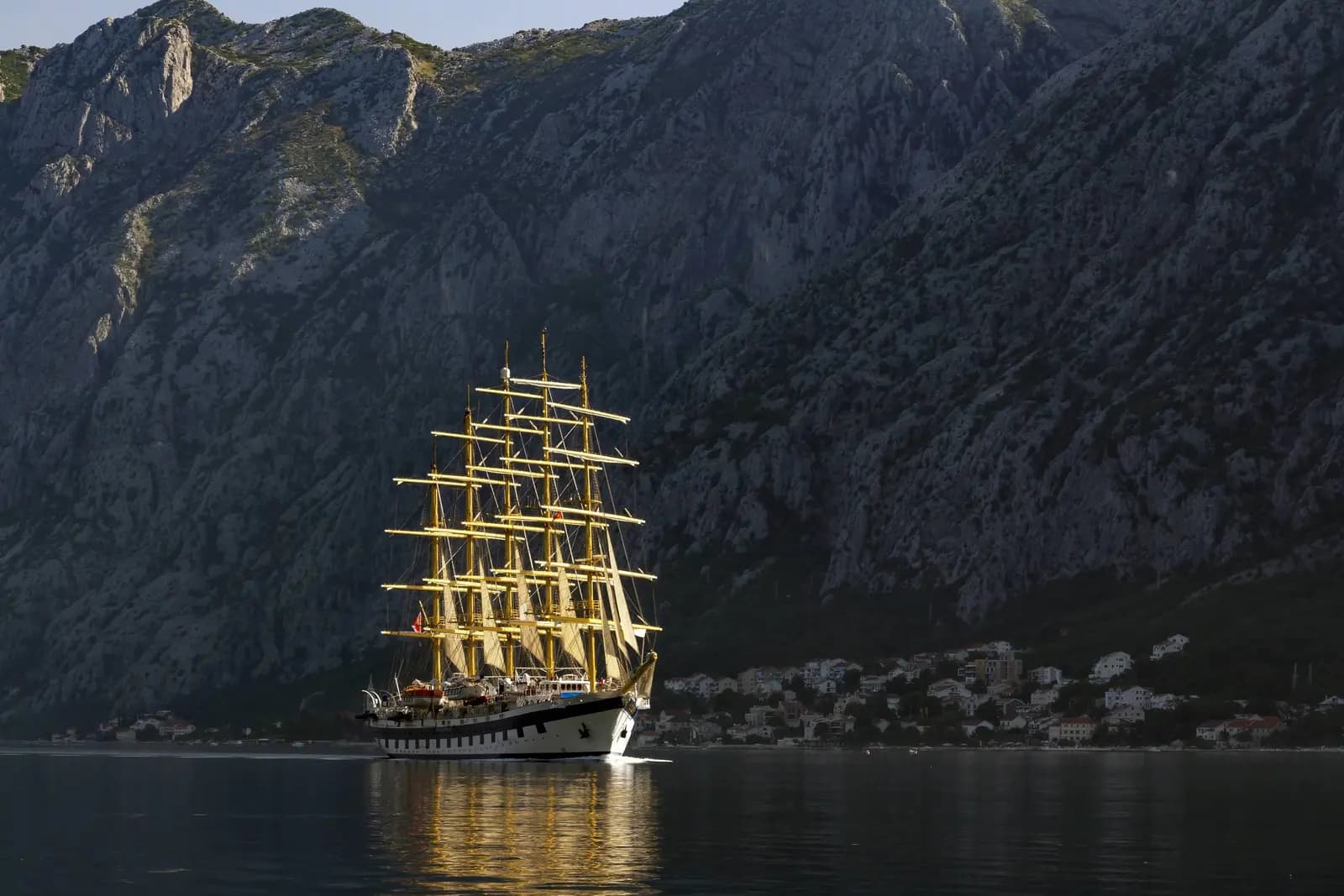
Dobrota is one of the places on our coast where it is still possible to see all the splendour of the former Boka and noble Kotor, from the time when sailing ships, like the one belonging to the famous captain Ivo Vizin, sailed the world's seas, carrying the reputation of these regions and bringing great wealth back to the maritime houses along this bay. Vizin took his barque Splendido around the globe between 1852 and 1859, the first sailor from these shores to do it, and he is only the most quotable name among dozens.
A settlement built by captains
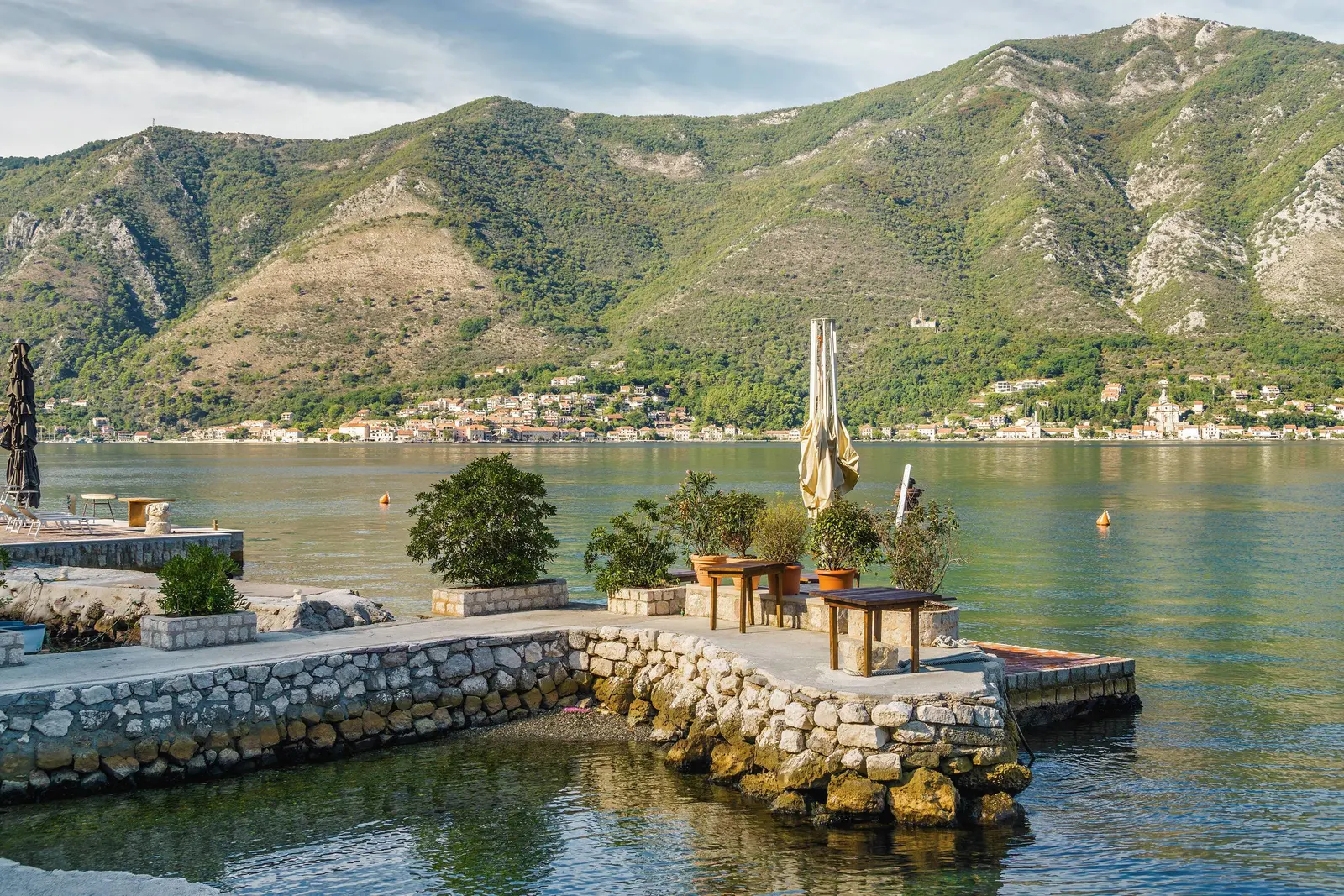
Dobrota is located in the immediate vicinity of ancient Kotor, with a view towards Vrmac across the water, and it runs for several kilometres as a single ribbon of stone houses, one or two plots deep, between the mountain and the sea. There is no square and no centre in the usual sense. The settlement is the shoreline, and that shape follows directly from what Dobrota did for a living.
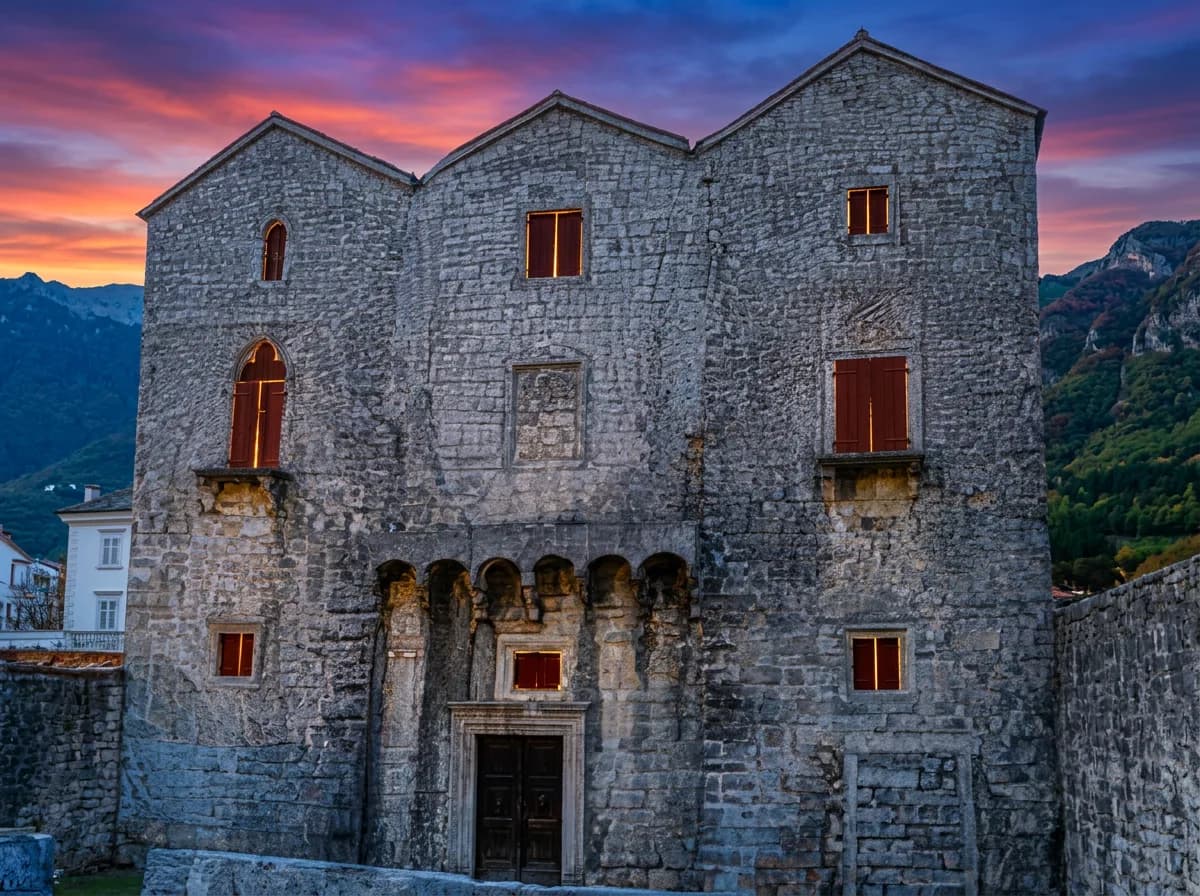
From the 17th century onwards its families, among them the Ivanovic, Tripkovic, Radimiri, Dabinovic, Kamenarovic and Milosevic houses, built, owned and captained merchant ships trading across the Mediterranean and beyond. Each successful family built its palace on its own stretch of shore, with its own landing and boathouse below. Venice recognised the place formally in 1717, by which point the Dobrota fleet ran to dozens of ocean-going vessels. The money came home as stone: baroque facades, carved balconies, family chapels, and the little bridges that carry the coastal path over the streams coming down off the hill.
Churches, palaces and lace
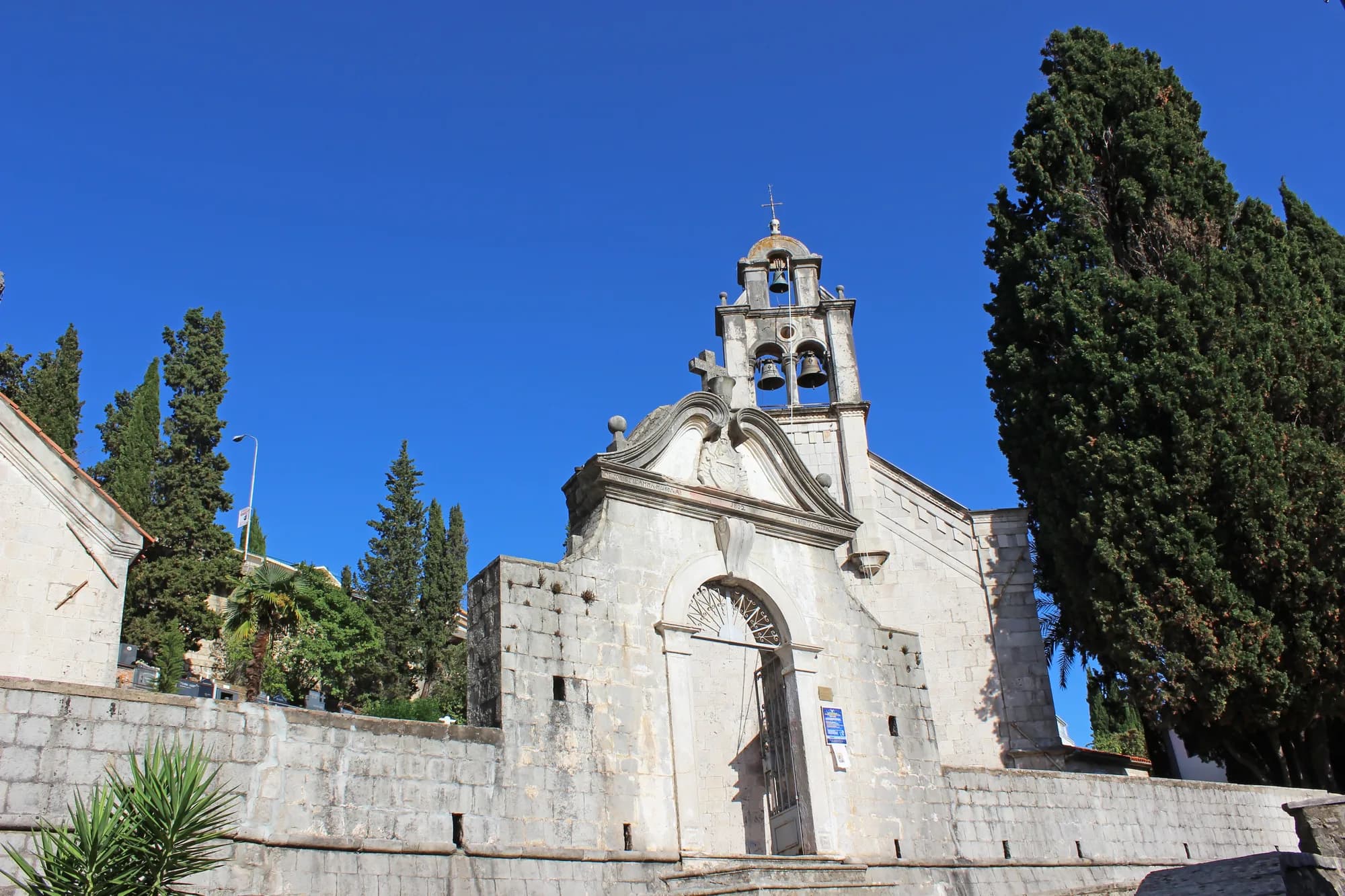
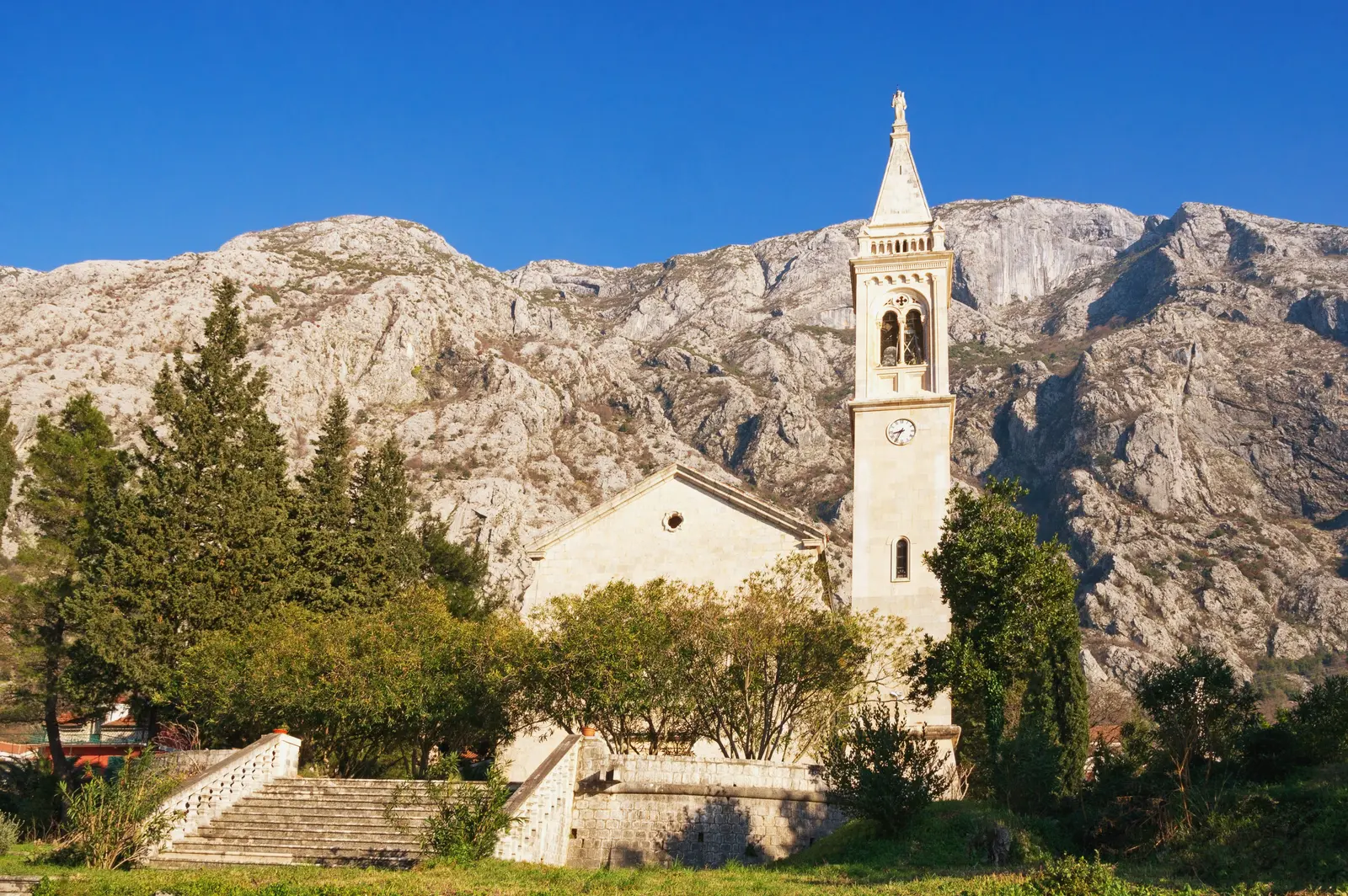
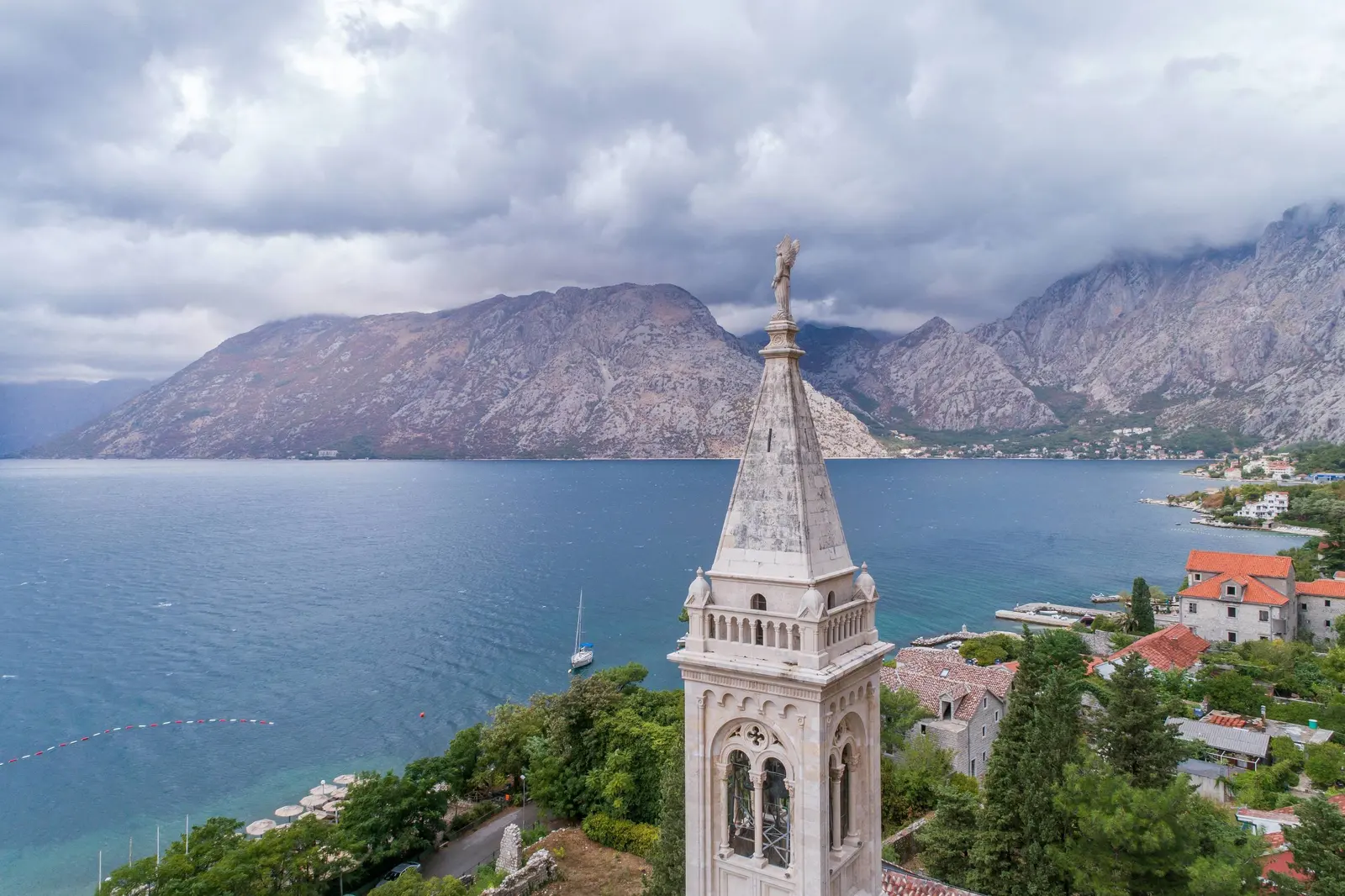
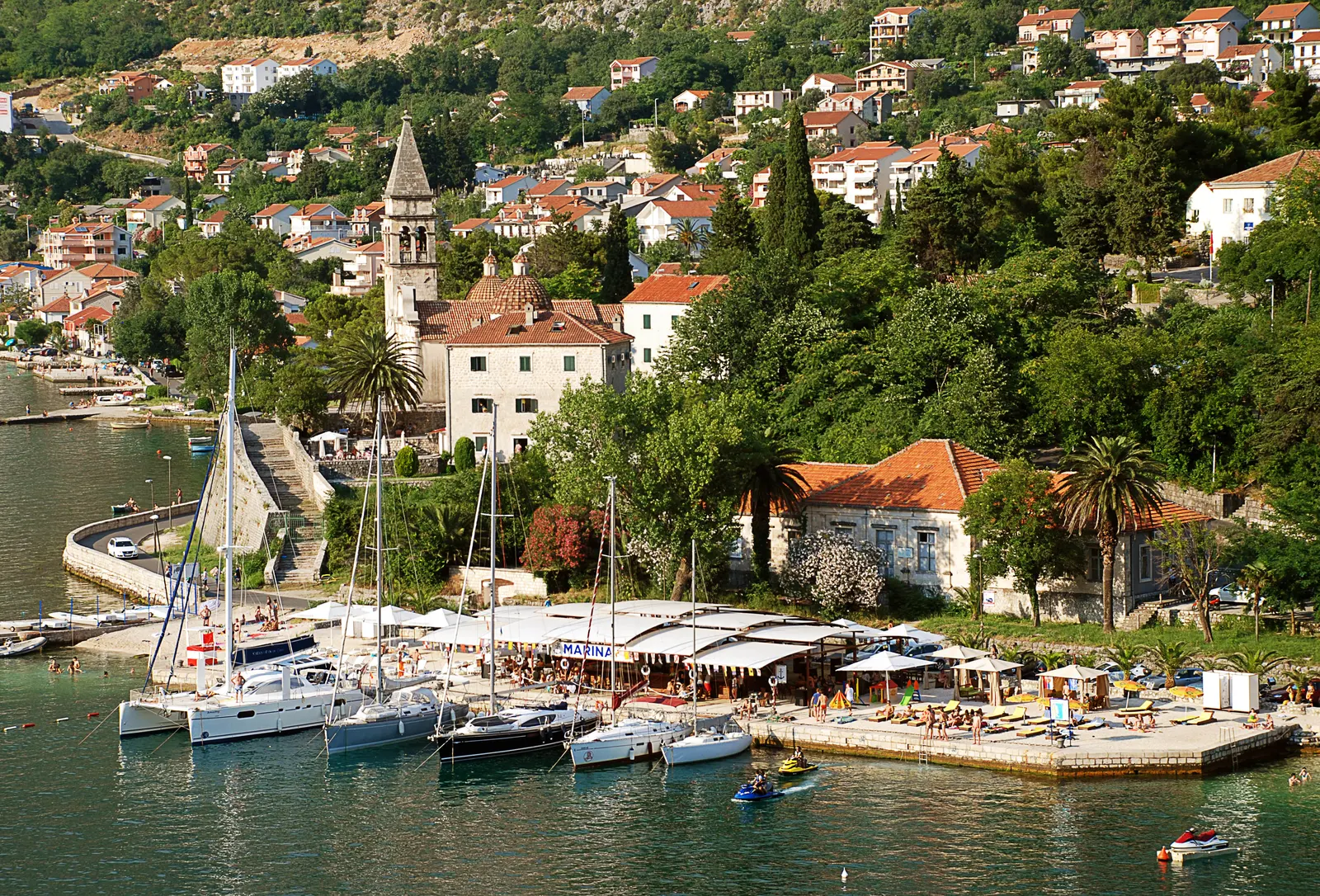
A large number of churches, as in Perast, Prcanj and other places in the Bay of Kotor, testify to the firm faith of the old people of Dobrota. St Matthew's church dates from the 17th century and holds paintings brought back or paid for by seafaring families, including a Madonna long attributed to the circle of Giovanni Bellini. Further along the shore stands the larger 18th-century parish church of St Eustace, whose treasury keeps examples of Dobrota lace, the fine needlework made by captains' wives and daughters through the long months the men were away, and long counted among the best craft traditions of the bay.
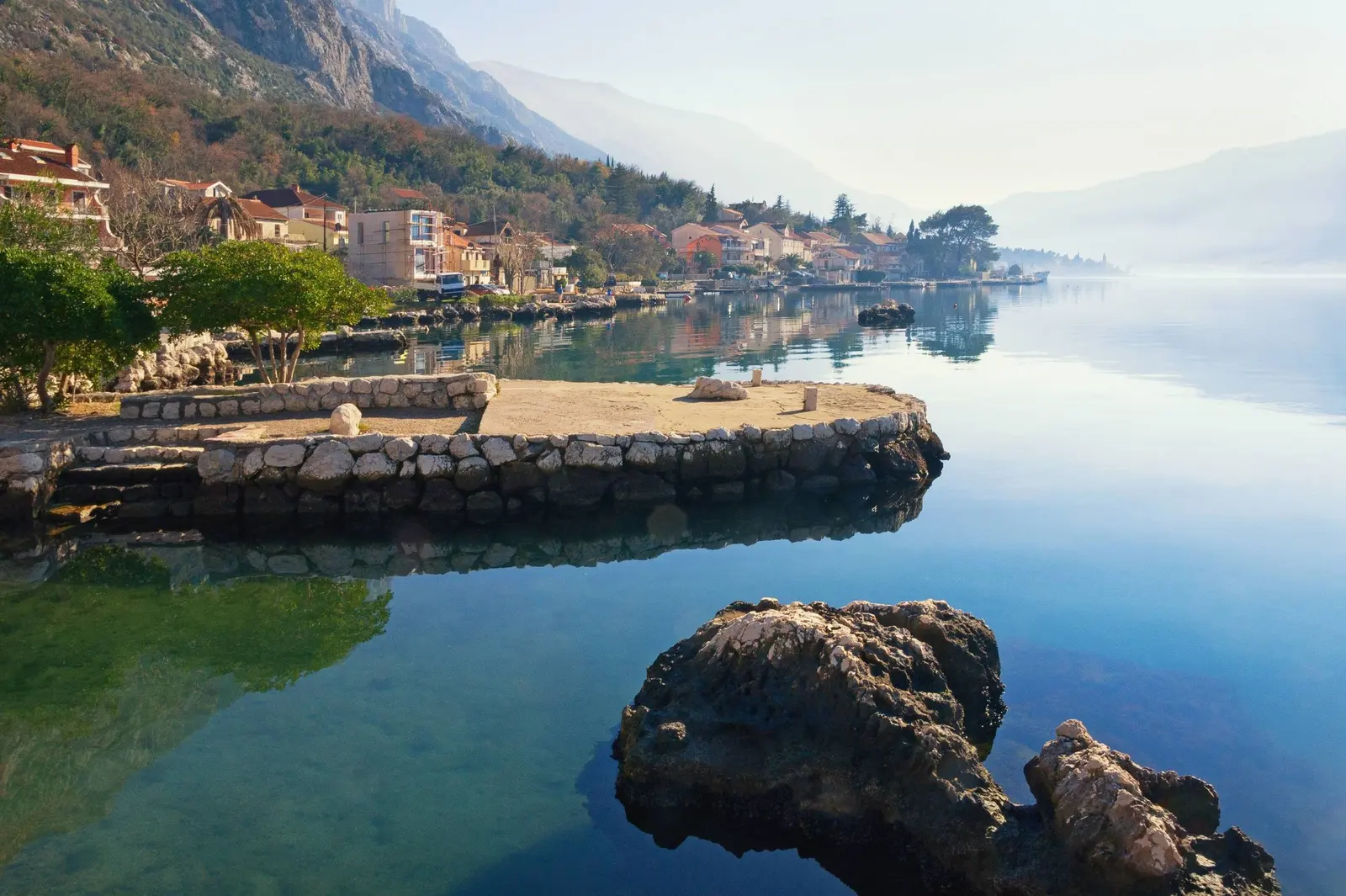
Most of the palaces remain in private hands and are read from the promenade rather than entered, which is no great loss: the point of them was always the face they turned to the water. Together with Kotor, Perast and Prcanj, Dobrota lies inside the UNESCO World Heritage area covering the natural and culturo-historical region of Kotor, which is why the shoreline still looks broadly as it did two centuries ago. The University of Montenegro's Institute of Marine Biology also sits here, studying the same bay the captains sailed out of.
Walking the shore
The promenade in Dobrota leads several kilometres along the coast past countless small stone bridges and old palaces, unique and splendid like nowhere else. It is flat, paved and free, and it is the single best thing to do in the place. Walk it slowly, ideally in the early morning when the water is still and the far side of the bay is coming out of shadow, and the sequence of gates, chapels, family crests and mooring rings reads as a continuous record of one industry.
Swimming is from stone and concrete platforms with ladders rather than from sand, since the bay drops away quickly here, and the water is deep and clean. Dobrota is also a place with very good restaurants and small seaside cafes where you can genuinely enjoy the atmosphere of old Boka. It is possible to find very attractive places to stay as well, some of them in the original setting of the old palaces, which have been converted into apartments and small hotels.
Getting there
Dobrota begins where Kotor ends. From the North Gate of the old town it is a walk of ten to fifteen minutes to the first palaces, and that is by far the best approach. Local buses run the coast road, taxis are straightforward, and drivers should know that the shore road is narrow with limited parking, so leaving the car in Kotor and walking usually costs less time than driving. Tivat airport is around 10 km away, Perast is a short drive further up the bay, and travellers arriving from Croatia can follow our guide to the Dubrovnik to Kotor route.
When to come
Late spring and September into October are the best months: warm water, long light and none of the summer congestion on the coast road. Dobrota is quieter than Kotor at any time of year, which is much of its appeal, though it fills in the evenings when cruise passengers and day visitors spread north out of the old town. Winter has its own case, with the bora scouring the bay clear and the mountains behind it under snow, but expect rain, since this is one of the wettest corners of the Mediterranean.
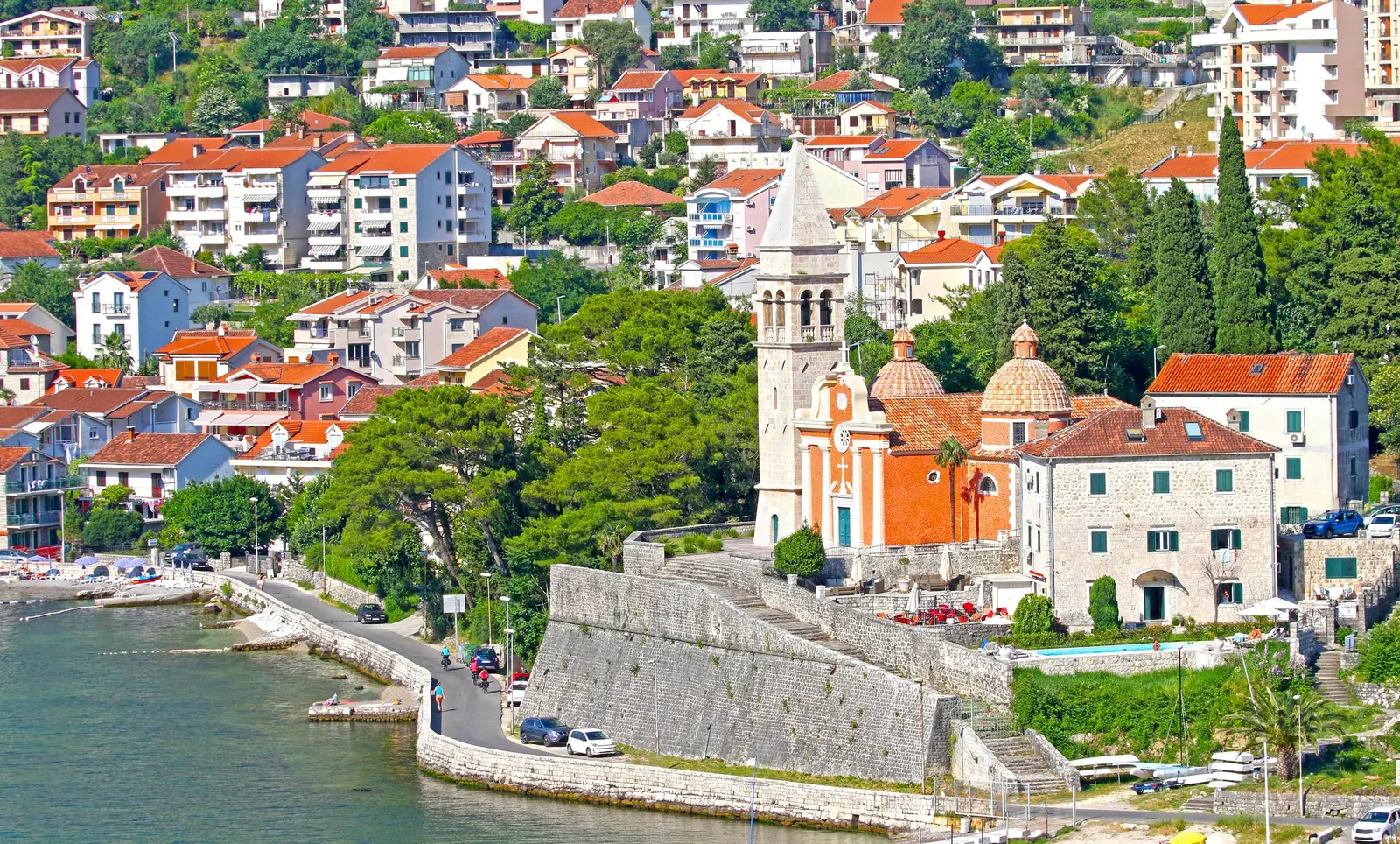
Mr Vjeko Radimir sent us these wonderful photographs of Dobrota, for which we are very grateful. The invitation stands to everyone: send us photographs of the places where you live or that you have visited, so that all the regions and settlements of Montenegro are represented on our site as equally as possible.