From the ArchivesCreated September 17, 2010Updated August 6, 20265 min readby Pavle Obradović
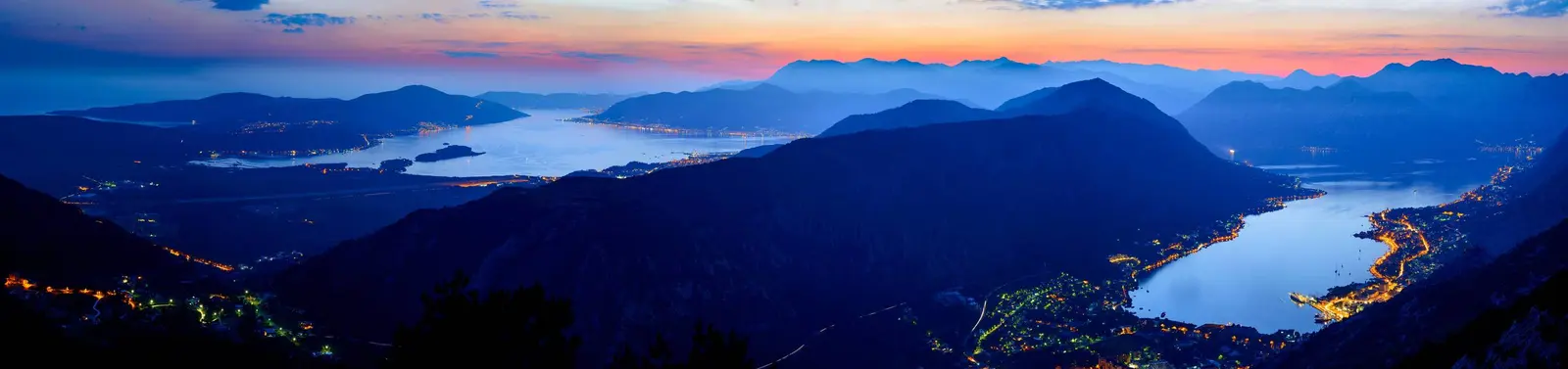
Tivat is the youngest city of Boka Kotorska (Montenegro), located in the central part of the Bay, at the foot of the ecological oasis of Vrmac hill (768 m), actually a peninsula that separates Tivat and the Bay of Tivat…
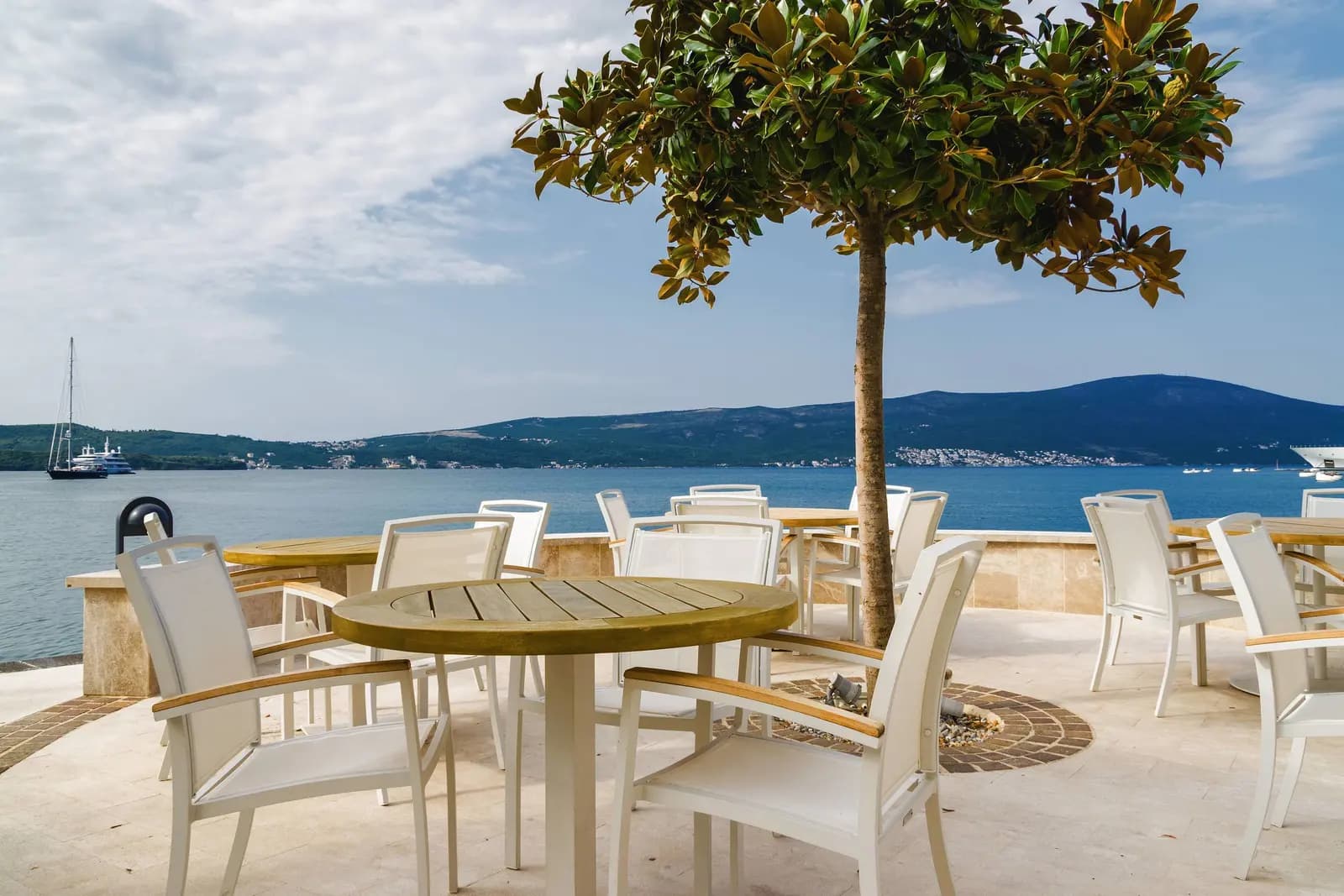
Tivat is the youngest city of Boka Kotorska (Montenegro), located in the central part of the Bay, at the foot of the ecological oasis of Vrmac hill (768 m), actually a peninsula that separates Tivat and the Bay of Tivat from Kotor and the Bay of Kotor.
According to one theory, the name of the city is derived from the name of the Illyrian queen Teuta, who ruled in Risno (see that) and had a summer residence here. According to the second, the name Tivat comes from Theudo, which can be an abbreviated name of a Christian saint or a shorter form of Theos doros - God's gift! Tivat is undeniably beautiful to such an extent, geographically ideally positioned, that neither Teuta nor many medieval Kotor nobles had their summer homes here for nothing. Certainly the most famous is the summer house of the Buća family (1548), within the complex of which the Tivat cultural summer event takes place today, especially known for its high-quality theater productions.
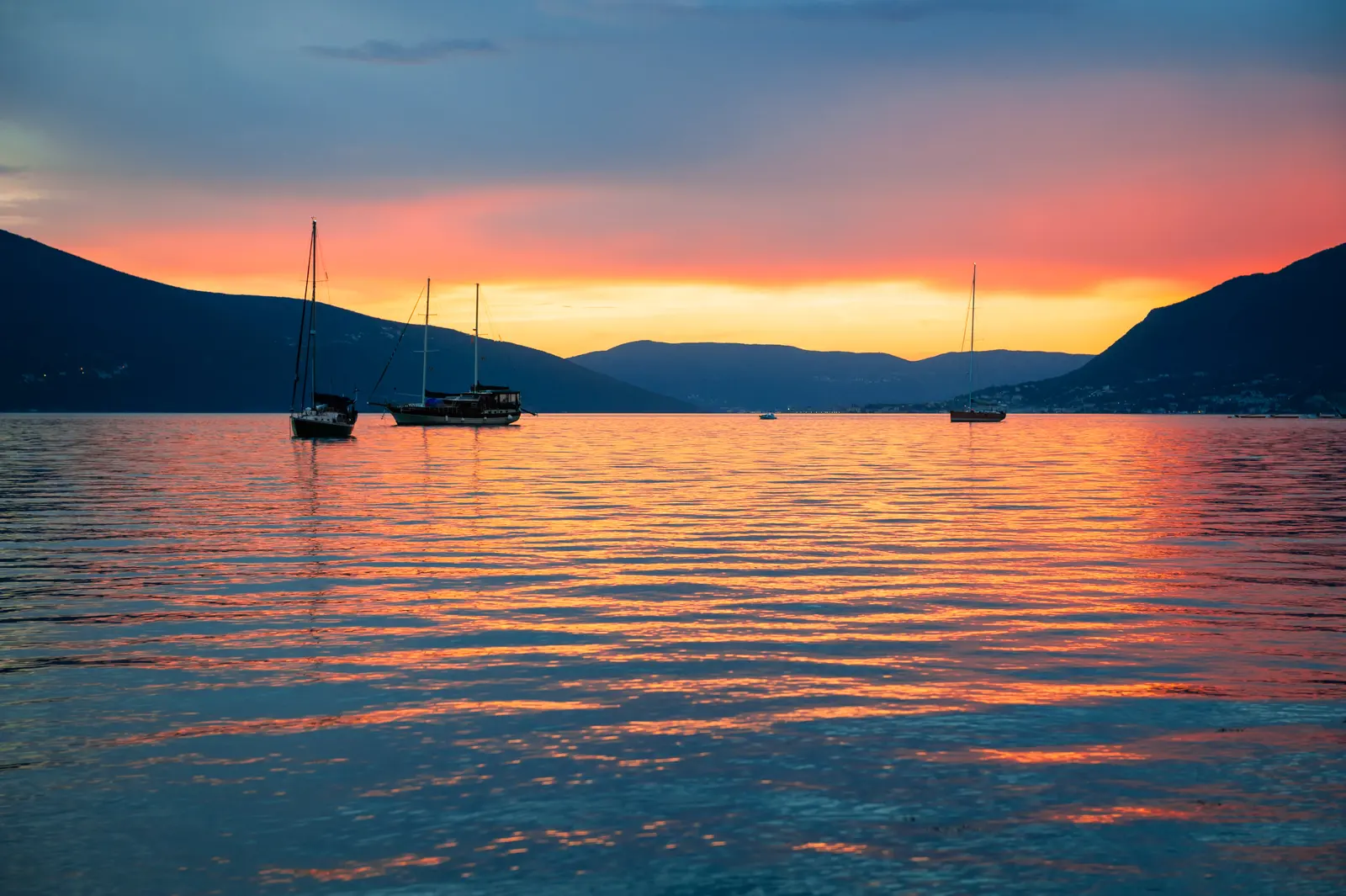
The Gulf of Tivat is the largest of all the internal bays of Boko Kotor, and not only because of that. From Tivat there is a view of the Krtolj or sacred archipelago, with as many as three islands (Miholjka islet or Island of Flowers, Sveti Marko and Our Lady of Mercy), which other cities cannot be proud of. These island Mediterranean medallions are full of stories and history (see Krtoli), especially Miholjska prevlaka, the center of the first bishopric of Zeta (founded in 1219 by Saint Sava). The sea water of this bay is always warmer compared to other bathing spots because the depth is insignificant, especially towards Solili. The area of Soliotsko polje has been the scene of many conflicts throughout history, because during the Middle Ages, the successors of the Nemanjić state - Balšići, Lazarevići, Crnojevići, then Kotor, Dubrovnik, Venice and finally the Turks - fought over the vital sea salt, even around the fields where salt was harvested in the summer.
The large Luštica peninsula makes it impossible to see the open sea from Tivat. The shores of the open sea can still be reached quickly and easily, via the nearby Radovice (see that), at the foot of which there are heavenly sandy beaches with tiny sand. However, you don't have to go far to get to the beach with tiny sand: the nearby Kalardovo bay is in that sense a gulf curiosity. It is located only one kilometer from the airport.
Even though airplanes make a lot of noise when they take off and land, there is no guest who would not enjoy watching this kind of, if you say picturesque, aerial sailing in or out of Tivat. Airplanes with differently colored tails are an everyday image of Tivat. On the way to Kalardovo beach, or from the idyllic location of Župa, it is possible to be away from planes landing or taking off - just a few hundred meters away. And that, if we ignore the roar of the engine, is a unique atmosphere!
The area of Tivat was already inhabited in the Bronze and Ancient Ages. On the isthmus of St. Archangel Michael mosaics from the ancient period were discovered. The history of this city closely follows the history of Kotor (see that, Montenegro).
Until the establishment of the Military-Naval Arsenal in the time of Austria (19th century), Tivat was an agricultural settlement for centuries. Later, it will become significant for the rebellion of the Bokel sailors (1918), the first uprising of its kind in Europe, and for the heroic act of naval officers Milan Spasić and Sergej Masera, who in April 1941 blew up the then most modern war destroyer "Zagreb" and lost their lives, just so that the destroyer would not fall into the hands of the fascists. The most beautiful city park, a few minutes' walk from the waterfront, bears their names.
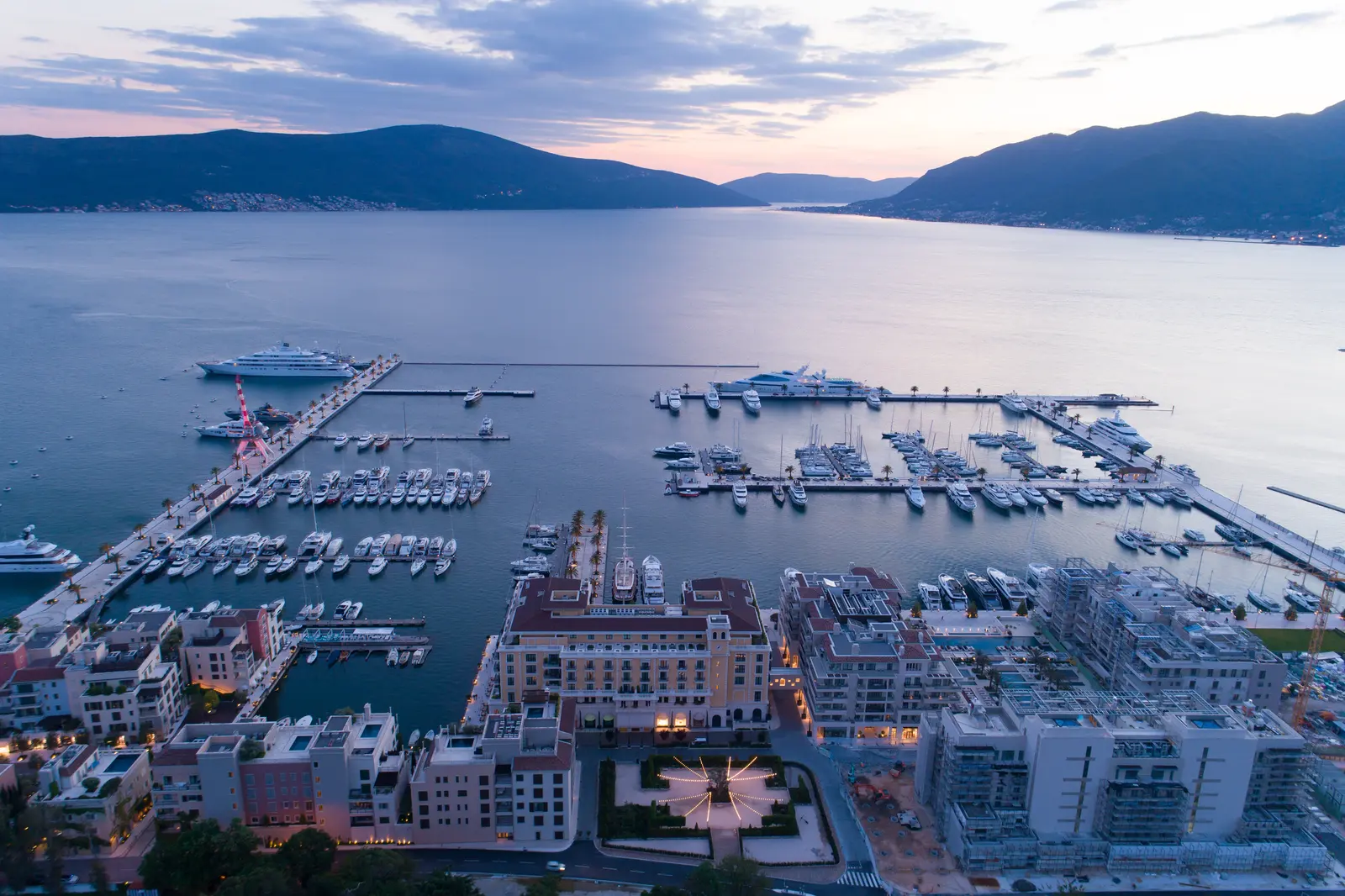
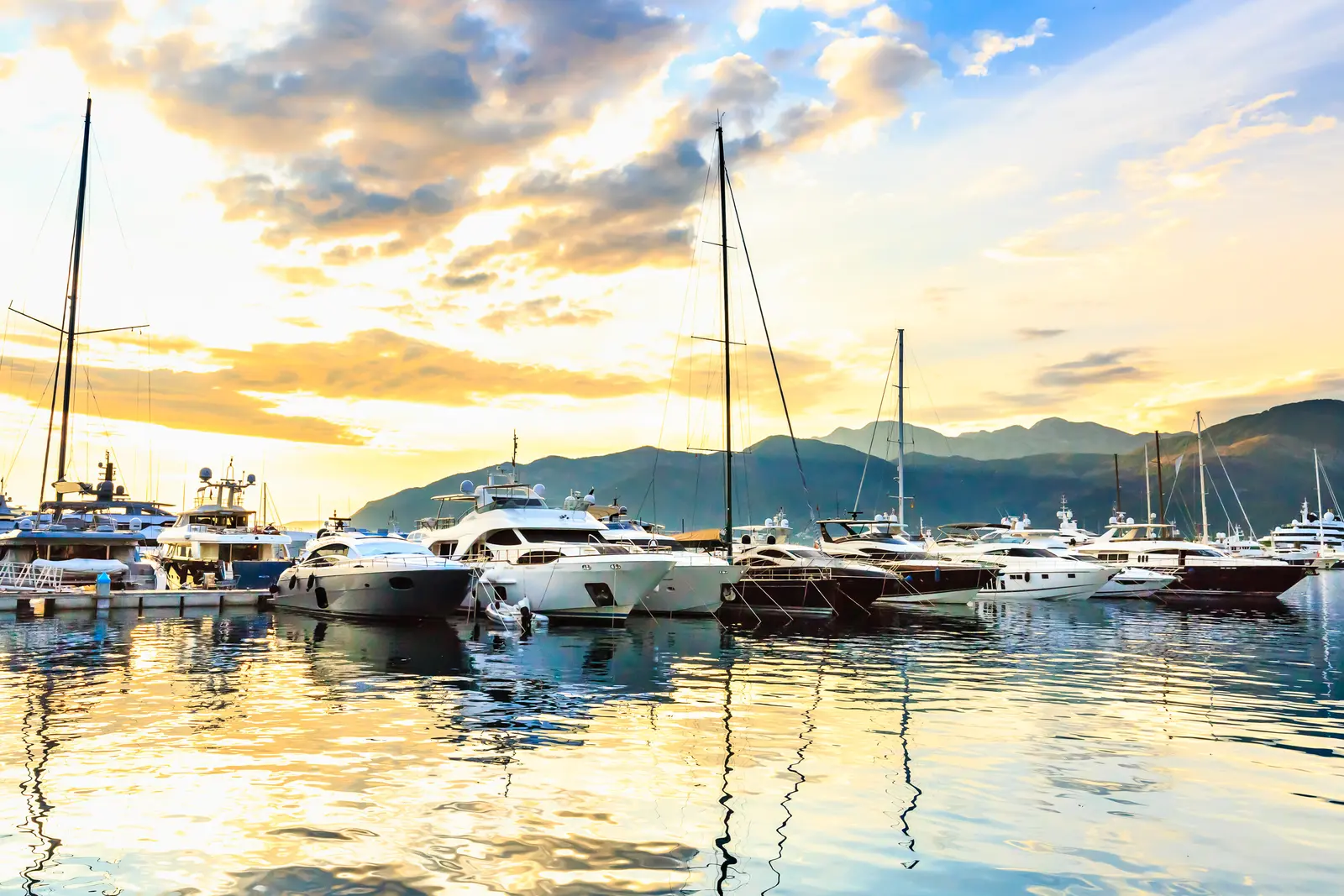
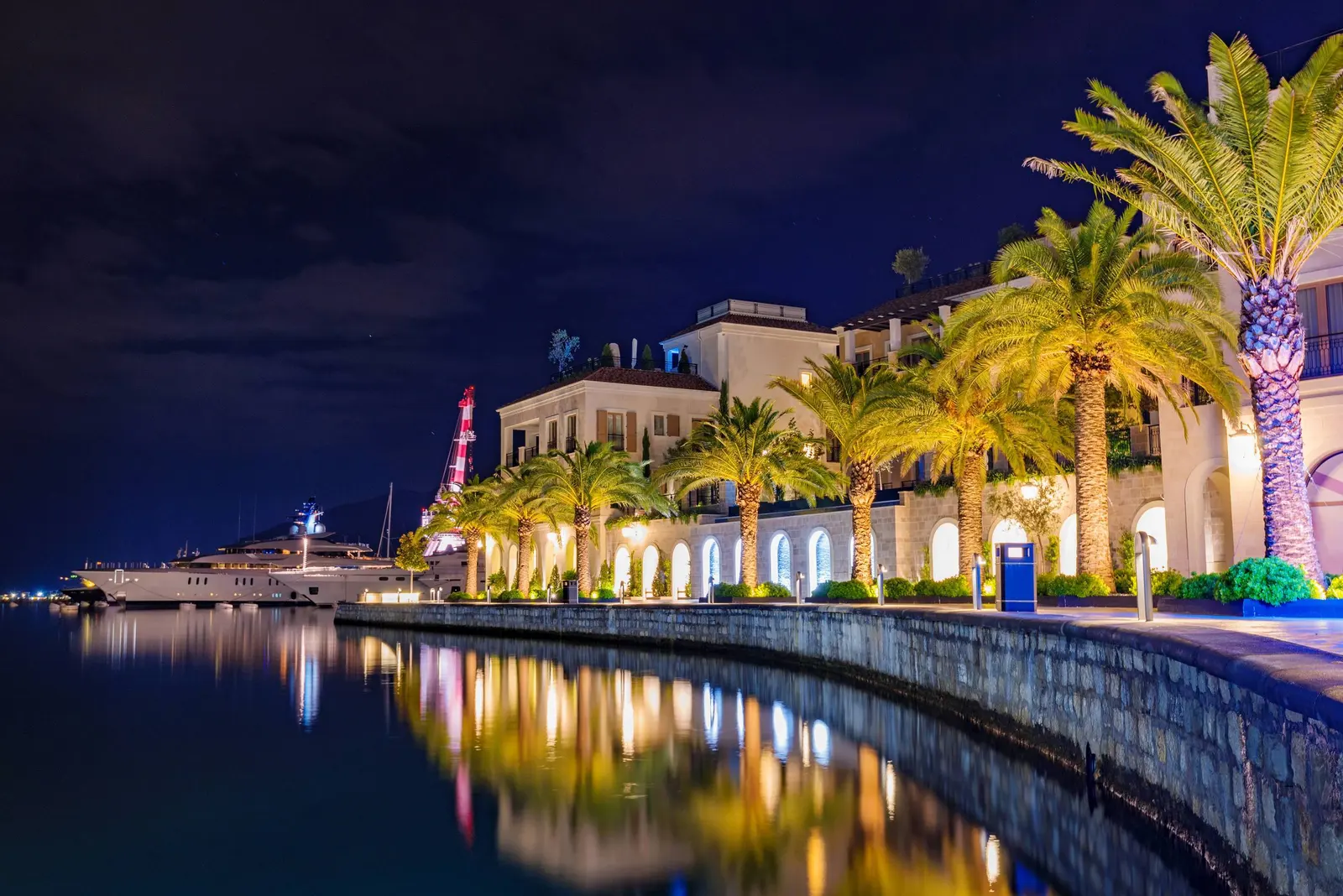
On the site of the Arsenal there was a military shipyard for several decades. A marina is now being built on the same location - Porto Montenegro, the most luxurious marina for mega-yachts on the South Adriatic. Golf courses are being built in the immediate vicinity of the airport, and the large island of Sveti Marko is being mentioned more and more often in the context of the most luxurious summer resort.
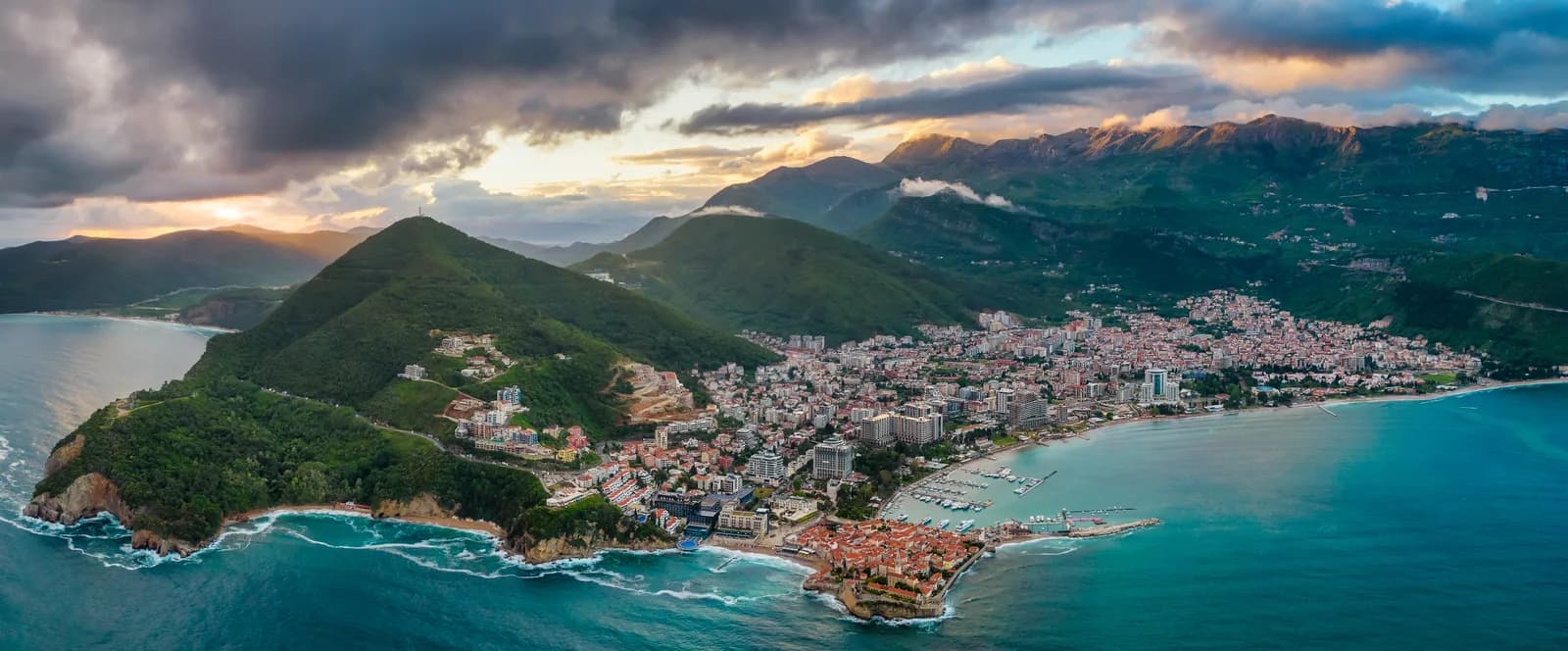
From Tivat, Kotor can be reached quickly, in about 10 minutes, through the modern tunnel "Vrmac". The nearby idyllic old Mediterranean environment of Gornja Lastva is also easy to reach. Herceg Novi is 19 km away (via ferry), and Budva, to the south, 24 km. You should definitely visit the monastery complex on the Miholjska pass and the island church of St. Trinity, the endowment of Countess Katerina Vlastelinović. Peninsula It is recommended to visit Luštica (see that), as well as the picnic area Žanjic.
In the village of Gošići, there is the church of St. Luke, built in 1776, on the foundations of an older one, from the 15th century. Church of St. Petra in nearby Bogdašići was built in the 13th century. Church of St. Srđa, Nikola and Dimitrija, come from the 19th century. The Palace of Verona-Byzantium, on the site of Račica, was built in the 18th century.
In recent years, Tivat has been known for a curious ex-YU event. This is where the only General Consulate of the former SFRY is located, in whose organization every May 25, on Youth Day (the birthday of the former sovereign Josip Broz Tito), the tradition of everything that marked the days of peace in the former socialist-type country continues to be nurtured. On that day, the Youth Relay is welcomed on the city's Riva, concerts are held, and in the carnival atmosphere with the ex-YU sign, memories of the time when people lived in absolute peace in the wider environment are evoked.
We may earn a commission from partner links. This helps us keep Montenegro.com free for travelers.
Written by
Pavle Obradović
Pavle Obradović is from Herceg Novi. He was Manager of Montenegro.com, then Director of the Herceg Novi Tourism Organization, and is now Coordinator for Investment and Development Projects at the Municipality of Herceg Novi. He holds a BSc in International Hospitality and Service Management from the Rochester Institute of Technology (RIT).