There is a nine-day window every summer when two nations on opposite sides of the Atlantic light up the sky for roughly the same reason. On July 4th, Americans celebrate the day thirteen colonies told the world's most powerful empire they were done being governed from London. On July 13th, Montenegrins celebrate the day the Congress of Berlin recognized their small mountain principality as the 27th independent state in the world — and, in one of history's stranger rhymes, the day sixty-three years later when they launched the first nationwide uprising in Nazi-occupied Europe.
The two holidays could hardly look more different in scale. One belongs to a nation of 340 million; the other to a country of about 620,000 — smaller than a single Los Angeles suburb sprawl. Yet put them side by side and you find two peoples telling themselves surprisingly similar stories, in surprisingly different ways.
A birthday party 250 years in the making
This year, the Fourth of July is not just another Fourth. July 4, 2026 marks the Semiquincentennial — 250 years since the Declaration of Independence — and America has thrown the largest coordinated celebration in its history. Sixty ships from thirty countries filled New York Harbor for Sail250, the biggest maritime gathering the U.S. has ever hosted. A "Great American State Fair" took over the National Mall. There are commemorative coins, drone shows, a Times Square ball drop in July, and even World Cup matches played on American soil the same day. Philadelphia buried a time capsule scheduled to be opened on July 4, 2276.
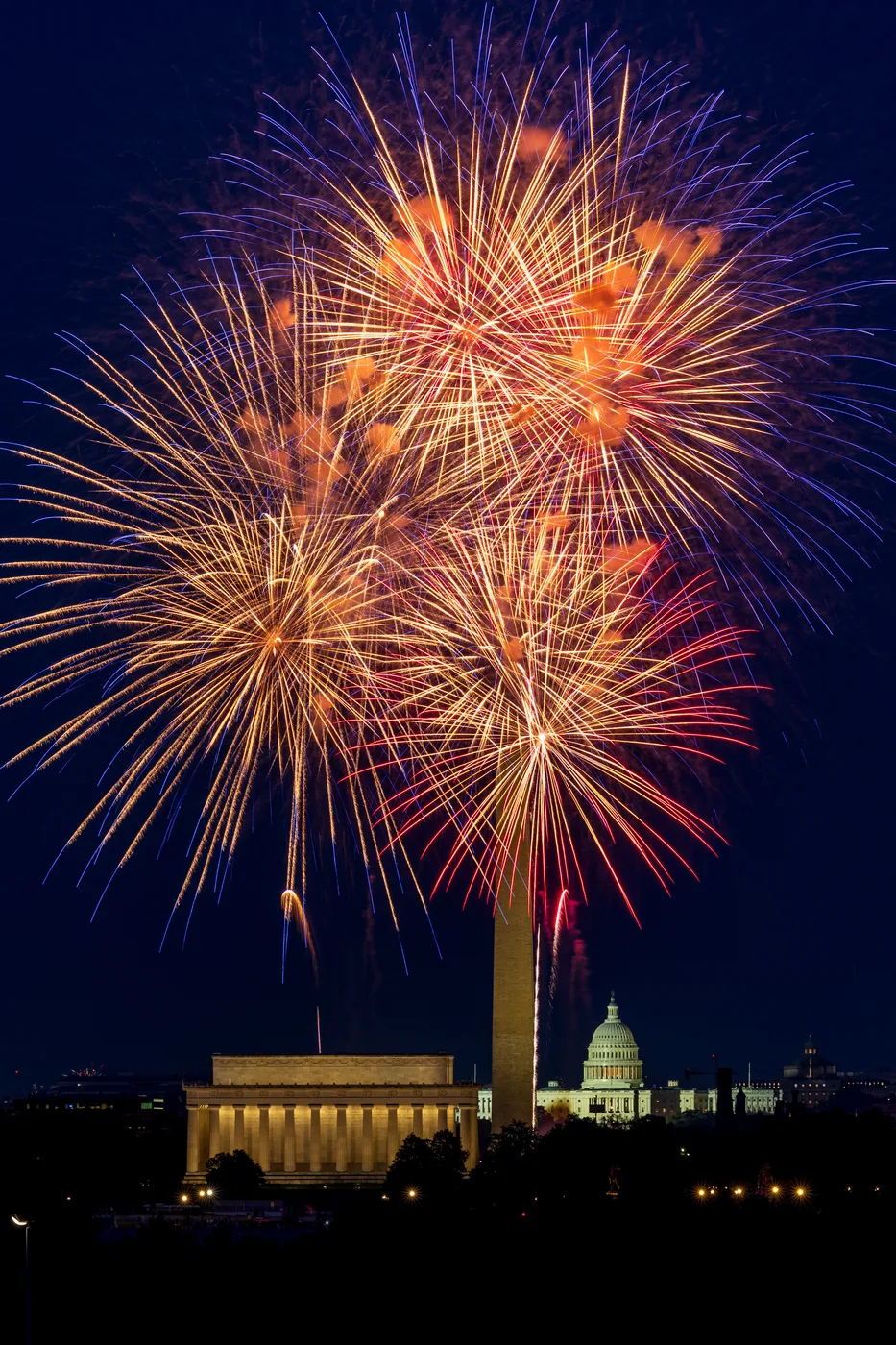
Strip away the anniversary gigantism, though, and the American formula has been stable for two centuries: fireworks, parades, backyard barbecues, baseball, hot dog eating contests, flags on every porch. John Adams predicted it himself in 1776, writing that the occasion ought to be celebrated with "pomp and parade... bonfires and illuminations" from one end of the continent to the other. Americans have simply never stopped taking him literally.
What is distinctive about July 4th is its domesticity. The federal government stages its spectacles in Washington, but the emotional center of gravity is the neighborhood: the block party, the grill, the lawn chairs dragged to the park at dusk. Independence Day is a civic religion practiced in backyards.
A country so proud of independence it celebrates it twice
Montenegro, characteristically, refuses to be outdone on a per-capita basis — it has two national days.
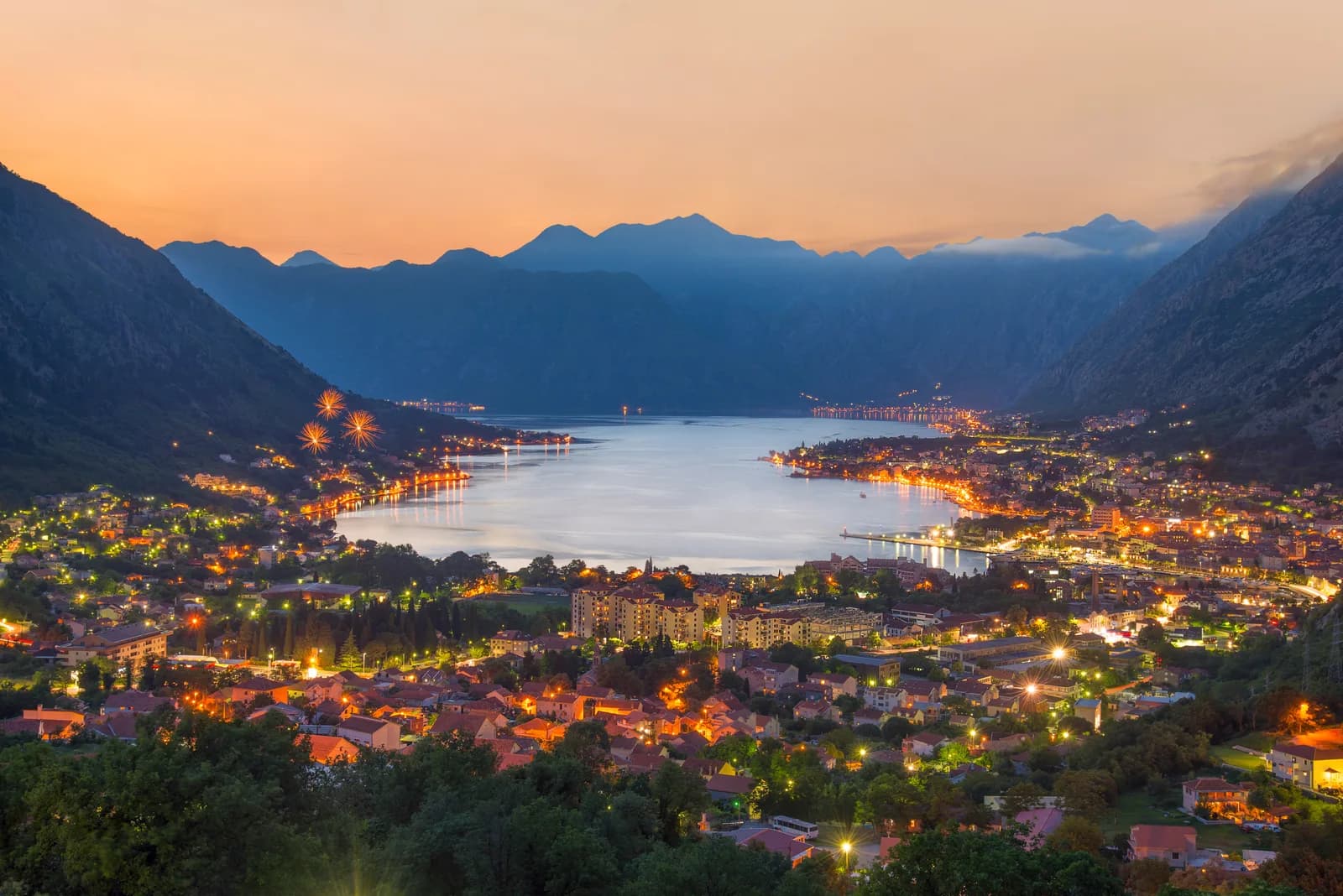
Independence Day (Dan nezavisnosti), May 21st commemorates the 2006 referendum in which Montenegrins voted to leave the state union with Serbia. The numbers still astonish: turnout of 86.49%, and a result of 55.5% in favor — clearing the EU-imposed 55% threshold by roughly 2,300 votes out of more than 400,000 cast. No musket fire, no crossing of the Delaware; the world's then-newest nation was born by ballot, by the width of a village. The 2026 edition was a milestone of its own — the 20th anniversary — celebrated over a two-day public holiday with flags draping every balcony, concerts from Podgorica to the marinas of Boka Bay, brass orchestras with century-old pedigrees, fireworks reflecting off the Adriatic, and, in a tradition Americans might appreciate, the final of the national handball cup played on the holiday itself.
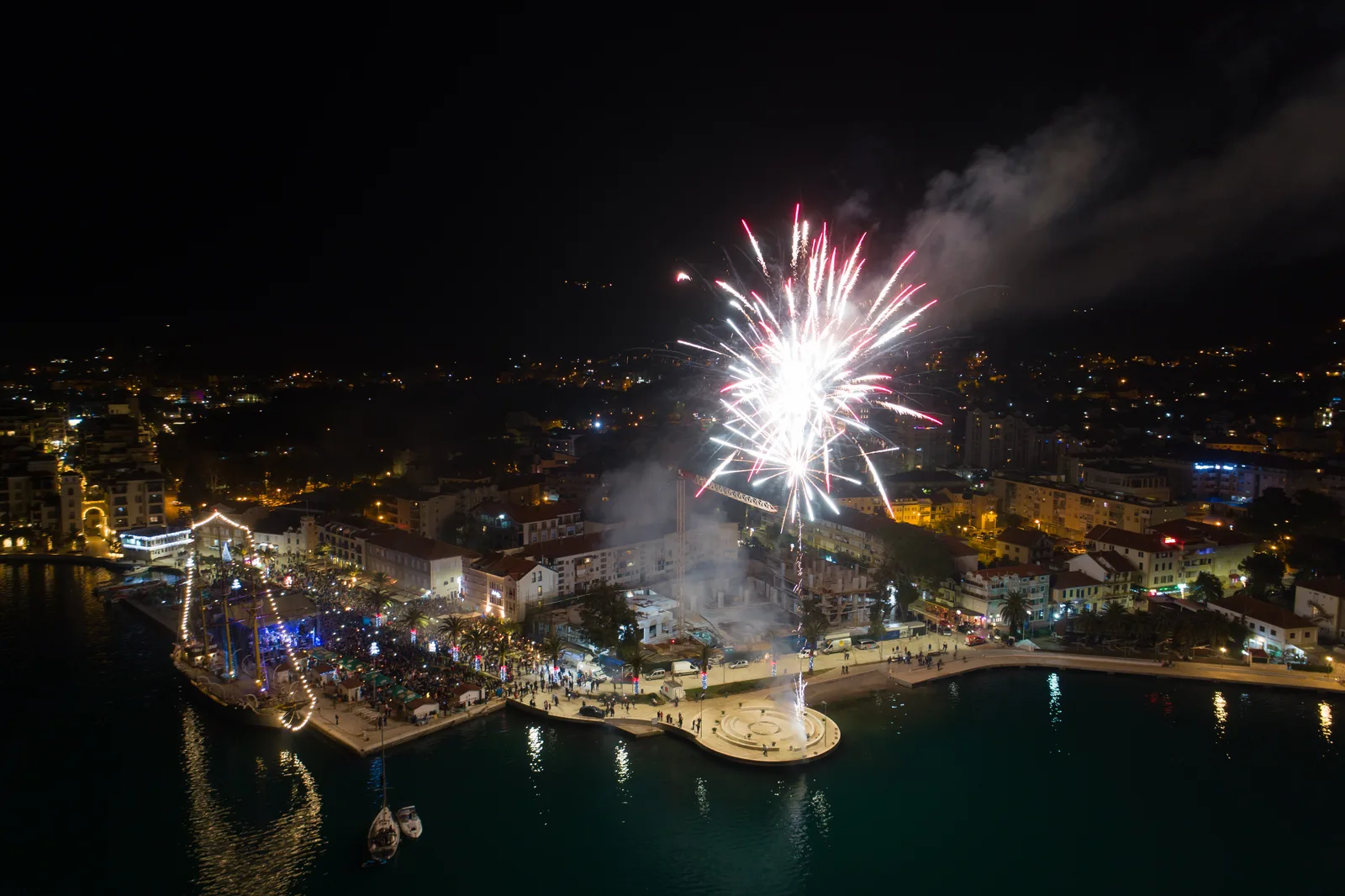
Statehood Day (Dan državnosti), July 13th is the older and heavier of the two. It marks July 13, 1878, when the Great Powers at the Congress of Berlin — Bismarck presiding — recognized Montenegro's independence after centuries of resistance to Ottoman rule. And it marks July 13, 1941, when Montenegrins rose against Italian occupation in what is widely described as the first mass uprising in occupied Europe, liberating much of the country within days. Jean-Paul Sartre reportedly said the uprising "can serve the pride of the peoples of Europe." The main state ceremony is typically held in Cetinje, the old royal capital, with wreath-layings, military honors, and speeches that braid 1878 and 1941 into a single thread of defiance.
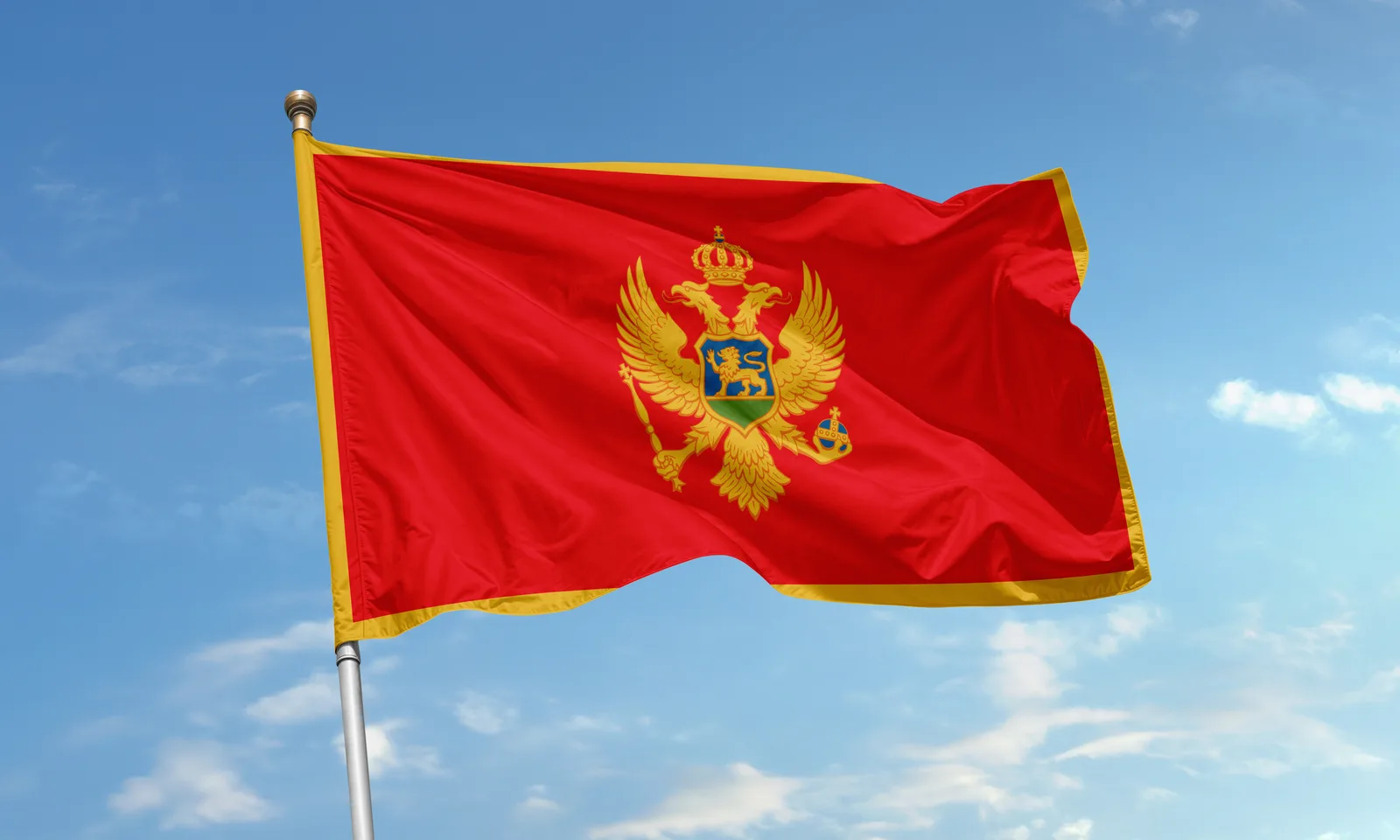
So where America compresses its entire founding mythology into one date, Montenegro spreads its story across the calendar: May for the modern rebirth, July for the ancient recognition and the wartime resistance.
Same fire, different fuel
Revolution vs. referendum. The deepest contrast is in how independence arrived. America's founding story is one of armed revolution — a war fought and won. Montenegro's modern independence came through one of the most disciplined democratic exercises in recent European history, a peaceful vote monitored by the EU. Yet Montenegro's older story, the one honored on July 13th, is every bit as martial as America's: Ottoman wars, the 1941 uprising, King Nikola's mountain kingdom. Both nations, in other words, keep a musket in the attic and a ballot on the mantel — they just display them in different rooms.
Continuity vs. restoration. America celebrates 250 unbroken years. Montenegro's independence was won in 1878, extinguished in 1918 when the country was absorbed into the Kingdom of Serbs, Croats and Slovenes, and restored in 2006. That 88-year gap gives Montenegrin national days a texture July 4th lacks: they are not just birthdays but homecomings. The word Montenegrins use is telling — the referendum restored (obnovila) independence rather than created it.
The table. Both holidays are, ultimately, about eating outdoors with people you love. The American spread is burgers, ribs, corn on the cob, and anything that fits on a grill. The Montenegrin table leans on Njeguški pršut (mountain-smoked ham), kačamak and cicvara (rib-sticking cornmeal dishes born of shepherd country), priganice (fried dough with honey or cheese), and wine from the Plantaže vineyards. Different menus, identical instinct: sovereignty tastes better with family.
The soundtrack. America: Sousa marches, country headliners, stadium anthems, the 1812 Overture with real cannon. Montenegro: pop-rock legends like Perper whose songs double as national memory, gusle epics, and the brass orchestras of Boka Bay villages — ensembles older than some countries.
What each could borrow from the other
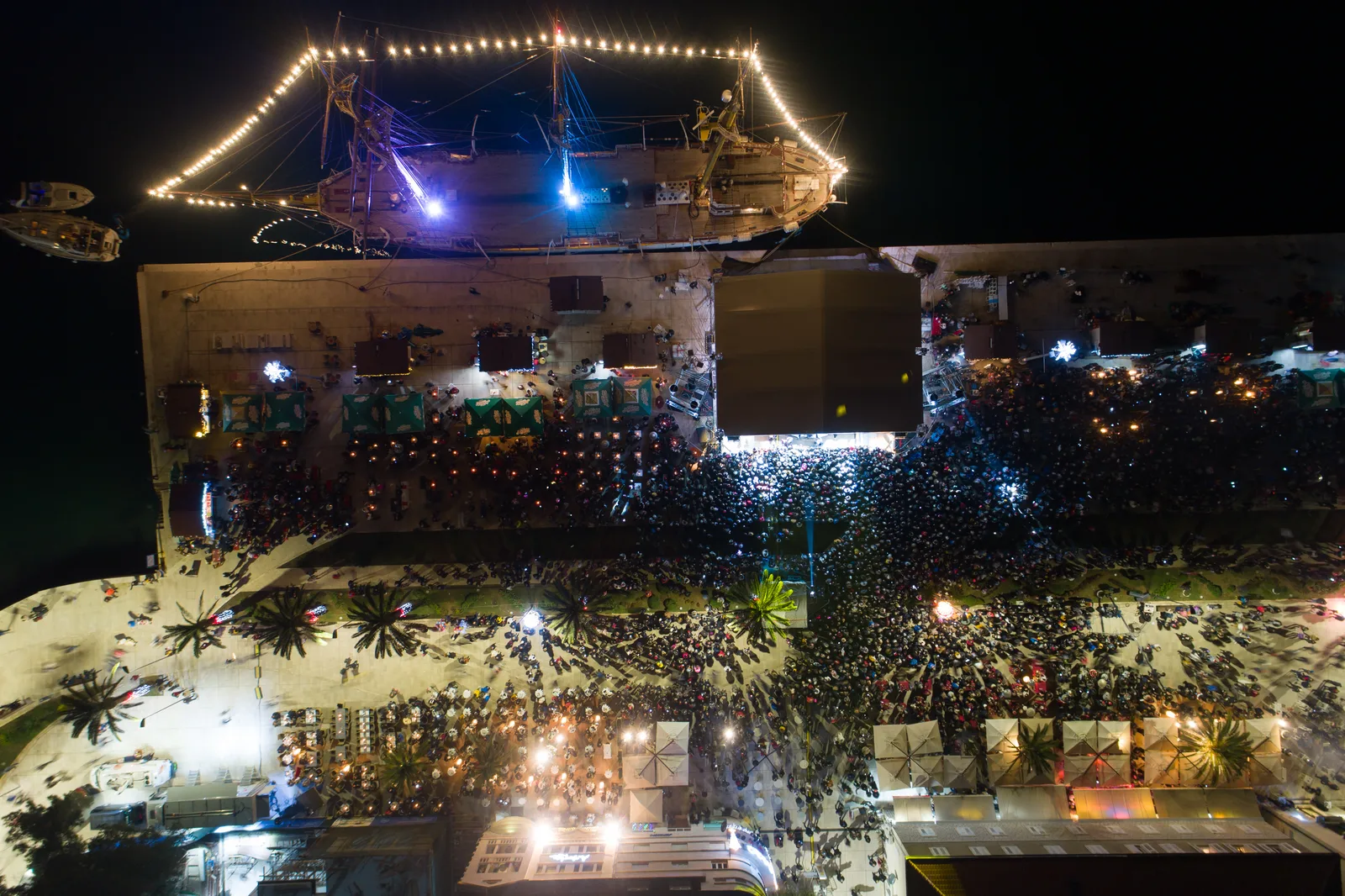
An American visitor to Montenegro in late May would recognize almost everything — the flags, the fireworks, the packed café terraces — but might be struck by how close the whole thing feels. In a nation where the founding referendum passed by 2,300 votes, nearly everyone knows someone who voted, and plenty who voted the other way. Independence is not an abstraction inherited across ten generations; it is a living memory with a receipt.
A Montenegrin visitor to America this weekend, watching a country throw itself a 250th birthday party with tall ships, drone swarms, and a time capsule addressed to the year 2276, might be struck by the opposite: the sheer confidence of a nation that assumes, without much anxiety, that someone will be there in 250 more years to dig the capsule up.
Maybe that is the real trade on offer. Montenegro reminds us that independence is fragile — winnable, losable, and winnable again. America insists that it is permanent. Nine days apart every July, both light the same fireworks and, for one evening at least, both are right.