From the ArchivesCreated May 17, 2016Updated June 28, 20265 min readby Pavle Obradović
Krtoli (Luštica peninsula, Tivat, Montenegro)
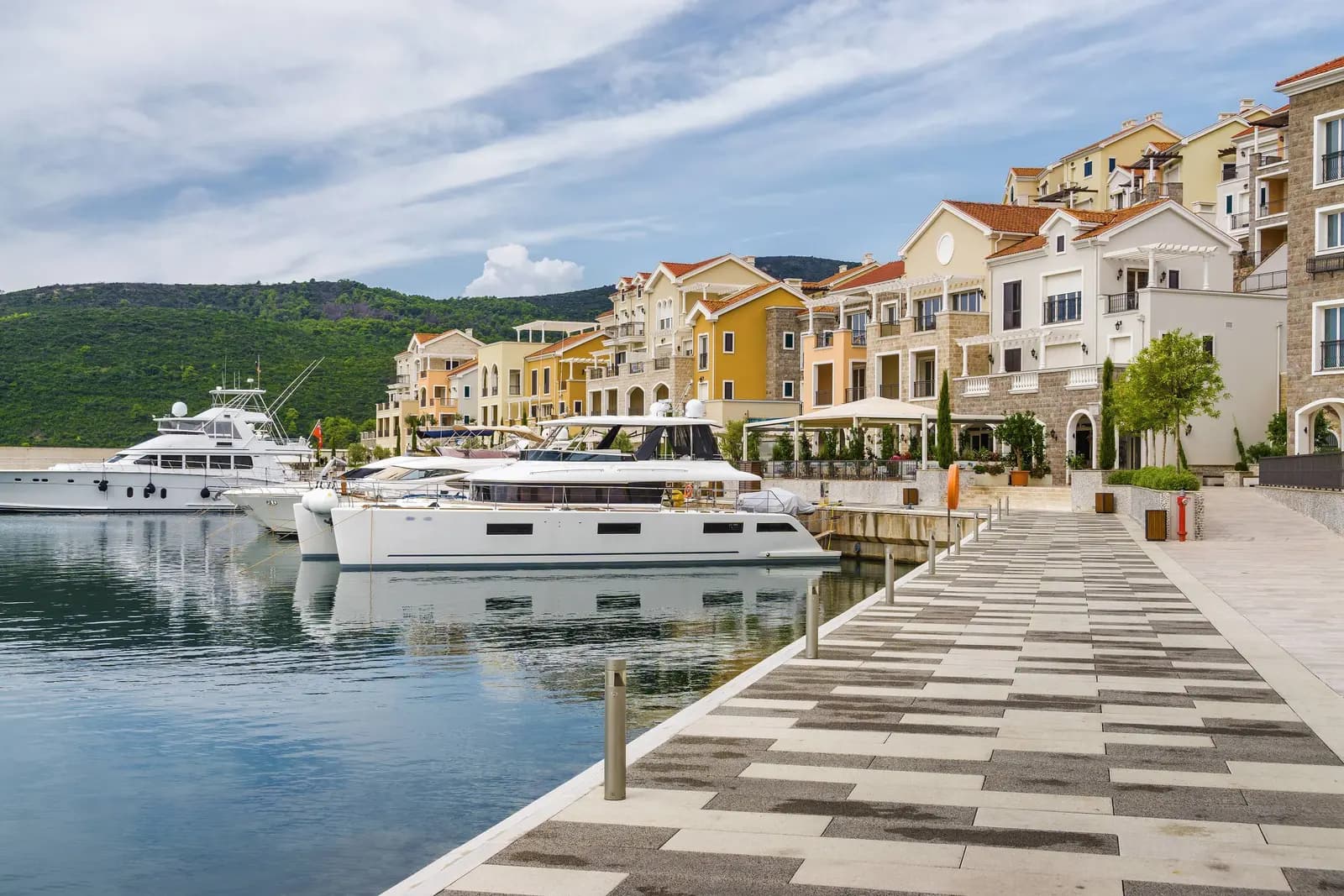
Krtoli today covers more than half of the municipality of Tivat, numerous picturesque villages, Soliotsko polje and an archipelago with three unique islands. The tubers were
Krtoli (Luštica peninsula, Tivat, Montenegro)
Krtoli today covers more than half of the municipality of Tivat, numerous picturesque villages, Soliotsko polje and an archipelago with three unique islands. Krtoli were the metoh of the island monastery of St. Archangel Michael. The first vernacular school in Montenegro works here.
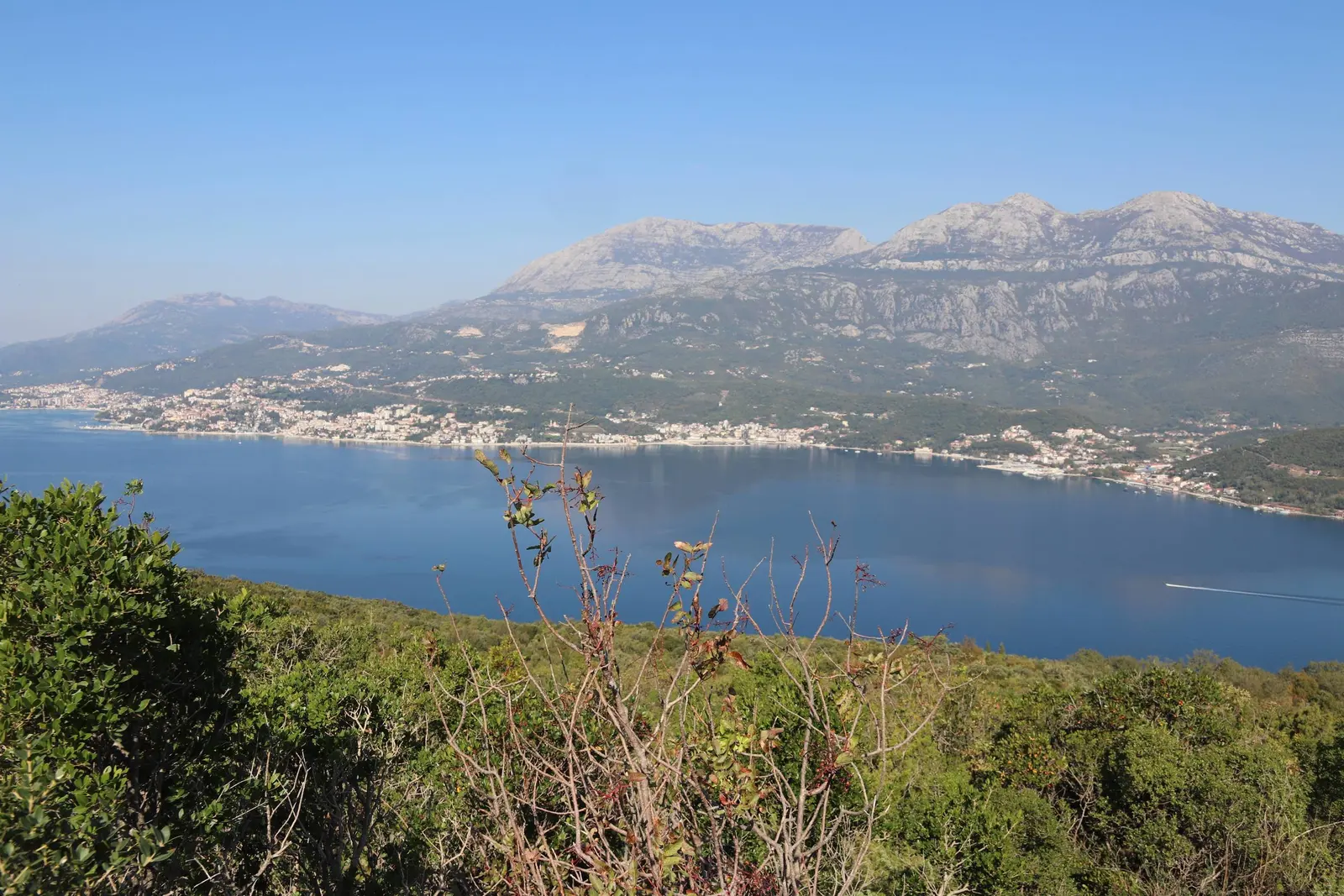
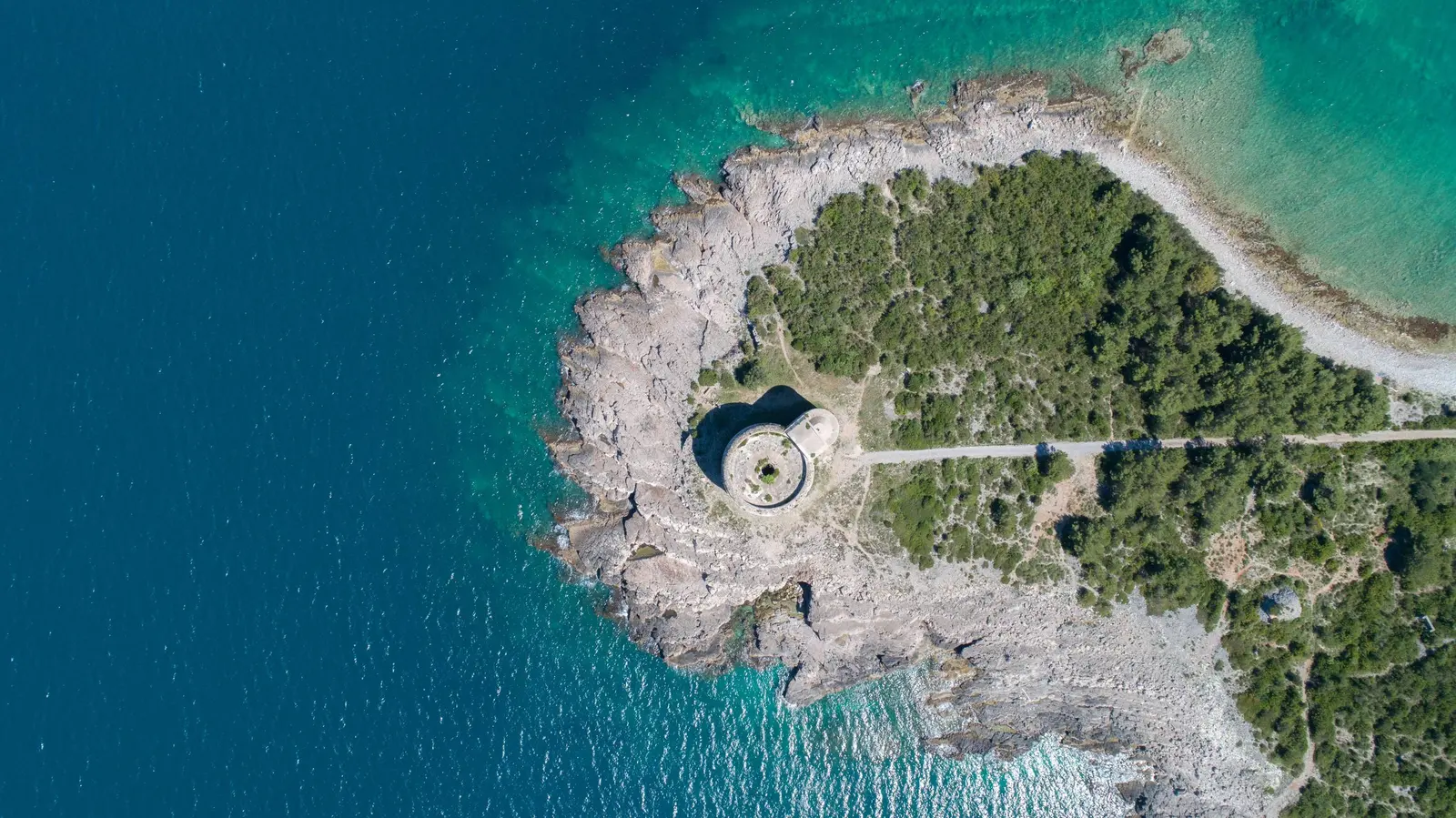
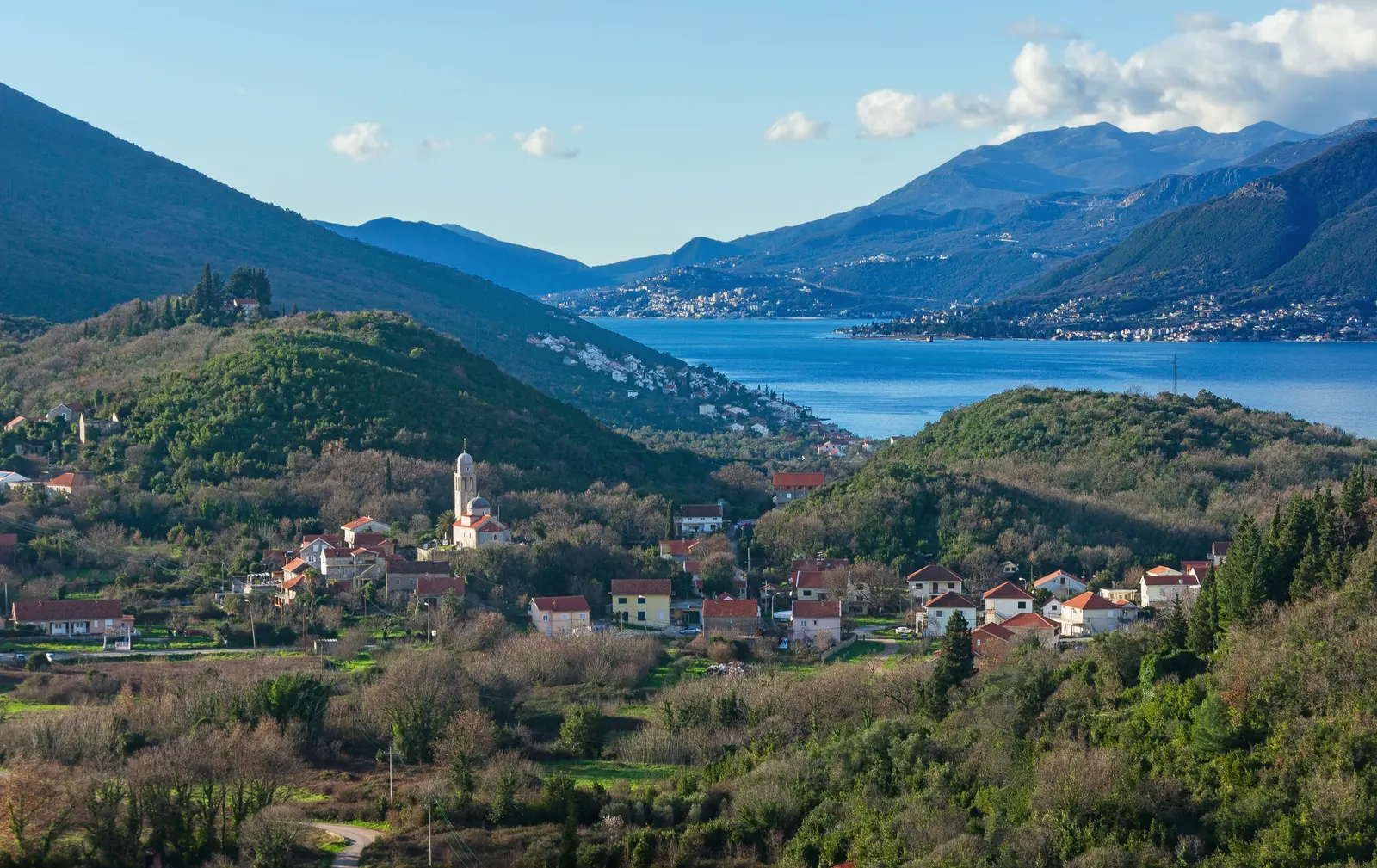
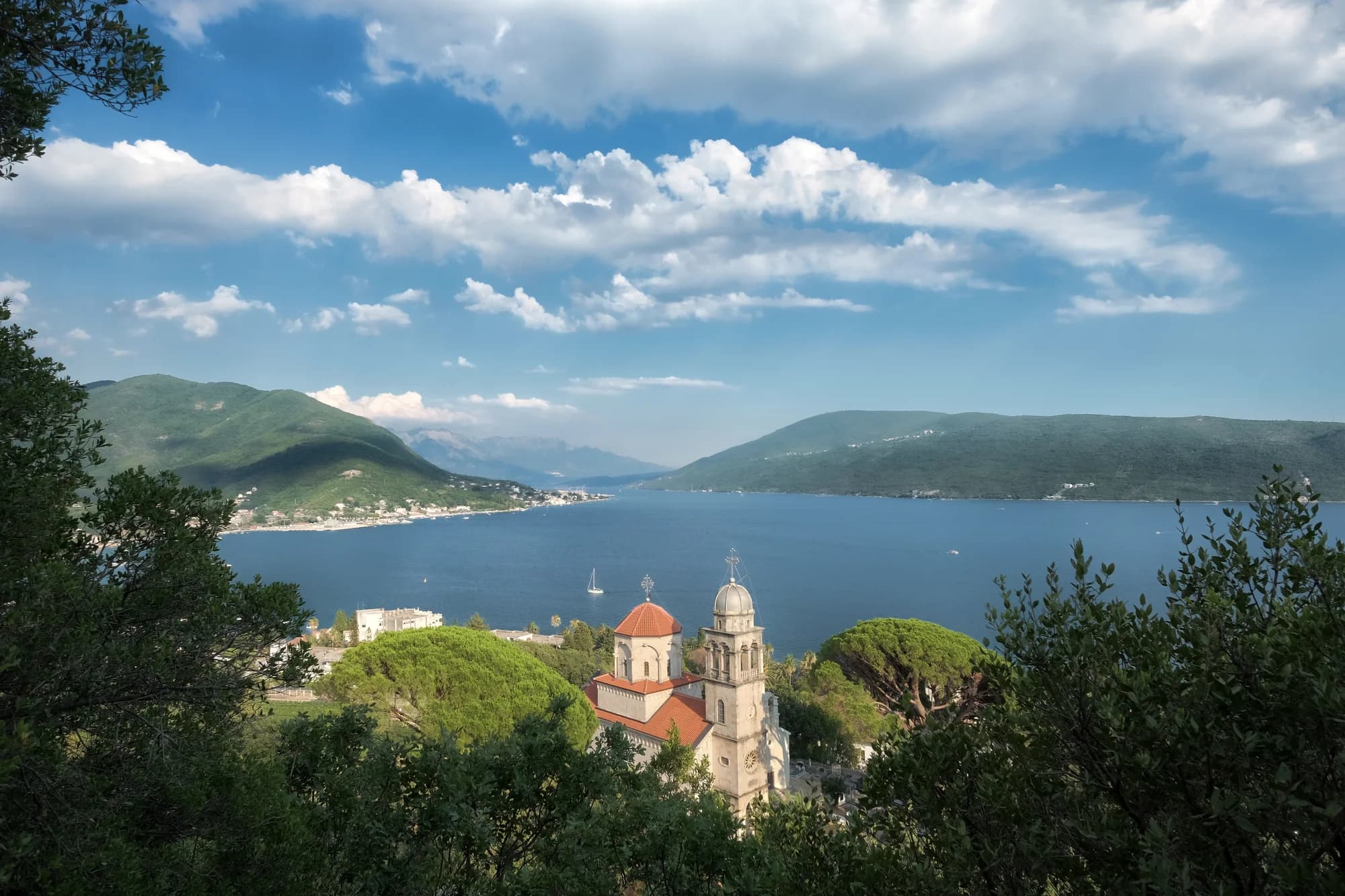
In Boka Kotorska (Montenegro) there are two large peninsulas, Vrmac (between Kotor and Tivat) and the larger one - Luštica, from the entrance to the Bay to Trašte Bay. For the most part, the area of Krtolâ geographically, it belongs to the Luštica peninsula, and is located between the open sea and the sea of Boka Kotorska.
Krtol is easy to reach (see Radovići). All the towns there are located either on low nearby hills, or right next to the coast. We are talking about the Radovići as the largest (see that), Đuraševići, Marići, Bogišići, Milovići, Nikovići, Kostići, Gošići, and Bjelili, Kaluđerovina, Krašići.
Krtoli as a whole has long been a metoh (monastic area) of the island's Orthodox monastery of St. Archangel Michael, i.e. area of Miholjsko zbor, once much wider than today's borders of Krtola. The name originates from the 14th century. from Cartolla, meaning a fort on a hill (not from krotol, meaning potato).
Today, the area of Krtola covers more than half of the municipality of Tivat (Montenegro). This area also includes Solila, i.e. Soliotsko polje, and the Sacred Archipelago (Krtoljski Archipelago), with three islands.
Soliotsko polje abounds with both salt and history! Back in the Middle Ages, Solila (a field at almost zero altitude) was furrowed with plots where the sea flowed in with the tide, and evaporated there until it crystallized in August. For centuries, the princes of Zeta, the authorities of Kotor, the Venetians, the Turks of Herzegno have fought each other over the production of salt... History also remembers the enemy's ravages (burying) of the basin.
In an ecological sense, Solila is a region of untouched beauty, full of healing salts and mineral clay, but also a place to observe numerous species of birds. In the area of today's collapsed salt pans, those seasonal visitors are not rare who, undisturbed by no one, smeared with medicinal mud, enjoy the view of the most remote part of the Montenegrin coast, of the three nearby gulf islands...
The spiritual epicenter of the Sacred Krtolje Archipelago is certainly the Miholjska Prevlaka, better known as the Island of Flowers (the island - only when the tide is high!), the former Imperial Lavra. On that piece of land, St. Sava in 1912. laid the foundation for the monastery (St. Michael) and founded the first Zeta bishopric. In the 15th century, the people of Kotor (who invited and accepted the government of the Republic of Venice) poisoned 70 monks and destroyed the Orthodox monastery with ship cannons from the sea, under the pretext of suppressing the peasant uprising, the so-called Grbalj riot. At her own expense, Countess Ekaterina Vlastelinović restored the monastery in 1883, and on the top of the island erected the church of St. The Trinity, with rosettes and fragments of stone sculpture from the former Svetosava Lavra.
At the end of the last century, the monastery itself was renovated. At the same time, monks and tourists walk on the Island of Flowers. Miholjska isthmus is a spiritual, ecological and botanical oasis, with shallow warm swimming pools, and it is definitely worth visiting.
The neighboring island is so close to Prevlaca that St. Marko (once known as Fr. Archangel Gabriel) can easily swim across! In the second half of the 20th century on the island was built the so-called the Polynesian resort resort of the Paris Club Mediterrane, with bungalows made of wood and palm trees - so exclusive/forbidden that more than half of the currently born Bokeljes have never set foot on it! Although the largest island in the Gulf, it is still uninhabited today, although it is constantly visited by tourist boats and photographed from the sea.
The third island in the archipelago, the shell of Our Lady of Mercy, is connected to St. Marko, so shallow that during the summer low tide, even an ordinary boat needs to be careful here! Church dedicated to the conception of St. The Virgin Mary, and the monastery surrounded by a rampart, were built in 1524. Until 1800, Franciscans lived there. The complex was rebuilt in 1900. It is still alive today.
On the eastern side of the archipelago is Tivat (see that). On the western side - all settlements of Krtol. In 1776, the first school in the vernacular Serbian language in Montenegro opened in Krtoli.
Church of St. Dominating the landscape of the continental peninsula is the cathedral church of the whole of Krtola (see Radovići).
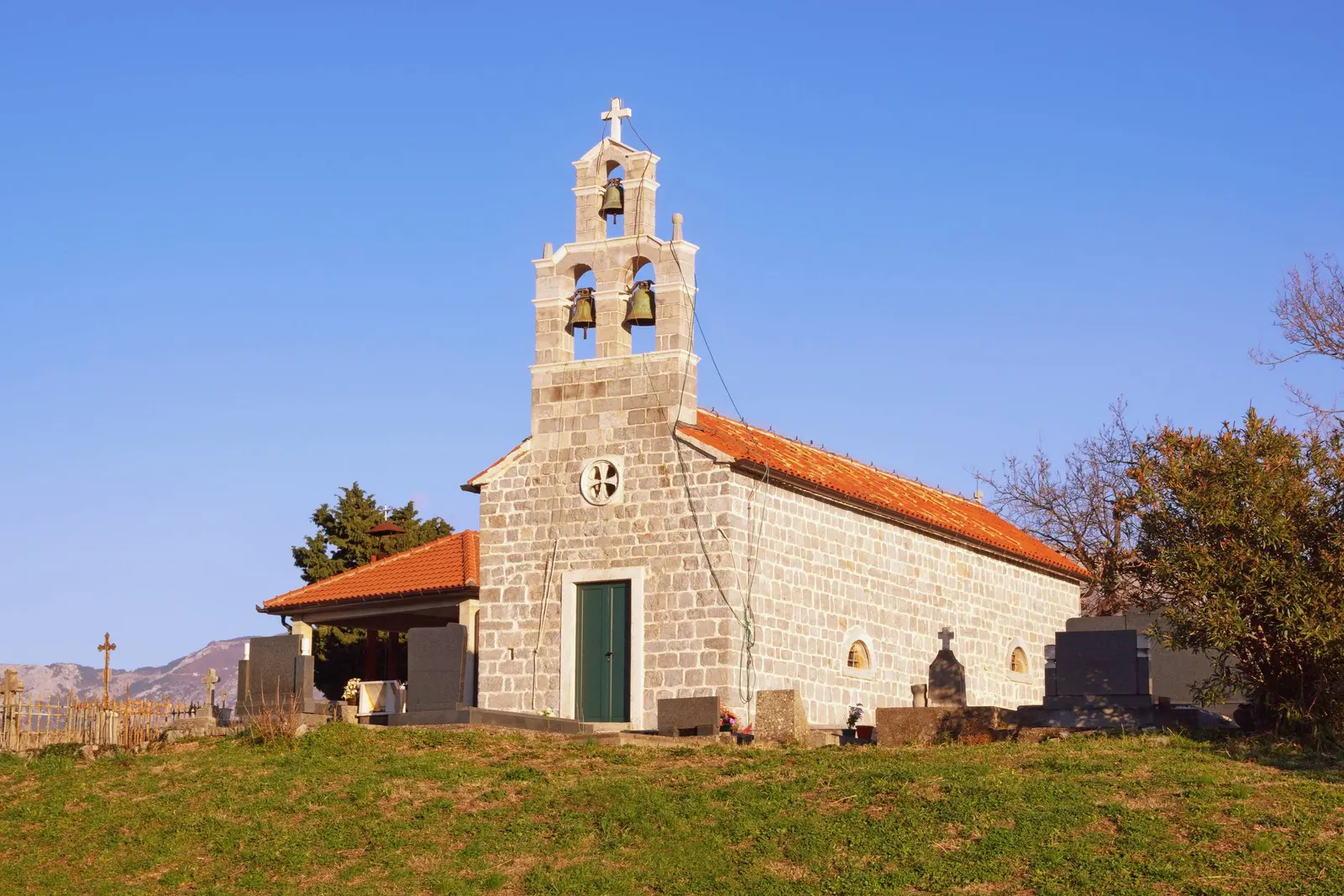
In Bogišići there is St. Ivan, in the immediate vicinity of the church of St. John. The church of St. Jovana Preteče is a one-nave building from 1776.
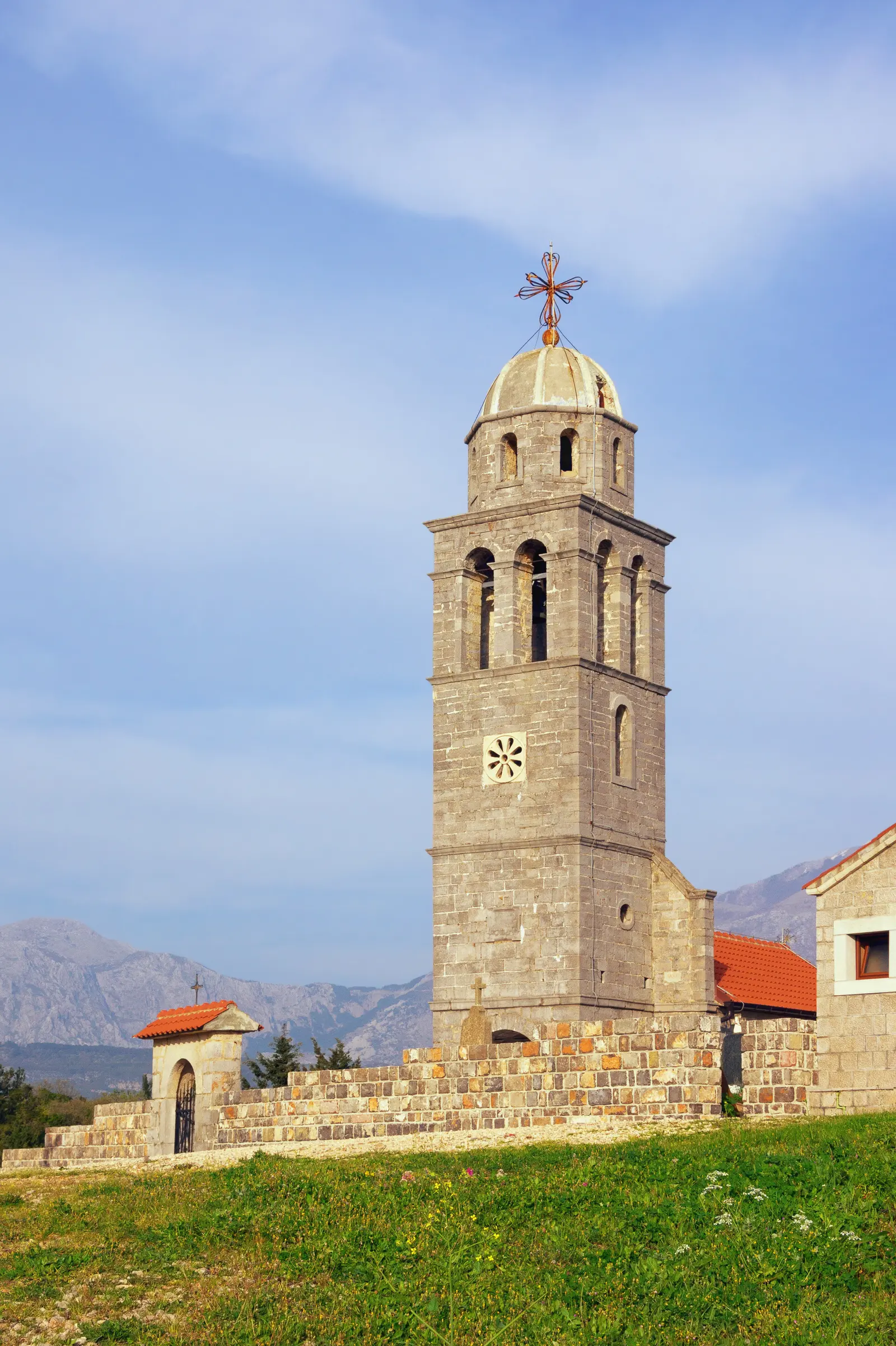
The one-nave temple of St. The port with a semicircular apse and a high bell tower is located in the town of Gošići, on the site of an older church, rebuilt in 1776.
In Krašići, on the very coast, there is the church of St. Martyr from 1901. A rosette is installed above the stone slab with the inscription. From the 18th c. originates from St. Nikola (Gornji Krašići), a single-nave building with a rectangular apse.
In Đuraševići is the church of St. Archangel Michael from the 18th c.
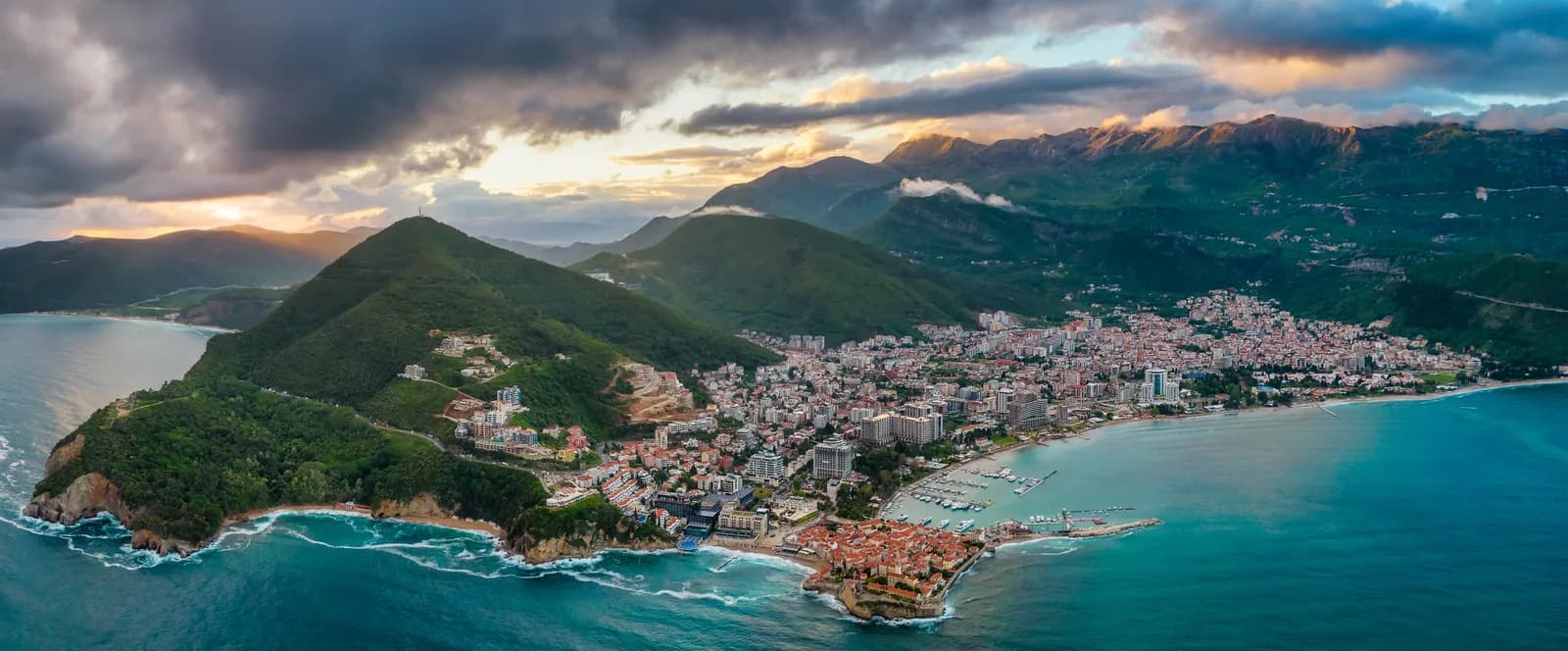
A stay in Krtoli, no matter where you stay, offers a privileged view of as many as three nearby islands, the milky-blue color of the sea of the shallow lagoon, and an easy connection to Tivat, Kotor, Budva (see all that), as well as a trip to the most famous peninsula excursion posts: Plavi horizonti, Rose, Žanjic...
We may earn a commission from partner links. This helps us keep Montenegro.com free for travelers.
Written by
Pavle Obradović
Pavle Obradović is from Herceg Novi. He was Manager of Montenegro.com, then Director of the Herceg Novi Tourism Organization, and is now Coordinator for Investment and Development Projects at the Municipality of Herceg Novi. He holds a BSc in International Hospitality and Service Management from the Rochester Institute of Technology (RIT).