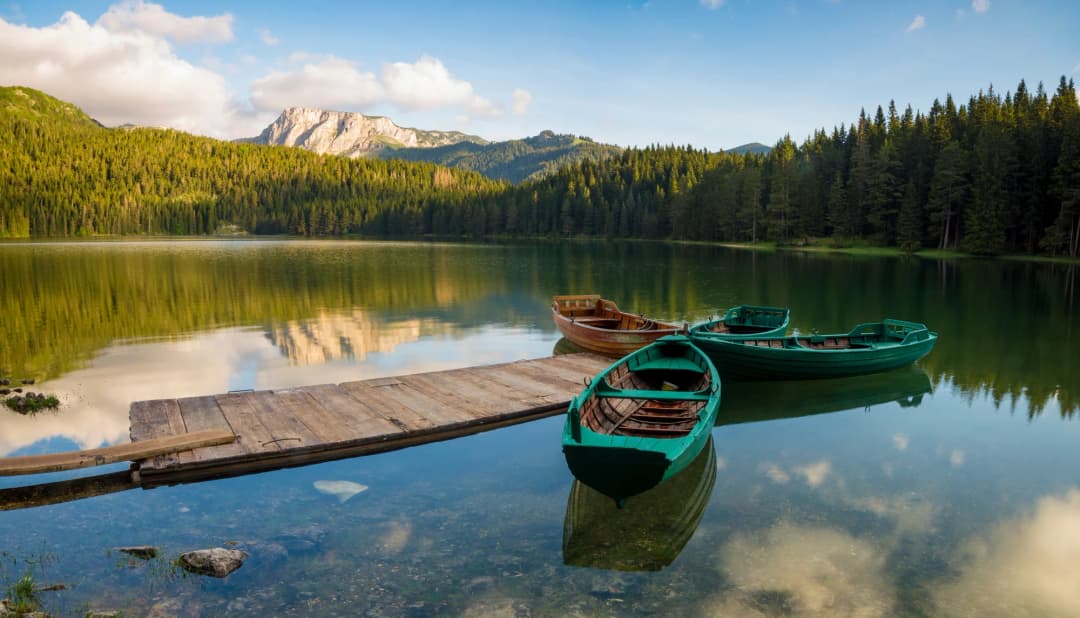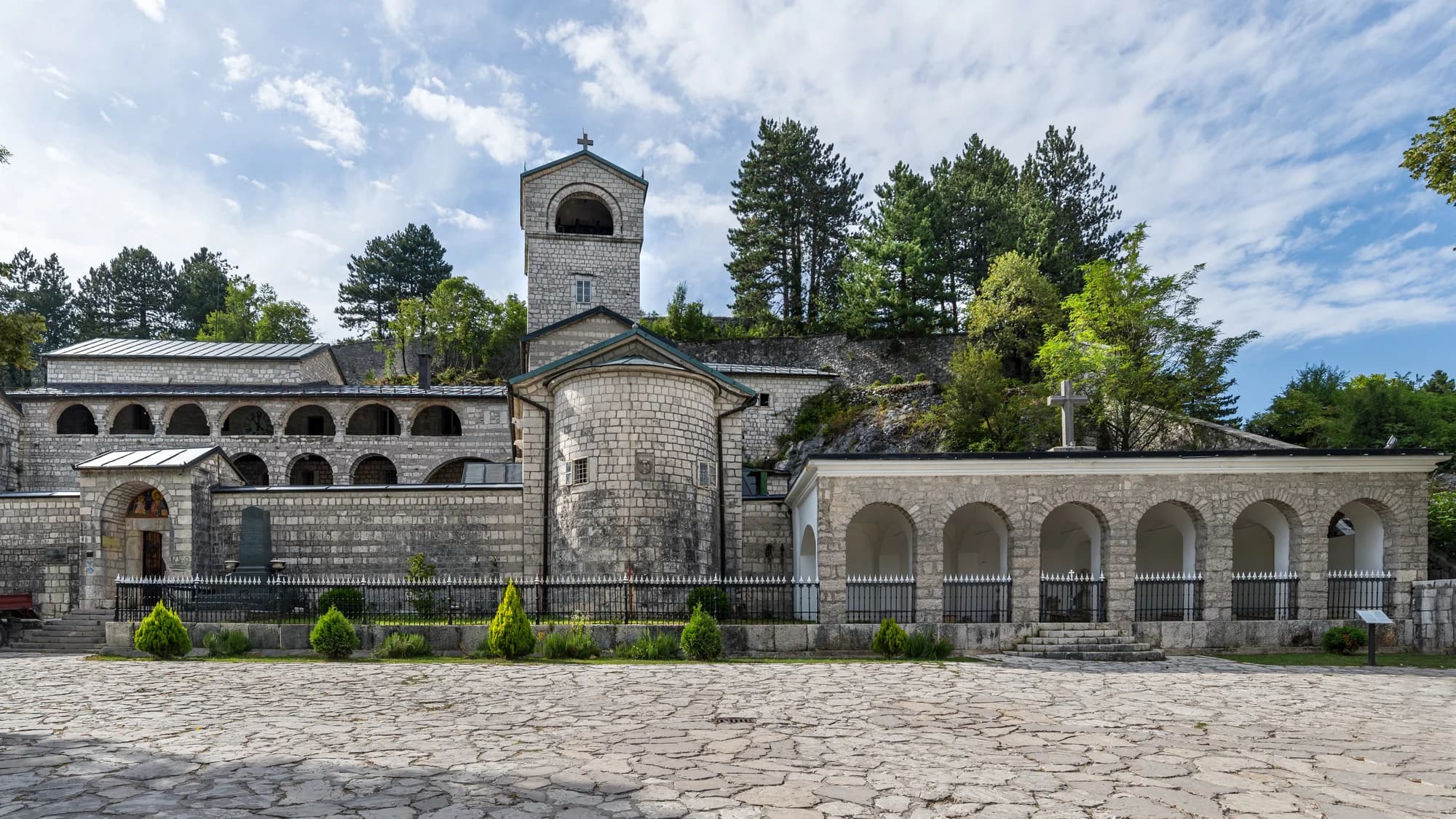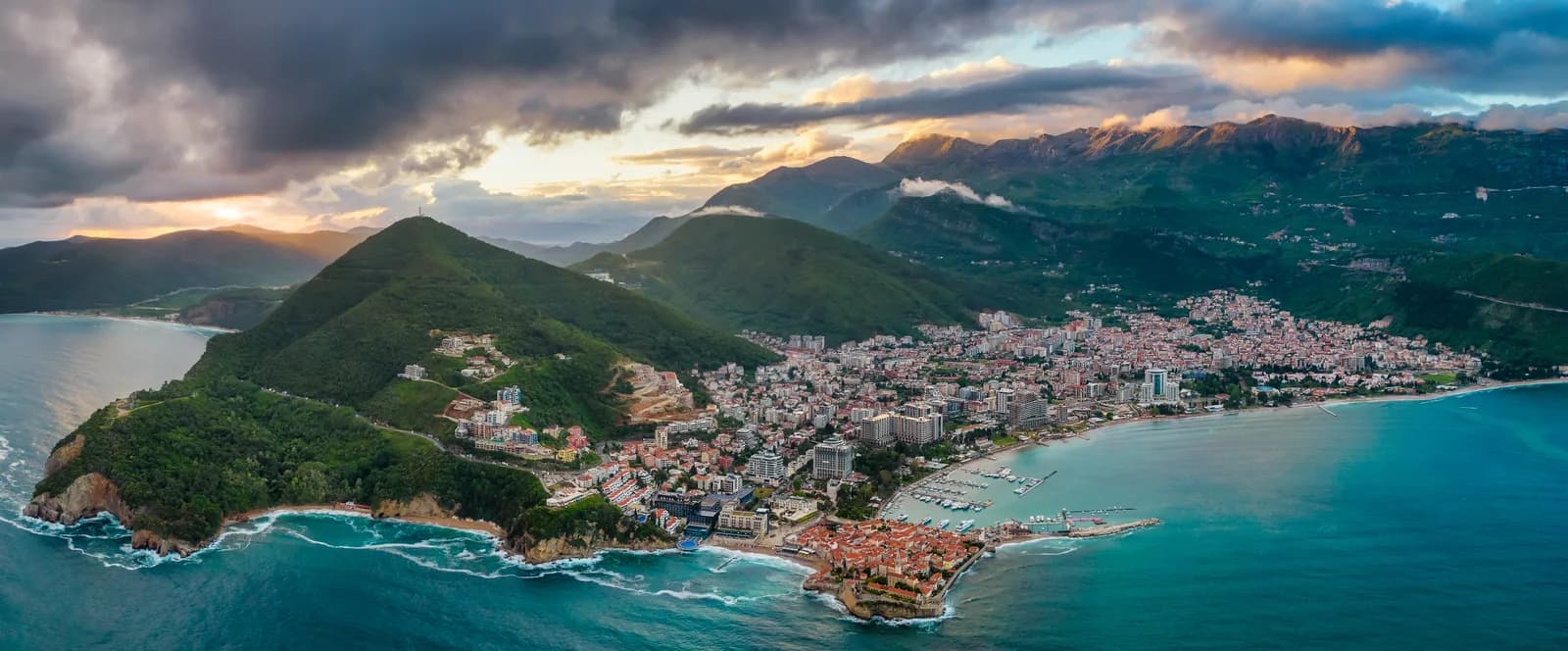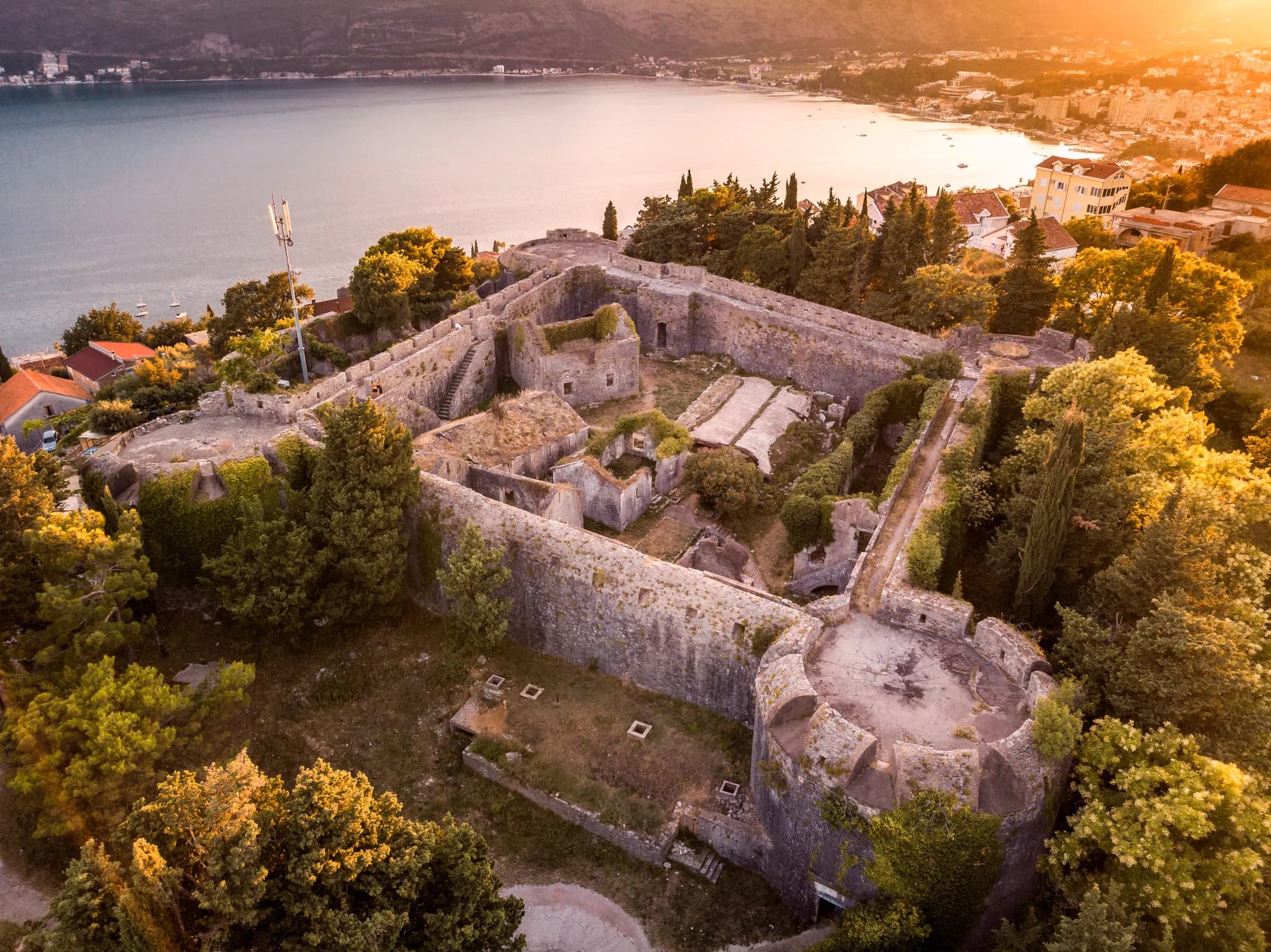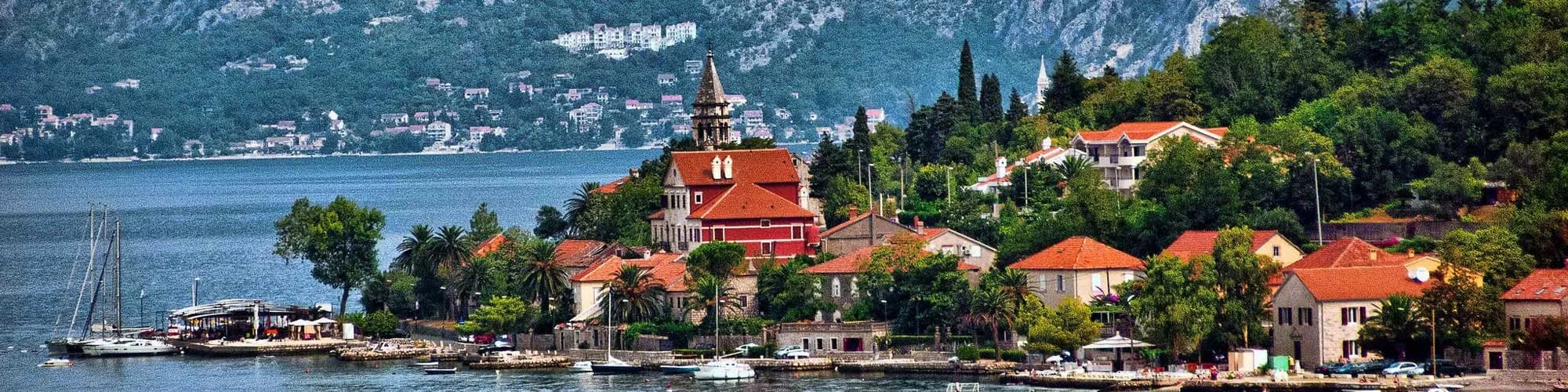
Montenegro (Crna Gora, "Black Mountain") packs a startling amount into a country smaller than Connecticut: a fjord-like Adriatic bay, walled medieval towns, glacial lakes and peaks over 2,000 metres. It is also one of Europe's youngest states and one of its fastest-moving EU candidates, so the practical rules for visiting change often. This FAQ pulls together the questions guests ask us most, with current (2025–2026) facts and authoritative sources for each answer. Items that are time-sensitive are flagged inline.
Country basics & history
When did Montenegro become independent?
Montenegro became an independent state in 2006. An independence referendum held on 21 May 2006 passed with 55.5% in favour, just clearing the 55% threshold set by the EU, and the parliament formally declared independence on 3 June 2006, dissolving the State Union of Serbia and Montenegro.[4][5] Montenegro had earlier been part of the Kingdom of Yugoslavia and then socialist Yugoslavia; when most of that federation broke up in the early 1990s, Montenegro remained joined with Serbia until the 2006 vote.
What is the capital, and what language do people speak?
The capital and largest city is Podgorica; the smaller town of Cetinje is recognised as the honorary Old Royal Capital.[4] The official language is Montenegrin (written in both Latin and Cyrillic alphabets, which are constitutionally equal), and Serbian, Bosnian, Albanian and Croatian are also in official use.[9] These languages are mutually intelligible, and English is widely spoken in hotels, restaurants and tourist areas along the coast.
What religion is most common?
The majority religion is Eastern Orthodox Christianity — about 71% of the population according to the official 2023 census — followed by Islam (around 20%) and Roman Catholicism (around 3%).[4]
What are the flag, time zone and national days?
The Montenegrin flag is a red field with a gold border and the national coat of arms in the centre — a golden, crowned double-headed eagle bearing a shield with a lion on its chest.[27] Montenegro keeps Central European Time (UTC+1), switching to Central European Summer Time (UTC+2) from late March to late October.[4] The two main national holidays are Independence Day on 21 May (marking the 2006 referendum) and Statehood Day on 13 July.
Government, the EU, NATO & the euro
Is Montenegro in the EU?
Not yet. Montenegro has been an official EU candidate since December 2010; it applied in 2008 and opened accession negotiations on 29 June 2012. It is currently the front-runner among candidate countries: as of 2026 all 33 negotiating chapters are open and around 16 have been provisionally closed, and the government is targeting 2028 to become the EU's 28th member.[6][8] (The 2028 date is a working target, not a guarantee — chapter counts and timelines move quickly.)
Is Montenegro in NATO?
Yes. Montenegro joined NATO on 5 June 2017 as the alliance's 29th member.[4]
What currency does Montenegro use?
Montenegro uses the euro (€), even though it is neither an EU member nor part of the Eurozone. It adopted the euro unilaterally in 2002 (having used the Deutsche Mark from 1999), and is one of only two territories — the other being Kosovo — that use the euro without a formal monetary agreement with the EU.[7][4] In practice this means no currency exchange is needed for euro-zone visitors.
Entry & visa rules
Do I need a visa to visit Montenegro?
Citizens of the EU/EEA, the UK, the US, Canada, Australia and many other countries can enter visa-free for up to 90 days within any 180-day period for tourism, visiting family or friends, business meetings, and cultural or sporting events. (A few nationalities are limited to 30 days, so always check your own.) Your passport should have been issued less than 10 years before your date of entry and remain valid for at least 3 months beyond your planned departure.[1][3]
Does ETIAS apply to Montenegro?
No. Montenegro is not in the EU or the Schengen Area, so the EU's forthcoming ETIAS travel authorisation (expected to launch around late 2026) is not required to enter Montenegro itself. Importantly, time spent in Montenegro does not count toward the Schengen 90-days-in-180 limit.[1] ETIAS will only matter if your trip also passes through Schengen countries. (Separately, Montenegro is developing its own national electronic entry system for the future; it is distinct from EU ETIAS.)
What is the "white card" registration rule?
Every visitor must be registered with the local police/tourist authority within 24 hours of arrival — the registration slip is informally called the "white card." If you stay in a hotel or licensed accommodation, they do this for you automatically. If you stay in a private apartment or with friends, you (or your host) must register it yourself. Keep the confirmation: failure to register can lead to fines on departure.[1] Registration is tied to the tourist (sojourn) tax described below.
Residency, the digital-nomad visa & buying property
Is there a digital-nomad visa?
Yes. Since 2023 Montenegro has issued temporary residence permits and "D" visas for digital nomads — remote workers employed by, or contracting for, companies that are not registered in Montenegro. The residence permit can be granted for up to two years and extended for two more, while the long-stay D visa allows up to 180 days a year. Applicants must show remote income above a set monthly threshold (around €2,000/month as of 2025).[11][12]
Can foreigners buy property in Montenegro?
Largely yes. Foreign individuals can freely buy apartments, houses and commercial premises on the same freehold terms as Montenegrin citizens. The main restriction is on land: foreigners generally cannot directly own agricultural or forest land, land within roughly one kilometre of the border, islands, or certain protected sites. The standard workaround is to buy such land through a Montenegro-registered company (a d.o.o.), which counts as a domestic entity.[14][15]
How does the buying process and tax work?
The typical process is: sign a notarised sales contract, then register ownership in the real-estate cadastre, with transfer tax due shortly after (within about 15 days).[14] Since 1 January 2024 the real-estate transfer tax on resale property is progressive, not a flat rate: 3% up to €150,000; €4,500 + 5% on the part from €150,000 to €500,000; and €22,000 + 6% on anything above €500,000. Newly built property is sold with 21% VAT instead of transfer tax.[13] Engaging a local lawyer is strongly advised.
Money, costs & tourist tax
Cash or card, and are ATMs easy to find?
The euro is used everywhere. Cards are widely accepted in hotels, larger restaurants and shops in towns and along the coast, and ATMs are common in cities and resorts. It is still wise to carry some cash for small cafés, markets, taxis, parking and rural areas, where cards may not be taken.
How much is the tourist (sojourn) tax?
Montenegro charges a small per-person, per-night sojourn tax of roughly €1 per adult per night (it varies slightly by municipality, typically €0.70–€1.10). Children aged 12–18 usually pay about half, and under-12s are normally exempt. Your accommodation collects it and it is linked to your white-card registration.[16]
Is tipping expected?
Tipping is customary but not mandatory. In restaurants, rounding up or leaving about 10% for good service is normal; for cafés and taxis, rounding up the bill is fine.
Getting there & getting around
Which airport should I fly into?
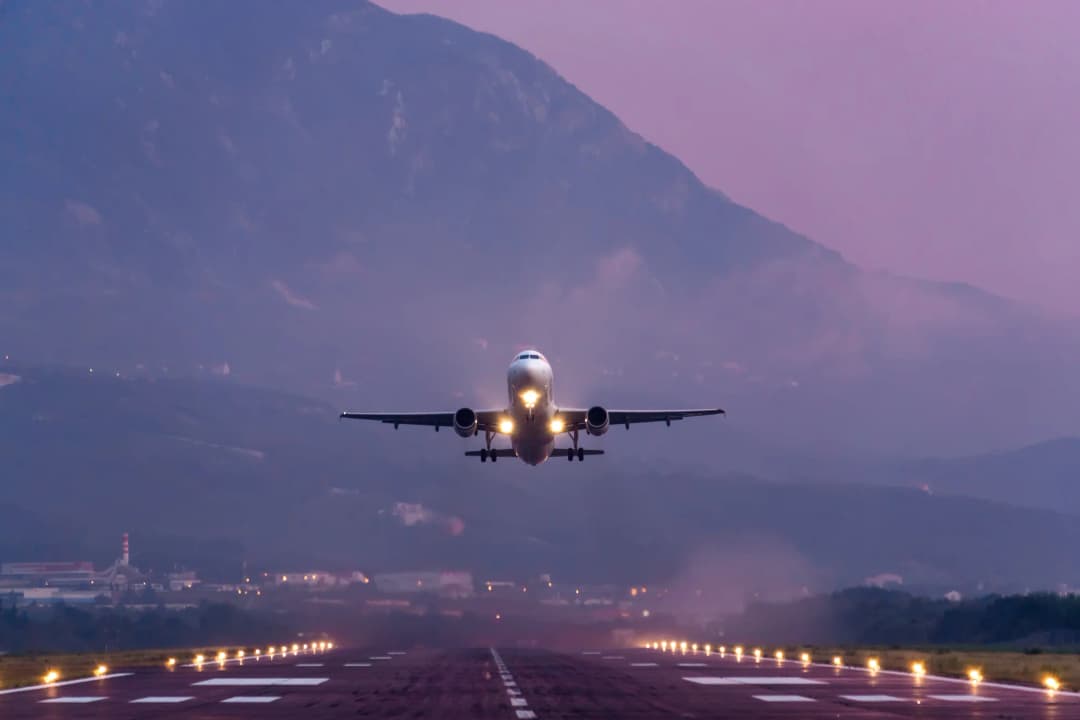
Montenegro has two international airports: Podgorica (TGD), the capital's airport, and Tivat (TIV) on the coast. For the Bay of Kotor and the Budva Riviera, Tivat is by far the closest — only about 8 km (roughly 15 minutes) from Kotor — whereas Podgorica is around 82 km (about 1 hour 20 minutes) away.[17] Many visitors also fly into Dubrovnik (DBV) in Croatia, which is about 139 km / under three hours' drive to Podgorica (and even closer to the northern bay), crossing the Croatia–Montenegro border on the way; Tirana in Albania is another option for the south.[18]
What should I know about driving?
Montenegro's road rules are strict and enforced. Seat belts are mandatory and dipped headlights must be on at all times, day and night, year-round. The drink-driving limit is just 0.03% blood alcohol — less than half the UK/US limit, and effectively zero for young, professional and heavy-vehicle drivers. Speeding by as little as 10 km/h over the limit is fineable, and traffic penalties range from €20 fines up to €6,000 or even prison for serious offences.[2][3] Carry your full national driving licence; an International Driving Permit is recommended as a precaution — confirm the current requirement for your country with the FCDO or US State Department advisory before you travel.
Are there tolls, and do I need a vignette?
No motorway vignette is required. Where tolls exist they are paid at staffed barrier plazas by cash or card. The country's first motorway section (the Bar–Boljare A-1, Smokovac–Mateševo stretch) charges about €3.50 for a car at the Smokovac plaza, and the Sozina tunnel between Podgorica and the coast is also tolled.[19][2] To rent a car you generally need to be at least 21 and to have held your licence for one to two years; younger-driver surcharges may apply.[20]
Practical travel info
When is the best time to visit?
The peak season is July and August, when the coast is busiest and accommodation books out well in advance. Most travellers find June and September the ideal months — warm, sunny and far less crowded.[21] The coast has a Mediterranean climate (hot, dry summers and mild winters), while the mountainous north is sub-alpine, with winter temperatures that can fall to −15 °C or lower and a full ski season.[21]
Is the tap water safe, and what about plugs and phones?
Tap water is generally safe to drink in the main towns and along the coast.[23] Electricity is 230 V, 50 Hz, using the standard continental European Type C and Type F plugs, so most European devices work without an adapter.[22] Mobile coverage is good: the main operators are Crnogorski Telekom, m:tel and One (formerly Telenor), and inexpensive prepaid SIMs are easy to buy. Montenegro and the EU have agreed to progressively cut roaming charges between the EU and the Western Balkans, but full EU "Roam Like at Home" parity is being phased in (targeted around 2028) and is not yet in force, so check your operator's current roaming rates.[24]
What are the emergency numbers?
The single European emergency number 112 works throughout Montenegro. You can also dial 122 for police, 123 for the fire service and 124 for an ambulance.[25] Montenegro is generally a safe destination with low levels of violent crime; normal precautions apply, and comprehensive travel insurance is recommended as Montenegro is outside the EU healthcare system.
Top regions & destinations
What are the must-see places?
The headline sight is the Bay of Kotor, a dramatic, fjord-like inlet ringed by mountains. Kotor's fortified old town and the wider bay form a UNESCO World Heritage Site — the "Natural and Culturo-Historical Region of Kotor," inscribed in 1979.[26] Nearby, Budva is famous for its walled medieval old town and lively summer nightlife, and the iconic islet-resort of Sveti Stefan sits just down the coast. Inland, the Ostrog Monastery — carved dramatically into a vertical cliff face — is one of the most important Orthodox pilgrimage sites in the Balkans.
What about nature and national parks?
Montenegro has five national parks: Durmitor, Lake Skadar, Lovćen, Biogradska Gora and Prokletije.[10] Durmitor, in the north, is a UNESCO World Heritage Site and contains the Tara River Canyon — one of the deepest canyons in the world and a magnet for rafting. Lake Skadar, straddling the border with Albania, is the largest lake in Southern Europe, rich in birdlife and dotted with island monasteries and vineyards. Together with the coastline, they make Montenegro an unusually varied destination for its size — you can swim in the Adriatic and stand on a glacier-carved peak on the same day.