From the ArchivesCreated May 17, 2016Updated June 28, 20264 min readby Pavle Obradović
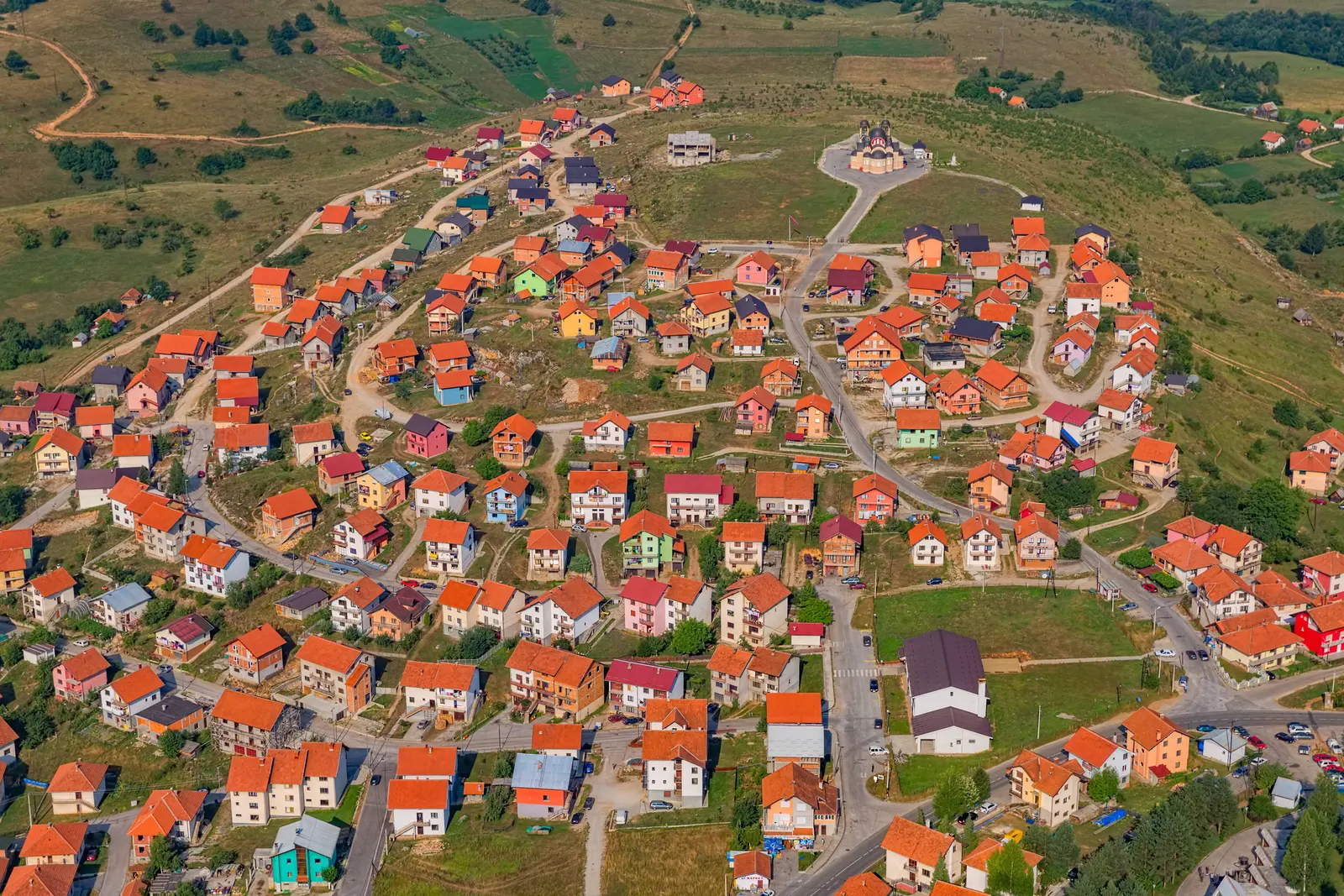
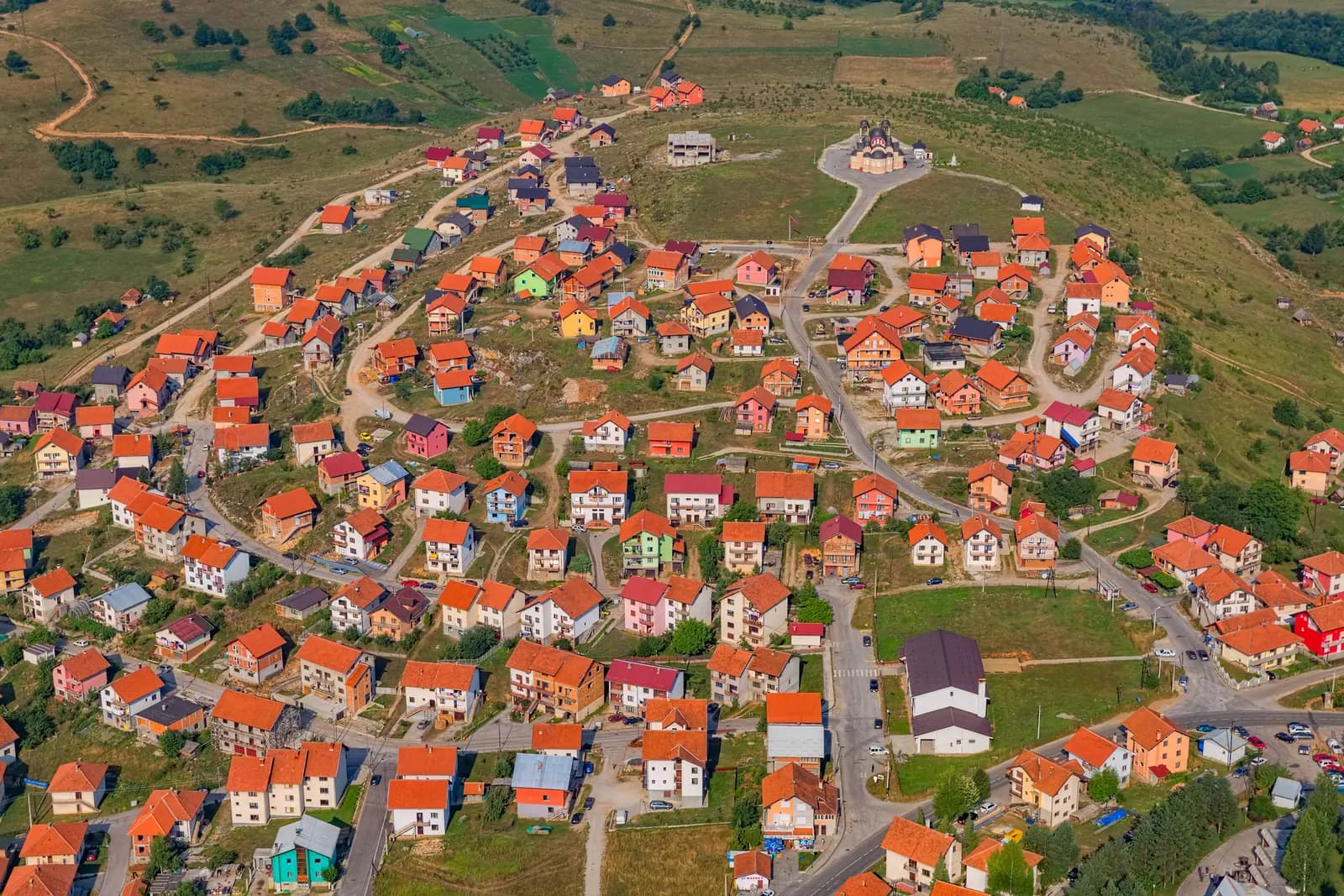
Pljevlja is located in the north of the country, on the triple border of Montenegro, Serbia and Bosnia, in the fertile valleys of the Ćehotina and Breznica rivers. Let's take a look at the history of this town that has been inhabited since ancient times. Let's visit Husein Pasha
Pljevlja is located in the north of the country, on the triple border of Montenegro, Serbia and Bosnia, in the fertile valleys of the Ćehotina and Breznica rivers. Let's take a look at the history of this town that has been inhabited since ancient times. Let's visit the Hussein Pasha mosque with the highest minaret in the area, and the monastery of St. Trojice - the former center of the Copywriting School.
Pljevlja, a city in the far north of Montenegro, can be reached from several directions. From Serbia via Prijepolje, from Bosnia via Rudo and Čajnič, and from Montenegro itself - from Bijelo Polje and Žabljak. Pljevlja is therefore located on the triple border, in the fertile and beautiful valleys of the rivers Ćehotina and Breznica.
On the site of today's city, and in the surrounding area, man has lived since time immemorial. The archaeological site in the canyon of the Ćehotina River testifies to the Middle Paleolithic culture. The nearby village of Comini was an important Roman trading center in the 2nd century. A medieval settlement, named Breznica, is developing at the crossroads of caravan routes from the Primorje to the interior. Breznica lives within the state of Herceg Stjepan, and was first mentioned under the name of Pljevlja in 1430.
The Turks will occupy the city in 1462, continue the trade tradition, develop it, and move the headquarters of the Herzegovinian sandjakat (the main administrative center) here in 1576.
Since almost all the houses were made of wood, they were often known to burn. In 1818, a fire will completely destroy the town. That is why the Turks are moving the administration to Mostar (Herzegovina).
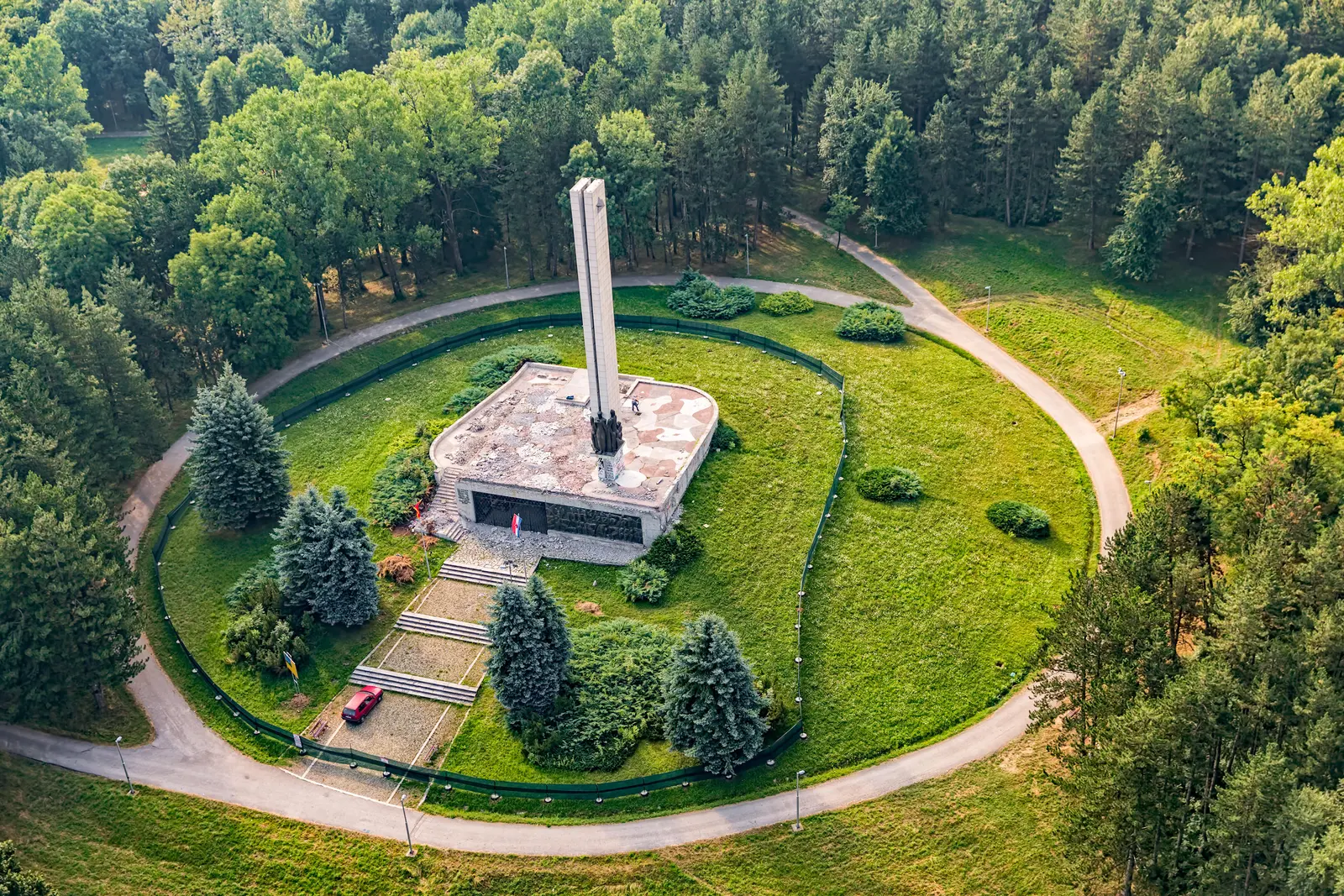
During the Austro-Hungarian rule (from 1878), Pljevlja became a border military post. Montenegrins liberate the city in 1912. In the famous Battle of Pljeval (1941), the Italians decimate young partisans - anti-fascists. A 40 m high monument erected on the nearby peak of Stražice bears witness to this event.
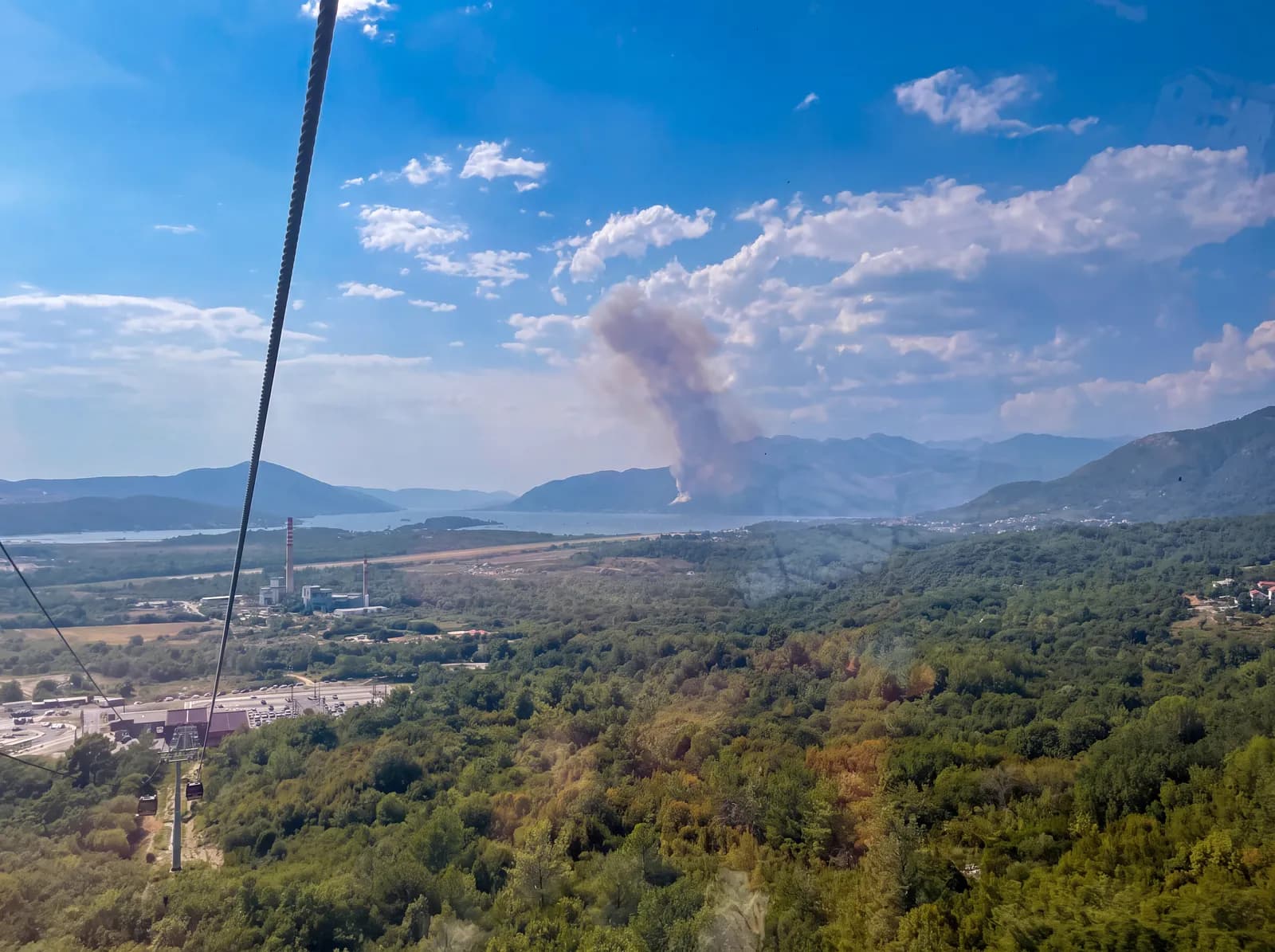
After the Second World War, Pljevlja became an important industrial and mining center of Montenegro, and suffered inevitable changes. Pljevaljski Rudnik provides coal for the Thermal Power Plant, which produces half of the total electricity in the country. High chimneys dominate the panorama and spoil the ecological picture here.
There is not much left to see of the rich history, not even of the old part of the city, whose oriental architecture can only be glimpsed. Nevertheless, the center is sovereignly ruled by the Hussein Pasha Mosque, probably the most beautiful Muslim place of worship and religious monument in Montenegro.
The Turkish travel writer Evlija Celebija wrote about the mosque as the pinnacle of oriental architecture in the 18th century. He built it in the second half of the 16th century. Vizier Hussein Pasha. It is speculated that the architect was the famous Hajrudin, creator of the Mostar Bridge. The mosque is square in shape, with three decorative domes standing above the pillars of the projecting portico. However, the minaret as high as 42 m is what takes your breath away, because it is the highest in the area ex-YU! At the beginning of the 20th century, at the end of the cemetery next to the mosque, a high, stone clock tower was also built. The interior of Hussein Pasha's mosque is decorated with geometric and floral patterns, the central dome and mirhab niche are especially beautifully decorated. Clear red, blue, and gold color dominate.
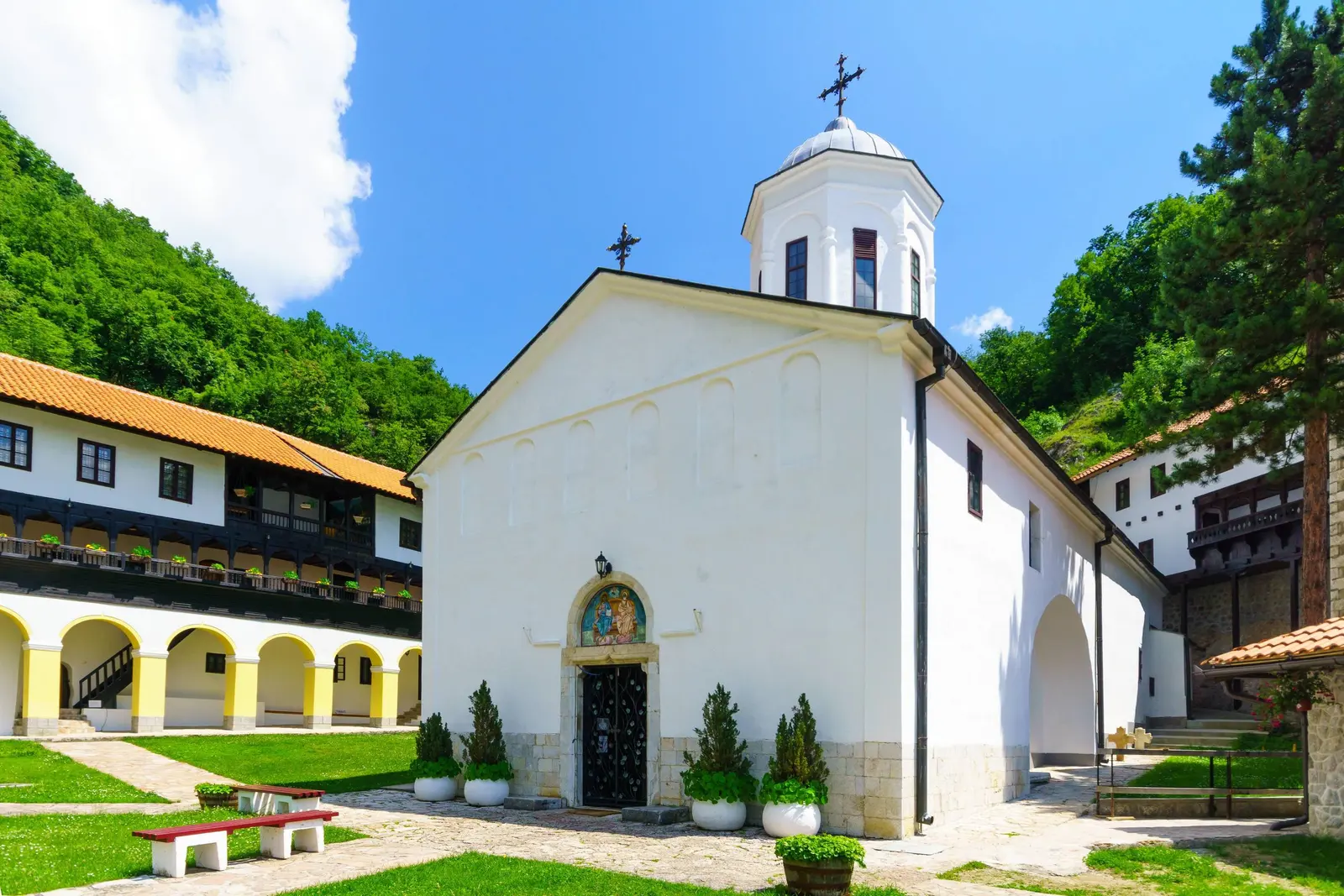
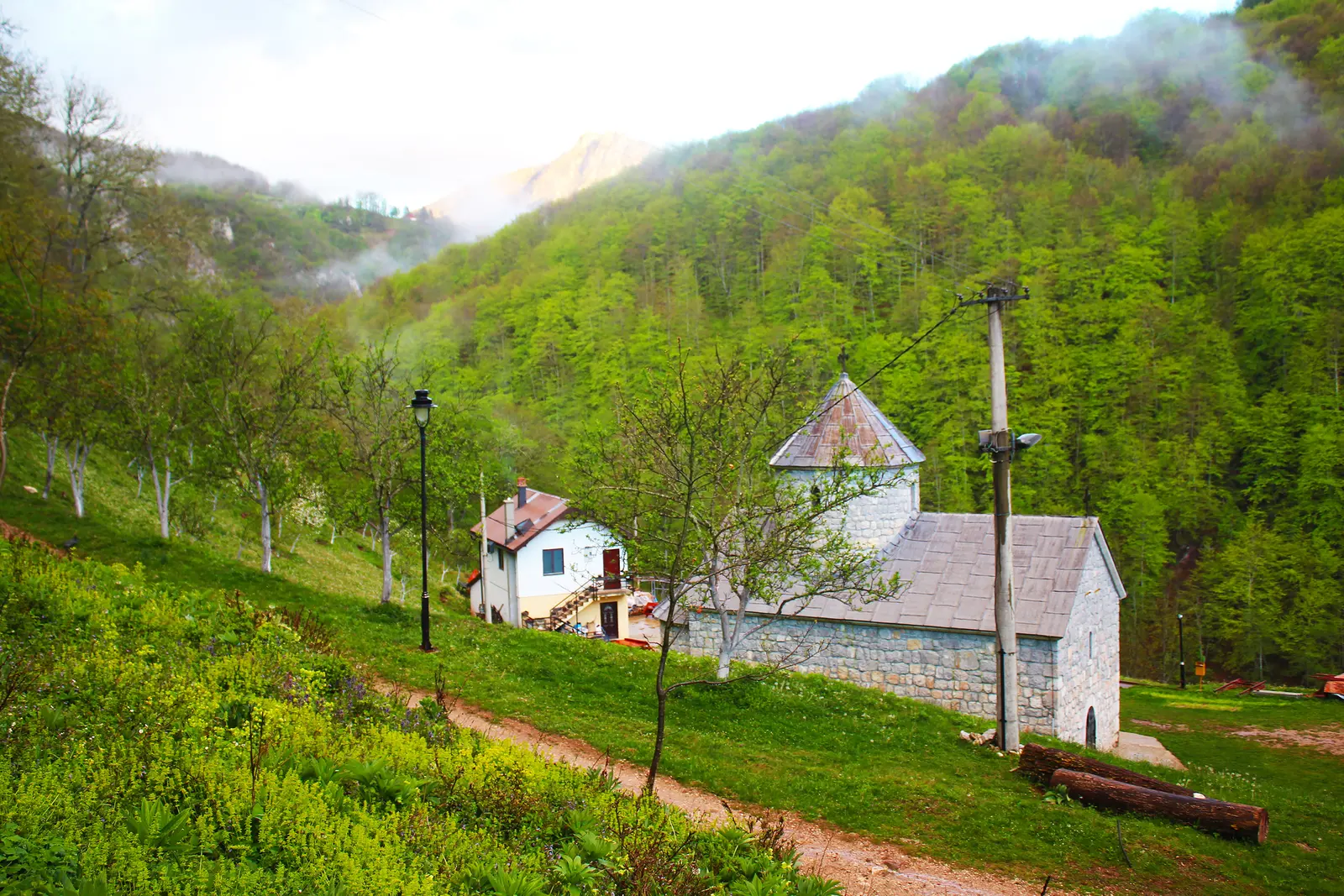
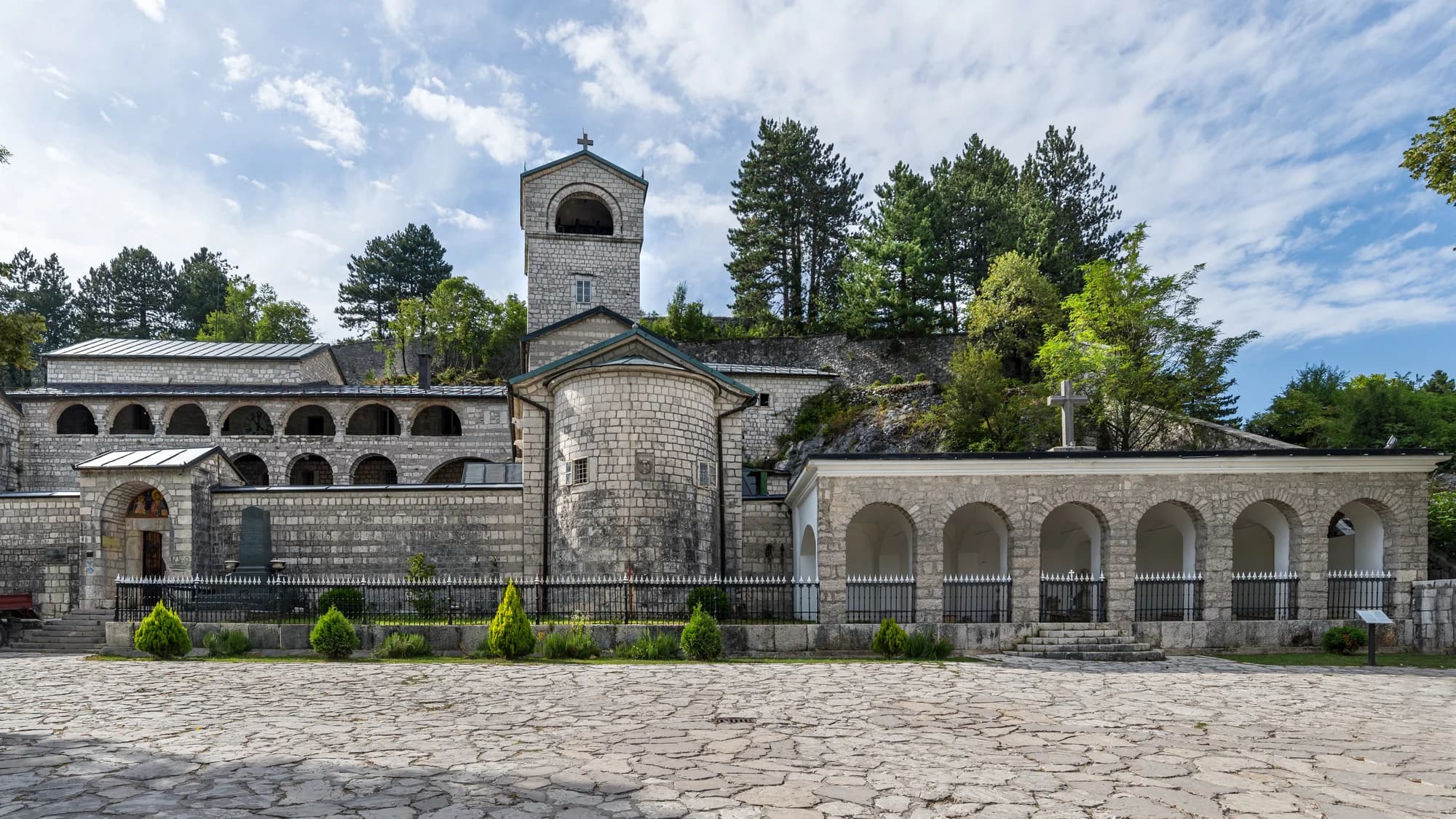
Only a kilometer and a half from the center of Pljevlja is the monastery of St. Trinity from the 12th c. Isolated from the outside world, hidden in the forest on one side and rocks on the other, the monastery has been extended over time. In 1592, a narthex with a dome was built. It will get its final appearance in the 19th century. when monastic cells are built. The monastery is known for many things, first of all for its copying school, and also for one of the richest collections of valuable manuscript books. The transcription school has been operating for 150 years.
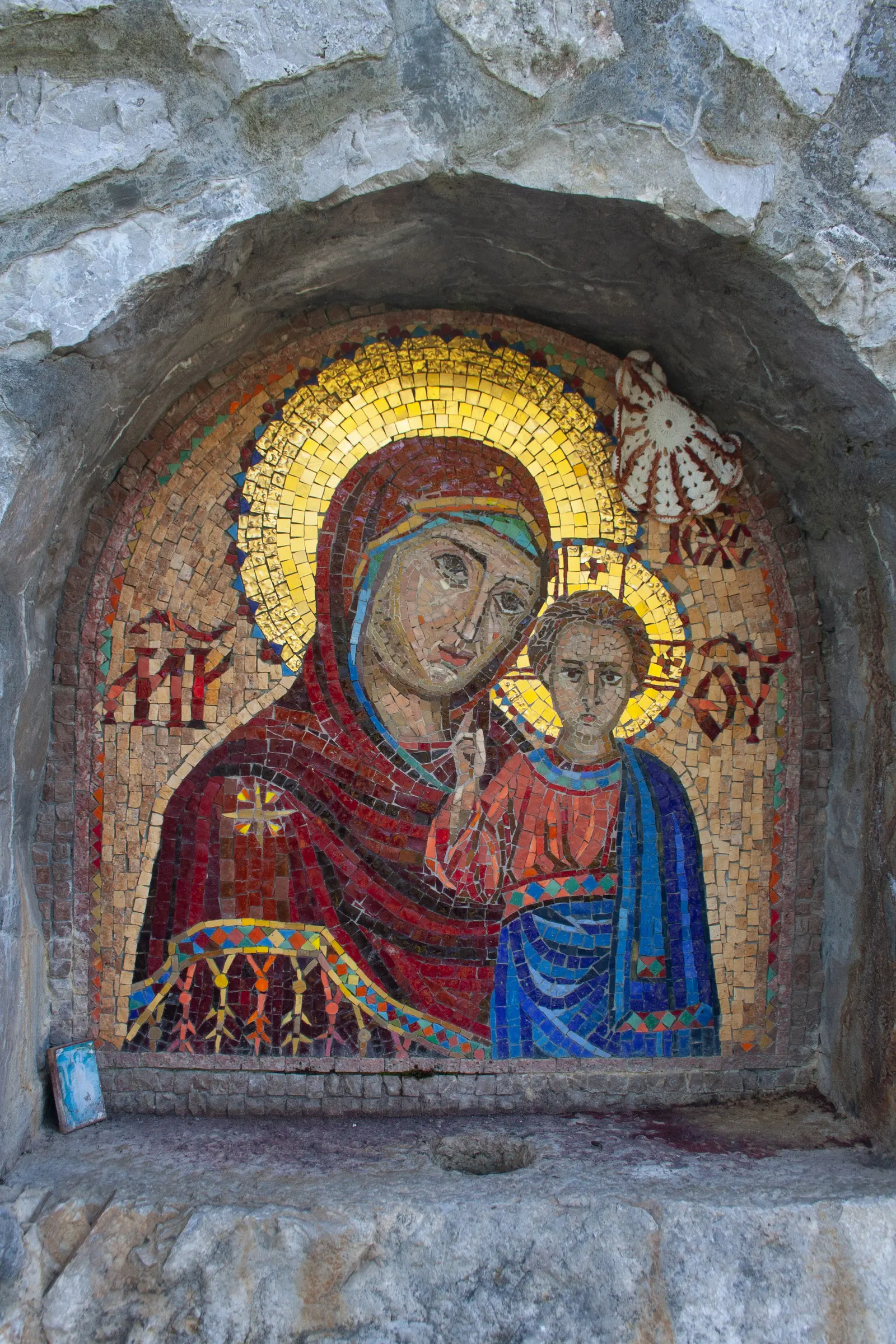
The monastery church is painted with exceptional frescoes. Frescoes from the end of the 16th century. show the suffering of Christ, and 10 rulers from the Nemanjić dynasty. They are the work of the monk Strahinja. The rich monastery treasury contains, among others, extremely valuable icons from the 16th century. with depictions of St. Stephen and the Three Hierarchs, work of Andrija Raičević, part of the vestments of St. Save and many other things worth seeing.
In the center of Pljevlja there is the Native Museum and the City Library. In the museum you can see a very valuable glass vase from the Roman period, one of only a few preserved in the world.
Near the City Park is the Vodice picnic area, attractive for several smaller, cascading lakes, which are filled with water by a small stream.
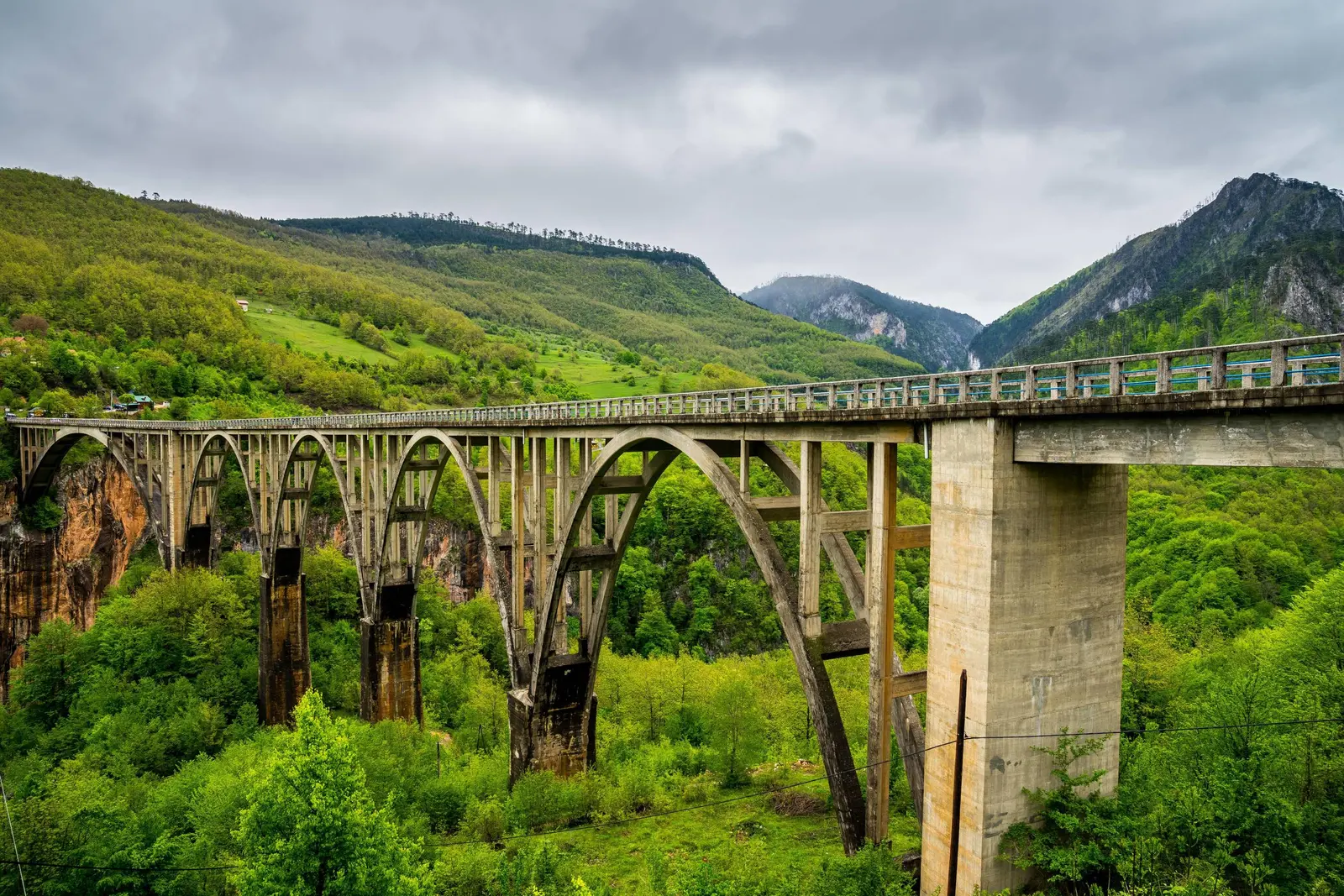
When you go from the city under the Ljubišnja mountain to the (still mountainous!) Žabljak (see that, Montenegro), the attention of travelers is drawn to the bridge over Đurđevića Tara, an exceptional piece of modern architecture. The slender bridge bridges the deepest canyon in Europe, with an average depth of around 1100 m.
We may earn a commission from partner links. This helps us keep Montenegro.com free for travelers.
Written by
Pavle Obradović
Pavle Obradović is from Herceg Novi. He was Manager of Montenegro.com, then Director of the Herceg Novi Tourism Organization, and is now Coordinator for Investment and Development Projects at the Municipality of Herceg Novi. He holds a BSc in International Hospitality and Service Management from the Rochester Institute of Technology (RIT).