From the ArchivesCreated May 17, 2016Updated June 28, 20263 min readby Pavle Obradović
Berane, Montenegro
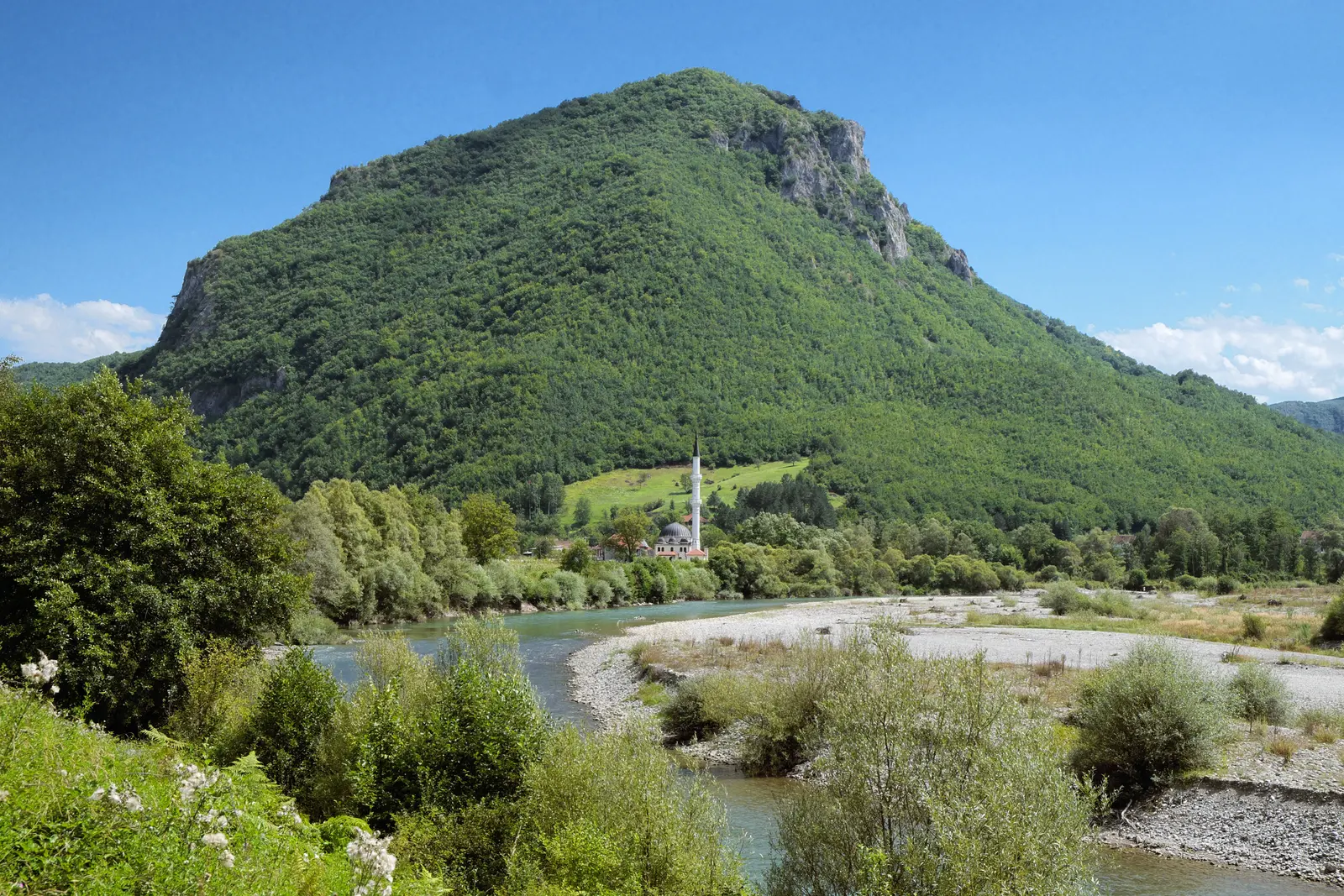
The original settlement arose in the plain on the banks of the river Lim. The history of the city remembers the Roman, medieval Serbian, then Turkish, Montenegrin, and after the war communist and transitional periods.
Berane, Montenegro
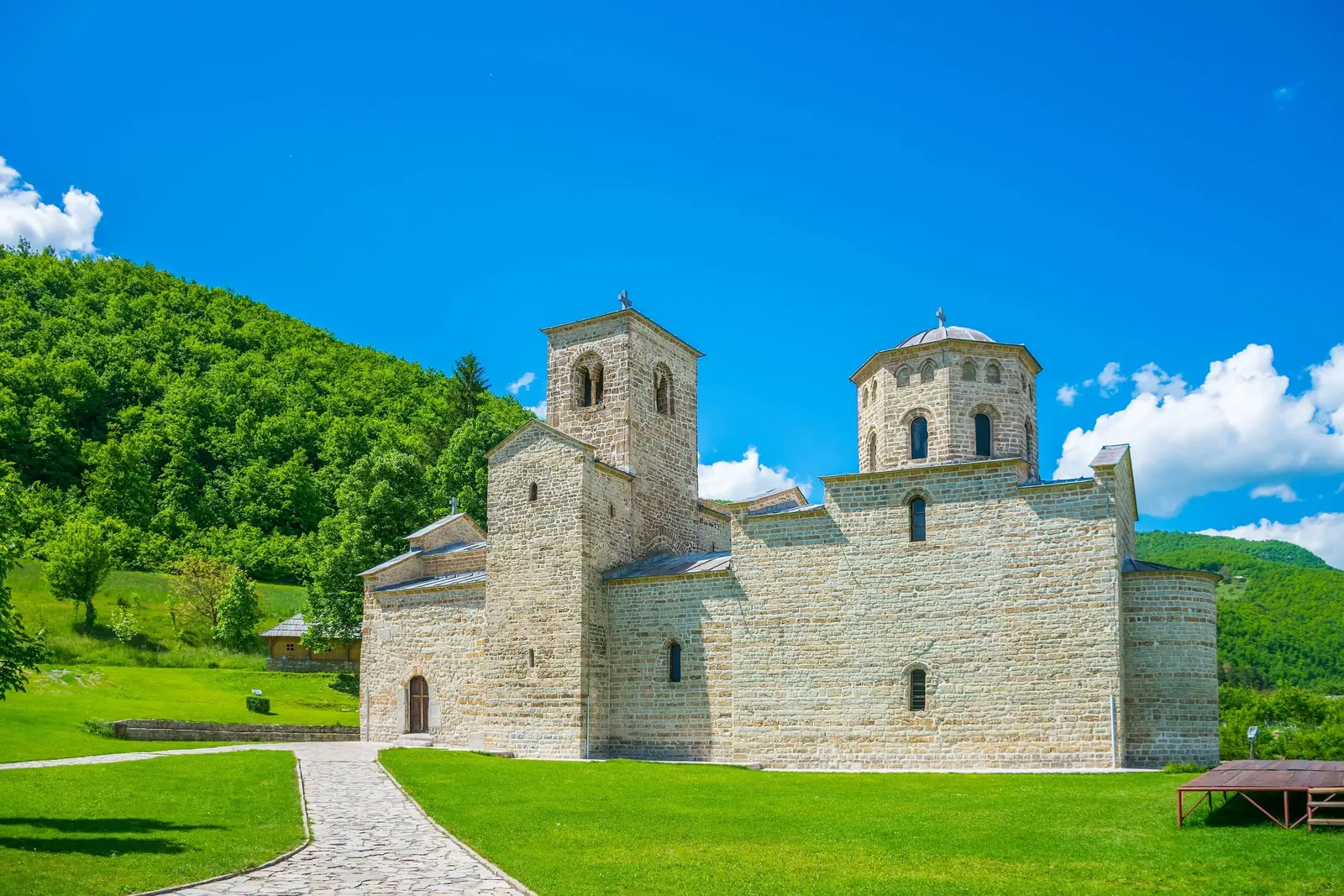
The original settlement arose in the plain on the banks of the river Lim. The history of the city remembers the Roman, medieval Serbian, then Turkish, Montenegrin, and after the war, the communist and transition period. The biggest attraction is the Đurđevi stupovi monastery, from the 12th century.
Berane is located in the northeastern part of Montenegro. If the traveler is coming from the main road from Belgrade, for Berane, turn left five kilometers after Bijeli Polje, near the town of Ribarevina.
That people have lived here since ancient times is confirmed by the Dolac archaeological site from the Roman period. The original settlement arose in the plain on the banks of the river Lim. The foundations of the city in the true sense of the word were laid by the Turks in 1682. On the left bank of the river, they built military and defense buildings, and on the right - private houses with harem sections. Therefore, one part of Beran, with a completely oriental appearance, is still called Harem today.
Until the final battles for the liberation of Montenegro, Berane remained under the rule of the Turks, until 1912. Berane was not originally a Turkish city, especially since all cities with the typical Slavic plural suffix -e, - are rare, and all of them are of Slavic origin.
After the Second World War, the new communist authorities want to industrialize this region at any cost, even at the environmental cost. The pulp and paper factory, although producing, polluted the river Lim until the 90s of the last century. Wood and leather processing factories, chemical companies, and a brown coal mine also operate here.
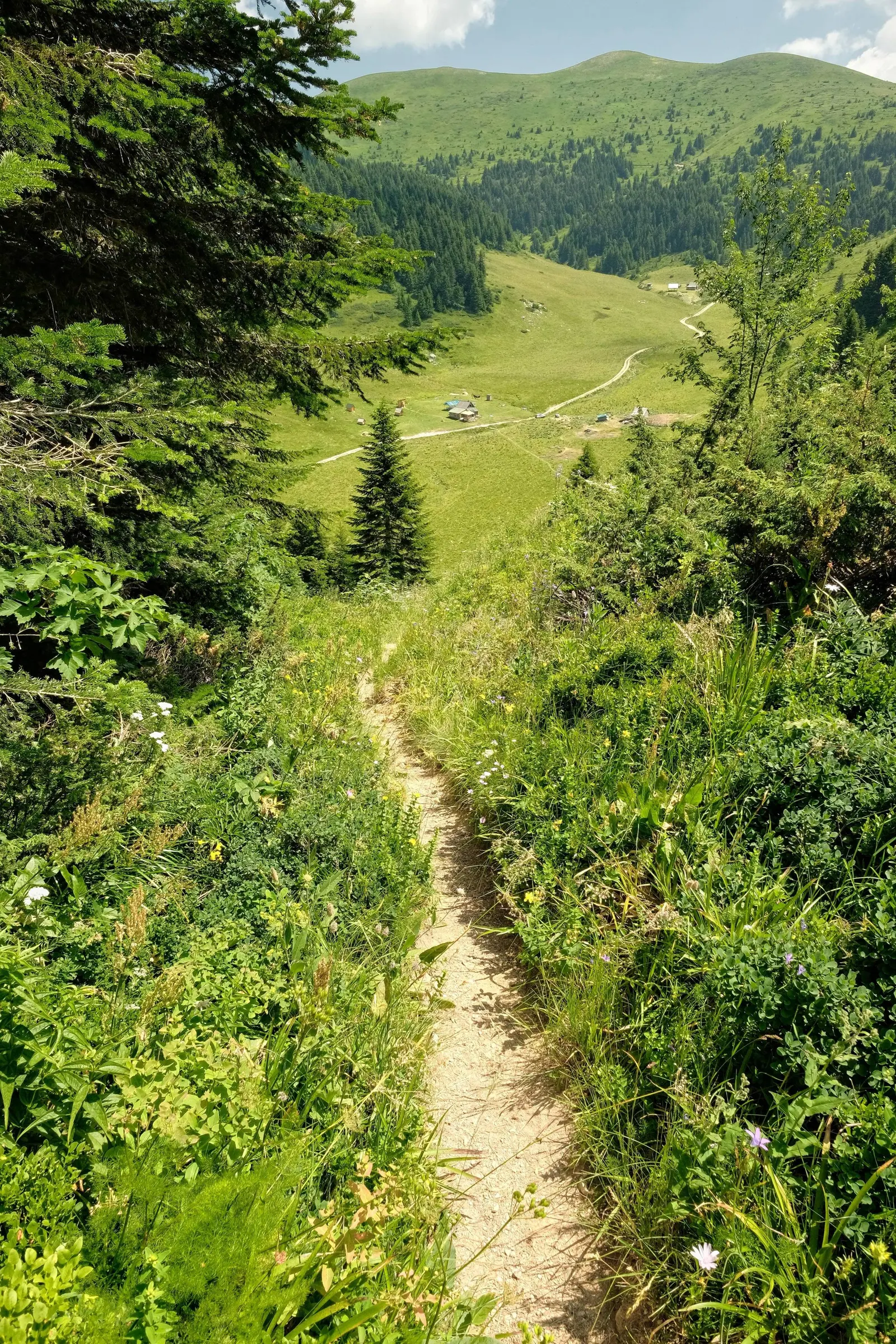
In spite of everything, Berane does not give up its tourist sign. Potentials exist all the time, such as those on the nearby Jelovica mountain, with terrain suitable for skiing. Jelovica Mountain is a favorite picnic spot, especially in summer, when it offers its unadulterated ecological charms to locals and transit guests.
However, the greatest cultural, artistic and religious landmark in the city, which for some time after the Second World War until the transition period was named after the local revolutionary and fighter Ivan Milutinović (Ivangrad), is the ancient monastery Đurđevi Stupovi.
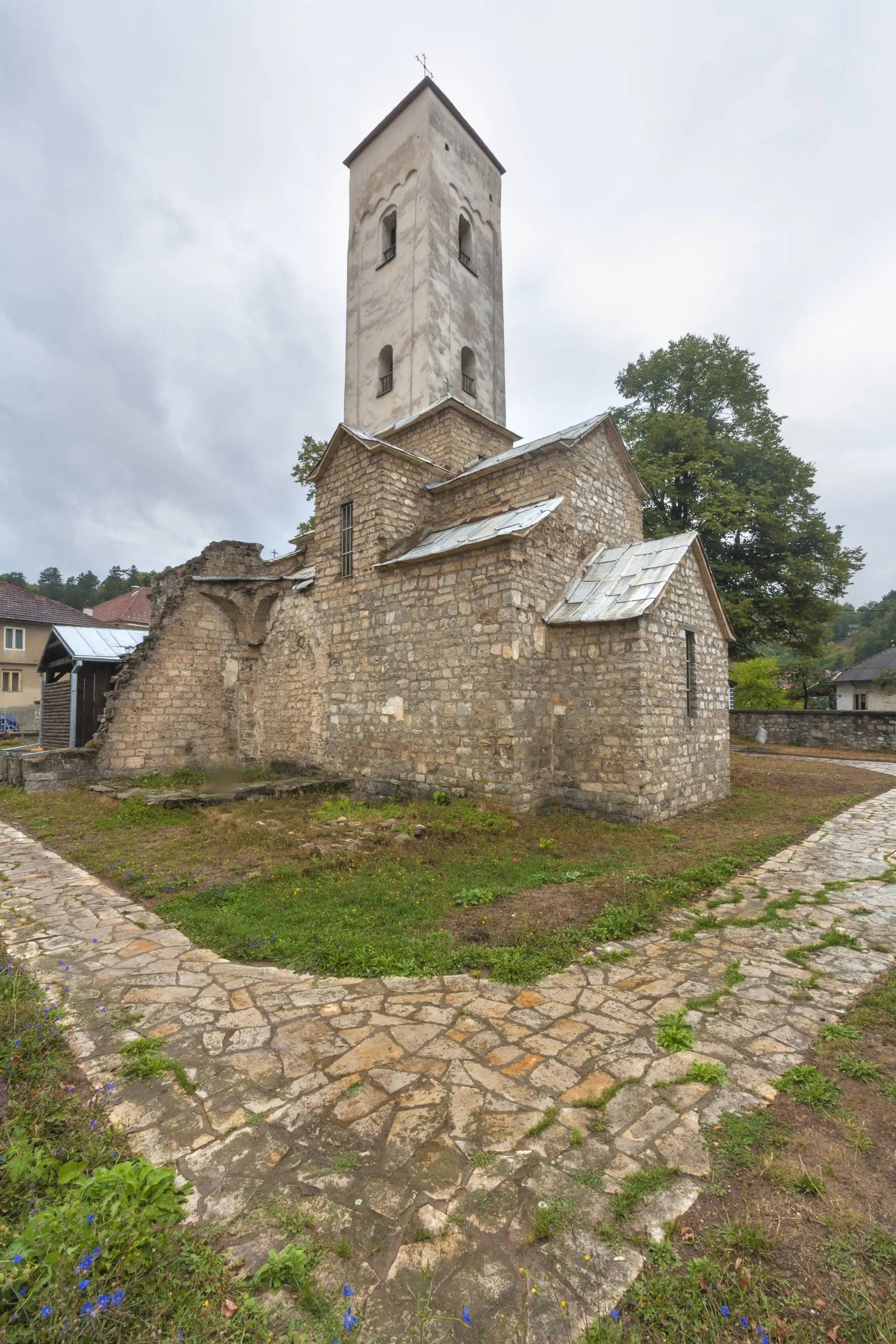
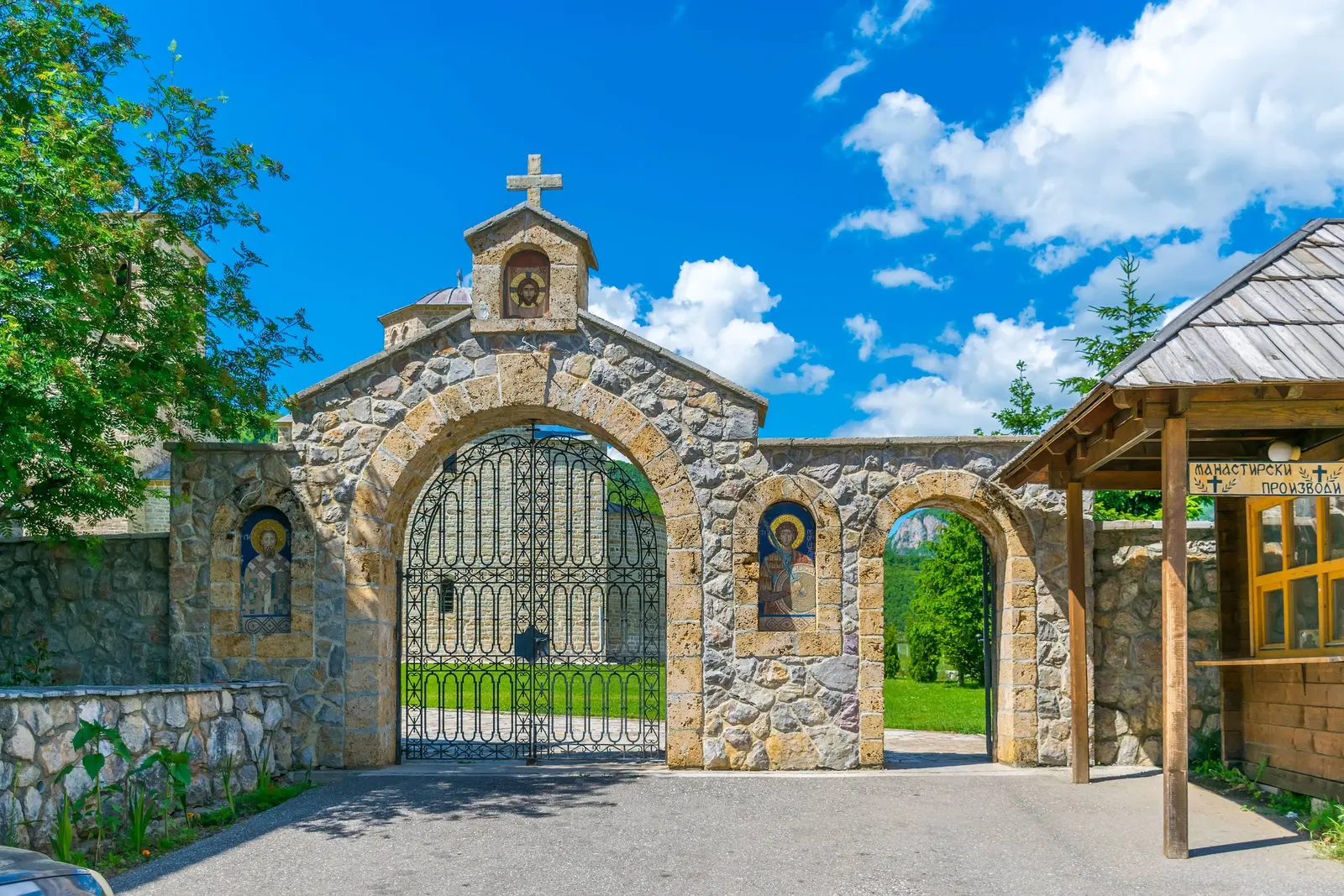
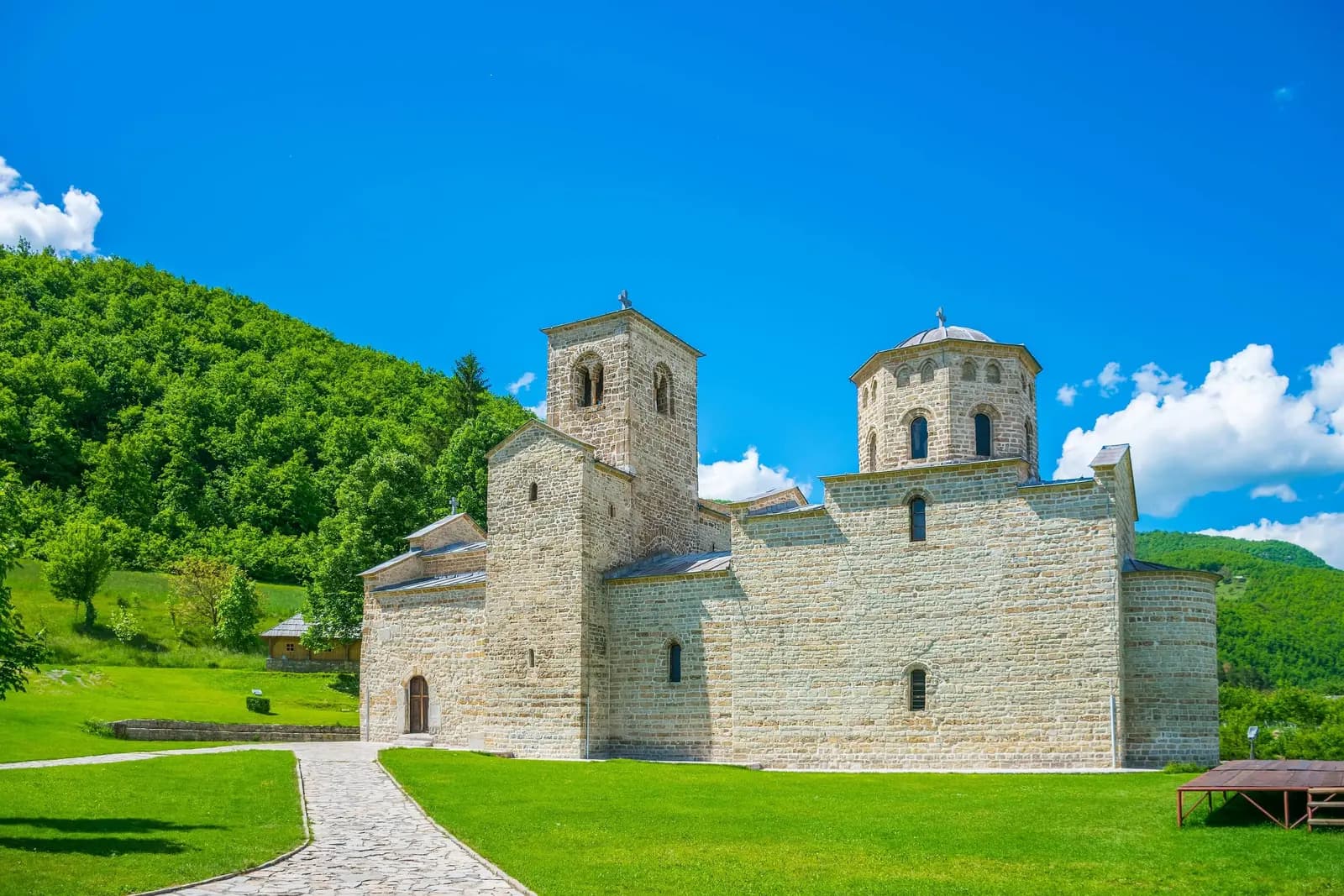
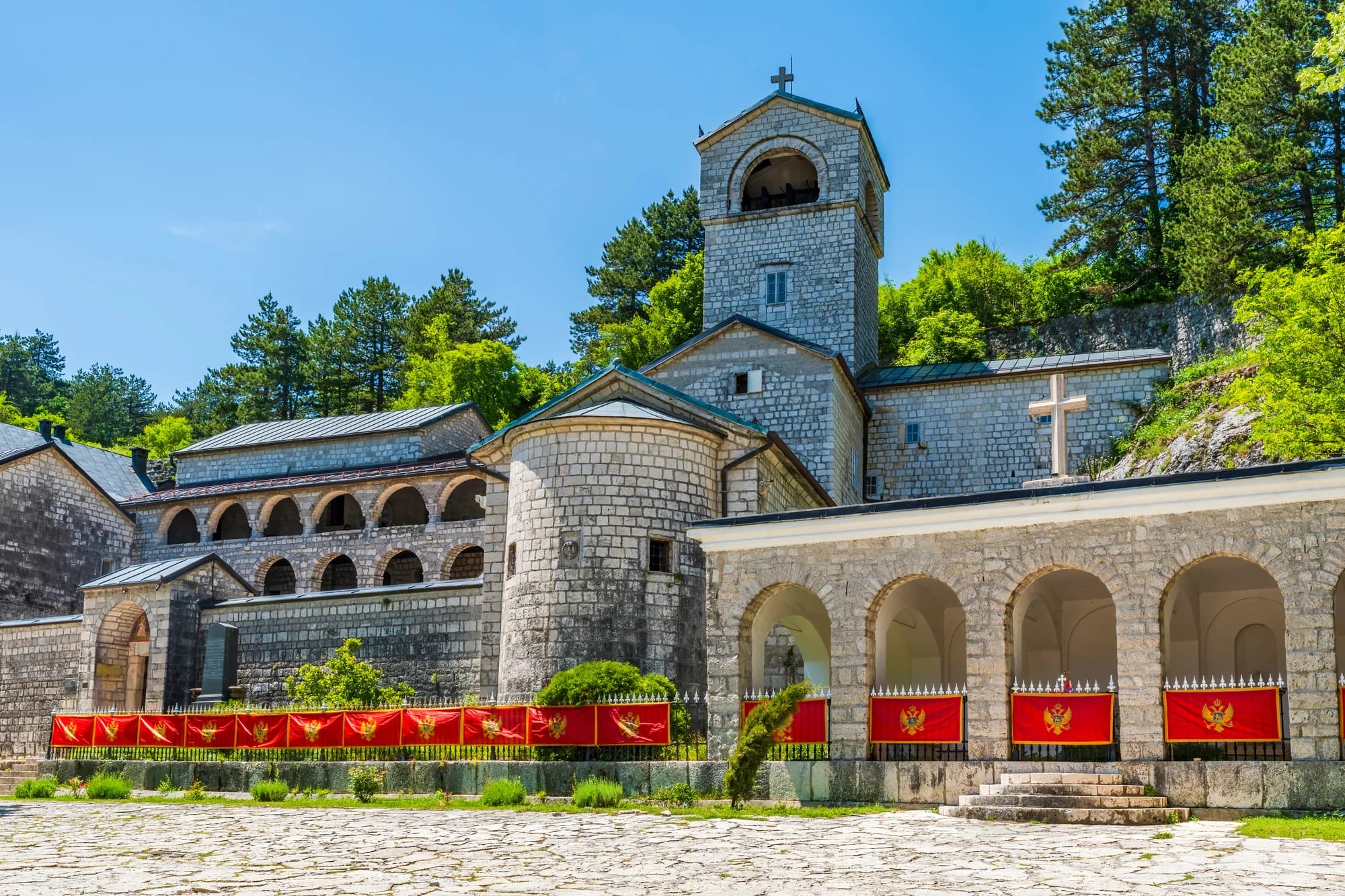
The Đurđevi stupovi monastery was built in the 12th century. Prvoslav Nemanjić, nephew of Serbian ruler Stefan Nemanja, son of Tikhomirov. The monastery was the seat of the bishopric that was personally founded in 1219 by Sava Nemanjić, the son of Stefan Nemanja. The spiritual center of the monastery is the church of St. George from the second half of the 16th century, with a chancel from the 14th century. Since 2004, the headquarters of the Buda-Nikšić Eparchy has been located here. The monastery church preserves valuable frescoes, icons and old books.
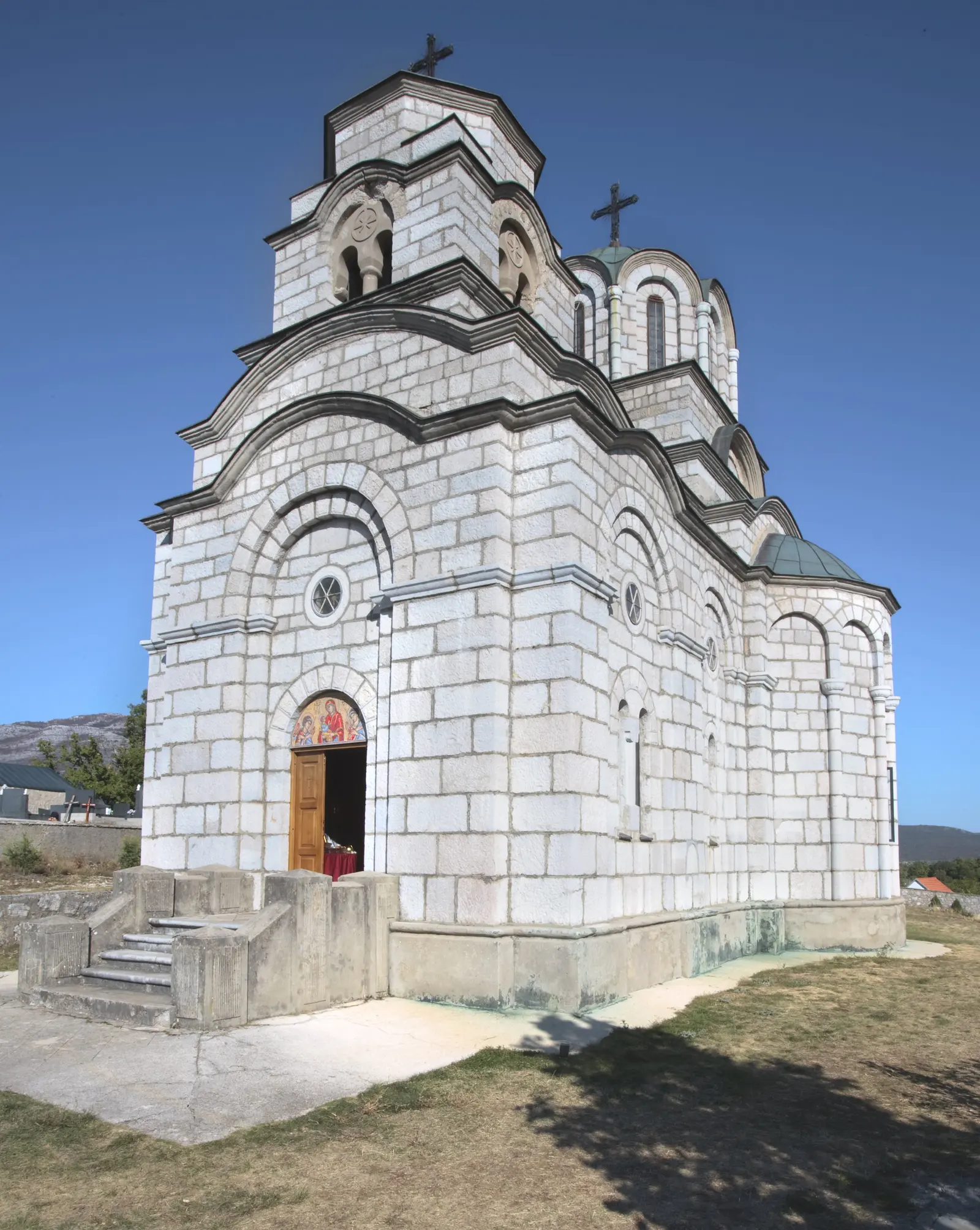
The majestic Đurđev columns are the spiritual Orthodox center of the entire Polimlje and the town of Beran. Many tourist organizations offer the so-called monastery tours, during which a tour of Đurđev's columns is simply a matter of course. A tour of the ruins of a church from the 13th century, in nearby Budimlje, as well as the remains of the Šudikova Monastery with the Church of the Presentation of the Blessed Virgin from the 16th century, are offered by rare local artists.
Today, Berane is the center of the municipality of the same name, where the ethnically mixed population lives in harmony.
From the city, you can go in three directions (north - towards Bijelo Polje, see it; south - towards Andrijevica, see it, and east - towards Rožaje, see it) to see all the sights that these cities offer, even quite small rural areas such as Petnjica, Donje Zaostra, Marsenića Rijeka, Trešnjev, Mezgalje, Rovac, Bijela Crkva, and the mountains Turjak, Divljak, and the mountain rivers Lješnica. Bistrice, Kaluđerska rivers, Secularska rivers and others.
We may earn a commission from partner links. This helps us keep Montenegro.com free for travelers.
Written by
Pavle Obradović
Pavle Obradović is from Herceg Novi. He was Manager of Montenegro.com, then Director of the Herceg Novi Tourism Organization, and is now Coordinator for Investment and Development Projects at the Municipality of Herceg Novi. He holds a BSc in International Hospitality and Service Management from the Rochester Institute of Technology (RIT).