From the ArchivesCreated December 28, 2012Updated June 28, 20264 min readby Pavle Obradović
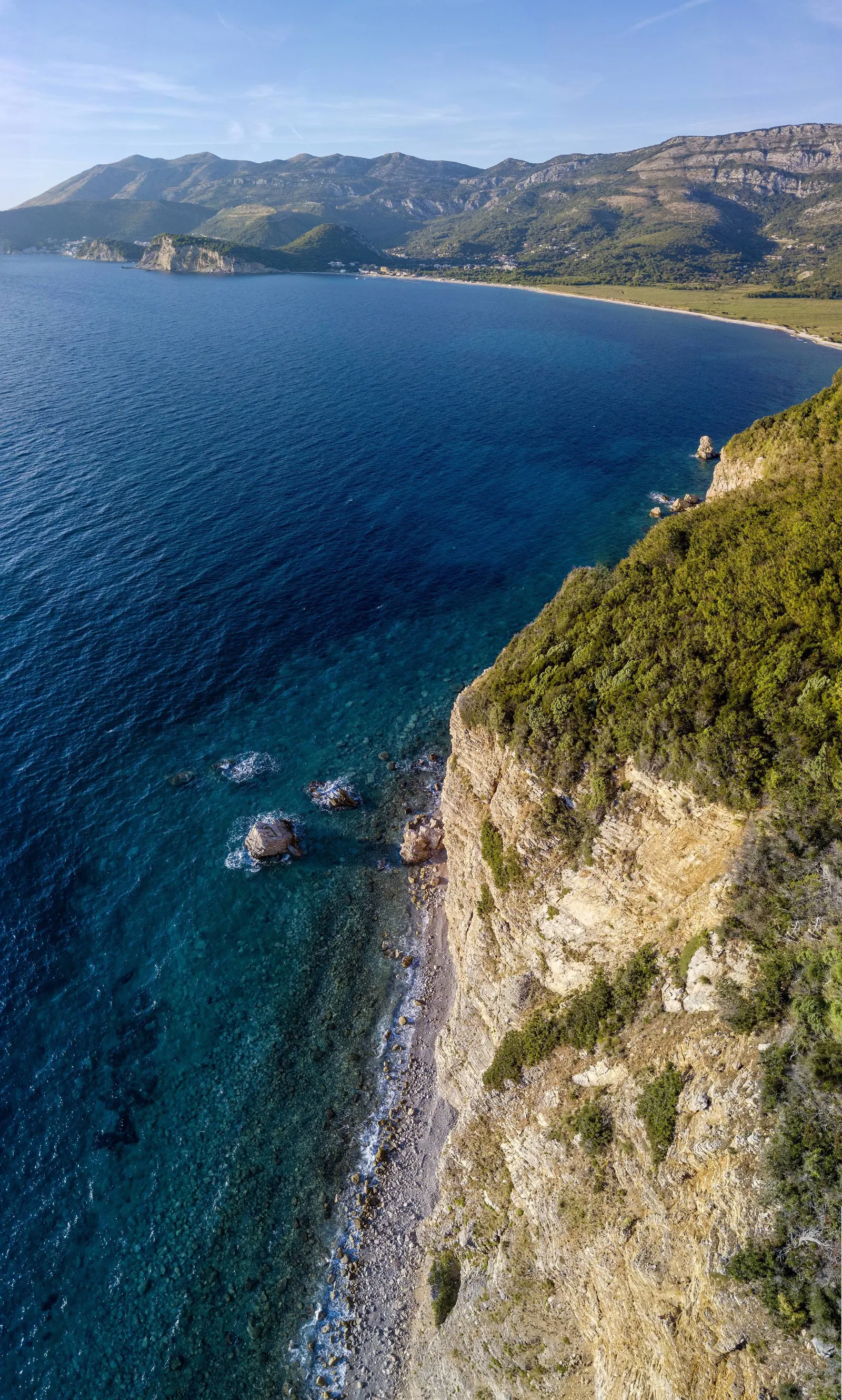
Just one kilometer south of Petrovac (see it, Montenegro), on the road to Bar and Ulcinj (see it), there are Buljarice. The perspective is superiorly dominated by an almost uninhabited, large bay with a unique beach,
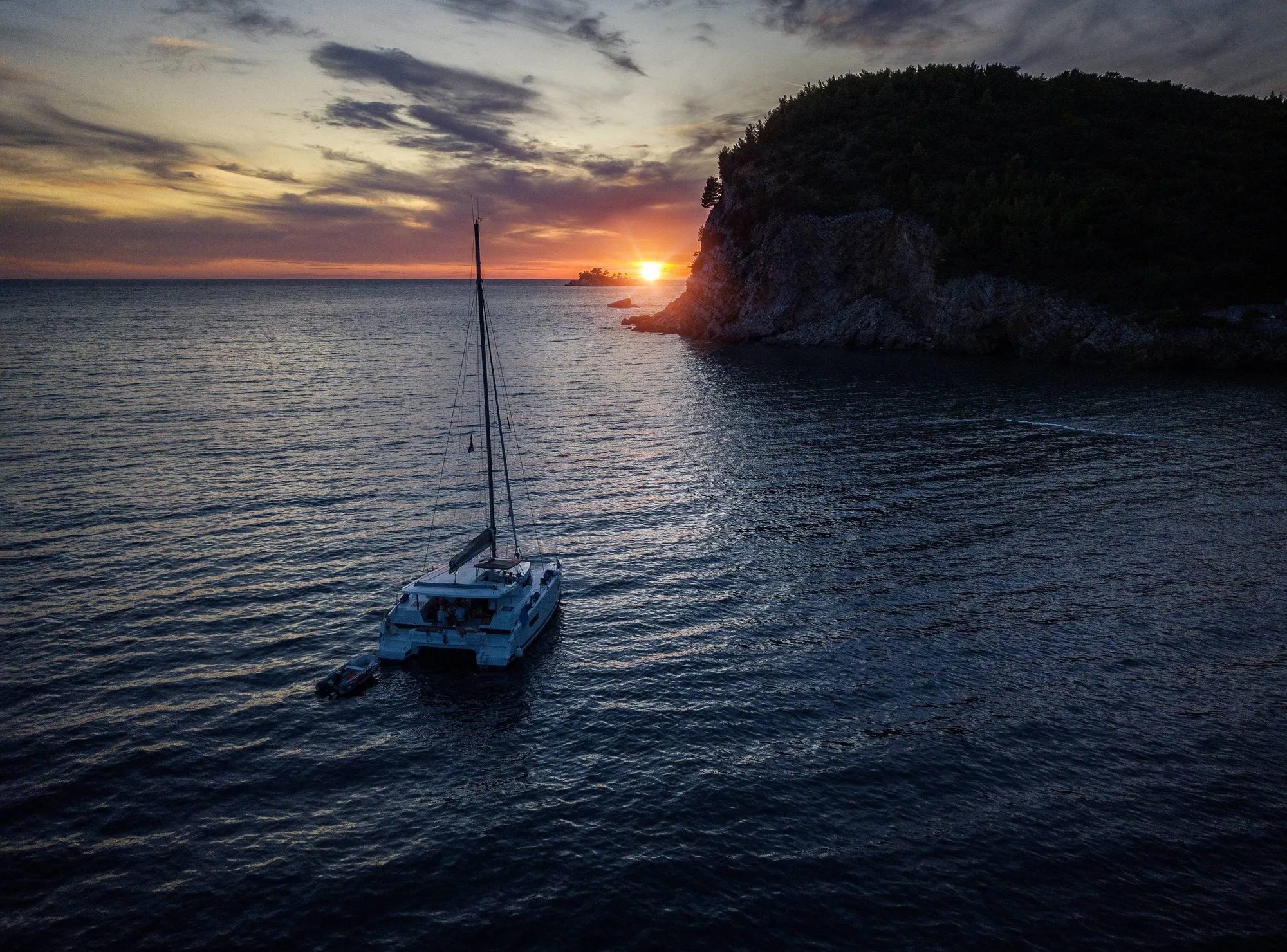
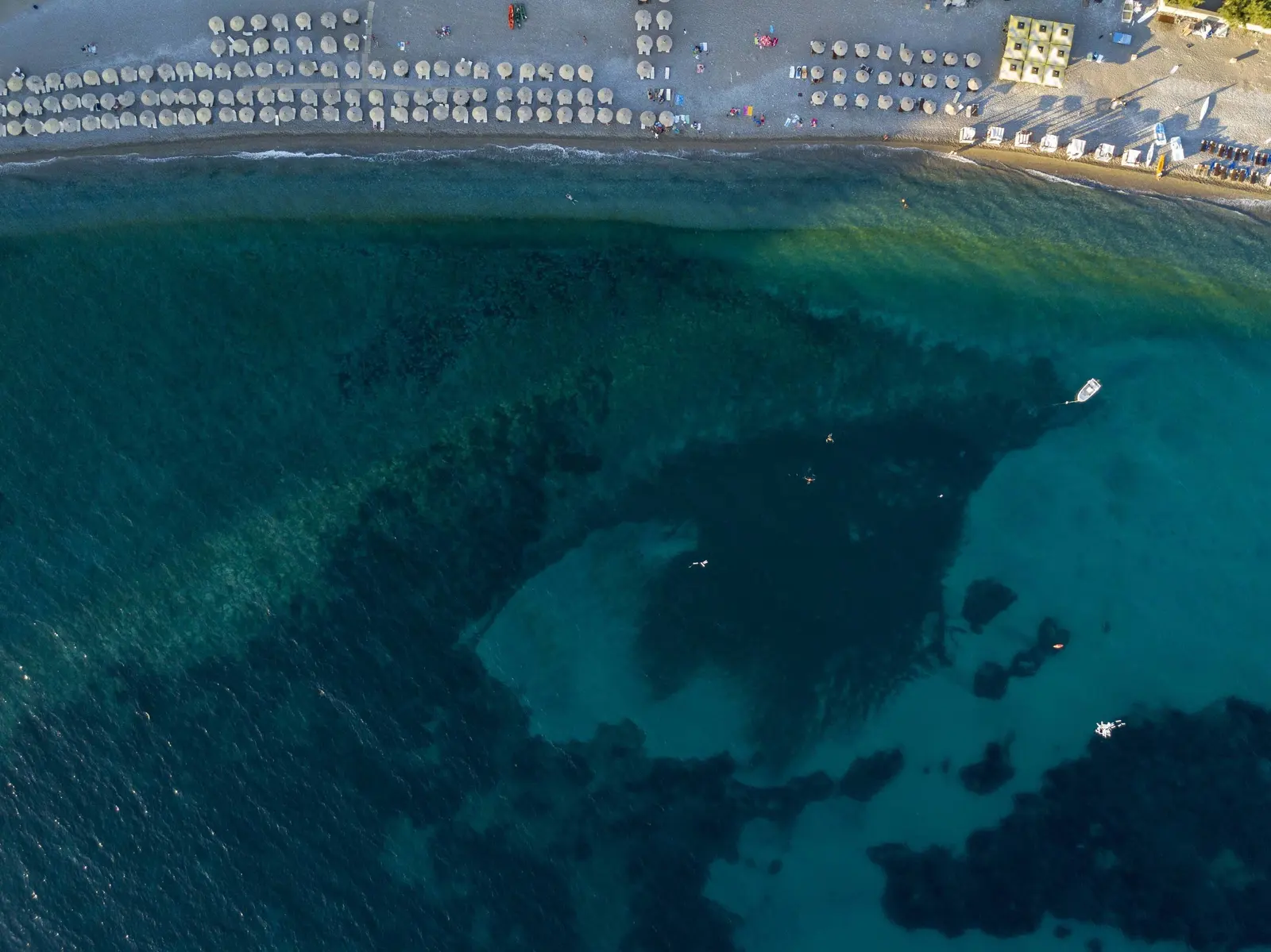
Just one kilometer south of Petrovac (see it, Montenegro), on the road to Bar and Ulcinj (see it), there are Buljarice. The perspective is superiorly dominated by an almost uninhabited, large bay with a unique beach, one of the largest on the Montenegrin coast. This is an untouched part of the Mediterranean. The 2,250 m long beach is lapped by sea water of the first category!
Being virgin, Buljarička bay attracts the attention of many big investors day by day. They recognize its exceptional tourist potential with reason. One thing is certain: until yesterday, the Buljarica, mostly camp and Robinson, as we know them - will drastically change their appearance in the years ahead. So let's hurry. If only we could get a cheap holiday with a "million dollar" view!
Many already see the untouched natural oasis transformed into an exclusive fashionable resort. German, American, Irish, French, Russian and Arab capital - they have been stealing for years about 500 and more hectares of an exceptional location. The bay and the occasional marshy field, the habitat of numerous species of birds, would have changed the geography long ago, if only the land had not been divided by ownership between dozens of local Paštrović families. Complicated legal property relations will be in favor of ecology for some time to come.
However, the projects "Buljarica, Virgin Bay", "Montessa" and others envisage the construction of luxury hotels on the very edges of the beach, a marina in the shape of a palm branch, with canals separating the future artificial islands inhabited by villas, as well as water parks, golf courses and facilities the likes of which no eye has seen in these areas.
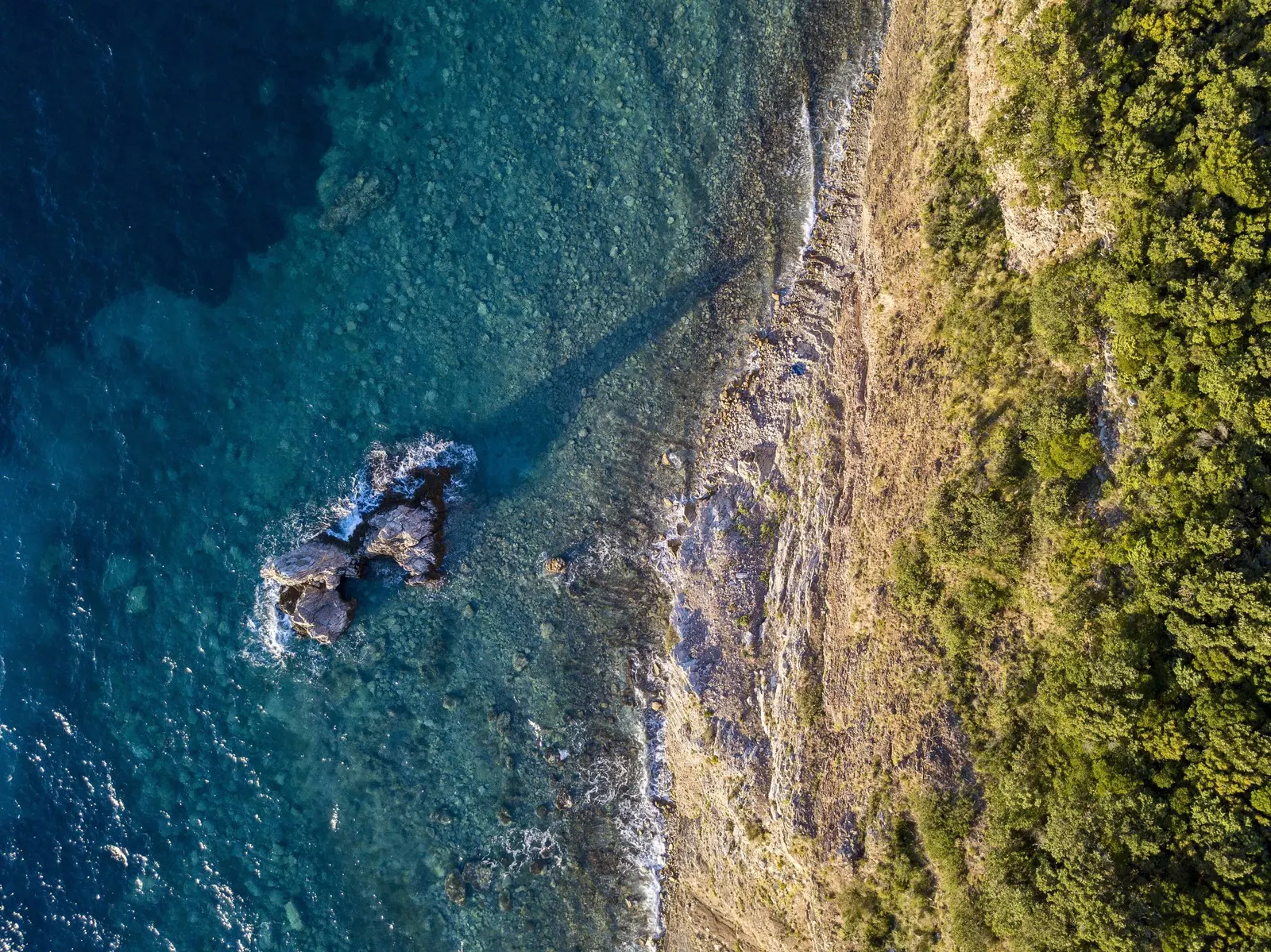
From the Jadranska magistrala, the road turns to the right, and through vineyards, orchards and olive groves it leads straight to the coast, a few hundred meters away. There is a long beach, first sandy, then sandy-pebble. At its very end, towards the peninsula that separates Buljarice from Čanj (see that, Montenegro), nudists have been enjoying the sun for years. The sea water is crystal clear. There are no pollutants around. Interesting specimens of shells and snails can still be found on large pebbles in the shallows.
There is not much shade in Buljarice as we know it. Sprung trees along the coast are very rare or almost non-existent. Until today, the place was known as a cheap, family and trade union vacation spot. The proximity of Petrovac made it possible for everyone to have a quick trip and a night out.
Sparsely populated, the hinterland of Buljarica has mostly retained its natural appearance and ambience. At all these points, it is possible to find comfortable and cheap accommodation.
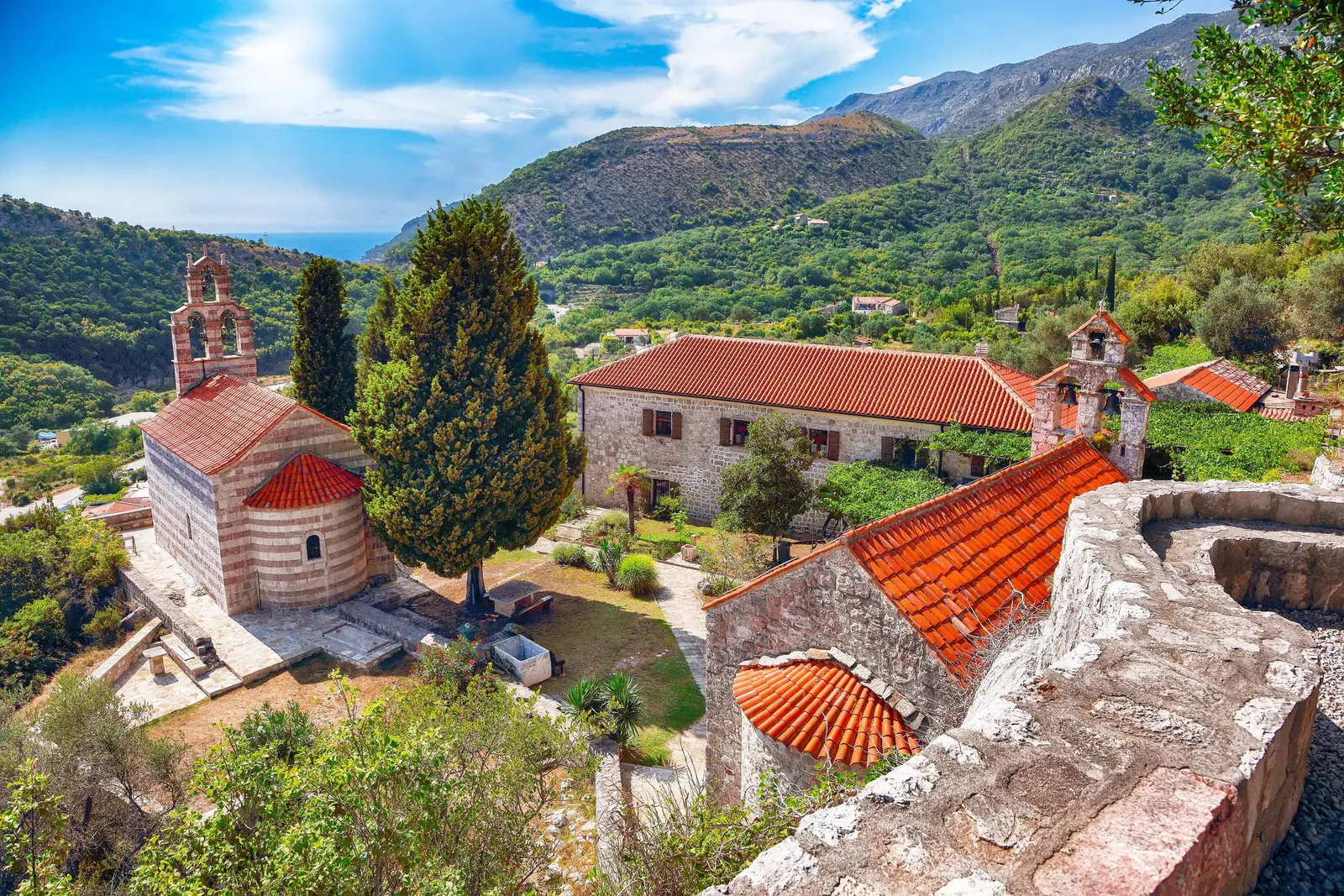
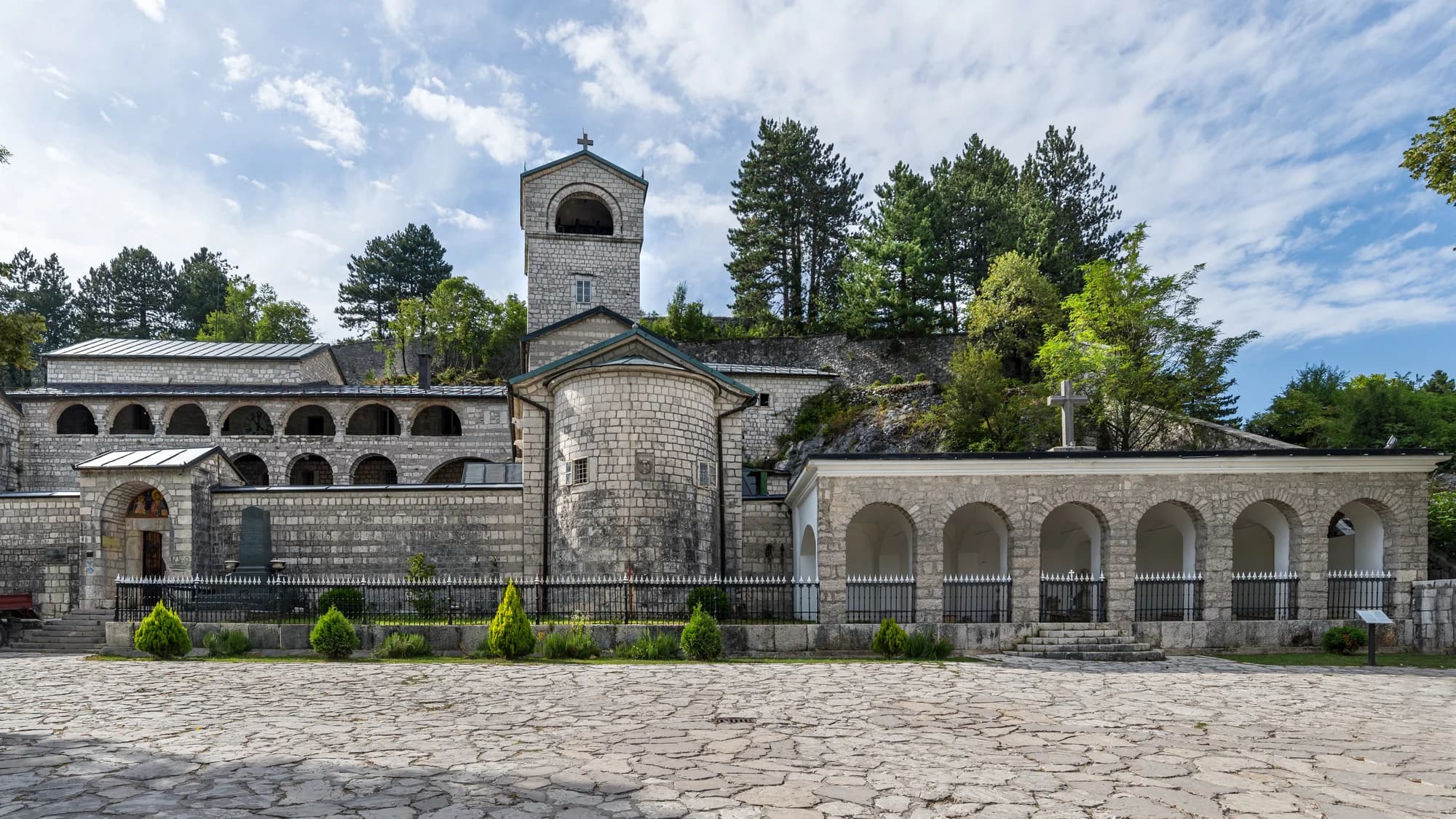
The closest cultural and historical attraction and spiritual oasis is located on a nearby hill above the highway. Gradište Monastery was mentioned in 1305 in the charter of Serbian King Milutin. The complex consists of three churches: St. Nicholas, St. Sava and Assumption of the Blessed Virgin Mary.
The main monastery church of St. Nikole was built at the beginning of the 17th century and is frescoed. The iconostasis is the work of Vasilij Rafailović from Risno. On the iconostasis there is a curious icon of St. Christopher with a dog's head, which was intended to underline the contrast between the saint's unsightly physical appearance and spiritual achievement. Also interesting is the composition of Saint Archangel Michael, who holds a sword in one hand and a newborn baby in the other - a symbol of the human soul.
Church of St. Save was built in 1863 on the foundations of a church from the 15th century. It is extremely decorative: it was built from alternately laid white and red stone. The iconostasis was made by Nikolas Aspiotis from Corfu (his most famous work is the iconostasis in the church of St. Nicholas - Praskvica monastery, near Budva, Montenegro, from 1863). From the terrace in front of the church there is a privileged view of Buljarice.
The Church of the Assumption of the Blessed Virgin Mary is small in size, 6 x 4 m. Saints from the Serbian ruling line of Nemanjić are most represented in the frescoes.
Gradište Monastery is surrounded by walls and loopholes. In the past, it suffered several times from the Turks and Ulcinj pirates, and the worst in 1785, when Mahmut Pasha Bušatlija from Skadar ravaged the Paštrovići. It was also damaged in 1941, during the Italian bombing. Until then, a Serbian-language school was operating in the dormitory building. Today, the monastery complex is under state protection.
Stari Paštrovići geographically belonged to Boka, whose border in ancient times was at Kufin (in the meaning of border, border), between Buljarice and Čanj. Bokelji Paštrovići gave birth to many famous and notable people throughout history. In the 15th c. the diminutive Kanjoš Macedonović from Buljarice saved the honor of the Doge of Venice, winning in a duel between the outlaw (today we would say: a terrorist and a kidnapper), the wicked Furlano. The story was described by the famous local writer and politician, Stefan Mitrov Ljubiša.
Stefan Paštrović was a hieromonk in the Gradište monastery, and a printer. He was in Venice in 1597. published “Collection for travelers.” In the same year, he also printed the first Serbian primer in two editions, which was written by monk Sava, also a native of Paštrović.
We may earn a commission from partner links. This helps us keep Montenegro.com free for travelers.
Written by
Pavle Obradović
Pavle Obradović is from Herceg Novi. He was Manager of Montenegro.com, then Director of the Herceg Novi Tourism Organization, and is now Coordinator for Investment and Development Projects at the Municipality of Herceg Novi. He holds a BSc in International Hospitality and Service Management from the Rochester Institute of Technology (RIT).