From the ArchivesCreated May 17, 2016Updated August 6, 20264 min readby Pavle Obradović
Nikšić, Montenegro
The history of Nikšić records many rulers. In the Middle Ages, it was an important road on the caravan trade route from Primorje. City of heavy industry. Sights, excursions...
Nikshi
Nikšić, Montenegro
The history of Nikšić records many rulers. In the Middle Ages, it was an important road on the caravan trade route from Primorje. City of heavy industry. Sights, excursions...
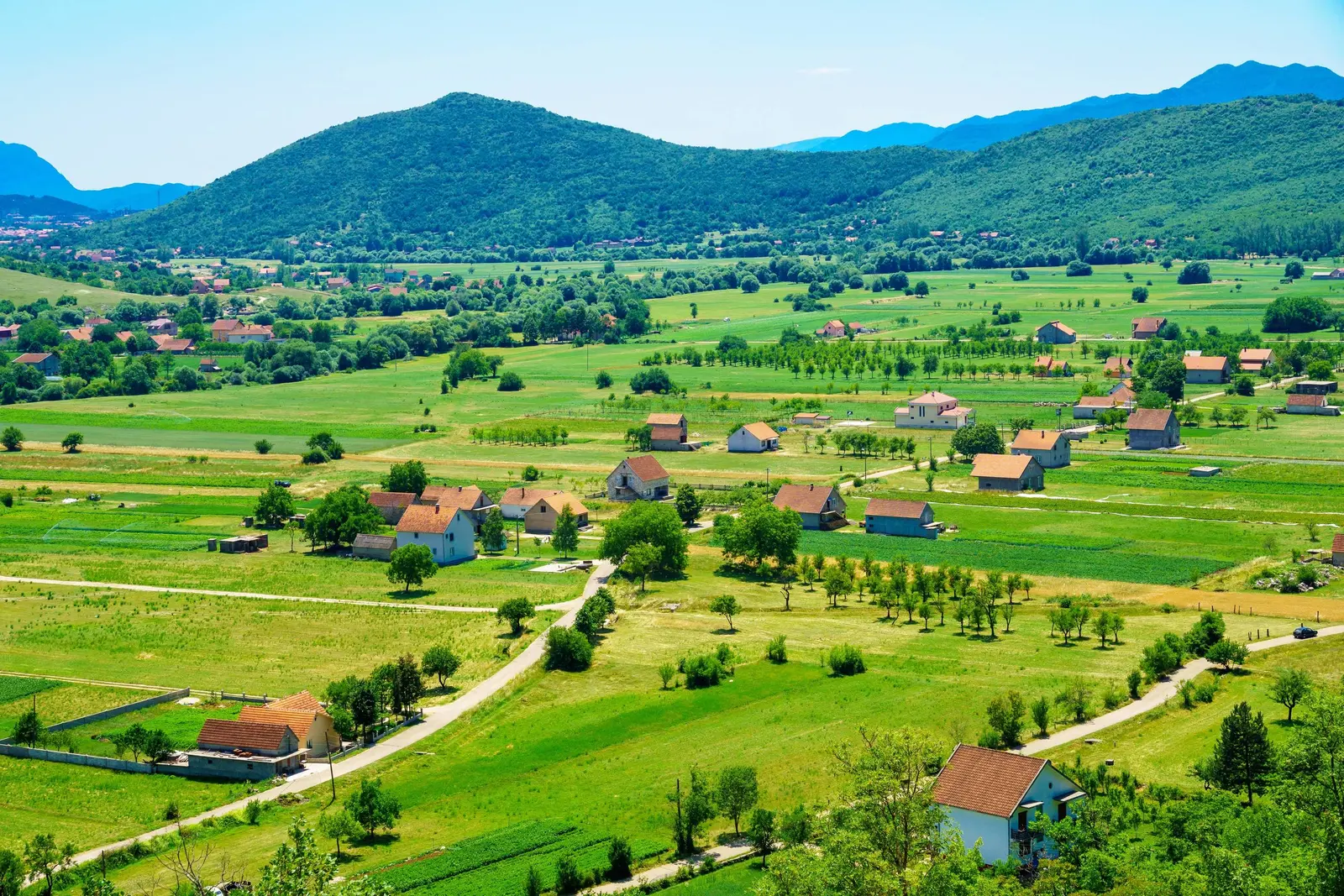
Today, Nikšić is the second largest city in Montenegro. It is located in the spacious Nikšić field, in the northwest of the country, about 50 km from Podgorica.
In this place, the Goths in the 5th c. expel the Byzantines and build the city of Anagustum. After the departure of the Goths to further conquer Italy, the Slavs will rename the city to Onogošt. The town was an important traffic intersection in the Middle Ages. Trade caravans from Dubrovnik and Bokel pass through there. Rulers from the Nemanjić family are often known to reside in Onogošte.
After the arrival of the Turks in 1465, we are already talking about Nikšić. At the beginning of the 18th c. the construction of fortifications begins - for defense against constant Uskok attacks from Herzegovina and Montenegro. Until liberation, Nikšić was fortified, but without major economic importance. With the entry of the united Herzegovinians and Montenegrins in Nikšić in 1877, the majority Muslim population followed the defeated Turkish army. Since the first brewery, the oldest and most famous in the region, started operating in 1896, it means that the new authorities did not waste time to start industrialization.
However, the development of heavy industry can only be discussed after the Second World War. That's when the ironworks and the bauxite mine began to operate. The center of the republic's electrical industry is also located here. Of course, the famous Nikšić beer does not stop being bottled all the time!
With the rapid increase in population, Nikšić also becomes a university center; received the Faculty of Philosophy.
Potential places of interest to tourists are located at the very entrance to the city from the direction of Podgorica. In the park near the main bus station, the so-called Turkish bath, but in the European style, after the Turks left these areas. Next to the bathroom is the palace of King Nikola from 1895. Today, this building houses a museum whose display on the upper floors evokes local history. From the Illyrians through the Romans, it takes visitors through the Middle Ages, the period of Turkish rule - to the present day. The ethnographic part of the museum is also worth visiting.
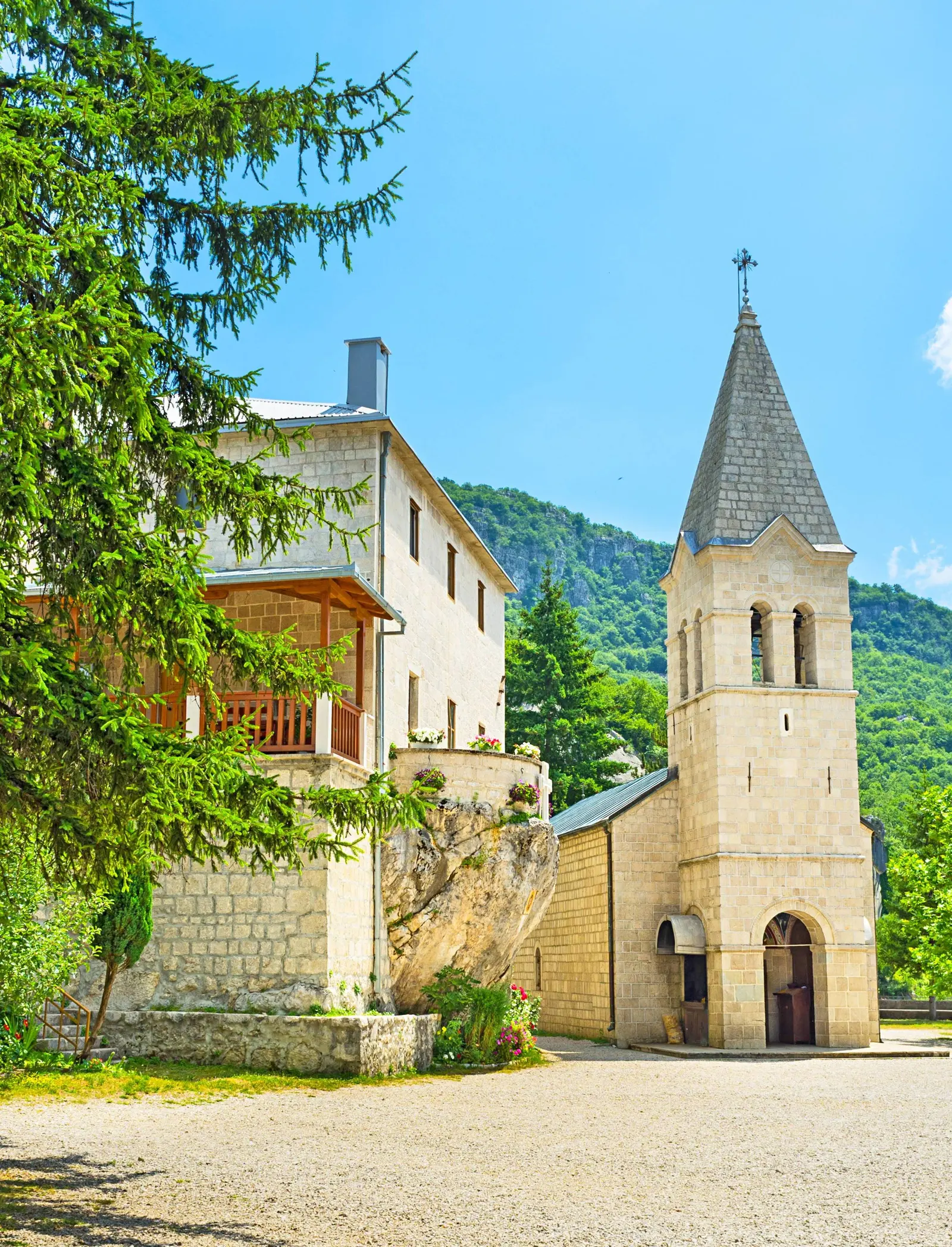
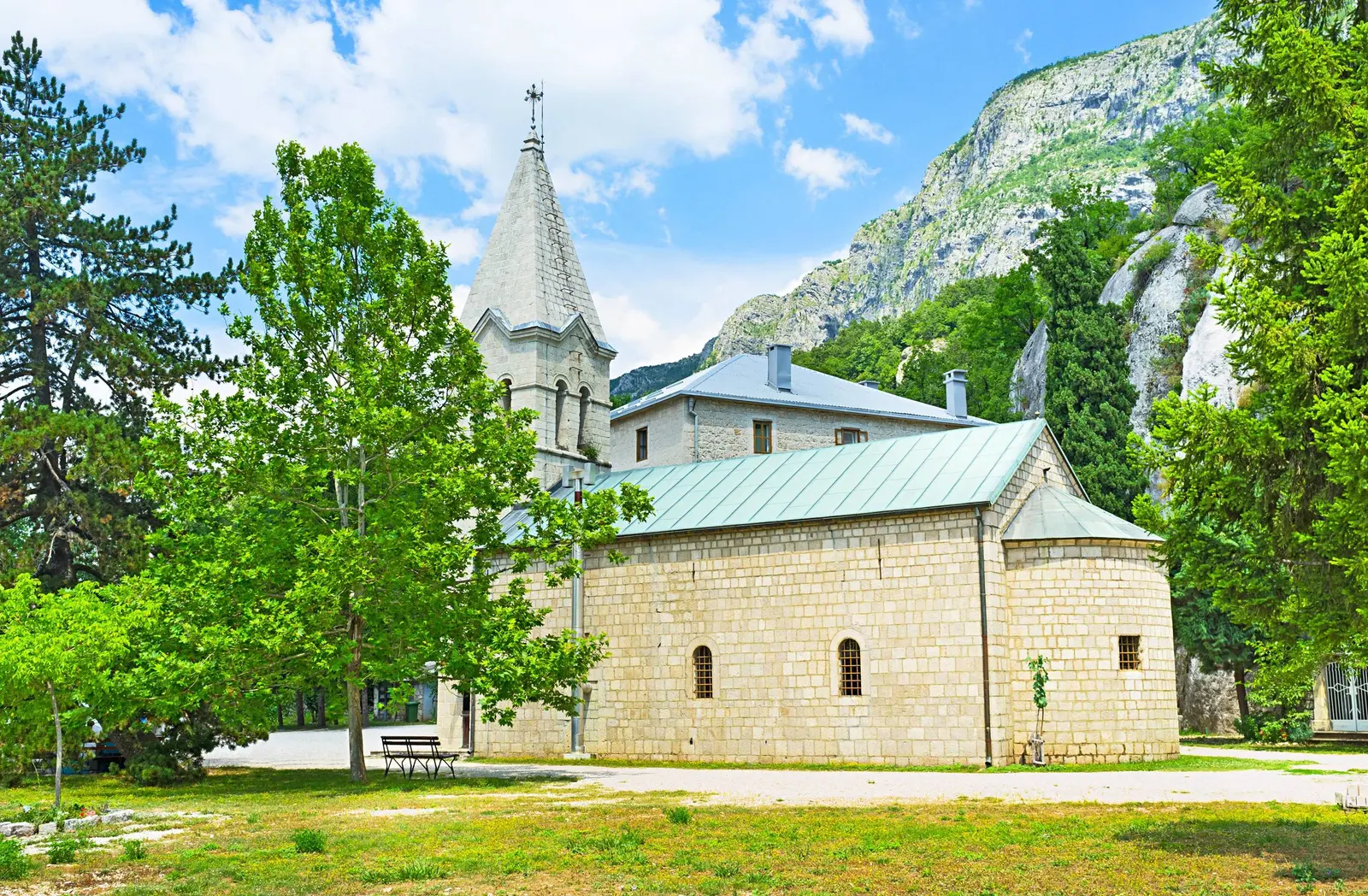
In the immediate vicinity of the Museum there is a large church of St. Vasilija Ostroški, built entirely from donations from the Russian imperial family, in 1899. It was built in honor of those Herzegovinians and Montenegrins who died in the struggle for liberation from the Turks (1875 - 1880). Until the construction of the Church of Christ's Resurrection in Podgorica, it was the largest Orthodox place of worship in Montenegro.
It is not icon-painted, but it has a magnificent iconostasis. Over time, she found herself surrounded by a wonderful park environment. You should pay attention to the stećak tombstones from medieval times. These are stone blocks resembling sarcophagi, decorated with Cyrillic inscriptions about the deceased, and carved motifs: rosettes, swords, hunting scenes... Right here (and around Nikšić) it is possible to see the most representative forms of stećak...
In the neighborhood of the church of St. Vasilij Ostroški, there is the church of St. Peter and Paul, significantly older (15th century). Behind the church, pedestrian and bicycle paths lead to the nearby Trebjesa hill.
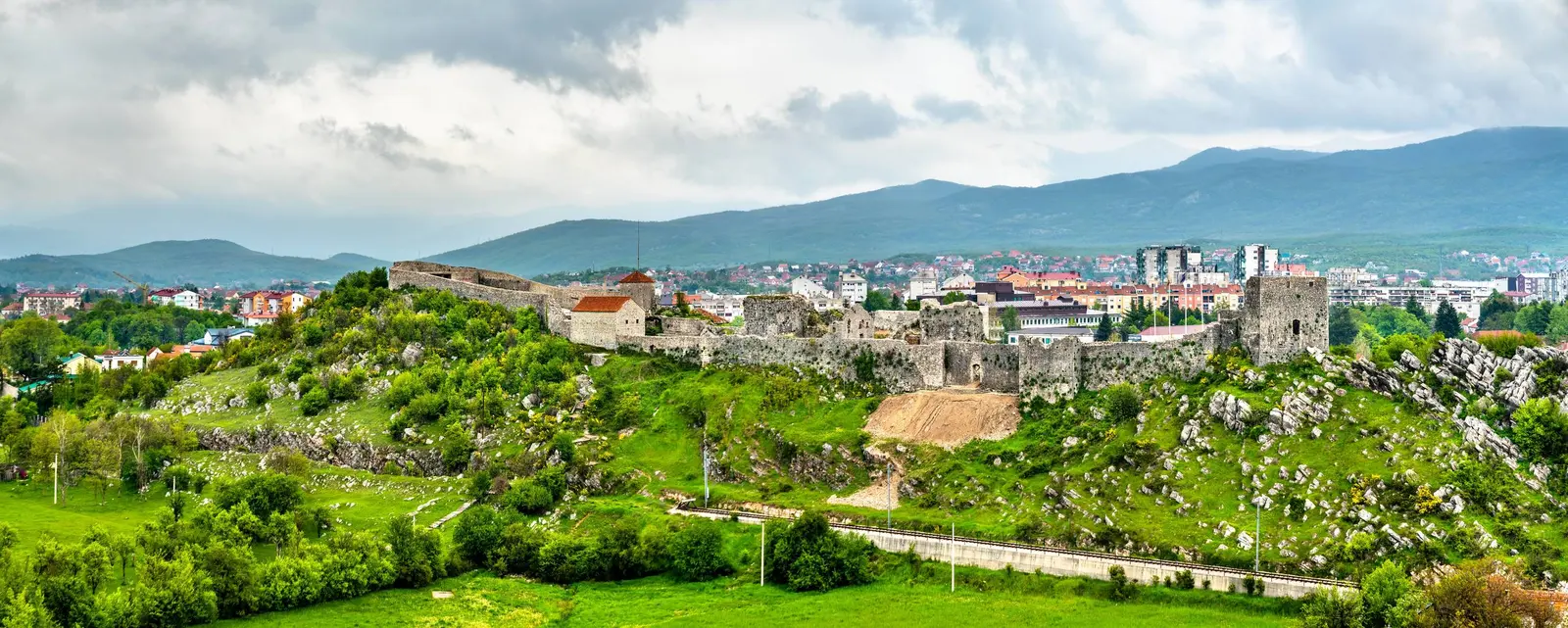
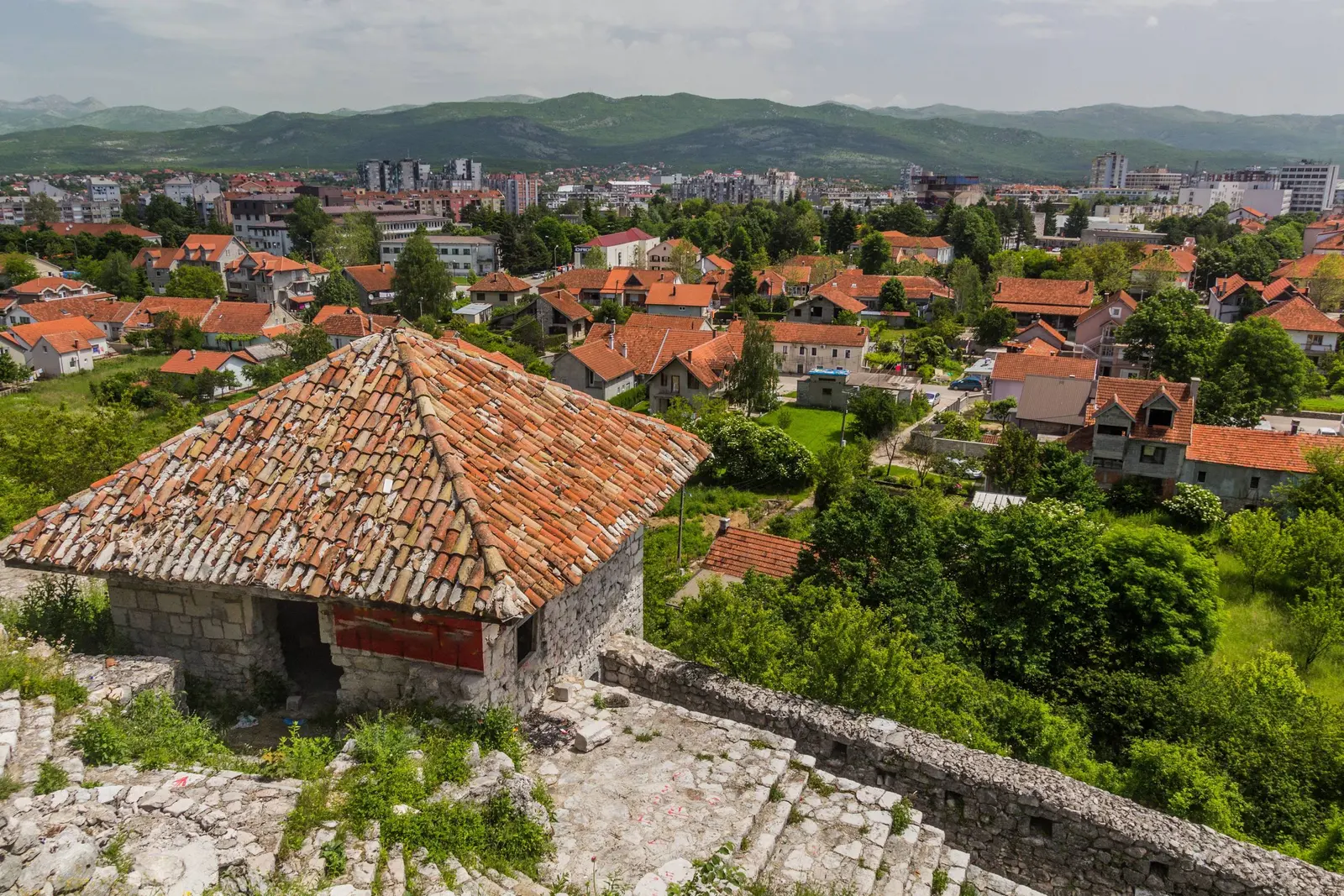
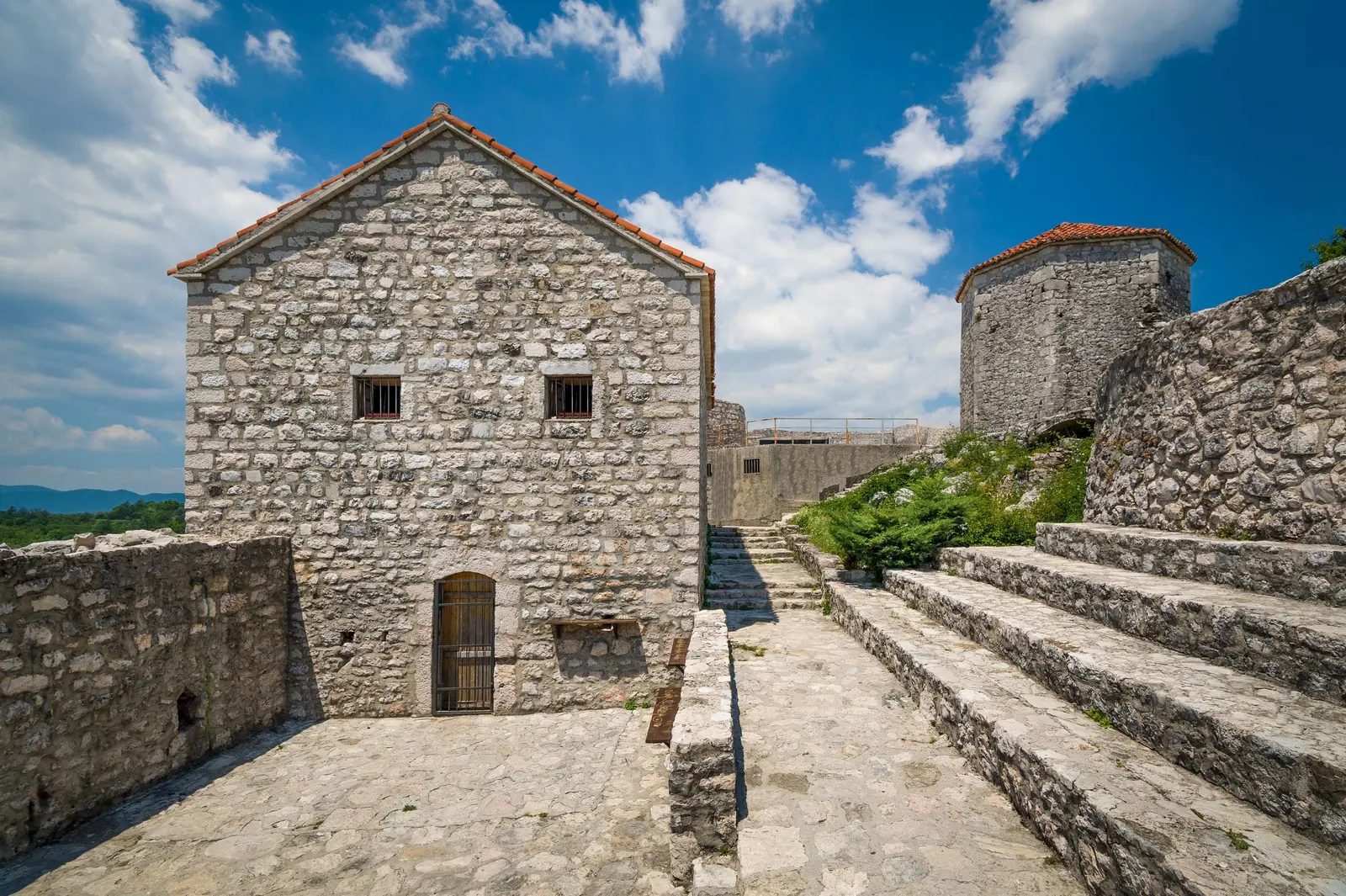
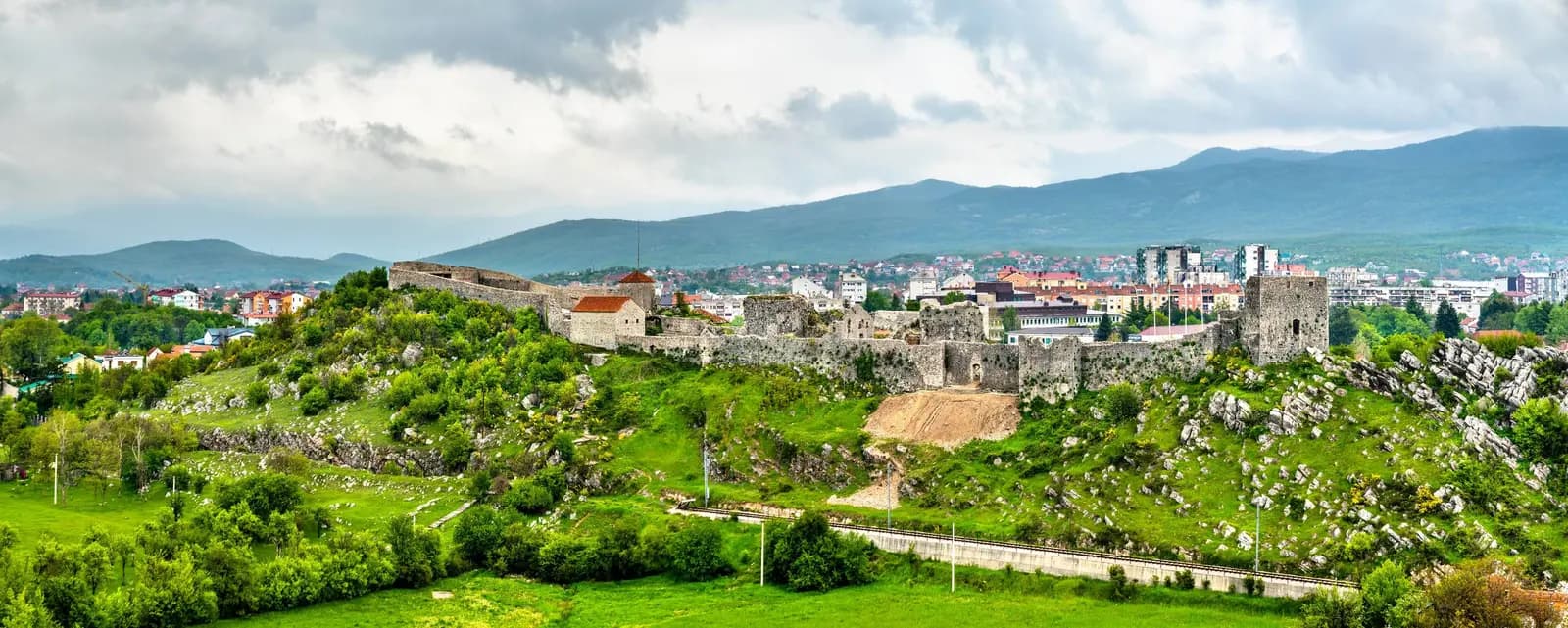
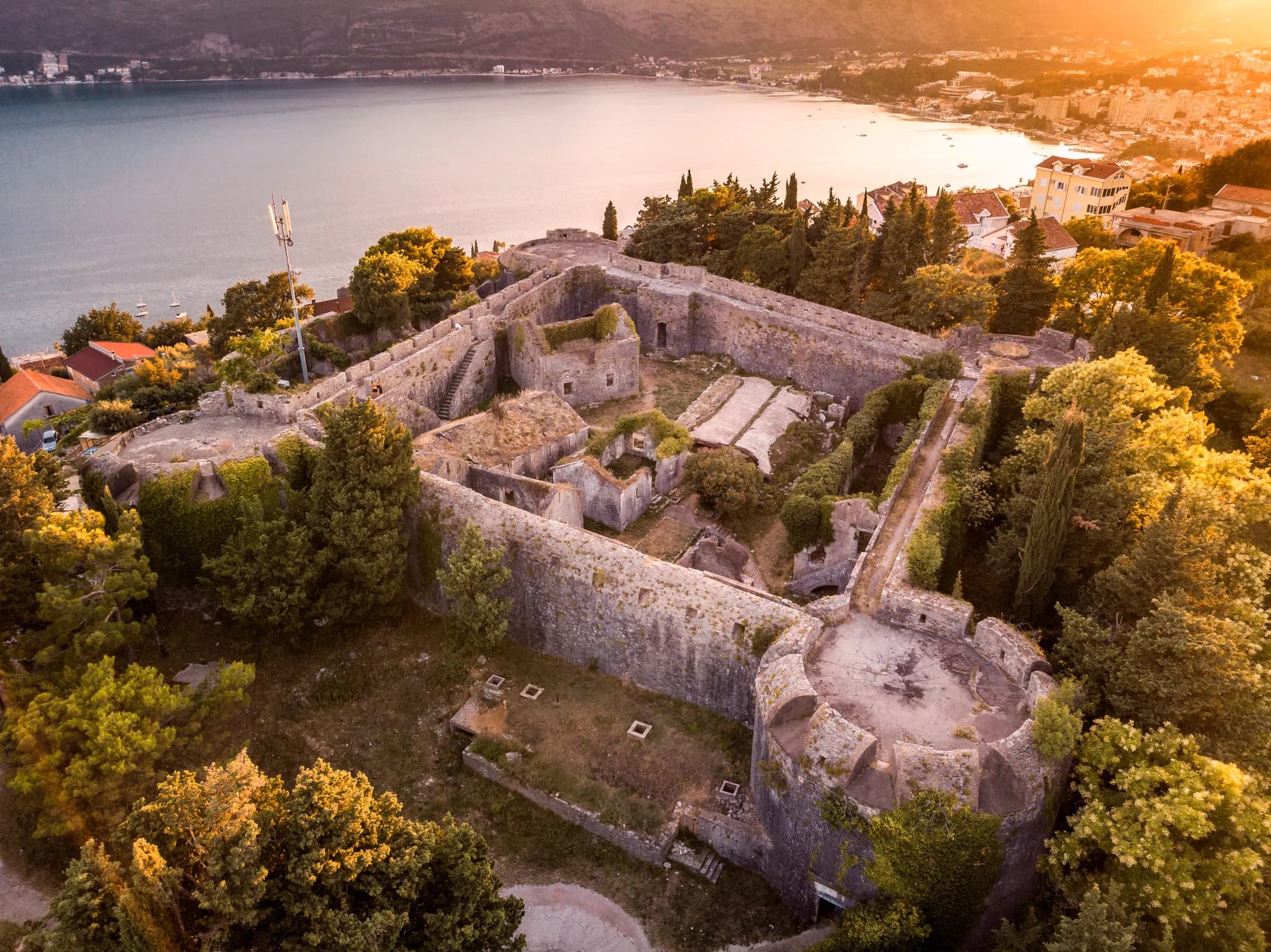
At the other end of Nikšić are the ruins of old fortifications from the time of the Turks. The former city ramparts are difficult to reach, due to unplanned private houses.
On the city's central Freedom Square, there is a monument to the Montenegrin King Nikola I (erected in 2006) and the House of Revolution - a never-completed building in the social-realist style.
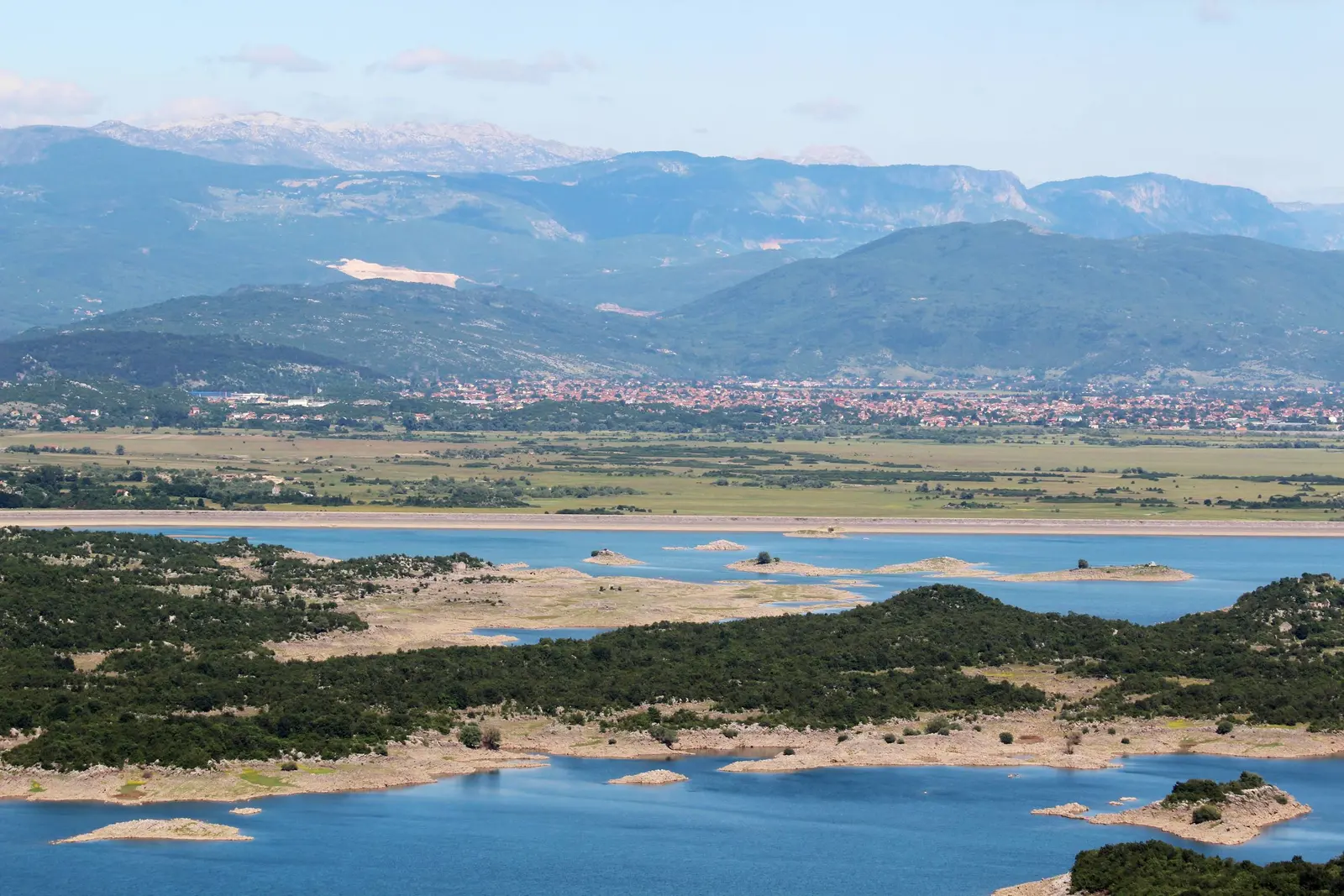
The town of Nikšić is surrounded by three lakes, as well as the Vidrovan picnic area (famous for its drinkability and softness of water - from which only such quality, unique Nikšić beer is made!). To the west of the city are Krupačko and Slansko jezezo.
The surroundings of the city abound with old stone bridges. Although Nikšić is located above the abyssal rivers, several streams and rivers that flow here are bridged by about 10 bridges. The largest, Tsar's Bridge, 269 m long, is located on the old Nikšić-Podgorica road. And it was built with the contribution of the Russian imperial family. The oldest Roman bridge, across the Moštanica river, is said to have been built in the 8th century, along with a part of the caravan route that led from Dubrovnik and Boka to Nikšić, and further, towards Brskov, and other mining sites of medieval Serbia.
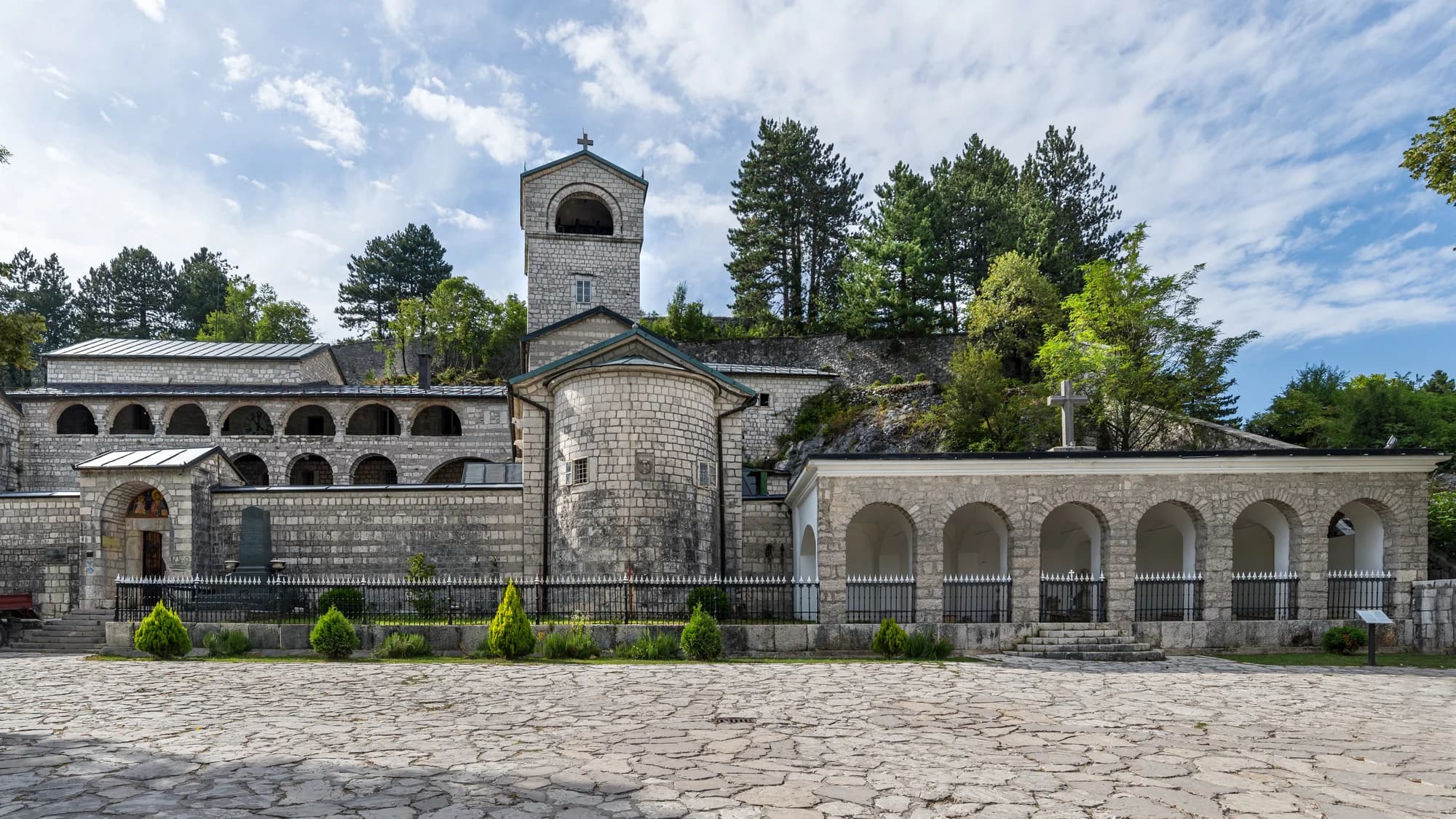
Not far from Nikšić towards the nearby Danilovgrad (Montenegro), there is the Ostrog Orthodox Monastery (see Ostrog Monastery) carved into the mountain, like an architectural wonder (!). The monastery where the scented relics of St. Vasilija Ostroški, is visited by tens of thousands of pilgrims during the year! Montenegrins have a custom that at every mention of the name of St. Basil of Ostrog, stand up and cross themselves, up-down-right-left, as the Orthodox do.
Nikšić can be reached today from Podgorica, Sarajevo and Mostar (via Trebinje), and also from Boka Kotorska, via the Risan road, from coastal Lipac, near Morinje (see that)...
We may earn a commission from partner links. This helps us keep Montenegro.com free for travelers.
Written by
Pavle Obradović
Pavle Obradović is from Herceg Novi. He was Manager of Montenegro.com, then Director of the Herceg Novi Tourism Organization, and is now Coordinator for Investment and Development Projects at the Municipality of Herceg Novi. He holds a BSc in International Hospitality and Service Management from the Rochester Institute of Technology (RIT).