There is a moment in the life of every great destination — after the guidebooks notice it but before the crowds believe them — when everything is briefly, impossibly right. Tuscany had it in the seventies. Croatia had it in the 2000s. Portugal had it a decade ago.
Montenegro is having it right now. And unlike those places, this one comes with a countdown clock you can actually read.
The two-hour rule
Fly into Dubrovnik — easy from almost anywhere in Europe, one stop from the U.S. — drive forty minutes south, cross one lazy border, and the arithmetic of your vacation changes. The same Adriatic. The same Venetian stone towns, the same water so clear you can count pebbles at ten meters. But the seafront dinner that costs €120 in Dubrovnik costs €50 here. The waterfront apartment that rents for €400 a night on the Croatian side rents for €150 in the Bay of Kotor. Coastal prices across the board run roughly 40–60% below Croatia’s (market analysis) — not because anything is lesser, but because the world hasn’t finished finding out.
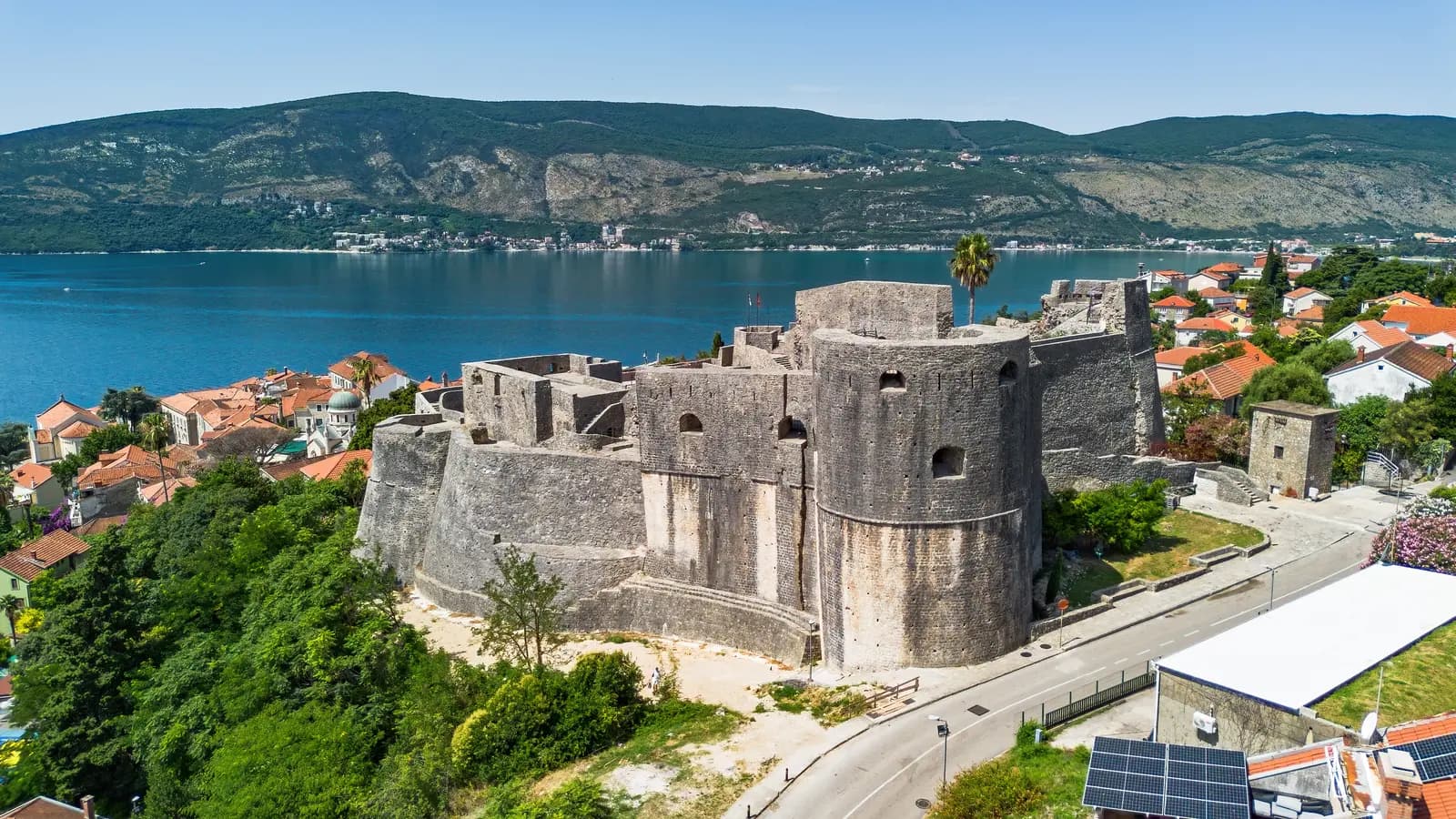
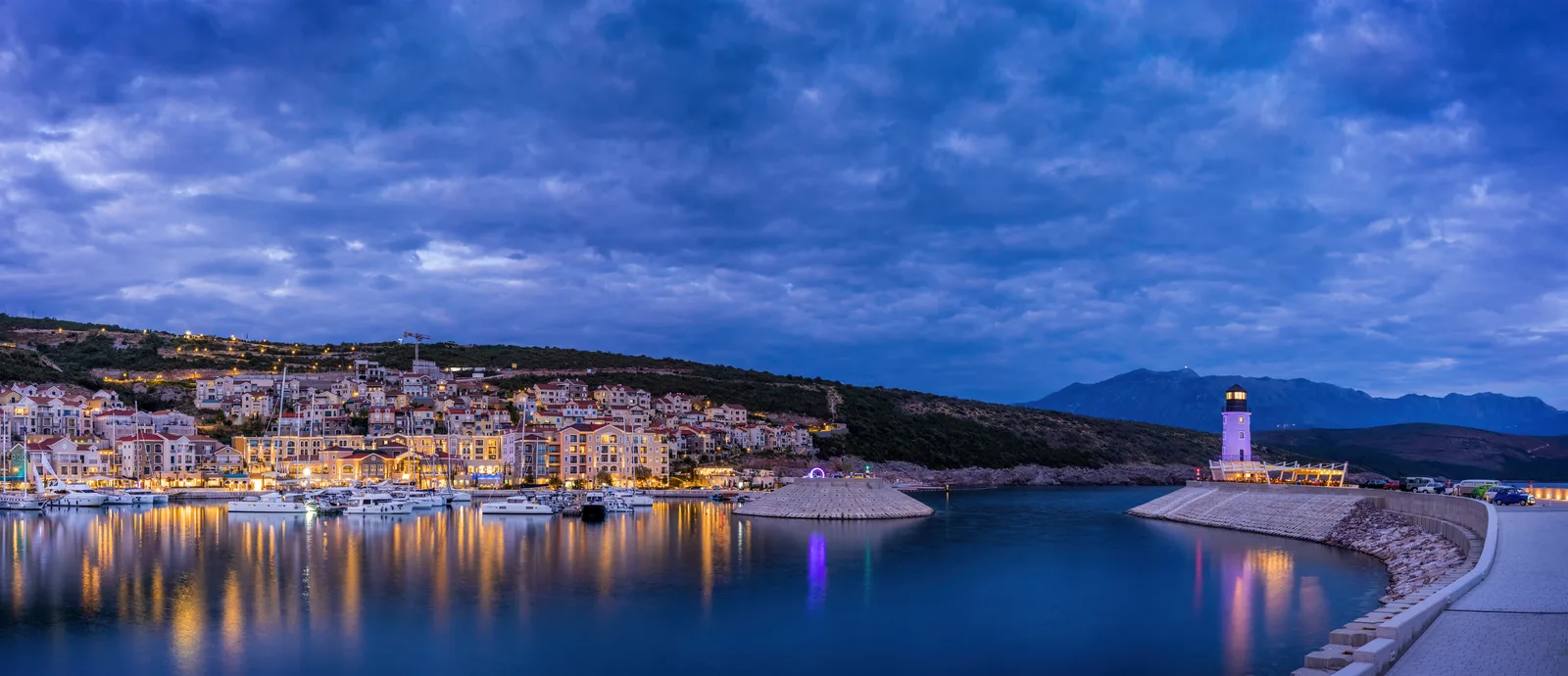
Within two hours of landing you can be swimming beneath a 500-year-old fortress in Herceg Novi, eating black risotto at a konoba where the owner’s grandfather built the boat outside, or drinking Vranac on a terrace watching superyachts idle into Porto Montenegro — Monaco’s quieter, cheaper understudy.
A country the size of a long weekend
Montenegro is smaller than Connecticut, and that’s its superpower. Nowhere else in Europe can you do this in a single day: morning swim in the Adriatic, lunch beside the fjord-like Bay of Kotor (technically a ria, magnificently indifferent to the technicality), afternoon drive up the vertiginous Kotor serpentine into a stone-gray moonscape of mountains, and dinner at 1,700 meters over lamb cooked under an iron bell — with Durmitor’s black pines and the Tara Canyon, Europe’s deepest, waiting the next morning. Beach-to-summit in ninety minutes. Skiing and swimming in the same April week, if you time it right.
And you’ll pay in euros — Montenegro adopted the currency two decades ago despite not being in the EU — with no currency math, no exchange-rate games. Americans and most Westerners walk in visa-free for 90 days. Because the country sits outside the Schengen Zone, those days don’t touch your Schengen allowance — the reason savvy long-stay travelers and remote workers have quietly made it their base for years.
Why "as soon as possible" isn’t hype — it’s a calendar
Here’s the part most travel writing won’t tell you plainly: Montenegro’s days as a value secret are numbered, and the number is roughly two summers.
The country is the frontrunner to become the European Union’s 28th member, targeting accession around 2028 — it has already closed nearly half its negotiation chapters, and Brussels began drafting its Accession Treaty in May, the first since Croatia’s (Balkan Insight, New Union Post). If you want to know what happens next, look one border north. Croatia joined the EU in 2013, then the euro and Schengen in 2023 — and its coast repriced accordingly, with Dubrovnik becoming the poster child for European overtourism. Same sea, same history, and today Croatian coastal prices sit far above Montenegro’s.
When Montenegro follows — new flight routes, tour-operator confidence, EU infrastructure money, eventual Schengen entry erasing that Dubrovnik border queue — three things change: the prices, the crowds, and the feeling. The first two you can measure. The third is the one travelers mourn.
Right now the feeling is intact. Kotor’s back alleys still empty out by 8 p.m. when the cruise passengers leave. In Herceg Novi — the underrated westernmost town, all staircases, mimosa trees, and locals who still outnumber visitors ten months a year — you can rent a one-bedroom for a month in shoulder season for what a Santorini hotel charges per night. The green markets sell figs and smoked pršut to neighbors, not to influencers. Even the statistics confirm the window: the 2026 season actually opened softer than last year (Montenegrobusiness) — meaning this may be the rare summer where a famous-tomorrow destination is briefly less crowded than it was yesterday. Windows like that do not reopen.
The itinerary that proves it (7 days)
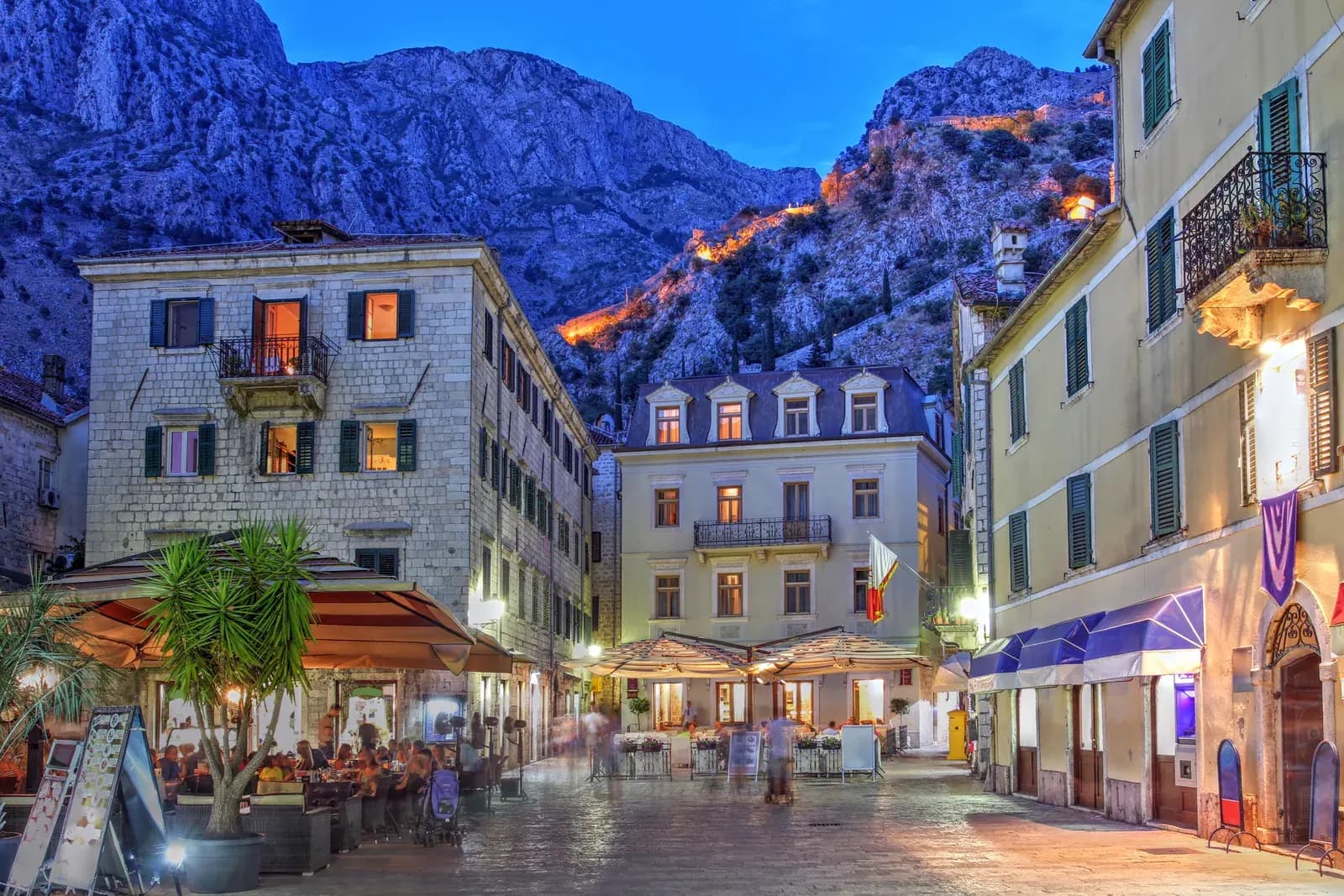
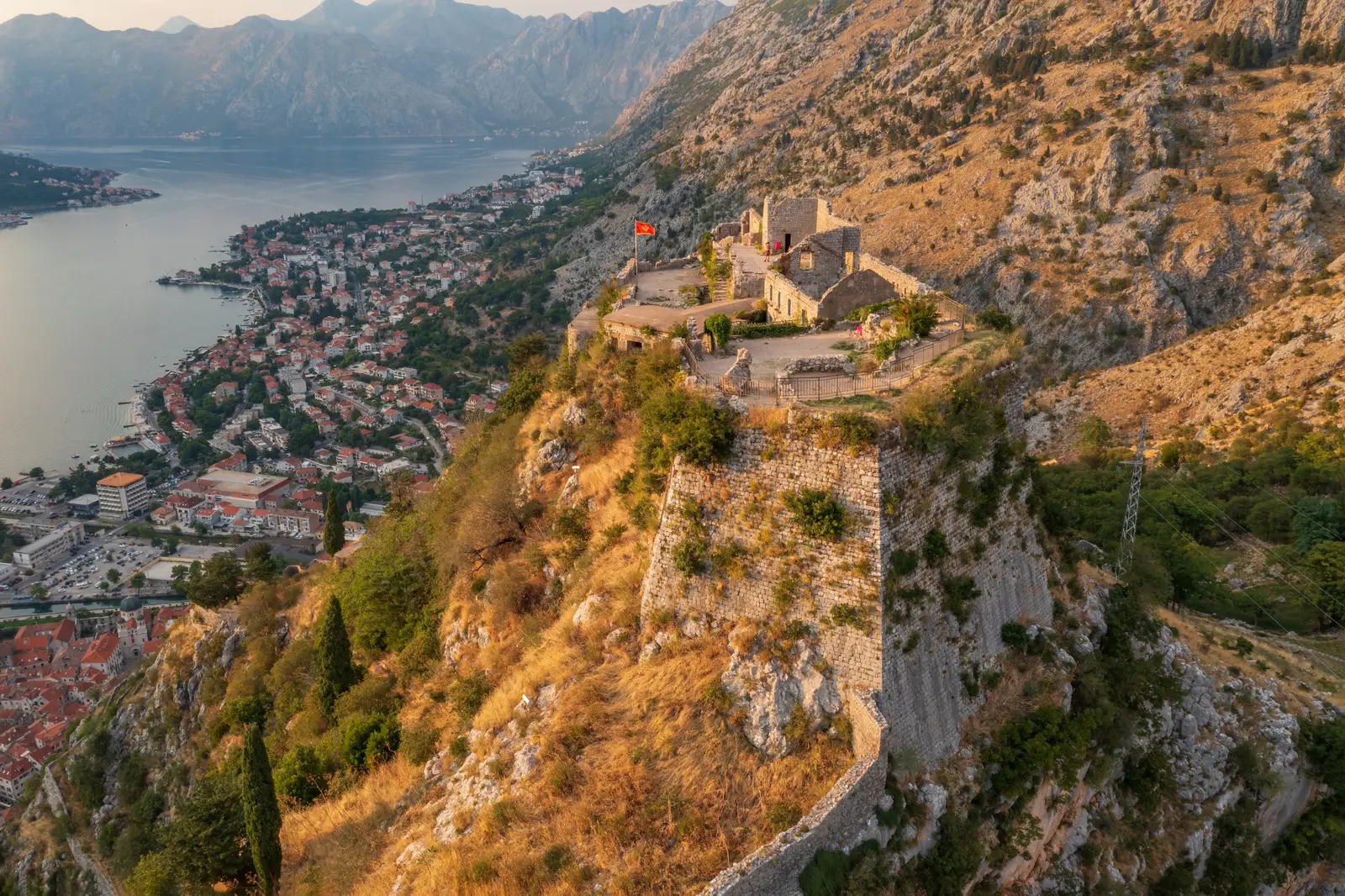
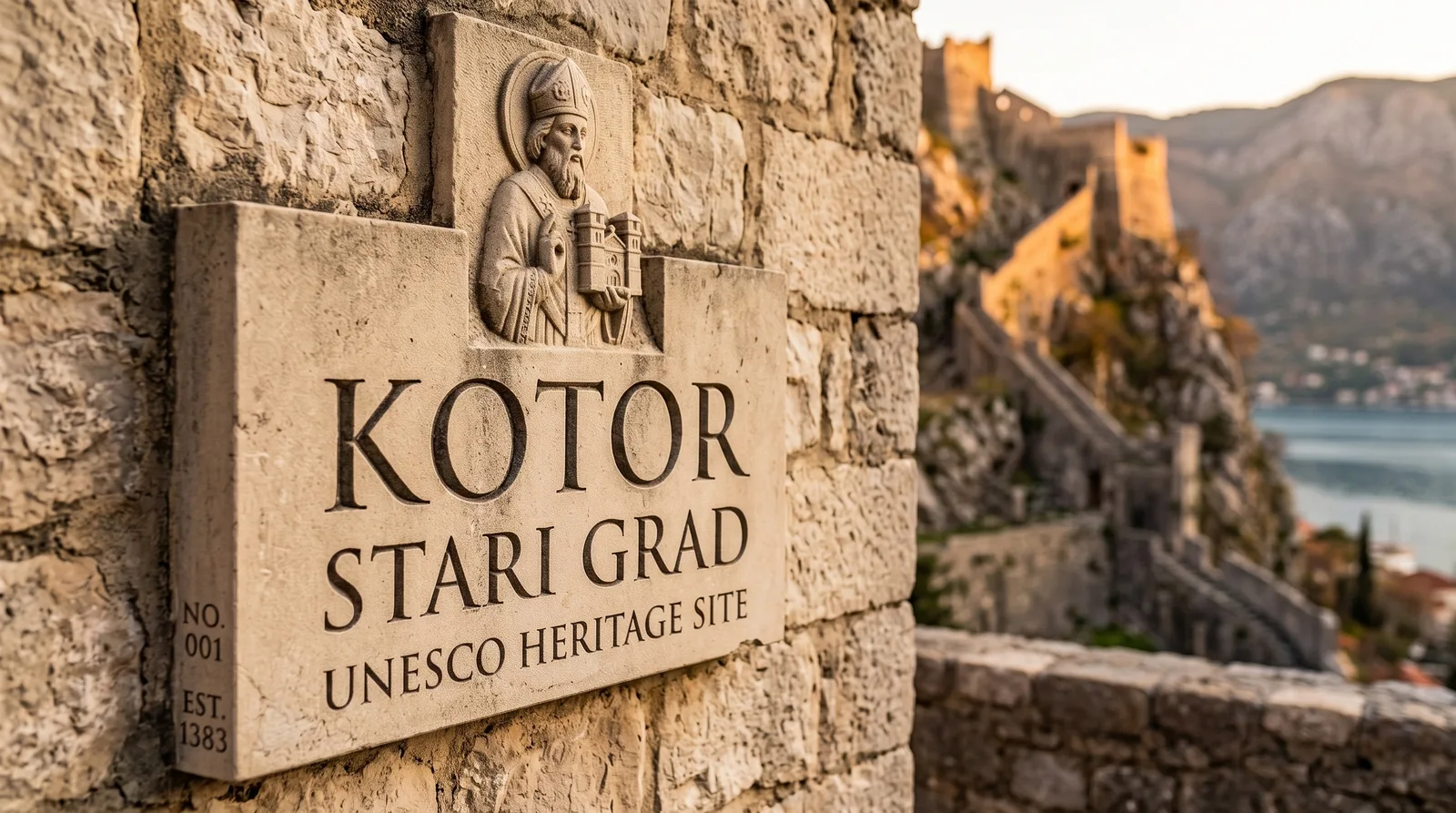
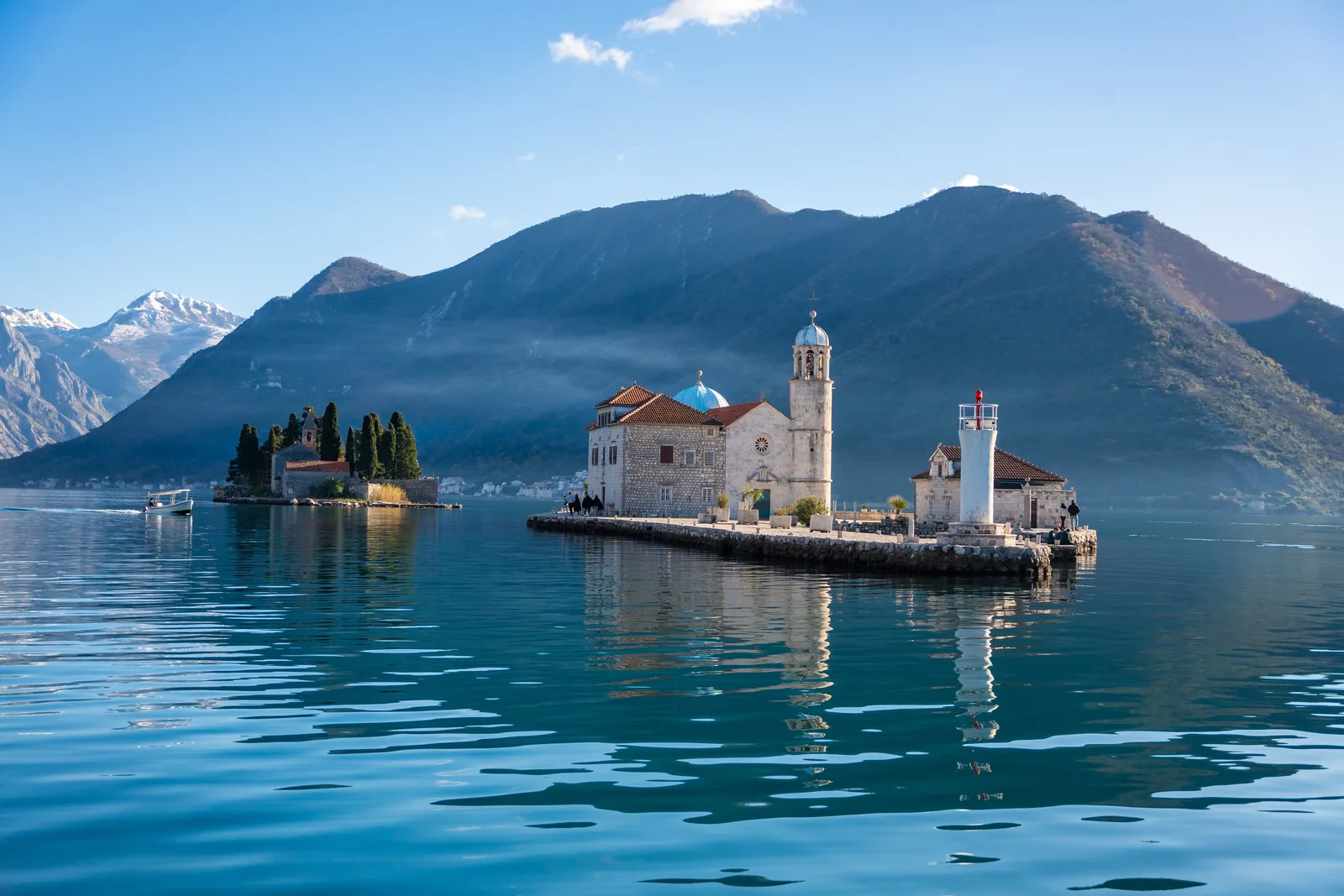
Days 1–2, Bay of Kotor. Base in Kotor or Perast. Climb the fortress walls at 7 a.m. before the heat and the ships; boat out to Our Lady of the Rocks; dinner in Perast where the bay goes molten at sunset.
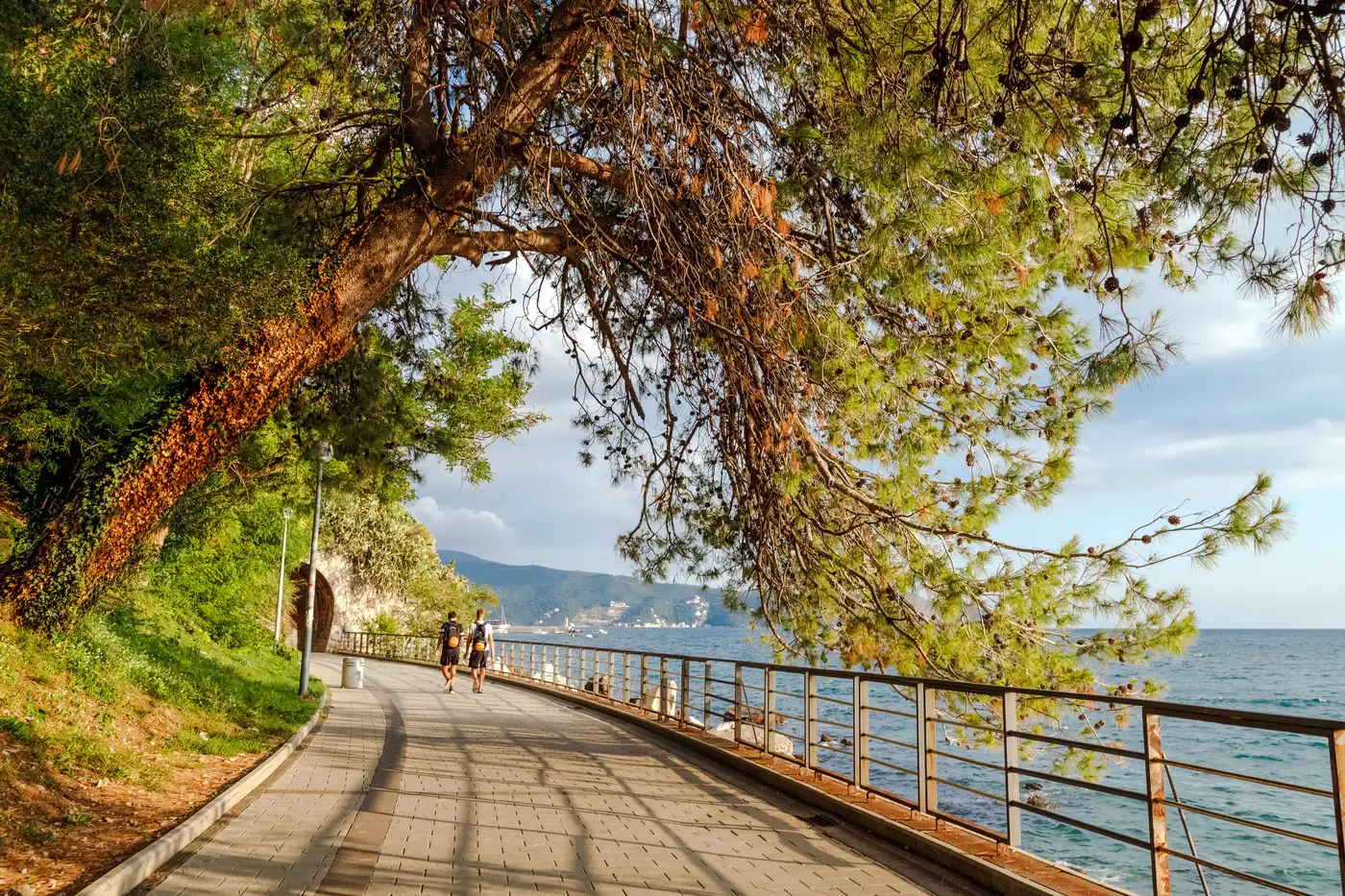
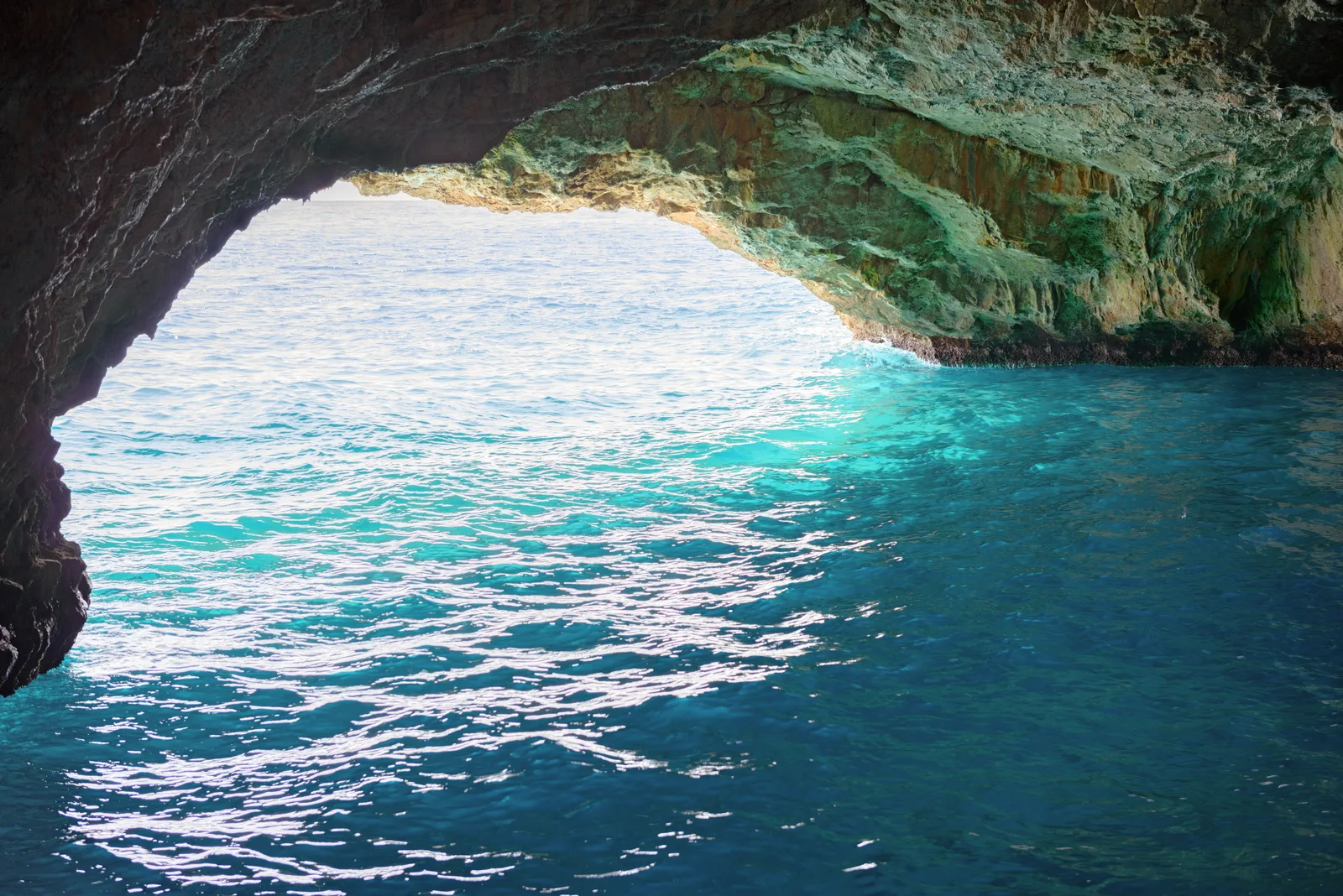
Day 3, Herceg Novi. The connoisseur’s town at the bay’s mouth. Swim off the Pet Danica promenade, coffee beneath the Kanli Kula fortress, day-trip to the blue cave and the beaches of the Luštica peninsula.
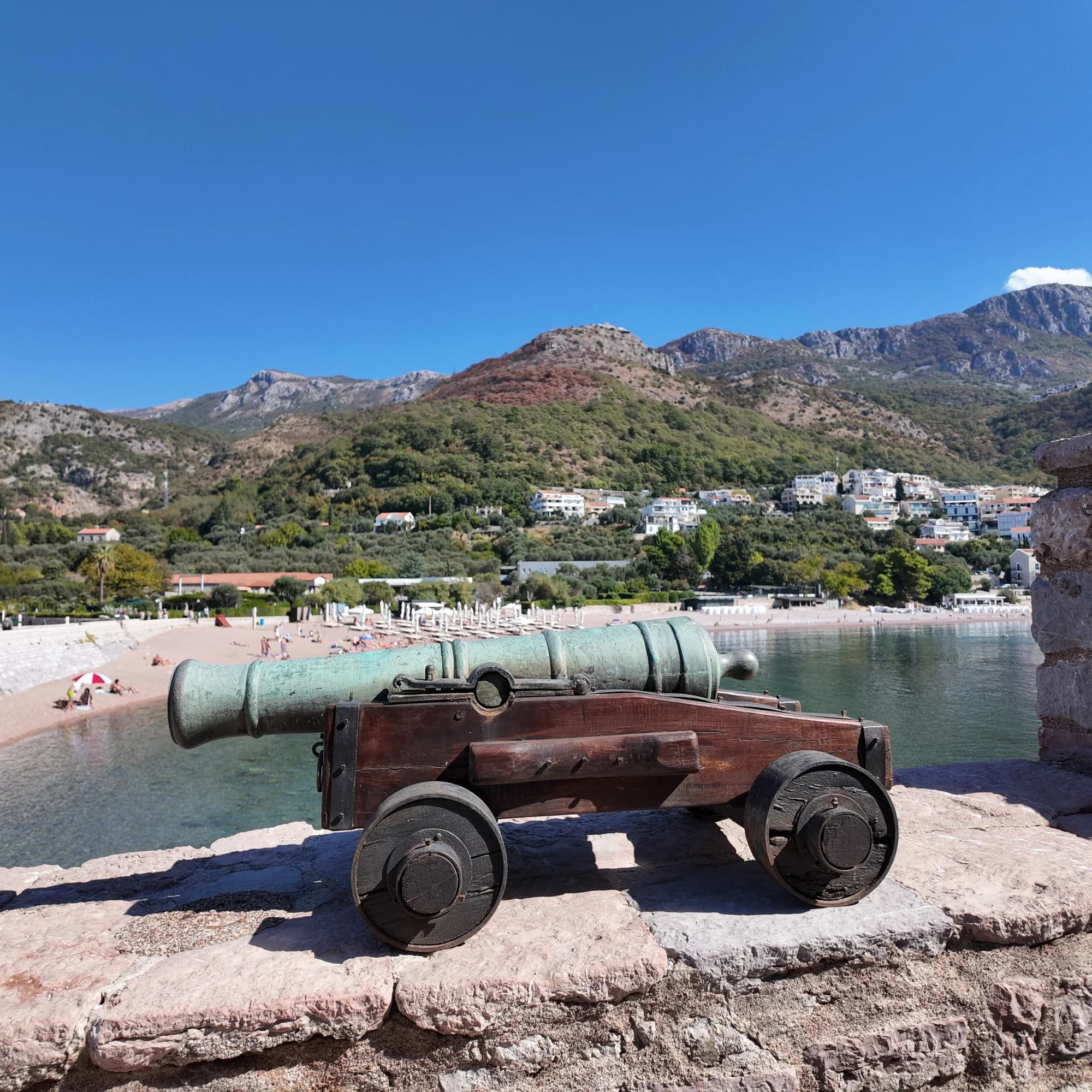
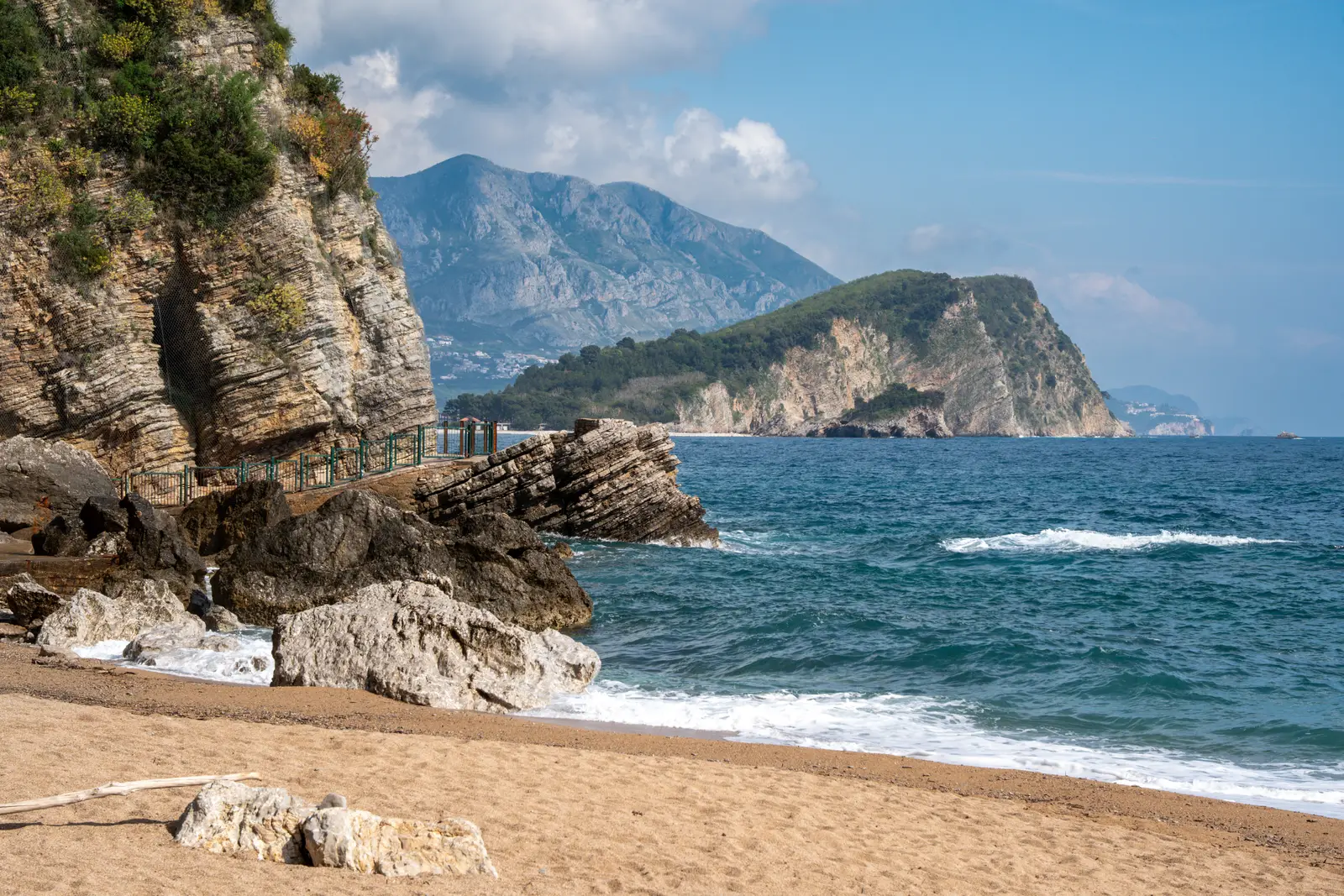
Day 4, Budva & Sveti Stefan. The riviera day — old-town lanes, Mogren beach, and the photograph everyone comes for: the island-hotel of Sveti Stefan strung with pines like a stone ship at anchor.
Days 5–6, the North. Drive up through the mountains to Durmitor National Park. Raft the Tara Canyon, walk the Black Lake, sleep in Žabljak where dinner for two with wine still costs less than airport sandwiches.
Day 7, Cetinje & Lovćen. The old royal capital, then 461 steps to Njegoš’s mausoleum on Mount Lovćen — half of Montenegro visible at your feet, the sea on one side, the mountains on the other, and the understanding, finally, of why the country is named for them.
The bottom line
Some trips are good ideas. This one is a good idea with an expiration date. Montenegro in 2026 is Croatia in 2005, Portugal in 2012 — the euro already in your pocket, the crowds not yet at the gate, the EU accession clock ticking loudly toward 2028. In a few years you’ll still be able to come, and it will still be beautiful. But you’ll be a tourist in a discovered country, paying discovered-country prices, telling people you wish you’d seen it before.
You’re reading this before. Go now.
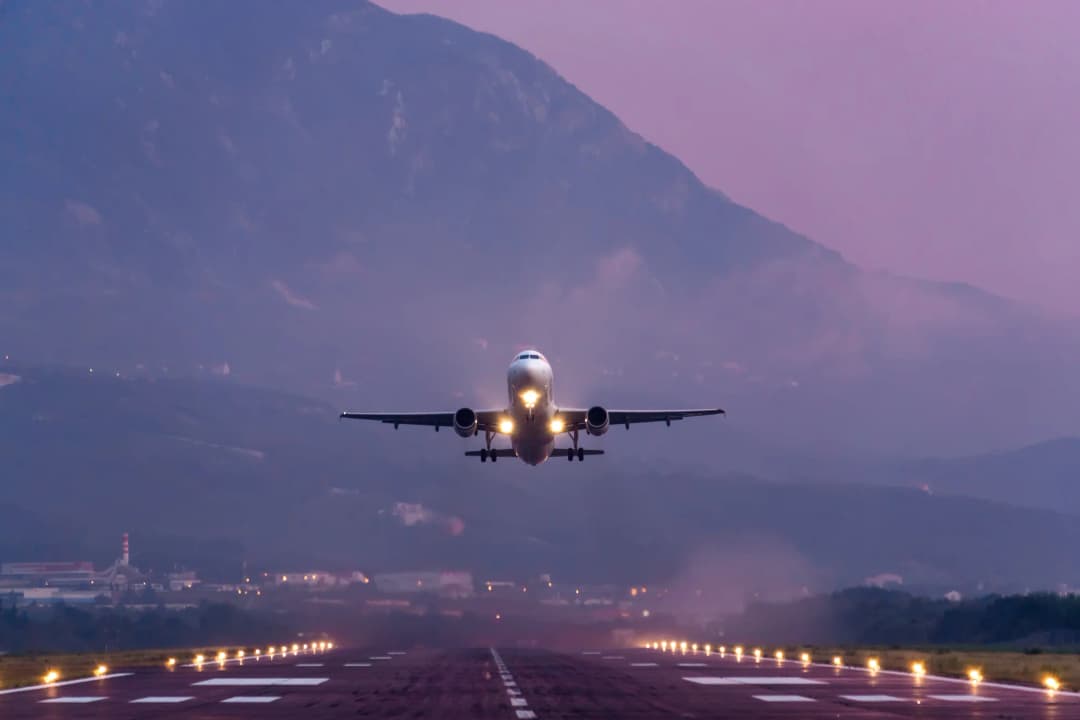
Practical notes: 90-day visa-free entry for U.S., UK, Canadian, Australian, and EU passport holders; no Schengen clock. Fly into Tivat or Podgorica via European hubs, or into Dubrovnik (40 minutes from the border). Currency: euro. Peak season July–August; June and September are the insider’s months — warm sea, thin crowds, full menus.