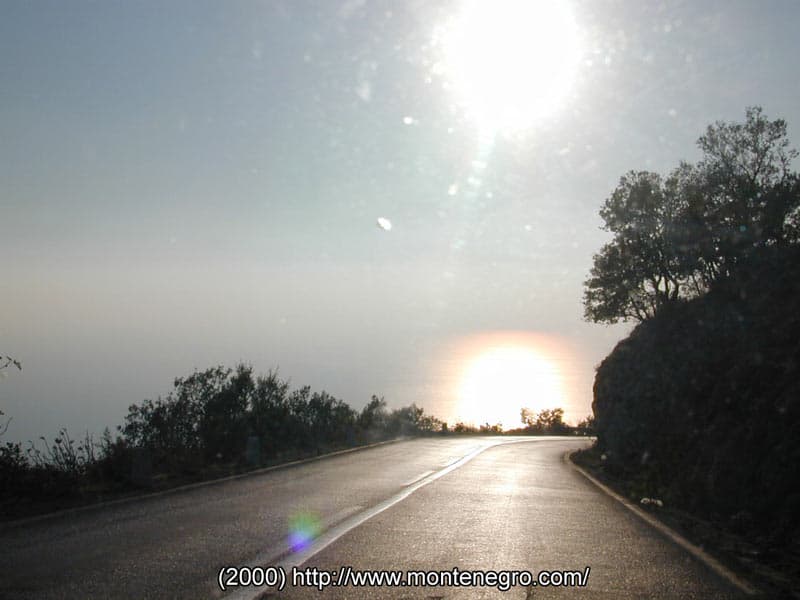
Au sud de Budva, là où la côte monténégrine commence à se détendre pour prendre un caractère plus paisible et plus ensoleillé, deux endroits très différents se trouvent à moins d'une demi-heure l'un de l'autre. Petrovac est une petite station balnéaire intime, bâtie autour d'une courbe de sable rougeâtre et d'une forteresse vénitienne. Bar est une ville portuaire active, avec des ferries vers l'Italie, une voie ferrée qui grimpe vers l'intérieur des terres en direction de Belgrade, et l'une des vieilles villes en ruines les plus évocatrices de l'Adriatique, dissimulée dans les collines qui la surplombent. Ensemble, elles forment un duo facile et gratifiant pour quiconque explore la riviera méridionale du Monténégro.
Orientation et accès
Petrovac et Bar s'étendent sur la côte adriatique méridionale du Monténégro, le long de la route côtière principale qui va de Budva jusqu'à la frontière albanaise. Toutes deux sont bien desservies et faciles d'accès, sans grande préparation.
- En avion : l'aéroport de Tivat est le plus proche, à environ 40 minutes à une heure de Petrovac en voiture. L'aéroport de Podgorica est un peu plus éloigné mais dessert également bien la région, et tous deux assurent des vols saisonniers et à l'année.
- En voiture : l'autoroute adriatique relie toute la côte. Petrovac à Bar prend environ 25 à 30 minutes ; Budva à Petrovac, une vingtaine de minutes. La voiture vous donne la liberté d'atteindre les plages plus tranquilles et les sites de l'intérieur.
- En bus : le réseau de bus côtier du Monténégro est fréquent et bon marché, avec des liaisons régulières entre Budva, Petrovac, Bar et Ulcinj.
- En train : Bar est le terminus sud de la célèbre ligne ferroviaire Bar-Belgrade, l'un des trajets en train les plus spectaculaires d'Europe.
Petrovac : une petite station au grand cœur
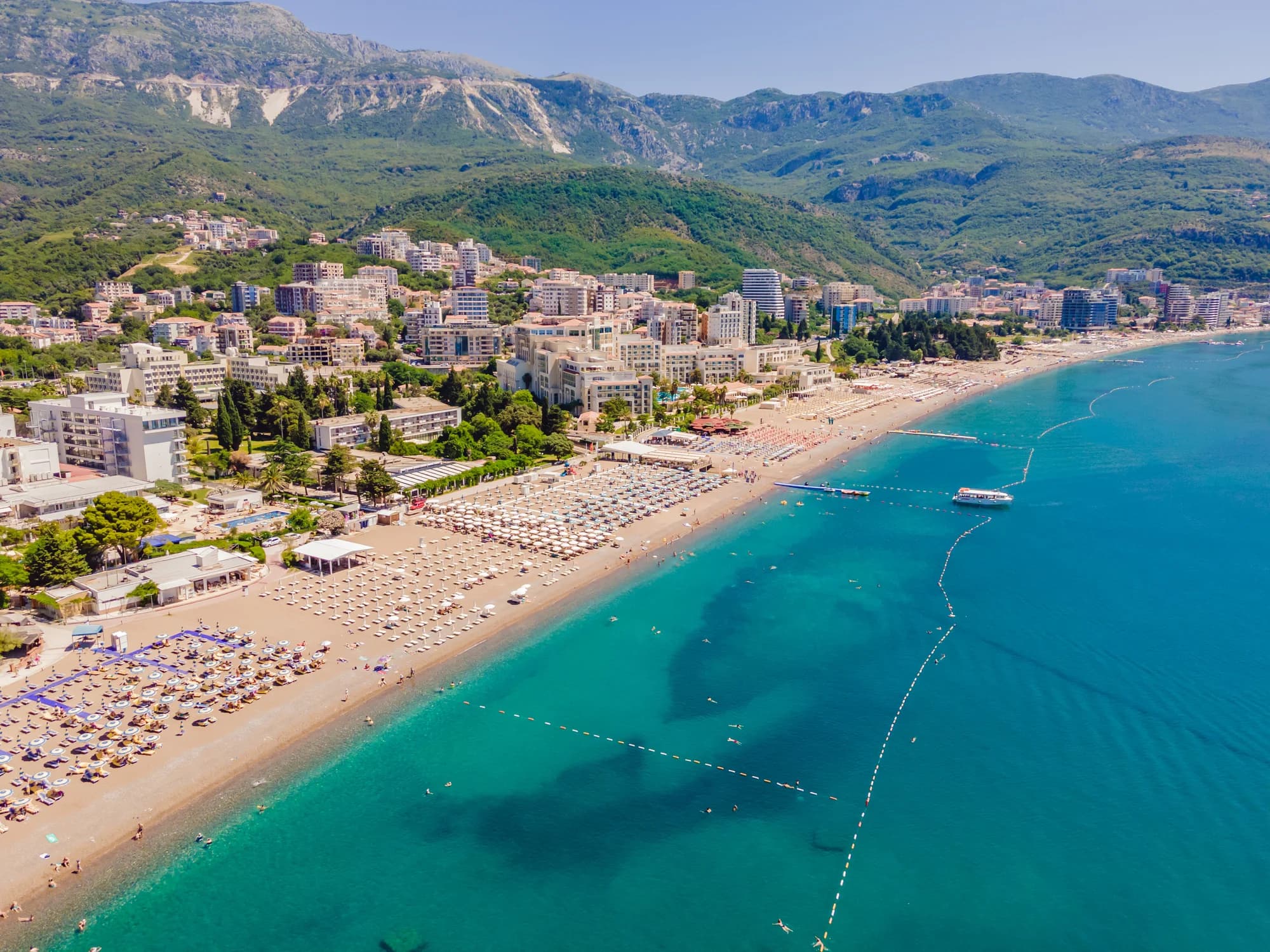
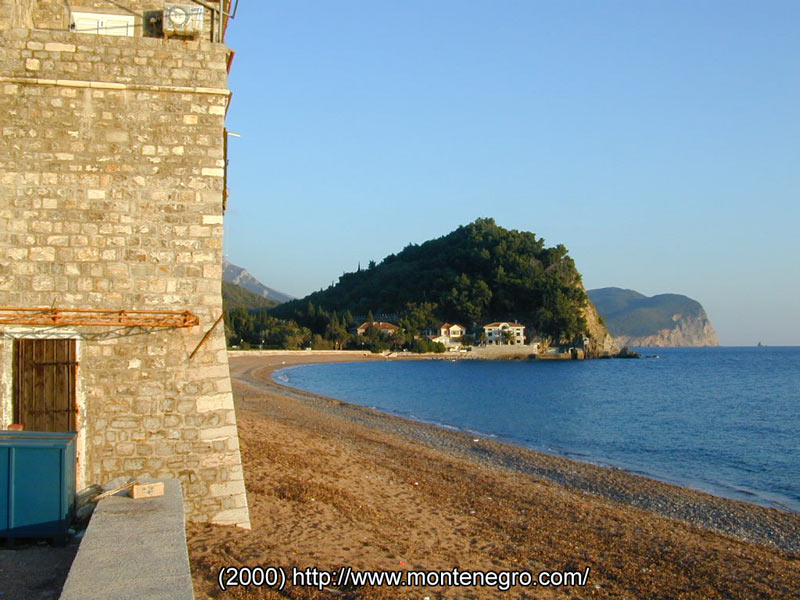
Petrovac est le genre d'endroit dont les voyageurs tombent vite amoureux. La ville épouse une seule baie abritée, avec une promenade bordée de palmiers qui longe tout le front de mer et une plage de sable fin, brun rougeâtre, qui donne à l'eau son éclat chaleureux si particulier. Elle est assez compacte pour être explorée entièrement à pied, et son atmosphère douce et familiale offre un contraste délibéré avec l'animation de Budva, plus haut sur la côte.
La plage et la forteresse Kastio
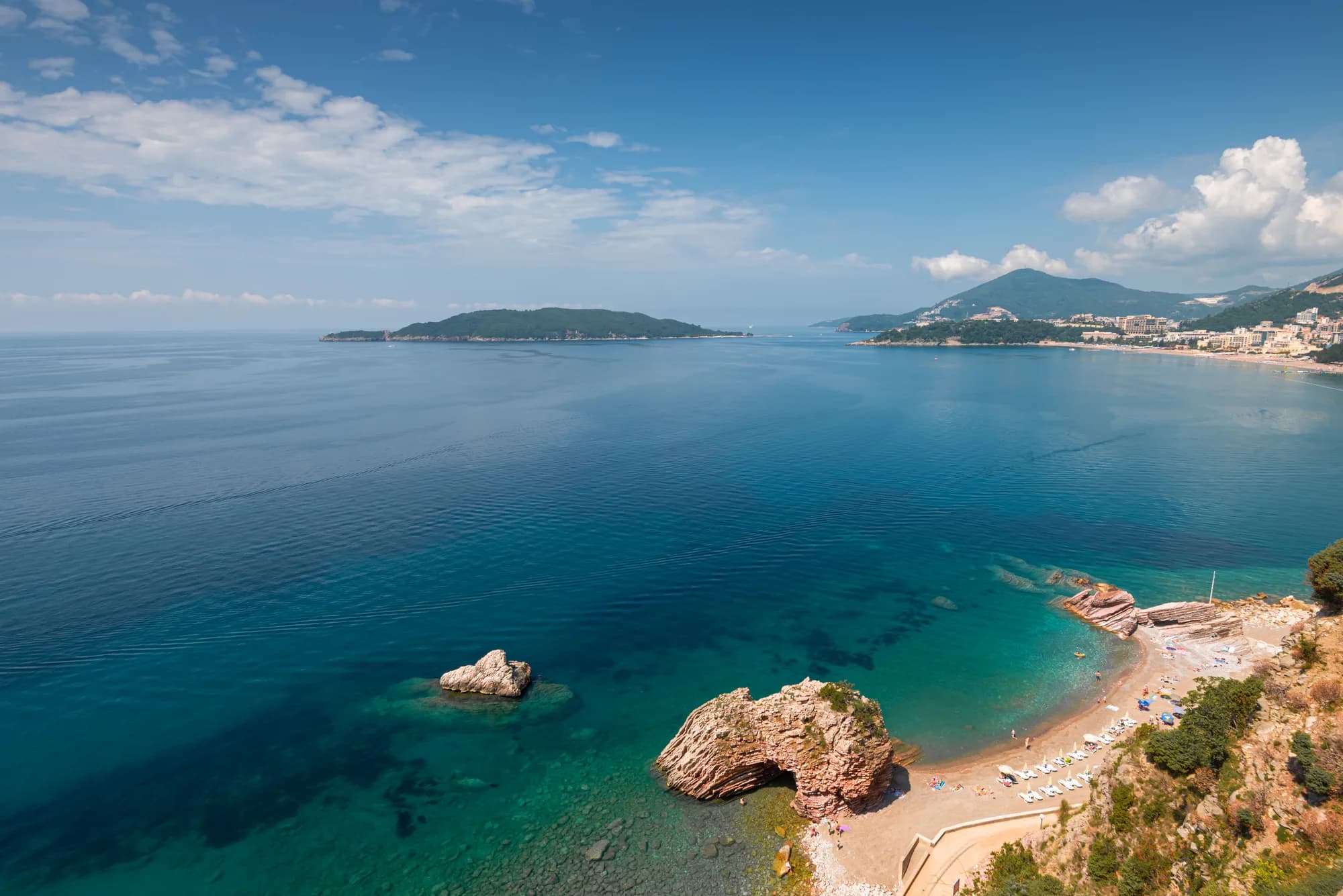
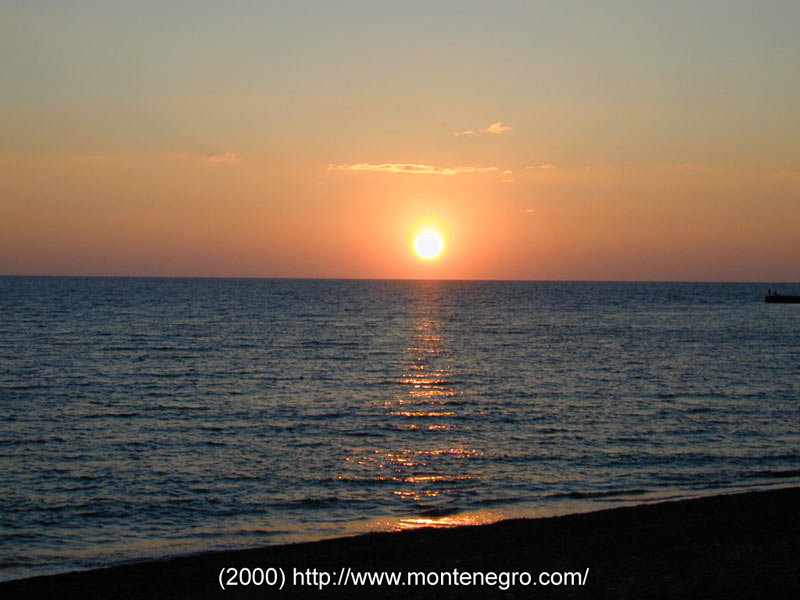
La plage de la ville est le cœur de Petrovac, abritée par de verts promontoires et adossée à des cafés et restaurants. À son extrémité sud se dresse le Kastio, une petite forteresse vénitienne édifiée au XVIe siècle pour protéger la baie des pirates et des incursions ottomanes. Une montée courte et facile vous mène jusqu'aux remparts, et la récompense est l'une des plus belles vues de cette portion de côte : toute l'étendue de la baie, les îlots au large et les collines couvertes de pins à l'arrière. La forteresse est un endroit merveilleux au coucher du soleil, et l'été elle accueille parfois des événements en plein air.
Les deux îlots : Katic et Sveta Nedjelja
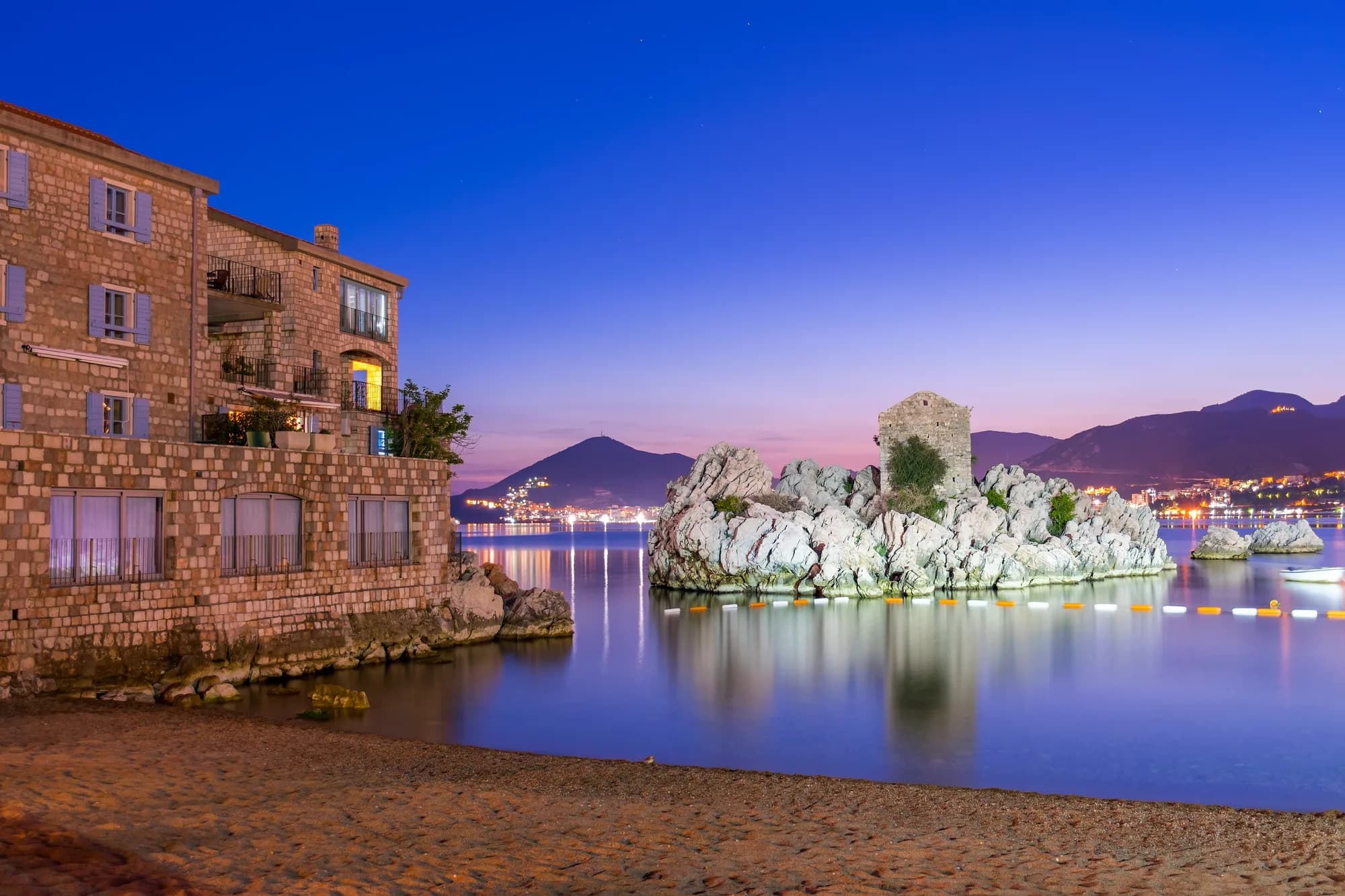
Juste au large de la baie se trouvent deux petits îlots devenus l'emblème de Petrovac. Katic est le plus grand, tandis que Sveta Nedjelja (Sainte-Dimanche) abrite une minuscule chapelle qui aurait été bâtie par des marins en remerciement d'avoir survécu à une tempête. Ils sont magnifiques à contempler depuis la promenade ou la forteresse, et par les journées d'été calmes, les bateliers du coin proposent de courtes excursions jusqu'à eux.
Au-delà de la ville : Lucice et Buljarica
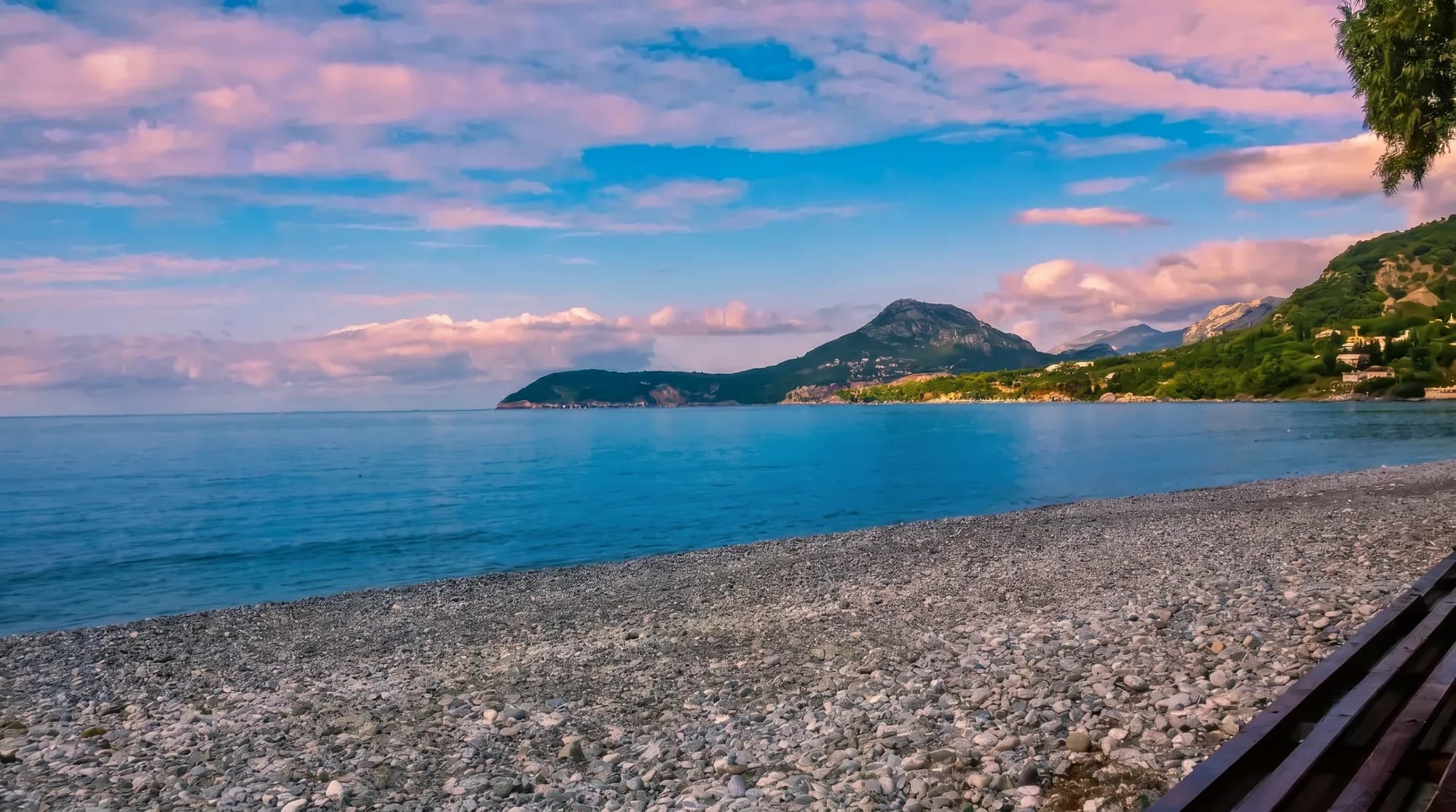
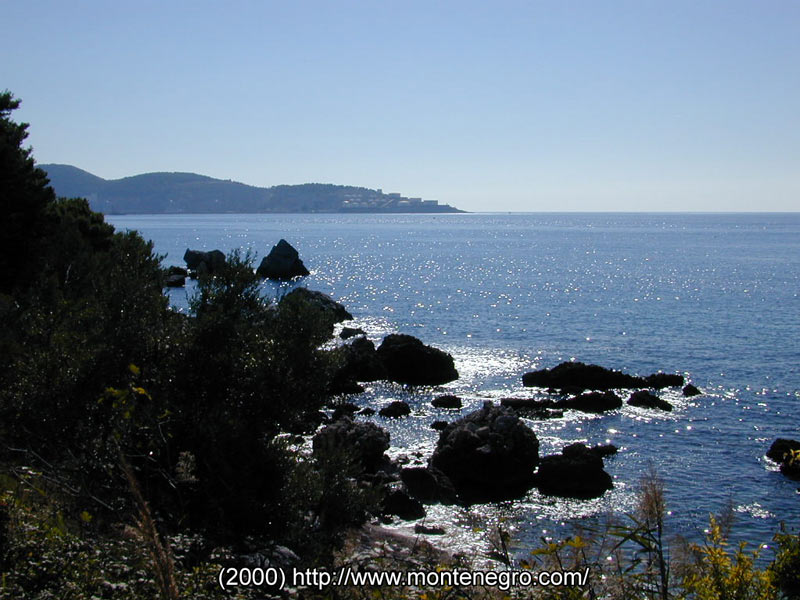
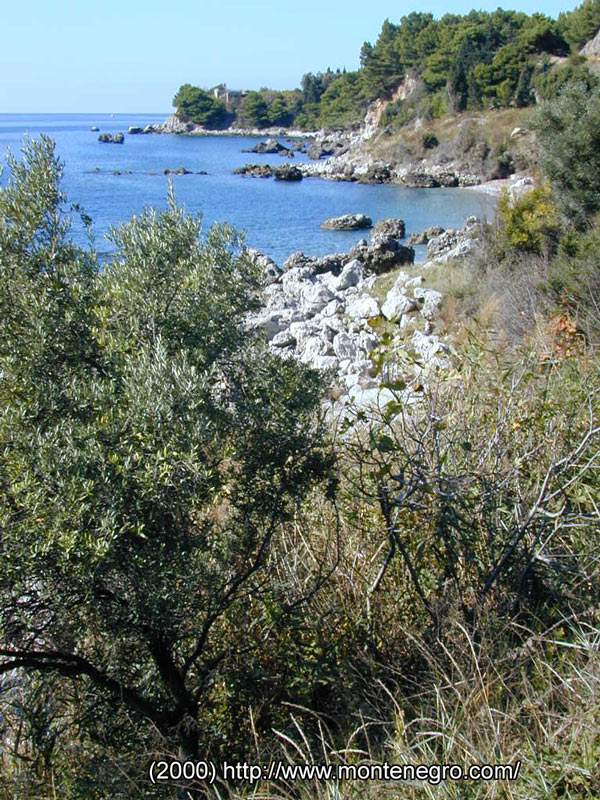
Une partie du charme de Petrovac tient à la facilité avec laquelle on peut s'en échapper. Une courte marche vers le sud, par-dessus le promontoire, vous conduit à Lucice, une jolie petite crique aux eaux calmes et peu profondes, prisée des familles. En poursuivant un peu plus loin, vous atteignez Buljarica, une plage longue, large et remarquablement préservée, adossée à la verdure et à une zone humide côtière. Buljarica est l'une des plages les plus sauvages et naturelles de la riviera, chère à ceux qui recherchent l'espace et le calme.
Bar : une ville portuaire à l'âme ancienne
Bar est tout autre chose. C'est le principal port du Monténégro et l'une de ses plus grandes villes côtières, un lieu de ports actifs, de ferries, de marchés et de vie quotidienne plutôt que de ruelles anciennes dignes d'une carte postale. La ville moderne au bord de l'eau est fonctionnelle plus que pittoresque, mais elle est la porte d'entrée vers des sites véritablement remarquables et un carrefour de transport essentiel.
Le port et les ferries vers l'Italie
Le port de Bar est le plus animé du Monténégro et le principal lien maritime du pays avec le reste du monde. Des liaisons régulières par ferry relient Bar aux ports italiens, notamment Bari, ce qui en fait un point d'arrivée ou de départ apprécié des voyageurs qui associent le Monténégro à une étape italienne. La fréquence des traversées est saisonnière, il vaut donc la peine de vérifier les horaires à l'avance.

Stari Bar : la vieille ville en ruines
Le véritable trésor de Bar se trouve à environ quatre kilomètres à l'intérieur des terres et en hauteur, au pied des montagnes. Stari Bar (le Vieux Bar) est une vaste ville fortifiée dont les origines remontent à bien plus d'un millénaire, chargée d'histoire illyrienne, byzantine, vénitienne et ottomane. Elle fut en grande partie endommagée par une explosion à la fin du XIXe siècle, puis par un tremblement de terre, et se dresse aujourd'hui comme une ruine immense et évocatrice : églises sans toit, palais qui s'effritent, un aqueduc, des hammams et des ruelles sinueuses, le tout enfermé dans d'épais murs défensifs et veillé par des tours encore debout.
Se promener à travers Stari Bar est l'une des expériences les plus envoutantes de la côte monténégrine. Vous pouvez grimper jusqu'à des points de vue dominant l'ensemble du site, contempler les oliveraies jusqu'à la mer, et terminer votre visite dans le petit ensemble de cafés et de boutiques d'artisanat qui a poussé autour de la porte d'entrée.
Le vieil olivier de Mirovica
En bordure de Stari Bar, dans le secteur de Mirovica, se dresse l'un des plus vieux oliviers du monde, largement considéré comme âgé de plus de deux mille ans. Son tronc énorme, noueux et creusé est un monument vivant de la culture de l'olivier qui façonne cette région depuis des millénaires, et il est protégé comme un trésor naturel. C'est un court détour depuis la vieille ville qui vaut amplement la visite, rappelant que les oliveraies autour de Bar comptent parmi les plus importantes du pays.
Le palais du roi Nikola et le chemin de fer
De retour dans la ville moderne, près de la marina, le palais du roi Nikola est une gracieuse résidence royale de la fin du XIXe siècle, entourée de jardins abritant une petite collection botanique rapportée de leurs voyages par les marins monténégrins. Il abrite aujourd'hui un musée local et constitue une halte agréable et ombragée. Bar est aussi célèbre pour être l'extrémité sud de la ligne ferroviaire Bar-Belgrade, une prouesse d'ingénierie extraordinaire qui s'élève du niveau de la mer à travers tunnels et viaducs jusque dans les montagnes. Même un court trajet vers l'intérieur donne un aperçu du paysage spectaculaire, et le parcours complet est considéré comme l'un des grands voyages ferroviaires d'Europe.
Où dormir et se restaurer
Petrovac est le choix le plus évident comme camp de base pour des vacances. L'hébergement y est dominé par de petits hôtels, des pensions familiales et des appartements, souvent à quelques minutes à pied de la plage. Il convient aux couples et aux familles en quête d'un séjour balnéaire détendu. Bar propose une gamme plus large d'hôtels et d'appartements pratiques, de style urbain, et constitue un bon point de chute si vous arrivez en ferry ou en train, ou si vous souhaitez explorer la côte sud et les sites de l'intérieur.
Côté restauration, la côte joue de ses atouts. Attendez-vous à du poisson et des fruits de mer frais de l'Adriatique, des viandes grillées, de l'huile d'olive pressée localement et les vins de la région de Crmnica, juste à l'intérieur des terres. À Petrovac, les restaurants du front de mer sont le lieu de rassemblement naturel ; à Stari Bar, les cafés près de la porte de la vieille ville sont un endroit charmant pour faire une pause.
Meilleure période pour visiter
La haute saison s'étend de juin à août, lorsque les plages sont les plus animées et la mer chaude. Pour bien des voyageurs, cependant, les mois d'intersaison de mai, début juin et septembre sont le moment idéal : températures agréables, eau assez chaude pour la baignade et affluence bien moindre. Stari Bar en particulier se découvre au mieux dans la lumière plus douce et l'air plus frais de la fin du printemps ou du début de l'automne, car les ruines offrent peu d'ombre.
Conseils pratiques
- Combinez les deux : installez-vous à Petrovac pour les plages et faites une excursion d'une demi-journée ou d'une journée entière à Bar et Stari Bar.
- Portez de bonnes chaussures à Stari Bar : le sol est fait de pierres inégales et une montée soutenue mène aux meilleurs points de vue.
- Emportez de quoi vous protéger du soleil et de l'eau : la forteresse de Petrovac comme les ruines de Stari Bar offrent peu d'ombre en été.
- Vérifiez les horaires des ferries et des trains à l'avance : les traversées vers l'Italie et les liaisons ferroviaires longues varient selon la saison et peuvent afficher complet en haute saison.
- La monnaie est l'euro, et les espèces restent utiles pour les petits cafés, les étals de marché et les excursions en bateau vers les îlots.
Petrovac et Bar capturent deux visages du sud du Monténégro sur une seule courte portion de côte : le charme doux et ensoleillé d'une petite station, et l'histoire profonde et stratifiée d'un port ancien. Réunissez-les et vous repartirez avec une image plus complète de ce beau coin de l'Adriatique, encore merveilleusement paisible.