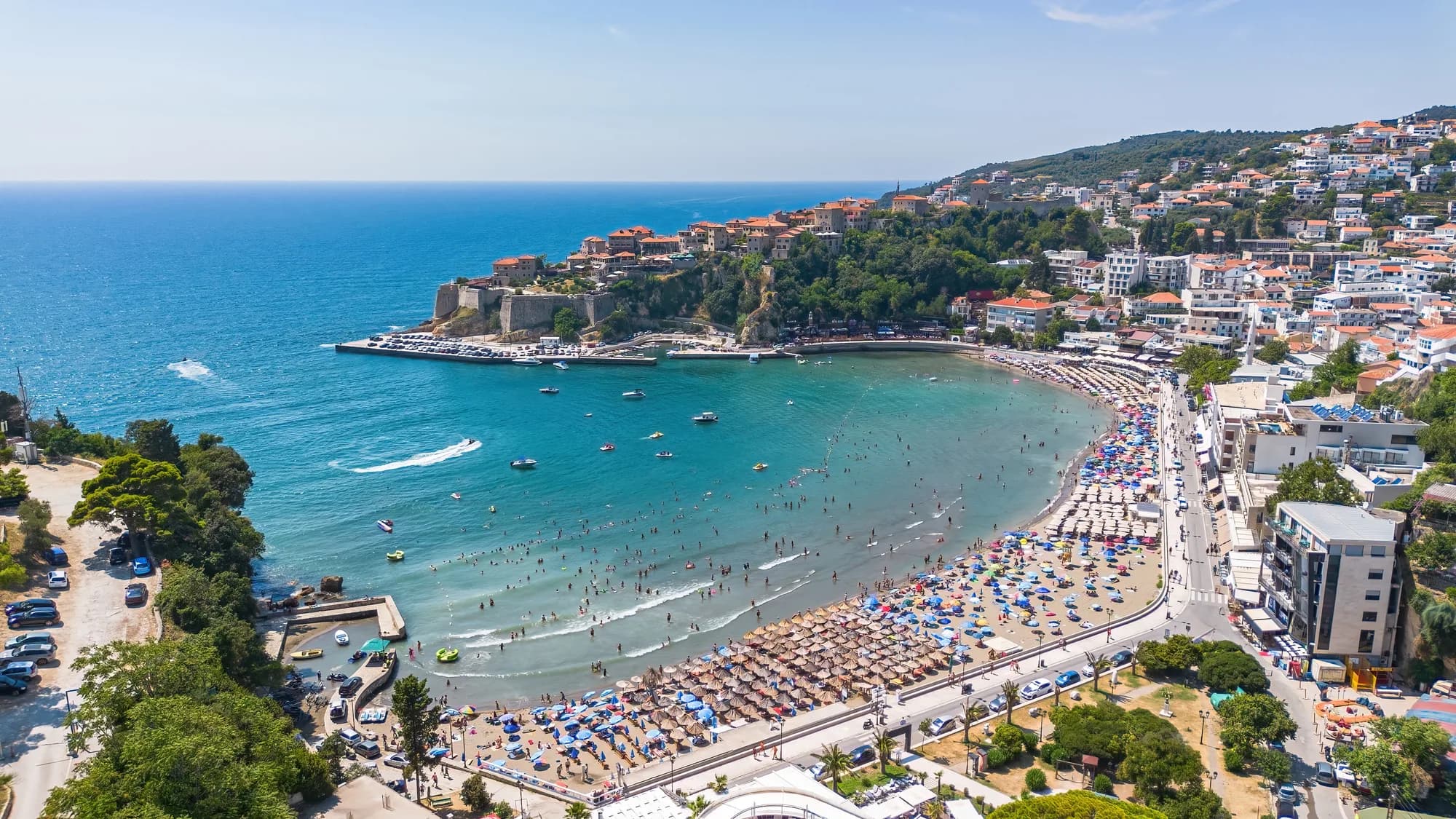
Malo gradova na Jadranu nosi toliko isprepletenih povijesti kao Ulcinj. Smješten na stjenovitom južnom rubu Crne Gore, blizu albanske granice, bio je ilirsko naselje, rimska luka, mletačka ispostava, zloglasno gusarsko utočište i, tijekom otprilike četiri stoljeća, osmansko uporište. Danas je i dalje jedno od najosobitijih mjesta u zemlji – grad s većinski albanskim stanovništvom, obzorom od minareta i kamena te spletom legendi među kojima je i ona o jednoj od najiznenađujućih figura židovske povijesti.
Riječ je o Sabbataju Zeviju – u ovim se krajevima piše Sabetaj Sevi – mistiku iz 17. stoljeća koji se proglasio mesijom, uzburkao židovske zajednice na tri kontinenta i, nakon dramatičnog obrata sudbine, prema predaji umro u Ulcinju oko 1676. godine.
Tko je bio Sabbataj Zevi?
Rođen u Smirni (današnjem Izmiru) 1626. godine, Sabbataj Zevi bio je karizmatičan i neobičan učenjak duboko upućen u kabalu, mističnu tradiciju judaizma. Godine 1665., potaknut mladim vizionarom Natanom iz Gaze, proglasio se dugo iščekivanim mesijom. Vijest se proširila nevjerojatnom brzinom. Od Amsterdama i Hamburga do Kaira, Soluna i gradova osmanskog Balkana, židovske je zajednice zahvatio val zanosa. Mnogi su rasprodali imovinu i pripremali se za otkupljenje i povratak u Svetu zemlju. Bio je to, po svakom mjerilu, jedan od najvećih mesijanskih pokreta u židovskoj povijesti.
Osmanske su vlasti, međutim, u samoproglašenom spasitelju s masovnim sljedbeništvom vidjele političku prijetnju. Godine 1666. Sabbataj Zevi pozvan je pred sultanov dvor i stavljen pred surov izbor: prijelaz na islam ili smaknuće. Na užas svojih sljedbenika, prešao je na islam, uzeo ime Aziz Mehmed Efendi te prihvatio dvorsku titulu i mirovinu. Pokret se raspao; mnogi su ga napustili, dok je predana manjina i dalje vjerovala, tumačeći čak i njegovo otpadništvo kao dio skrivenog božanskog nauma. Njihovi potomci, poznati kao Dönme, naraštajima su održavali zaseban identitet u osmanskom svijetu.
Progonstvo u Ulcinj
Posljednje godine Sabbataja Zevija bile su nemirne i pod budnim nadzorom. Sumnjičen da potajno i dalje vodi svoje sljedbenike, naposljetku je pao u nemilost i osmanske su ga vlasti prognale u zabačeni kut carstva. To je mjesto bilo Ulgun – osmansko ime za Ulcinj – utvrđena luka na jadranskom rubu carstva. Vjeruje se da je ondje umro oko 1676. godine, daleko od velikih gradova koji su nekoć visjeli o svakoj njegovoj riječi.
Vrijedi biti iskren o onome što ne znamo. Točan položaj njegova groba u Ulcinju nikada nije pouzdano utvrđen, a priča je tijekom stoljeća poprimila slojeve legende. Razne lokalne predaje upućuju na različita mjesta, ali nijedno se ne može sa sigurnošću potvrditi. Ono što traje jest sama veza: taj mali crnogorski grad kao završna postaja jedne od najnevjerojatnijih vjerskih drama u povijesti. Ta neizvjesnost priču ne umanjuje – dio je onoga što i danas privlači radoznale putnike i istraživače u Ulcinj.
Stari grad i Palazzo Venezia
Što god posjetitelje dovelo ovamo, većina počinje u ulcinjskom starom gradu, Kalaji – utvrđenoj citadeli na brežuljku koja se diže neposredno iznad mora. Njezini korijeni sežu u ilirsko i rimsko doba, a labirint kamenih uličica, bedema i vrata koji je preživio do danas odražava uzastopne mletačke i osmanske obnove. Lutajući njezinim prolazima, prolazite pokraj crkava koje su postale džamije, cisterni, kula i kuća ugrađenih u živu stijenu, dok se Jadran ljeska kroz otvore u zidinama.
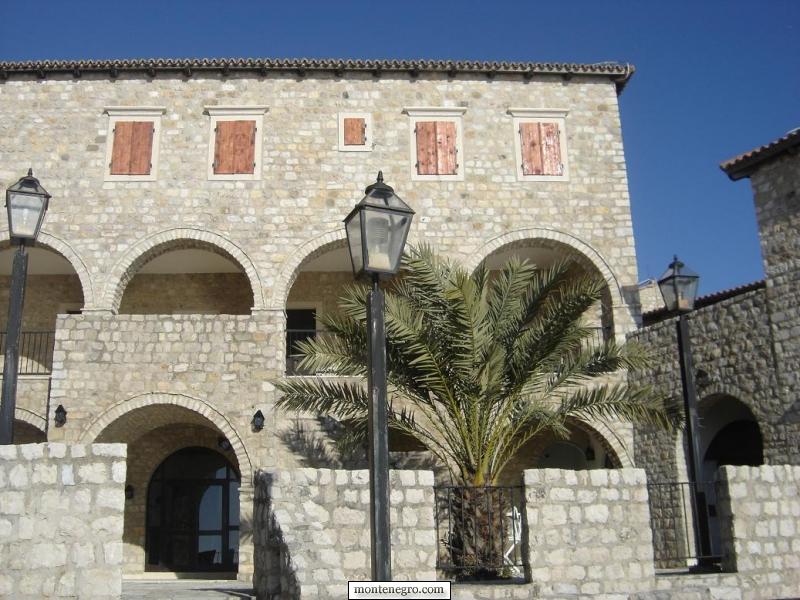
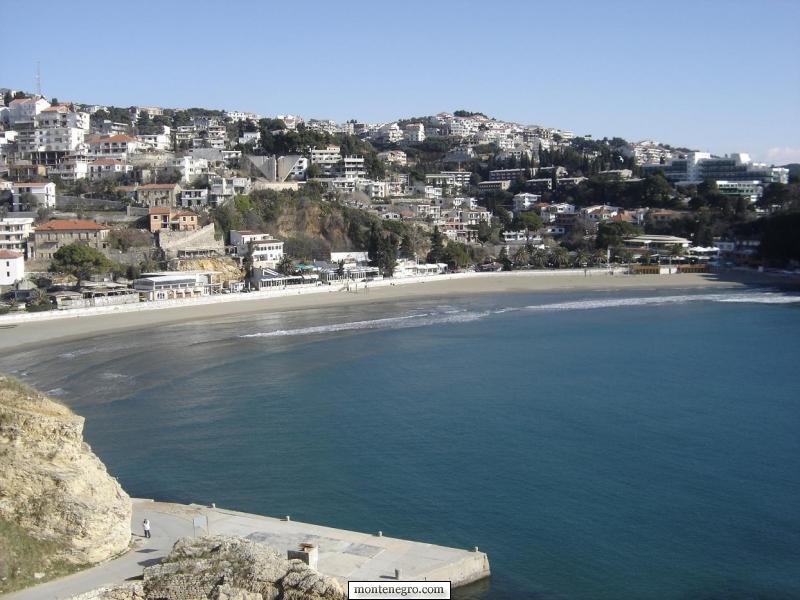
Jedna od najsugestivnijih građevina jest Palazzo Venezia, kamena palača na morskom rubu citadele. Kao i mnogo toga u Ulcinju, njezino ime podsjeća na mletačko poglavlje u dugoj povijesti grada, kada su se za Jadran otimali Venecija i Osmanlije. S njezinih se terasa pogled pruža duž obale i prema pučini – podsjetnik da je Ulcinj oduvijek bio okrenut moru, u dobru i u zlu.
Gusarska luka strašna glasa
Tijekom većeg dijela 16. i 17. stoljeća Ulcinj je bio ozloglašen i daleko izvan Jadrana kao gusarsko uporište. Djelujući iz zaštićene luke pod osmanskom vlašću, gradski su gusari i korsari napadali brodove i priobalna naselja diljem mora, a luka se povezivala s trgovinom zarobljenicima i plijenom. Bila je to neko vrijeme jedna od najzloglasnijih gusarskih baza u ovom dijelu Sredozemlja.
To je gusarsko doba ostavilo trag na karakteru grada i na legendama koje se za njega vežu. Objašnjava i kako je tako malo mjesto moglo biti toliko kozmopolitsko: Ulcinj je bio raskrižje kojim su prolazili, u kojem su se naseljavali ili u koje su protiv svoje volje dovođeni mornari, robovi, trgovci i prognanici iz cijeloga osmanskog svijeta i Sredozemlja. Upravo je to vrsta mjesta u kojem je priča o prognanom mesiji mogla uhvatiti korijen i opstati.
Trajni multikulturni identitet
Slojevita prošlost Ulcinja nije samo stvar ruševina i starog kamenja. Grad odavno ima većinski albansko stanovništvo, a albanski se, uz crnogorski, naveliko govori na njegovim ulicama i u kafićima. Džamije i crkve stoje nadohvat pogleda jedne drugima, a ritam svakodnevice odražava stoljeća osmanskih i sredozemnih utjecaja. Malo gradova na ovoj obali svoju višeslojnost nosi tako otvoreno.
Upravo ta mješavina – ilirski i rimski temelji, mletačka i osmanska vlast, albanski karakter, gusarska prošlost i sabatijanska fusnota – čini da Ulcinj djeluje drukčije od uglađenih turističkih gradića sjevernije. Ovdje povijest nije zaglađena; stoji na vidjelu, u arhitekturi, jezicima i pričama koje ljudi i dalje pripovijedaju.
Što danas vidjeti
Posjet prirodno počinje u Kalaji, gdje polagana šetnja starim gradom obuhvaća bedeme, Palazzo Veneziju i male muzejske zbirke smještene unutar zidina. Već i sami pogledi nagrađuju uspon, a to je i najbolje mjesto da se odjednom osjeti težina brojnih ulcinjskih prošlosti.
Osim starog grada, Ulcinj je i odredište za plažni odmor. Velika plaža proteže se dvanaestak kilometara sitnog, tamnog pijeska jugoistočno od grada, jedna je od najduljih neprekinutih plaža na Jadranu i magnet za kupače, obitelji te, zahvaljujući vjetrovima, kitesurfere. Na njezinu se krajnjem kraju nalazi Ada Bojana, trokutasti riječni otok ondje gdje se Bojana ulijeva u more, poznat po divljim pješčanim obalama, ribljim restoranima podignutima na stupovima nad vodom i nadaleko poznatom opuštenom ozračju povratka prirodi.
Zajedno sažimaju čar Ulcinja: grad u kojem jutro možete provesti prateći tragove gusara i prognanih mistika drevnim kamenim uličicama, a poslijepodne na jednoj od najvećih jadranskih plaža. Priča Sabbataja Zevija možda završava u neizvjesnosti, ali pripada mjestu koje je oduvijek bilo sjecište svjetova – i takvo je ostalo do danas.