Montenegro.com has a verifiable web history reaching back to 1996, but that fact needs precise wording. The registry proves when the domain was registered, and the Internet Archive proves that a website responded successfully later that year. Neither record, by itself, proves an exact launch date, uninterrupted operation, unchanged ownership, audience size or a claim to have been “first.”
This page is therefore two things: a documented history of the name, and a practical map of the current 2026 platform. It explains where to find destination research, route tools, historical comparisons and accommodation; who the marketplace says its contracting parties are; and which claims a reader should independently check.
What the 1996 evidence actually proves
| Question | What the record establishes | What it does not establish |
|---|---|---|
| When was the domain registered? | 11 July 1996 in Verisign Registry RDAP | The public launch day or first owner |
| Was a site online in 1996? | A successful archived HTML capture is timestamped 20 December 1996 | That this was the first page ever served |
| Was it “one of the first” Montenegro sites? | Not determined by these records | A comparative rank among all sites |
| Was operation uninterrupted? | Not determined by a registration event and sampled captures | Continuous publishing, ownership or management |
| What operates now? | A travel-content and vacation-rental platform under current published terms | Continuity of every historical service or promise |
The Verisign Registry RDAP record lists a registration event at 11 July 1996, 04:00 UTC. A query of the Internet Archive CDX index returns a successful HTML capture timestamped 20 December 1996, 22:14:42 UTC. Those are independent, machine-readable anchors.
Why the wording matters
A registry is authoritative for the registry event it reports. An archive is a sampling system: it shows what its crawler captured, not every moment a site existed. The responsible conclusion is that the domain was registered in July 1996 and a working site was captured in December 1996. “Launched on 11 July,” “the first Montenegro site,” and “continuously online ever since” would require other evidence.
The current About page introduces another distinction. It describes a marketplace founded in 2003, while the founder biography says Alex Obradovic has run Montenegro.com since 1996. Both are first-party statements. They may refer to different phases of a domain, publishing project and marketplace; the external records above verify only the narrower 1996 facts. This article keeps those layers separate.
Two later records independently show the project in public use. A WIRED report from April 2000 identified Alex Obradovic as Montenegro.com’s owner and described the site as covering developments in Montenegro during a wave of domain attacks. A Montenegro Ministry of Tourism results report for 2006, preserved by the European Stability Initiative, listed Montenegro.com among four nominees for Best Tourist Website. Neither record proves uninterrupted operation; together they corroborate distinct public roles at dated points after 1996.
The registry method is also documented. ICANN explains RDAP as the standardized protocol for current registration data, and its lookup FAQ says results come directly from registry operators or registrars. The Verisign JSON is therefore evidence for a registry event, while ownership details may be limited or redacted. It should not be stretched into a corporate-history record.
What Montenegro.com is in 2026
The current English navigation divides the platform into four useful jobs. Discover contains destinations, guides, stories and destination comparisons. Things to do includes mapped walks. Plan links the trip builder and practical “Before You Go” material. Stay provides accommodation search and comparison. Time Machine sits alongside them as a historical-image and place-comparison project.
That structure is more useful than the old page’s list of generic internet-marketing services. Start with the job you need, then verify the decision-critical detail with the source that controls it. For example, a destination guide can frame a route; a border authority, railway operator or national park should still decide live rules, departure times and closures.
Choose the right starting point
For a first trip, begin with a country overview and then narrow by time. The Montenegro travel FAQ organizes entry, money and transport basics. A short trip can move into the five-day coast-and-mountains route; a slower circuit has more room in the seven-day itinerary. These pages are planning models, not reservations or promises about road conditions.
If the decision is between neighboring Adriatic destinations, use an explicit comparison such as Kotor versus Dubrovnik. If the route continues south, the Montenegro-to-Albania guide explains the transition—but exact border rules still belong to current government channels.
Stories, guides and historical comparison
The blog mixes practical guides with culture, history and reported analysis. Its value is strongest when a page shows dated sources, distinguishes evidence from inference and tells the reader what could change. A long publication history is not a substitute for a current citation. Check the article’s update date and follow the consequential links.
For media context, the 20-year world-press review separates recurring outside narratives from travel decisions. For a place-level cultural example, the Literary Topla guide traces Njegoš and Andrić through sourced local history. Time Machine uses archival photographs, drawings and maps to compare past and present; an image comparison can illuminate change, but it does not establish a date or attribution unless its record says so.
Nine language editions, not identical mirrors
The current footer links English, Montenegrin, Serbian, German, French, Italian, Spanish, Norwegian and Swedish. That is nine editions. The inherited page’s English–Slovak–future-Russian description no longer matches the live site.
A language switch proves that an edition exists, not that every article has an equivalent translation or was reviewed at the same time. Compare dates, source links, numbers and legal text when a decision matters. For legal or booking rules, the language named as controlling in the live terms should prevail over a convenient summary.
How the accommodation marketplace describes its roles
The Terms of Service updated 11 February 2026 identify Montenegro.com as a vacation-rental marketplace operated by Axora Group LLC. They define the host, guest, listing and booking, state that prices are displayed in euros, and disclose that some third-party booking handoffs are affiliate links. A reader should notice which path a property uses before proceeding.
The Host Agreement dated 18 August 2026 says the accommodation contract is between host and guest. For a platform booking, it says Montenegro.com acts as the host’s limited payment-collection agent. It separately describes inquiries and bookings taken on a host’s own website. These distinctions affect who confirms the stay, who receives payment and which cancellation terms apply.
Do not convert a home-page slogan into a guarantee. Before paying, record the property, host, dates, total price, currency, cancellation rule, payment recipient, support route and the version of the terms. If the flow moves to a third party, read that party’s terms before completing the transaction.
Privacy and guest-registration data
The Privacy Policy updated 11 February 2026 identifies Axora Group LLC as controller for most platform data. It describes a narrower arrangement for identity-document details submitted through a host’s guest-registration link: the host is controller and the platform says it processes that data on the host’s instructions. It also lists categories including account, booking, payment, verification and technical data.
This is a summary of the platform’s published policy, not legal advice or an independent security audit. Before sending an identity document, confirm the domain, the purpose, the recipient, the retention statement and the privacy contact. Do not send a passport scan through an unrelated messaging account merely because a listing mentions registration.
Practical reader checklist: judge a claim before acting
Use a simple evidence ladder. A government, transport operator, park manager or registry is strongest for the fact it controls. A tourism organization is useful for destination framing but not necessarily live access or safety. A platform page is primary evidence for the platform’s own current interface and published rules, not for its independent popularity or quality.
Dates matter. The digital-nomad visa article is useful because the program’s timing is explicit and consequential sources can be reopened. A visually rich article such as the Sveti Stefan guide should still separate what a photograph shows from current access, price and operating status.
Claims removed from the old page
The inherited article promised high Google rankings, huge daily traffic, large volumes of rental inquiries, annual advertising payback and favorable search placement for clients. It provided no dates, analytics methodology, independent measurement or durable basis for those promises. Current first-party advertising numbers would still be first-party marketing figures, so this history page does not substitute one unsupported audience claim for another.
It also advertised real-estate sales, annual memberships and personal websites as if they were the current core service. The present legal pages instead describe a vacation-rental marketplace, host terms, platform bookings and disclosed affiliate links. Services can change; the live product and dated terms are the relevant evidence.
Contact and problem escalation
The current Contact page offers a web form and a Telegram route. Use the contact method shown on the live domain, and never send card credentials or a password in a general message. For a booking issue, include the booking reference, dates, property and a concise timeline; retain screenshots and payment records. For a privacy request, the policy publishes [email protected].
Separate editorial corrections from transaction support. A factual error in a guide needs the URL, sentence and better source. A booking dispute needs the reservation evidence and applicable terms. A host matter may also be governed by the current Host Agreement. Clear routing reduces delay and creates a record of what was reported.
Frequently asked questions
Was Montenegro.com founded in 1996?
The externally verified statement is narrower: Verisign records the domain on 11 July 1996, and the Internet Archive records a successful site capture on 20 December 1996. The current About page separately describes marketplace history beginning in 2003 and a founder association since 1996.
Was it Montenegro’s first website?
This research does not establish that. A domain record and one archive query do not provide a complete comparative census of Montenegro-related sites in 1996.
Has the same company operated it since 1996?
The records used here do not prove continuous corporate ownership. Current terms identify Axora Group LLC as the platform operator. Historical ownership would require a separate chain of dated records.
What can I use Montenegro.com for now?
Current sections cover destinations, travel guides, stories, comparisons, mapped walks, trip planning, practical pre-trip information, historical comparisons and accommodation search.
Does every article appear in all nine languages?
Do not assume so. Nine edition links are present, but page availability, source coverage and update timing can differ. Verify the page you are reading.
Does Montenegro.com itself provide every accommodation?
The published terms describe a marketplace connecting guests and hosts and disclose some third-party affiliate handoffs. Check the final property and checkout page to identify the host, platform role, payment recipient and applicable terms.
Are the prices and travel rules in articles guaranteed?
No travel article should substitute for the live operator or authority. Reopen the cited primary source before relying on a fare, schedule, entry rule, opening status or cancellation condition.
How do I report a correction?
Use the live Contact page. Send the article URL, exact sentence, reason it is wrong and a dated primary source. Keep booking or privacy issues in their respective support channels.
Methodology and limits
This article was checked on 29 August 2026 against Verisign Registry RDAP, Internet Archive CDX, WIRED’s 2000 report, the Montenegro Ministry of Tourism’s 2006 results report, ICANN’s RDAP guidance, IETF RFC 9083, and the current English home page, About page, blog index, trip planner, Time Machine, Before You Go hub, property search, Contact page, Terms of Service, Privacy Policy and Host Agreement. The technical history claims are intentionally limited to what the registry and archive record.
Current platform descriptions come from Montenegro.com itself and are identified as such. They establish what the platform publishes, not independent proof of popularity, safety, best price, host quality or transaction volume. No audience, search-ranking, conversion, accommodation-count or traffic claim from the inherited article was retained.
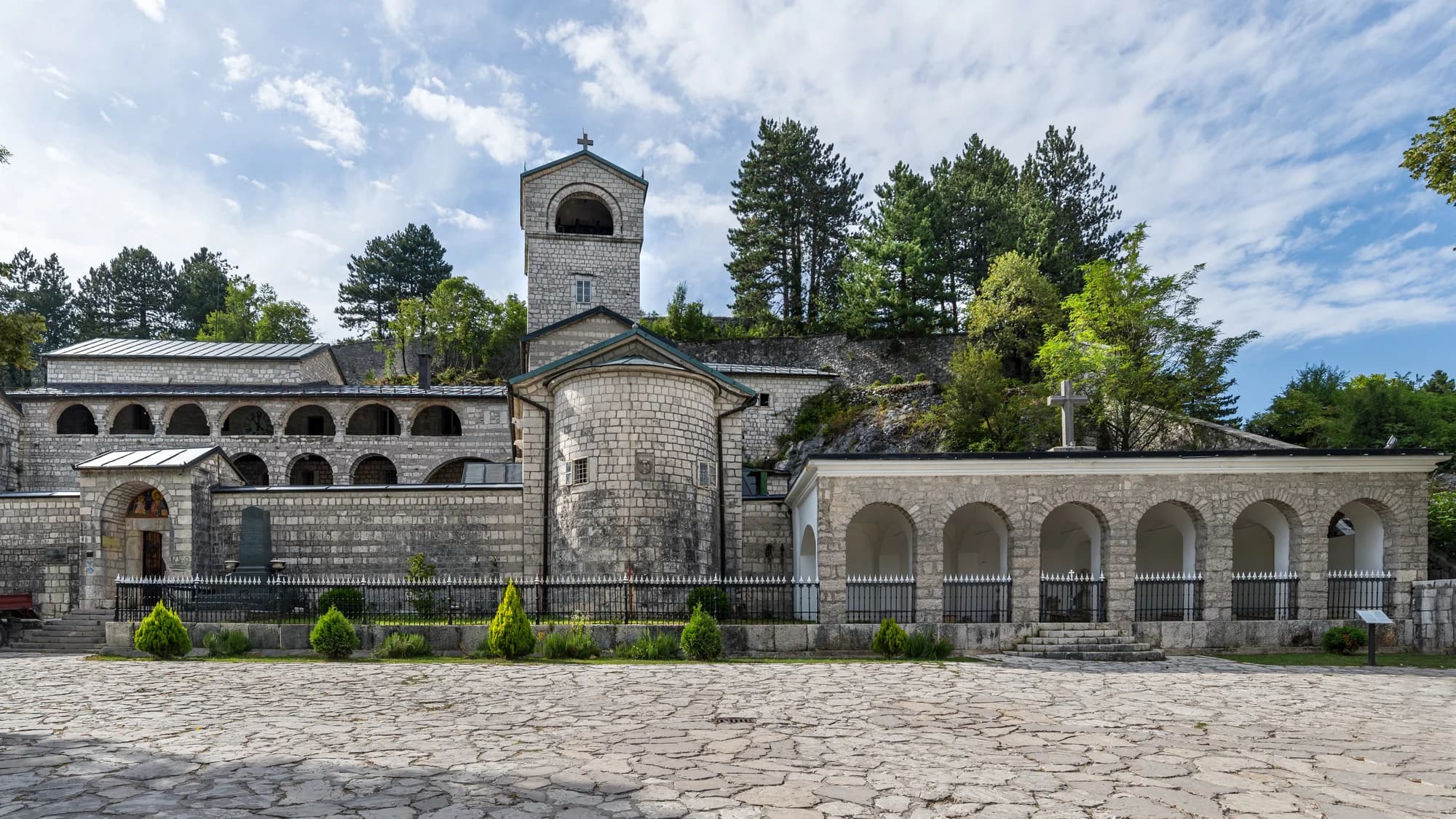
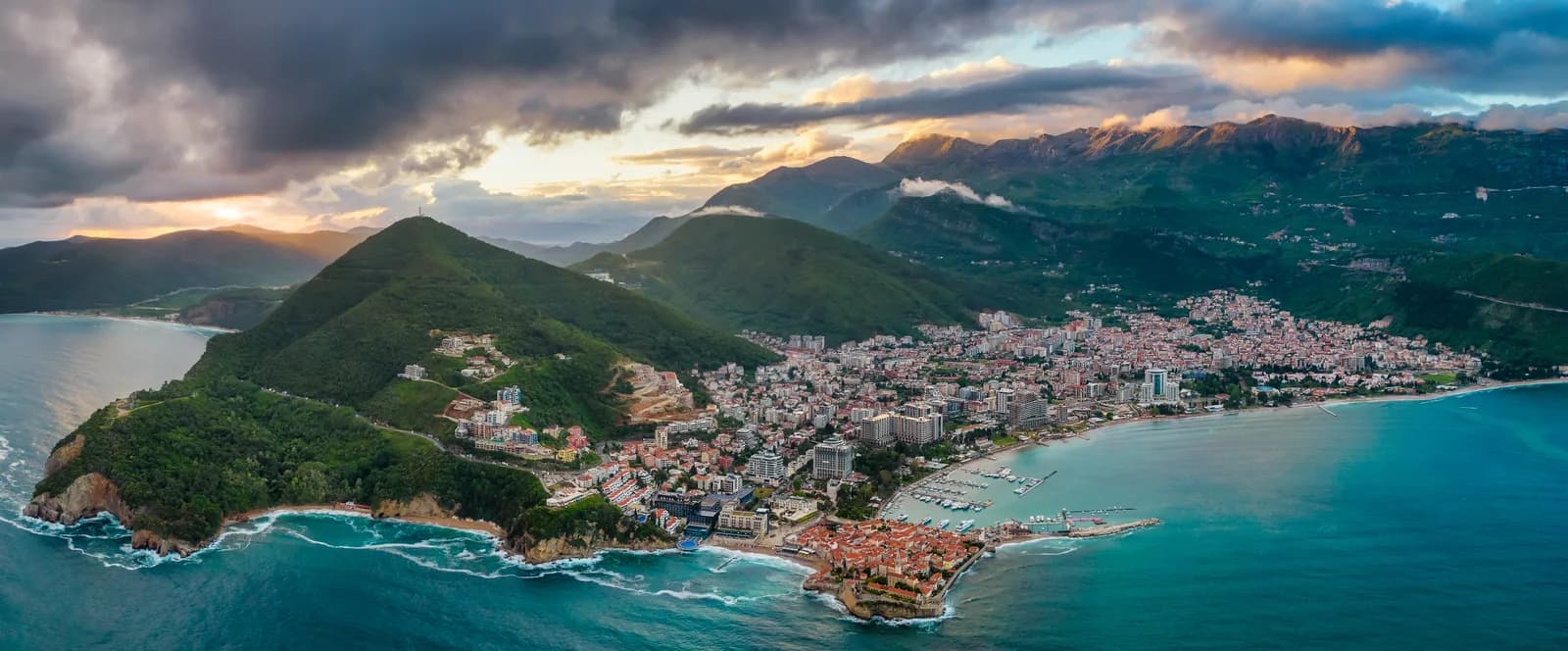
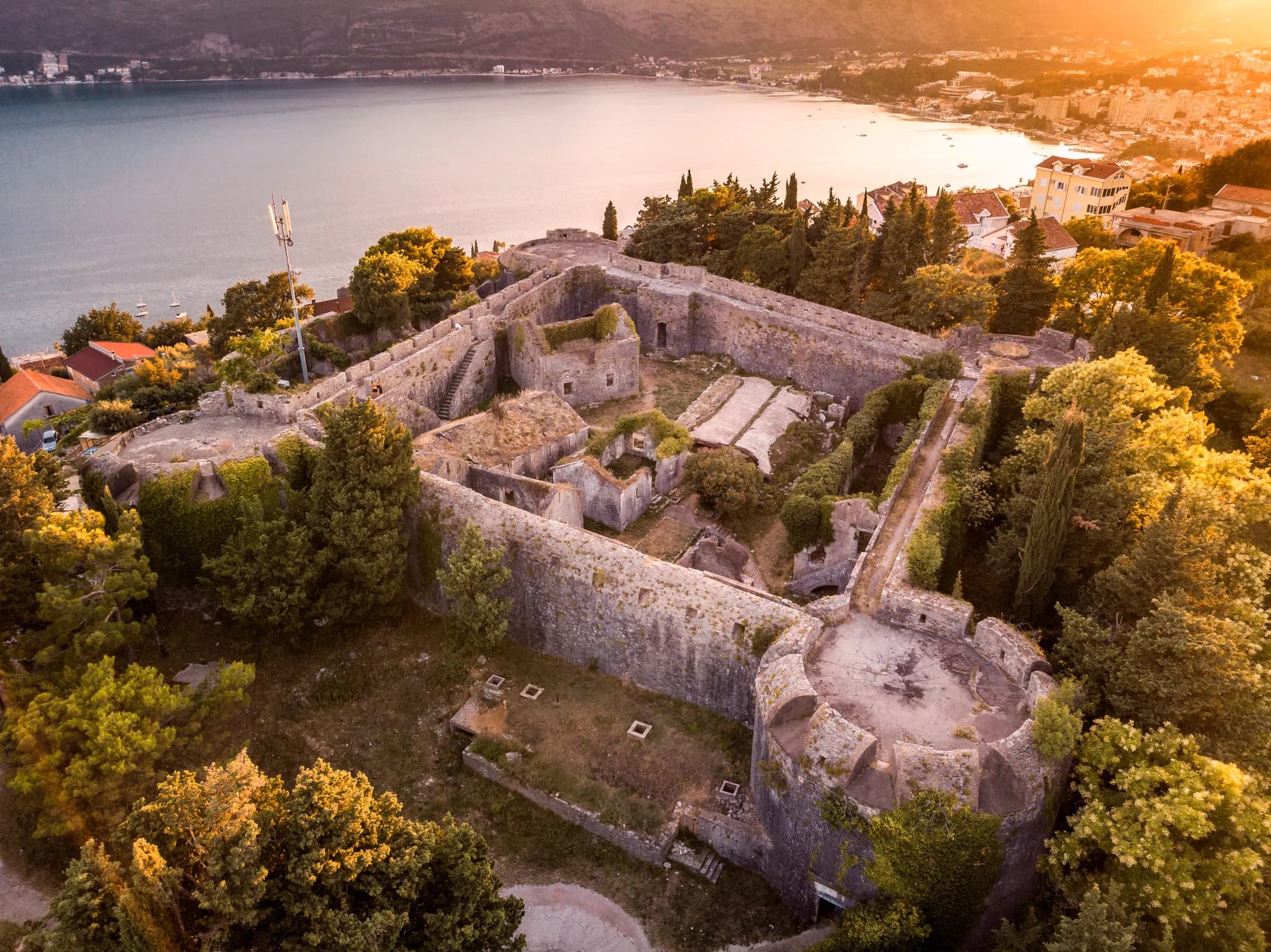
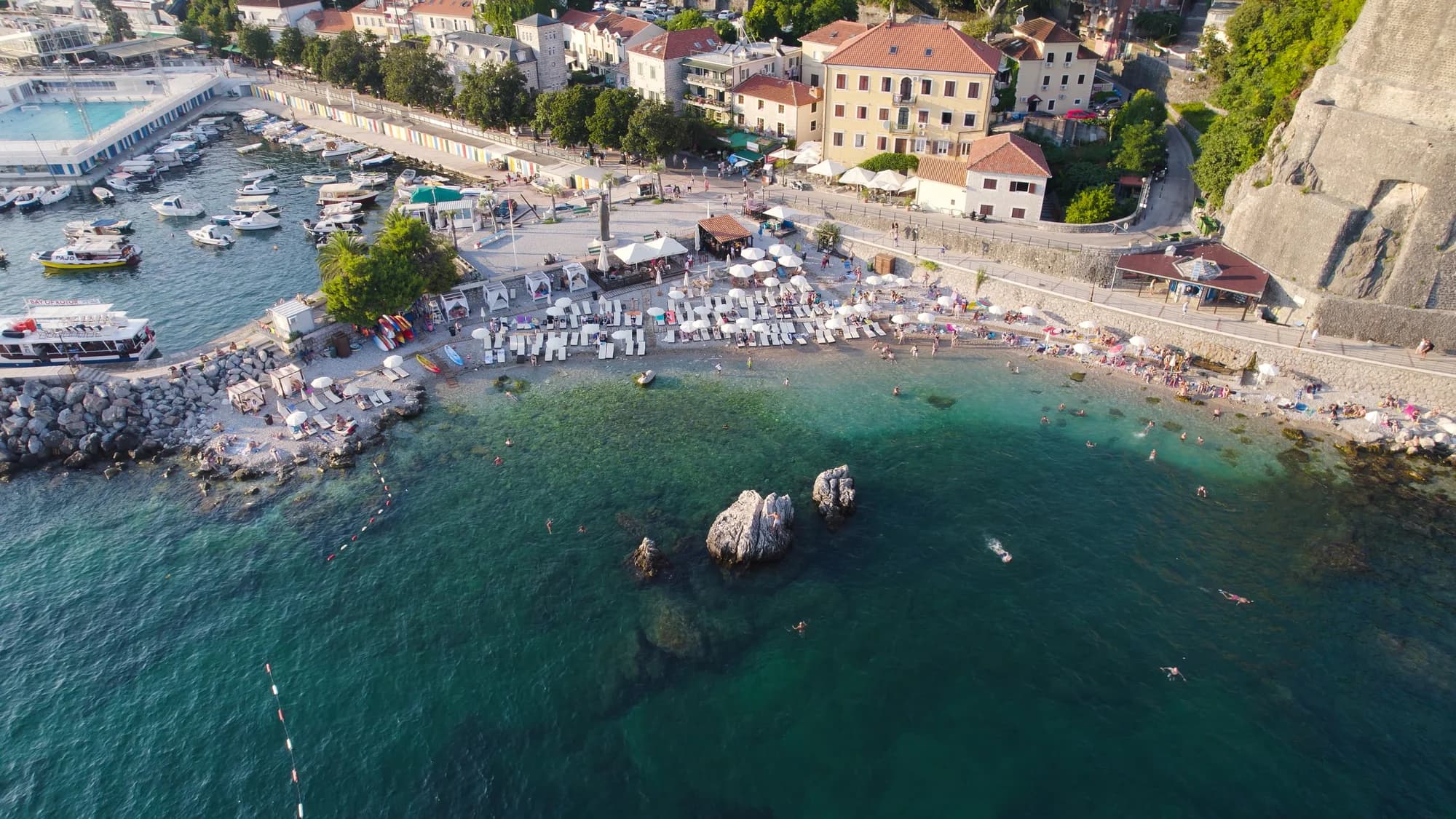
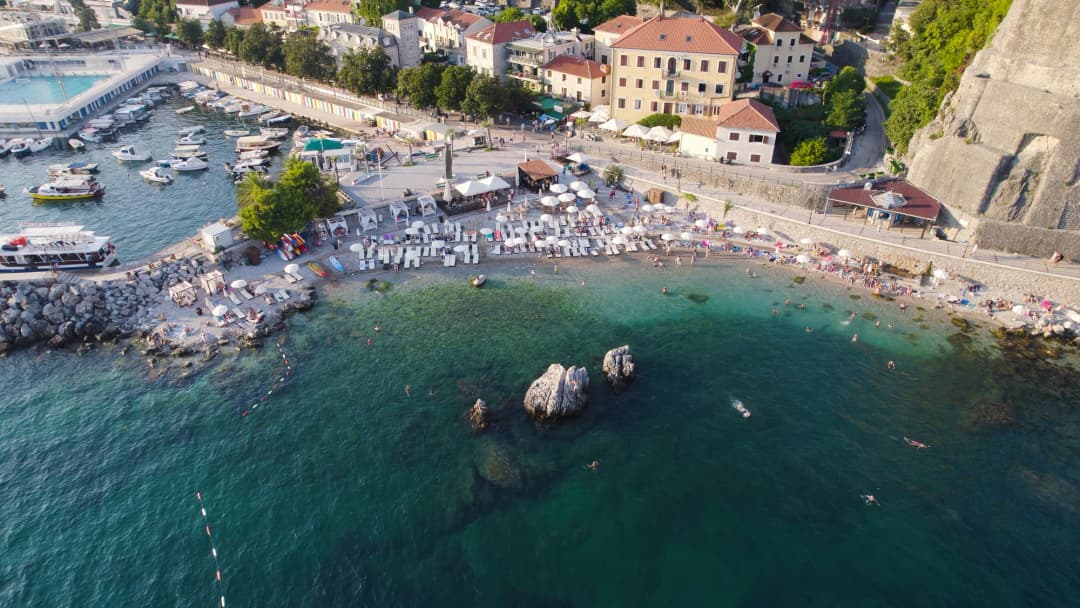
The historical and platform explanations use source-linked diagrams; one repository-licensed Herceg Novi photograph is included only as an illustrative example of destination coverage. Neither the diagrams nor the photograph are evidence on their own. For a trip, the final check remains simple: use Montenegro.com to discover and organize, then verify the fact that changes your decision with the institution that controls it.