From the ArchivesCreated May 17, 2016Updated June 28, 20265 min readby Mila Božić
Sveti Stefan, Montenegro
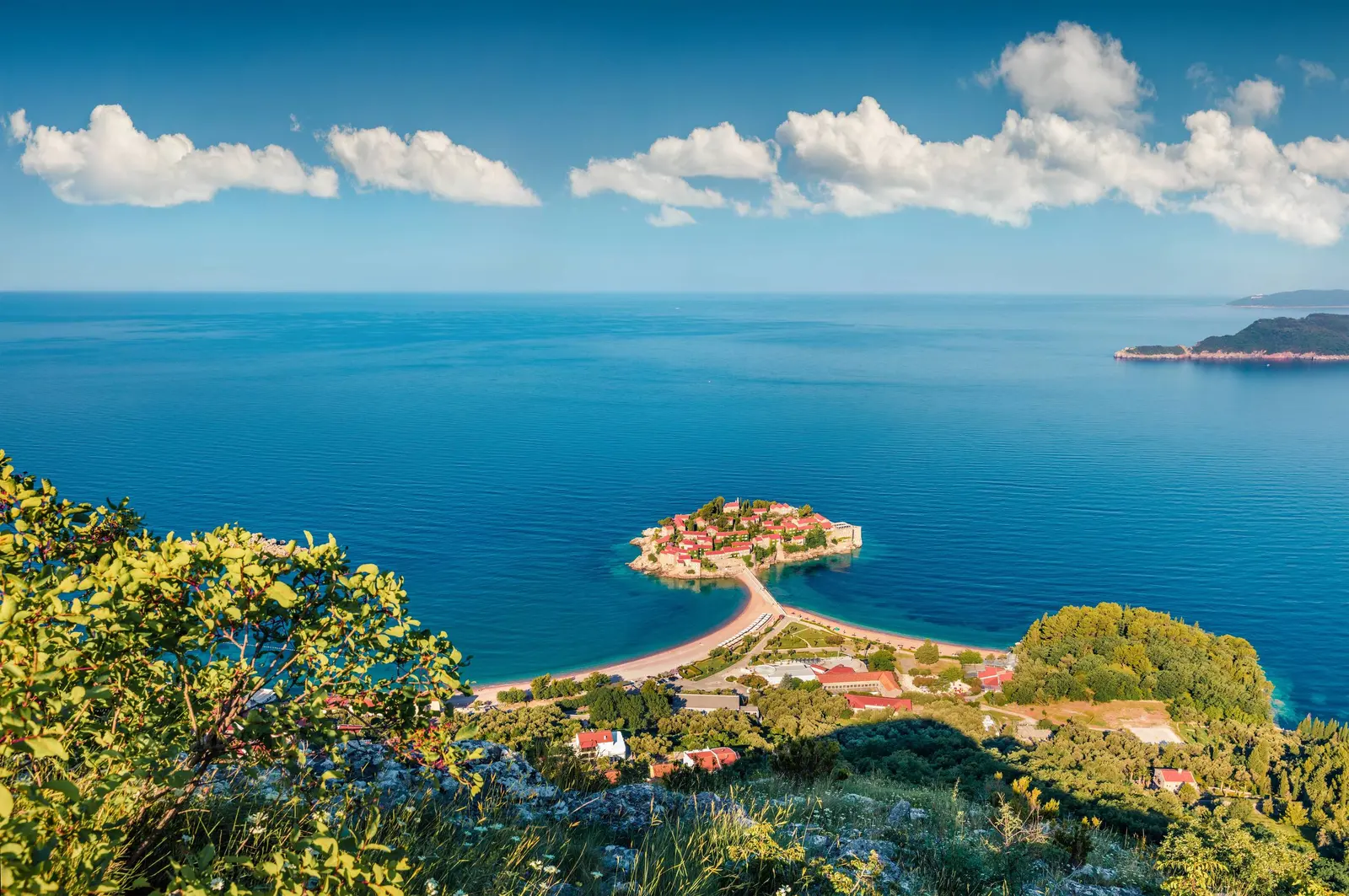
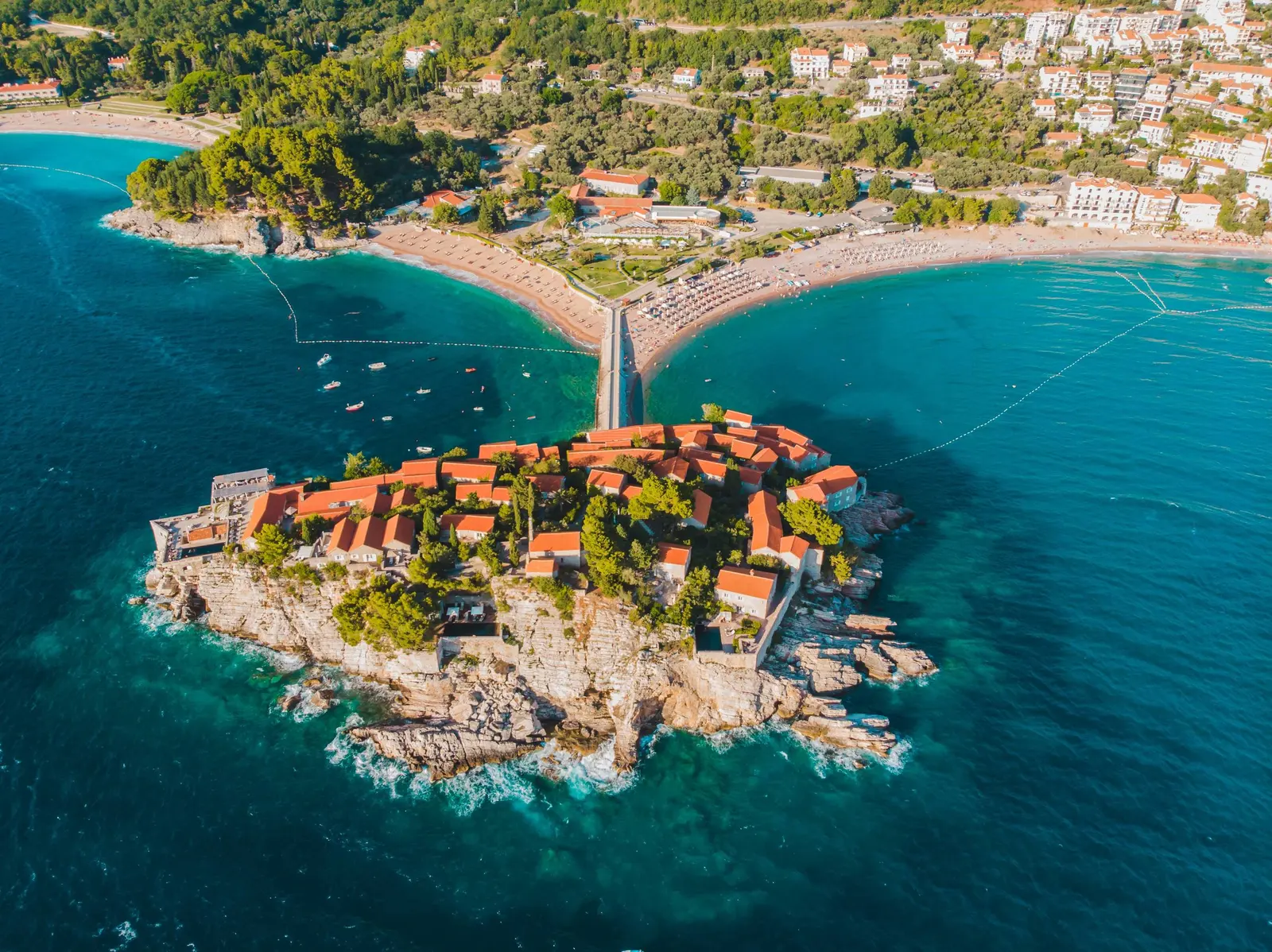
From whatever perspective it was made, the idyllic photo-postcard of St. Stephen is a visual synonym of the entire Montenegrin tourism!
If only with one picture, just
Sveti Stefan, Montenegro
From whatever perspective it was made, the idyllic photo-postcard of St. Stephen is a visual synonym of the entire Montenegrin tourism!
If only one picture, only one photo-story, only one single frame should summarize the story of the rich local culture, with concrete scenes of sublime landscape beauty - it would be a picture of the former island and today's peninsula - St. Stefan! of the former island and today of the peninsula - Sveti Stefan!
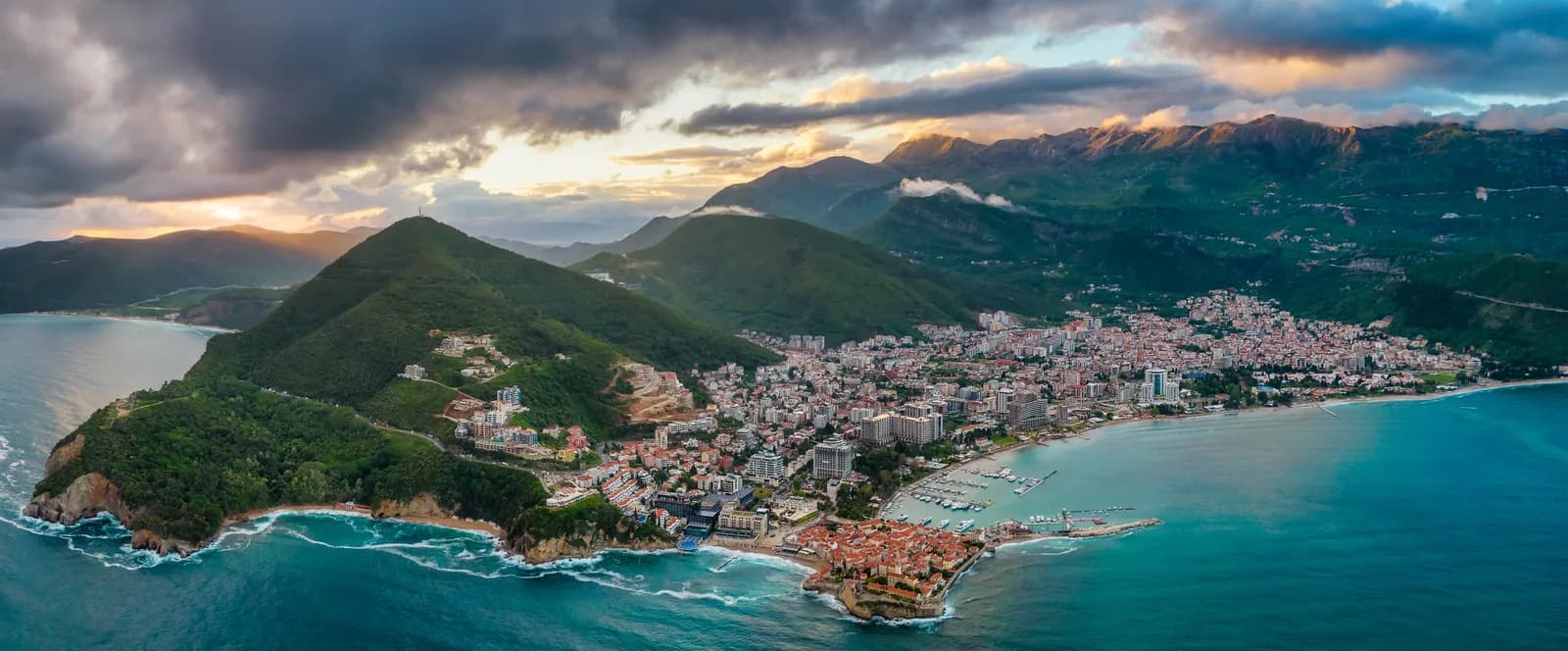
Only 5 kilometers south-east of Budva (see it), at the foot of the high branches of the mountainous Paštrovské strani, there is a geographical and architectural wonder. A stone islet studded with old stone houses - integrated on the island's cascades like some thoughtful urban Mediterranean mosaic, is connected to the mainland by a narrow sandy isthmus, and thus connected to the settlement of the same name: Sveti Stefan. Sveti Stefan is the most luxurious and exclusive part of the already small, attractive Montenegrin Coast, no longer than 100 kilometers, from Herceg Novi (along the border with Croatia) to Ulcinj (along the border with Albania).
The history of the island as a settlement dates back to the 15th century. Then members of the Paštrovica tribe, not far from Budva, attacked the Turkish army, which had embarked on a military campaign with the intention of conquering the fortified city of Kotor (see that). According to one credible historical theory, the Paštrovici attacked the anchored, poorly defended Turkish fleet in the Jaz bay (today the posh Jaz beach and famous bathing resort not far from Budva).
The brave Paštovici, divided into 12 united families, destroyed the Turkish ships at anchor, and from the acquired treasure unanimously decided to build houses for themselves on the until then deserted sheep's rock, and they built them on the island. The members of the 12 tribes also built a church dedicated to their Christian patron saint, Saint Stephen, on the top of the island. Winding paths paved with stone lead to the church. The island and the settlement across the street were named after the church. Over time, the island, once an impregnable outpost in the fight against the Turks, attracted numerous Paštrovices, and became the capital of the southernmost province of Bokele. But, just as people once came here for a reason, they moved out for a reason over time.
The novel "Konte" by Momo Kapor tells about one evicted Paštrovica. Literally the smallest town on the Adriatic, at the beginning of the 19th century, it had only about 400 inhabitants. Most of the able-bodied sailors sailed on the Bokeli sailing ships, but as naval power began to decline in that unfortunate time, the inhabitants of the island's Paštrovici were displaced. The jetty that connects the island to the mainland was built in 1907. In 1956, only about 20 old residents lived here.The leadership of SFR Yugoslavia decided to turn the almost abandoned island town into an exclusive hotel.
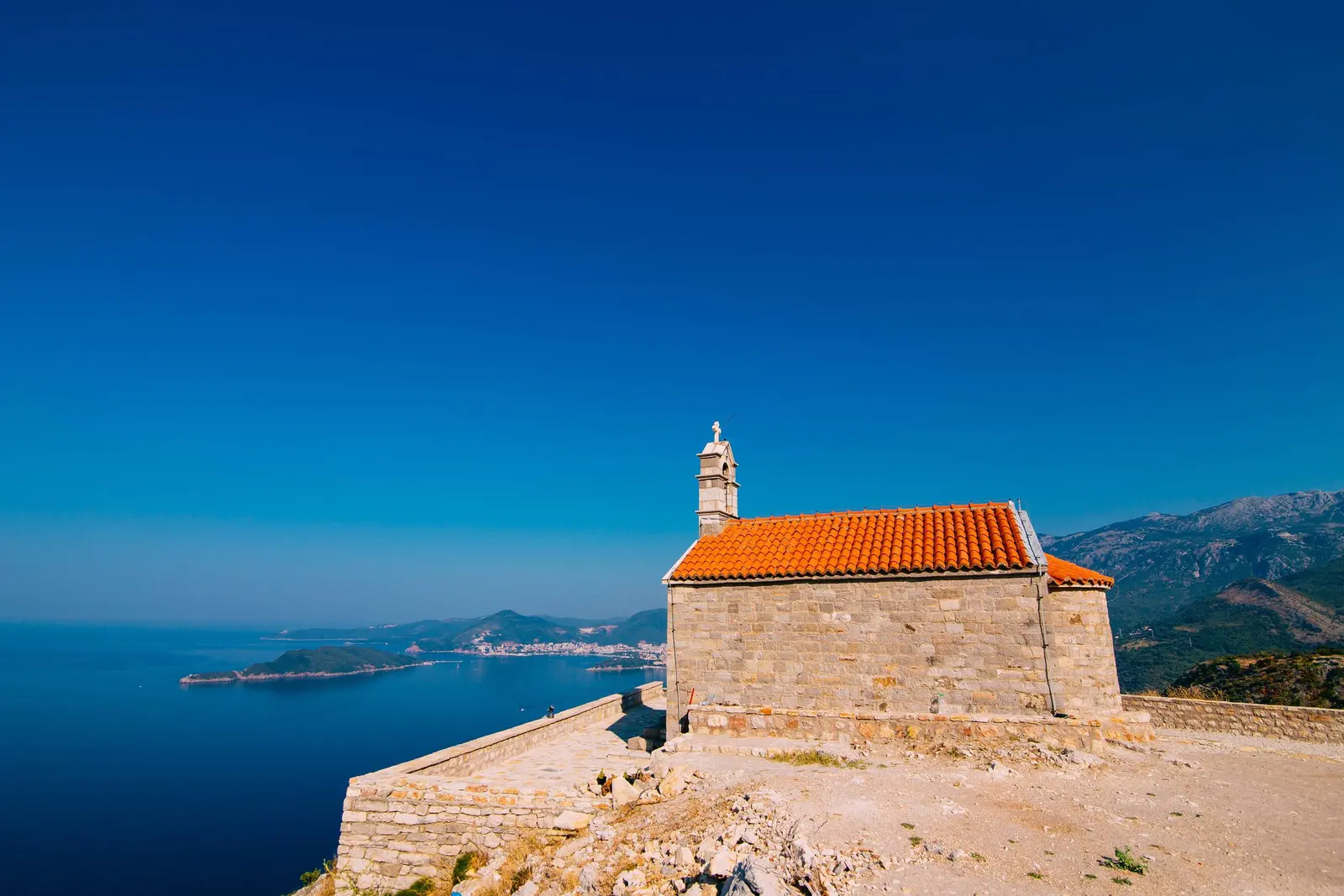
Sveti Stefan has three island churches. The first is right next to today's entrance gate – the Church of the Transfiguration from 1693 with frescoes from the 17th century. The top of the island is reached through narrow cobbled streets that wind along the left and right of the exclusive apartments, which are actually former family stone houses. On a square as small as an eye, two churches stand next to each other. The smaller one dates from the 15th century, and the larger one was built in 1885 in honor of the Serbian King Aleksandar the Unifier, named and dedicated to the Russian saint St. Alexander Nevsky. The iconostasis is the work of Marko Gregovic. Converted into an exclusive hotel complex, Sveti Stefan received its first guests in 1957.
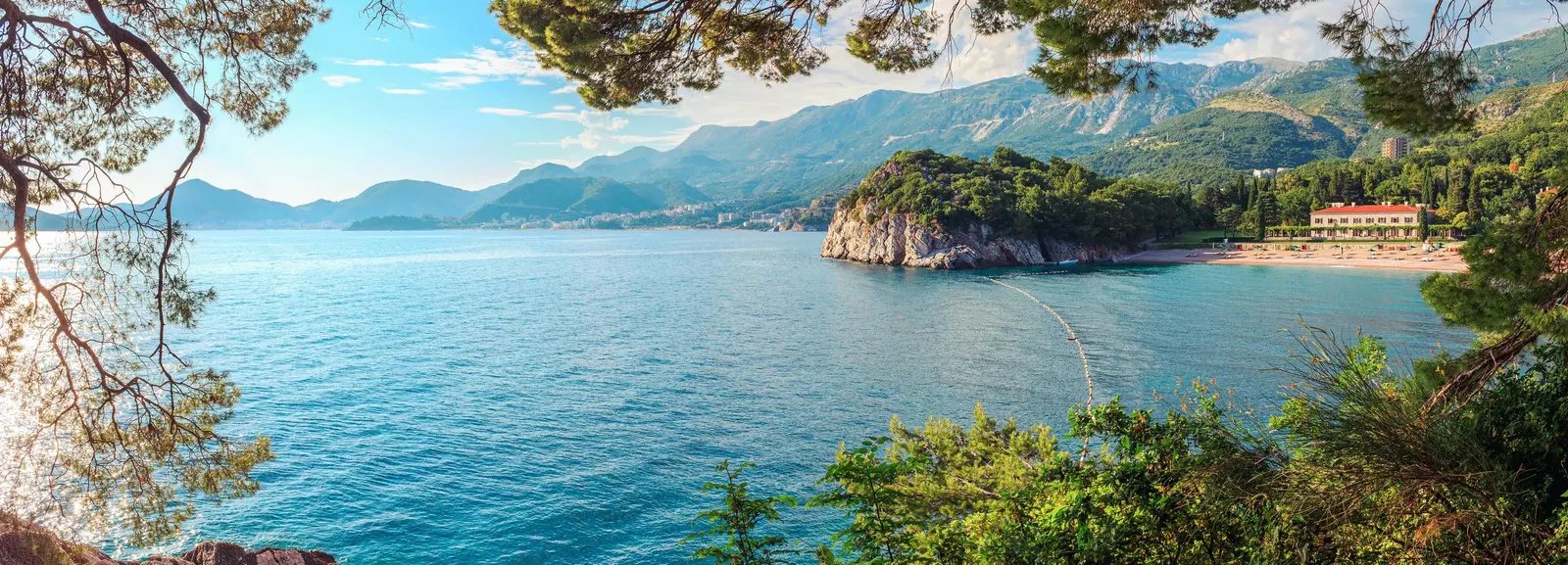
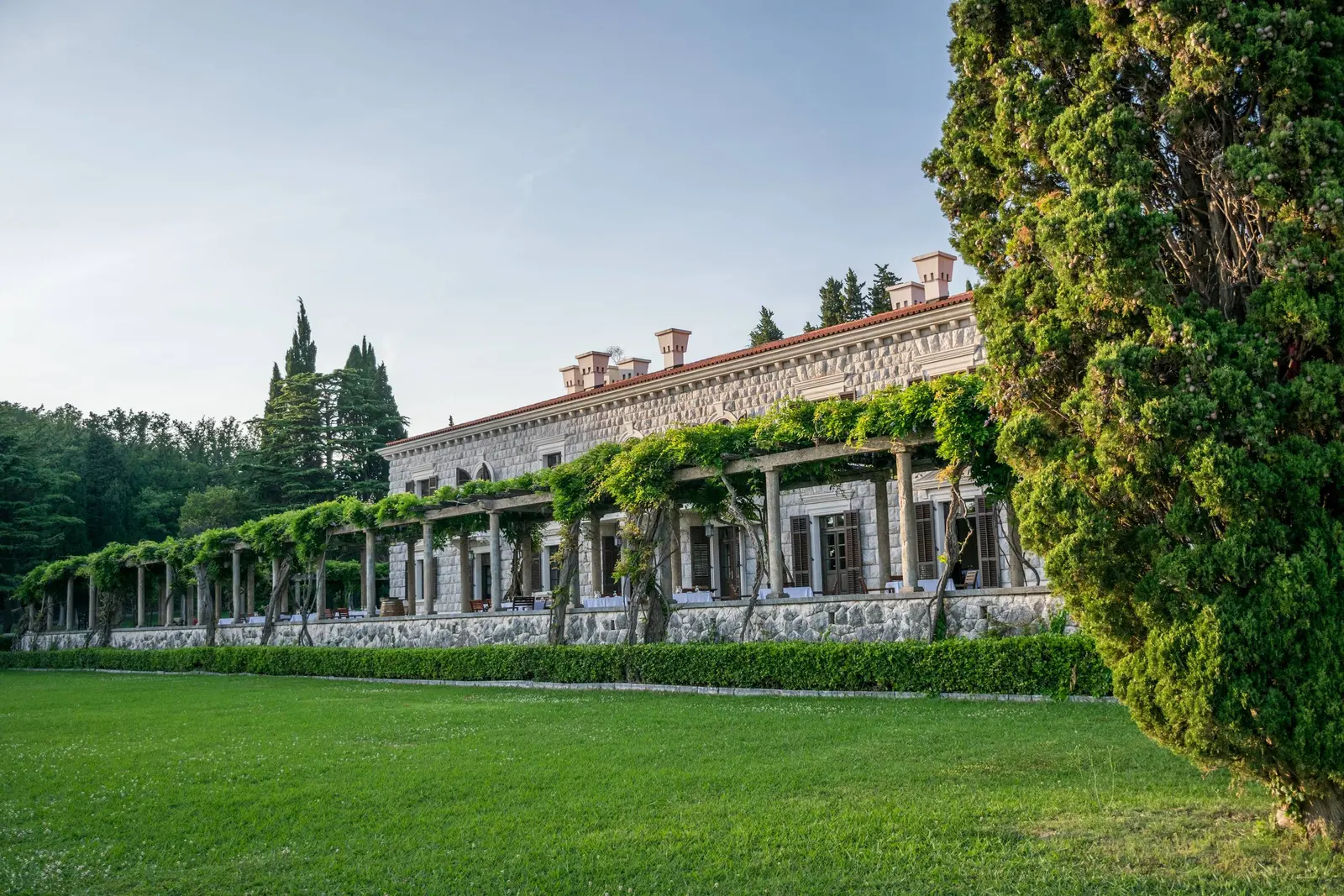
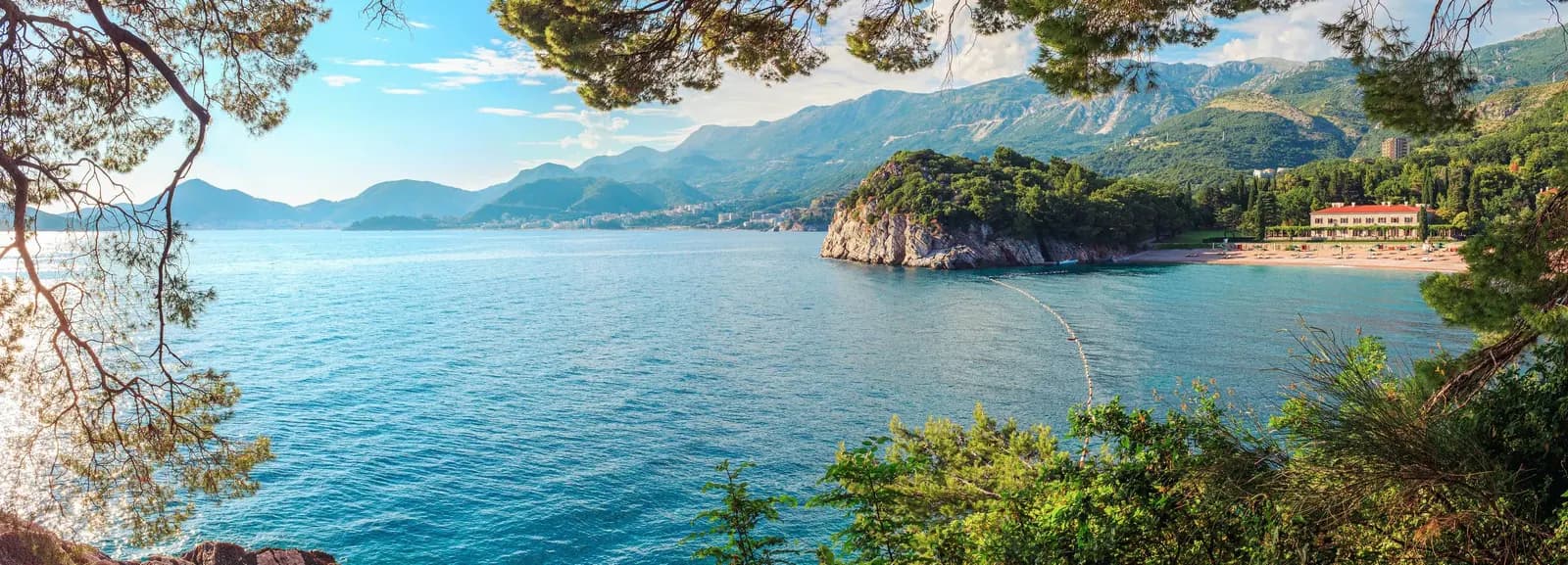
From then until today, it has been a symbol of Montenegrin tourism and its trademark on every illustrated prospectus. Even from the isthmus that connects the island with the settlement of the same name, all the nearby paradise coves and beaches can be seen. In Milocer (see it) there is the former summer residence of King Alexander, built in 1934. Kraljicina and Kraljeva plaža are clearly visible from Sveti Stefan, just as from both unique geographical and ecological outposts the island Sveti Stefan can be seen in its full, undisputed glory. From the St. Stephen's beaches, you can easily and quickly reach the nearby Praskvica monastery, if we do not take Budva and the entire Budva Riviera into account in this short textual guide.
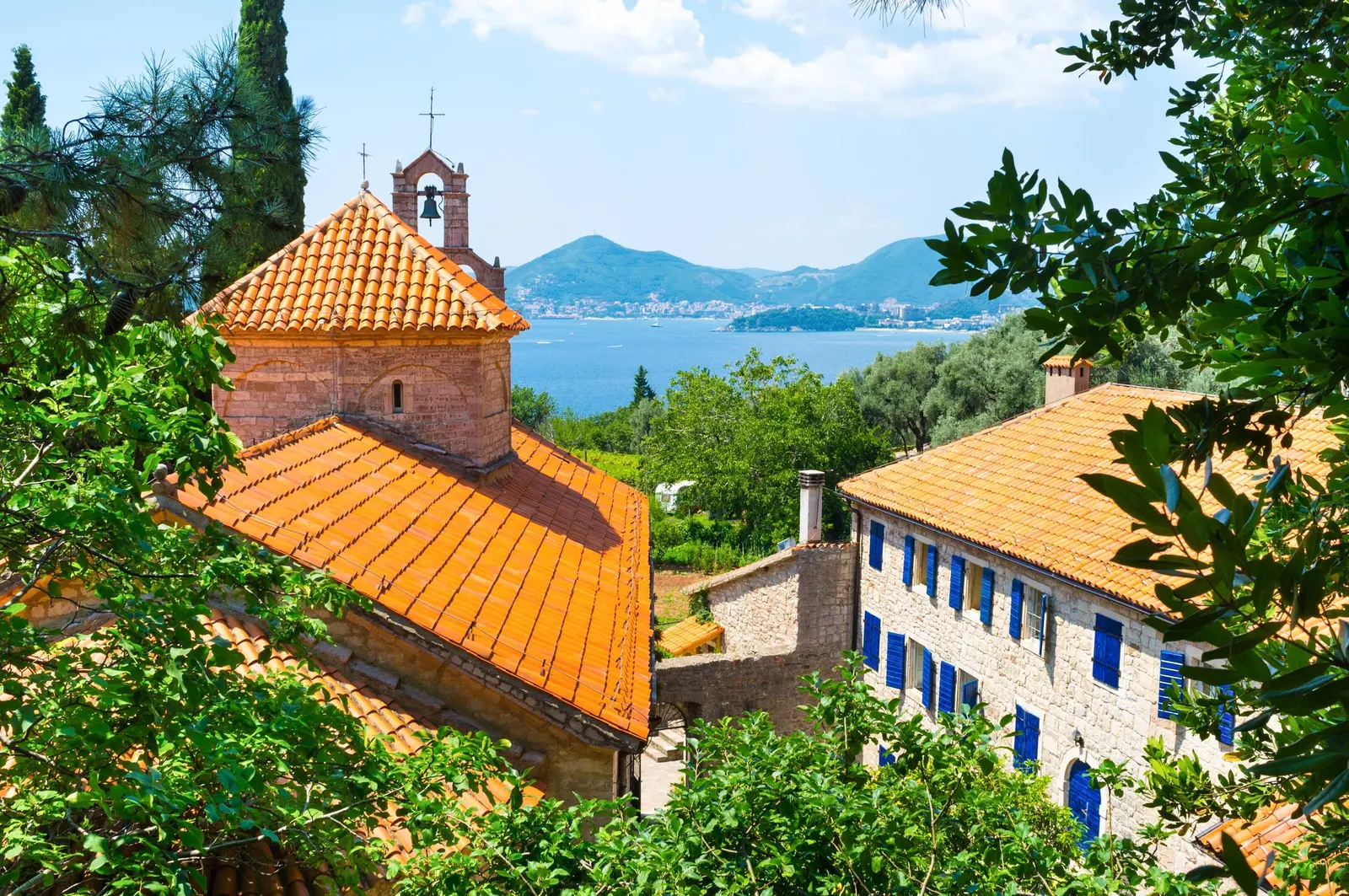
Visits to the Praskvica monastery are made through cypress or cypress groves, which makes the botanical welcome itself special. Legend has it that the monastery got its name from the water from the well that tasted like peaches. Praskvica, or praskva, is the local name for a peach! The monastery complex consists of two churches, an inn and an old school house. The large church is dedicated to St. Nicholas, the patron saint of sailors, and dates from 1847.
It was built on the foundations of an older temple from 1413, which was originally built by Balša III Balšić. The church was demolished by the French, when they attacked Paštrovice in 1812, because they had revolted due to the deprivation of the privileges they had until then. The iconostasis from 1863 is the work of the Greek Nikolaos Aspiotis, a native of Corfu. To the left of the iconostasis there is a preserved wall of the old church with frescoes from the 15th century. Church of St. Trojice, from the 11th century, is located on top of a small hill near the old cemetery. It was painted in 1680 by Radul and Dimitrije, the founders of the famous Dimitrijevic-Rafailovic fresco-painting school. Among others, there are frescoes of St. Sava Srpski and St. Simeon Nemanjic. Next to the church is a building where the first school in Paštrovice once worked.