From the ArchivesCreated January 1, 2003Updated August 16, 20263 min readby Gordan Stojović
Text and photos: Đorđije Kalezić
Stari Bar is one of those places that have the rare ability to take you back in time. On that stone ship between the slopes of Sutorman and Lisinje, there is something primordial
Text and photos: Đorđije Kalezić
Stari Bar is one of those places that have the rare ability to take you back in time. There is some primal power on that stone ship between the slopes of Sutorman and Lisinje that makes the traveler who arrives on it one September evening feel completely calm, as if he can respond to any threat or storm that might come from the sea.
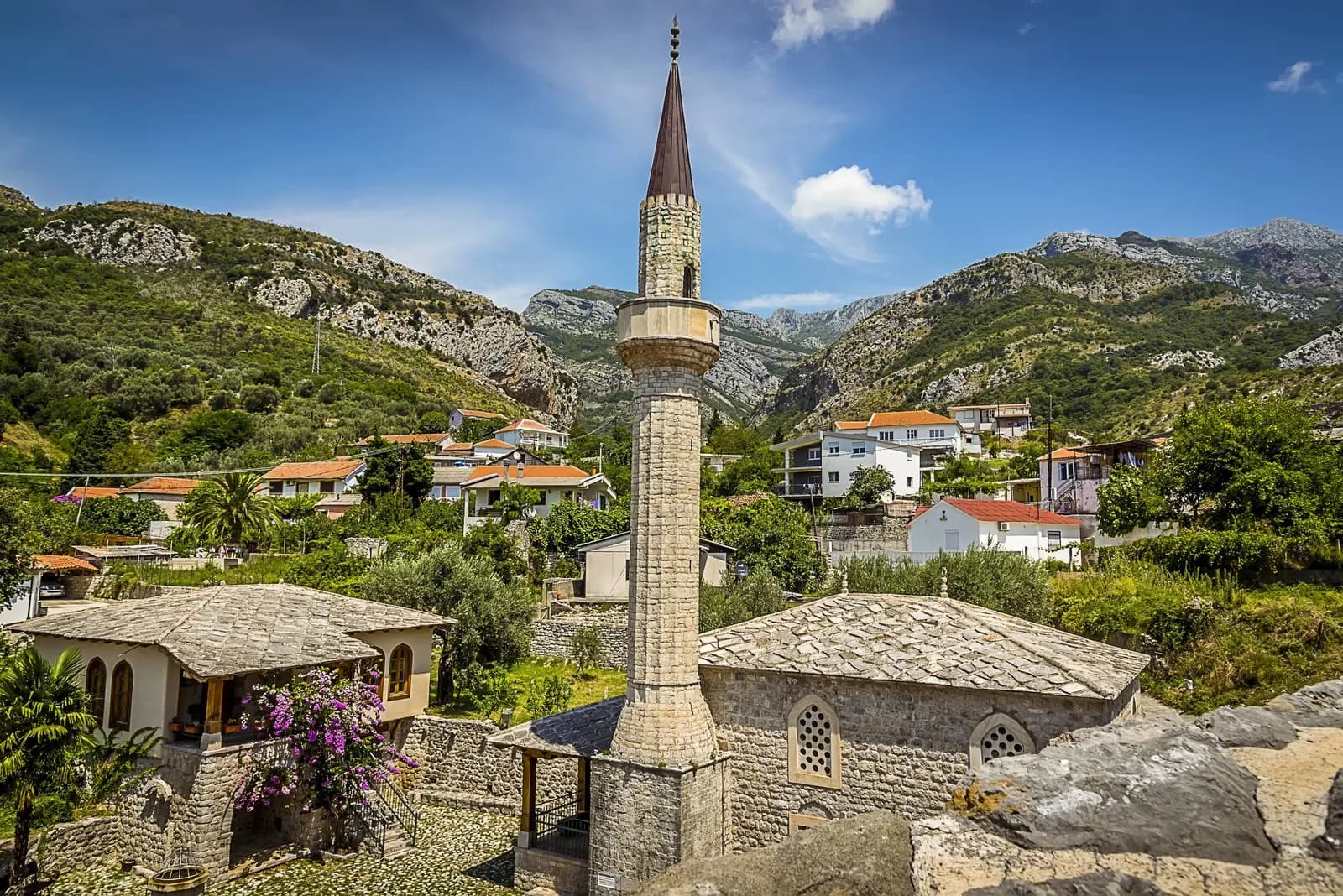
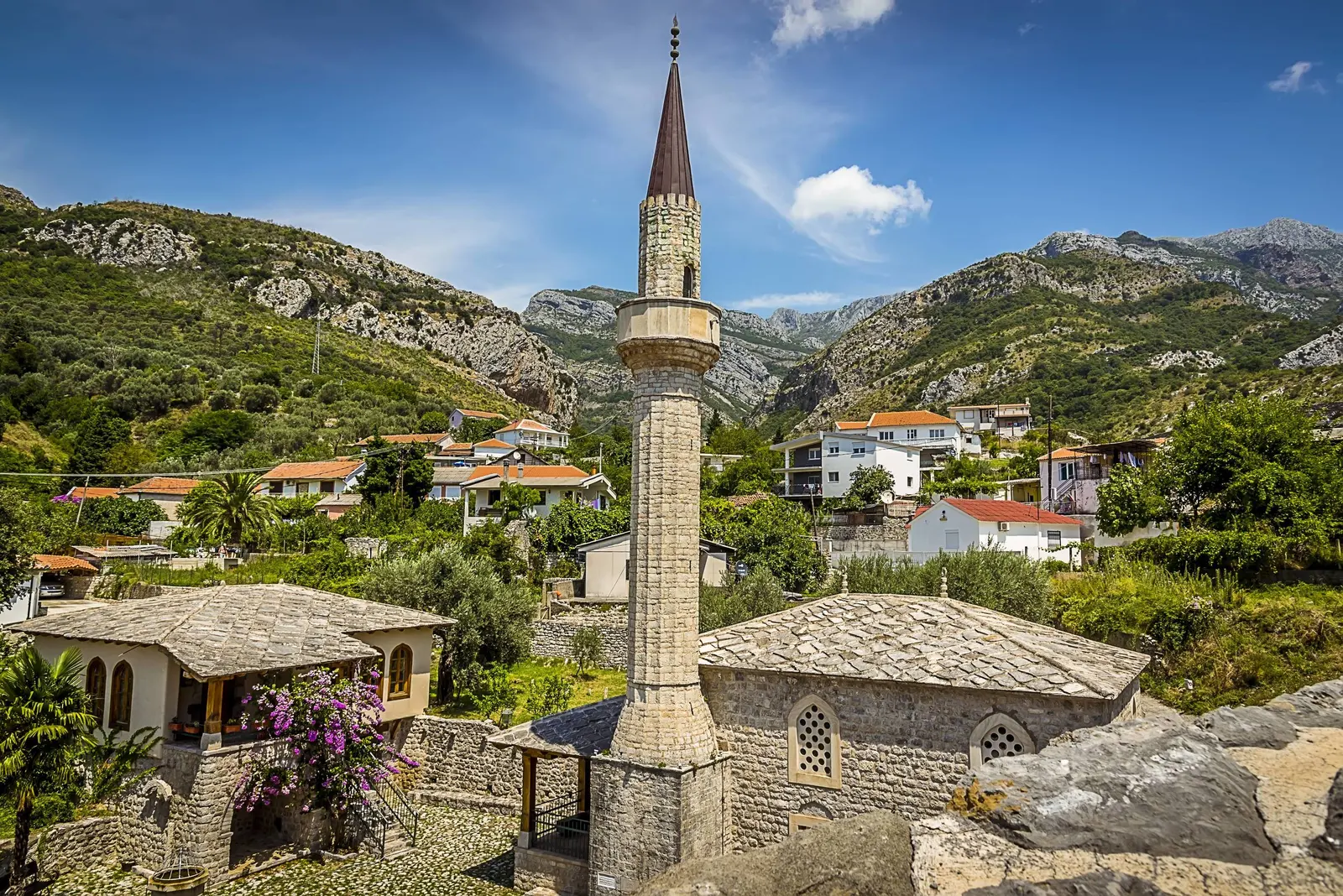
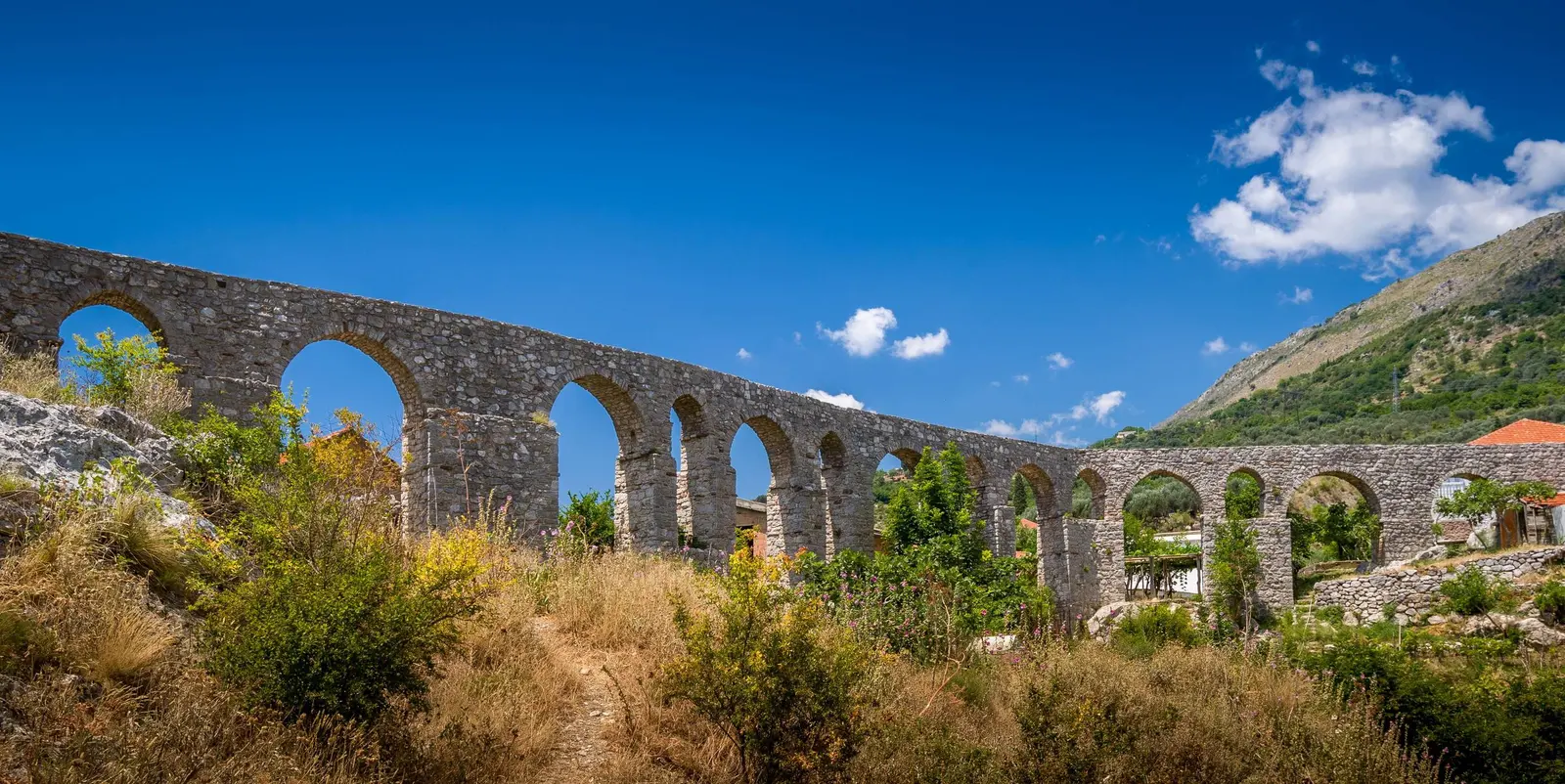
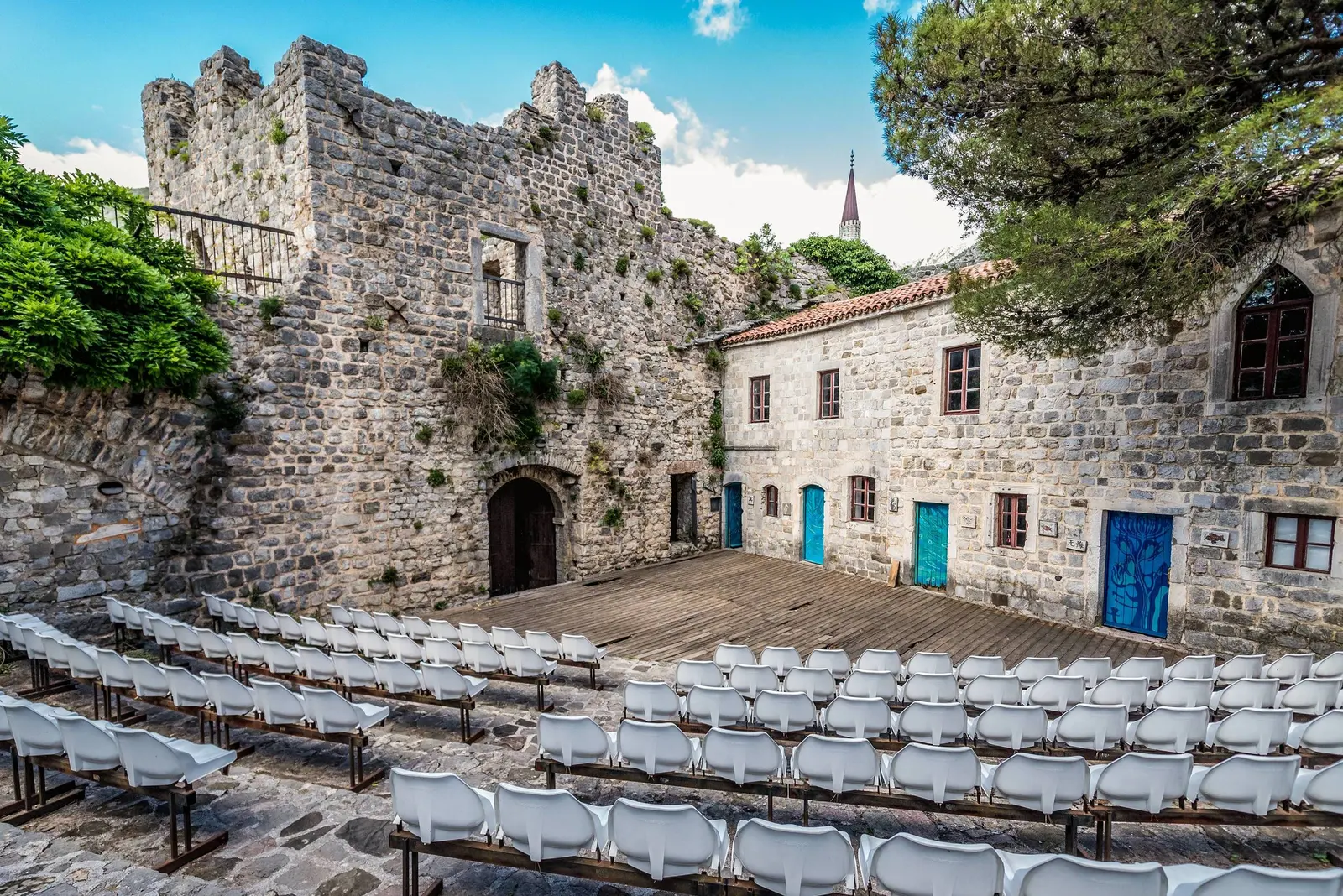
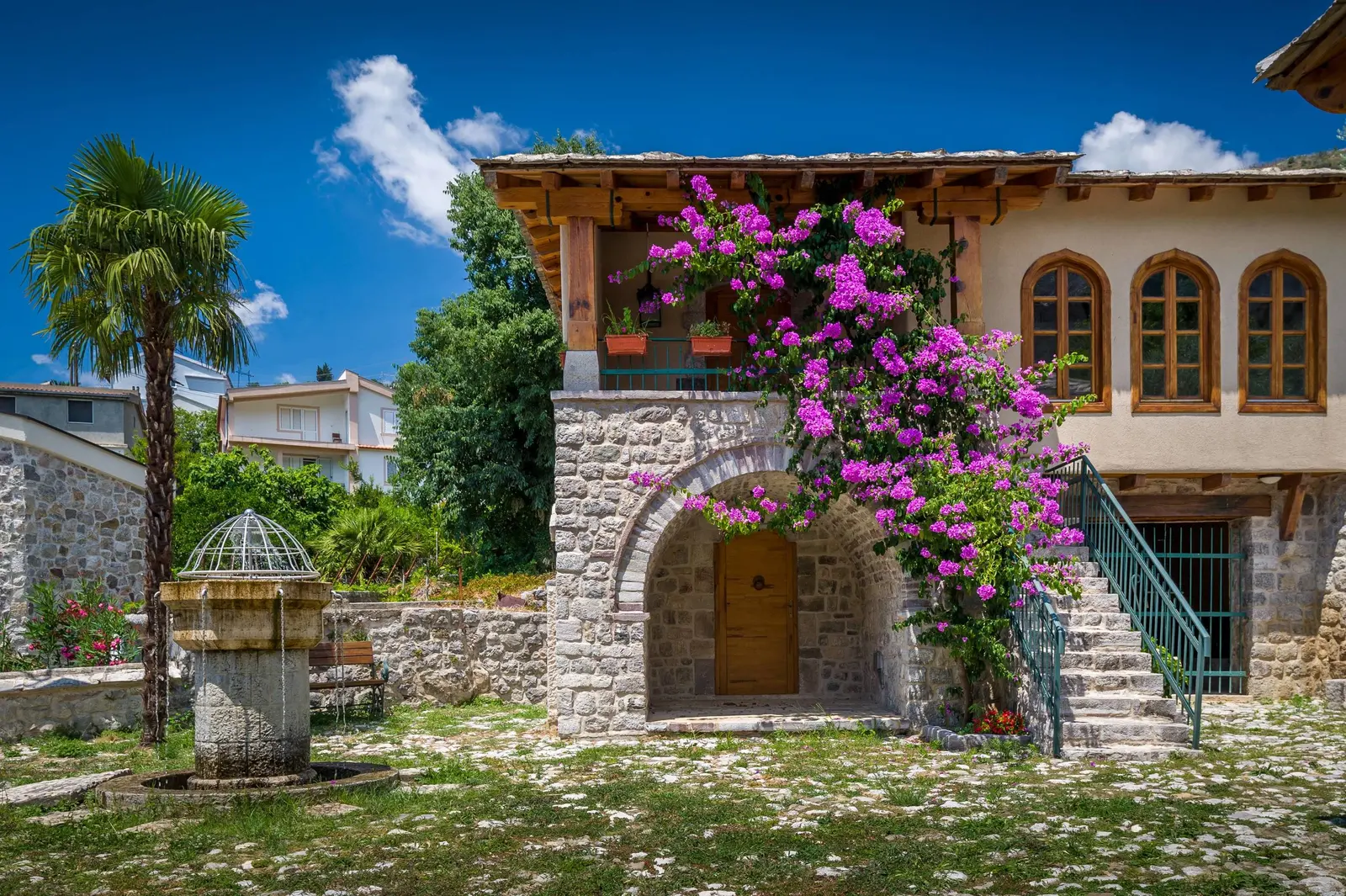
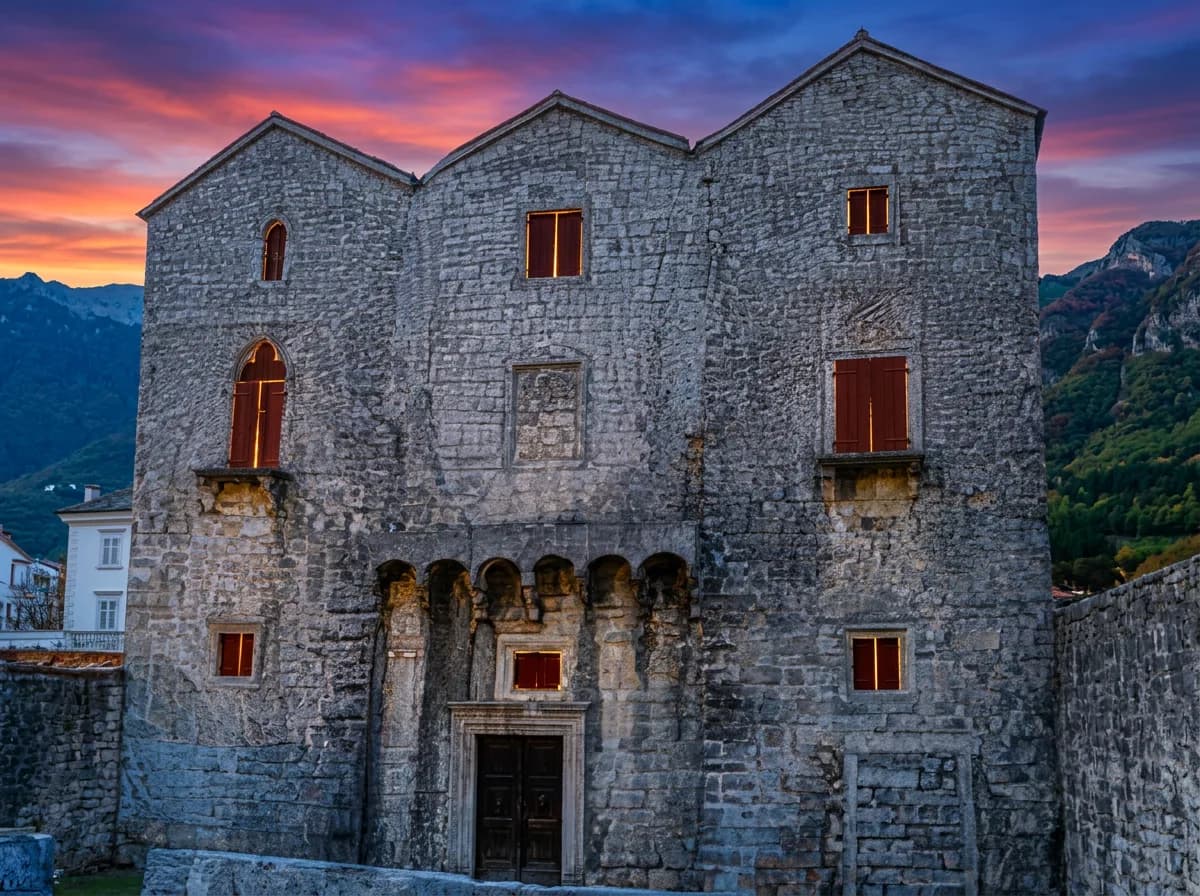
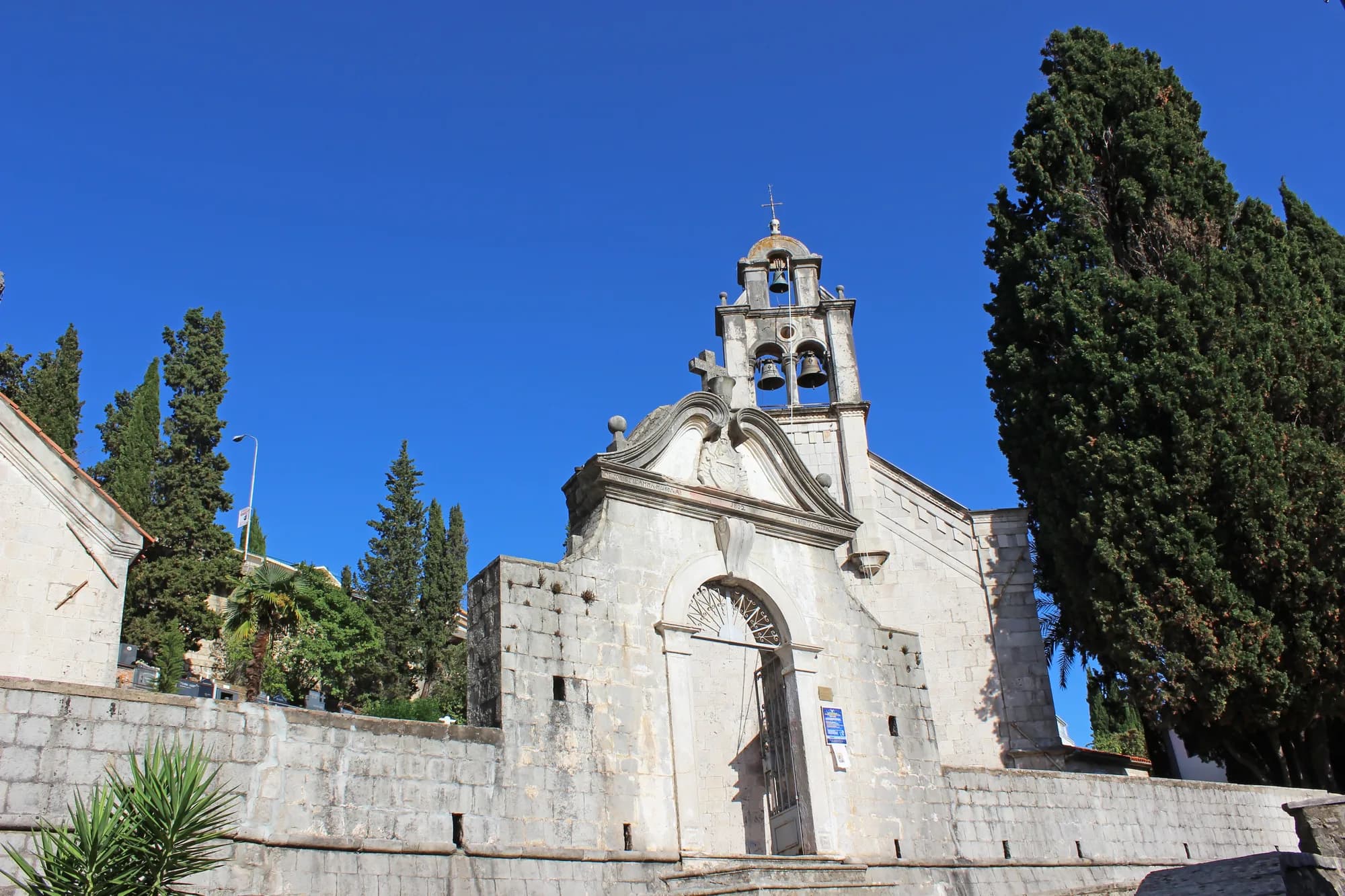
At the entrance, a cypress that has grown into the rock. Natural statue, welcome, code of conduct - "upright posture required!" You can read the history of the old Bar elsewhere. Or you can simply come and look, run your hand over the stone, then pass under the arch of the gate, the stairs to the Citadel, built and extended over a thousand years and the city aqueduct from the Turkish period. There, at the highest point of the citadel, you can feel the merging of eras in a timeless moment of expectation of the caravans that seem to still be passing the old road from Lake Skadar, through gorges that cut deep into the Rumija massif and olive groves that descend in terraces towards the river, where olive mills are still located today. City or mountain: who can say? Although the effects of time, wars and earthquakes can be seen at every step, some buildings have been restored (customs house, Turkish bath, church of St. Veneranda, clock tower, episcopal and city palaces, powder room). The plans for the conservation (reconstruction) revitalization of the city, turning it into a large museum and the center of the cultural life of Montenegro, and the work in this direction, which began in 1983, were interrupted by the nineties, for which it is not known how long it will last.
However, whoever leaves the old Bar on a September evening, at least once wishes to see it again filled with light, music, the echo of footsteps and laughter and the smells of the kitchen coming through the windows and gates.
Visiting Stari Bar
Getting there. Stari Bar sits about 4 km inland from modern Bar, roughly ten minutes by car or taxi. Local buses run up from the town, and the walk is possible but climbs steadily on a road with little shade.
Time and tickets. The site is a ticketed open-air ruin and needs about an hour and a half to see properly. Nothing inside is level: the lanes are worn stone, the citadel steps are uneven and there are unfenced drops, so proper shoes matter more than they usually would.
What to look for. Beyond the citadel and the Turkish-period aqueduct, seek out the church of St Veneranda, the clock tower, the hammam and the bishop's and city palaces — the buildings that restoration reached before the work stalled in the 1990s.
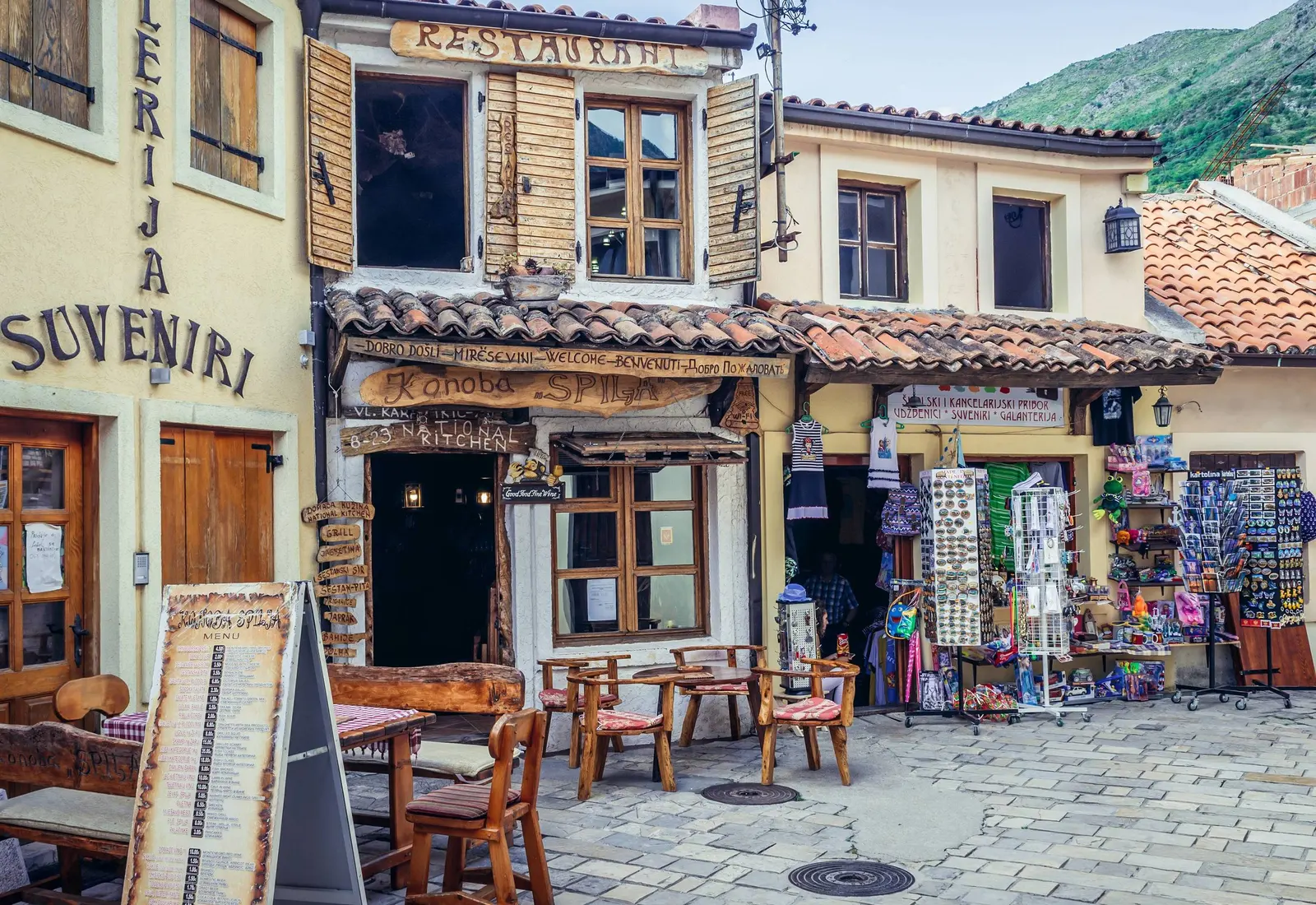
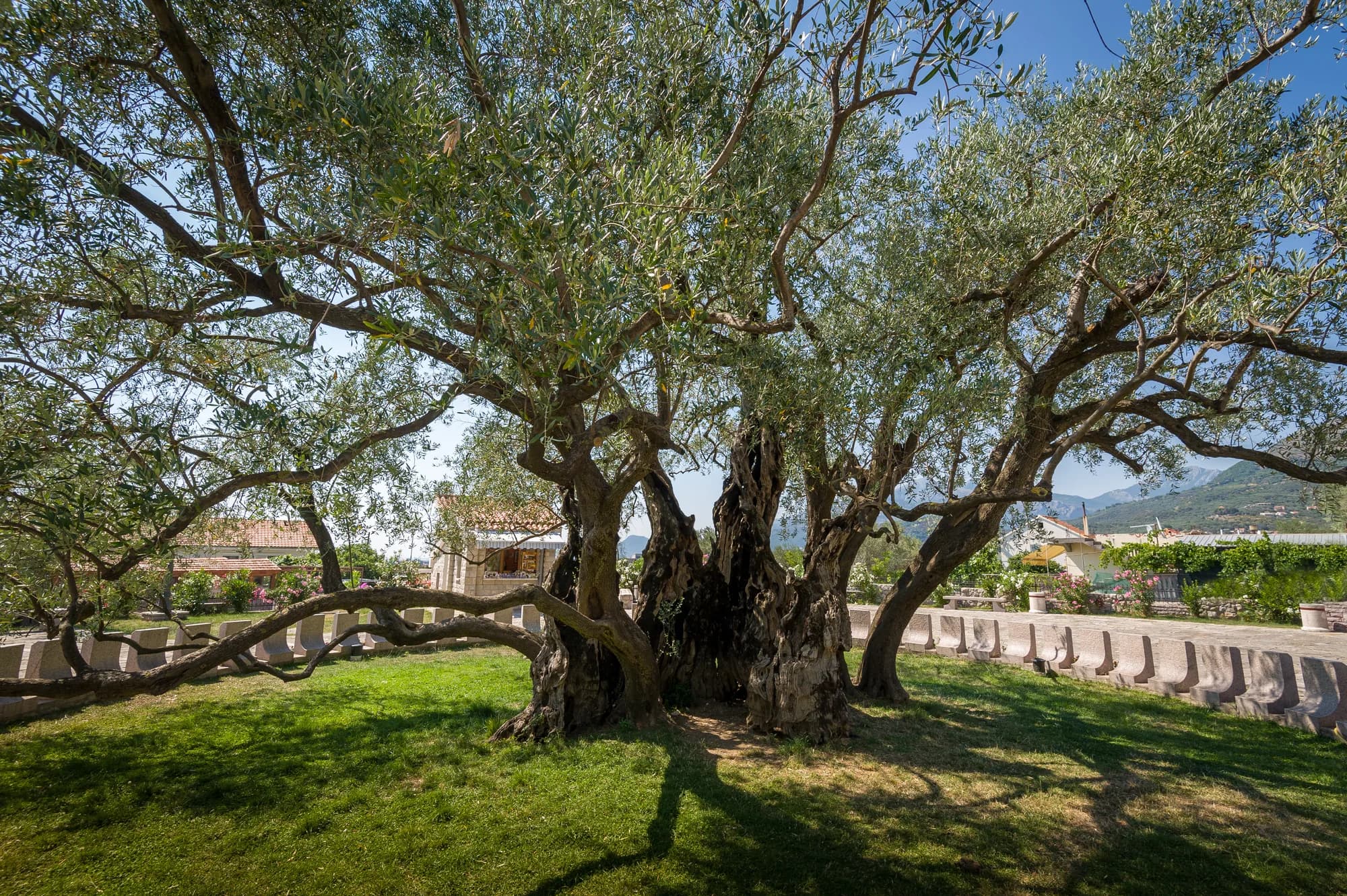
Nearby. The cobbled bazaar street just below the gate has cafes and craft workshops and makes the natural stop afterwards. The Stara Maslina, the olive tree at Mirovica reckoned to be over 2,000 years old, is a short drive away.
When to come. Spring and autumn are best. The ruin is almost entirely without shade, so a July or August midday is punishing; late afternoon in September, when the stone holds the day's warmth and the light goes long, is when the place is at its most striking.
We may earn a commission from partner links. This helps us keep Montenegro.com free for travelers.
Written by
Gordan Stojović
Gordan Stojović is a Montenegrin politician, writer and publicist, and a member of the Parliament of Montenegro (Skupština). A specialist in the history of Montenegrin emigration, he is the author of several books on the diaspora in South America — among them "Crnogorci u Argentini" and "Crnogorci u Južnoj Americi" — and served as Montenegro's ambassador to Argentina, Brazil, Chile and Uruguay (2014–2019). For Montenegro.com he writes about Montenegrins across the Americas and the stories of the old diaspora.