Montenegro hat 2026 die zentrale Regel für Besuche der Blauen Grotte geändert: Motorbetriebene Boote dürfen den Höhlenbereich nicht mehr befahren. Eine aktuelle Buchung sollte deshalb erklären, wo das Motorboot stoppt, ob es danach überhaupt weitergeht, mit welchem motorlosen Mittel das geschieht, wer das beaufsichtigt und was passiert, wenn die Bedingungen diesen Plan unsicher machen. Wer weiterhin damit wirbt, mit dem Schnellboot in die Grotte zu fahren, ist nicht bloß auf einem alten Stand – die Zusage widerspricht der veröffentlichten Vorschrift des Ministeriums für Seeverkehr.
Dieser Leitfaden ist ein Raster für Kauf und Entscheidung. Unser gesonderter Prüfbericht zu den Zutrittsregeln der Blauen Grotte untersucht das Verbot selbst, während der Routenführer Mirište und Blaue Grotte sich auf diesen lokalen Zugang konzentriert. Hier geht es um die größere Frage: Wie vergleichen Sie Abfahrtsorte, Tourformate, Sicherheitsauskünfte, Bademöglichkeiten und Stornobedingungen, ohne sich auf veraltete Angebote zu verlassen?
| Bootstyp | Höhlenbereich | Was weiterhin erklärt werden muss |
|---|---|---|
| MOTORBOOT | fährt nicht hinein | Haltepunkt muss erklärt werden |
| MOTORLOS | einzig zulässiger Bootstyp | Methode + Aufsicht bleiben wichtig |
| Jedes Boot | Nicht garantiert | Die Regel selbst garantiert weder Transfer noch Badegang, Anlandung oder Zutritt bei jedem Seegang. |
Quelle: gov.me
Die Grotte, ihre Lage und das Licht – ohne erfundene Garantien
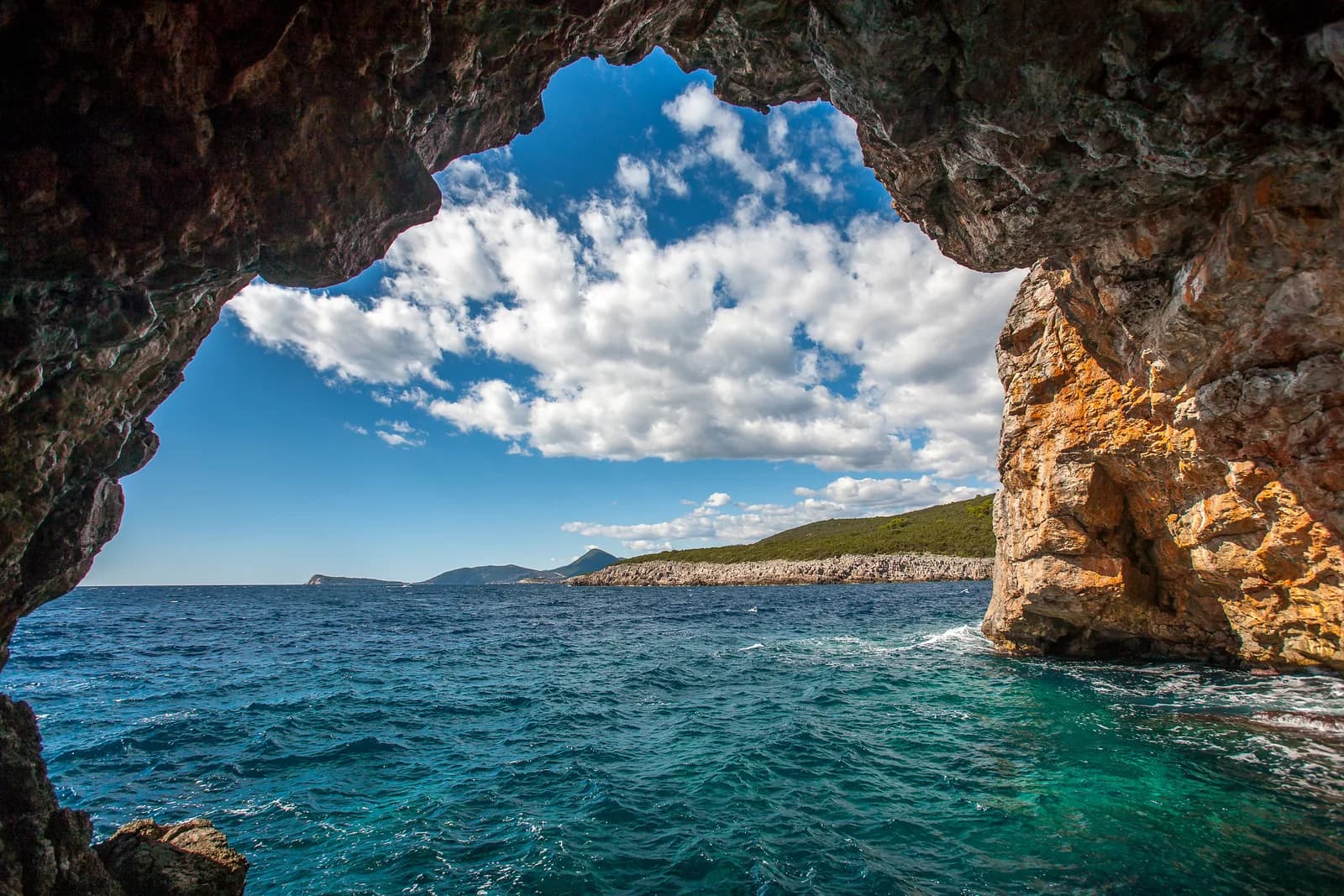
Die nationale Tourismusorganisation verortet die Plava špilja auf der Halbinsel Luštica unweit von Herceg Novi. Ihre Luštica-Broschüre beschreibt den Ort als nur per Boot erreichbar und erklärt, dass an klaren Tagen das Sonnenlicht gebrochen wird und das Wasser zum Leuchten bringt. Das ist der belastbare Kern der bekannten Geschichte vom „blauen Leuchten“. Eine allgemeingültige beste Uhrzeit nennt die Quelle nicht; sie verspricht auch keine türkise Färbung bei jedem Besuch und sagt nicht, dass Baden möglich sein wird.
Sonnenstand, Bewölkung, Wasseroberfläche, Schwebstoffe und der eigene Blickwinkel – all das verändert das Erscheinungsbild. Eine feste Behauptung wie „die Grotte ist von 11:00 bis 15:00 Uhr blau“ macht aus einem veränderlichen optischen Effekt einen Fahrplan. Fragen Sie ruhig, wann der Anbieter den Bereich üblicherweise erreicht, nehmen Sie die Antwort aber als Erfahrungswert und nicht als Garantie. Wetter und die neue Transferregelung wiegen schwerer als eine Marketing-Uhr.
Der Ausgangsort prägt den Ausflug. Herceg Novi und die Strände auf der Luštica-Seite liegen näher an der Buchteinfahrt, Kotor tief im Inneren der Bucht, Budva an einem anderen, offenen Küstenabschnitt. Die Entfernung allein sagt nichts über die Dauer, denn Bootstyp, zulässige Geschwindigkeit, Reihenfolge der Zustiege, Stopps, Verkehr, Seegang und das Motorbootverbot kommen dazwischen. Nutzen Sie unseren Führer zum historischen Hafen von Rose und den Anfahrtsführer Rose um die Seite an der Buchteinfahrt zu verstehen, ohne daraus einen Bootsfahrplan zu machen.
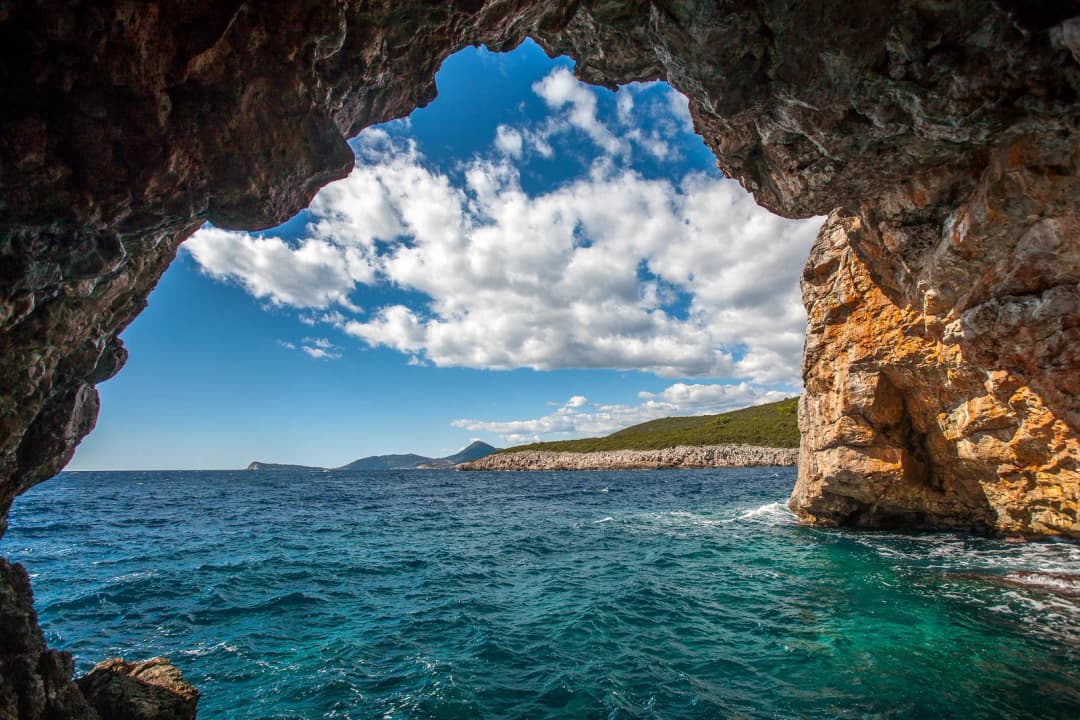
Vergleichen Sie Abfahrtsangebote, keine unbelegten Minutenangaben
| Ausgangsgebiet | Was Sie hauptsächlich kaufen | Hauptrisiko | Vor der Zahlung klären |
|---|---|---|---|
| Herceg Novi | Kürzere Anfahrt von der Buchteinfahrt | Abschnitt auf offener See und Transfermethode | Kai, Gesamtdauer, genauer Ablauf an der Grotte |
| Seite Žanjice/Mirište | Küstenausflug vor Ort | Anreise zur Strandabfahrt und verlässliche Rückkehr | Straßen-/Bootsanbindung, letzte Rückfahrt, zulässige Zutrittsart |
| Kotor/Tivat | Längere Buchtrundfahrt mit mehreren Sehenswürdigkeiten | Mehr Fahrzeit, mehr Stopps, mehr Abhängigkeiten im Zeitplan | Stoppliste, Landgänge, Vorrang der Grotte, späte Rückkehr |
| Küste bei Budva | Ausflug an der offenen Küste oder Kombination aus Straße und Boot | Längere ungeschützte Fahrt oder Transfer über Land | Tatsächlicher Abfahrtsort, Verantwortung für den Transport, Ersatzlösung |
Ein kurzes Angebot ist nicht automatisch das bessere. Es widmet dem Höhlenbereich womöglich einen größeren Anteil der Zeit, bietet aber vielleicht weniger Ausstattung, weniger Schatten oder eine kompliziertere Landanbindung. Ein längeres Angebot ab Kotor kann sinnvoll sein, wenn Ihnen die Fahrt durch die Bucht und gesicherte Stopps unabhängig von der Grotte etwas wert sind. Schlecht ist der Preis erst dann, wenn das Ganze als garantierter Grottenbesuch verkauft wird, den weder See noch Rechtslage hergeben.
Verlangen Sie einen datierten Ablaufplan mit Abfahrtsort, Check-in-Zeit, voraussichtlichem Rückkehrzeitraum, benannten Stopps, Angaben zu Landgängen, Eintrittsgeldern, Verpflegung, Toilette und Schatten, Höchstzahl der Fahrgäste, Mindestalter, Anforderungen an die Mobilität sowie dem genauen Ablauf an der Blauen Grotte. Für die Planung ab Kotor hilft der Führer zu Tagesausflügen bei der Prüfung, ob der weitere Tagesplan auch dann noch aufgeht, wenn das Boot spät zurückkommt.
| Bestandteil | Was zu bestätigen ist |
|---|---|
| ROUTE | Start + Stopps |
| GROTTE | Verfahren 2026 |
| BOOT | Kapazität + Ausrüstung |
| ERSATZLÖSUNG | Erstattung + Umleitung |
| Preis | Ein niedriger Preis ist erst dann vergleichbar, wenn alle vier Felder geklärt sind. |
Quelle: gov.me
Die zwölf Fragen an den Anbieter
- Wie lautet der rechtliche Name des Anbieters? Ein Profil auf einer Buchungsplattform oder ein Verkäufer am Steg kann ein Vermittler sein.
- Mit welchem Boot fahren wir? Fragen Sie nach Typ, Registrierungsangaben und Höchstzahl der Fahrgäste – ohne so zu tun, als könnten Sie selbst eine Prüfung vornehmen.
- Wer führt das Boot? Fragen Sie, wer die Fahrt leitet und welche Einweisung die Fahrgäste erhalten.
- Wo stoppt das Motorboot? Die Antwort muss das Verbot von 2026 beachten.
- Fährt danach jemand in den Bereich hinein? Wenn ja: mit welchem motorlosen Boot, mit welcher Kapazität, welcher Ausrüstung und welcher Aufsicht?
- Ist Baden vorgesehen? Trennen Sie Freiwilliges von Verbindlichem; wer ablehnt, darf weder festsitzen noch unter Druck geraten.
- Wodurch entfällt der Grottenteil? Fragen Sie, wer entscheidet und ob Wind, Wellen, Sicht, Verkehr oder behördliche Kontrollen dazu führen können.
- Was tritt an seine Stelle? Lassen Sie sich die Ersatzroute, die Teilerstattung, das Guthaben oder die Regel zur vollständigen Stornierung geben.
- Gibt es Rettungswesten in passenden Größen? Denken Sie an Kinder und alle, die zusätzlichen Auftrieb brauchen.
- Welche Unterstützung gibt es bei eingeschränkter Mobilität? Fragen Sie nach Einstieg, Haltegriffen, Sitzplätzen, Schatten, Gischt und Toilette.
- Was ist inbegriffen? Klären Sie Eintritte, Transfers, Treibstoffzuschläge, Verpflegung und Steuern.
- Wer reagiert im Notfall? An Bord führt der Schiffsführer die Maßnahmen; die montenegrinische Seenotrettungsleitstelle erreichen Sie unter 129.
Diese Fragen unterstellen keinem Anbieter einen Verstoß. Sie trennen eine überprüfbare Leistung von einem vagen Versprechen. Bei Kontrollen des Ministeriums im Juli 2026 wurden Verstöße festgestellt, die den Abstand zur Küste und zu Schwimmenden, die Geschwindigkeit und die Bootspapiere betrafen. Daraus folgt nicht, dass jede Tour unsicher wäre – wohl aber, dass Papiere, Fahrverhalten und Abstand zu Schwimmenden beim Kauf ins Gewicht fallen.
Wetter: „Tour findet statt“ ist nicht „Grotte klappt“
Eine Fahrt kann stattfinden und der Grottenteil trotzdem ausfallen. Auch können die Bedingungen in der geschützten Bucht ganz andere sein als an der offenen Küste von Luštica. Fragen Sie, ob der Anbieter für Abfahrt, Fahrt auf offener See, Stopp außerhalb der Sperrzone, motorlose Weiterfahrt und Baden jeweils getrennt entscheidet. „Sonnig“ beantwortet nur die Frage nach dem Licht; über Wind, Wellen, Sicht, Temperatur und einen sicheren Transfer sagt es wenig.
Bestehen Sie nicht auf einer Wellenhöhe als Grenzwert, solange der Anbieter nicht erklären kann, wie sie für dieses Boot und diesen Betrieb gilt. Ein von einem anderen Boot übernommener Schwellenwert schafft trügerische Sicherheit. Besser fragen Sie: Welche amtliche Vorhersage und welche Warnungen verfolgen Sie, wann fällt die endgültige Entscheidung, wer darf absagen, und wie werden die Gäste benachrichtigt? Halten Sie sich den Tag lieber flexibel, statt eine grenzwertige Abfahrt am späten Nachmittag zu erzwingen.
| Punkt | Entscheidung |
|---|---|
| 1 BUCHT | Abfahrt |
| 2 OFFENE SEE | Außenküste |
| 3 GROTTE | zulässiges Verfahren |
| 4 BADEN | individuelle Entscheidung |
| Regel | Wer eine frühere Hürde genommen hat, muss die nächste nicht ebenfalls nehmen. |
Quelle: gov.me
Schwimmen ist eine eigene Einwilligungsentscheidung
Die Tourismusseiten laden zum Schwimmen ein, doch Werbesprache belegt nicht, dass es heute möglich oder angemessen ist. Nach der Motorbootregel gilt: Fragen Sie genau nach, wo Schwimmende ins Wasser gehen und wieder herauskommen, wie der Skipper Sichtkontakt hält, ob der Antrieb in der Nähe gestoppt wird, welche Auftriebsmittel bereitliegen, wie andere Boote ferngehalten werden und wie eine erschöpfte oder verletzte Person geborgen wird. Gehen Sie nie davon aus, dass Schwimmen der einzige Weg ist, die gebuchte Tour zu erleben.
Die WHO behandelt in ihrer Arbeit zur Ertrinkungsprävention sichereren Schiffsverkehr, Schwimmfähigkeit, Wassersicherheitserziehung und Rettungsbereitschaft als verbundene, aber eigenständige Schutzmaßnahmen. Wer sich im Schwimmbad sicher fühlt, ist damit noch nicht auf Seegang, kühles Wasser, Blendlicht, enge Felsen, Bootsverkehr oder eine unbequeme Leiter vorbereitet. Für Kinder und Nichtschwimmer braucht es einen ausdrücklichen Plan; Alkohol, Panik, Erschöpfung und Vorerkrankungen können das Risiko verändern. Ein Fahrgast darf ablehnen, ohne seine Gründe zu erörtern.
Die Ergebnisse von Morsko dobro vom Juni 2026 bewerteten die beprobten öffentlichen Badestellen in ganz Montenegro als ausgezeichnet, gut oder zufriedenstellend, darunter 22 Stellen in der Gemeinde Herceg Novi. Das ist eine nützliche regionale Überwachung, aber keine Probe aus der Blauen Grotte und keine Garantie für die aktuelle Wasserqualität in der Höhle. Schlucken Sie kein Wasser, decken Sie Wunden ab und verzichten Sie aufs Schwimmen nach einer Verschmutzungsmeldung oder wenn das Wasser sichtbar oder vom Geruch her auffällig ist.
| Prüfpunkt | Anforderung |
|---|---|
| RECHTLICH | erlaubt |
| KÖRPERLICH | heute |
| FREI | Wasser + Verkehr |
| AUSSTIEG | mit Hilfe |
| RETTUNG | bereit |
| Wenn nein | Ein Nein an irgendeinem Punkt bedeutet: an Bord bleiben oder die dokumentierte Alternative nutzen. |
Quelle: who.int, morskodobro.me
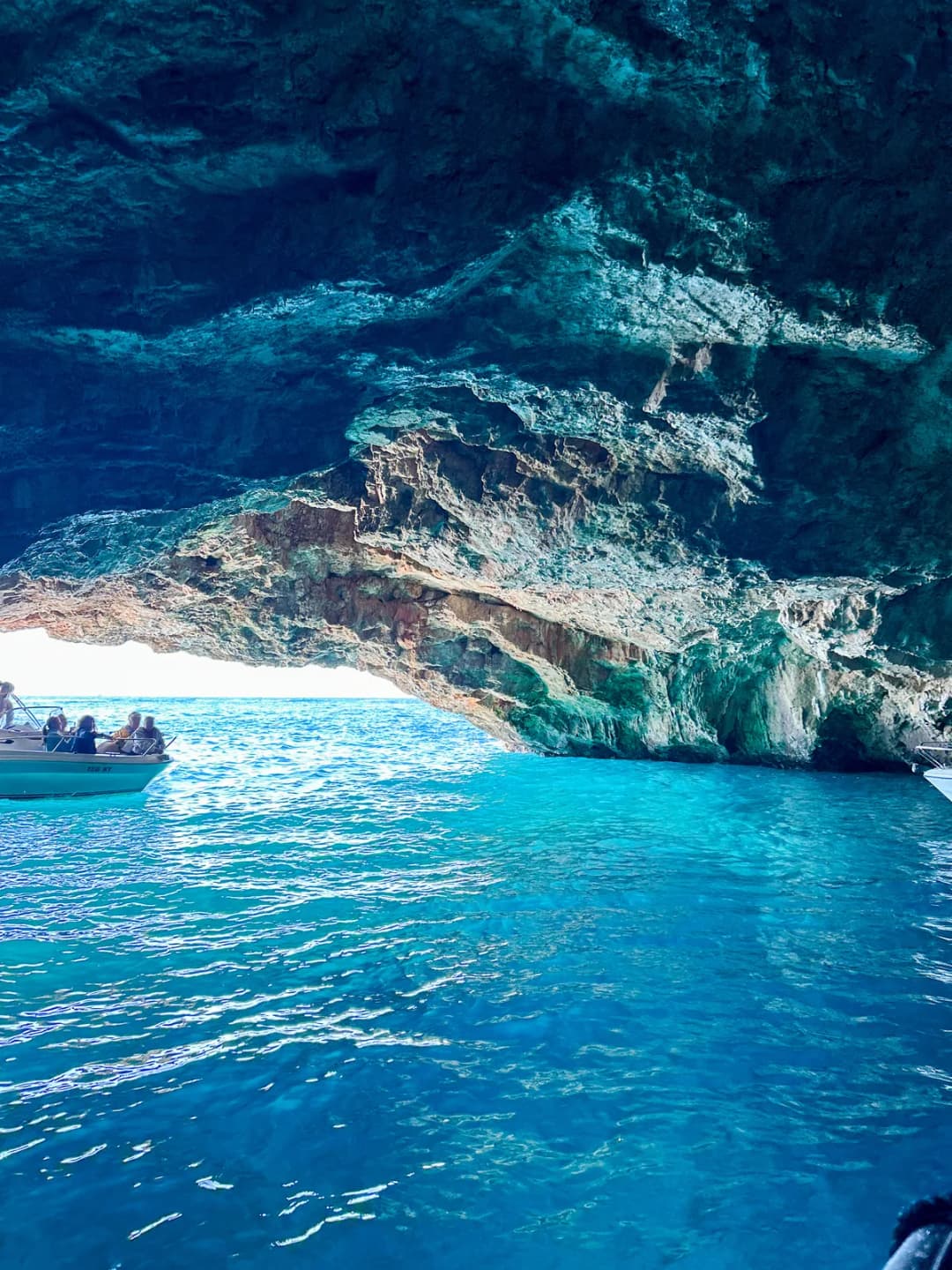
Einsteigen, Kinder und Barrierefreiheit
Viele Verletzungen passieren beim Ein- und Aussteigen, wenn sich Boot und Kai unabhängig voneinander bewegen. Bitten Sie um Fotos oder Maße der tatsächlichen Stufe, der Einstiegsseite, der Reling oder Haltegriffe, der Sitze und des Durchgangs. Wer in der Stadt problemlos zu Fuß unterwegs ist, kann dennoch nicht in der Lage sein, einen großen, sich bewegenden Spalt zu überwinden oder eine Heckleiter zu erklimmen. „Barrierefrei“ bleibt zu vage, solange der Anbieter nicht beschreibt, welche Hilfe er leistet und wo die Sicherheitsgrenzen liegen.
Für Kinder klären Sie das Mindestalter des Anbieters, die Größen der Kinderrettungswesten, die Sitzordnung, den Sonnenschutz, die Aufsichtspflicht der Erwachsenen und die Frage, ob für einen motorlosen Transfer das Boot gewechselt werden muss. Ein Erwachsener, der ein Kind festhält, ersetzt keine passende Sicherheitsausrüstung. Bei Schwangerschaft, kürzlicher Operation, Rücken- oder Nackenbeschwerden, Krampfanfällen, Herz- oder Atemwegserkrankungen, eingeschränkter Empfindung oder Beweglichkeit sollten Sie ärztlich abklären lassen, was Bootsbewegung und Schwimmen bedeuten, und dem Anbieter dann genug Informationen geben, damit er ehrlich antworten kann.
Nehmen Sie Sonnenschutz mit, der sicher sitzt, dazu Trinkwasser, eine trockene Kleidungsschicht, rutschfestes Schuhwerk und eine wasserdichte Aufbewahrung für unverzichtbare Medikamente. Verlassen Sie sich nicht auf den pauschalen Rat „Bargeld mitnehmen“: Klären Sie mit dem Verkäufer Zahlungsmittel, Währung, Anzahlung, Beleg und Erstattungsweg. Lassen Sie Wertsachen nach Möglichkeit an Land; eine wasserdichte Handyhülle sollte beim Schwimmen nicht um den Hals hängen.
Zusatzstopps im Grottenprogramm brauchen eine eigene Prüfung
Angebote kombinieren häufig Mamula, ehemalige U-Boot-Tunnel, Rose, Žanjice, Mirište oder eine Inselkirche. Ein Blick vom Wasser aus, eine Einfahrt mit dem Boot und ein Landgang sind drei verschiedene Produkte. Fragen Sie, ob die Fahrgäste an Land gehen, wer den Zugang genehmigt, wie viel Zeit vorgesehen ist, ob der Eintritt enthalten ist und was an die Stelle eines geschlossenen Stopps tritt. Schließen Sie nicht von einem Foto darauf, dass ein Tunnel oder ein Kulturdenkmal auch betreten werden darf.
Für einen Tag an Land auf Luštica helfen der Führer zur Bucht Dobreč, Führer zu Njivice und Überblick über die Strände der Adria beim Vergleich der Alternativen. Sie belegen jedoch keine Beförderung am selben Tag. Fällt die Blaue Grotte aus, ist ein geprüfter Strand- oder Dorfplan meist die bessere Wahl, als einen Skipper zur Fahrt entlang der ungeschützten Küste zu drängen.
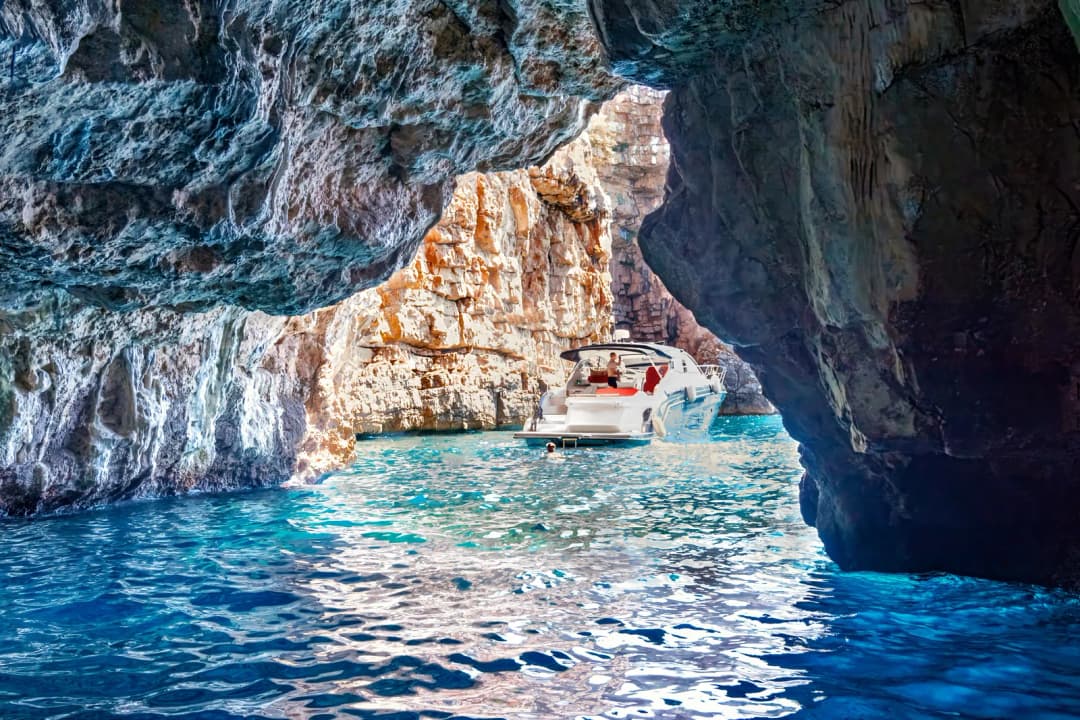
Stornierung und Verbraucherunterlagen
Halten Sie vor der Zahlung Datum, Verkäufer, Anbieter, Route, Boot, Grottenverfahren, Gesamtzahl der Fahrgäste, Leistungen, Gesamtpreis, Anzahlung, Restbetrag, Stornofrist, Wetterentscheidung, Ersatzprogramm und Erstattungsweg fest. Fragen Sie, was gilt, wenn die Tour stattfindet, der Grottenteil aber ausfällt; das ist etwas anderes als eine vollständige Absage. Ein Gutschein nützt am letzten Urlaubstag wenig, während eine Rückzahlung Zeit brauchen kann.
Lesen Sie „wetterabhängig“ stets zusammen mit der Rechtsfolge. Wer entscheidet, zu welcher Uhrzeit, über welchen Kanal wird informiert? Darf der Kunde eine wesentlich geänderte Route ablehnen? Sind Buchungsgebühren Dritter erstattungsfähig? Verspricht Ihnen ein Verkäufer etwas, das in den schriftlichen Bedingungen fehlt, bitten Sie darum, es dort zu ergänzen. Drohen Sie am Kai nicht mit einer Rückbuchung; sichern Sie zunächst Belege und nutzen Sie das Verfahren der Plattform oder des Anbieters.
| Rang | Herkunft der Angabe |
|---|---|
| 1 | GELTENDE REGEL + AMTLICHER VOLLZUG |
| 2 | SCHRIFTLICHER VERTRAG MIT DEM ANBIETER |
| 3 | DATIERTES VERKAUFSANGEBOT |
| 4 | BEWERTUNG / ERZÄHLUNG |
Quelle: gov.me
Verhalten im Notfall und Notrufnummern
Hören Sie der Einweisung zu und wissen Sie, wo die Rettungsweste liegt, wie sie geschlossen wird und was der Skipper erwartet, falls jemand über Bord geht. Halten Sie sich von den Bedienelementen fern und lenken Sie den Skipper bei Manövern nicht ab. Melden Sie der Besatzung sofort, wenn Schwimmende zu weit entfernt sind, wenn zu schnell gefahren wird oder wenn jemand in Not gerät. Ordnet der Skipper eine Evakuierung oder Rückkehr an, ist die verpasste Sehenswürdigkeit zweitrangig.
Der montenegrinische Seenotrettungsdienst veröffentlicht 129. Speichern Sie sie vor der Abfahrt. Alarmieren Sie im Notfall den Skipper, sagen Sie, dass es sich um einen Seenotfall handelt, und nennen Sie – soweit bekannt – das Boot, den Ort oder die letzte bekannte Position, die Zahl der Personen, Angaben zu Verletzungen oder zu einer Person über Bord sowie eine Rückrufnummer. Springen Sie nicht zu einer improvisierten Rettung ins Wasser, sofern Sie nicht ausgebildet und dazu aufgefordert sind; ein weiteres Opfer erschwert den Einsatz.
Praktische Entscheidungen von der Buchung bis zur Rückkehr
Überlegen Sie schon bei der Buchung, was den Ausflug noch lohnend machen würde, falls niemand die Grotte betritt. Diese eine Frage verhindert die meisten Enttäuschungen. Eine Rundfahrt ab Kotor bietet womöglich immer noch eine lange Fahrt durch die Bucht und gesicherte Stopps; ein kurzes Angebot ab Herceg Novi hat ohne das Grottengebiet kaum einen Zweck. Keine der beiden Antworten ist falsch. Sie ändert aber, welche Stornobedingung Sie verlangen sollten. Notieren Sie ein „Muss“, zwei akzeptable Alternativen und eine Bedingung, unter der Sie nicht mitfahren.
Richten Sie das Angebot als Nächstes am unflexibelsten Fahrgast aus. Ein schnelles offenes Boot mag für einen sportlichen Erwachsenen reizvoll sein und für ein kleines Kind, einen bewegungsempfindlichen Fahrgast oder jemanden, der nicht zwischen fahrenden Booten wechseln kann, ungeeignet. Bilden Sie aus diesen Bedürfnissen keinen Gruppendurchschnitt. Fragen Sie, ob die betreffende Person auf dem Motorboot bleiben kann, während die anderen eine zulässige motorlose Variante nutzen, und ob dabei Aufsicht, Schatten und eine sichere Rückkehr gewährleistet bleiben.
48 Stunden vorher
Nehmen Sie die schriftlichen Bedingungen noch einmal zur Hand und vergewissern Sie sich, dass der Anbieter Treffpunkt, Uhrzeit, Boot oder Route nicht geändert hat. Lassen Sie sich das aktuelle Grottenverfahren in einem vollständigen Satz erklären: „Unser Motorboot hält bei ___; die Fahrgäste ___ dann; ist das nicht sicher, ___ wir.“ An einer klaren Antwort erkennen Sie, ob der Verkäufer die Beschränkung von 2026 verstanden hat. Prüfen Sie Ihre eigene Anreise zum Kai und den zeitlichen Puffer nach der angekündigten Rückkehr; legen Sie keinen Flug, keinen Grenztransfer und kein nicht stornierbares Abendessen unmittelbar hinter eine wetterabhängige Seefahrt.
Klären Sie Medikamente, Sonnenschutz, Verpflegung und Vorsorge gegen Seekrankheit früh genug, um fachlichem Rat folgen zu können. Probieren Sie ein müde machendes Mittel nicht zum ersten Mal am Kai aus. Laden Sie das Handy auf, speichern Sie den Anbieter und die 129 und teilen Sie die Buchung jemandem an Land mit. Packen Sie auch im Sommer eine trockene Kleidungsschicht ein, denn Gischt und Wind kühlen aus, wenn man still sitzt. Nehmen Sie eine kleine Tasche mit statt loser Gegenstände, die über Deck rutschen können.
Am Morgen
Achten Sie auf eine Nachricht des Anbieters, aber eine ausbleibende Absage beweist keine guten Bedingungen. Fragen Sie, ob die geplanten Entscheidungen zu Grottengebiet und Schwimmen weiterhin unter Vorbehalt stehen. Das Wetter kann sich zwischen Abfahrt und Ankunft ändern. Essen und trinken Sie angemessen, seien Sie vor Ende der Check-in-Zeit da und suchen Sie den namentlich genannten Anbieter, statt einem fremden Verkäufer zu folgen, der behauptet, die Boote seien austauschbar.
Vergleichen Sie am Kai das tatsächliche Boot mit der Beschreibung. Weichen Boot, Fahrgastzahl oder Ablauf wesentlich ab, halten Sie vor dem Einsteigen inne. Machen Sie die Rettungswesten ausfindig, auch die zugesagte Kindergröße, und hören Sie der Einweisung zu. Fragen Sie, wo Sie sitzen sollten, wenn Bewegung, Gischt oder Beweglichkeit ein Thema sind. Halten Sie die Hände fern, wenn das Boot an einen Kai oder an ein anderes Boot heranfährt; Fahrgäste sollten weder improvisiert abfendern noch über eine Lücke springen.
Am Grottengebiet
Die Entscheidung des Skippers kann vorsichtiger ausfallen als der Verkaufsplan. Akzeptieren Sie diese Änderung. Achten Sie darauf, ob das Motorboot außerhalb des gesperrten Bereichs bleibt und ob anderer Verkehr die motorlose Variante oder das Schwimmen ungeeignet macht. Wer zuvor zugesagt hat zu schwimmen, darf angesichts der Bedingungen absagen. Gehen Sie nicht ins Wasser, weil die Gruppe wartet oder weil die Grotte die Hauptattraktion ist.
Wird ein Umstieg angeboten, warten Sie auf eine ausdrückliche Anweisung, halten Sie sich nach Möglichkeit an drei Punkten fest und reichen Sie Taschen getrennt hinüber. Klären Sie den Rückweg, bevor Sie das Hauptboot verlassen. Bleiben Sie beim Schwimmen im beaufsichtigten Bereich und meiden Sie Höhlenwände, andere Boote und Antriebsschrauben. Verlieren Sie eine Begleitperson aus den Augen, sagen Sie es der Besatzung sofort; die Verwaltungsmitteilung von 2026 hält ausdrücklich fest, dass eine aus dem Blickfeld verschwundene Person unverzüglich zu melden ist.
Nach einer geänderten oder abgesagten Fahrt
Trennen Sie die Sicherheitsfrage von der vertraglichen Rechtsfolge. Ein Skipper kann den Grottenteil zu Recht absagen, und dem Kunden kann dennoch zustehen, was der schriftliche Vertrag zusagt. Halten Sie die tatsächliche Route, die Durchsage und die Rückkehrzeit fest, ohne die Besatzung zu behindern. Wenden Sie sich mit den Buchungsbelegen ruhig an den Verkäufer. Eine Bewertung sollte objektive Tatsachen – Position des Motorboots, ob ein Umstieg stattfand, Ersatzstopps – von Schlussfolgerungen zur Rechtslage trennen, die zu beurteilen der Bewertende nicht befugt ist.
Bestrafen Sie eine Absage aus Sicherheitsgründen nie damit, dass Sie einen Anbieter loben, der „es trotzdem riskiert hat“. Genau diesen Anreiz braucht ein regulierter, stark frequentierter Ort nicht. Belohnen Sie klare Kommunikation, passende Ausrüstung, die Einwilligung der Fahrgäste und einen vernünftigen Ersatzplan. Diese Eigenschaften nützen der nächsten reisenden Person mehr als eine ungeprüfte Behauptung über Minuten in der Grotte oder den exakten Blauton.
Fotografieren bleibt zweitrangig hinter Gleichgewicht und Aufmerksamkeit. Sichern Sie das Gerät vor dem Einsteigen, stehen Sie nie auf und wechseln Sie nie den Platz ohne Erlaubnis des Skippers, und bitten Sie kein Besatzungsmitglied, für ein besseres Bild näher an Felsen oder Verkehr heranzufahren. Veröffentlichen Sie keine Gesichter ohne Einwilligung und versehen Sie Schwimmende nicht mit Geodaten in einer Weise, die unsicheres Verhalten als normal erscheinen lässt. Ein dunkleres Foto beweist nicht, dass der Anbieter zur „falschen“ Zeit da war – so wenig wie ein leuchtendes Bild beweist, dass sich dieselben Licht- und Wasserverhältnisse wiederholen. Nennen Sie Datum, Bewölkung und Blickposition, wenn diese Angaben für eine Bewertung wichtig sind.
| Moment | Was zu tun ist |
|---|---|
| BUCHEN | Bedingungen gesichert |
| NACHPRÜFEN | 48 Stunden |
| EINSTEIGEN | Boot + Einweisung |
| NEU BEWERTEN | Grotte + Schwimmen |
| FESTHALTEN | Fakten + Rechtsfolge |
| Recht auf Ablehnung | Ein Ja bei der Buchung nimmt Ihnen nie das Recht, Nein zu sagen, wenn sich die Lage ändert. |
Quelle: gov.me, who.int
Häufige Fragen
Darf ein Schnellboot 2026 in die Blaue Grotte einfahren?
Nein. Das Ministerium erklärt, dass motorbetriebene Boote nicht in den Bereich der Blauen Grotte einfahren dürfen. Fragen Sie, wo das Schnellboot hält und wie eine zulässige motorlose Weiterfahrt abläuft.
Bedeutet das Verbot, dass Touren zur Blauen Grotte abgesagt sind?
Nein. Es ändert das Betriebsmodell. Touren dürfen sich mit Motorboot nähern, aber der Anbieter muss ein regelkonformes Verfahren im Grottengebiet und die Alternative bei schlechtem Wetter erklären.
Wann ist die garantiert beste Zeit für das blaue Licht?
Es gibt keine amtlich garantierte Uhrzeit. Das nationale Tourismusmaterial nennt Sonnenlicht an klaren Tagen als Ursache. Fragen Sie nach der voraussichtlichen Ankunftszeit, aber rechnen Sie mit Unwägbarkeiten bei Wetter und Lichtverhältnissen.
Ist Herceg Novi immer der beste Abfahrtsort?
Es liegt näher an der Buchteinfahrt, aber „am besten“ hängt von Treffpunkt, Gesamtroute, Komfort, Stopps, Umstiegsart und Vertrag ab. Eine längere Rundfahrt durch die Bucht kann durchaus das eigentlich gewünschte Erlebnis sein.
Kann ich damit rechnen, drinnen zu schwimmen?
Nein. Fragen Sie, ob es zulässig ist und an diesem Tag angeboten wird, wo Ein- und Ausstieg erfolgen, welche Aufsicht und welche Auftriebsmittel es gibt und ob eine Ablehnung die Tour verändert.
Belegen die Ergebnisse zur Badegewässerqualität, dass die Grotte sauber ist?
Nein. Morsko dobro überwacht namentlich benannte öffentliche Badestellen. Diese regionalen Ergebnisse sind keine aktuelle Probe des Wassers in der Grotte.
Was, wenn die Werbung weiterhin ein Motorboot im Inneren zeigt?
Behandeln Sie sie als veraltet, bis der Anbieter ein schriftliches Verfahren für 2026 vorlegt. Akzeptieren Sie „das machen doch alle“ nicht als Nachweis der Regelkonformität; bei den Kontrollen im Juni wurden an der Blauen Grotte Sanktionen verhängt.
Welche Nummer gilt für Notfälle auf See?
Die Seenotleitstelle Montenegros ist unter 129 erreichbar. Befolgen Sie die Anweisungen des Skippers und nennen Sie Position, Boot und Angaben zu Verletzten.
Sollten Erstbesucher diesen Ausflug auf ihren einzigen freien Tag legen?
Nein. Halten Sie eine Alternative für schlechtes Wetter bereit. Der Führer für Erstbesucher hilft, den übrigen Reiseplan vor einer einzigen wetterabhängigen Unternehmung zu schützen.
Wie schneidet das im Vergleich zu einem anderen Inselausflug ab?
Nutzen Sie den Leitfaden für verantwortungsvolle Tagesausflüge nach Sveti Nikola für eine gesonderte Option ab Budva; setzen Sie nicht voraus, dass Zugang und Seegang dort denen von Luštica entsprechen.
Quellen und Methodik
Die Recherche wurde am 1. September 2026 abgeschlossen. Maßgeblich für die Regelung 2026, deren Durchsetzung und die Hinweise für Notfälle sind die aktuellen Mitteilungen des Ministeriums und der Schifffahrtssicherheitsbehörde. Touristische Quellen belegen die Lage und erklären das Lichtphänomen an klaren Tagen, dienen aber nicht als Beleg für Sicherheitsgarantien. Die Daten von Morsko dobro gelten allein für die öffentlich ausgewiesenen Badestellen, allgemeine Grundsätze zur Ertrinkungsprävention stammen von der WHO. Preise, Dauer, Bootszahlen und allgemein übliche Erstattungsregelungen bleiben unerwähnt, weil sich hierzu keine vergleichbaren aktuellen Daten überprüfen ließen.
- Ministerium — Motorbootverbot für die Blaue Grotte
- Schifffahrtssicherheitsbehörde — Durchsetzung und 129
- Ministerium — Schifffahrtskontrollen im Juli
- Ministerium — Studie zur Seesicherheit in der Bucht
- Seenotrettung — Notrufzentrale 129
- Nationale Tourismusorganisation — Blaue Grotte
- Nationale Tourismusorganisation — Broschüre Luštica
- Morsko dobro — Badegewässer Juni 2026
- WHO — PROTECT-Strategien
- WHO — praktische Hinweise zur Ertrinkungsprävention
Ministerium — Unwetterwarnungen Mai 2026 und Beschränkungen für kleine Wasserfahrzeuge