U Njegušima živi trideset troje ljudi. Polje oko njih dalo je Crnoj Gori dinastiju i zaštićeni pršut — dvadeset pet serpentina iznad Boke Kotorske.
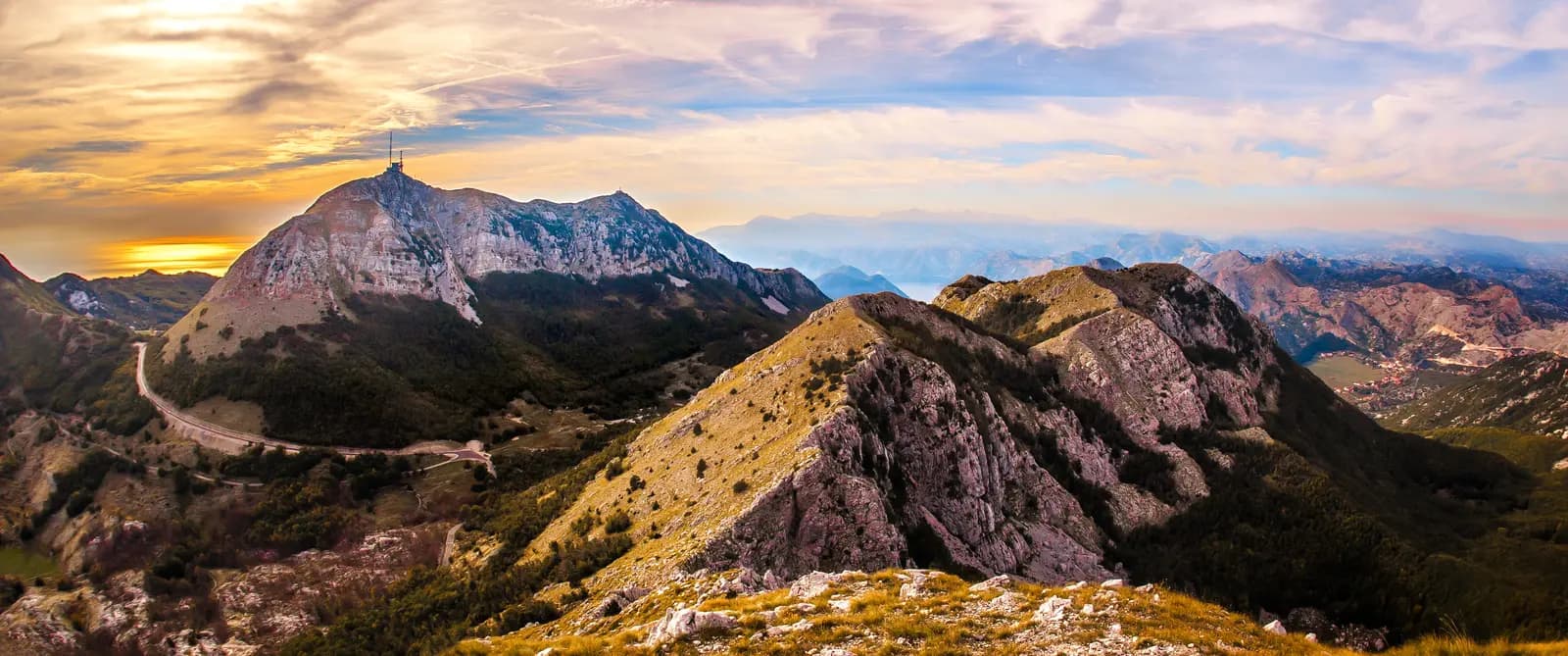
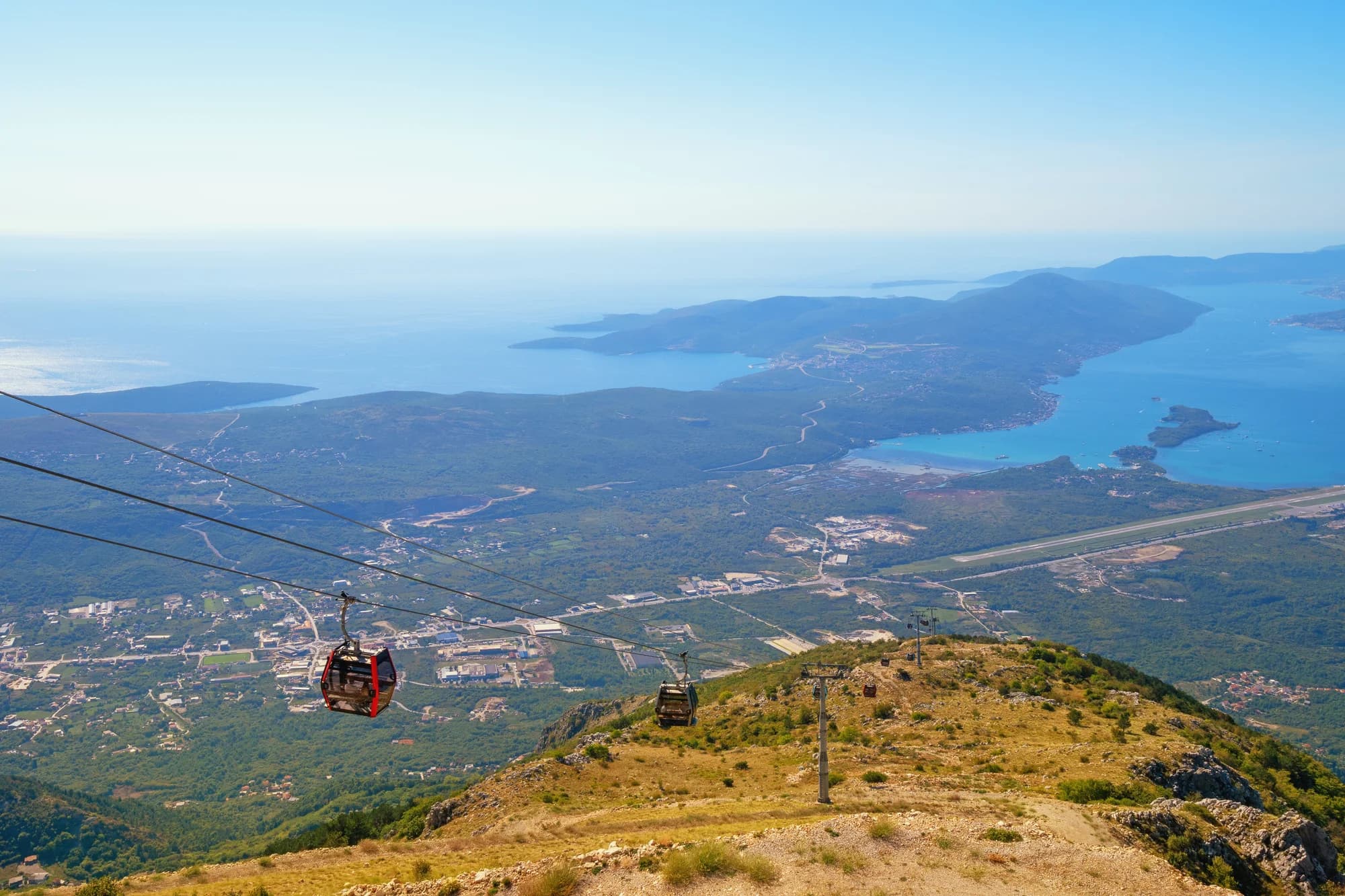
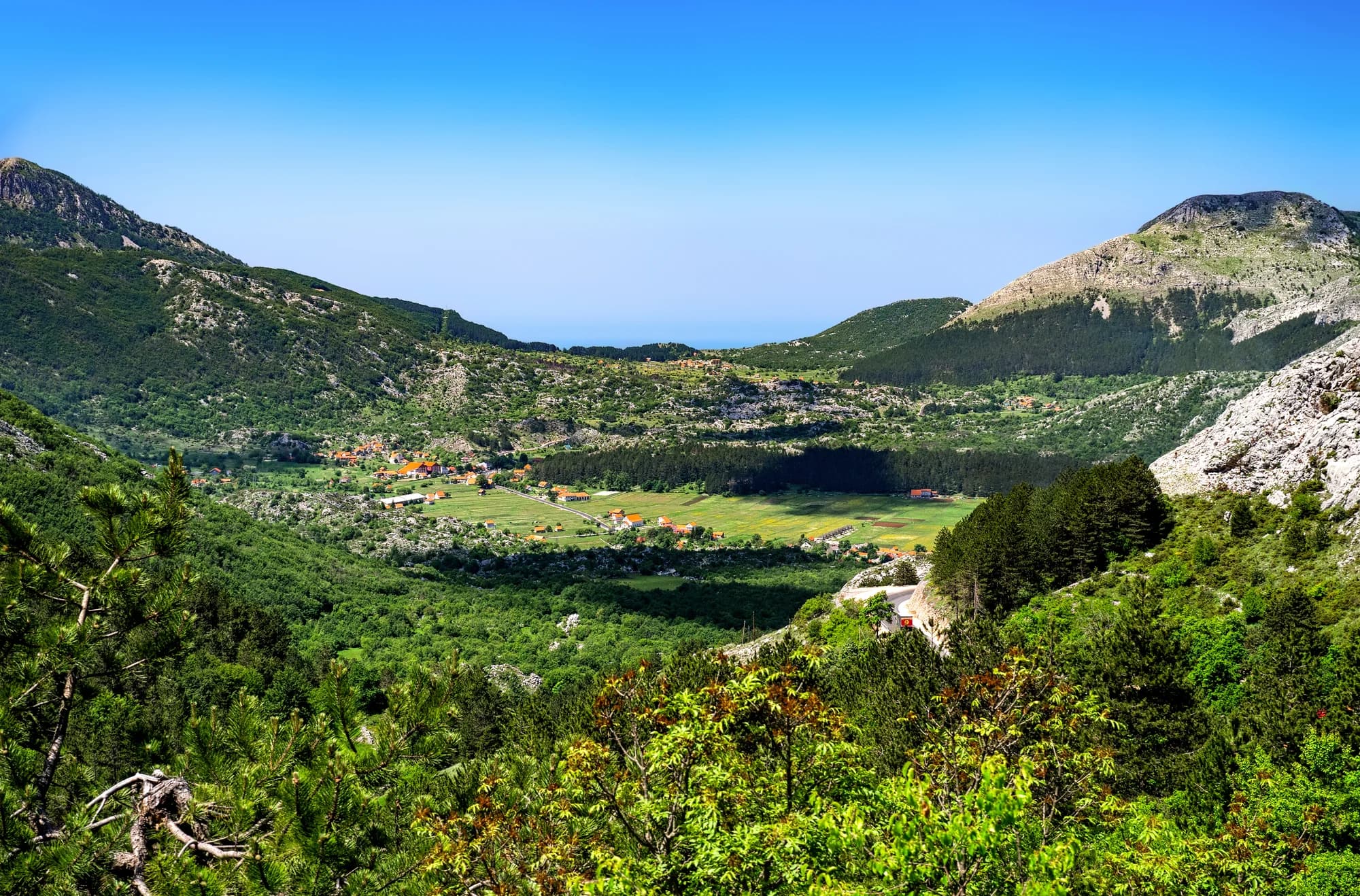
Njeguši su planinski grad smješten između planine Lovćen i Bokokotorskog zaliva, poznat kao rodno mjesto dinastije Petrović-Njegoš koja je vjekovima vladala Crnom Gorom. Grad je podjednako poznato po svojim kulinarskim tradicijama, jer proizvodi najfiniji crnogorski dimljeni pršut (njeguški pršut) i ručno rađeni sir, sušene na planinskom vazduhu. Posjetioci prolaze kroz njega na istorijskom putu između Kotora i Cetinja, zaustavljajući se da probaju lokalne delicije na porodičnim tezgama uz put sa prostranim pogledom na zaliv ispod.
Prizori: Njeguši
Polje, zaselak po zaselak
Stanovnici po naseljima u Njeguškom polju, popis 2023.
Dvjesta četrnaest ljudi u pet zaselaka za koje se još objavljuje broj. Dugi Do je označen sa „z” — propisi skrivaju svaki podatak ispod deset — a Majstori i Žanjev Do zabilježeni su bez ijednog stanovnika. Pleme je 1927. brojalo 450 domaćinstava.
MONSTAT, popis 2023, nivo naselja
Ko posjećuje Crnu Goru
Udio noćenja stranih gostiju, 2025.
MONSTAT · 2025
Ko živi ovdje
Popis stanovništva, opština Njeguši
Njeguši su jedno naselje u polju koje je pleme nekad ispunjavalo: 450 domaćinstava 1927, po selima polja i zaseocima iznad i ispod njega. Tamo gdje šest domaćinstava čini selo, brojke skaču — 17 ljudi 2003, 35 u 2011, 33 u 2023.
Polje koje je davalo vladare
Ono što se ovdje mijenjalo kroz pet vjekova jeste koja je od porodica iz samog polja vodila zemlju. Širine su u razmjeri: vladike Petrovići iz Njeguša držali su Crnu Goru 155 godina.
sr.wikipedia (pleme Njeguši; put Cetinje–Njeguši–Kotor) · en.wikipedia (dinastija Petrović-Njegoš, Knjaževina Crna Gora, Lovćen).
Dvadeset pet serpentina
Kotorski put: od nivoa mora do sedla Krstac, pa dolje na polje
Josip Šilović Slade, inženjer iz Trogira, trasirao je prvi kolski put u Crnoj Gori između 1878. i 1884: 36,3 km od Kotora do Cetinja, najviše pet metara širok, penje se od jednog metra do skoro hiljadu kroz dvadeset pet okuka od 180º, nijednu strmiju od 8%. Profil uzorkovan na SRTM 30 m u 21 ravnomjerno raspoređenoj tački duž 20,9 km do Njeguša, uz sedlo Krstac na 944 m.
Dan na putu
Njeguši žive po satnici kotorskog puta — prema naredbi za 2026, od 25. maja do 15. oktobra, serpentinama se saobraća u jednom smjeru naizmjenično
09:00Njeguši → Kotor zabranjeno je od 08.00, pa se jutarnji saobraćaj na serpentinama sav penje
14:00jedan sat dionica Krstac–Trojica zatvorena je u oba smjera
16:00rodna kuća u Erakovićima zatvara se u pet, od 11. aprila do 15. novembra
1813
U međuvremenu — 1813
Godina kad se pjesnik rodio u polju
Njeguši,13. novembar 1813: Radivoje „Rade” Petrović rađa se u Erakovićima, u kući koju je njegov stric Petar I podigao 1779 — srednje od petoro djece Toma Petrovića i Ivane Proroković, majke iz Malog Zalaza na sjevernom rubu polja. U dvanaestoj ga monasi na Cetinju uče da čita i piše; u šesnaestoj je vladika Crne Gore; umire u trideset sedmoj, pošto je napisao Gorski vijenac.
The Boka —iste godine Petar I, vladajući vladika, takođe rođen u Njegušima, proglašava ujedinjenje Boke Kotorske s Crnom Gorom. Do 1815. Austrijsko carstvo pripaja zaliv Dalmaciji, a nijedan kolski put ne povezuje polje s njim sve do 1884.
Leipzig,16–19. oktobar 1813: oko 560.000 vojnika sukobljava se u Bici naroda, najvećem okršaju Napoleonovih ratova, i Napoleon gubi Njemačku.
London,28. januar 1813: T. Egerton iz Vajtholla objavljuje Gordost i predrasude u tri toma.
Glasovi
“Za Božić je ovdje veselje bilo neobuzdano. Kobasice što su visile nad slabom vatrom na ognjištu išle su u plamen; u susjednoj kući lomili su se suđe, klupe i prozor, a niko nije bio pijan. Zdjele, sapun i kolači odnošeni su, jedeni ili davani siromašnijim kućama — i niko se nije ljutio niti žalio štetu, jer se vjerovalo da će je Bog vratiti.”
Pavle Rovinski, ruski etnograf Crne Gore
Prevedeno iz sažetka Rovinskijevog opisa Božića u Njegušima u članku o naselju na srpskoj Vikipediji, koji citira Rovinski (1998), str. 126.
“Njeguši, od Njeguš — ličnog imena, istog korijena kao Njegomir i Njegoslav.”
Konstantin Jireček, istoričar srednjovjekovnog Balkana
Jirečekovo izvođenje, nasuprot starijem tumačenju Ilije Ruvarca, koje je ime izvodilo od osnivača po imenu Njeguš, koji se u jednoj latinskoj povelji iz oko 1000. godine javlja kao Negusius Podcupica. Oba su navedena u članku srpske Vikipedije o plemenu.
Njeguši: uporedite sve hotele
Pretražite hiljade hotela i apartmana sa aktuelnim cijenama.
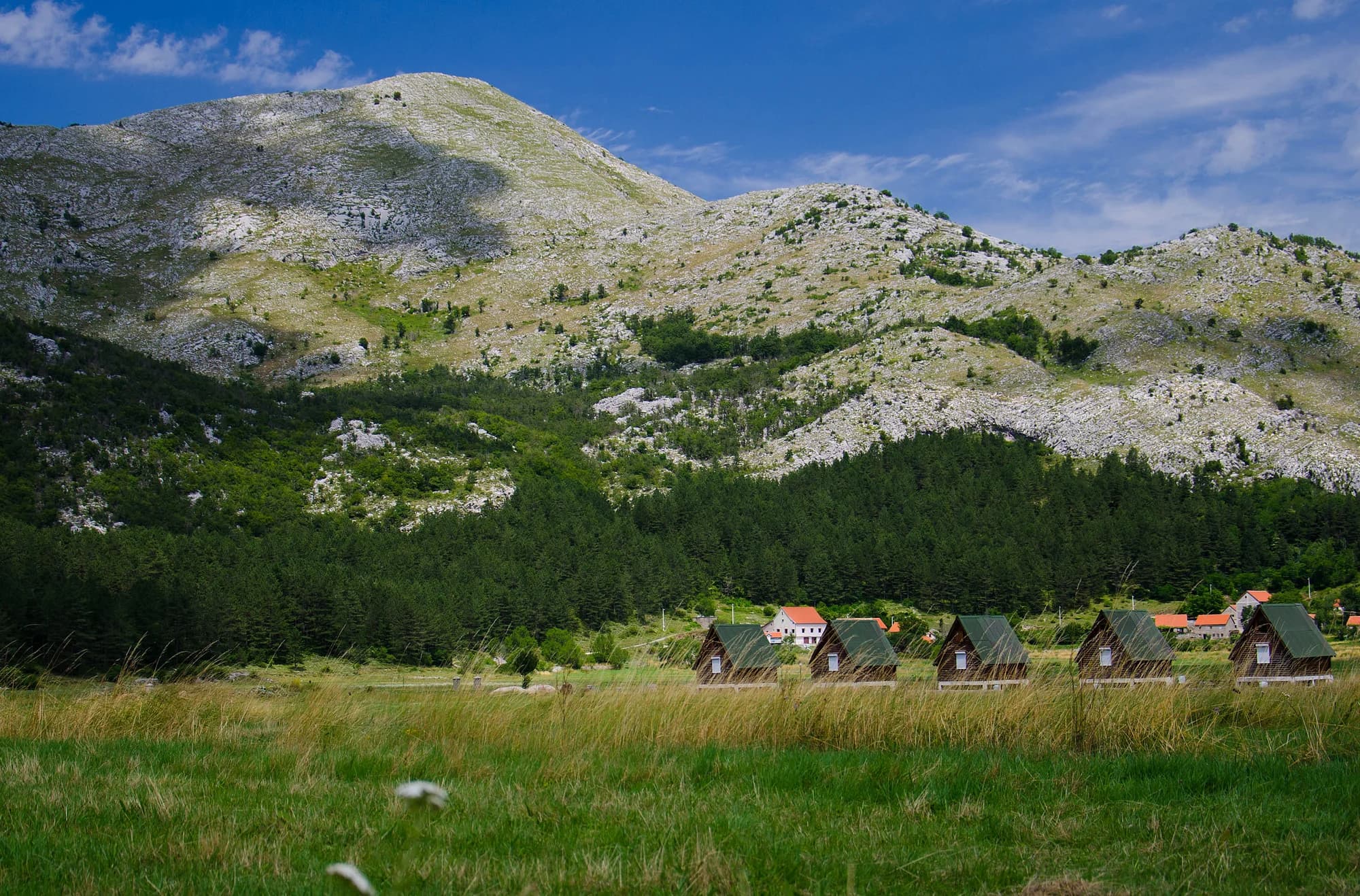
Njeguši su grad na lovćenskoj visoravni na oko 900 m, na starom putu između Kotora i Cetinja. Od zaliva su četrdesetak pet minuta uz serpentine, unutar nacionalnog parka Lovćen, a čini ih nekoliko kamenih zaselaka oko zelenog kraškog polja.
Zašto su Njeguši poznati?
Zbog dvije stvari: rodno su grad dinastije Petrović Njegoš koja je vladala Crnom Gorom, i po njima se zove najpoznatiji suhomesnati proizvod u državi. Petar II Petrović Njegoš, vladika i pjesnik, rođen je ovdje 1813.
Šta je njeguški pršut?
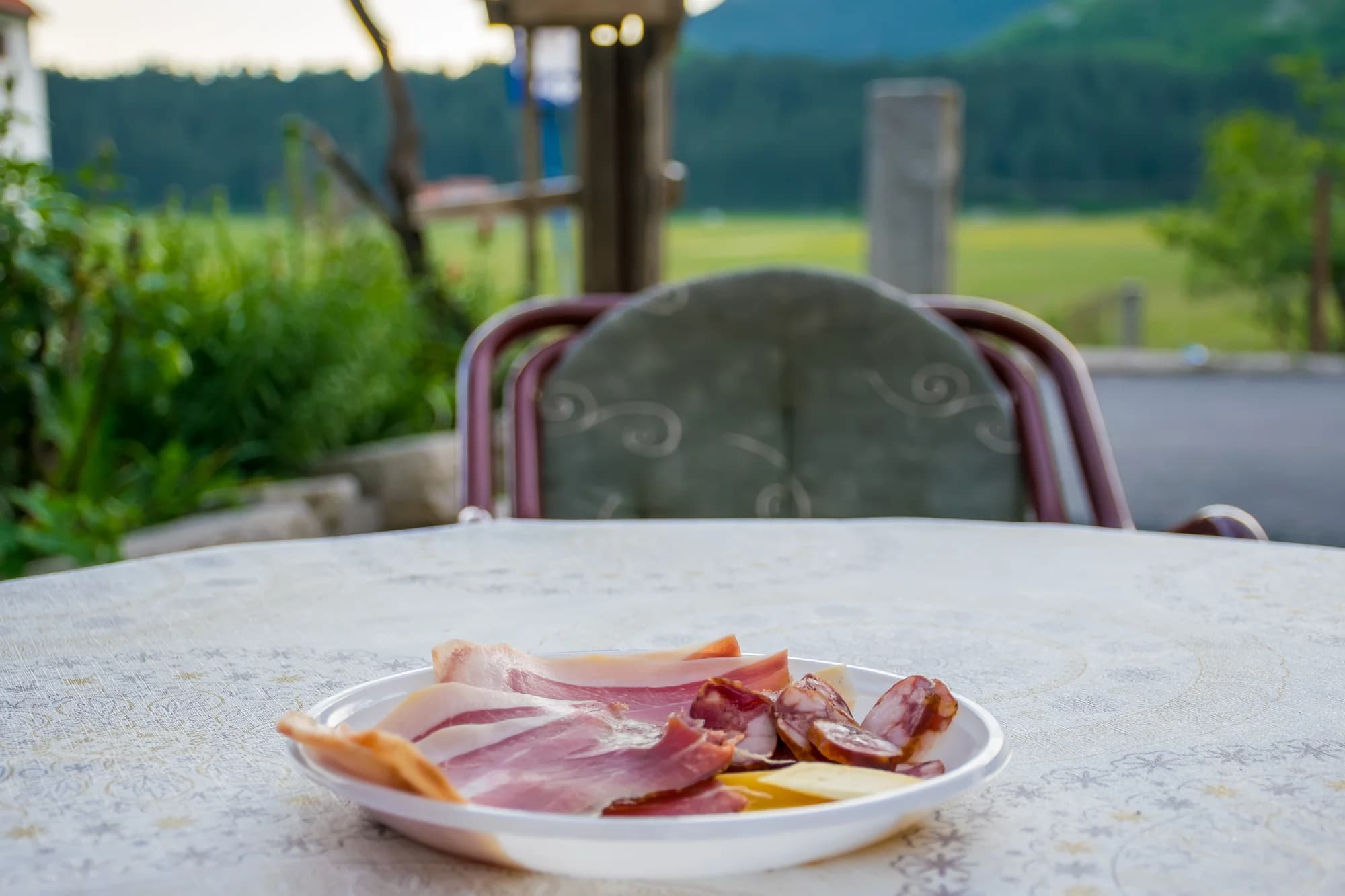
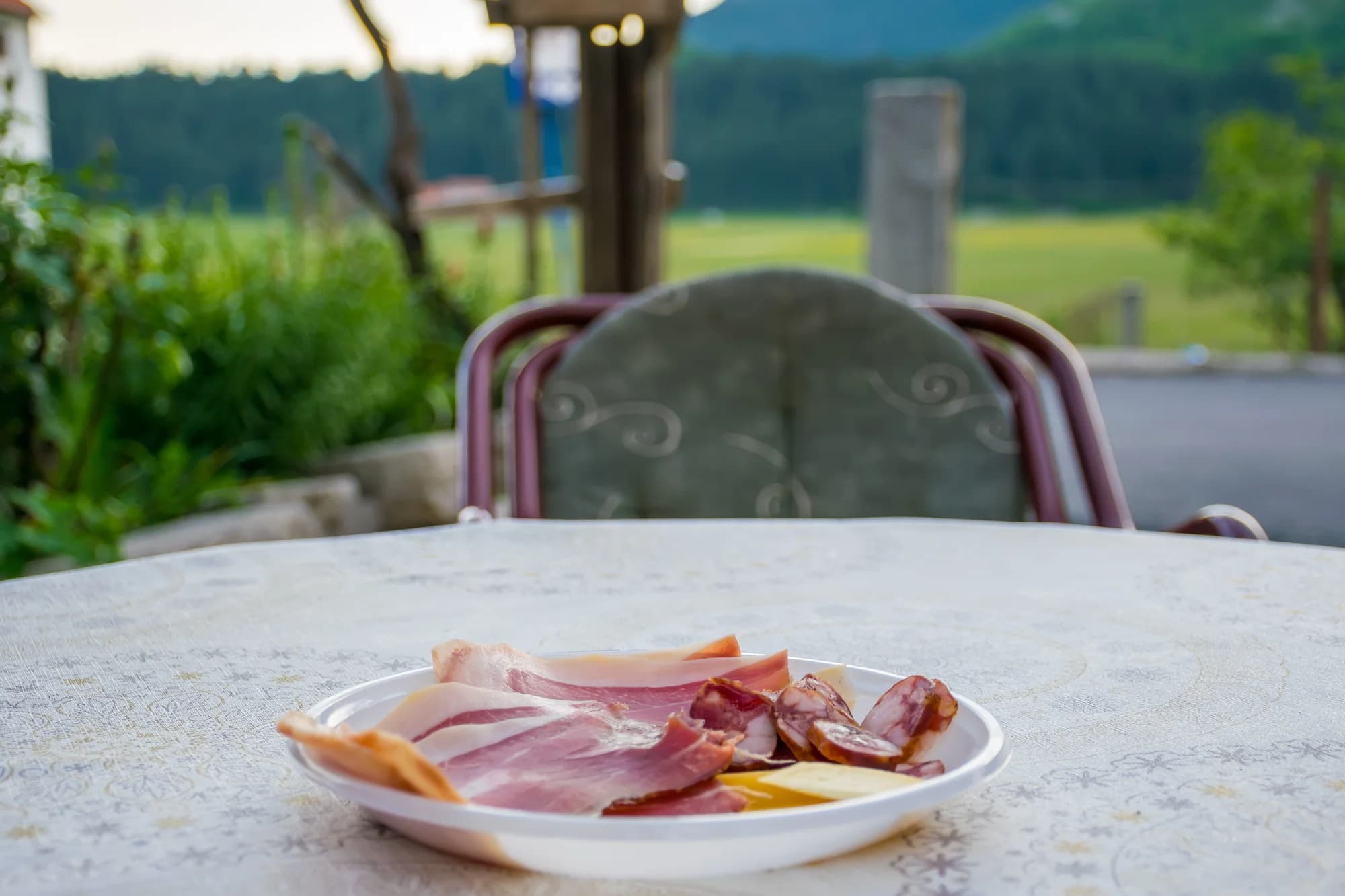
Pršut soljen, dimljen na bukovini pa sušen na promaji koja prelazi preko visoravni — susretu morskog i planinskog vazduha pripisuje se ukus. Služi se u tankim listovima, obično uz domaći sir u ulju i čašu rakije.
Može li se posjetiti Njegoševa rodna kuća?
Može. Porodična kuća u gradu otvorena je kao mali muzej, s prostorijama i predmetima iz vremena dinastije. Skromna je, i u tome je poenta: pokazuje koliko su jednostavno crnogorski vladari zaista živjeli.
Vrijedi li se popeti?
Put iz Kotora atrakcija je koliko i grad — dvadeset pet okuka, sa zalivom koji se u svakoj otvara ispod. Uzak je i spor, i najbolje ga je voziti uzbrdo iz Kotora, a ne nizbrdo, kako se uostalom i odvija najveći dio saobraćaja.
Koliko se treba zadržati?
Sat ili dva. Jesti, obići kuću, izaći u polje, pa nastaviti za Cetinje ili gore do Njegoševog mauzoleja. Većina to spaja s Lovćenom u jedan izlet s primorja.
Ima li aerodrom u Njegušima?
Ne — najbliži je aerodrom Tivat (TIV), 23 km putem.
Njeguši – Cetinje: koliko je kilometara?
9,8 km putem, oko 16 min vožnje.
Koliko je bezbjedno u Njegušima?
Britansko Ministarstvo inostranih poslova (FCDO) nema upozorenje protiv putovanja u Crnu Goru; svoje smjernice je posljednji put revidiralo 13. avgusta 2026. To je njihova procjena države u cjelini, ne naša i ne ocjena o ovom gradu, pa je pročitajte sami prije puta. Broj za hitne slučajeve u Crnoj Gori je 112.
Lokalni tanjir
Njeguški pršut
Crna Gora je registrovala naziv 2016, i registracija je recept: svinjski but s kosti, s kožom i slaninom ispod nje, suvo soljen morskom solju, dimljen na laganoj vatri od suve bukovine, zatim sušen i zreo najmanje devet mjeseci. Zaštićeni naziv pripada samo pršutu napravljenom na njeguškoj teritoriji — selima polja, dvama Zalazima, Žanjevom Dolu, Mircu, Majstorima i zaseocima do Krstca. „Planinski pršut” na meniju je opis, a ne oznaka.
Gdje Porodične konobe duž starog kotorskog puta, na samom polju
popis 2023, naselje Njeguši — 1948. ovdje je živio 61 čovjek
1435.
Osnovan
Njeguši u mletačkim arhivima, sa snagom od 400 kuća
901 m
Nadmorska visina
dno Njeguškog polja, izmjereno kod sela na SRTM-u
23 km
Aerodrom
do Tivta (TIV) putem, pola sata nizbrdo — Podgorica (TGD) je na 55 km
1952.
Park
Nacionalni park Lovćen, 62,2 km² — selo leži unutar njega
MONSTAT, Broj stanovnika po naseljima, Popis 2023 · sr.wikipedia (Njeguši; pleme Njeguši) · en.wikipedia (Lovćen) · udaljenosti putem izmjerene na podacima OpenStreetMap-a, nadmorske visine na SRTM 30 m
Koliko vremena treba za Njeguši?
Nekoliko sati
1Od Kotora uz R-1 — dvadeset pet serpentina, od četiri metra do devetsto, a u sezoni je uspon zabranjen poslije 14.00
2Njegoševa rodna kuća u Erakovićima: jedinica Narodnog muzeja, 09.00–17.00 od 11. aprila do 15. novembra
3Pršut i sir u konobi na polju
4Velika Gospođa, saborna crkva plemena i najveća u polju
Dva sata, od čega je većina vožnja — i u tome je poenta.
Cio dan
1Kotor rano, prije nego što autobusi stignu do zidina
2Serpentine do sedla Krstac, 944 m
3Njeguši: rodna kuća, pa dug ručak na polju
4Jezerski vrh na 1.657 m i Meštrovićev mermerni mauzolej, završen 1974.
5Niz istočnu stranu do Cetinja, 21 km dalje
Klasičan prelaz preko planine — od obale do stare prijestonice, s Njegušima kao šarkom.
Gdje odsjesti — Njeguši
Njeguško polje
Najbolje za buđenje u samom polju — Erakovići (93 stanovnika) i Raičevići (52) dva su zaseoka s više od pedeset preostalih ljudi, i oba leže na teritoriji zaštićenog pršuta
Nacionalni park Lovćen
Najbolje za bungalovi i mjesta za šatore samog parka unutar granice, po €30 i €3 dnevno prema njegovom cjenovniku
Cetinje, 21 km istočno
Najbolje za stara kraljevska prijestonica — hoteli, muzeji i večera, pola sata putem obnovljenim 2018.
Kotor, 21 km nizbrdo
Najbolje za zaliv i more, s cijelim usponom koji vas ujutru tek čeka